14 Essential Panama City Travel Tips
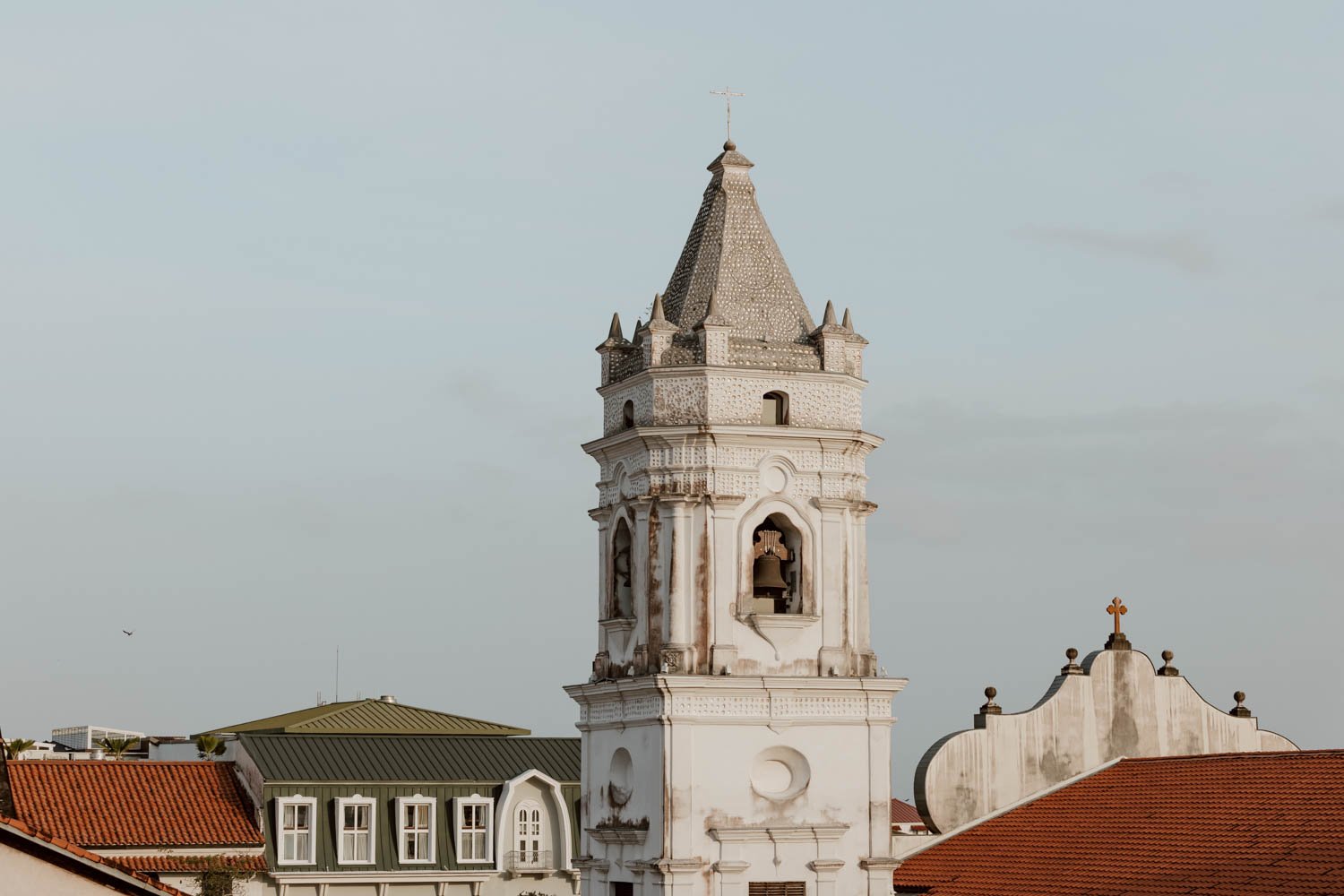
The capital of Panama is exciting, chaotic, modern, historic, contradictory, and occasionally baffling - sometimes all at once.
Over in our main guide, we've shared all our favourite things to do in Panama City but, to help you land on your feet, in this post we’re going to dive straight into some practical and no-nonsense insights.
Consider this as your essential pre-trip briefing to help streamline your planning and avoid a few common mistakes once you arrive - and hopefully give you a better overall experience too!
These are 14 Essential Things to Know Before You Visit Panama City.
Panama City is Expensive
We like to use the word 'affordable' rather than 'cheap' when talking about places, because prices and value are so subjective.
However, we have no qualms in saying that travellers of all styles and budgets will find elements of Panama City a bit more expensive than expected.
If you're a Central America backpacker on a budget, you'll find that the capital ranks alongside parts of Costa Rica: you'll have to make some compromises if you want your money to stretch.
All entry fees to the main sights and museums are really expensive, even by European standards: $17 for the Miraflores Locks, $15 for Panama Viejo, and $17 for the Panama Canal Museum.
Unless you're staying in an area that hasn't got much going on, accommodation will usually cost more than you'd like for Central America.
Whilst there are plenty of affordable places to eat out, they're becoming a little harder to find in the neighbourhoods most frequented by visitors. Casco Viejo, in particular, is increasingly dominated by high-end restaurants and rooftop bars, geared toward vacationers and wealthier locals (this is why it’s a good idea to dress up a wee bit fancier for certain venues).
So, if you're going to be in the city for more than a couple of days, choosing a hostel or Airbnb with a kitchen is a good idea.
Stay // On our last visit, we first stayed in the Magnolia Inn for a few nights, and it’s a solid option in a great location for dorms and doubles. A more social alternative would be the Viajero Hostel. When we came back to the capital after San Blas, we stayed in this excellent new Airbnb by Plaza Herrera, and we can happily recommend it for couples.
There Are Three Airports
If you're flying in for a Panama-focussed adventure or vacation, then you'll likely arrive at Tocumen International Airport (PTY). The country’s main international gateway, it's 23km/14 miles east of downtown and handles most long-haul and regional flights.
There isn't a direct bus connection but the metro was recently joined up with it! Depending on the traffic, it's also an easy half-hour taxi ride from Casco Viejo, whilst you can easily find and pre-book a private transfer here for convenience.
We’ve shared further details in this post: How To Get From Tocumen Airport to Panama City.
If you're heading onward to (or returning from) the Bocas del Toro archipelago though, then Albrook (PAC) is your likely departure point. This is the smaller airport, located on the site of a former US air base just 1.5km from downtown, and it's served by bus connections. We flew there from the islands, and just jumped in an official waiting cab outside the arrivals exit for an easy ride to our hostel in Casco Viejo.
You may also see it referred to as Marcos A. Gelabert Airport.
Finally, there's little Panamá Pacífico International Airport (BLB). This offers some low-cost domestic flights, but primarily serves other destinations in Central and South America.
So, whenever you're working out transfers or taxis before a flight, just make sure you choose the right one!
Recommendation // If your Panama flight arrives late at night - or you’re planning to explore the city later in your trip, as we did - it may be easier to spend your first night at an airport hotel rather than heading straight into the city. Based on our own experience, we can recommend the Crowne Plaza, which offers a free shuttle to and from Tocumen International Airport.
And yes, we did end up staying in a variety of places in and around the capital before & after our Panama road trip!
Panama Viejo vs. Casco Viejo
These are two distinct parts of the city that are often confused.
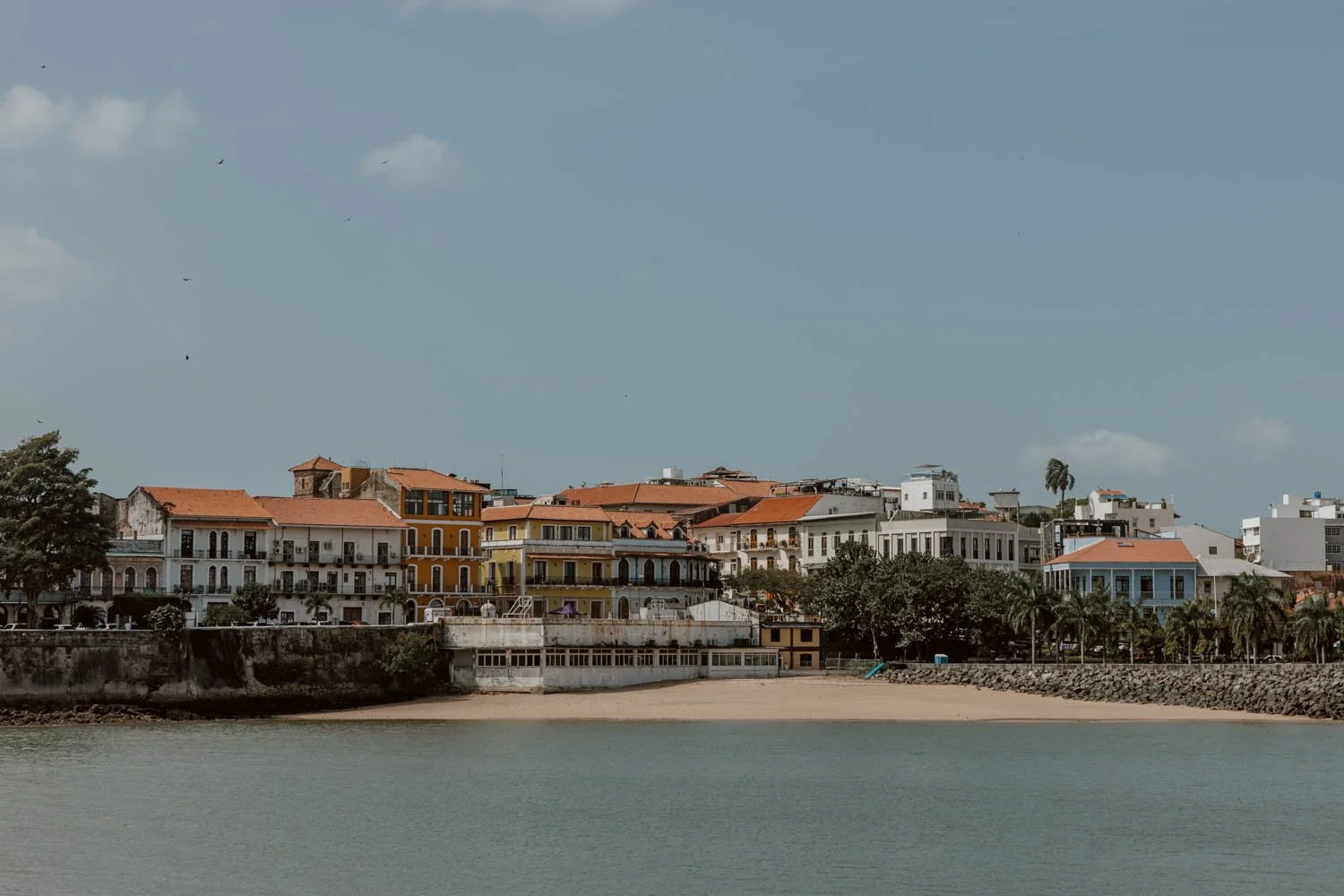
Viejo means ‘old’ in Spanish, and Panama Viejo marks the site where Spanish conquistadors founded the city in 1519. Today, it lies in ruins between the water and the skyscrapers, but visiting it remains one of the most popular things to do in Panama City.
Casco Viejo (casco literally means helmet) is 8km further along the bay. It was founded in 1673 after Panama Viejo was sacked by the Welsh pirate, Henry Morgan. The area served as the colonial capital and a major Pacific-side port of the Spanish Empire until the early 20th century.
Despite being newer, Casco Viejo is more often referred to as the historic quarter or 'old town' of Panama City, and is the preferred base for most travellers.
Both are UNESCO World Heritage sites.
It's The Start & Endpoint for San Blas Trips (and Colombia Boats)
You may already have heard of the paradise islands off the east coast, and they may even be your primary reason for visiting Panama!
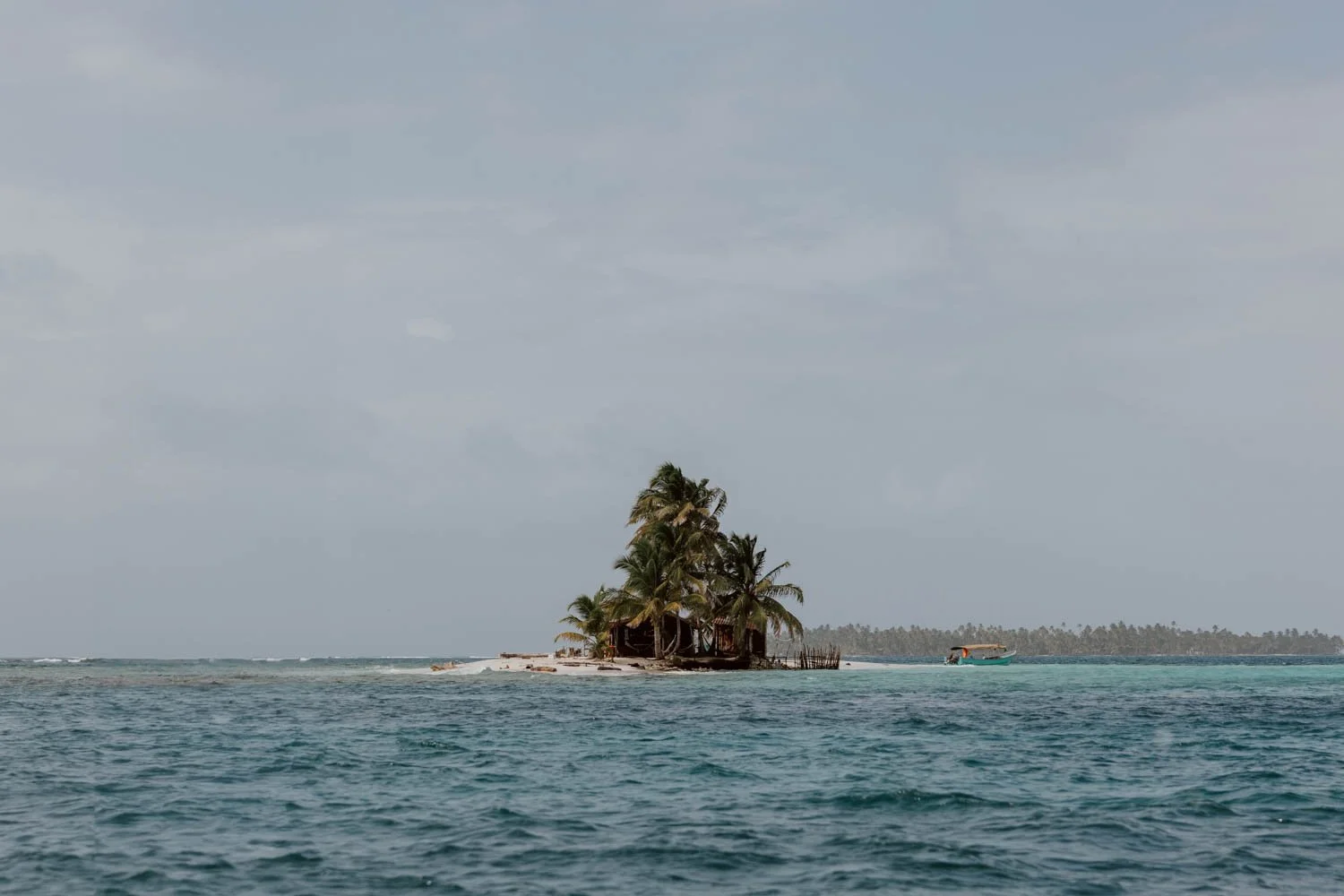
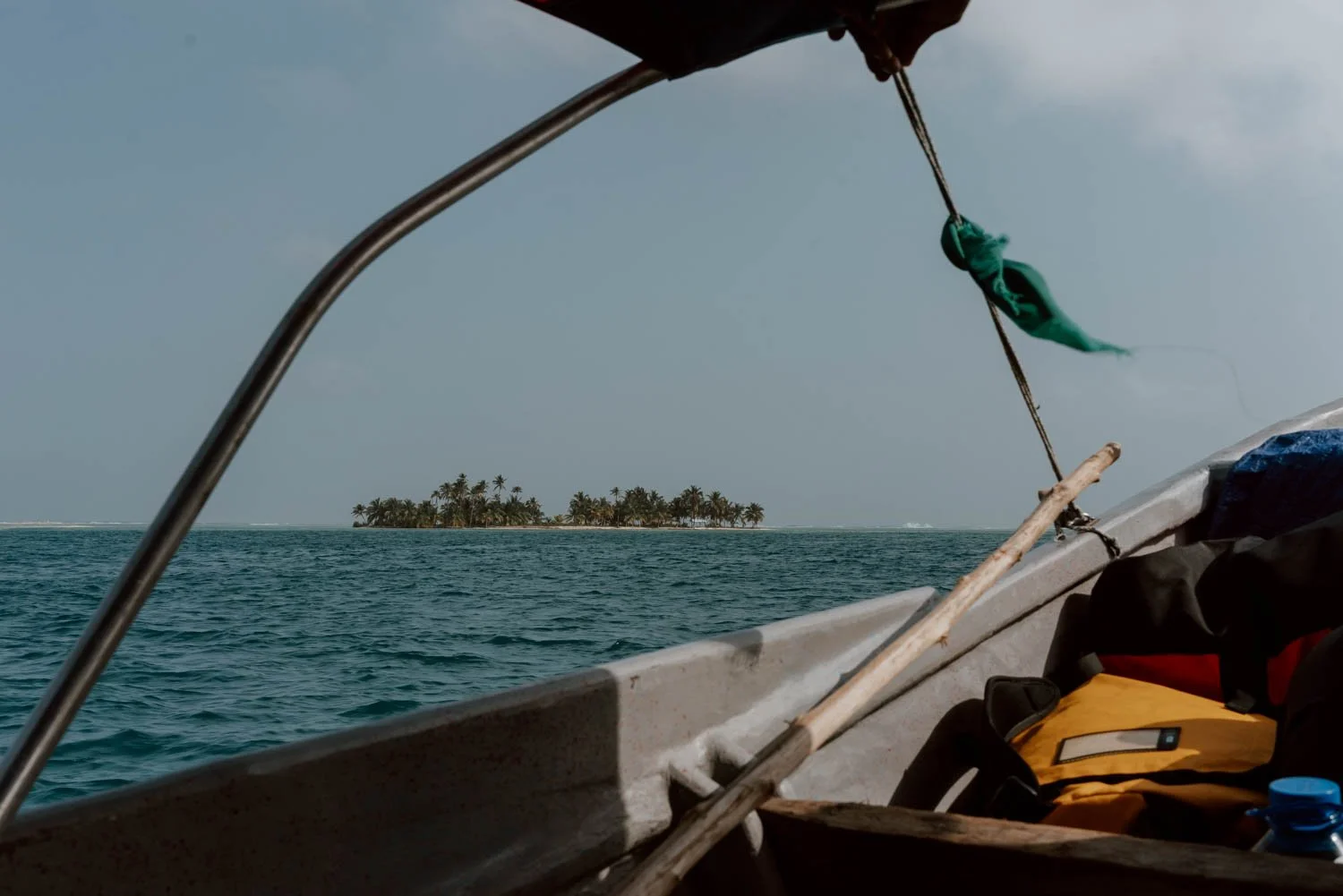
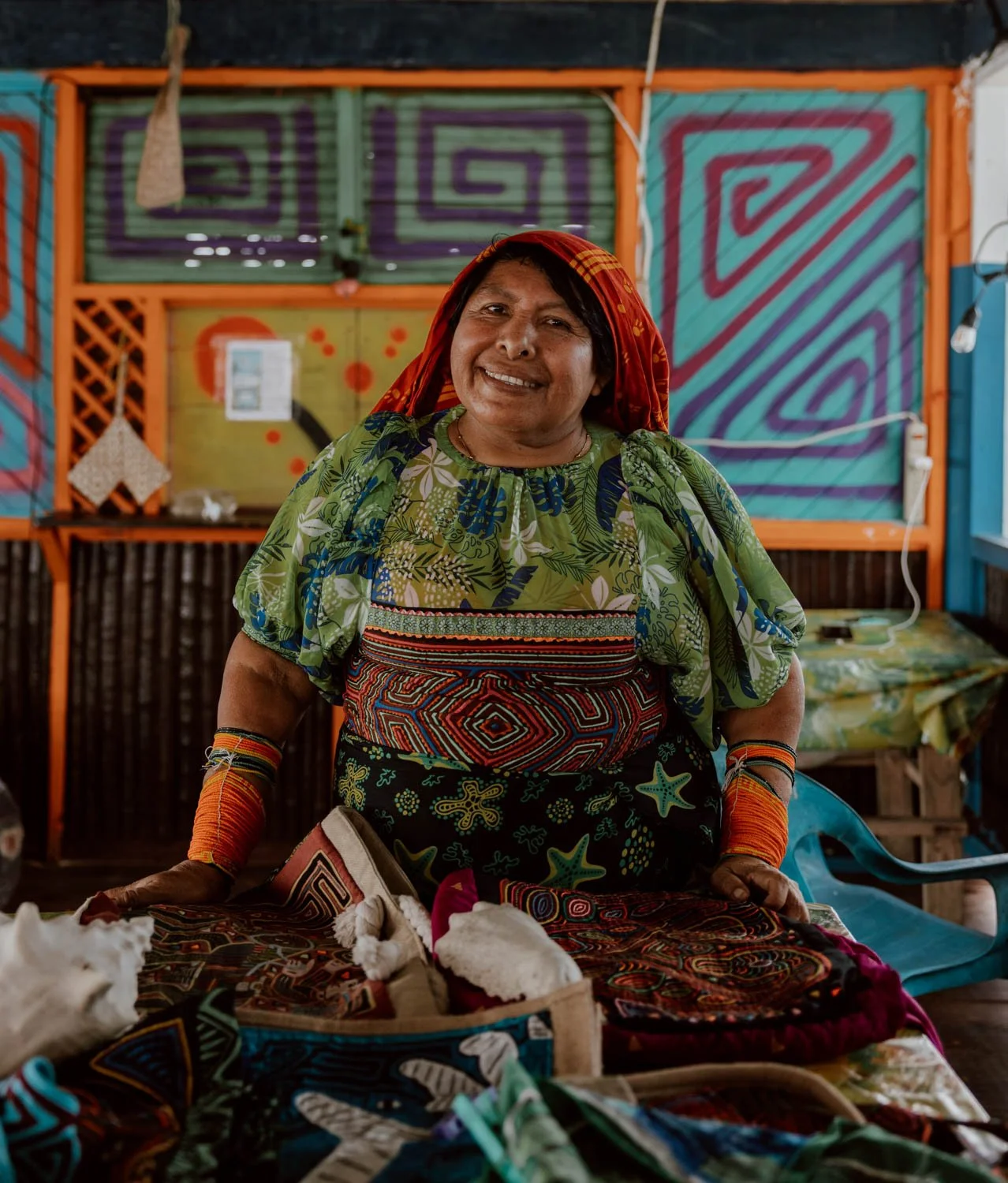
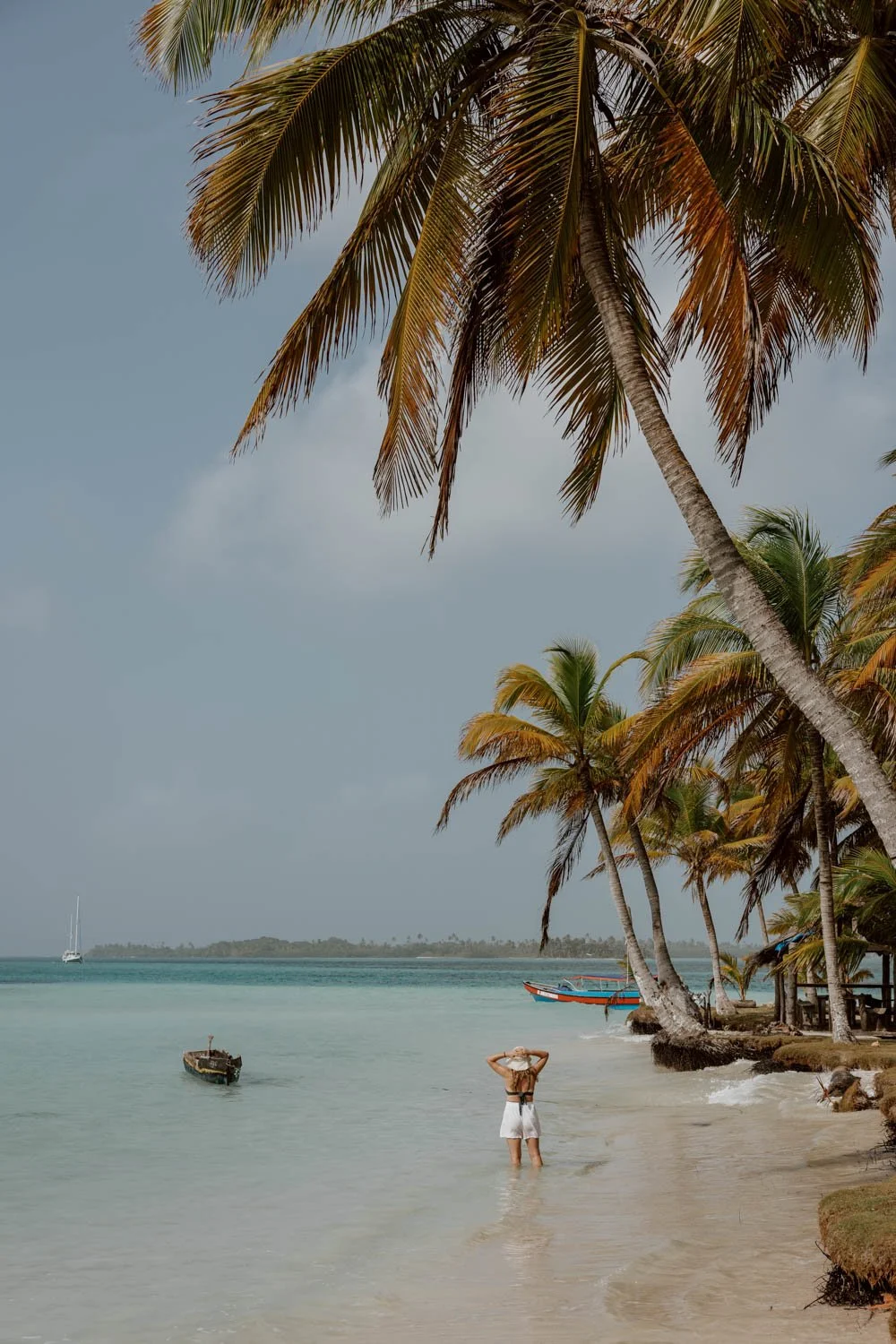
The San Blas, also known as Guna Yala, are a self-governed comarca of more than 350 white sand and palm tree dotted islands. They’re protected by the indigenous Guna people, who have maintained political autonomy here for generations. They are also responsible for regulating tourism: access, boat tours, accommodation, and even day-trips all operate under their rules.
This means visiting them isn't simply a case of booking a flight or hopping on a ferry.
Almost every traveller - regardless of budget or style - will begin their San Blas trip in Panama City, and it's essential to have this sorted a few days before you plan to be on the islands! This is because of the popularity, limited number of tour providers, regulations and, for anyone who is doing them as an out-and-back from Panama City, the need to sort out somewhere to securely store your luggage.
For backpackers, visits to the San Blas are often taken as a multi-day island-hopping trip to skip the Darien Gap and arrive in Colombia (or vice-versa).
Get ahead of the game by reading our essential guide to visiting the San Blas Islands.
Travel Tip // Now, we 100% recommend against visiting the San Blas archipelago as a day trip. Most of your time will be spent driving to the coast and then speeding to the more crowded islands, leaving little chance to appreciate what makes the San Blas so unique. It will also be a very long day.
That said, you’ll see plenty of day trips widely advertised in the city and online (like this one).
We did a lot of research for our decision and, for the best experience, chose to spend two nights across two different islands, with excursions to several others.
However, we appreciate that not everyone will have three full days in their Panama itinerary to dedicate to the San Blas, but the good news is that one-night/two-day excursions are also super popular and will still offer a rewarding experience.
There Are A Lot of Skyscrapers
Most cities in Central America just don't look like Panama's capital.
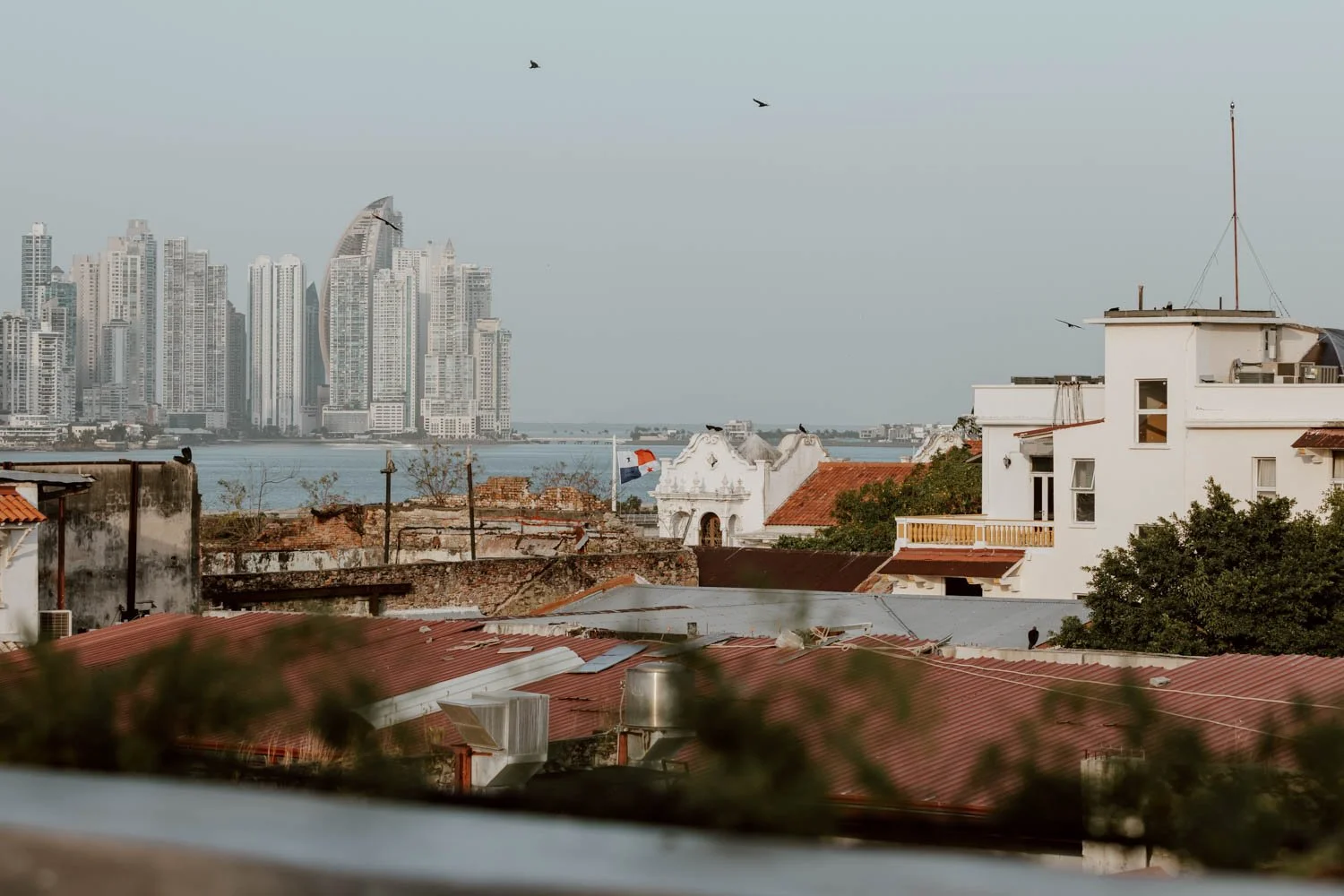
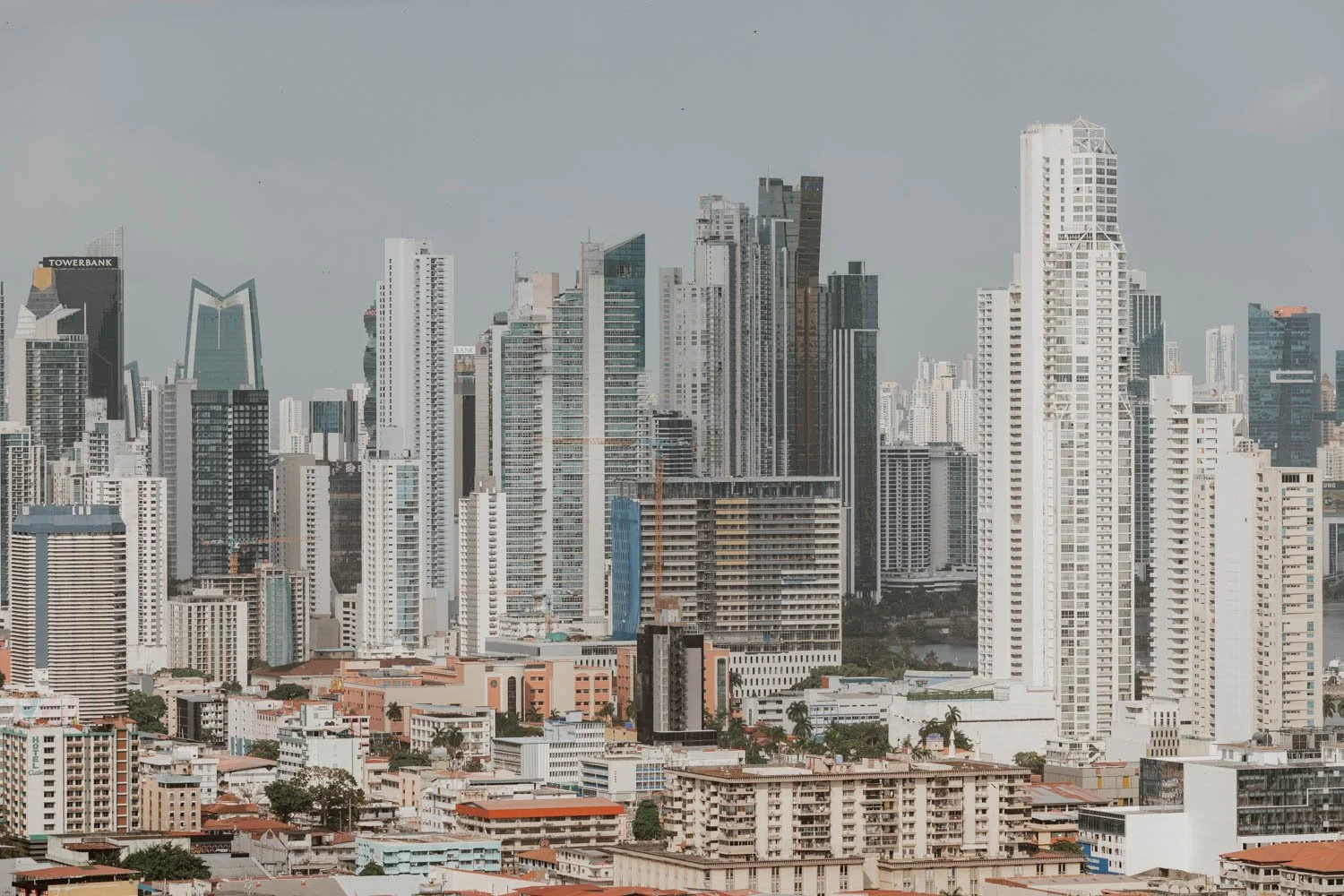
Its modern skyline of skyscrapers housing international banks, luxury condos for expats, and high-rise hotels is definitely more Miami or Dubai. Whilst there are a few reasons for this vertical growth - partly due to being hemmed in by the Pacific Ocean, the Canal, and the rainforest - it's mainly down to money.
Panama City became a magnet for international banking after a permissive 1970 Banking Law turned it into a tax‑friendly playground for anyone with capital to park. Combined with strong American influence (more on that later), a dollarised economy, strategic location on the Canal, and generous construction incentives, it was ripe for both considered and speculative development, and has witnessed several real estate booms.
Frankly, the same offshore mechanisms that fuelled these glass towers also formed the backdrop for the Panama Papers scandal, highlighting the dependence of the city’s financial ecosystem on money seeking discretion.
The skyline may appeal architecturally to some but, for others, it’s familiarity could provide less of an incentive to fly out here! Personally, it leaves us cold and we think it’s part of the reason lots of travellers can find it hard to love Panama City.
That said, it's important to be crystal clear that, whilst there is a lot of wealth sloshing around Panama City, there is also a lot of poverty and struggle: these two realities often sit uncomfortably close together.
The Layout is Quite Curious
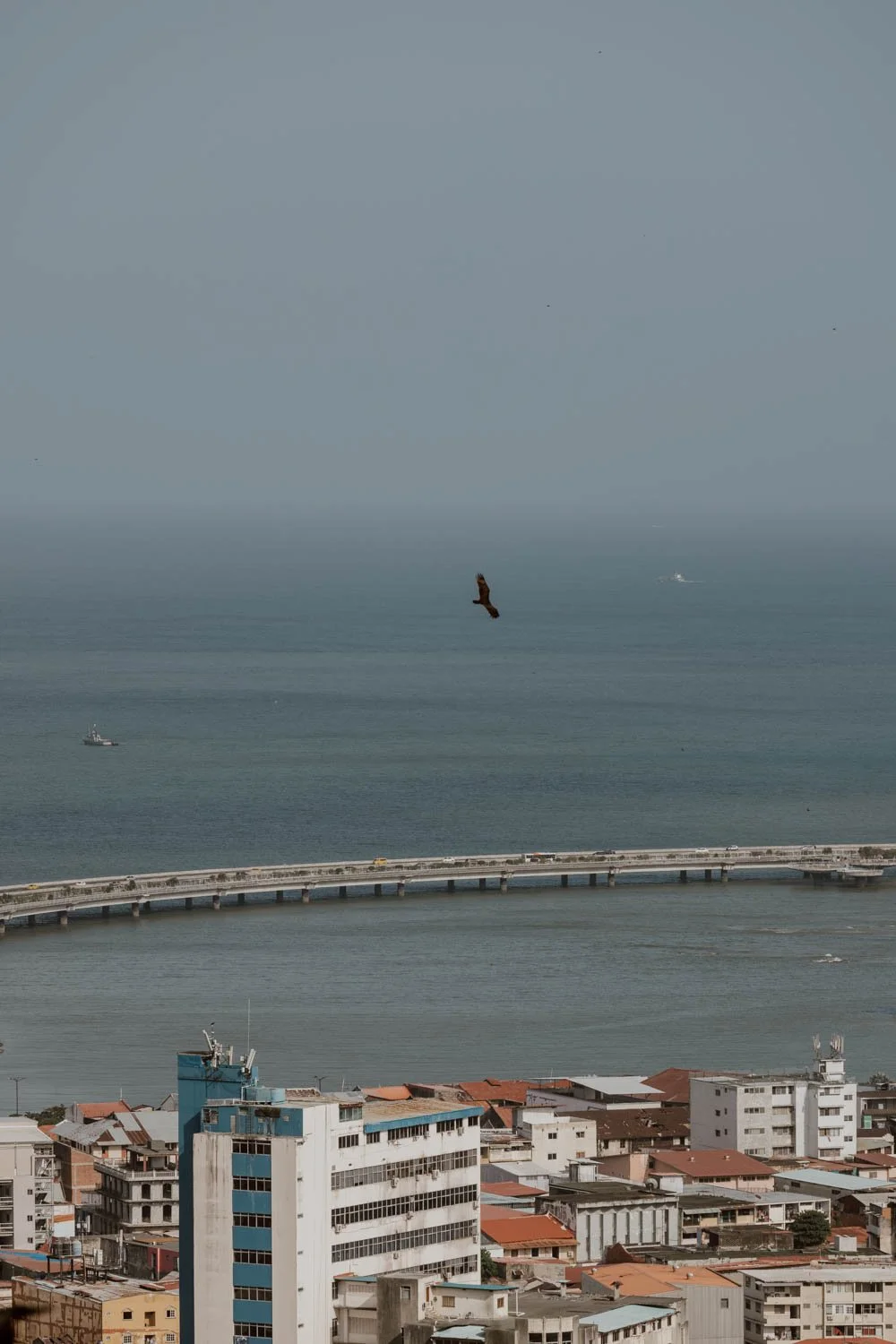
Panama City sort of mirrors the odd geography of Panama itself: long and linear, hugging the coastline without much width.
This means many neighbourhoods stretch out like beads along a string, rather than spreading inland, and artificial parts jut and jab far out into the water. There's also the PanAmerican highway cutting right through it.
Practically, this can make the city feel oddly disconnected: you’re either right where you need to be or stuck a long taxi ride away, threading through traffic and forests of glass towers to get anywhere interesting.
This means choosing the right base for your plans is important, but also anticipating the fact that a few activities simply aren’t going to be convenient to reach on foot from any single location.
Plan // Find the perfect base for your budget and travel style in our Where To Stay in Panama City guide
Uber Works Great & Crosstown Traffic
Due to the above, and the fact that a few neighbourhoods aren't recommended to mistakenly wander through, Panama City simply isn't the sort of place where most can unleash their inner flâneur (especially if you've got ambitious plans and only a couple days to fulfil them).
Wandering randomly on two feet is what we love to do, and we always recommend against travellers being overly dependent on Uber to experience a place, but the reality is that it just works well for this city.
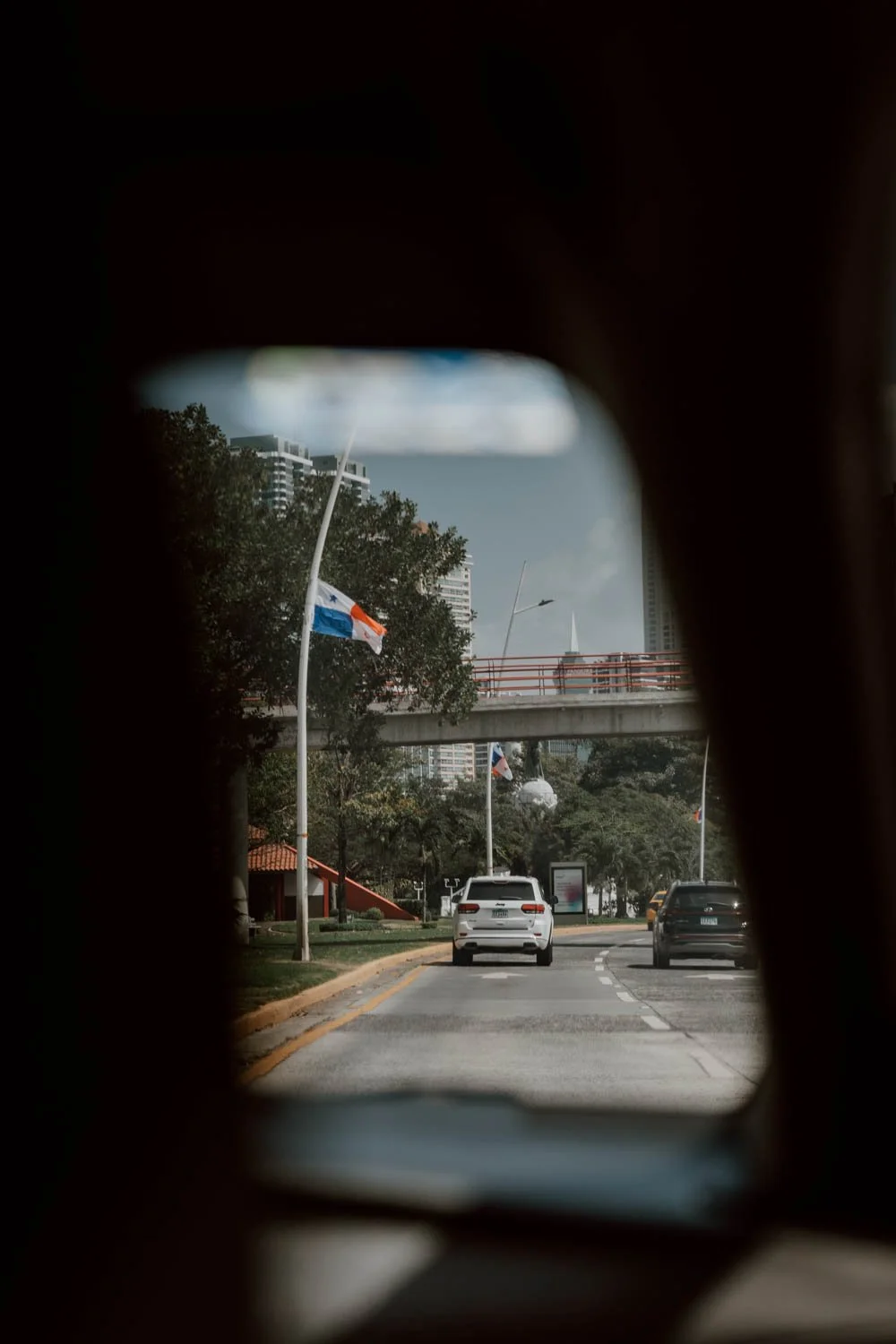
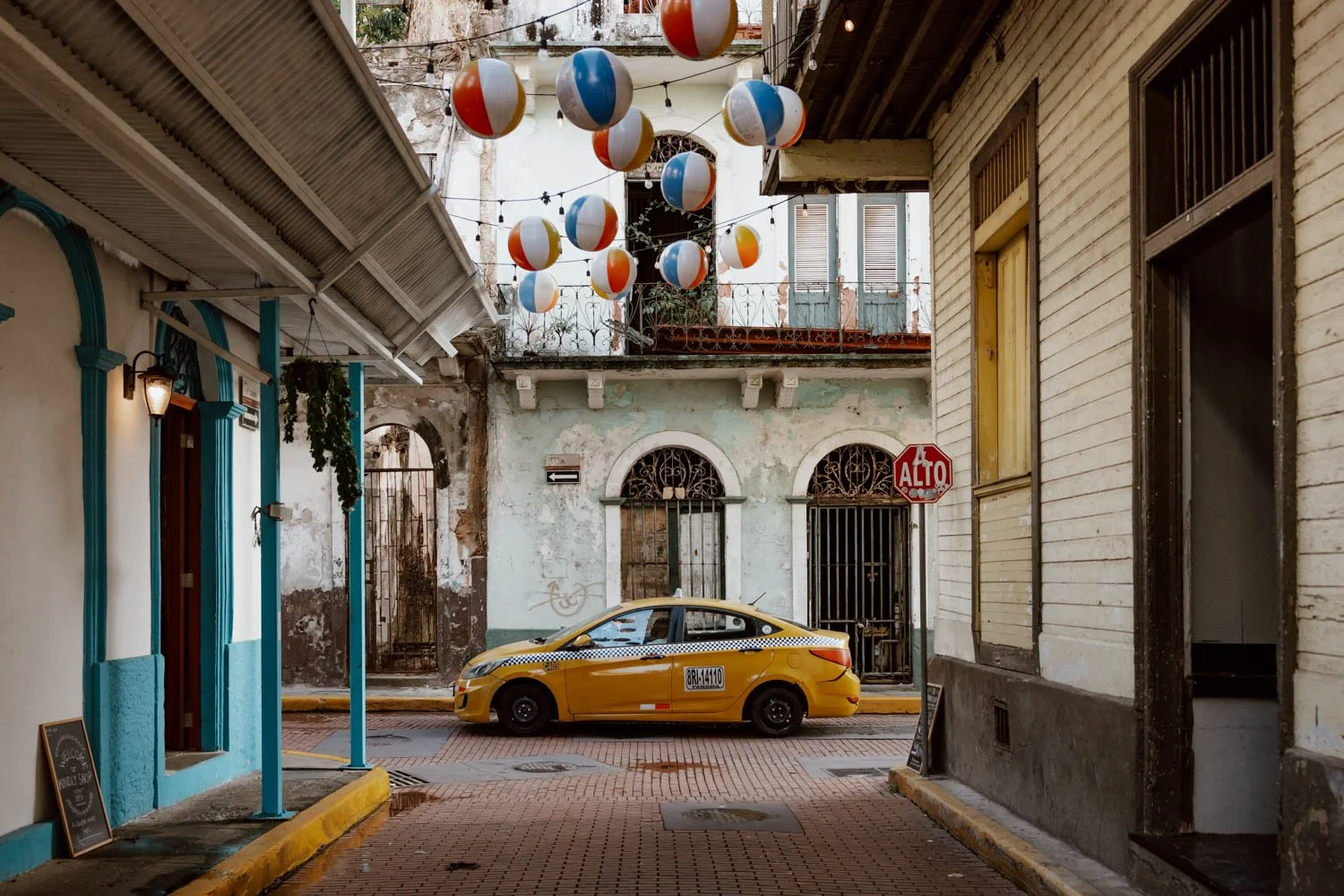
More often than not as you're walking around, a yellow taxi will beep and peep to see if you want a ride, and there's definitely a place for them. Yet Uber is just so convenient and secure that we used it for visiting the Panama Canal, getting to/from Panama Viejo, and also for an airport journey.
Whilst this obviously only adds to the considerable congestion from which Panama City already suffers, we're not here to judge!
Travel Tip // The morning and afternoon gridlock in and out of Casco Viejo is terrible, so you will sometimes be quicker to walk out and beyond it to hail your ride.
You May Spend More Time Than Than You Think
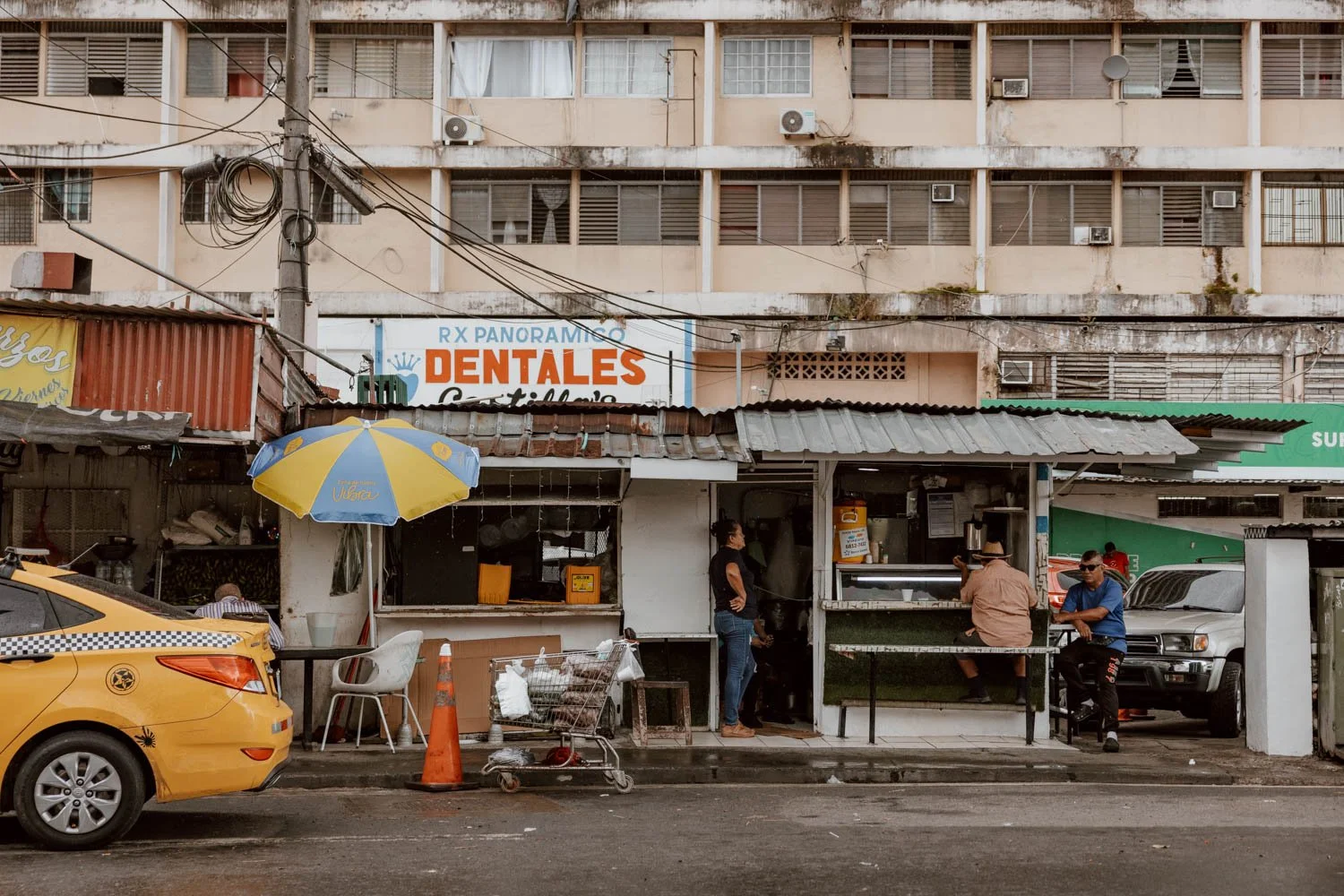
Due to San Blas logistics, connections, and itinerary needs, many travellers end up spending longer in Panama City than they originally intended:
Any vacationer or Central America backpacker doing an out-and-back trip to the San Blas will need a night here before they go and almost certainly one when they return from the islands
Travellers arriving by boat from Colombia*, via San Blas, will have just spent several days going up and down on the water. Regardless of your plans, most take a couple of days in the city to dry off, get their land legs back, enjoy home comforts, and do laundry
Those travelling by boat from Panama to Colombia need at least a night in the city to get their stuff sorted and organise logistics - and longer if accommodation hasn’t been booked in advance
Any international travellers visiting only Panama will likely fly in and fly out of the city
If you’re looking to be efficient with your nights or how to prioritise activities in your Panama City itinerary, then it’s definitely worth planning ahead!
*Confused about why we keep on mentioning a boat between Panama and Colombia, check out our San Blas Travel Guides
Plan Around Mondays & November
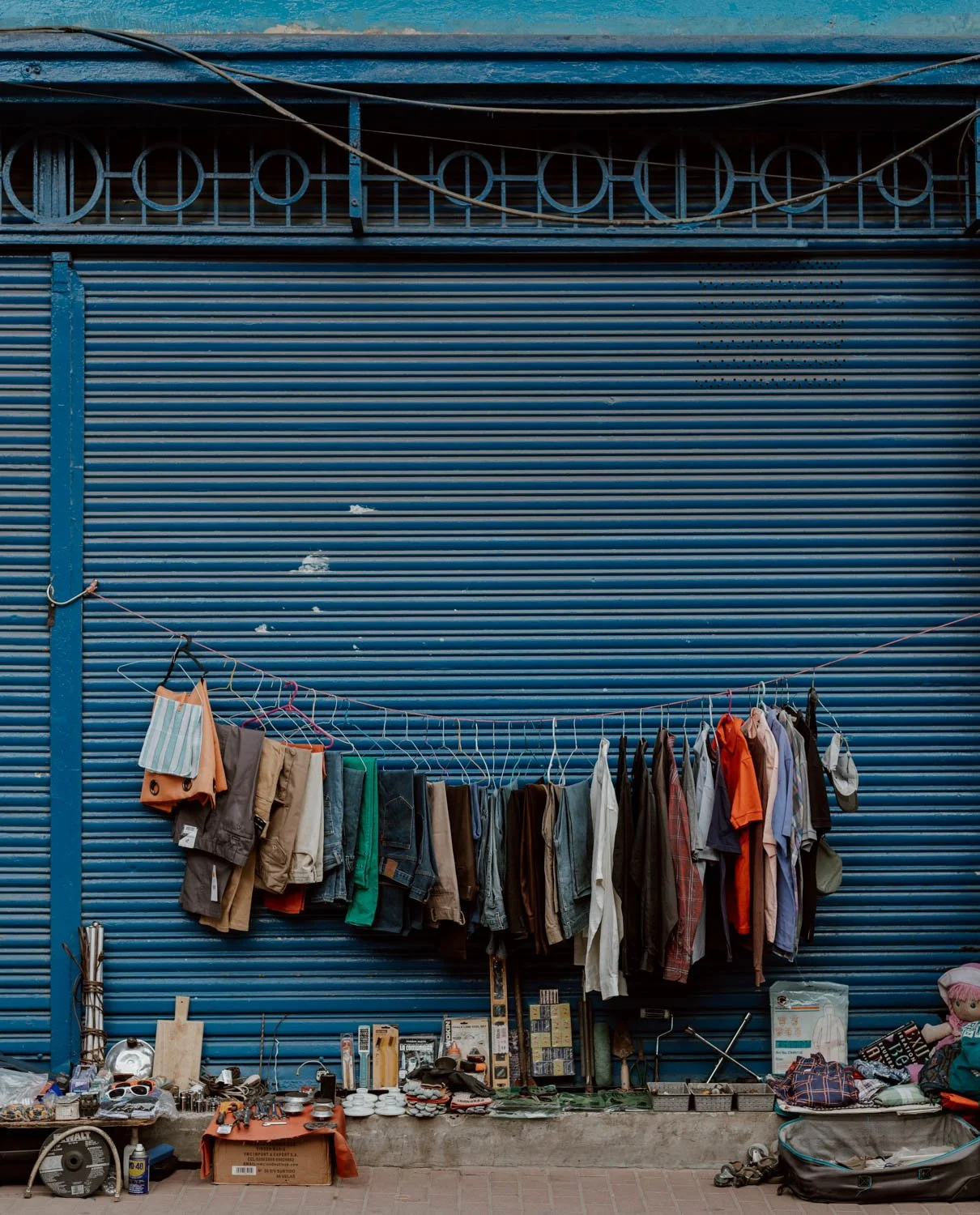
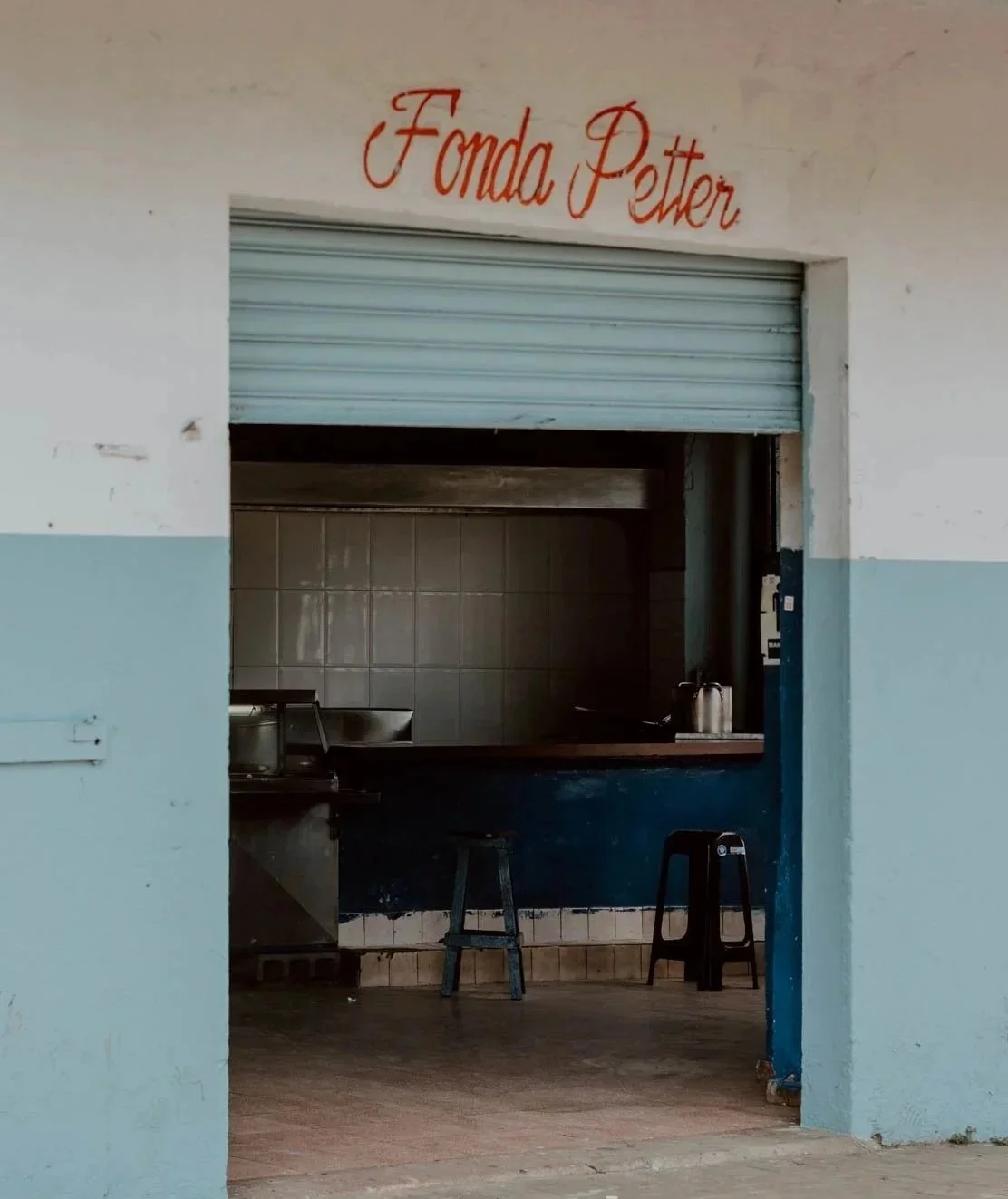
The BioMuseo, Museo del Canal Interoceánico, the Mola Museum, Panama Viejo, and the Museum of Contemporary Art - basically the majority of the museums and galleries which plans are based around - are all closed on Mondays.
For those short on time in the capital, it's best to try to avoid having one of your days here fall on a Monday.
Also, it's vital to anticipate 'Las Fiestas Patrias' in November. This would be a great time of year to visit Panama in terms of weather, but it also coincides with a series of patriotic celebrations to mark the country's independence from both Spain and Colombia. These are spread throughout the month, and involve several public holidays, often resulting in business closures on the 3rd, 4th, 5th, 10th and 28th November.
And, if you've ever been to Central America before, you know that means everyone having a party AND going on holiday to the coast or islands. Whilst in theory this may sound like a great thing to be part of (especially for the parades and festivals) it will also mean lots of crowds, limited availability, fewer transport connections, and significantly increased prices for accommodation.
You have been warned.
The Canal Zone & American Influence
For the run of the 20th century, Panama’s destiny was inextricably linked to the United States and the Panama Canal (a dynamic that made a surprising return during the second Trump presidency)
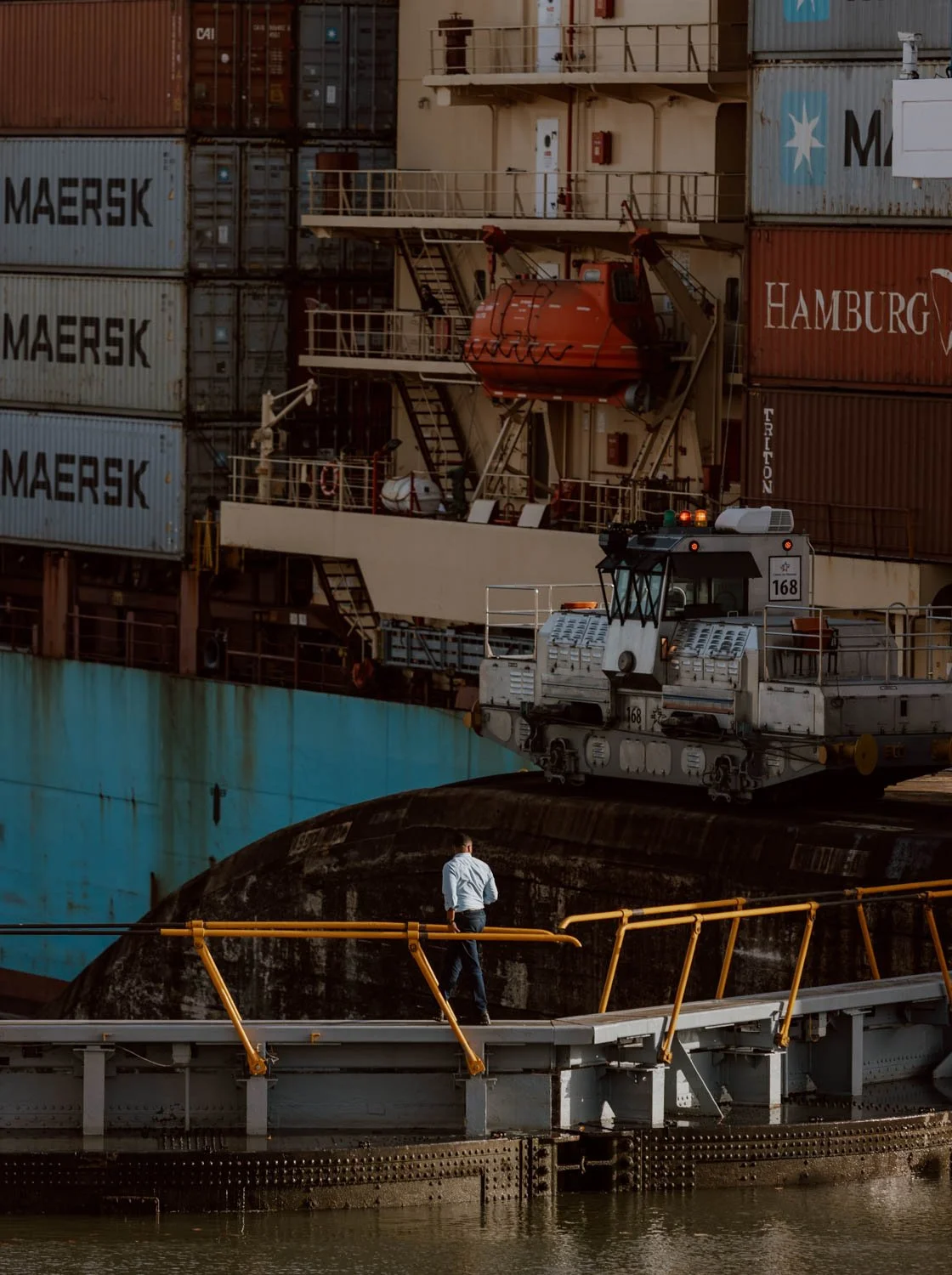
The canal itself was built by the US - underpinned by tens of thousands of workers from more than 90 countries - and to secure it, Washington backed Panama’s 1903 declaration of independence from Colombia. The US then carved out the ‘Canal Zone’, a strip of land 50 miles long and 10 miles wide that was effectively sovereign American territory.
This city within a city had its own rules, schools, hospitals, and neighbourhoods for engineers, administrators, and military families. Generations of Americans grew up there, known locally as Zonistas, and left a lasting imprint on Panama City’s infrastructure, architecture, and social geography.
Many areas you’ll visit on your trip were within the boundaries of the Zone, and off-limits to normal Panamanians for decades.
The controversial Carter-Torrijos Treaties (signed in 1977 by US President Jimmy Carter and Panamanian leader Omar Torrijos) were the agreements that gradually transferred control of the Panama Canal and the Canal Zone from the United States to Panama.
But, in one final, dramatic exercise of influence a decade before the handover, the United States invaded Panama in 1989, bombing parts of Panama City to capture Manuel Noriega - their former informant. There are various conspiracies around this move against an erstwhile strategic ally, but a desire to ensure he would not be in charge when control of the canal finally returned to Panama a decade later was probably high on the list.
So, whilst the Panama Canal itself may not get your juices flowing, the politics surrounding its creation and handover should absolutely form part of your understanding of the city.
Read // Learn more and plan your visit to the Panama Canal with our guide, where you’ll also find the best podcast to binge on your flight over!
Don’t Expect Beaches
This is where those Miami comparisons end.
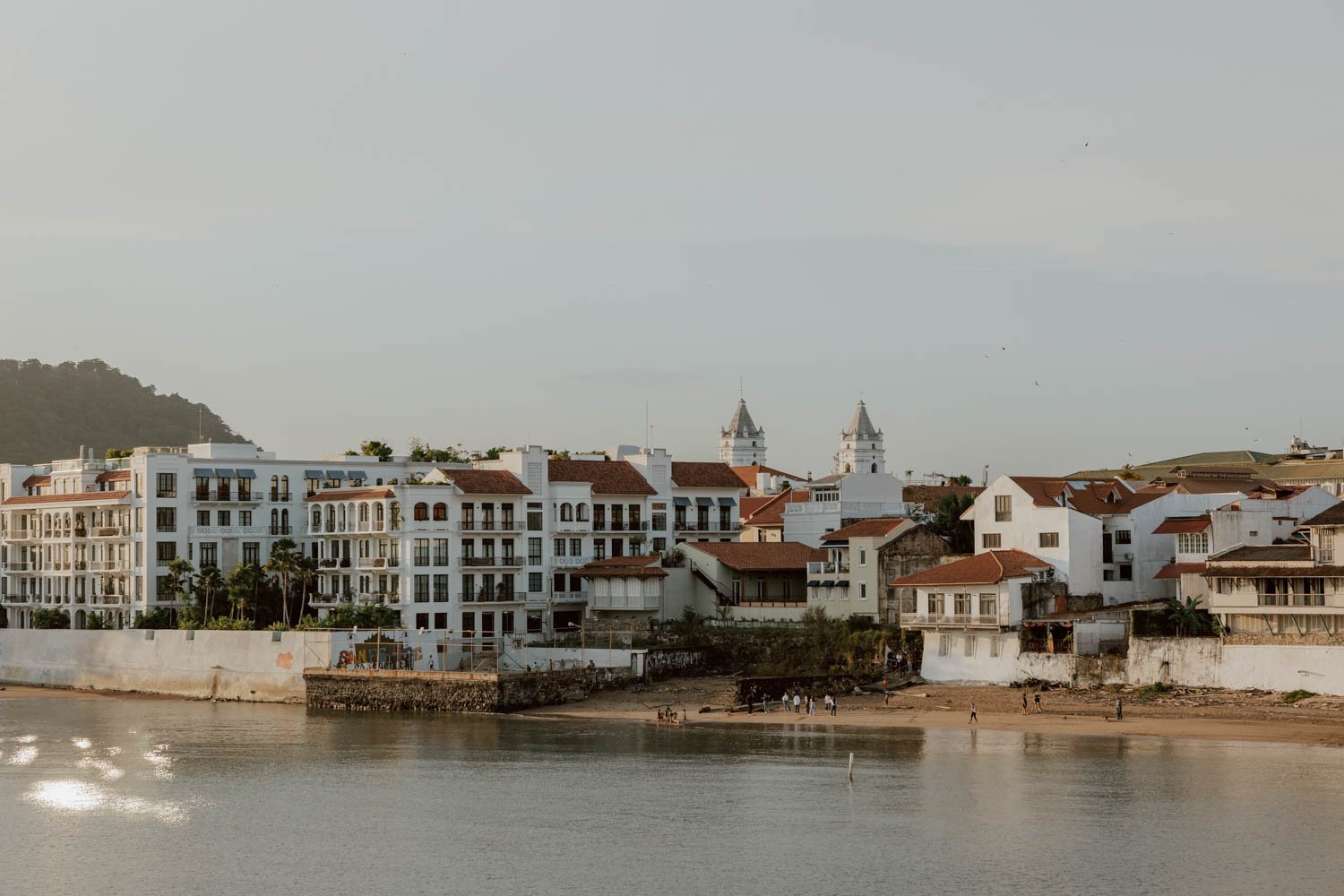
Despite sprawling along the Pacific, Panama City has no beaches of note.
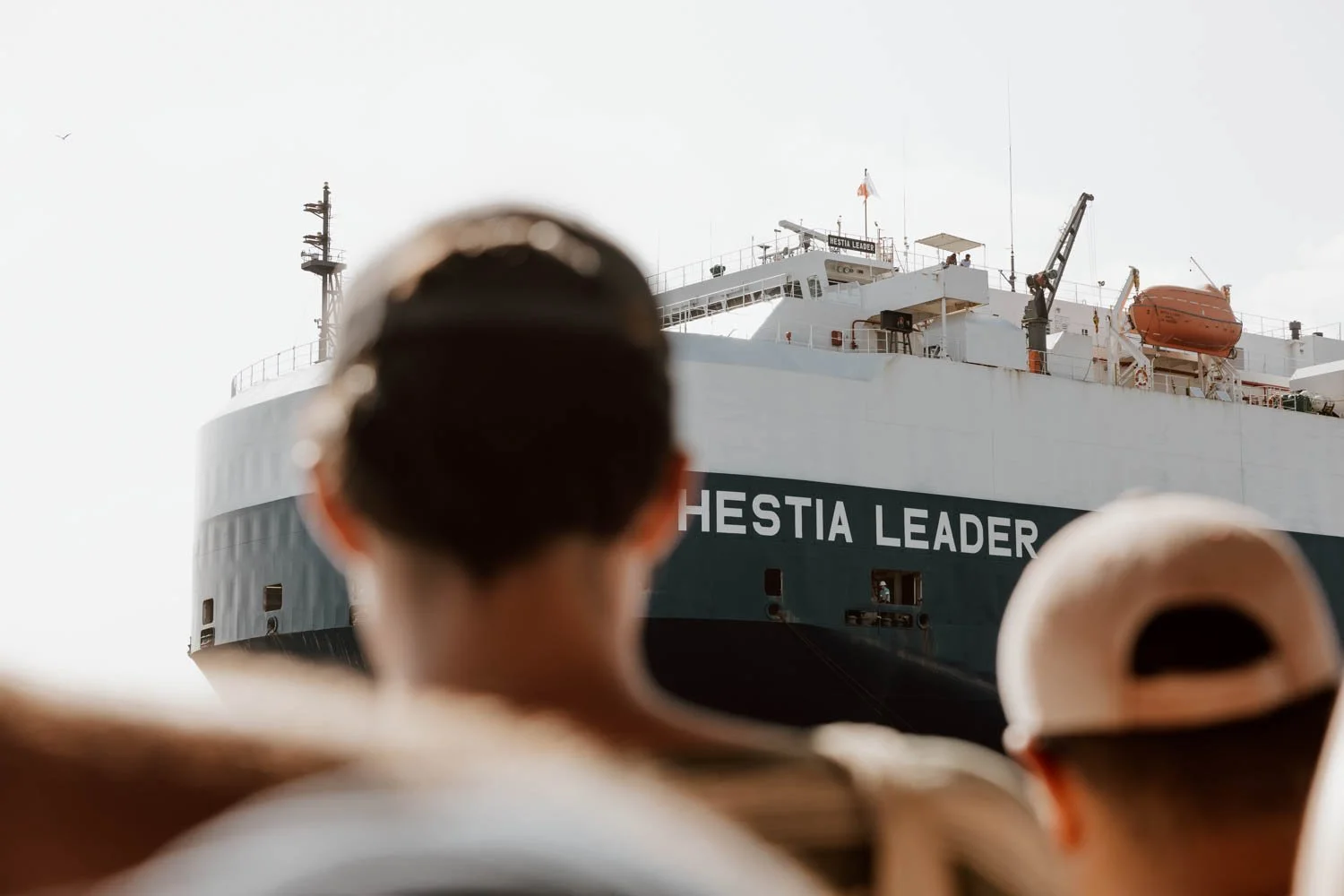
The coast here is industrial, commercial, or fortified for shipping; sand and sunbathing are notably absent.
If a beach day is on your agenda, you’ll need to head well outside the city as this urban waterfront is for views, not waves.
Day Trip // Taboga Island, the “Island of Flowers,” offers pristine beaches, lush forests, and colorful history - all just a 30-minute ferry ride from Panama City. You can swim, snorkel, paddleboard and keep an eye out for dolphins or whales in season.
Ferries run from the Flamenco Island port on the Amador Causeway and cost around $30, or you can book this very highly-rated all-inclusive catamaran tour to Taboga Island from Panama City.
It’s also available to book here on Airbnb Experiences.
Anticipate Cruise Ship Crowds
Though not docked daily, an increasing number of cruise ships are stopping in Panama City on their Central America or Caribbean itineraries - with the Canal offering a way to easily link the Pacific and Atlantic sides.
Usually docked for just one day, their excursions are tightly scheduled and involve massive groups.
This transforms the atmosphere of Casco Viejo in a heartbeat, suddenly crowding plazas and clogging streets, and groups like this often act like they have priority over everyone else. As you may have surmised, here at Along Dusty Roads, we are not fans of cruises.
To prevent them ruining your own explorations, we always recommend checking out the docking schedule on a website like CruiseMapper to help you avoid them!
Know The Best Time to Visit Panama City
Panama City is warm and humid throughout the year, but conditions shift noticeably between the dry season (December to April)* and the rainy season (May to November).
Most travellers lean toward the dry months, when skies are generally clearer, humidity dips a little, and it’s far easier to explore Casco Viejo, visit the canal, or hop over to the islands without planning around storms. Of course this popularity means prices are higher and the city feels busier, but it’s the most reliable stretch of the year for settled weather.
Travelling for a few months through Central America and just realised you’ll be in Panama City during the downpours? You’ll be pleased to know that the rainy season isn’t a complete write-off, particularly at the beginning and end. Mornings can be bright before heavy showers roll in later in the afternoon, and it works fine if your plans lean towards museums, long lunches, or evenings out rather than all-day sightseeing.
June to October is when humidity peaks and storms become more intense, and while the city remains easy to navigate, it’s simply going to be less pleasant for exploring.
If you’re on a shorter trip or hoping to combine Panama City with the San Blas Islands or the Pacific coast, then visiting during the dry season will give you the most predictable conditions overall. However, as we explain in 23 Things To Know Before You Visit Panama, that doesn’t mean Bocas del Toro is also going to offer the same predictability…
*That said, even the dry season isn’t totally guaranteed - on our most recent visit at the end of January, we still had one very wet day and a couple of overcast ones, which is worth keeping in mind if you’re expecting wall-to-wall sunshine!
Drinking Water
Tap water in Panama City is treated, safe to drink, and generally reliable; we drank it exclusively throughout our stay and were absolutely fine.
Most residents drink it daily, while restaurants often serve purified or filtered water, and cafés are generally happy to refill bottles, which makes the city one of the easier places in Central America to avoid single-use plastic.
Across much of the country tap water is also potable, but there is one very clear exception: Bocas del Toro, where drinking from the tap isn’t advisable.
When we visited, we relied on our trusty Water-to-Go filter bottles to avoid adding to the archipelago’s plastic problem whilst still having safe water at hand. We’ve used these bottles for years across the Americas, Europe, Africa and Asia, and genuinely can’t recommend them enough - if you’re thinking of picking one up, buy directly from the official website and use ‘ADR15’ at checkout for 15% off.
You can also buy them here on Amazon and, if you’d like to know more about why they’re such a great piece of travel kit, read this post.