A Short Guide to Gallipoli, Italy | An Old Town On An Island
Looking for things to do in Gallipoli, where to stay, how to get there - or just trying to work out whether it's somewhere you'd like to visit on your Puglia road trip? Then this short guide to Gallipoli should have you covered!

In the south-west corner of Puglia lies the old island town of Gallipoli, a compact historic centre only accessible via sea or a 16th century bridge, its position long shaped by maritime trade and defence. For centuries, this was a strategic outpost on the Ionian coast; today, it is better known as a summer escape for Italians, with a growing number of European travellers drawn by the water, the light, and the particular rhythm of life that comes with living on an island, even a small one.
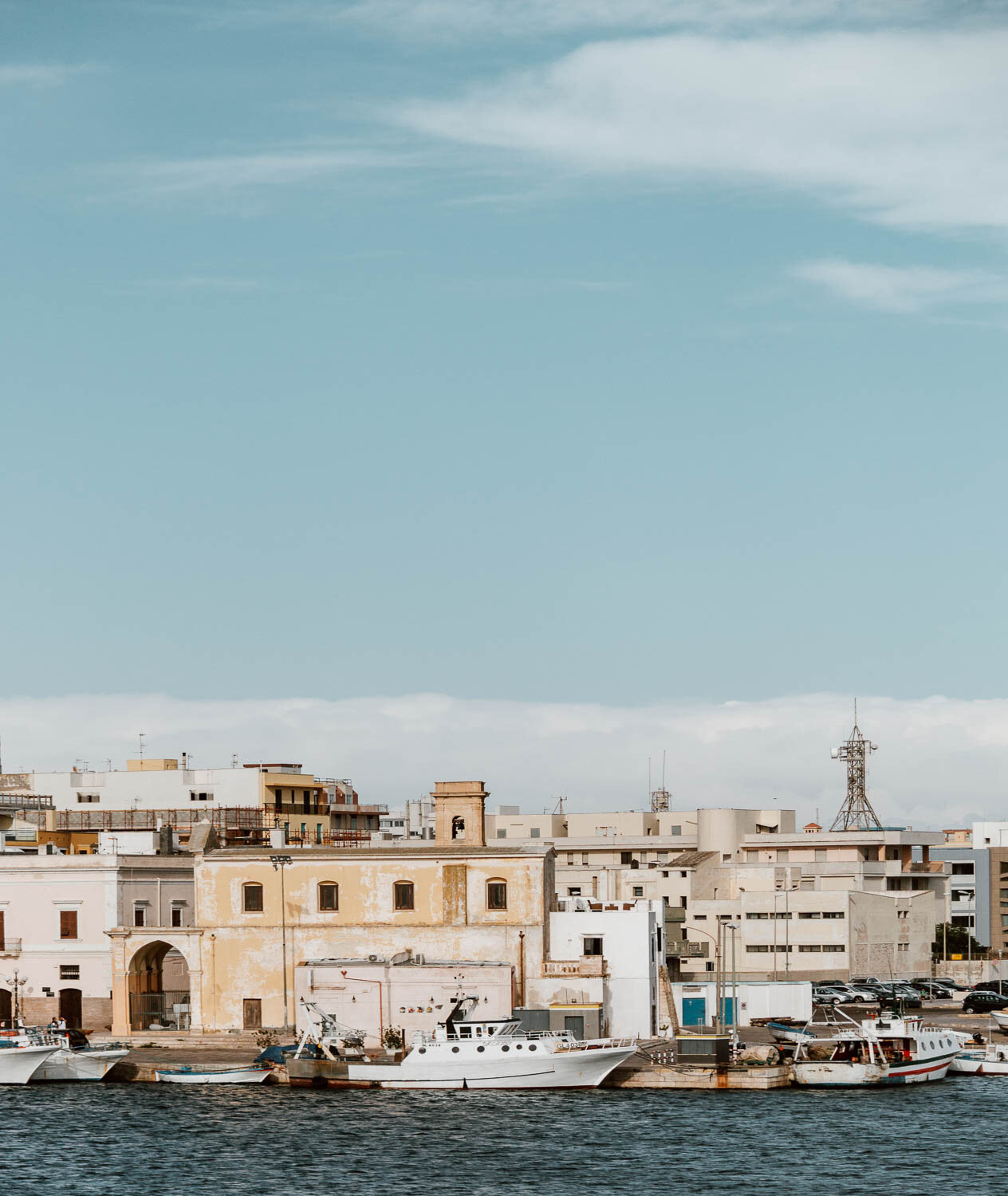
Surrounded by the sea on all sides, Gallipoli’s identity remains closely tied to it. Fishermen repairing nets beside their boats are still a common sight in the harbour, seafood appears on nearly every menu, and the atmosphere can shift noticeably when a salty gale starts to push against the old stone walls.
Despite the changes brought by tourism, the town still carries the marks of a place shaped by the water.
Indeed, Gallipoli still lives up to the meaning of its name - beautiful city in Greek.
Why You Should Visit Gallipoli
Gallipoli was our base for three nights, and it was absolutely perfect.
Prior to our arrival, we had expected to use it simply as a jump off point for day trips to the nearby beaches, which are some most beautiful in Puglia. However, the weather was against us, with the wind much stronger than usual at that time of year, so we instead spent more time in the town itself and living out the fantasy that Italy was our home.
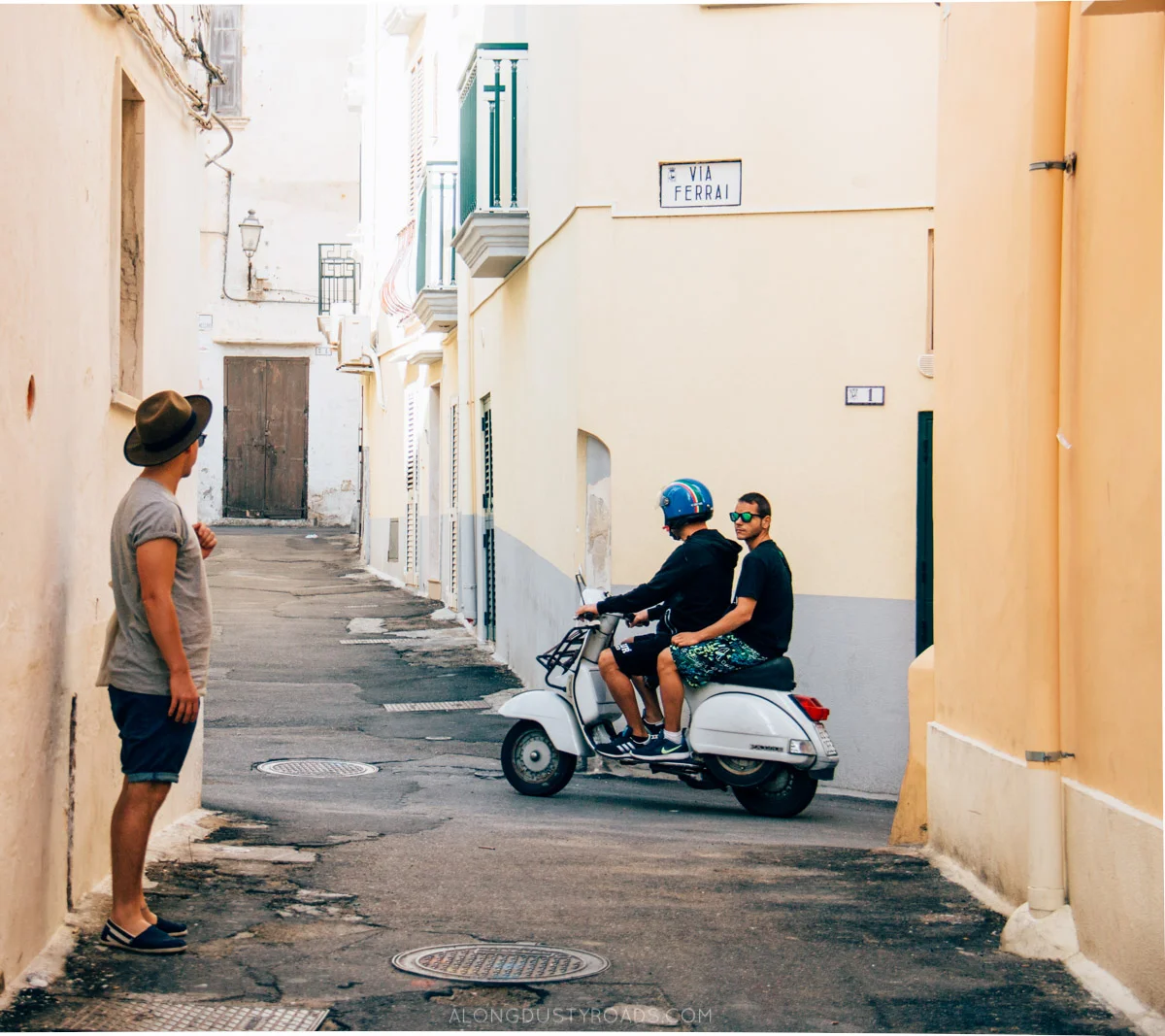
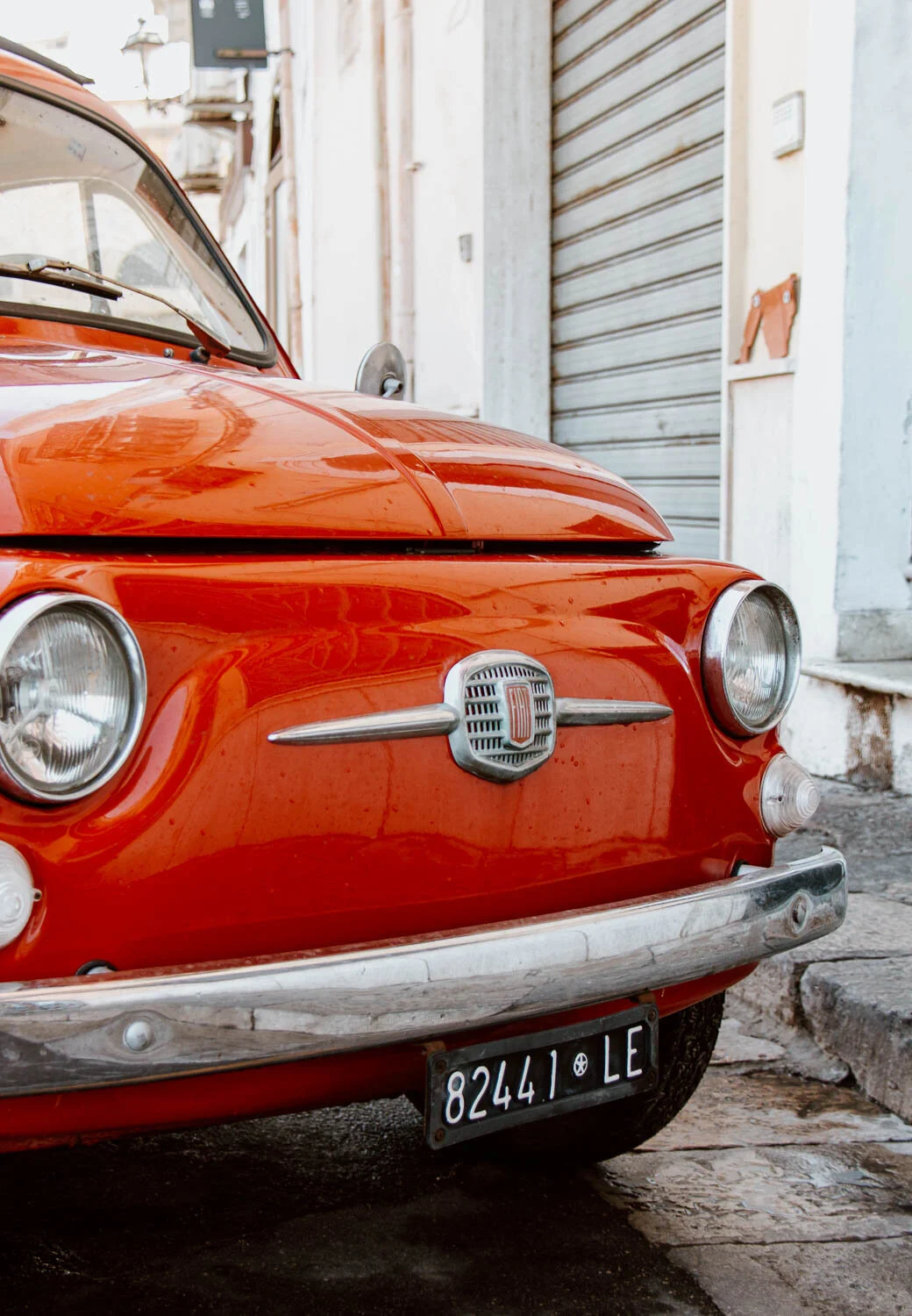
And that's because, out of all the pretty little towns we visited in Puglia, Gallipoli was the one which felt most like we had walked into our very own 'Italy 1965' movie set.
One moment and one place sums it up best.
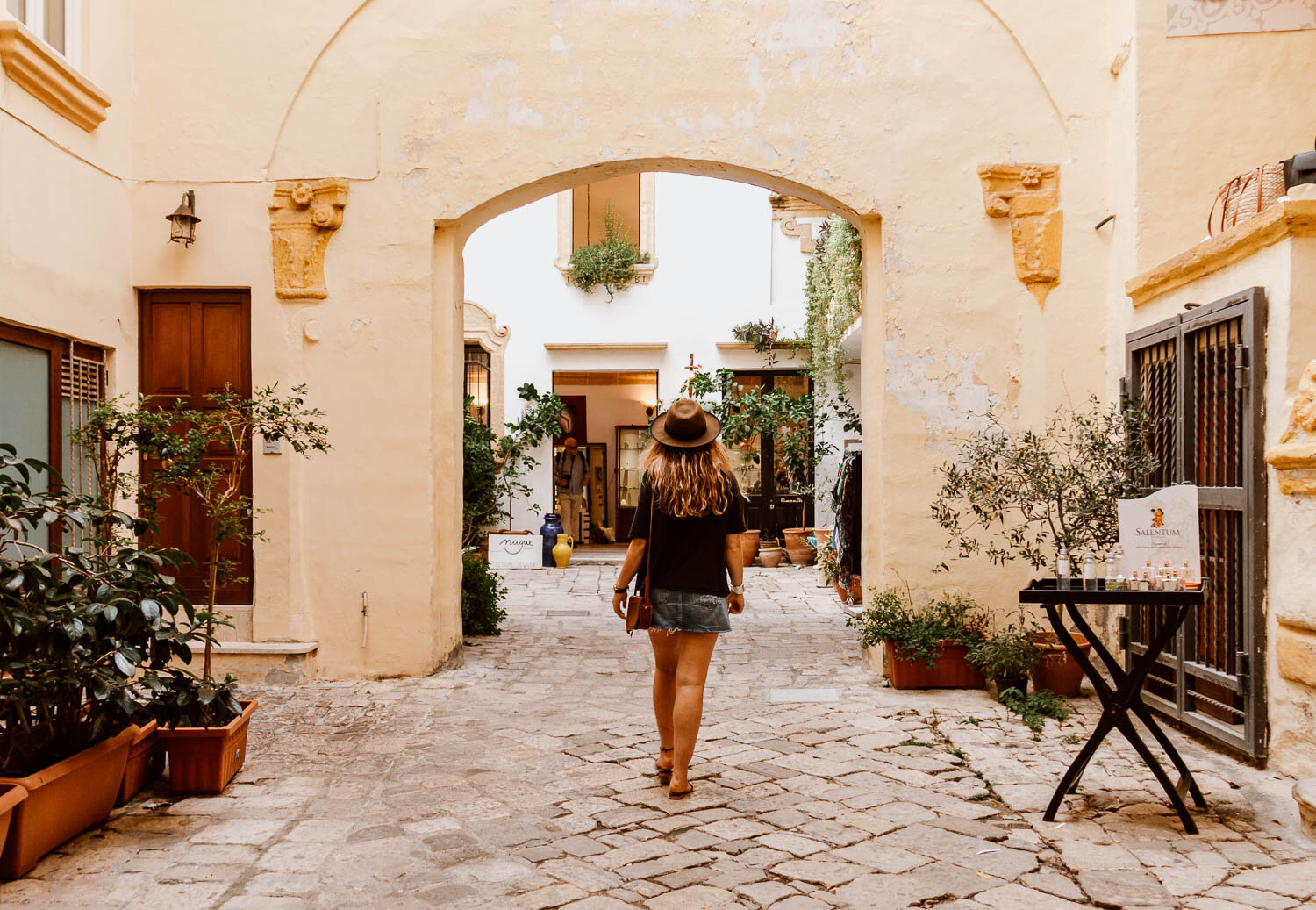
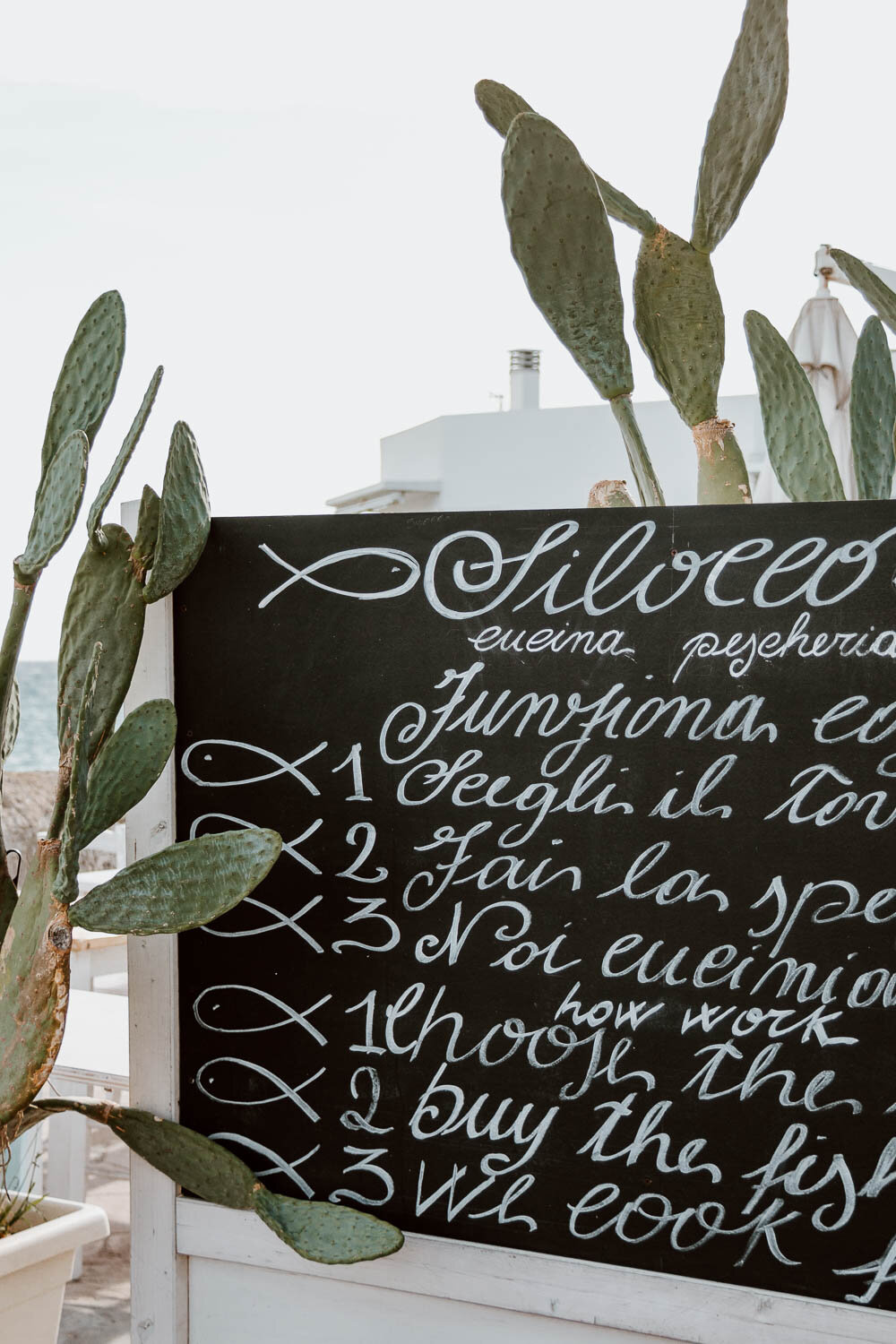
In the late afternoon, we set off for some groceries. Navigating the narrow alleyways for the first time, we chanced upon a shop which felt frozen in time. With a beautiful old sign outside, the only person inside was the elderly bespectacled shopkeep; with her white hair scraped into a bun and wearing the sort of apron which all Italian woman of a certain age seem to own, she beamed at us and commenced to converse in lovely sing-song Italian. The high shelves were stocked with the local produce which Puglia is famed and it had wonderful sense of the local general store which people depend upon for decades before the rise of supermarket chains. We bought some wine, some olives, cheese and rosemary flavour taralli. We didn't understand much of what she said to us, but it was a small vignette which left us both pinching ourselves - the sort of moment and happenstance which we all travel for.
We're sure that when you visit Gallipoli, you'll make a similar memory.

Things to Do in Gallipoli
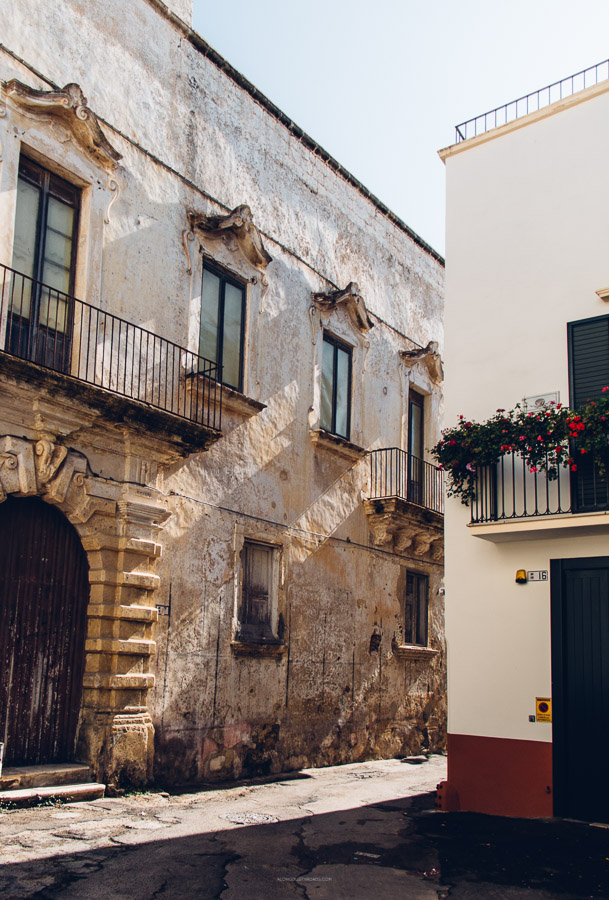
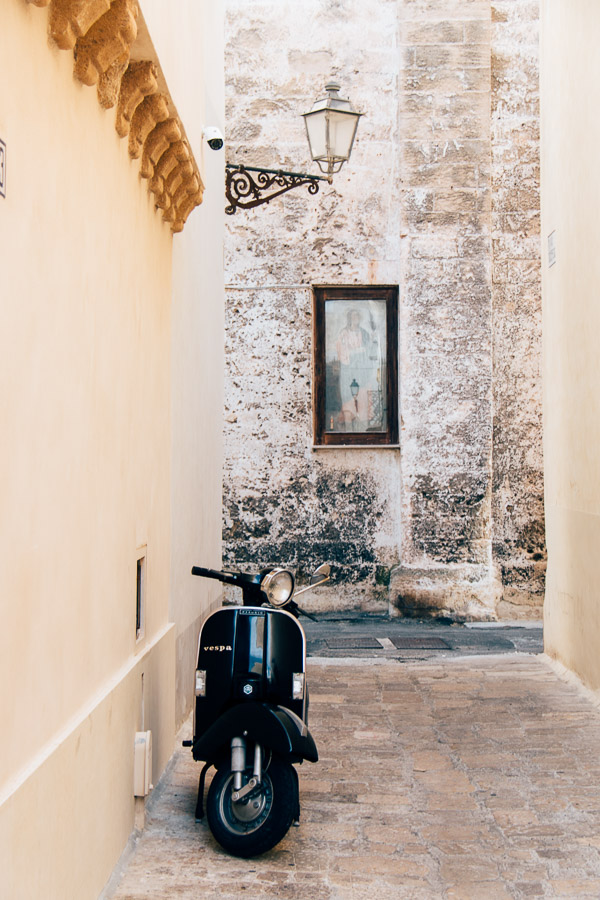
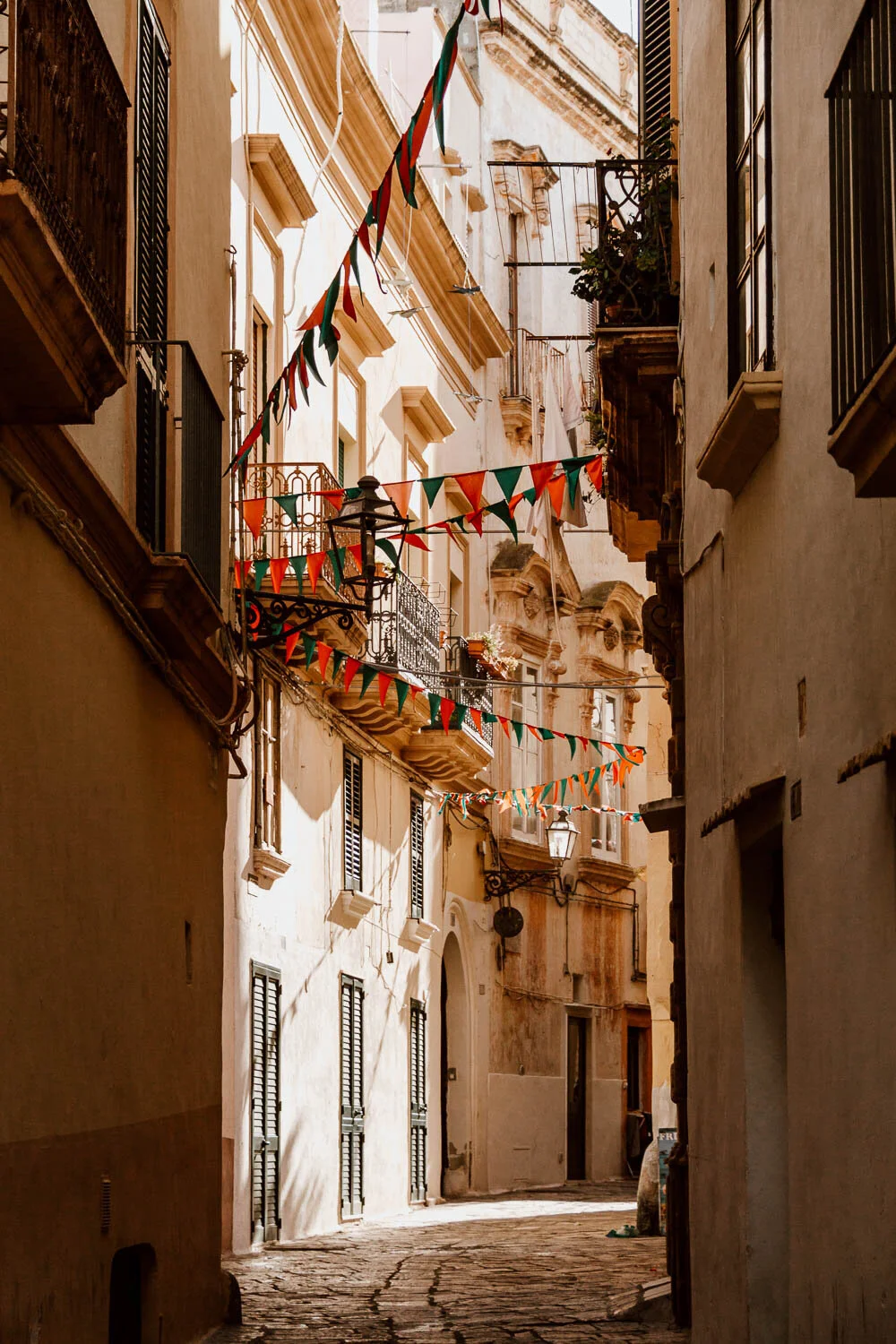
As with every town you'll visit in Puglia, the main attraction of Gallipoli is in the beauty to be found in the centro storico (old quarter). Wander the impossibly pretty streets, nooks and alleyways slowly in the summer sun, taking time to stop for a glass of wine, a coffee or a conversation, and you will fall for this town.
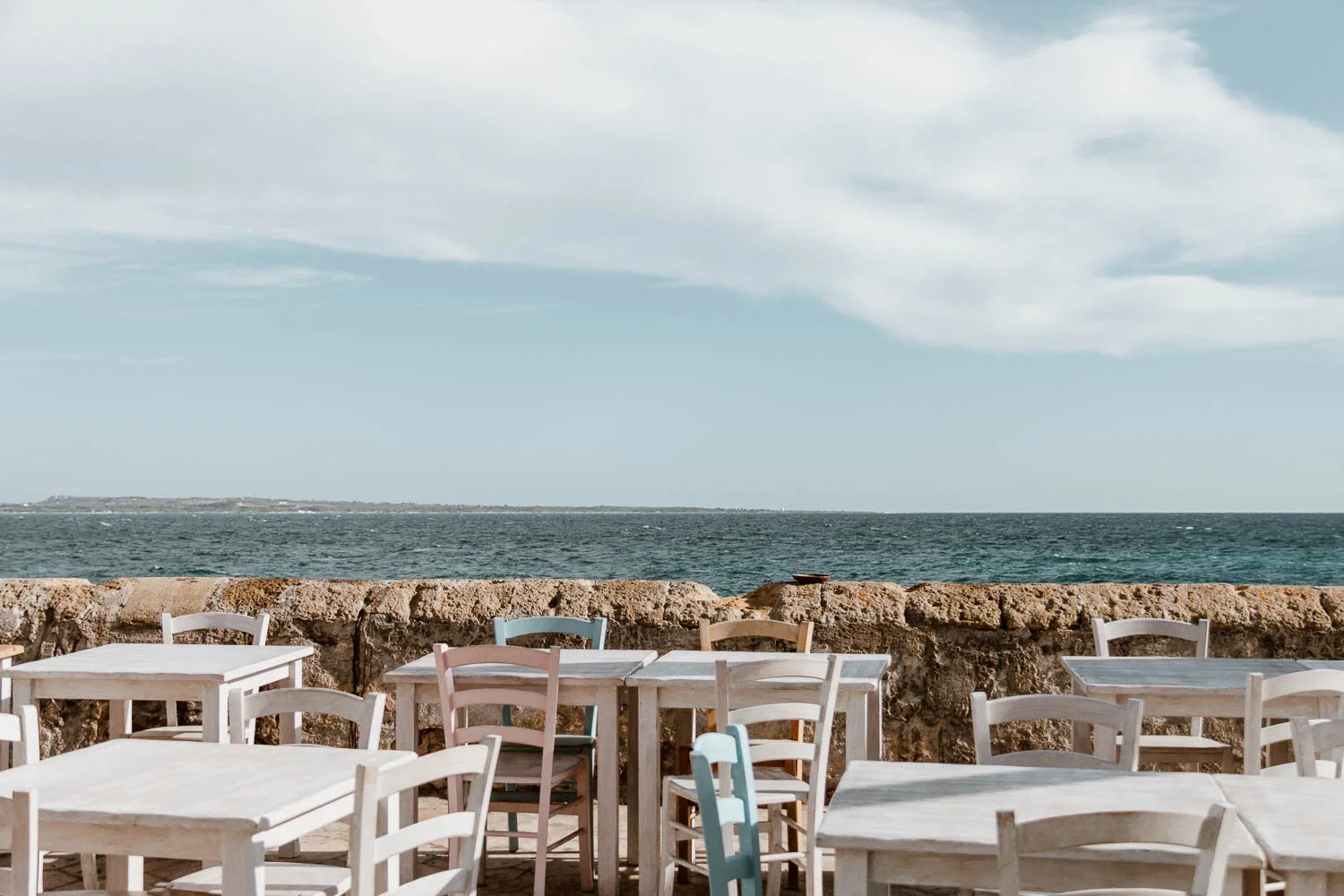
A good way to get your bearings is to walk the full perimeter of the old town, following the sea wall as it curves around the island. From here, you’ll pass small seafront cafés, look down into the water from low stone parapets, and eventually reach the working port, where fishermen mend nets or unload the morning’s catch.
Just before entering the old town from the mainland side, you’ll also pass the Fontana Greca (maps), often described as one of the oldest fountains in Italy. Whether or not that claim fully holds up, it’s an atmospheric introduction to the historic centre and an easy landmark to miss if you don’t know it’s there.
Visit the Castle | The 13th century Castello Angioino di Gallipoli (maps) dominates the approach to the old town and remains Gallipoli’s most recognisable landmark. Originally constructed for defence and later expanded under different rulers, it now functions as an exhibition and cultural space. Entry is ticketed, with prices and opening hours varying depending on exhibitions, so it’s best to check locally or online before visiting. Note that the castle is currently closed to visitors and we’re not sure when it’s open again, so best to check locally if you fancy popping inside. However, even if you don’t go inside, the castle’s position - wedged between sea and town - makes it worth lingering around, especially in the early evening when the light softens over the harbour.
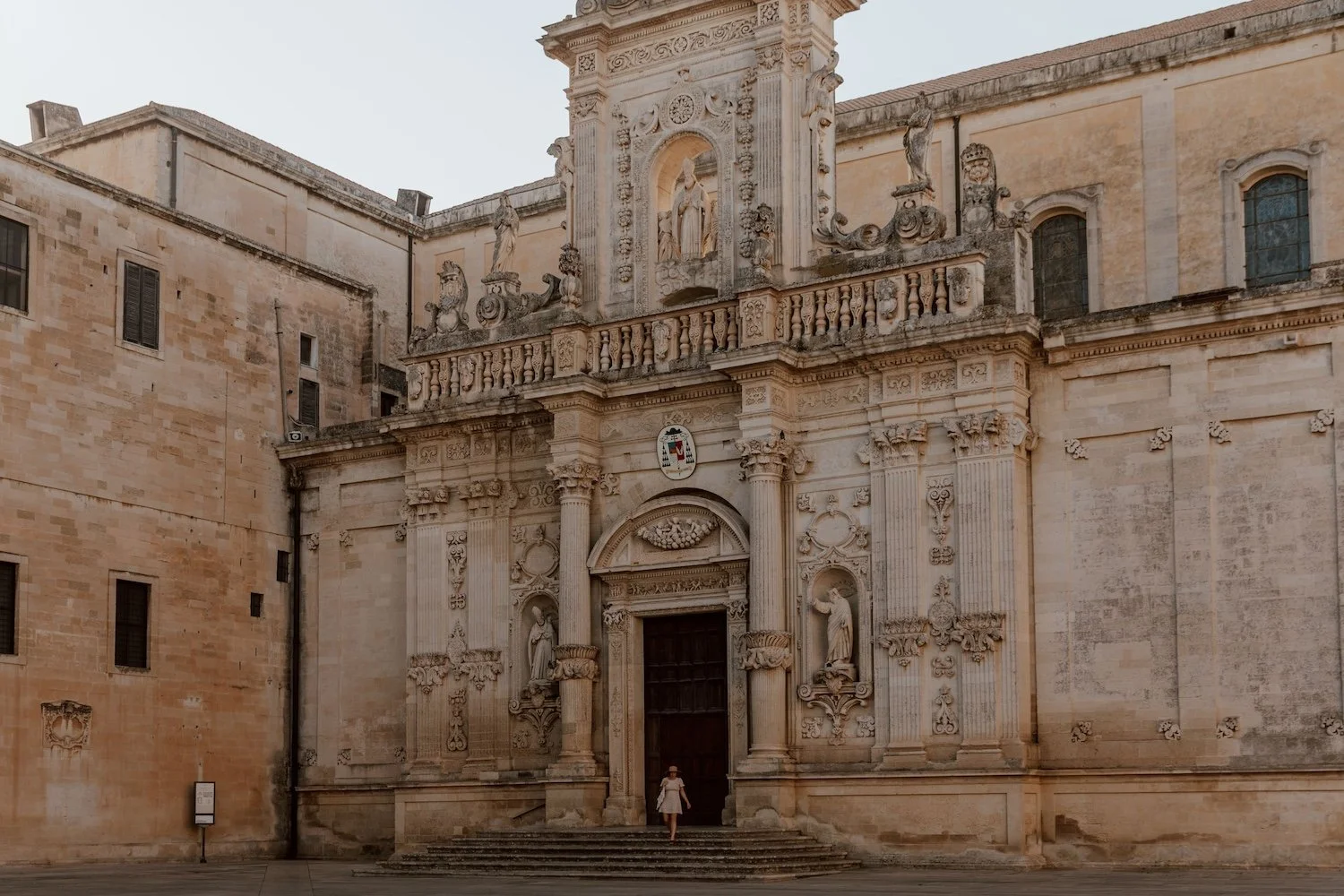
Churches Worth Seeking Out | Gallipoli has no shortage of churches, but a few stand out. The Cattedrale di Sant’Agata, with its elaborate Baroque façade, is the most impressive and hard to miss. Inside, it’s richly decorated, reflecting the wealth Gallipoli once drew from trade and olive oil.
Close by, the Chiesa di San Francesco d’Assisi is often quieter and easier to slip into, while the small Chiesa di Santa Maria della Purità, overlooking the city beach, is worth popping into for its exquisite interior.
Learn About Olive Oil Underground | One of Gallipoli’s lesser-known but most distinctive sights lies beneath the surface. The town was once a major centre for olive oil production, and several frantoi ipogei - underground olive presses - still exist beneath historic buildings. Visiting one, such as the Frantoio Ipogeo di Palazzo Granafei, gives a sense of how central olive oil was to Gallipoli’s economy, not just as food but as fuel for lamps across Europe.
You can find the museum here. It’s open every day 10am to 1pm, and again at 4pm - 10pm and entry costs €2 per person.
Spend Time by the Sea | Spiaggia della Purità sits right against the old walls and is one of Gallipoli’s most photogenic locations. As you're likely to stay in the historic centre, this beach will only ever be five or so minutes from your front door. When we visited, the wind was too strong for a beach day (hence the lack of photos), but it's a lovely spot.
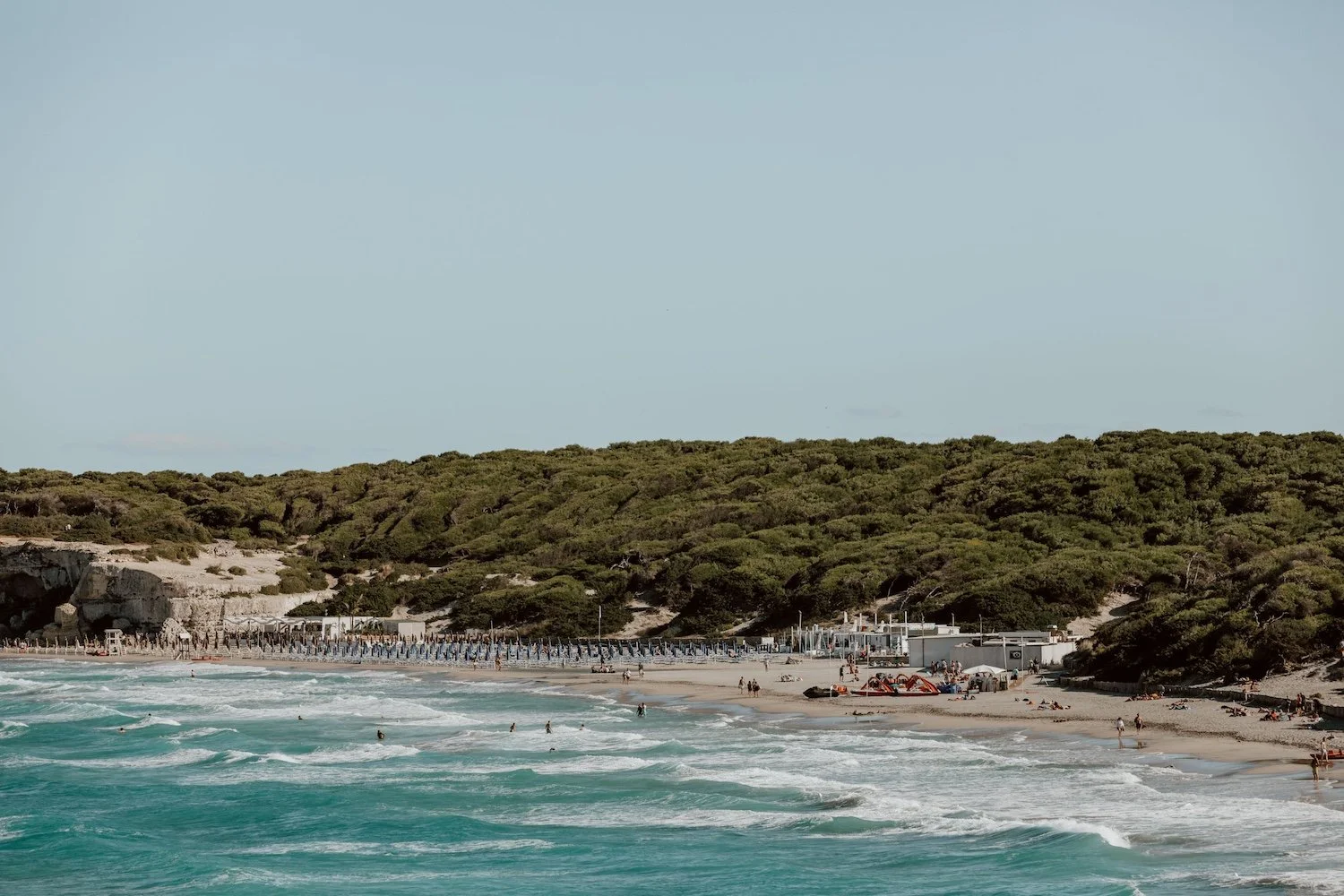
For a more traditional beach day, lots of visitors head south to Baia Verde, where long stretches of sand are backed by lidos and beach clubs ,or slightly further north, Lido Conchiglie is another popular option. Though do be aware that these both get quite busy in the height of summer.
Gallipoli also makes a good base for reaching standout beaches along the coast, including Punta della Suina, and Spiaggia di Pescoluse (known as the Maldives of Salento!).
Eat Well | Despite being a relatively small island there quite a few excellent places to eat in Gallipoli, with a strong focus on fresh seafood and seasonal ingredients, underscored by simple Puglian flavours. Many are clustered around the central streets of the old town, so feel free to wander and grab a table anywhere that takes your fancy, but if you’re looking for local seafood and the freshest fish, consider making a reservation at Osteria Briganti, Da Clara, Ristorante La Vinaigrette, or La Puritate.
If you’re craving a decent pizza, head to La Corte. And for dessert? Finish with gelato from Fedele, then wander until you find somewhere to sit with a glass of wine as the sun drops into the sea.
Take a Boat Trip | From late spring through summer, small boats leave from near the harbour for short trips along the Ionian coast and it’s a pleasant way to see Gallipoli from a different angle; once you’re out on the water, the old town feels more clearly like an island, with the walls rising straight out of the sea and the coastline stretching away in either direction. There are a few different itineraries to choose from, but they’ll all allow for swimming time, and often snorkelling equipment is included.
Trips depend heavily on conditions, so they don’t run every day, and departures tend to favour the afternoon or early evening in summer when the heat eases. Expect to pay somewhere in the region of €25 - €40 depending upon the itinerary you choose - some head to Isola di Sant’Andrea, an uninhabited island with a 19th century lighthouse, while others focus on gorgeous swimming spots along the coast. Tours are easily arranged in Gallipoli itself, but if you’d like to book something in advance this three-hour excursion to Isola di Sant’Andrea and Punta Pizzo has lots of excellent reviews - or you could opt for this super popular sunset option.
Enjoy the Sunset | Speaking of sunset, they’re particularly gorgeous in Gallipoli and best enjoyed with a glass of local wine and olives. We were fortunate enough to have a rooftop with our Airbnb to make the most of it, but if you don’t Il Faro is generally considered to be the best spot for a sunset aperitivo (nearby Mivida looks a lot more aesthetic but the recent reviews are pretty crap).
Take a Guided Walking Tour | Unfortunately the group walking tour we used to recommend is no longer available, but if you’re travelling in a larger group, this private walking tour may be worth looking into.


Where to Stay in Gallipoli
Given Gallipoli's popularity as a summer destination with Italians, it won't surprise you to discover that the city is full of accommodation options. Our advice: if you're a tourist in the city, don't stay anywhere but the old town or you inevitably spent half your time heading between the things you want to see, and where your accommodation is based.
Apartments in Gallipoli
After spending a fair amount of time looking for a place to lay our head, we quickly realised that the very best options in the city were Airbnbs, especially when seeking value for money.
We stayed at this apartment in the old city with a wonderful rooftop, but you can see more Gallipoli Airbnbs here.
If you're looking for an apartment but would prefer to book through a traditional site, booking.com has a whole bunch of them too.
Hotels in Gallipoli
Palazzo Presta | If we could stay anywhere in Gallipoli, it would be this STUNNING hotel set within the walls a 17th-century palazzo, close to Purità beach that makes no attempt to disappear into neutral good taste. The look is eclectic and deliberately indulgent - antique furniture, patterned fabrics, decorative objects gathered from elsewhere - balanced by the solidity of the historic building itself. A rooftop bar, restaurant and panoramic lounge areas add to its appeal, especially if you’re keen to linger in the old town after dark without committing to a night out elsewhere.
Palazzo del Corso | One of the most luxurious options in Gallipoli, this beautiful 5* hotel blends classic elegance with contemporary design, offering spacious rooms, a the most incredible rooftop pool area. The only downside? It’s just across the bridge from the historic centre.
Al Pescatore Hotel & Restaurant | Set in a beautiful 15th century building, this popular hotel provides phenomenal value for money, with economy rooms for as little as £47. Has a popular restaurant and a terrace with wonderful seaside views.
Corte Moline | A contemporary hotel with seaside charm - think driftwood furniture, white walls and colourful cacti. Throw in a great communal terrace and it's clear why this is a popular choice in town.
How to Get to Gallipoli
We visited Gallipoli as part of our Puglia road trip, and we highly recommend this as the best way to discover the region. Car rental is available at Bari and Brindisi airports via Auto Europe, and you can read our road trip and driving advice for Puglia in this post.
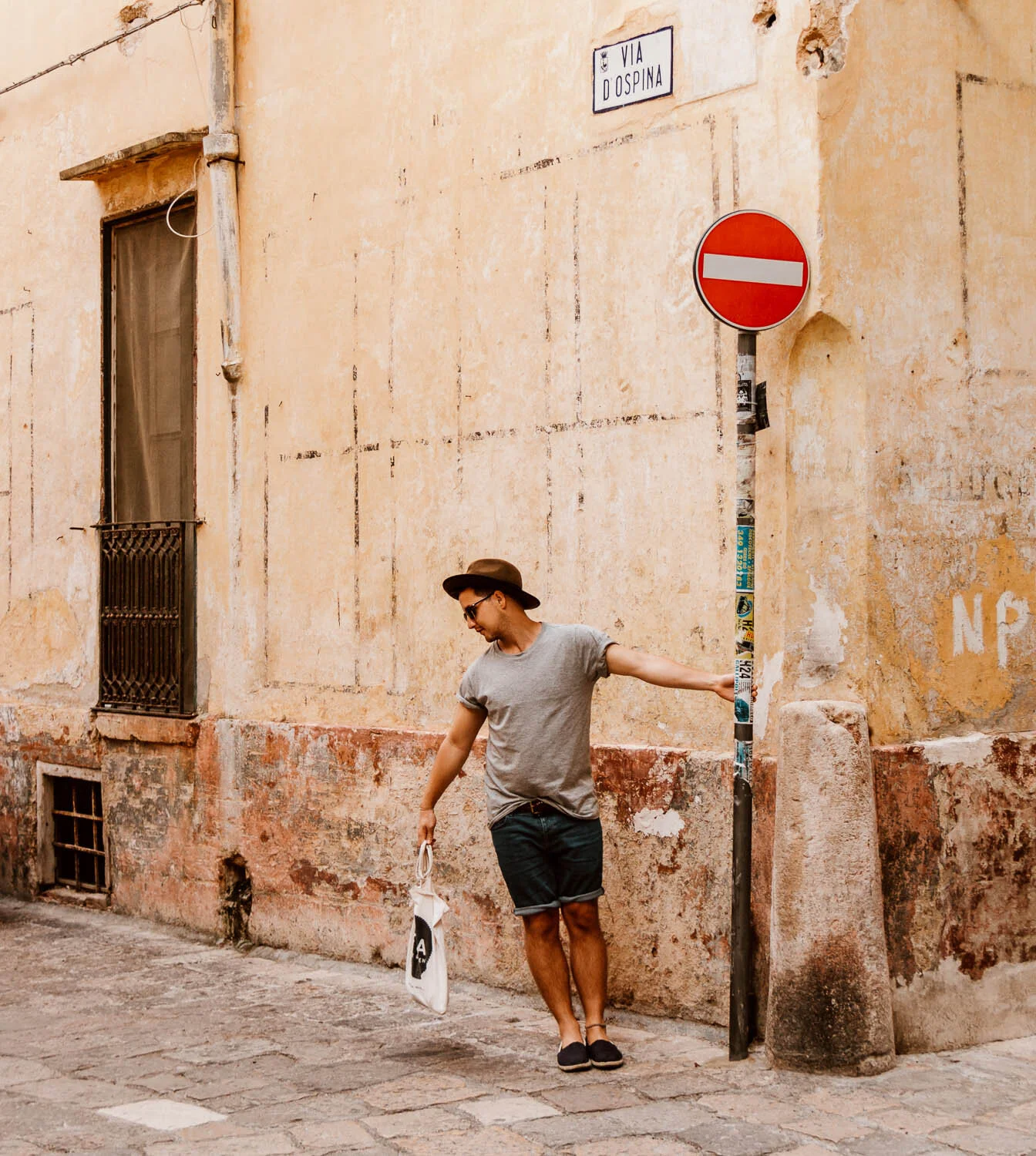
If arriving in Gallipoli with a rented car, then note that you can't drive in the centro storico, so you will have to park in the 'new city' and walk to your hotel or apartment. We used this free car park during our stay, which was only a five minutes walk from the old town - note that it also had a paid car park next to it.
Gallipoli can also be reached by the Ferrovie Sud-Est train from Lecce, with a travel time of around one hour.
If you're using public transport to travel in Puglia, then check out Omio, which is a fantastic free app for anyone travelling independently in Europe. It gives train and bus times, designs the easiest or cheapest route from A to B and lets you book tickets centrally and easily in your own language.