A Santa Catalina, Panama Travel Guide | Slow Roads, Big Waves & Incredible Diving
When we first started planning for our Panama trip, we’d assumed a lot about Santa Catalina.
A destination firmly planted on the backpacker trail, we pictured the usual evolution: laptop-friendly coffee shops, boho brunch menus, boutique surf camps, and a bit of digital nomad gloss. A beach town that would already have burned through its charm, reinvented itself for Instagram, and probably peaked five years ago.
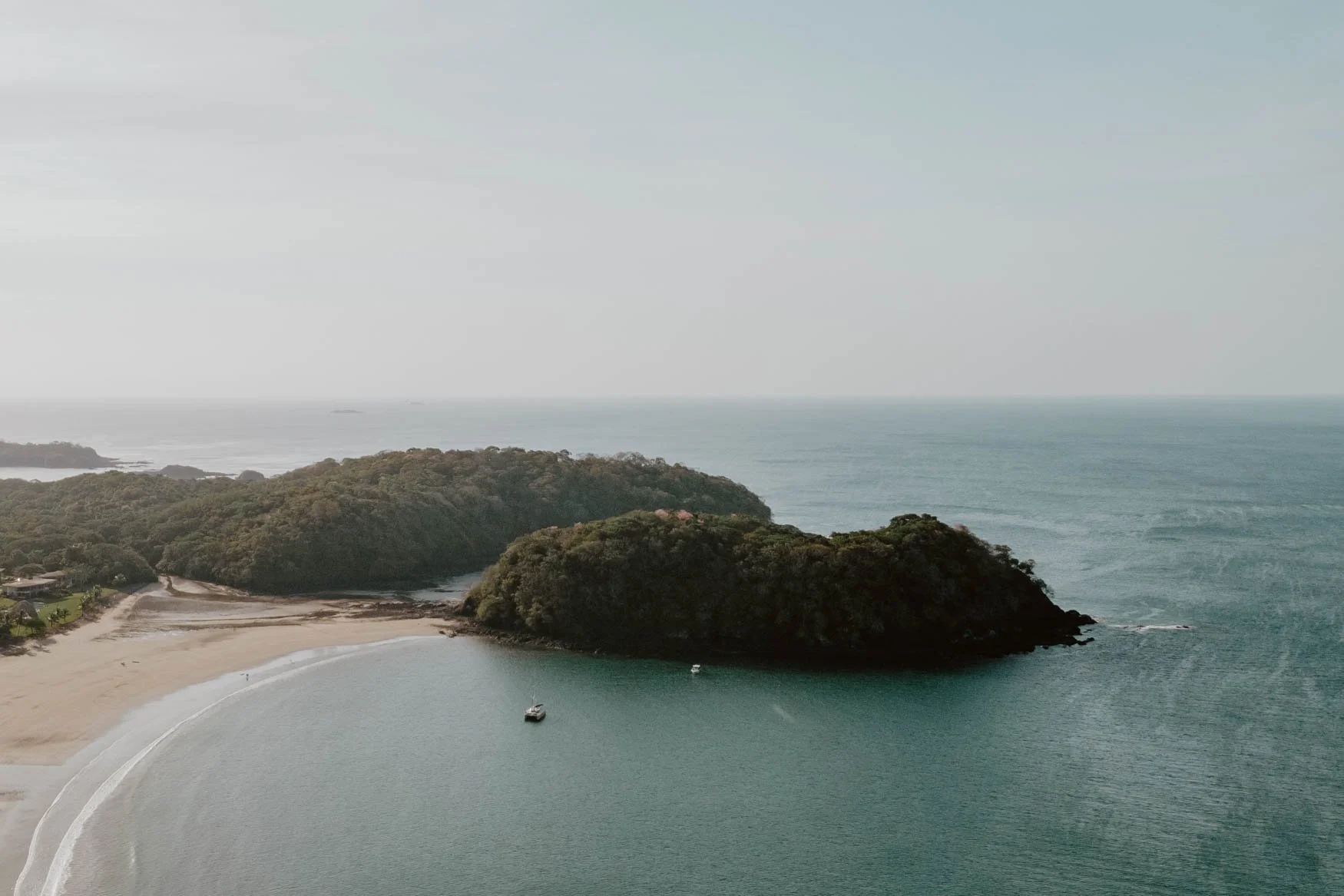
What we found instead, at the end of a very dusty road, was a relaxed, unhurried destination - relatively cut-off - that has yet to fully give itself over to that usual coastal makeover.
Of course, set on on a wildly beautiful stretch of Pacific Coast, Santa Catalina has still come a long way in the last couple of decades.
There’s now 24-hour electricity, nicer places to stay, several well-established restaurants, poured concrete upstarts, and the sense that outside investors have been circling for a while. Once that road is paved, things will change dramatically.
For now though, this spread-out little town’s rhythm continues to turn around two simple reasons to visit: the waves and the wild islands offshore.
Their appeal isn’t subtle.
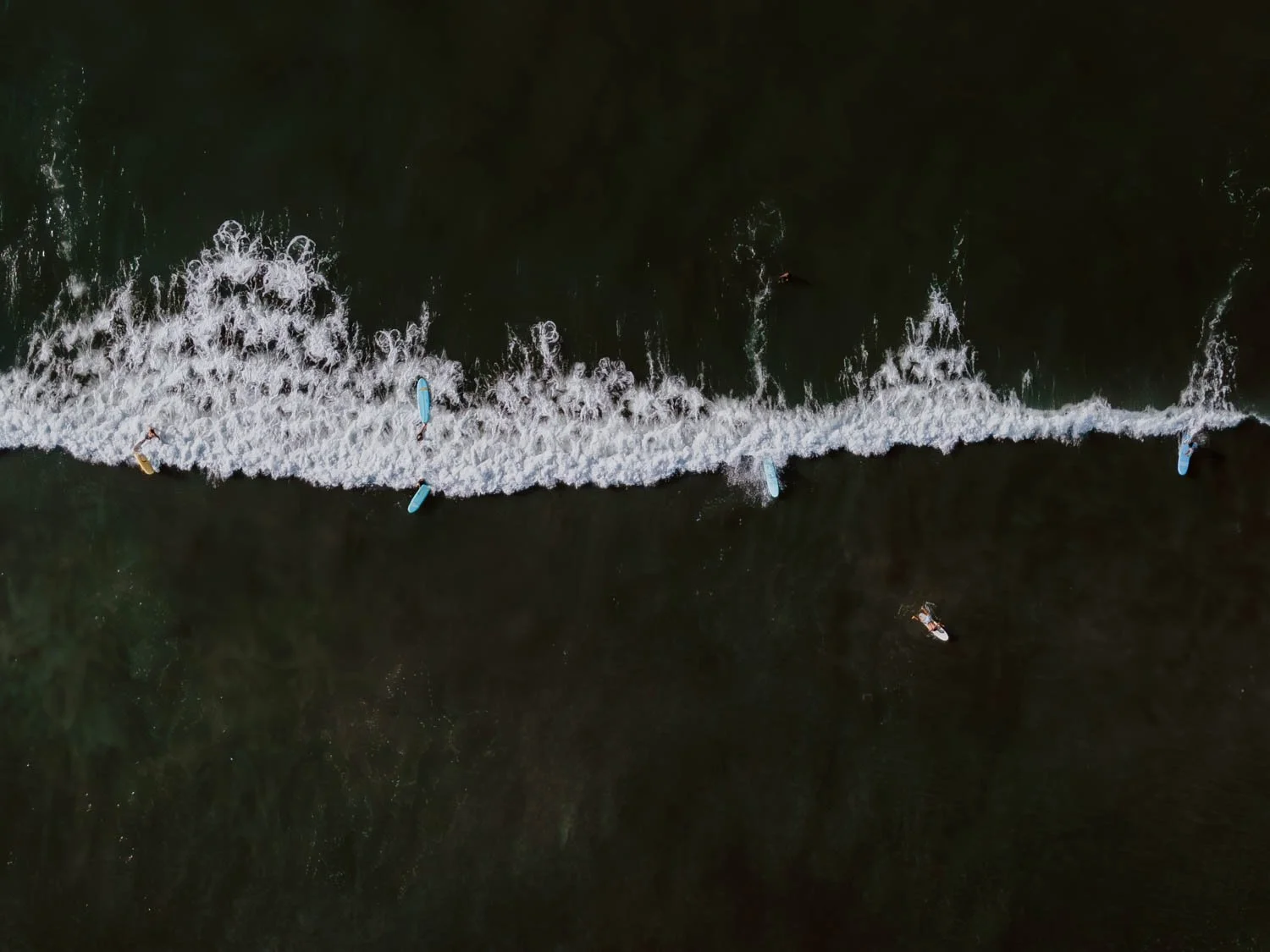
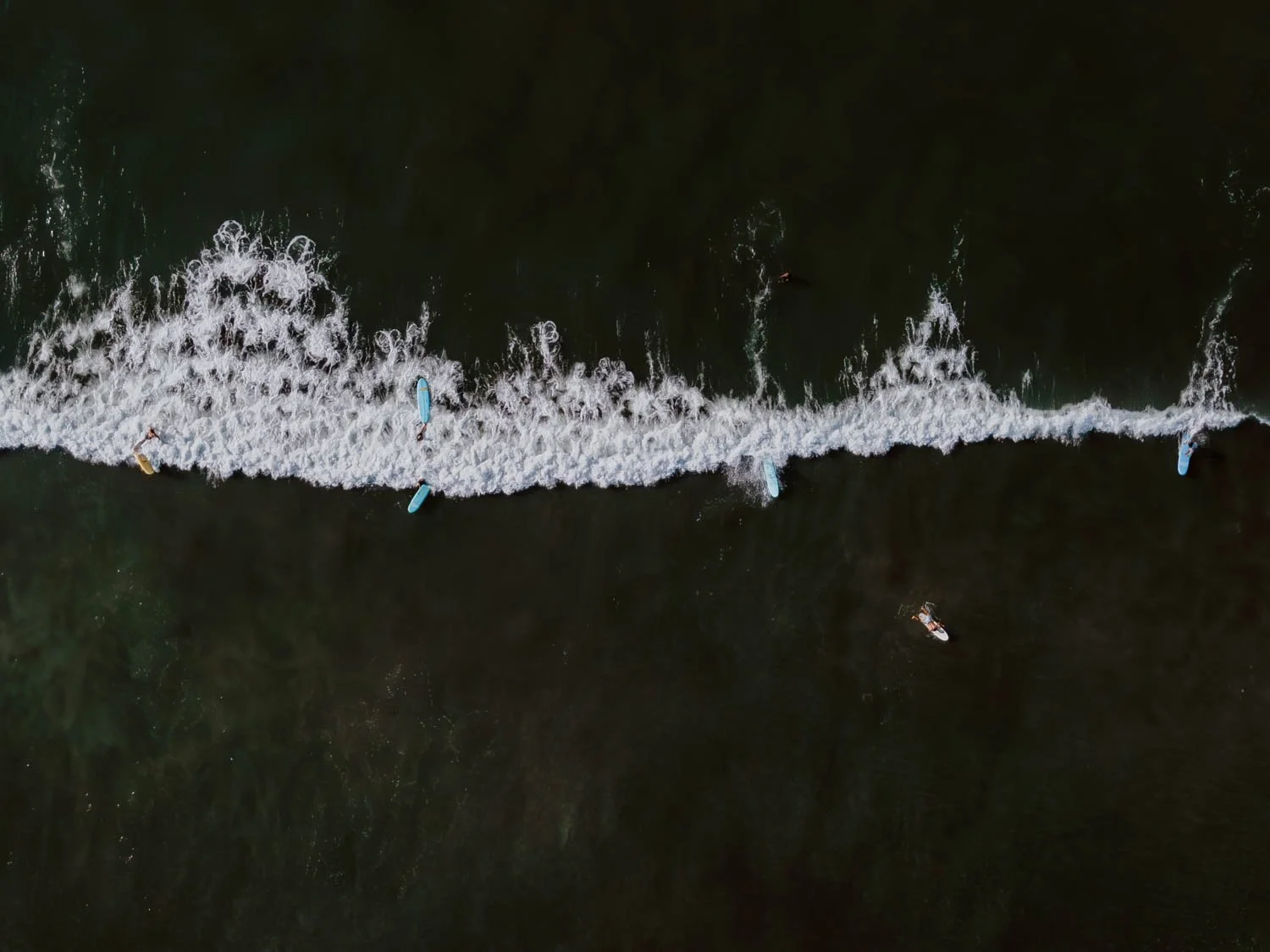
La Punta - a long right-hand point break that rewards patience and punishes ego - draws surfers like moths to a flame; you’ll meet people who’ve stayed a month just to get comfortable on a board, and others who’ve flown to Panama purely to tame it. Coiba National Park, an UNESCO World Heritage archipelago that once hosted Panama’s harshest prison, is one of the most impressive and undisturbed marine environments you’ll find in Central America, and Santa Catalina is where every boat leaves from. Sharks, turtles, and schools of rays reside in the deep blue, and it’s a haven for diving days and snorkel trips.
You’ll find an assortment of different travellers in this small town, but one thing remains true: if you’re a diver or a surfer, this needs to be a fixture in your Panama plans.
In our guide, we’ve shared all the best things to do in Santa Catalina - the home of slow roads, big waves and world-class diving - plus the essential insights on the layout, where to stay, places to eat, how to get there from elsewhere in Panama, and why you need to factor in a river crossing or two…
The Santa Catalina Essentials
Dive / in Coiba National Park - or snorkel!
Learn / to surf or tackle the La Punta break
Kayak / to Isla de Catalina
Get / drunk at the Oasis beach party
Savour / an incredible Bambuda sunset
Sunbathe / on Playa Estero
Stretch / it off with daily yoga drop-ins
Eat / local at Fonda Guapa
Stay / Bambuda, Villa Coco, or La Chamba Surf House
The Santa Catalina Layout
The road in from Soná sets the tone.
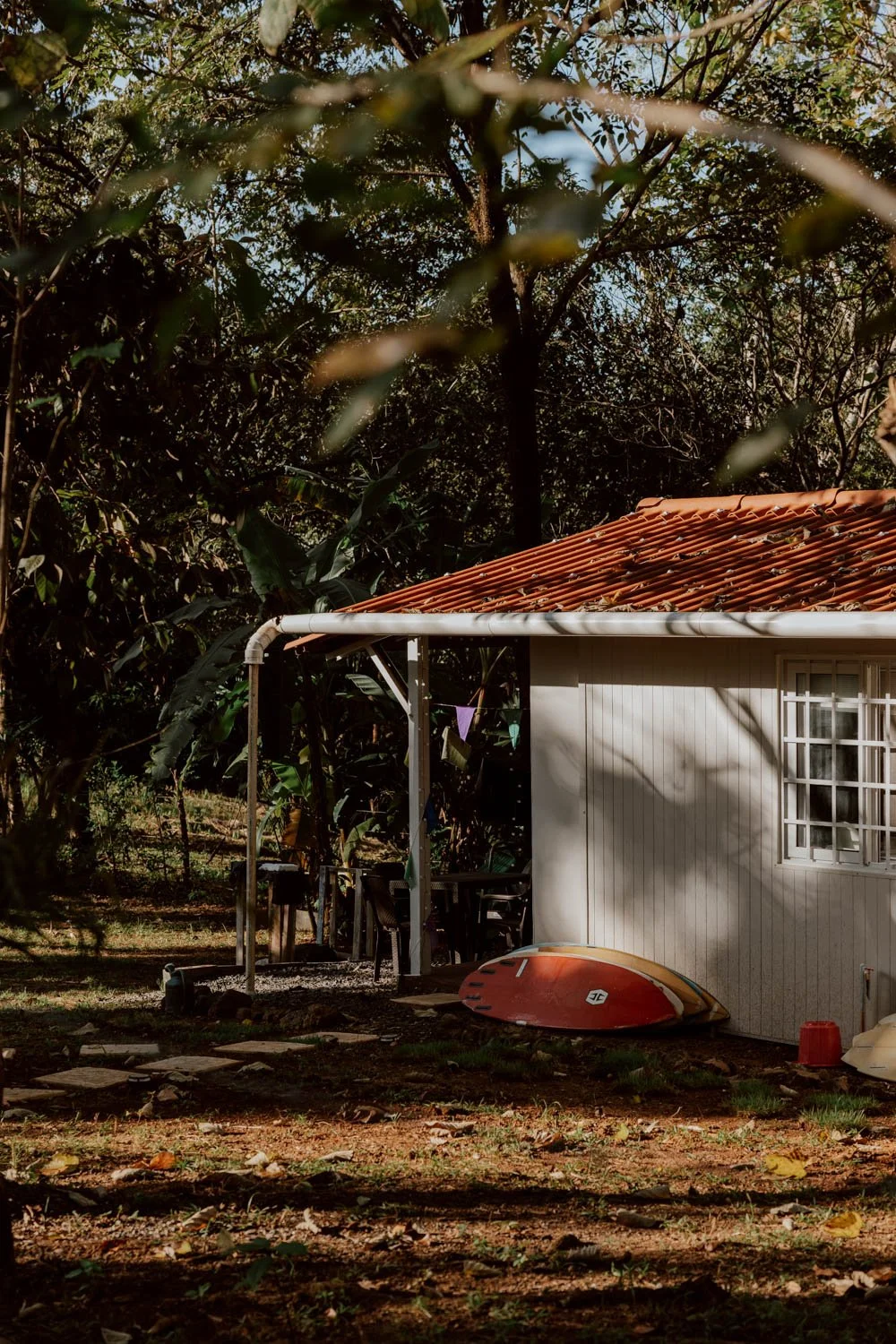
Dust, gravel, a few properties on either side, and dogs asleep in the shade (if you rent a car in Panama, you will spend a much of your time trying to avoid dogs sleeping in the middle of the road). You’ll know you’re approaching Santa Catalina when the clapboard houses begin to give way to modest guest houses and restaurants serving more than the Panamanian staples.
Once you’re in town, everything runs off one main road. It’s not a centre in any real sense - just a crossroads where you’ll find restaurants, shops, dive companies and a couple of places to stay. Keep going straight and you’ll quickly hit Playa Santa Catalina, which is the ‘working’ beach. This is where fishing boats move in and out through a river mouth, where the snorkelling and dive tours meet in the morning and from where you can kayak over to Isla de Catalina.
People don’t really sunbathe here and when all the boats are over visiting Coiba, it’s incredibly calm and quiet.
Back in the centre, turn left at the crossroads and Santa Catalina stretches out more than you’d expect. The road curves through the trees, past family-run restaurants, small guesthouses tucked down side tracks, and a surprising number of ‘se vende’ signs for parcels of land.
Keep going - past a handful of restaurants and dirt roads leading to more accommodations (including Bambuda, where we stayed) - and you’ll eventually reach another river that meets the sea. At low tide it’s an ankle-deep wade over wet sand: at high tide it can be a chest-deep crossing. Occasionally a man with a boat will ferry passengers from one side to the other, but usually you’re left to make your own way.
Once you’re across, you reach the wide expanse of Playa Estero, which is the beach most people prefer.
In the morning the sea is filled with travellers of all ages trying to catch their first wave, and by afternoon the crowds make their way onto the dark sand to sunbathe and chill.
So, what does this all mean for you? Essentially, where you choose to stay in the relatively spread out Santa Catalina won’t make a huge difference to how you plan your days, but it’s important to be aware that it’s a good 30-minute walk from Playa Santa Catalina to Playa Estero. As most of you will be joining a dive or snorkel trip, and straddling surf lessons and/or some beach time, you’ll almost certainly have to find your way between these two points at least once or twice during your stay.
As we mention later however, if you’re in town mostly for the waves, we suggest staying closer to Playa Estero in order to reduce the amount of time spent walking along dusty roads with your board - Oasis and Rancho Estero are good options to check out.
Our Favourite Things to Do in Santa Catalina
Diving & Snorkelling in Coiba National Park
A trip to Santa Catalina isn’t complete without getting out on - and ideally under - the water.
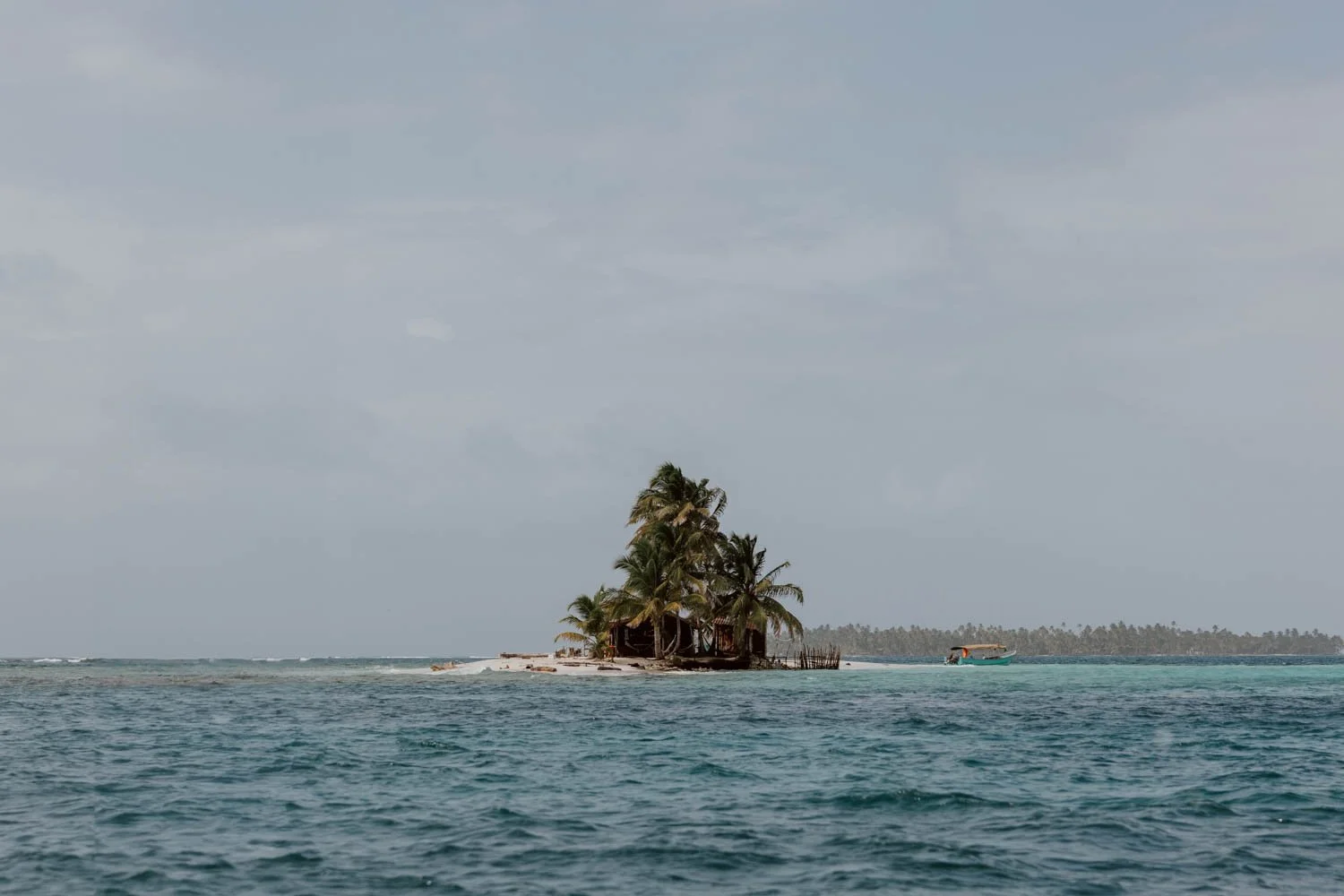
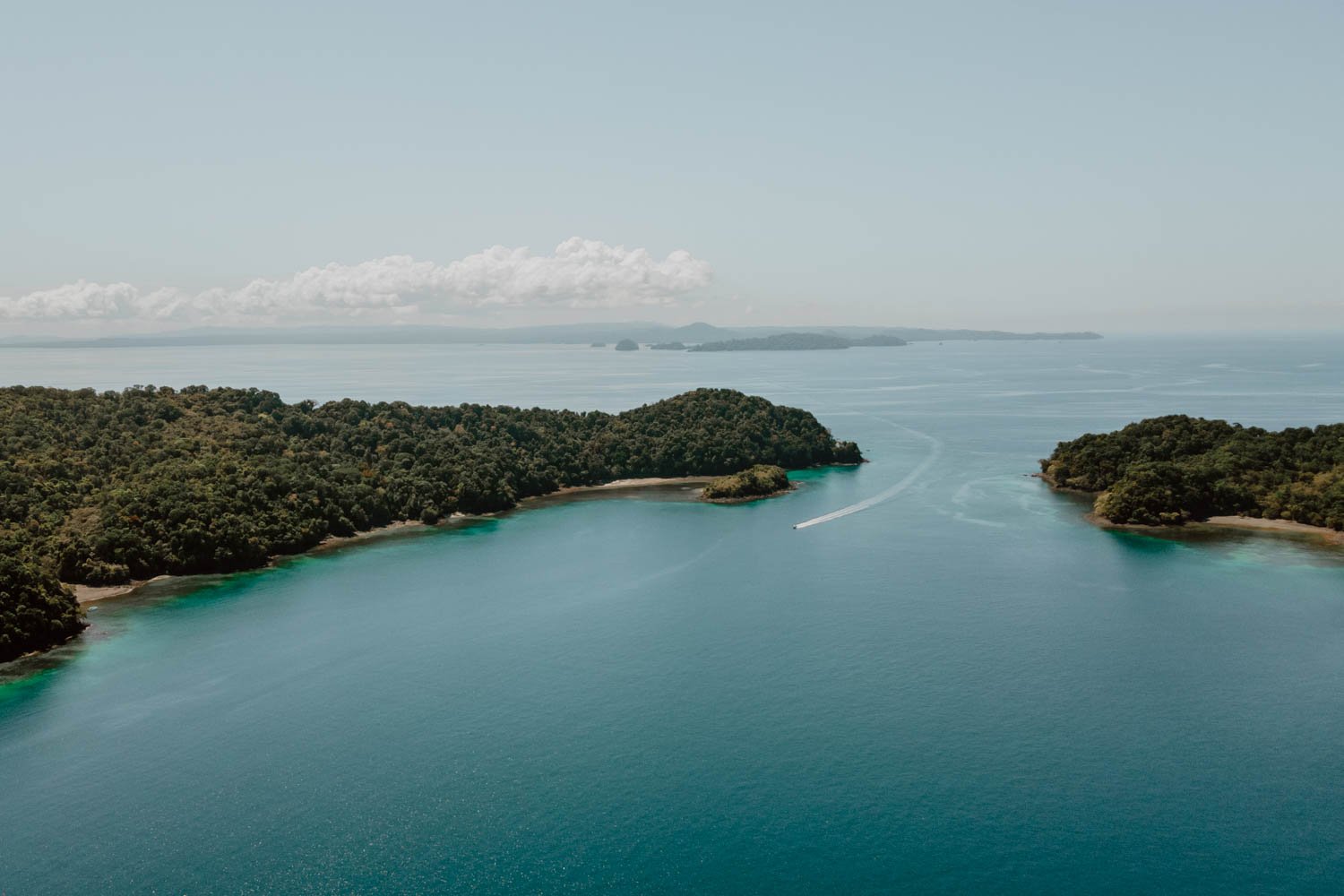
Just offshore lies Coiba National Park, a vast marine reserve made up of dozens of islands and islets that together form one of Panama’s most remarkable natural landscapes. At 194 square miles, Coiba is the largest island in Central America, and until 2004, was home to one of Panama’s most notorious prisons. Between 1919 its closure, the prison held everyone from convicted murderers to political prisoners under the dictatorships of Omar Torrijos and Manuel Noriega - many of whom became known as los desaparecidos, or ‘the disappeared’.
That grim past left an unexpected legacy: the islands were largely untouched by development
Cut off from commerce and outside influence for decades, the surrounding water thrived as a sanctuary for countless species. When the prison closed, nature had already reclaimed much of what was hers, and the entire archipelago - from its dense jungle interiors to its deep Pacific waters - was declared a UNESCO World Heritage Site in 2005.
Today, Coiba is one of the most biodiverse marine environments on Earth, and one of the world’s most highly-regarded dive sites.
There are a few different ways to experience it.
Diving
Ten minutes out from our first stop and Cynthia, our dive master, announced somewhat rather nonchalantly that there’s often a bull shark chilling out on the sea bed of our first dive site.
Being the sort of thing that many divers get very excited about, she probably didn’t expect to see the colour drain from Emily’s face quite so rapidly (despite overcoming her phobia of deep water almost as soon as she learnt to blow bubbles, the fear of all things finned and pointy-toothed shows no sign of abating).
Thankfully, Mr Bullshark was a no-show that morning, but what we did encounter was simply spectacular.
White-tipped reef sharks, olive ridley turtles, huge schools of jacks, a singular ray gliding through the blue.
The hoped for whale shark remained elusive (Cynthia suspected the orcas had eaten all the plankton), but Coiba shot right up to the top of our favourite dive sites in the world thus far!
The bad news? It is really bloody expensive. Three dives plus national park entry cost $380 for the pair of us - a figure far beyond some traveller’s budgets, particularly backpackers on a longer Central American adventure.
Dive Centres | Given the reputation, there are perhaps fewer than you may expect in Santa Catalina.
Panama Dive Centre is a 5* PADI dive resort, and tends to eat up all the customers, so the smaller dive schools are much less busy and you can almost always get next day places, even in peak season. If your heart is set on PDC though, you’ll definitely need to book in advance.
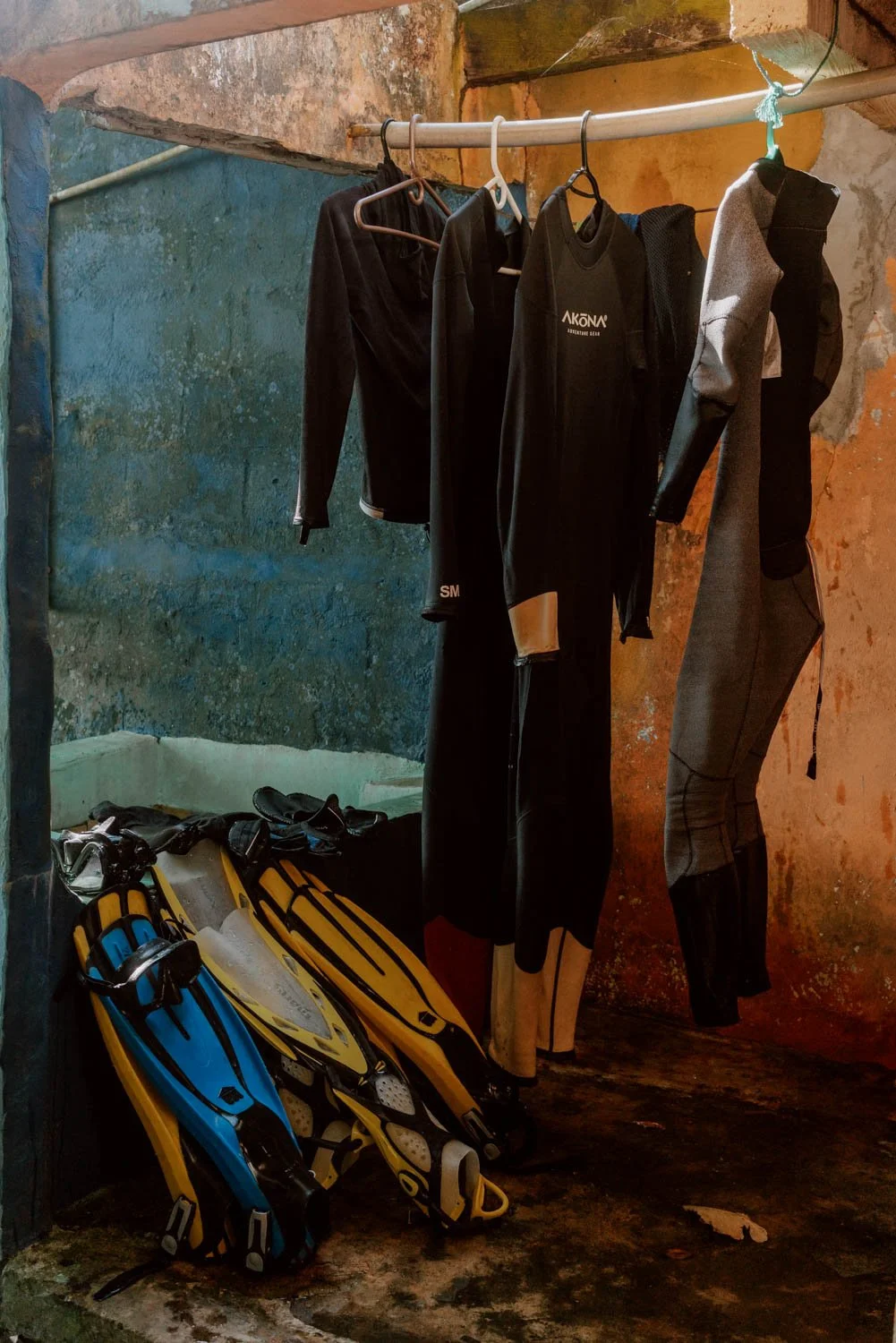
We ended up going with Scuba Coiba (maps), and couldn’t have been happier. Super organised, knowledgeable and safety conscious but friendly and chilled at the same time - we’d recommend them in a heartbeat. Their office and changing facilities could do with a bit of tlc, but this wasn’t an issue.
One of the most important things to consider when choosing your dive shop is whether they actually run dedicated dive trips: we were told that some combine divers and snorkellers on the same boat, which often means sticking to shallower, busier sites. The company ‘Expeditions’ was known to do this.
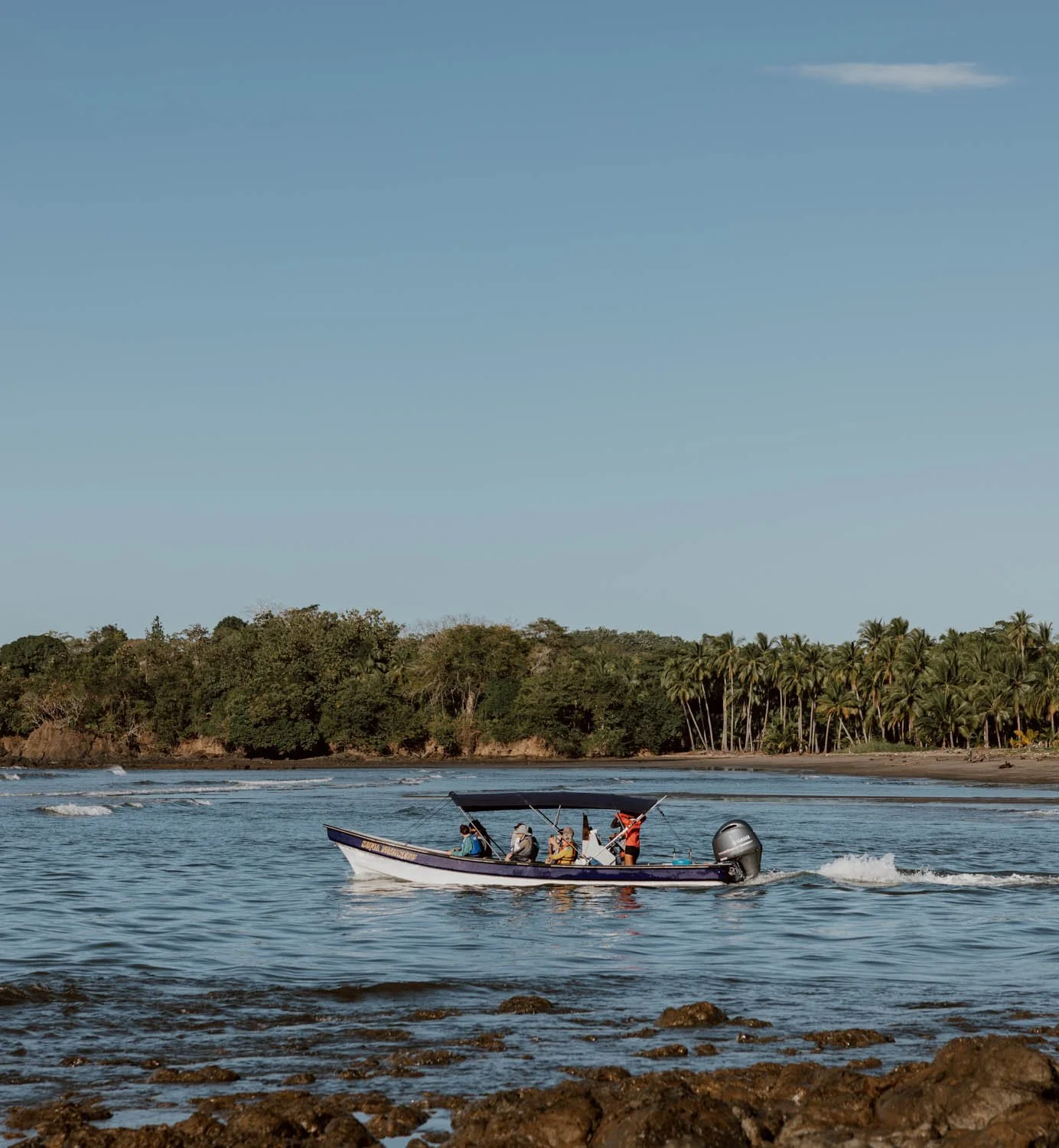
What to Expect | The journey out to Coiba takes around 45-60 minutes by boat, and groups depart from the river or beach (depending upon the tide). They tend to leave at around 8am, which is noticeably earlier than the snorkel groups who usually depart after 9am.
Lunch was included in the price of our tour, and - in a ‘pinch us, is this real’ moment - was enjoyed after the boat pulled up to the secluded white sand cove of an empty, uninhabited island. We also did the same for a snack and surface break between our first and second dives.
Beyond the diving, this was another reason why we were delighted with our Scuba Coiba experience.
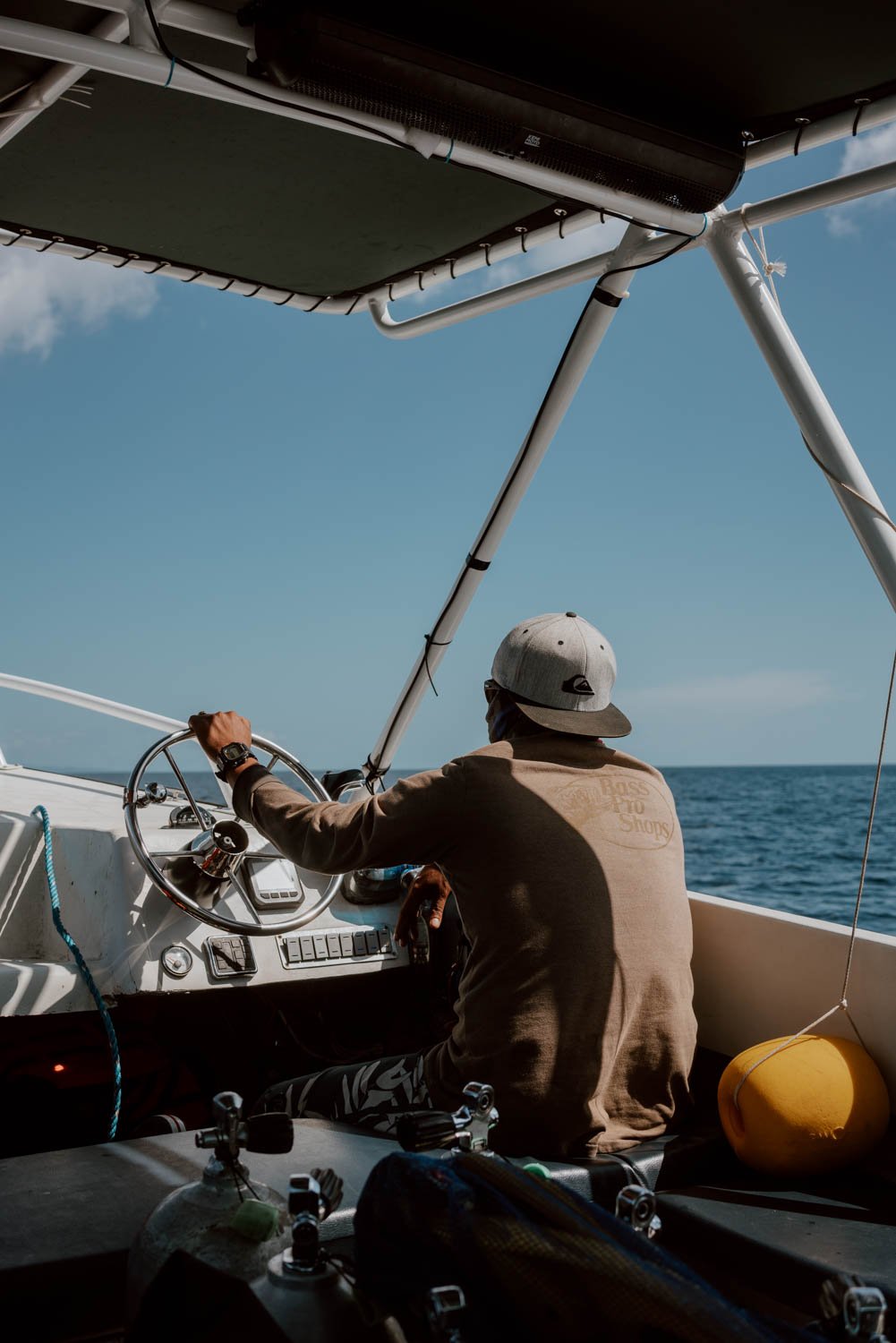
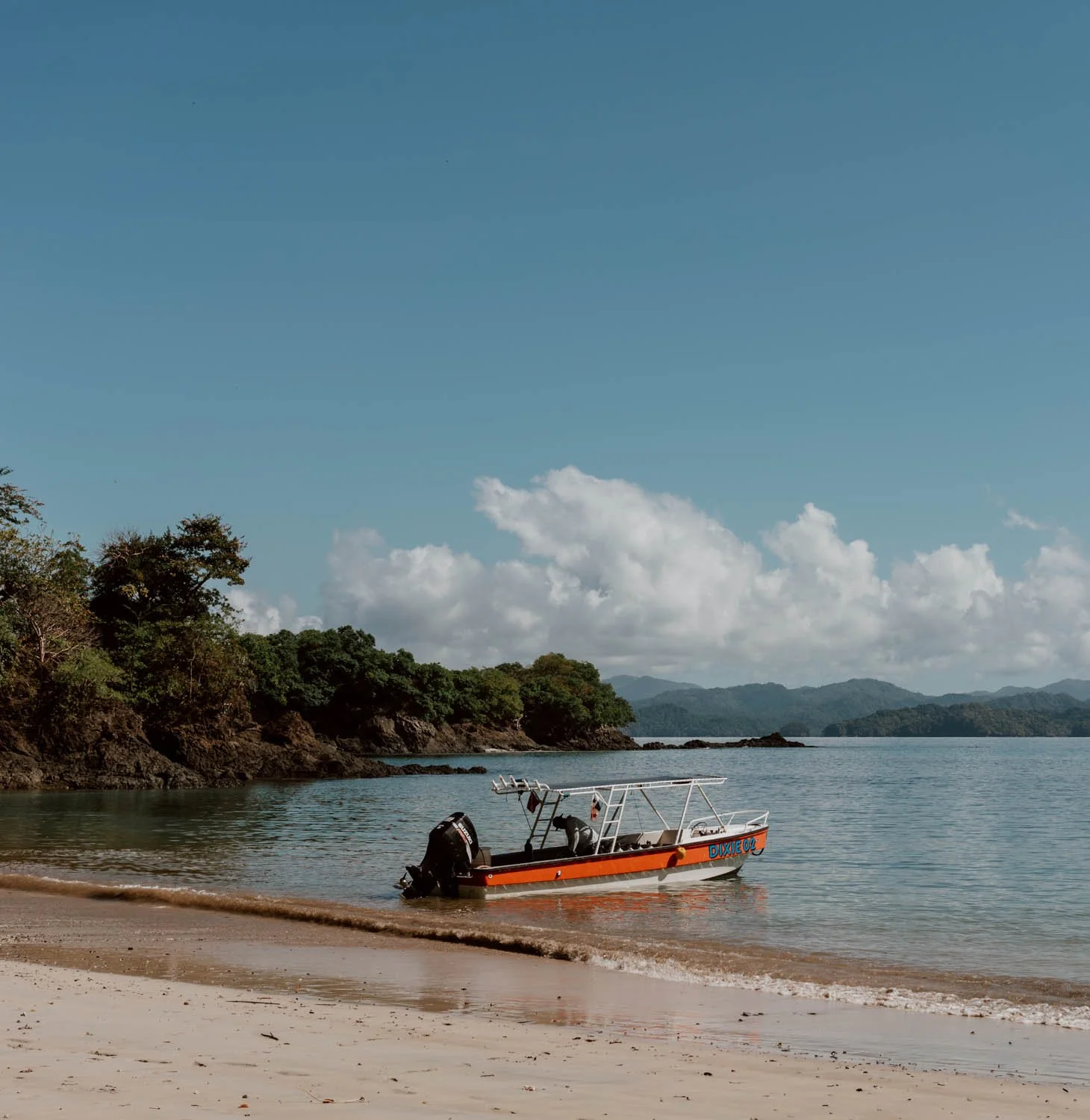
The boat itself was a simple fishing vessel with seats on each side and a bit of shade, and whilst the weather was glorious when we visited, it would be a rough ride in bad weather.
Cost | We paid $170 each for a three-tank dive; a two-tank dive would have cost $150. In addition, everybody needs to pay a $20 entry fee to the national park.
In total, that means we paid $380 for the two of us to go diving. Worth it? Abso-bloody-lutely (especially as we were the only ones, so it unintentionally became a private tour). However, we wouldn’t always have been able to afford this, so appreciate it simply won’t be possible for all travel styles.
When to Go | If you’re the sort of diver who travels specifically to tick off marine life, it’s important to note that seasonality is key here. Hammerheads are most often seen between April and June - but you have to specifically head to the dive sites near the Contreras Islands - and peak manta ray and whale shark season is around January to March (though the former mostly hangs out at depths only accessible to advanced divers).
Frustratingly, even though we were diving there during peak whale shark season, there were none about - something we were told could have been down to orcas in the area hoovering up all the plankton.
It’s worth enquiring about recent sightings before booking, especially if you’ve got your heart set on something specific.
Did you know? // We were told that many of Coiba’s outer islands and dive sites aren’t visited due to the cartel using the islands as stop off points for drug trafficking. One person we spoke to said they knew of two small submarines being found abandoned: one empty and another filled with dollars.
Snorkelling
As diving is prohibitively expensive for most travellers - or you don’t actually dive - snorkelling is by far the most popular sea-based activity that you can enjoy in Santa Catalina.
You’ll see tours offered all over town, but the prices tend to be fairly similar: usually $65-70 USD for a full-day tour. This includes a lunch, drinks, stops at three to four islands for beach time and snorkelling.
We don’t have specific company to recommend, but you’ll find several in the centre and on the road to Playa Santa Catalina - we’d strongly suggest looking at previous reviews on Google Maps, as some operators don’t have a great reputation.
Alternative // We also saw signs around town advertising water taxis out to the main islands in Coiba, so this may be a good option for those that want to experience the National Park but also have a beach day.
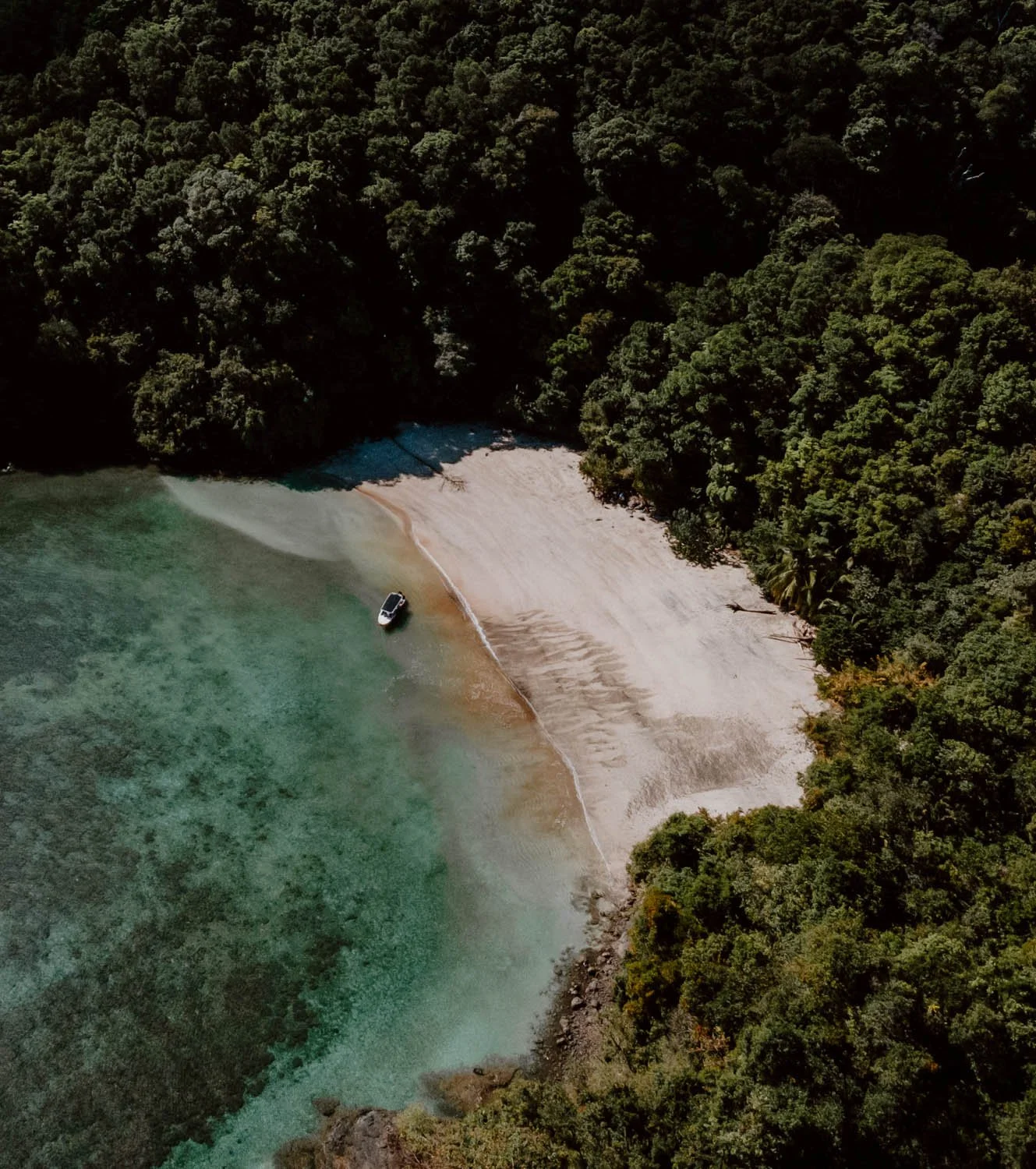
Take To The Waves
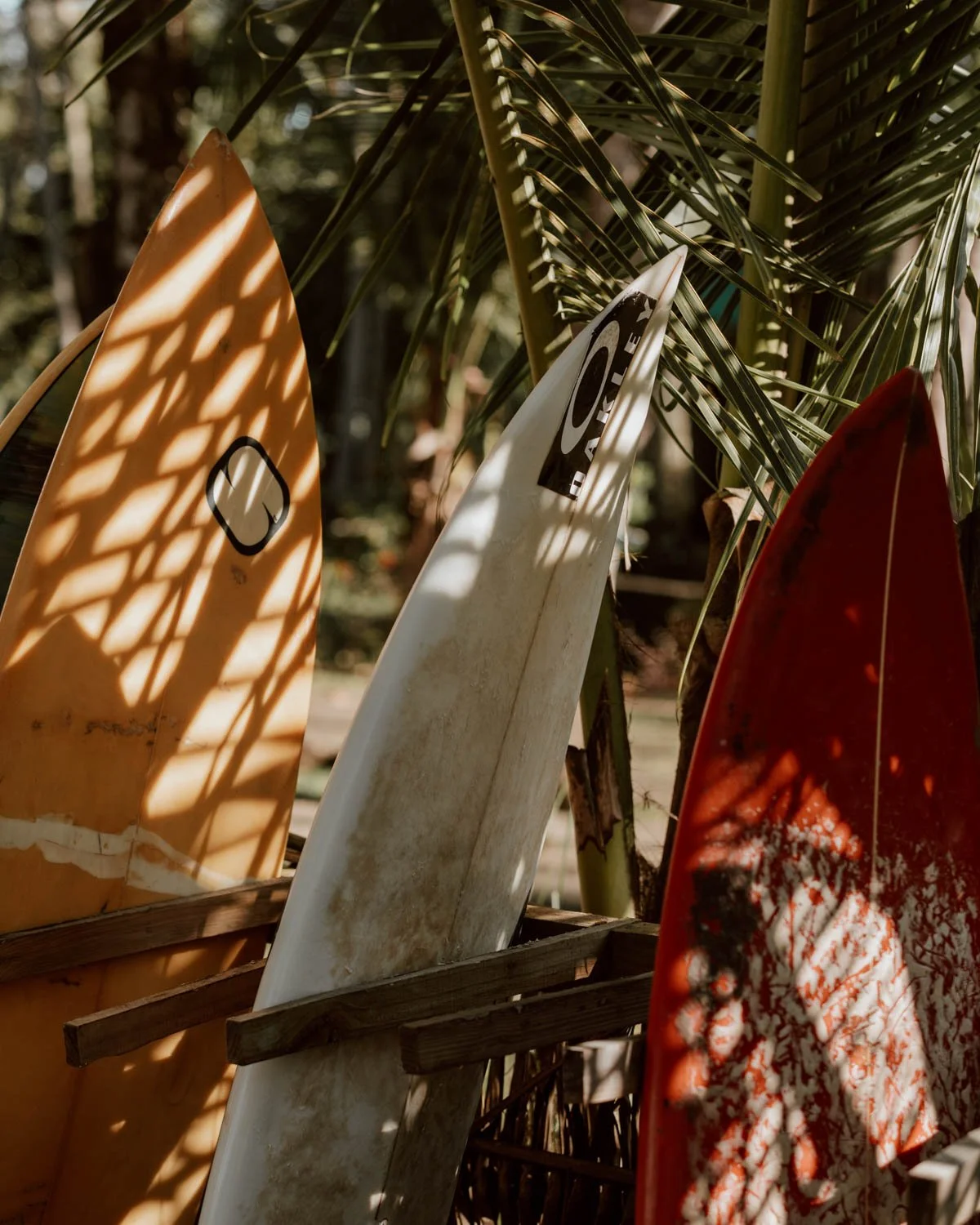
Santa Catalina has long been one of Panama’s best-known surf spots, and the town grew up around its waves - from barefoot locals riding wooden boards in the 1970s to the laid-back mix of travellers who come here now for a few days of sea, salt, and surf.
The main break, La Punta, is what put Santa Catalina on the map. It’s a powerful right-hand point break over reef that can hold waves of up to six metres, attracting experienced surfers from across the world. When the swell’s good, the lineup can get busy, and it’s definitely not a spot for beginners: sharp coral and strong currents make it best left to confident, skilled riders.
It’s also important to note that it takes about 20 minutes or so to paddle out to the break.
For those still finding their feet though, Playa Estero, a long sandy beach just a short walk from town, is a far gentler option. The mellow beach break here is perfect for learning, with small but consistent waves, plenty of space, and nothing but sand beneath your board.
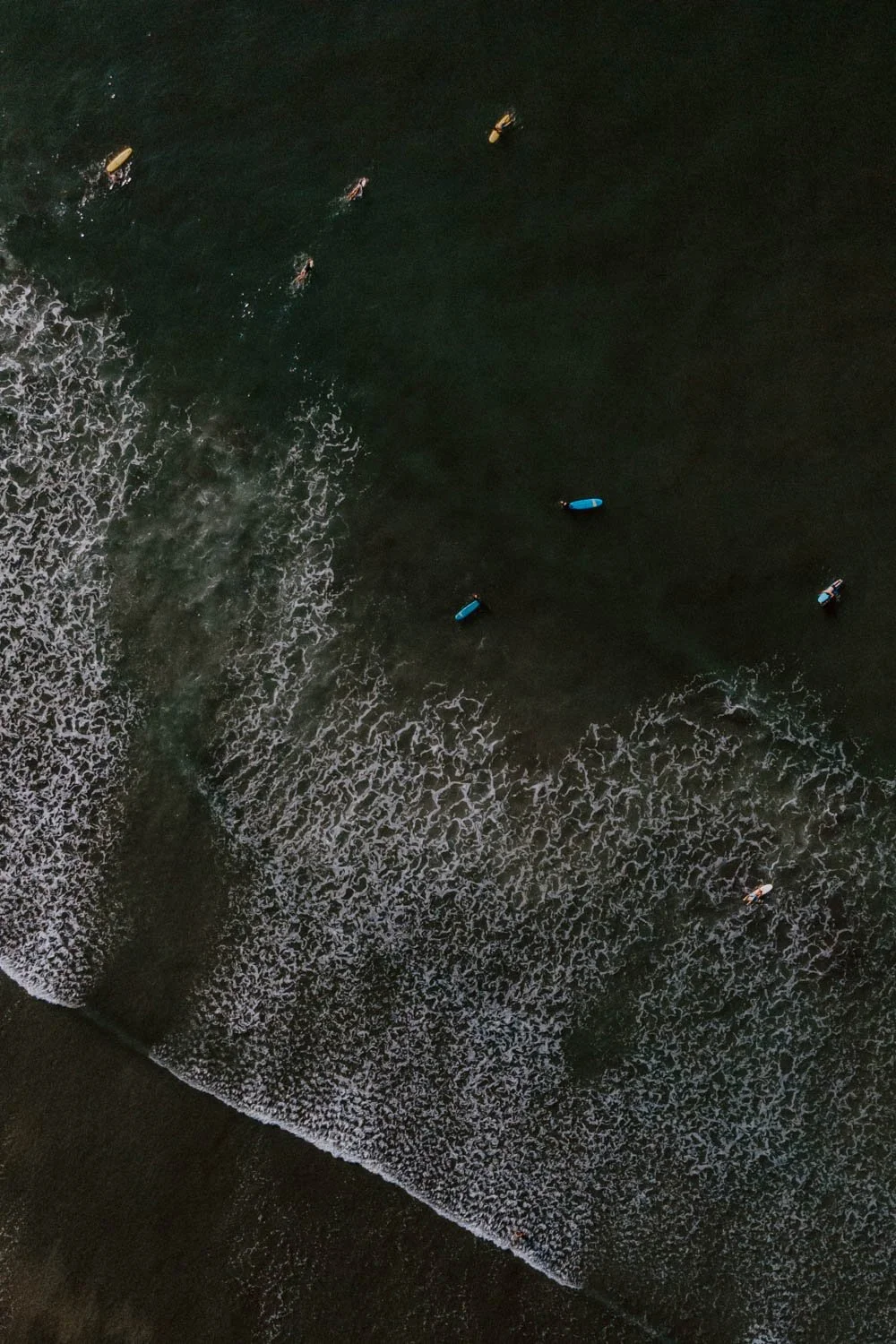
Indeed, if you head down to Estero in the morning, you’ll find dozens and dozens of beginners having lessons with one of the myriad of schools in Santa Catalina. It really is a brilliant place to learn and improve, so don’t miss out if you’ve never surfed before.
In a move that proves billboard advertising works, on our final morning Andrew took a class with a Brazilian guy who has a house - and a sign announcing his services - near Bambuda. The lesson cost $30 USD for the hour, and although it involved little more than being pushed into the white water and learning to stand, he was happy with the experience. If you’re interested, you can book with him over Whatsapp on (507) 6601 8306.
You can also have a lesson with his brother - he runs the Acai bowl place we mention later - who’s a seven times Panamanian surf comp winner. Private classes cost $40 USD per person, and whilst the extra cost is wholly unnecessary if just starting out, it may be worth it for more intermediate surfers.
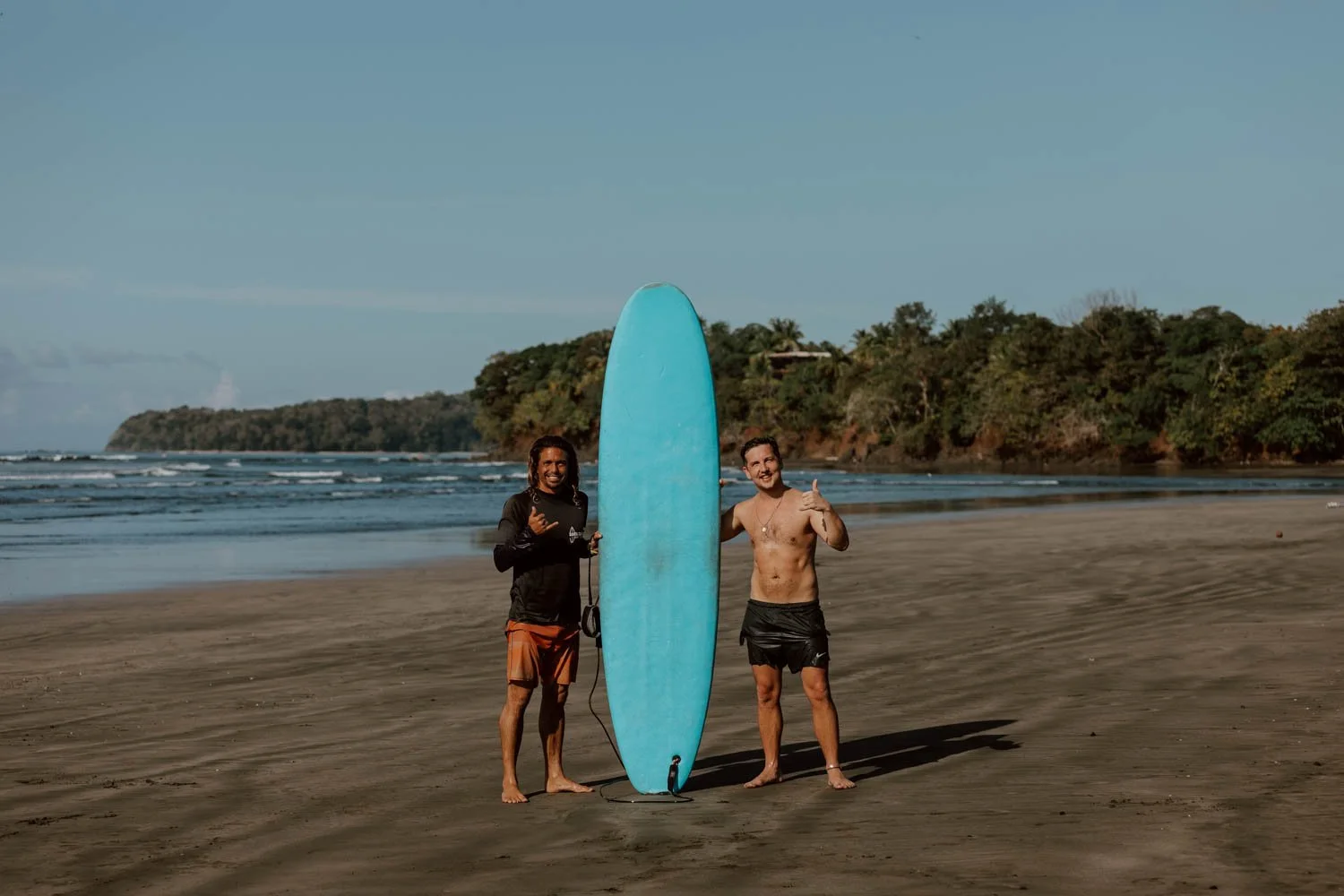
Lessons can be sourced from various other businesses in town:
· The Oasis beach complex offers surf lessons costing $25 per hour per person for a private lesson, and $20 per hour per person for two or more.
· Los Arrieros - the first surf school in Santa Catalina - has one hour lessons at $30 per hour
· We saw lots of advertisements for Radical Sloth Surf School but don’t know how much they charge unfortunately
· If you’re starting out and would prefer a more detailed introduction to surfing, Bambuda offers a three-hour ‘Intro to Surf Class’. This costs $130 if done privately or $95 per person in a group setting.
Conditions are generally best between March and October, when Pacific swells roll in from the south, but you’ll find surfable waves most of the year. The dry season (December to April) brings smaller, cleaner sets and lighter winds - great for beginners - while the wet season can deliver the kind of big, glassy walls that La Punta is famous for.
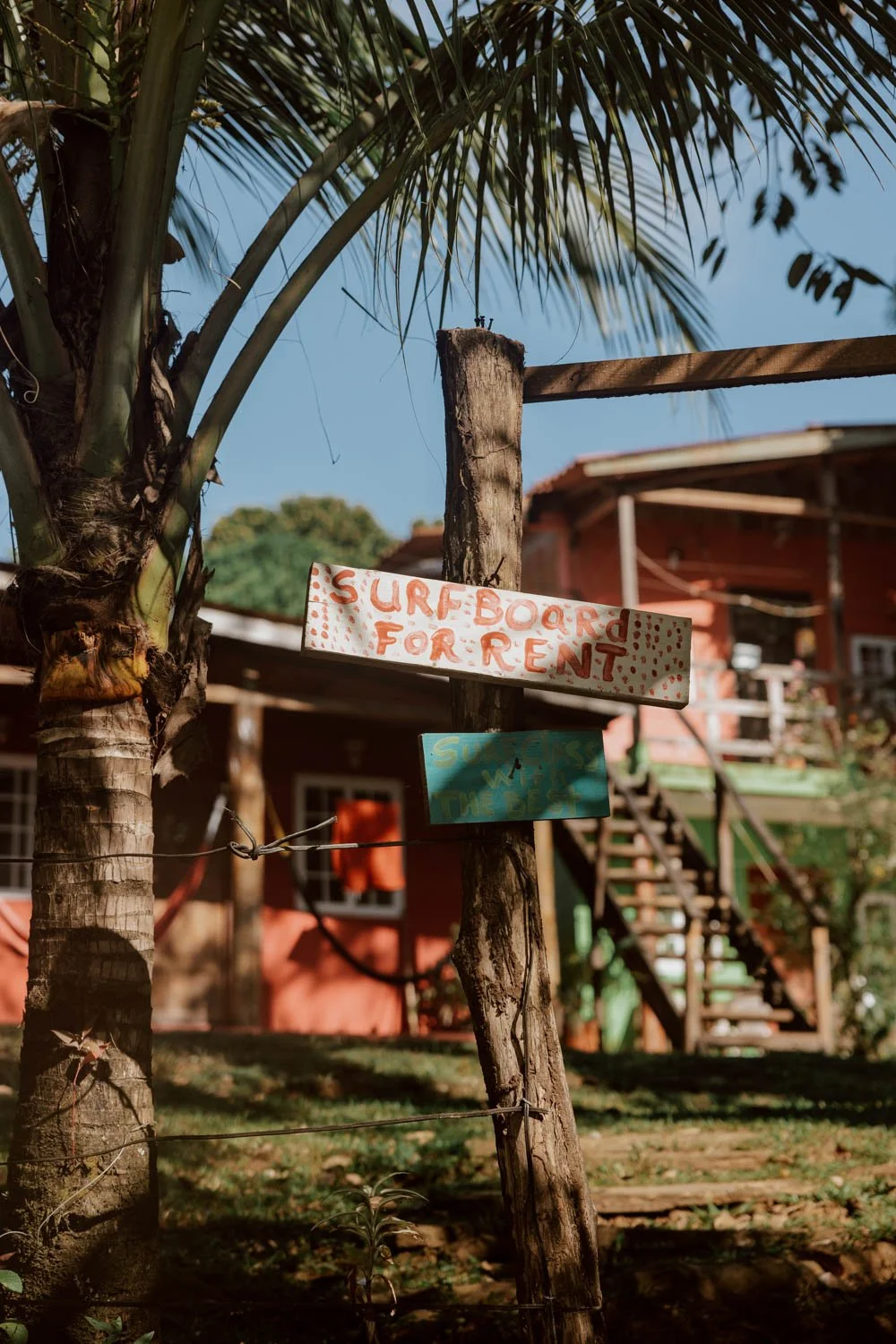
For those that already surf but just need a board, some places to rent include:
· Fluid Adventures | $10 half day, $15 full day with discounts for multi-day rental. The also offer kayak and SUP rental (see prices on their website).
· Oasis | Long Board $10 half day, $15 full day / Short Board $8 half day, $10 full day / Soft Top Board $10 half day, $15 full day
· Santa Catalina Surf Shop | $20 per day, 3+ days $15 per day, $100 for week
Travel Tip // Barefoot surfers carrying their boards along the road to or from the waves is a common sight, but you can save yourself the trouble. If you’re coming to Santa Catalina to learn to surf or to take La Punta seriously, you’ll probably be better off staying in one of the several accommodations near Playa Estero: we’d recommend taking a look at Oasis and Rancho Estero.
There are also an increasing number of surf camps operating in Santa Catalina.
Hang Out on Isla de Santa Catalina
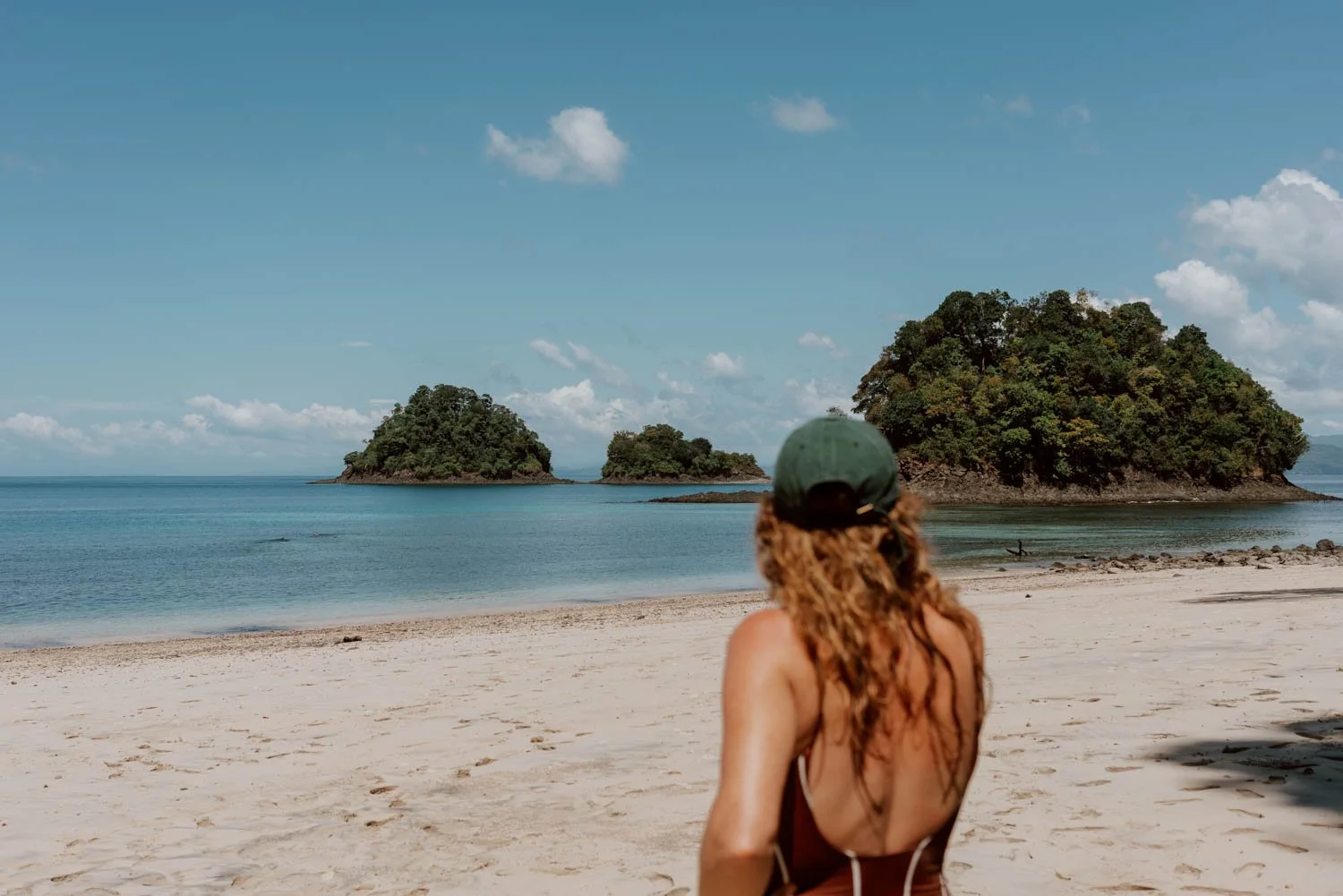
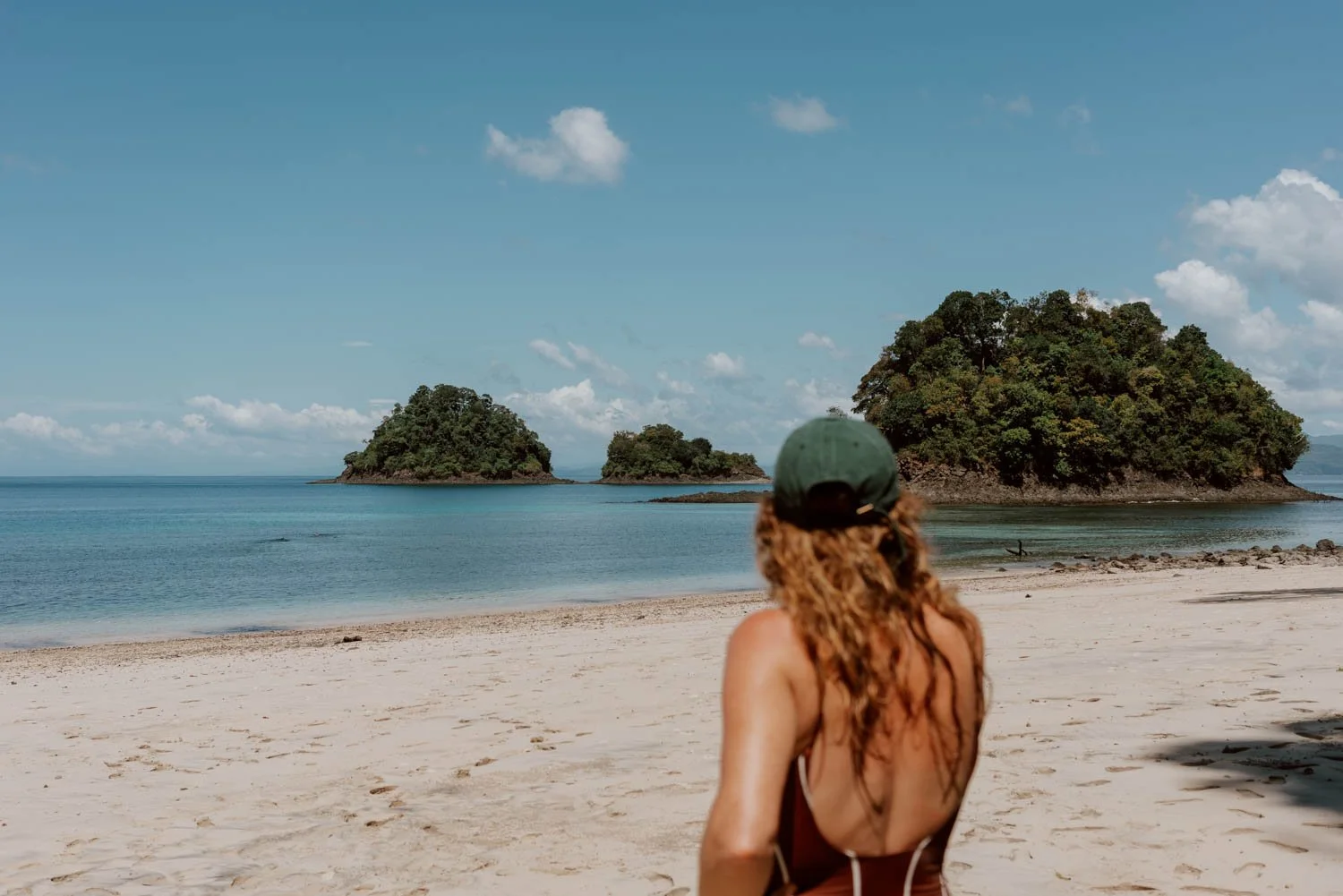
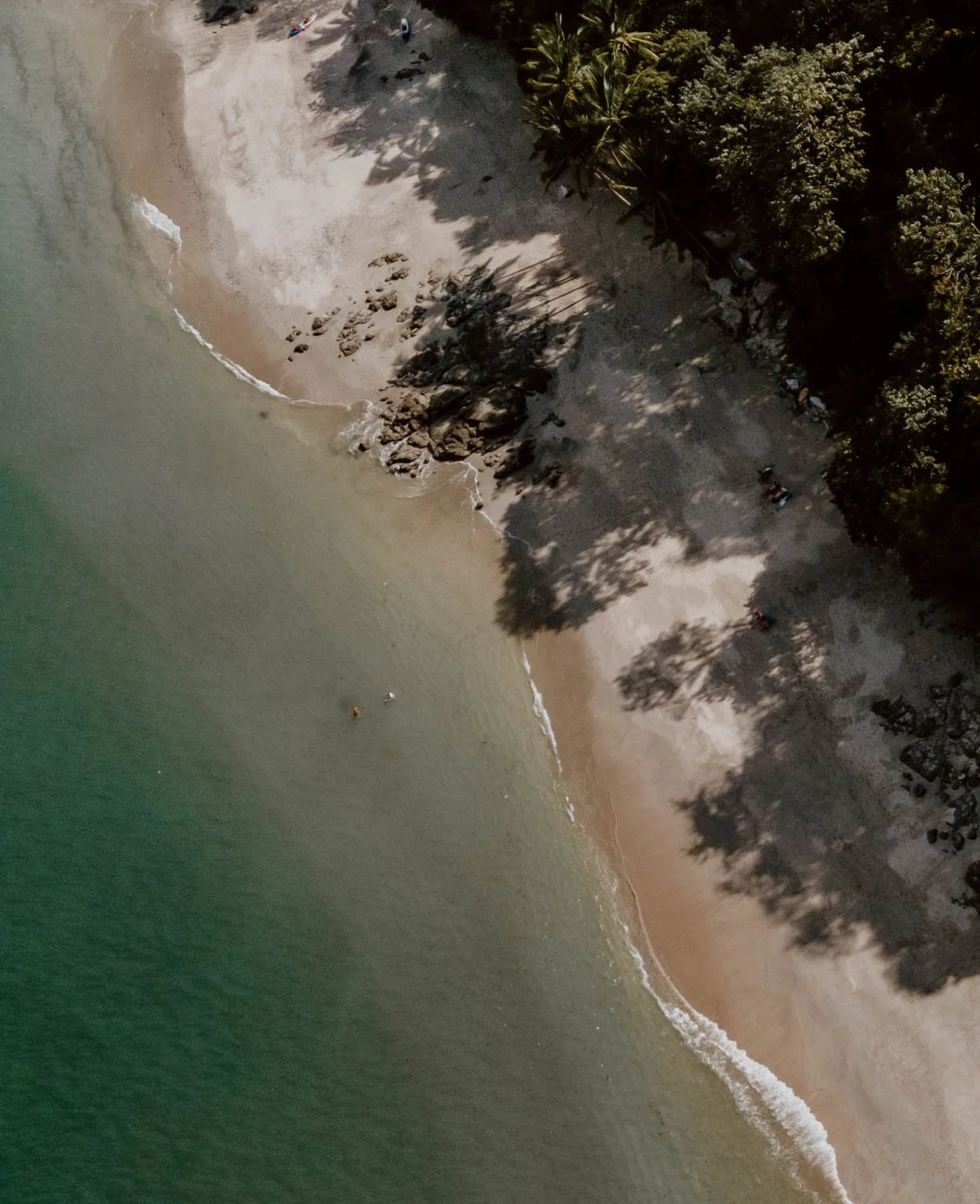
Just a short hop across the water from Playa Santa Catalina, Isla Catalina offers much more of a tropical island experience than can be found on the mainland, yet it’s still close enough to reach without much planning.
Clear water, white sand and small, easy waves make it a very relaxed place to spend a few hours, and it feels far more secluded than you might expect given its proximity and visibility from town.
When we visited during the week, there were perhaps fifteen people on the main beach - most of them gathered on the stretch directly opposite Santa Catalina - and even then it never felt busy. There’s a short nature trail inland which can be accessed from the north end of the main beach (although we didn’t walk it) but like us, most visitors seemed content to swim, sunbathe and drift between the shade and the shallows.
If you can, try to go in the morning. From around 3.30pm, the sun dips behind the island and the beach moves fully into shade. It’s still pleasant to linger into the later afternoon, but if you’re hoping to sunbathe, earlier is better.
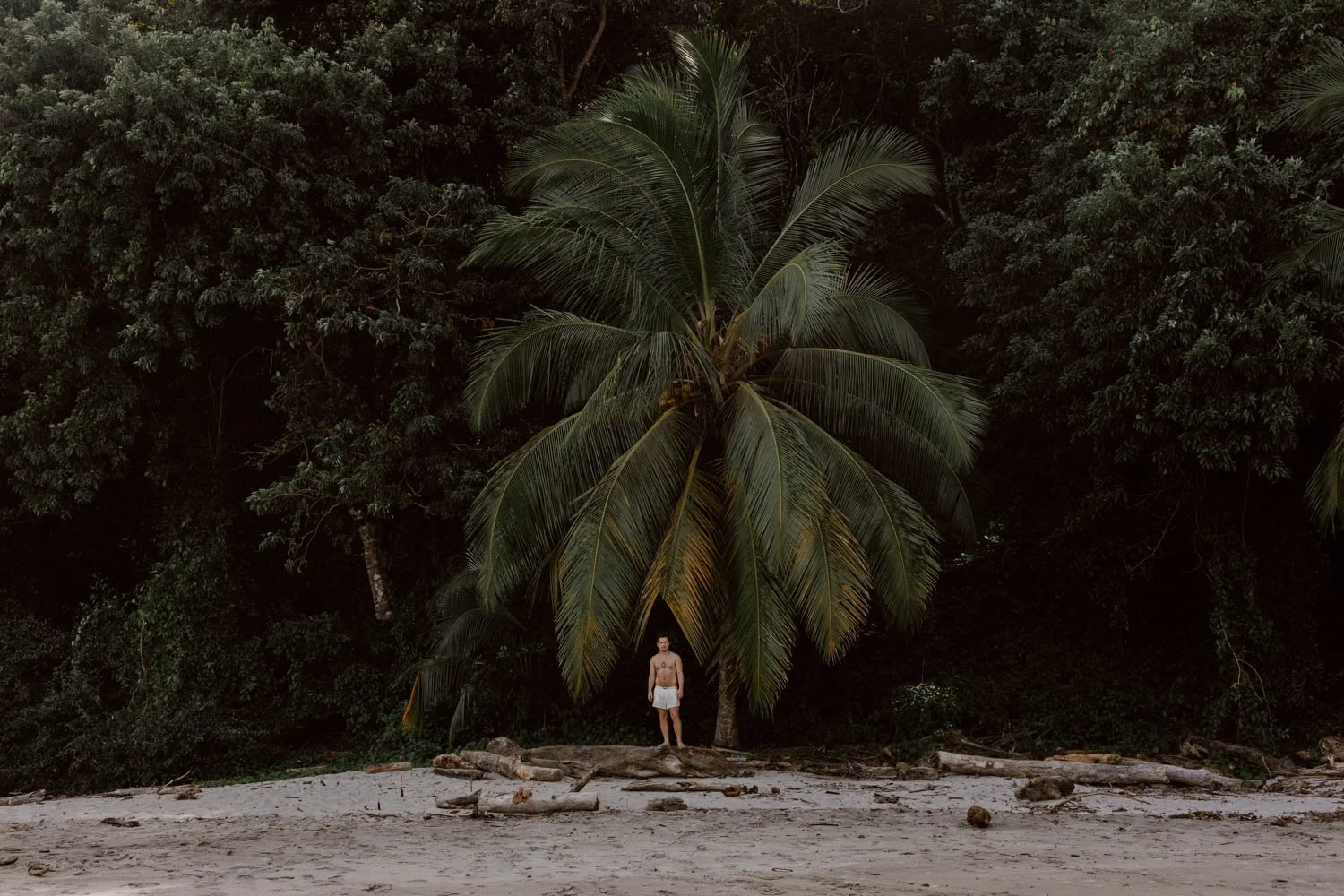
How to Get to Isla Catalina | Kayaks seemed to be the most popular mode of transport but it's also possible to take a boat across. We paid $30 for a return journey - you can either pick a time in advance for your return or take a phone number and send a message when you're ready to leave (our guy came 15 minutes early to pick us up so be prepared).
Journey time is around 10 minutes.
We believe the $30 is a fixed amount for up to four people, with each additional person costing $5 extra - do let us know in the comments if that’s not the case.
No advance booking is needed; you can arrange everything directly in the little tourist office on Playa Santa Catalina - here on Google Maps.
If you’d prefer to kayak, there are various places on and near the beach that rent them out (including Agua Salada and Rolo Hostel). Expect to pay around $15 for a single kayak and $25 for a double. Time to paddle across is around 30-40 minutes, depending upon wind and swell.
Travel Tip // There are no facilities on the Isla Santa Catalina - no shops, no toilets, no shade structures - so bring water, snacks, suncream, and whatever else you need for a few hours. You can find plenty shaded areas.
Party at Oasis
A Santa Catalina institution and the reason we lost an entire day from our Panama itinerary; if you’re staying in a hostel, we can almost guarantee you’ll go there at least once.
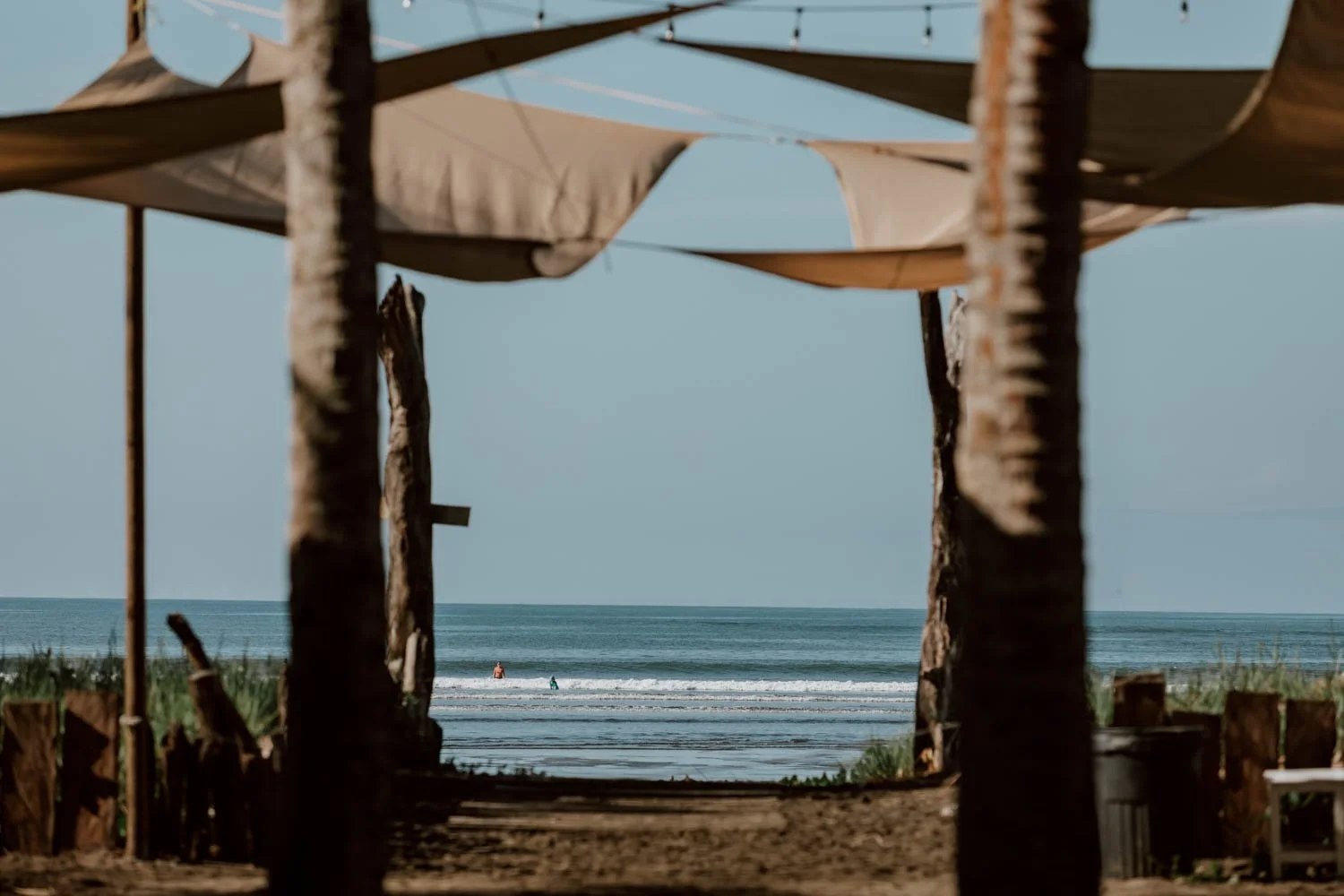
Hosted at the Oasis beach bar on Estero Beach every Wednesday and Saturday, things begin quite sedately around 9pm, and don’t really get busy until 10.30pm. There’s often a salsa theme (with a teacher trying their very best to produce some sort of rhythm in the less coordinated of us Europeans) and drinks offers - it was $10 for two strong rum and cokes or $5 for two beers when we went.
We’d like to say with some authority exactly what time it finished, but turns out those strong rum and cokes really are very strong! We think 1or 2am is a good guess (but groups do tend to migrate down to the beach after, where there were various fires lit).
Just don’t blame us for the hangover.
Know // To reach Oasis, you will need to cross the river. It was thankfully low tide when we went over, so we just removed our shoes and walked across, but at high tide it becomes waist deep. We were told that if it’s high tide early on, a guy will ferry people across in his small boat (we don’t know if it’s free or not).
Obviously, rising water levels and drunkenness really aren’t a good combination, so please do keep your wits about you and keep an eye out for others too.
It’s worth nothing that Oasis also runs a shuttle van that picks people up along the road between the town and the river. We didn’t know this in advance but he pulled over to pick us off when we were walking from Bambuda.
Catch An Incredible Sunset
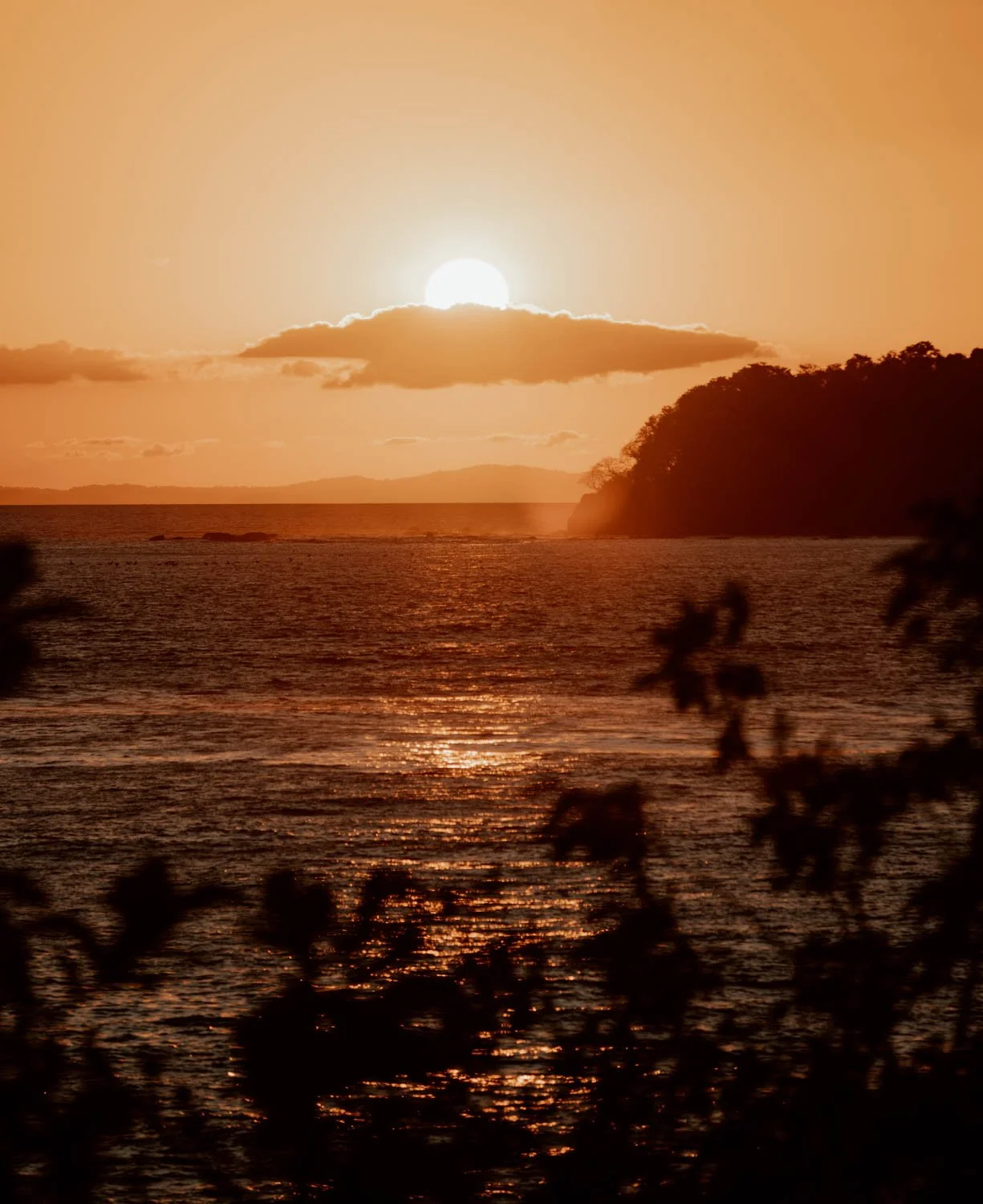
Catching the sunset at least once during your time in Santa Catalina is an absolute must - they really are spectacular.
One of the benefits of staying at Bambuda was the incredible sunset view from its garden area, enjoyed with a two-for-one happy hour cocktail. It seemed to have become the sunset hangout of choice for non-guests too, and they’ve got an excellent open garden space from which to enjoy it.
However, we imagine that you could get a fantastic show at many other west-facing waterfront properties here.
Alternatively, chuck a few cold cans of beer in a bag and enjoy the changing colours on Playa Estero or Playa Santa Catalina.
Know // Whilst card payment is now possible at lots of businesses, It’s a good idea to bring a wedge of dollars with you to Santa Catalina as town is really quite remote and cut-off (you’d need to take the bus in/out from Sona or another town for major supply runs). There is now an ATM in Santa Catalina though, but it charges $6.80 for withdrawals - you can find it outside the town’s small supermarket, here on Google Maps.
Join A Yoga Class
If you’re in Santa Catalina for a few days and want a gentle movement break between waves, walks and sunsets, you’ll find a few options for yoga classes scattered across the town, several of which cater to non-guests:
Waluaa Surf & Yoga | The foremost surf and yoga retreat in Santa Catalina, Waluaa also offers drop-in classes for those not staying at the lodge. Daily classes are held in their open-air, ocean-front studio, and bookings should be made on their website.
Catalina’s Hideaway | Focussing on wellness stays, this boutique resort offers a quiet place to unwind, and yoga classes five times a week that non-guests are welcome to attend. Classes cost $15 USD per person.
Villa Coco also offers complimentary yoga classes to their guests but as far as we’re aware is not open to the general public (if you discover otherwise, we’d love to hear from you in the comments).
Top Tip // We also saw a sign outside the small supermarket advertising a combined workout and co-working session which would be fantastic for any long-stay visitors and something we would absolutely have done if we'd been in Santa Catalina for a few more nights.
Where to Stay in Santa Catalina
As mentioned, wherever you stay, you're going to have to walk a little bit or quite a lot. That's simply how the town is laid out, with the lower and upper parts linked by the single road. It's a pleasant way to do it, but just be aware when walking at night on the roadside as vehicles won't see you - take a head torch your phone.
Some accommodations include bicycles for guests, but we couldn’t find anywhere that rented them - but it’s really not necessary for short-term stays.
We’d suggest three nights in Santa Catalina is ideal for a slow traveller, but we could happily have stayed a little bit longer if we wanted to improve our surfing or just enjoy the chilled out traveller vibe (whisper it, but we reckon quite a travellers will end up preferring their time here to Bocas del Toro).
Villa Coco | This gorgeous hotel set within lush palm-filled grounds gives all the boho, tropical chic vibes. They’ve got a wonderful pool area, an excellent an on-site restaurant and offer guests free bikes. We’d have stayed here in a heartbeat!
Located on a quiet stretch of beach around 10-minutes walk from the centre of town, Catalina’s Hideaway has a similarly luxurious feel around the same price point, but if you’re wanting a room with a true seafront location, you may wish to check out OceanFront Bungalows.
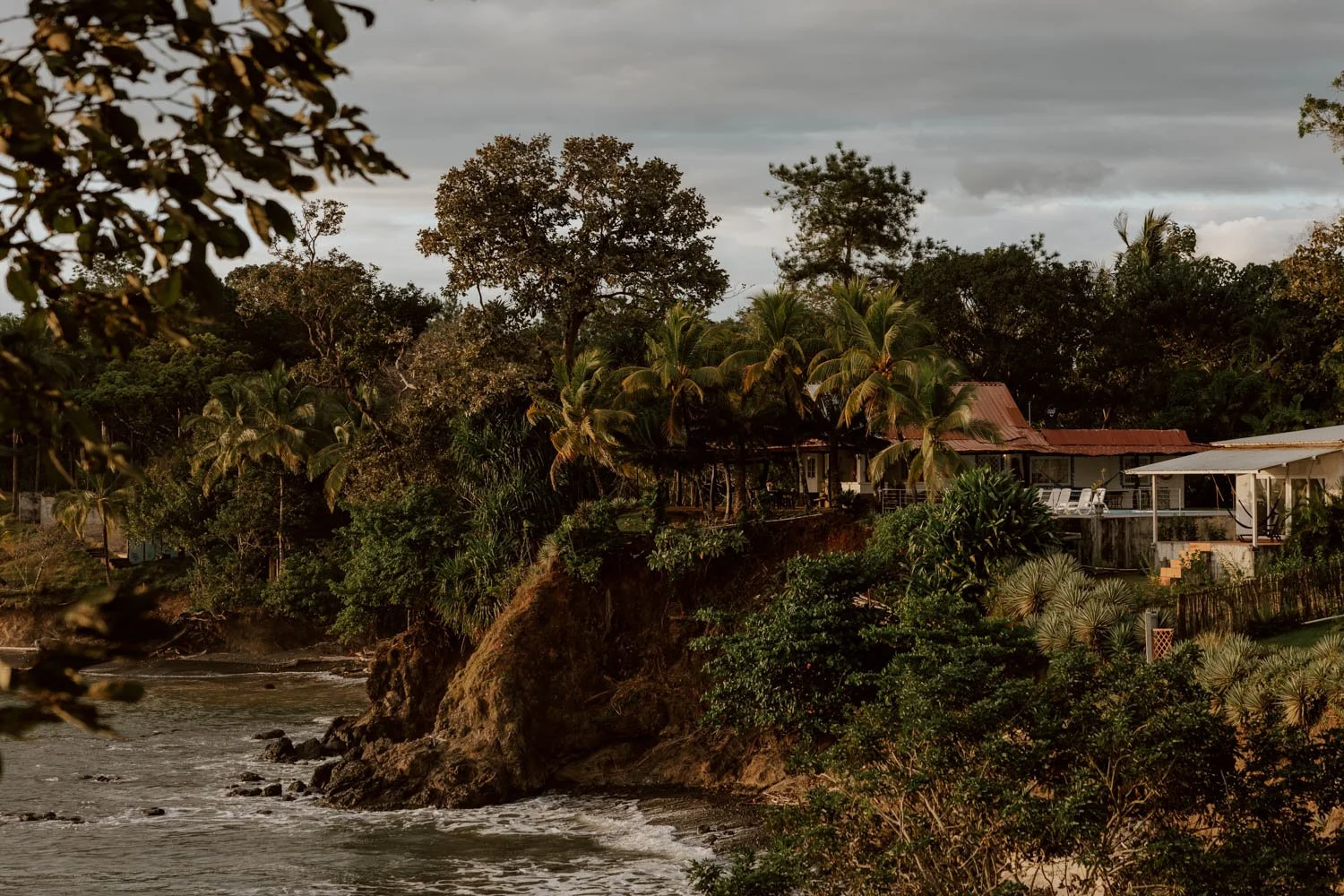
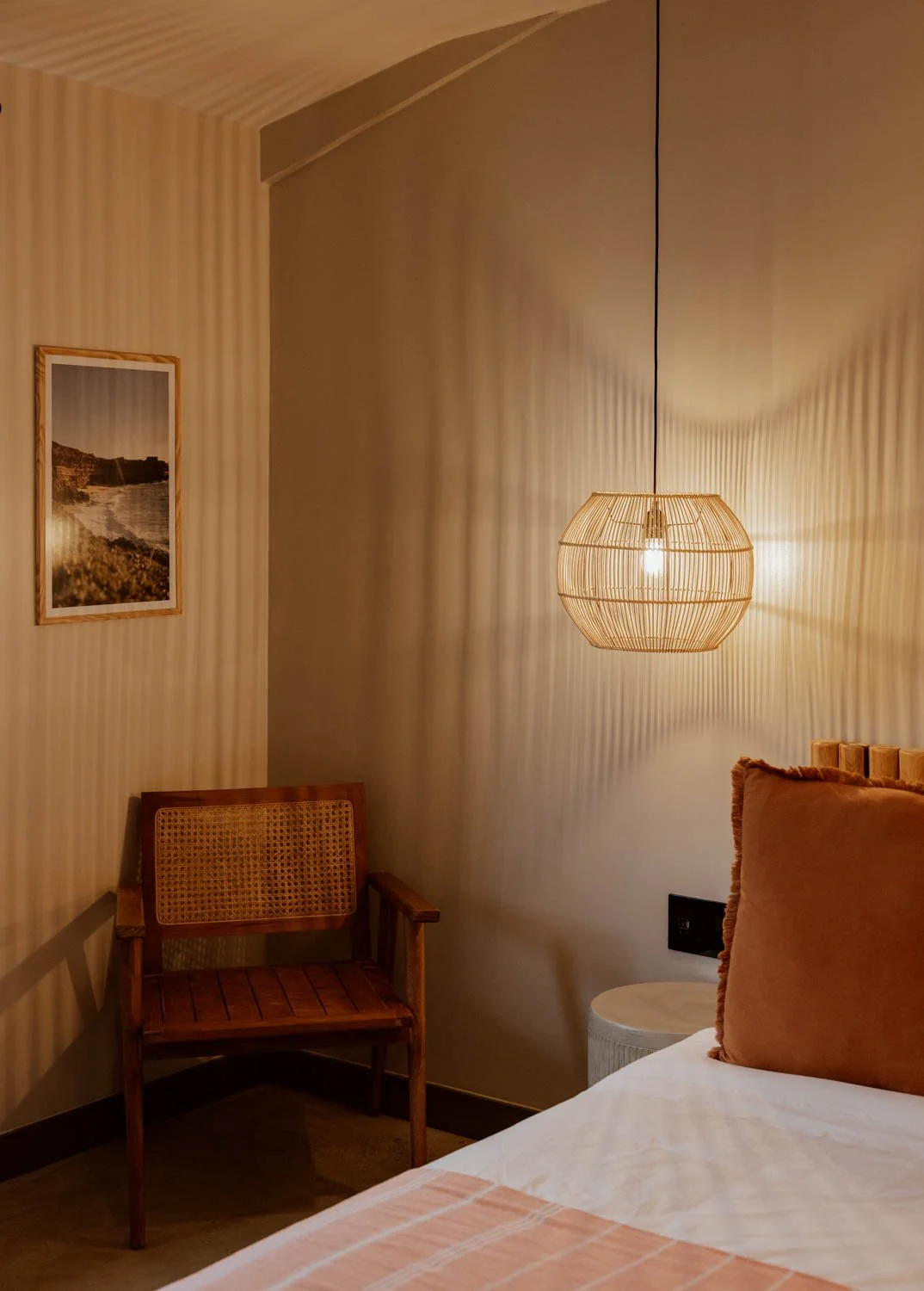
Bambuda Hostel | Where we stayed, this fancy flashpacker hostel is much more like a resort for younger travellers (and even the odd older couple) than an old-style backpacker spot. In a privileged location towards Playa Estero and overlooking La Punta surf break, it offers somewhere to unwind in a somewhat salubrious setting. The decor throughout is on point, and has clearly been designed by someone who knows a thing or two about interiors, they've got a bar, a restaurant, a pool, nightly events (sip and paint anyone?) and can organise daily trips in the area. It’s be a brilliant fit for some, but others may prefer a more low-key guesthouse or surf camp.
If you’re looking for a small, more chill and less showy sort of hostel, La Chamba Surf House is an excellent choice. They offer dorms and privates, a guest kitchen and a warm and welcoming environment.
The popular Panama hostel chain, Bodhi, also has a property in Santa Catalina.
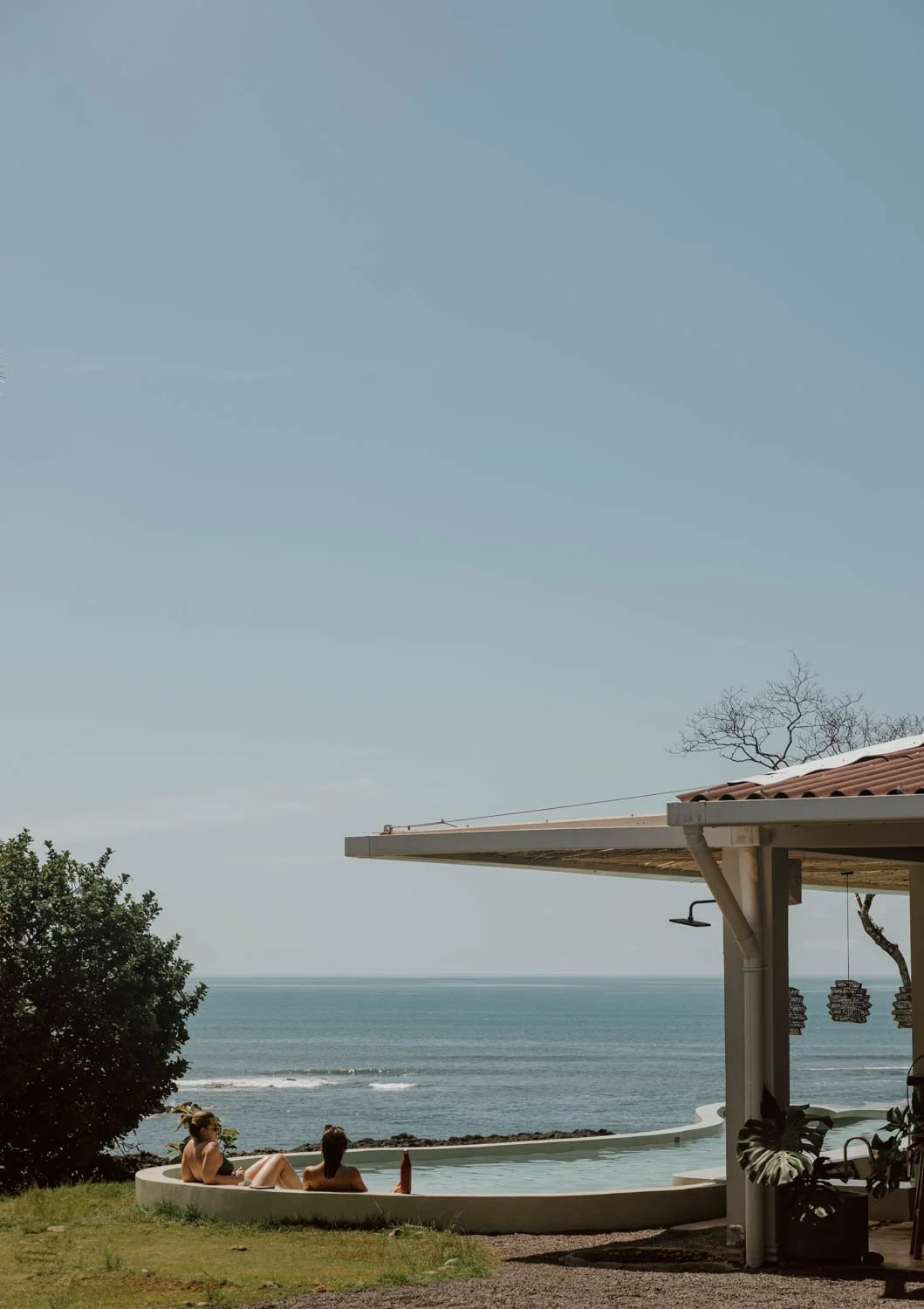
Hotel Santa Catalina | The rooms, whilst large and comfortable, don’t quite warrant the price tag (at least in our humble opinion) but this long-standing hotel is a popular choice. The pool area is however wonderful, with fantastic views out over the ocean that would be particularly good at sunset. The hotel’s restaurant is really good however, and offers excellent vegetarian options. Perhaps a better pick for older travellers looking for somewhere a bit more restful.
For a proper beach escape, the colourful waterfront huts - some self-contained with small kitchens - at Oasis are a popular choice but we’re not entirely sure we’d want to be located there given the need to cross the river to get into town. Also, bear in mind those Wednesday and Saturday night parties will be right on your doorstep (either a big positive of a big negative).
If you’d like to be close to Playa Estero but avoid the knee-deep trudge across the water, then Rancho Estero seems like a great option. They offer surf board rental, have sight of the waves and the ability to paddle straight out to La Punta.
Hostal Familiar Rolo | A simple, but comfortable family-run hostel very close to Playa Santa Catalina. They have a shared kitchen you can use, and we’d recommend trying to nab one of the rooms with a sea view.
Whilst not in abundance yet, there are also an increasing number of Airbnbs / vacation rentals in Santa Catalina. A few that caught our eye include:
Terra Luna | Two tiny houses located on a large plot of open space, that offer an ideal crash pad for a couple or solo traveller. Modern and open-plan in design, they are considered and benefit from wonderful terrace areas. See the followings lisiings: Terra Luna Casa 1 and Terra Luna Casa 2.
Manifest Loft | This one-bedroom property that offers a perfect blend of modern comfort and tropical charm, with an open-concept space that features high ceilings, large windows with beautiful views of the tropical green, and a minimalist design that emphasises natural light and airy comfort. Just beautiful.
Casa Ardilla | Prefer a more ‘back to nature’ experience? This wooden cabin may be perfect (especially for surfers given it’s just a few minutes walk from the famous La Punta wave). It’s also really good value.
Octopus Studio is another highly-rated and affordable option.
If you need a little more space, there are also a number of two-bedroom properties in Santa Catalina, including the lovely Casa Colibri. Modern, light and airy throughout, it’s the lush jungle setting that really sets it apart - best enjoyed from the large outdoor space.
Another two-bed option worth taking a look at is Santa Catalina Family House.
Casa Bodhi | Five apartments within a modern complex, each with access to a gorgeous pool area, Casa Bodhi gives resort vibes for the independent traveller. Contemporary style throughout, the kitchens are small but functional and the reviews are excellent.
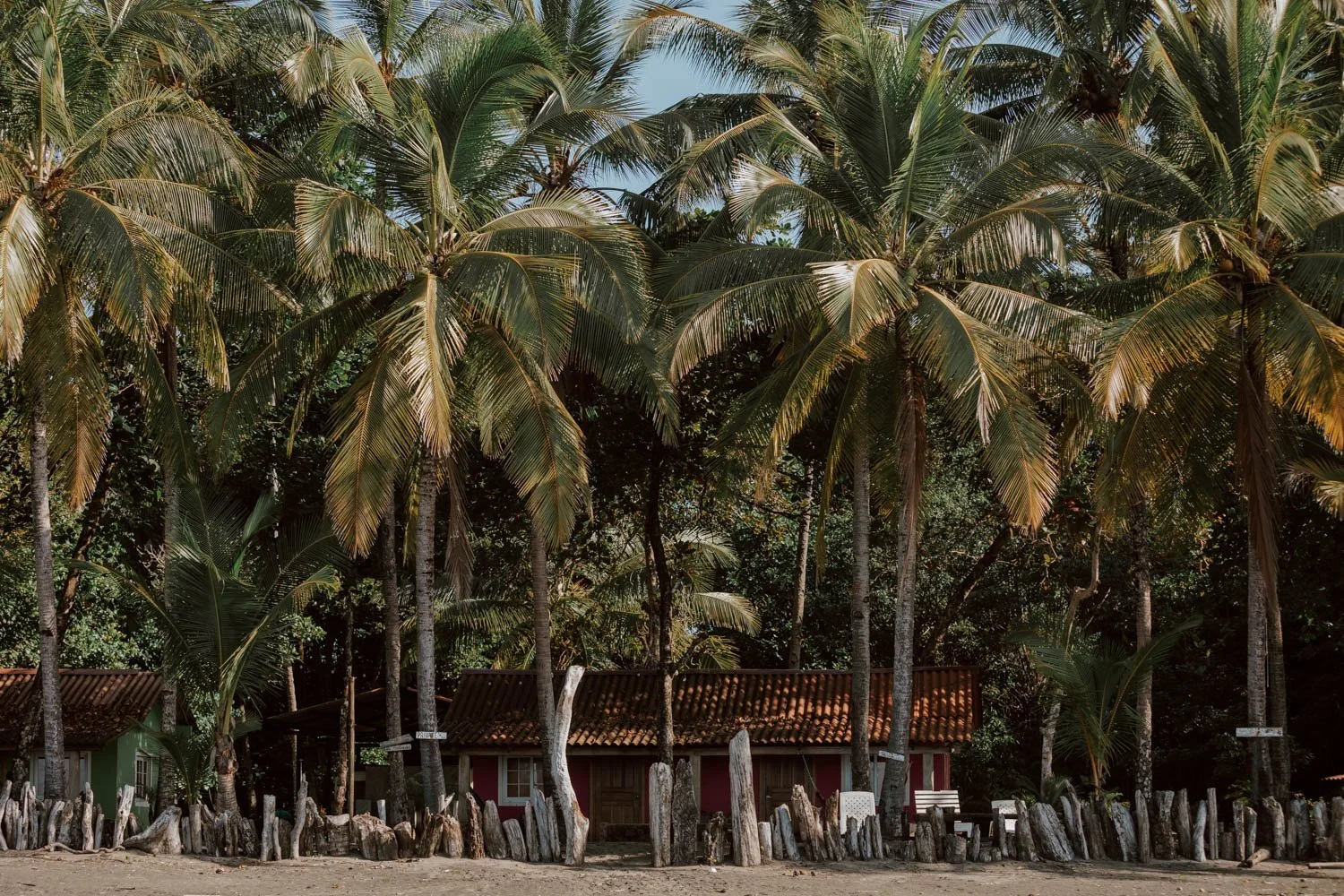
Where To Eat & Drink
Fonda Guapa | Loved, loved, loved this simple local-run spot. A wonderful remedy to the feeling that travelling community can be disconnected from the local one. Also served us one of our best value meals in Panama! The fried fish was huge and excellently cooked - just watch out for the slightly disgruntled Jack Russell.
Nearby Restaurante Mama Nivia offers a similar vibe.
Doña Saby | Full-on local Latino vibes, with the entire family hanging out in the restaurant, music, TV and kids on phones - but we loved it. Plate of fried fish and patacones for $10. Really good.
Panaderia La Piccola Italia | Run by a lovely Italian lady, this little hole in the wall spot serves proper coffee (probably the best in town if you like a strong espresso) and decent pastries, and was a perfect breakfast spot for us. She also offers sandwiches and pizza so would make an affordable lunch spot too - whether you eat at one of the little tables or take your slices to the beach.
Restaurante Donde Vianca | Located on someone’s literal porch, having spotted the big ceviche sign when we first arrived (and being HUGE ceviche fans), we tried no less than three times to eat here. Yet each time we hopefully approached the house we were devastated to find it closed. Offering a limited menu of fried whole fish or ceviche, the reviews are excellent and we just know it would have been a great meal!
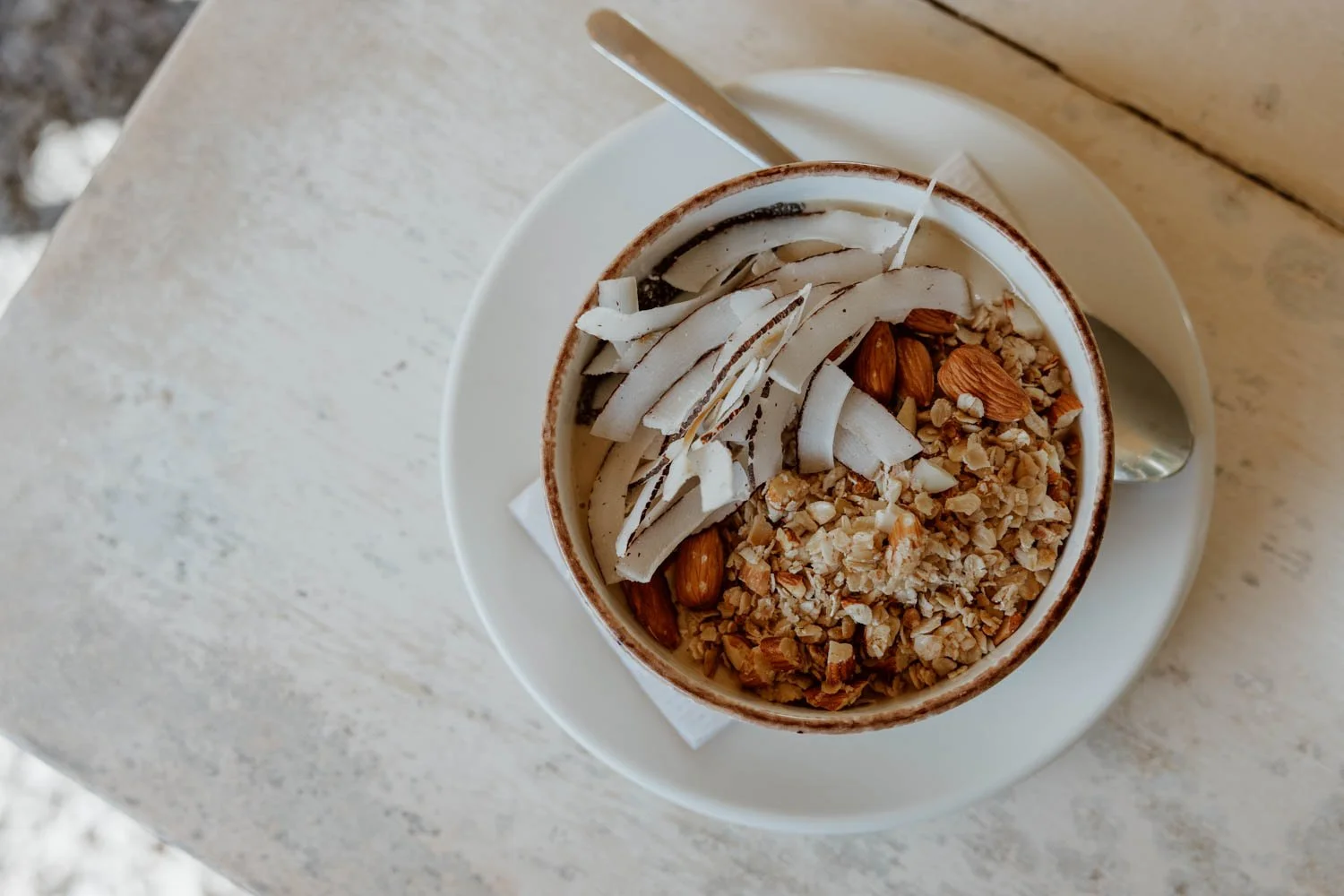
Surfers Point Açai Bowls & Smoothies | This new spot near Estero Beach is a great option for a post-surf healthy breakfast. Acai bowls cost around $10 USD and are bloody delicious. The coffee could be better though. They also have a new Airbnb offering.
Cafe Panachocolat | The only place we could find with a proper coffee machine, but the coffee was only average for our tastes. It’s a really nice setting for a chilled breakfast though, and we can recommend the smoothie and granola bowls (but perhaps give the savoury breakfasts a miss).
Caricaco Coffee Shop | Opposite Panachocolat, they offer a really great breakfast menu but also surprisingly decent lunch & dinner options. Try and nab the table on the small covered terrace upstairs for people-watching views.
Café Bex has only recently opened but looks like a really good shout for breakfast too.
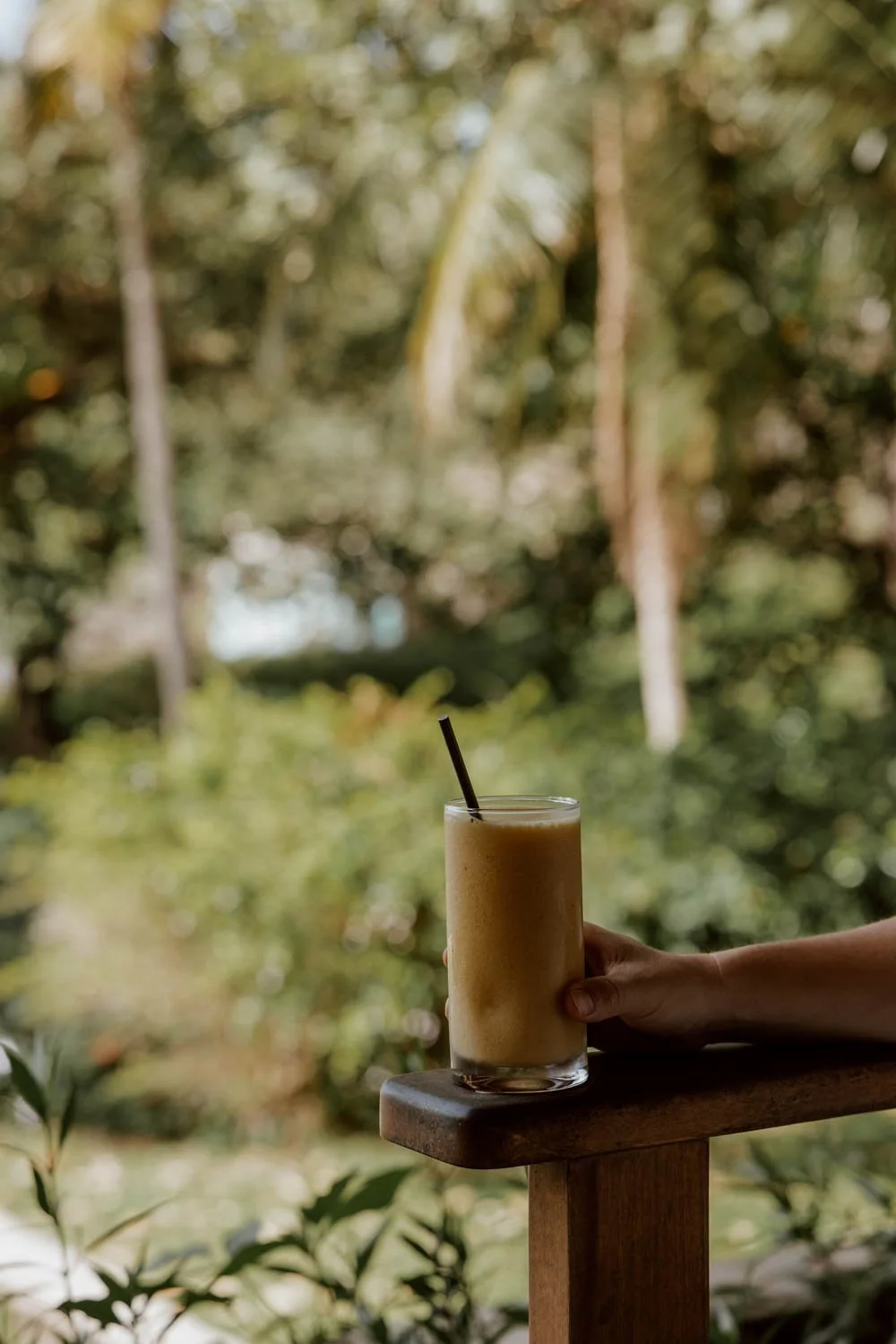
Sugar Mamas | We didn't eat here but it looked particularly popular at breakfast time - a pricer option though.
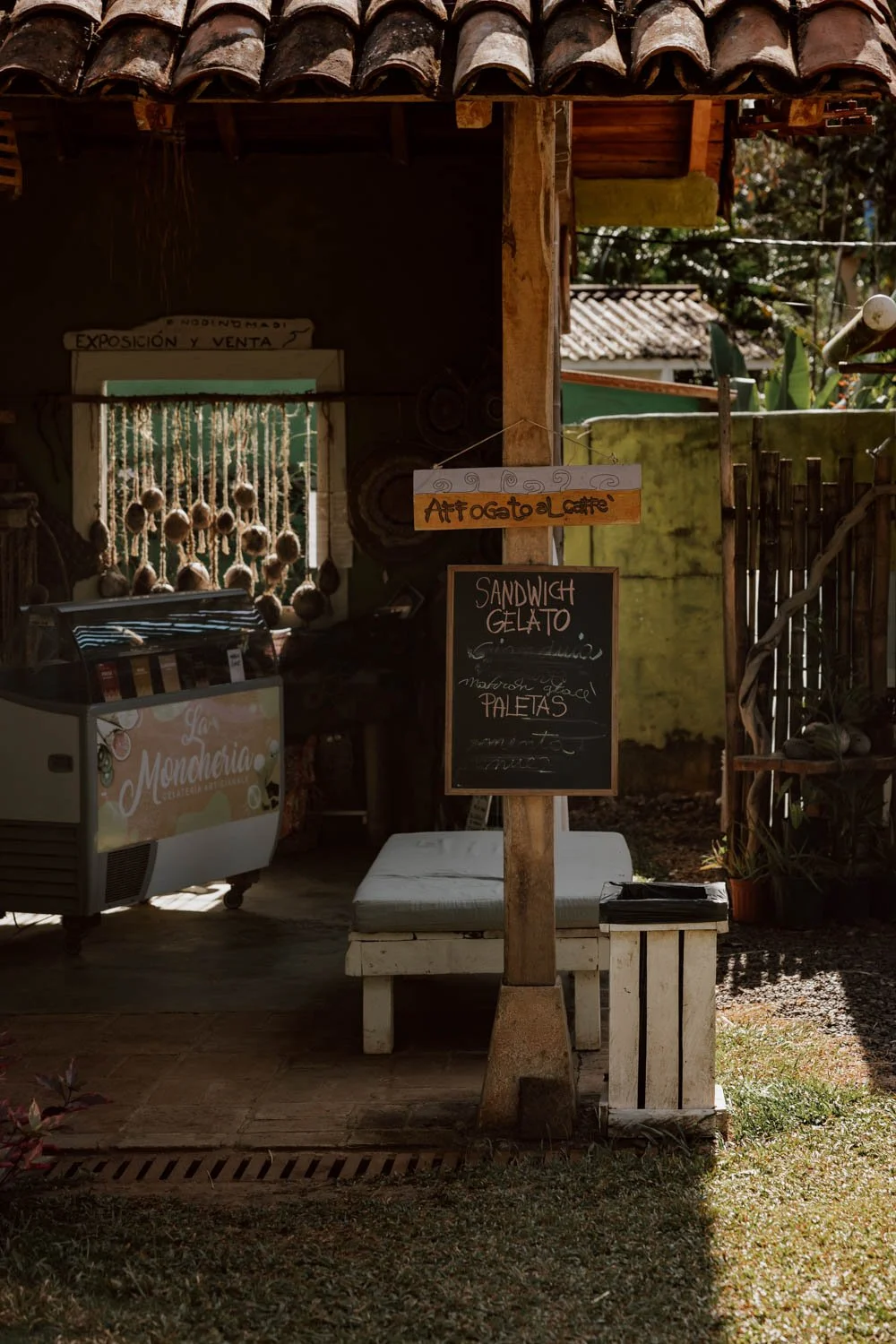
La Moncheria | As authentic a gelateria as you could hope to find in a small Panamanian surf town, they serve up top-notch Italian style gelato, alongside tasty dairy-free options. Opening times can feel a little limited - never before 3pm, and sometimes not at all - but absolutely worth making the effort for.
Another popular nearby restaurant is Pizzeria Jammin’, who serve up super thin, wood-fired pizzas to hungry crowds Tuesday to Saturdays. They didn’t quite hit the spot with us, but we’re annoyingly particular about pizza (blame Naples) and definitely seem to be in the minority.
El Chillinguito | Set within a chilled seemingly hidden garden, this restaurant fuses Italian dishes with Panamanian. Really excellent pasta and delicious fish. Again, it’s bit more expensive, but definitely worth it.
Bambuda also does food, but we think they’re on the verge of taking up too much of the tourism spend and think it’s better for most to try head elsewhere (especially the local spots mentioned). There’s also a new-ish poured concrete place that hosts Apizza and others but, again, we think it’s too traveller-focussed and similar to what you’ll find back home.
Good to know // Eating out in Santa Catalina can be more costly than you’d expect. Firstly, lots of restaurants - particularly ones catering primarily to foreign tourists - don’t include tax upfront, usually adding it in addition once you get your bill (around 7%)
If you pay cash, this sometimes won’t be charged though.
Secondly, the same restaurants tend to charge significantly more for the same meal in comparison to the simple local-owned establishments. This shouldn’t be too much of a surprise, but when all you want is a basic breakfast, knowing you can get it for $4 vs $10 could save you a lot of cash!
How To Get To Santa Catalina
Santa Catalina By Car
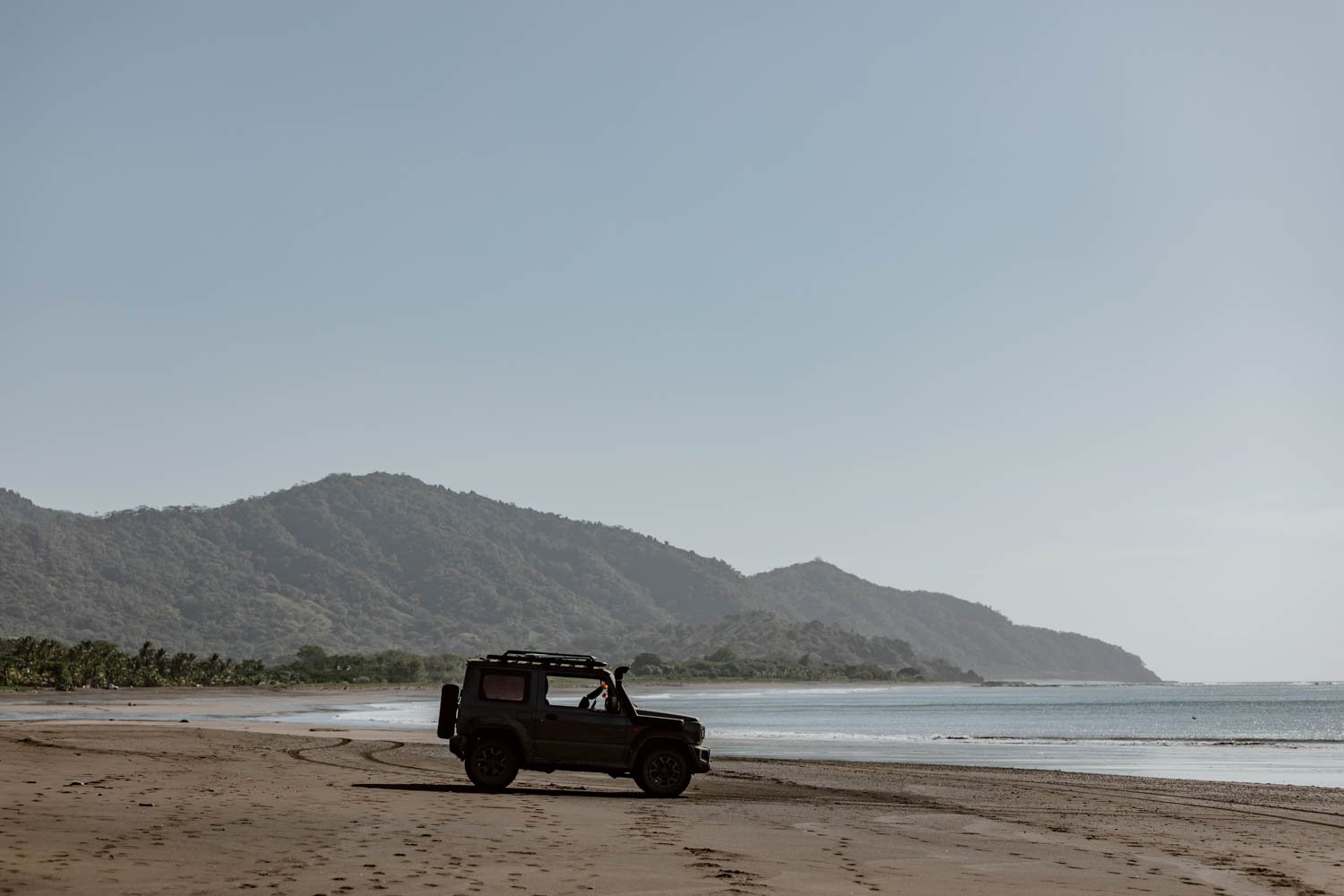
We were on a Panama road trip, so drove in with our rental car.
From the main highway, it takes around 40 minutes to reach Santa Catalina. You’ll turn off near a gas station - fill up here if you’re low - and then leave the tarmac behind. The approach road is currently loose grey gravel with frequent potholes and no markings down the middle or along the sides. You cannot drive it quickly, and you shouldn’t try.
It’s also very much a shared road. Pedestrians and cyclists use the edges, and the dust clouds kicked up by passing cars can make it difficult to see oncoming traffic. Loose stones spit up from tyres and windscreen chips are a concern if a large vehicle flies past you - which happens more often than you’d hope.
When we visited this year, there was ongoing construction along this road, so it looks likely that it will eventually be fully paved or properly gravelled. When that happens, tourism in Santa Catalina will likely change substantially.
Once you’re in Santa Catalina, you won’t really need the car at all (fyi - Bambuda has a good free car park for guests)
Know // You don’t need a 4x4 in the dry season, but the extra clearance of an SUV makes the approach road less stressful. In the rainy season, conditions worsen quickly and a higher-clearance vehicle is definitely worth it. Rainy season can hang over until November through to December.
Find out all the mistakes to avoid in our Driving in Panama explainer.
Santa Catalina By Bus
If you’re travelling Panama on a budget or you simply prefer to move slowly between places, Santa Catalina is perfectly reachable by public transport - it just takes a little more time, a little more patience and an understanding that all routes eventually funnel through the small inland town of Soná, from which there are realtively regular departures throughout the day.
Journey time from Soná to Santa Catalina is approximately 1.5-2 hours and tickets cost $5 USD. The current timetable shows departures at 5.15am, 8.30am, 11am, 1pm, 3pm and 4.30pm (note that the 8.30am and the 3pm don’t run on Sundays).
Do let us know in the comments if those times change.
Alternatively, if you miss the last bus or don’t fancy hanging around waiting for the next one, you can jump in a cab in Soná. The standard fare is around $40 USD but always be sure to confirm the price with the driver (we did meet someone who paid significantly more).
Note that the bus drops you off in the centre of Santa Catalina (outside Caricaco coffee shop - here on Google Maps), so you’ll have to walk along the road for10-30 minutes to reach certain accommodation.
Panama City / Beginning at Albrook Bus Terminal, you need to take a bus to Soná. These run throughout the day, with departures at 5.50am, 8.20am, 10.20am, 12.45pm, 2.20pm, 3.15pm, 4.20pm and 5.45pm (correct at time of publication). Journey time is around 4-5 hours depending on traffic and stops and you don’t need to pre-book your place; just look for Soná on the window boards when you arrive at the station. Tickets cost $9 per person.
In practice, the full Panama City to Santa Catalina journey takes around 7 to 8 hours, so if you’re keen to get a bus - not a taxi - from Soná, be sure to set off from Panama City nice and early.
David (or Boquete or Bocas) / There is no direct bus from David to Sona, so instead you’ll have to first make your way Santiago. Frequent comfortable coaches depart from David’s main bus terminal, taking around three to four hours to reach Santiago. A ticket is approximately $8.
From Santiago, local buses to Soná run steadily throughout the day, taking around an hour and costing $2. Then you just need to make the same final change as everyone else!
It sounds like a faff, but we’re told that it works surprisingly well as long as you start early enough. If you leave David in the morning, you’ll almost always make the Soná connection in time and reach Santa Catalina mid-afternoon!
This is the same route you’ll follow if coming from Boquete or even Bocas, but it’s super important to be aware that due to the number of potential connections involved to make it all the way to Santa Catalina, the further away you begin your day, the greater the chance of not making it to your final destination in one day. We’d recommend that if you are trying to reach Santa Catalina from Bocas, that you just assume you’ll need to get a taxi from Sona and remove a little of the stress.
El Valle de Antón / From the centre of El Valle, take the San Carlos or Panama City bus and get off at the Pan-American Highway (just advise your driver on your final destination and he’ll know where to stop). From here, pick up a through-bus to Soná if one is passing, or continue via Santiago if you miss it.
Total travel time for this journey is around six to eight hours.
A note on Playa Venao / Travellers looping the Pacific coast often compare Santa Catalina and Playa Venao, and moving between the two by bus is possible - it just isn’t linear or all that sensible. You’d have to make several bus connections - Venao > Pedasí > Las Tablas > Santiago > Soná > Santa Catalina - which on paper looks like madness. If you do give it a go, then let us know in the comments (and please start your journey early!)
Plan // Our (Almost) Perfect Panama Itinerary
Santa Catalina by Shuttle
Shared shuttles are an increasingly popular way to get around Panama, and the following are the current approximate rates to / from Santa Catalina:
· Boquete - $35 USD
· David - €35 USD
· Lost & Found Hostel - $40 USD
· Bocas del Toro - $70 USD
· Playa Venao - $45 USD
· Boca Chica $40 USD
· Panama City - $60 USD
You can check out some schedules and services on Bookaway