Our Guide to Visiting the San Blas Islands
Confused about how to visit San Blas, or not sure if it’s a good fit your travel style?
Our travel guide has everything you need to know.
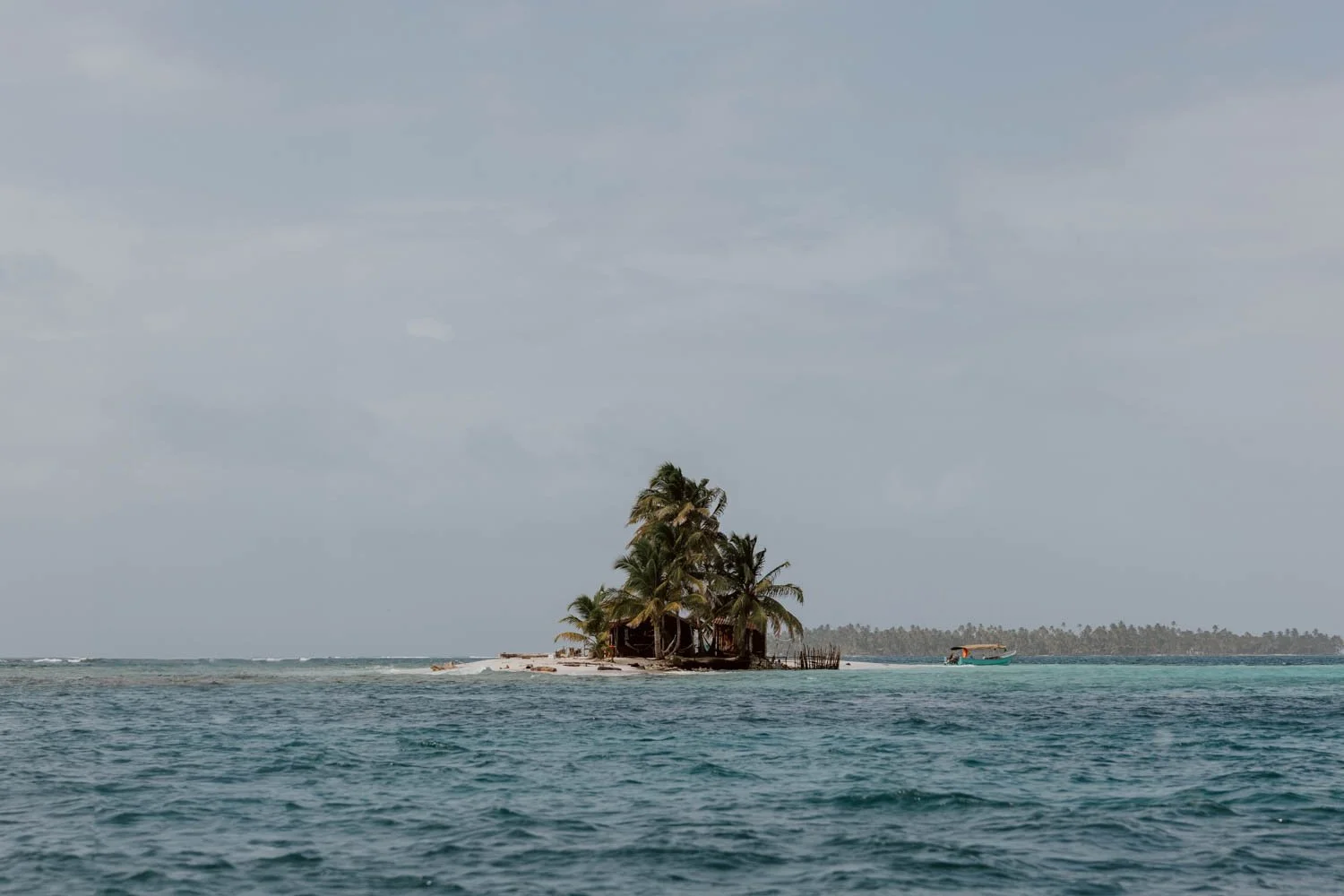
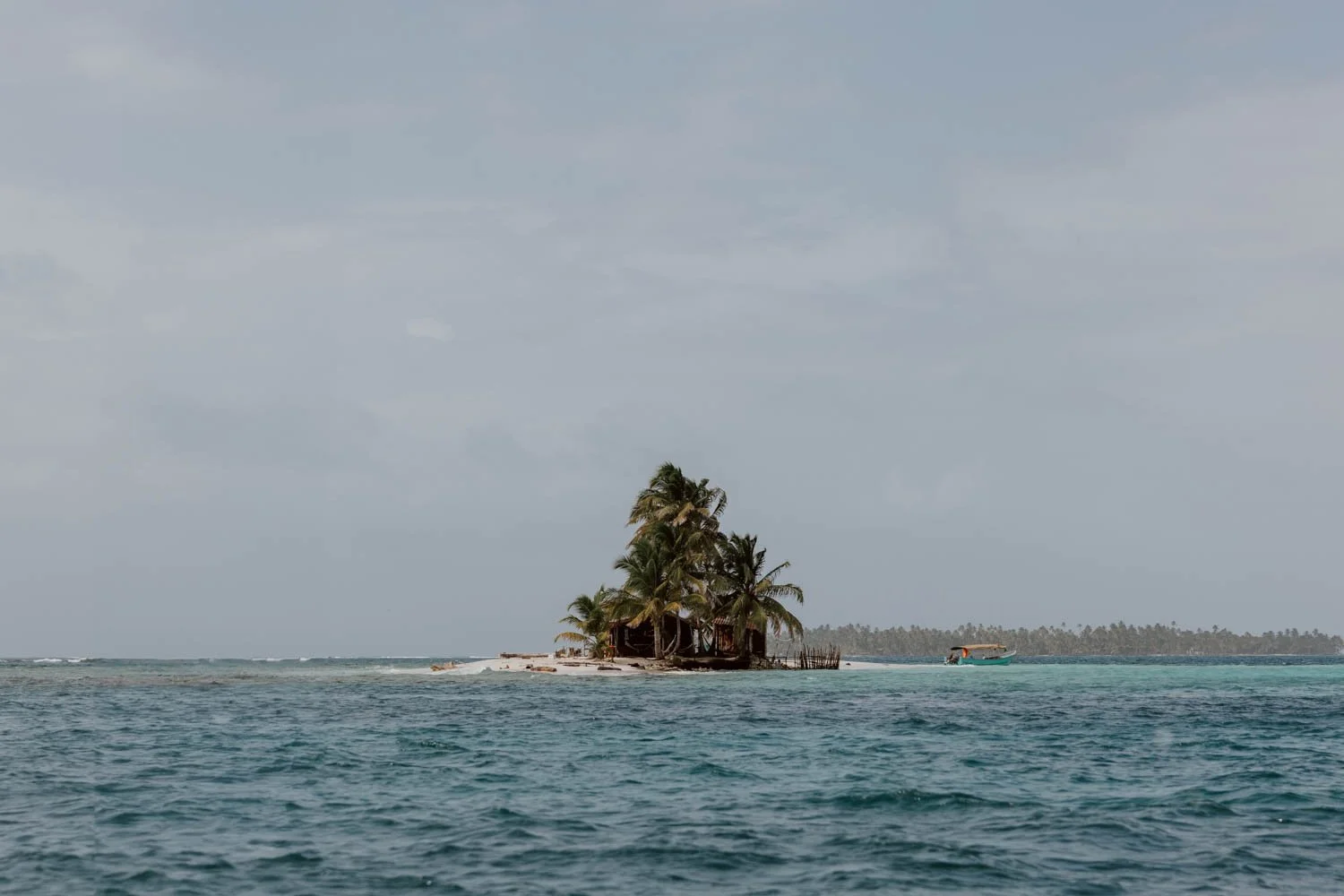
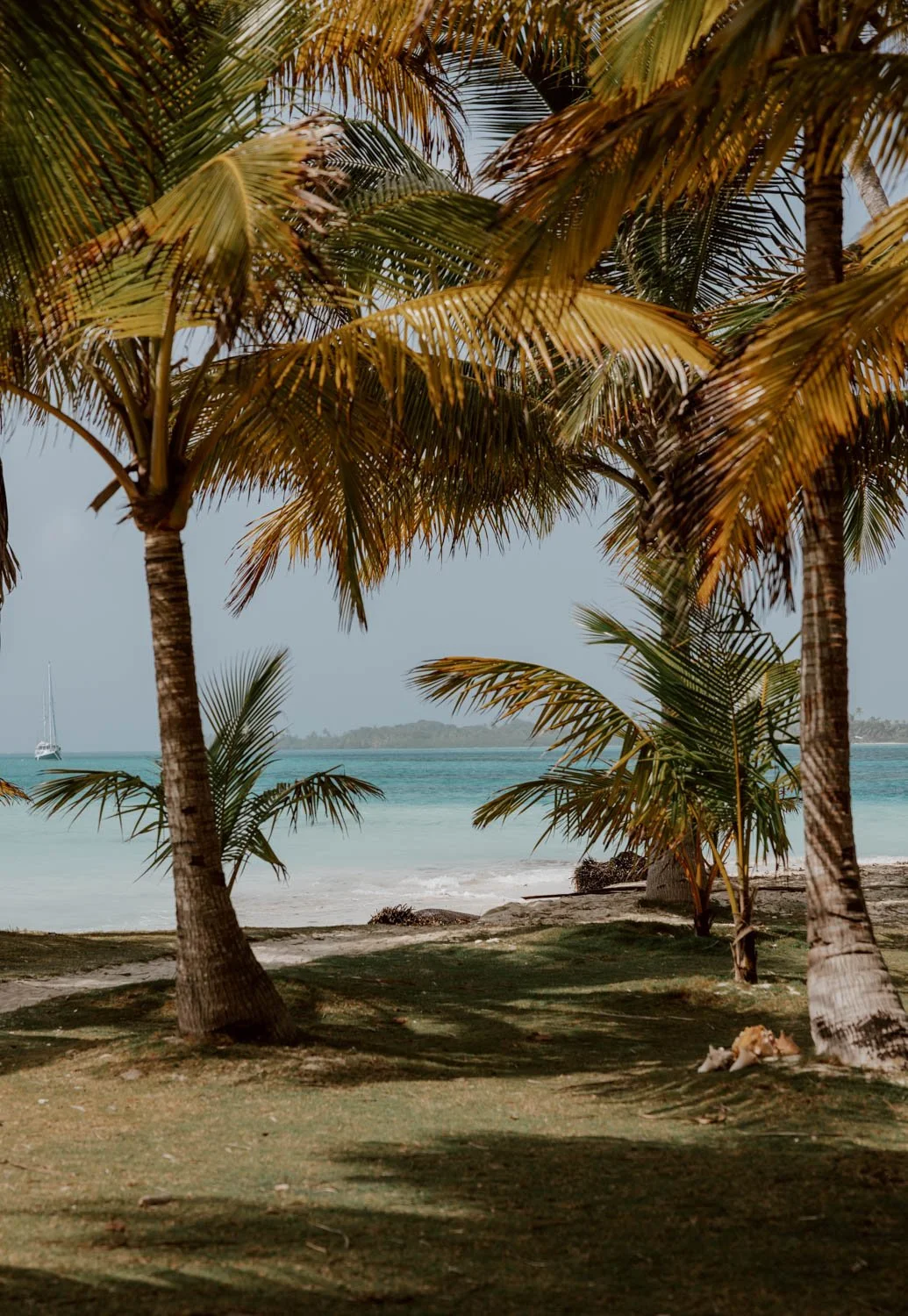
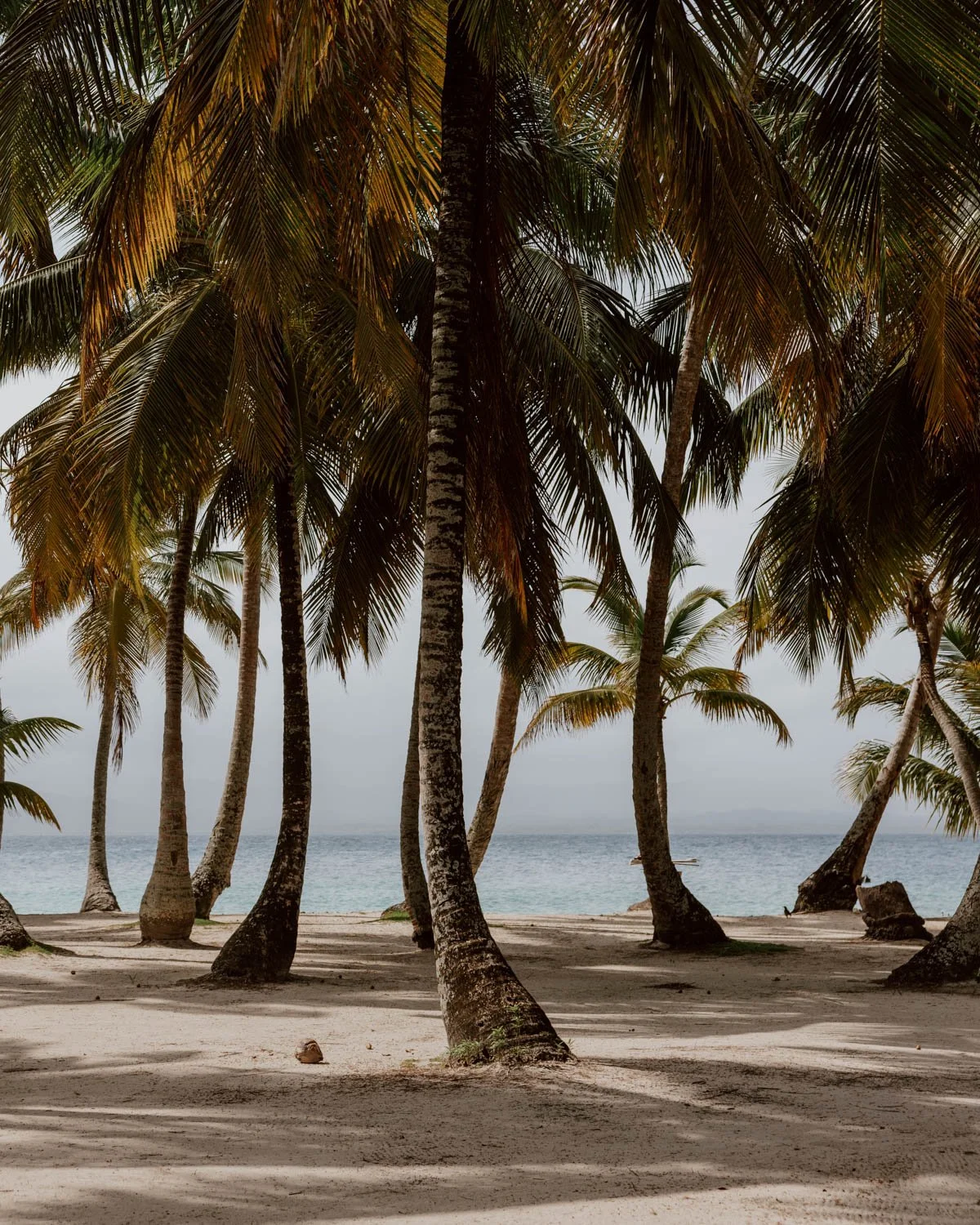
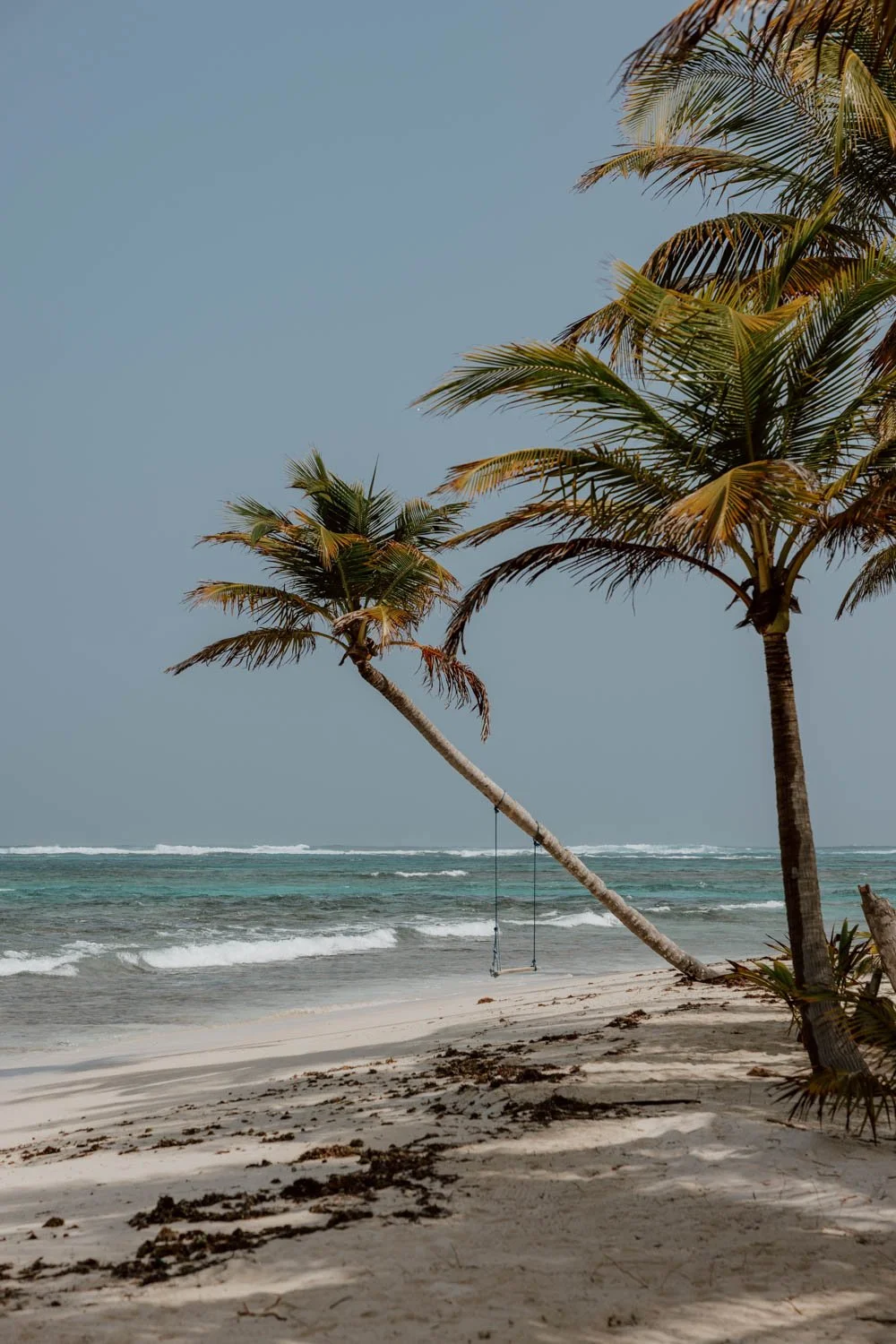
Ask a child to draw a desert island, and they'll conjure up what you’ll find in the San Blas.
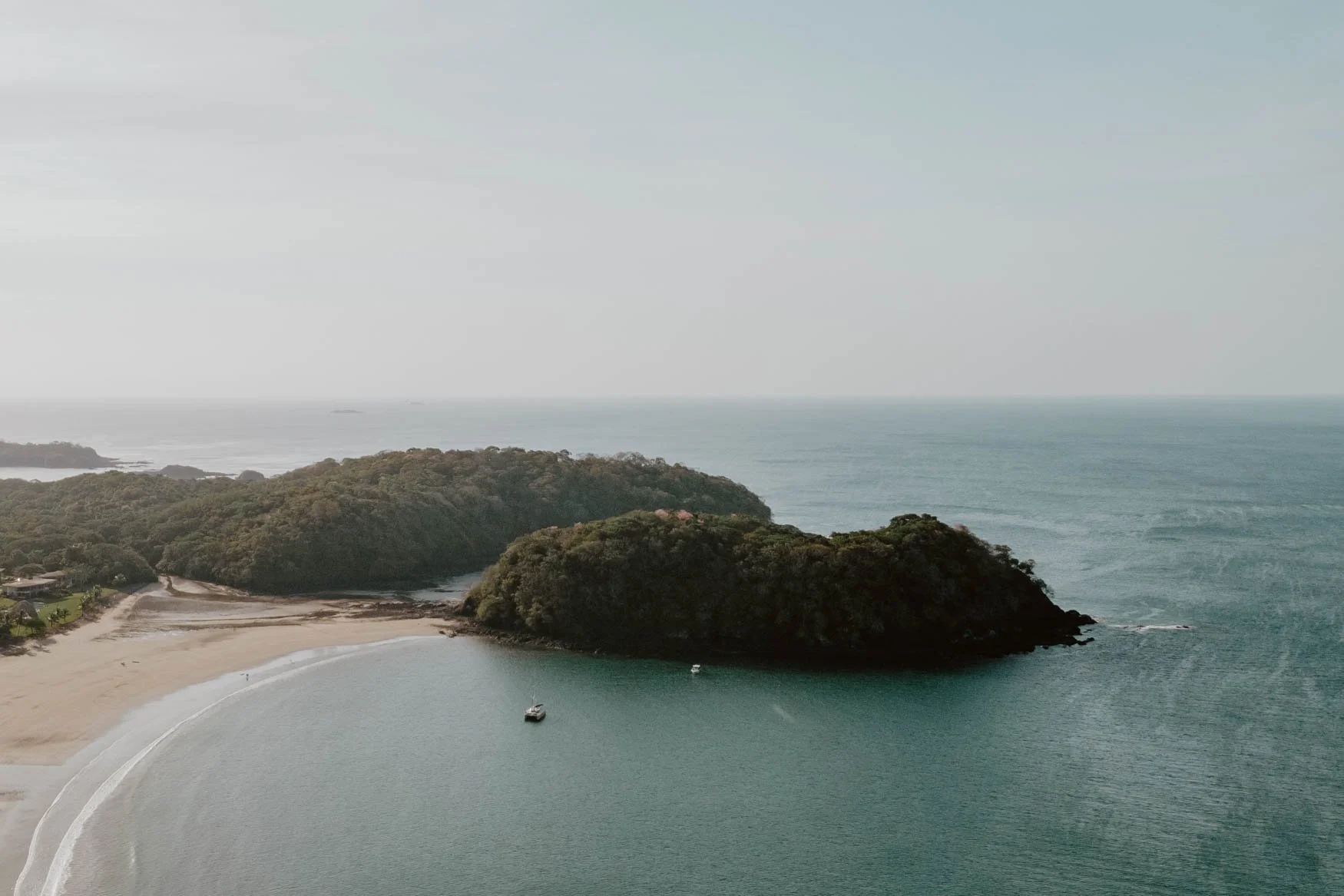
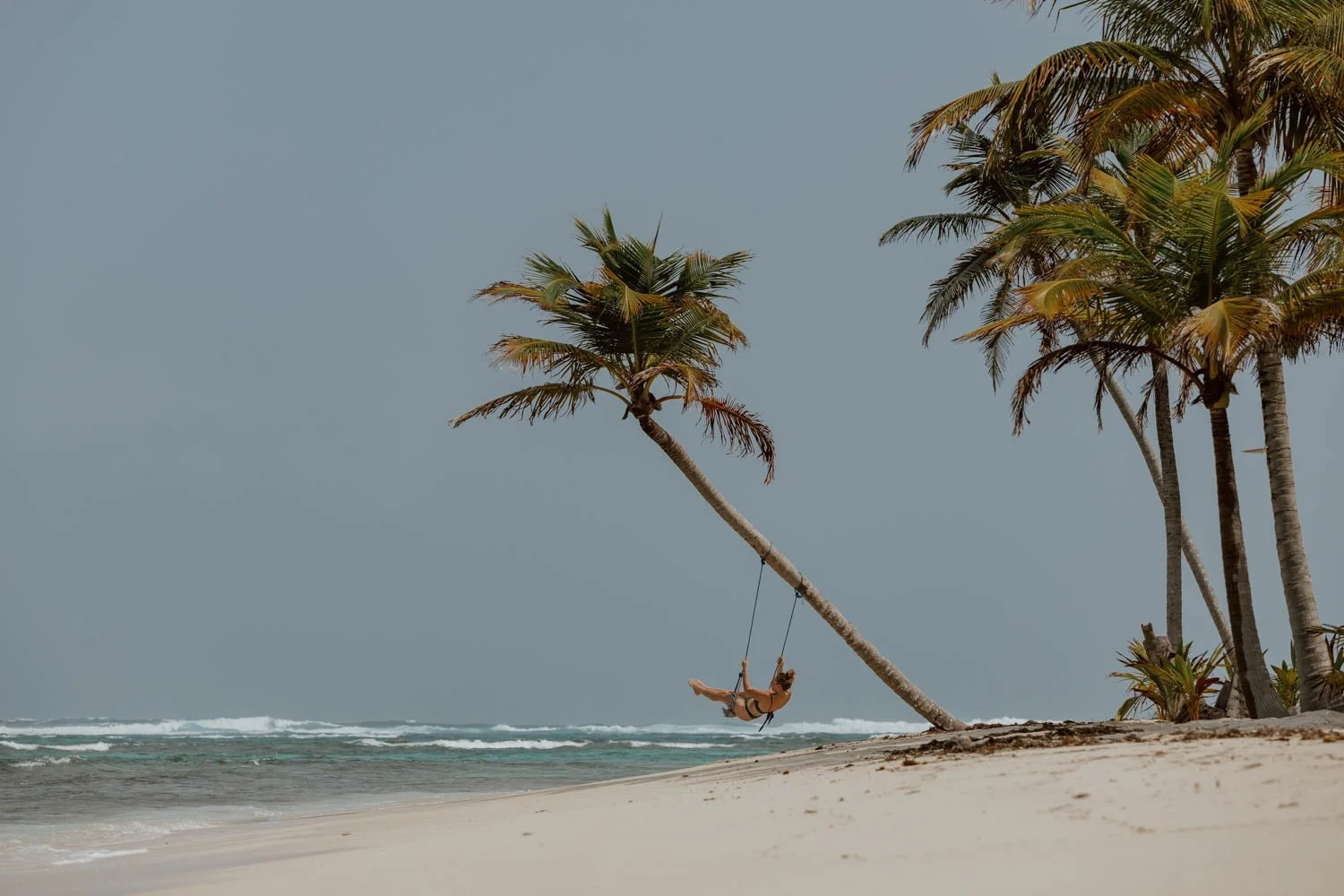
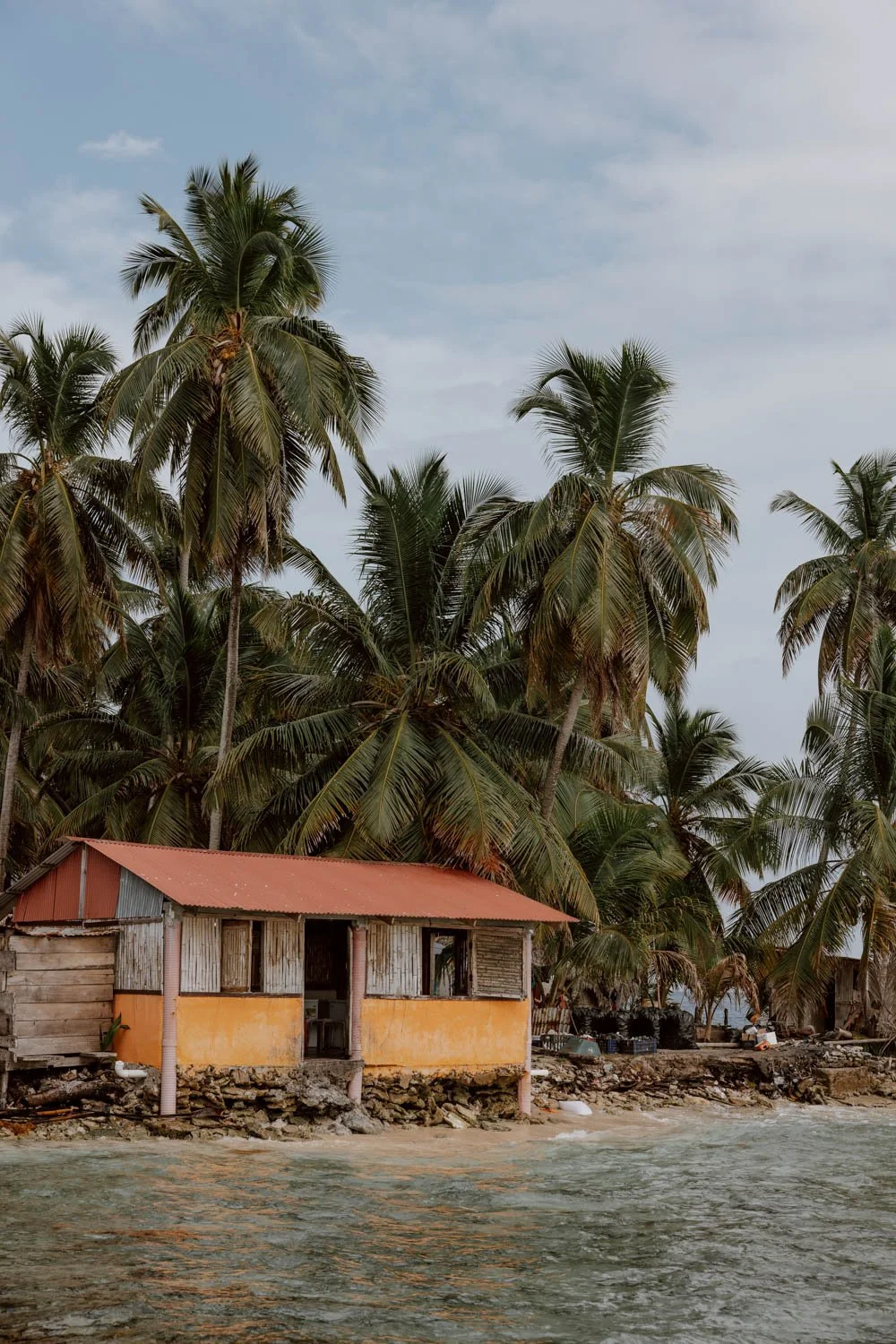
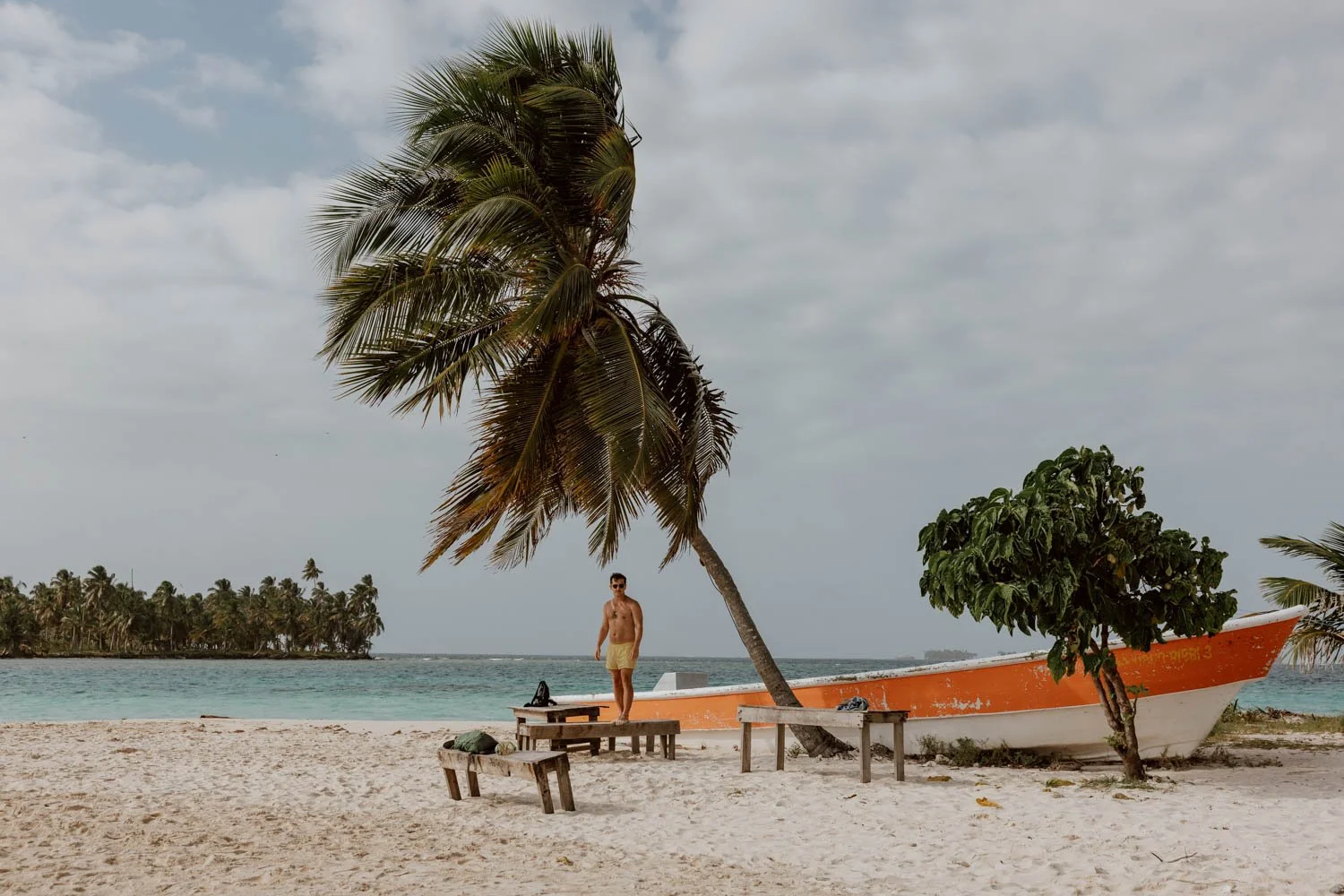
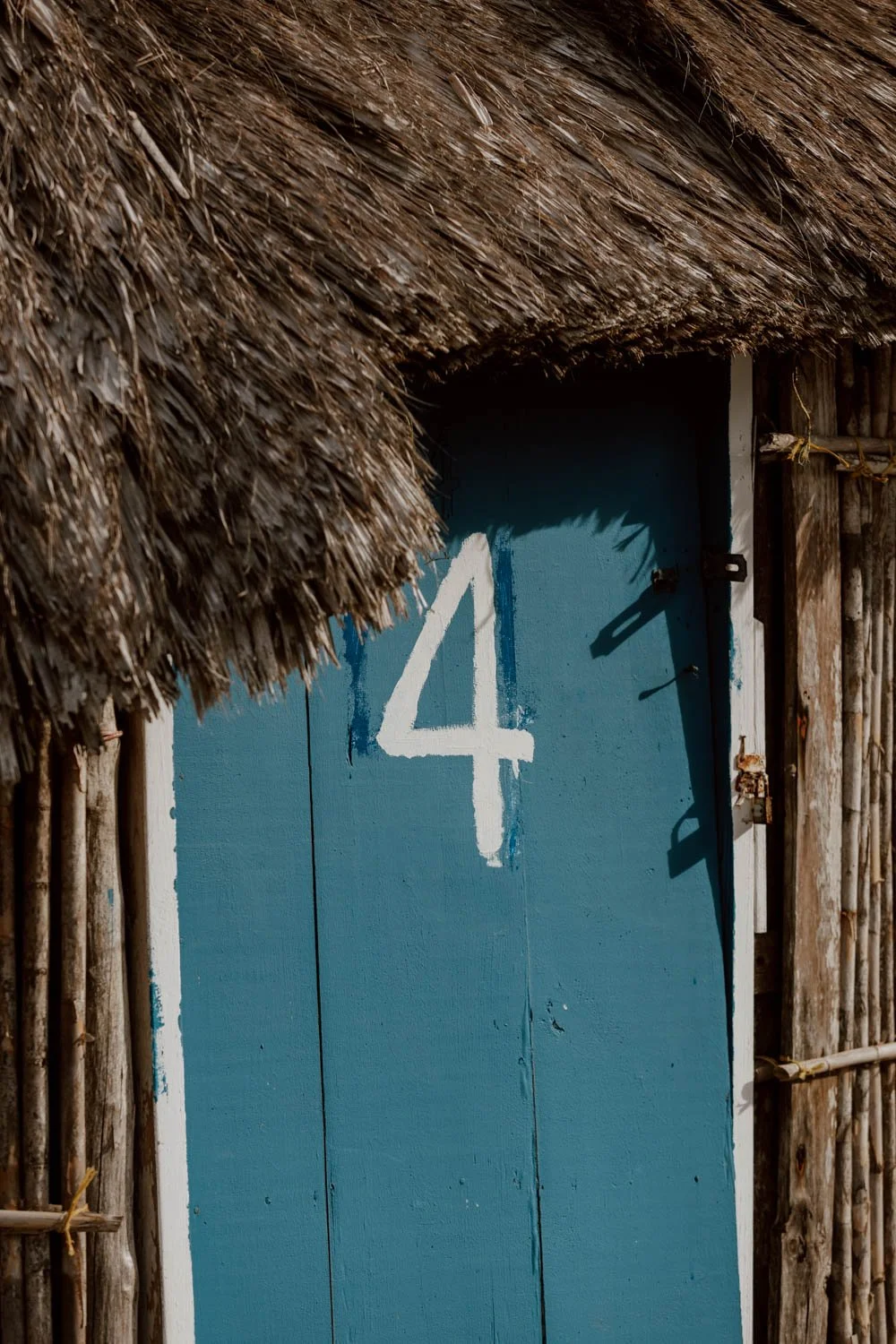
A series of islands scattered off the north coast of Panama, many are just a dot of white sand with a cluster of palm trees. Others, set up for travellers in search of a version of paradise on earth, come only with a few sandy floor shacks composed of driftwood, gaps, and dried-leaf thatch, with the pristine Caribbean Sea just a few barefoot steps from the rickety door.
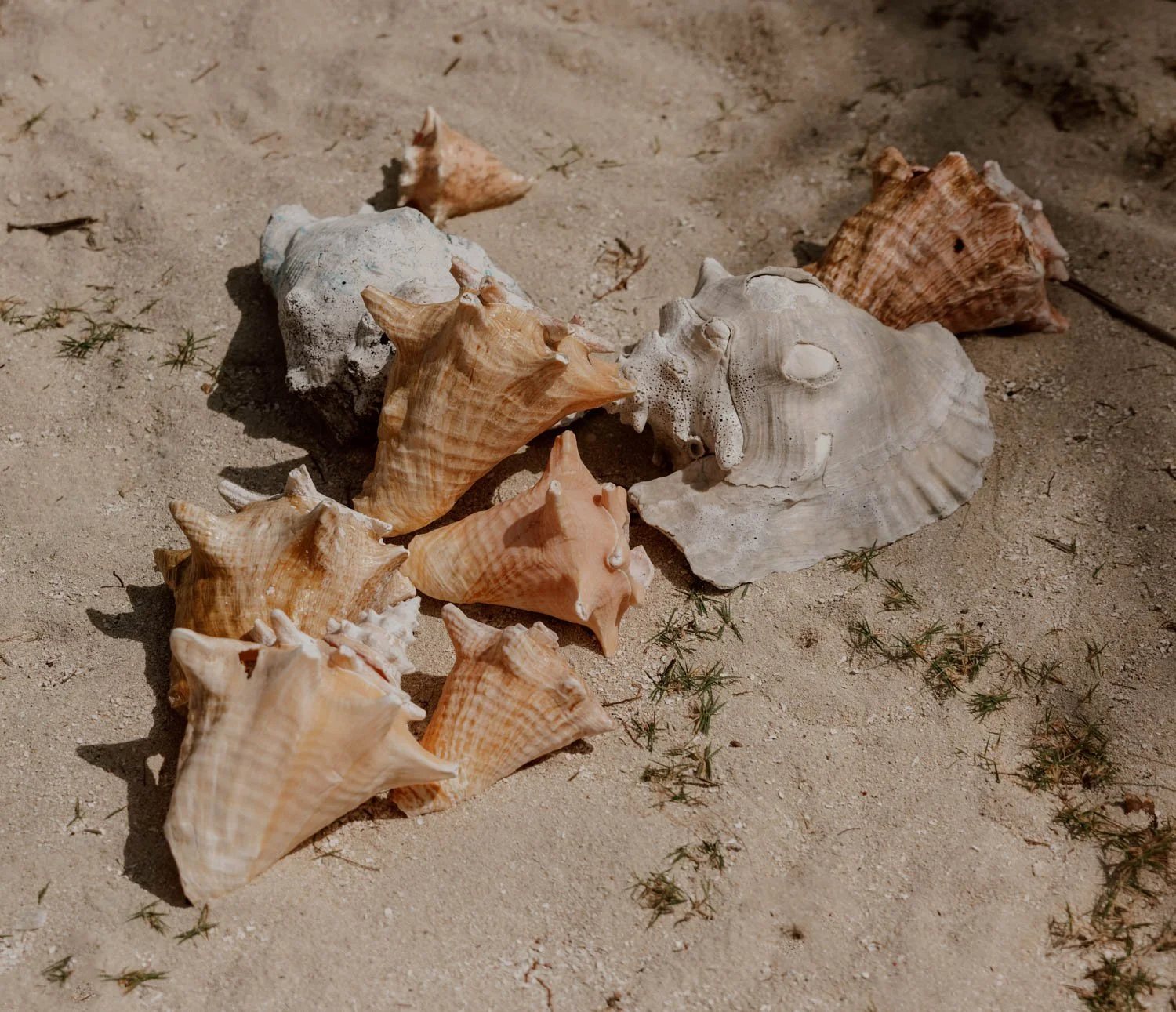
Lunch and fish deliveries from a hollowed-out canoe are even announced by blowing into a non-ironic conch.
Yet this castaway cosplay is only part of what makes the San Blas such a special destination: in fact, we’d go so far as to say there's nowhere else quite like it in the world.
A four-hour drive and boat ride from Panama City, the 300+ islands and a stretched-out sliver of the coastal mainland, are collectively a comarca indigena called Comarca de Guna Yala. Effectively, it’s a self-governing region - both part of Panama but separate - owned, run, protected, and almost exclusively populated by the Guna Yala community.
One of several indigenous groups in Panama, the islands are theirs and tourism is on their terms.
This is why the tropical archipelago with an island for almost every day of the year wasn’t snapped up by billionaires and luxury hotel groups decades ago, and remains largely untouched by the modern tourist developments that surely would have arrived in an alternate timeline.
By preserving their culture and way of life, the Guna Yala have also protected a way of travel: a way where you still need to embrace difference, discomfort, dishevelment to deserve your time in paradise.
Today, there are four main ways to visit the San Blas islands: joining a multi-day tour from Panama City, basing yourself on one island and exploring from there, travelling by yacht or catamaran on a sailing trip, or as you make your way between Panama and Colombia by sail or speedboat.
For all of them, you’re going to need decent sea legs, a light backpack, some forward planning, and a sense of adventure.
In this guide, we’re going to help you decide what’s the best experience for your budget and travel style, as well as share everything else you really need to know before you visit San Blas islands. From the typical costs, a realistic take on when it include it in your Panama itinerary, a view on the rustic reality, and tips on what you need to leave behind, we’ll also go a little beyond the practical essentials to ensure you’ve got the necessary context on Guna Yala and the region’s curiously important role in creation of the United Kingdom.
This is 15 Things To Know Before You Visit The San Blas islands.
The San Blas Essentials
What / 300+ islands, home to Guna Yala
Where / Three hours from Panama City
When / December to April for best weather
Do / Day trips, multi-day island-hopping, sailboat tours, or book some cabins directly
Cost / Multi-day tours start around $250
Stop / On the border crossing boat ride between Panama & Colombia
Know / Accommodation is very basic
Pack / Leave big bags in the capital
Bring / Cash, swimwear & drinking water
Bump / Boat rides often rough and wet
Book / Some huts now available on Airbnb
It's Now Called Guna Yala
First though, a quick point on names.
Both the people and the comarca region are now called Guna Yala - meaning ‘Guna Land’ in the Guna language - but most travellers and tour companies continue to use the former San Blas islands moniker.
You may also see Kuna Yala written, but this another old term stemming from a Spanish translation; the ‘K’ was officially dropped by the Panamanian government in 2011 as the community felt that ‘Guna’ was more accurate.
Despite this, we’re going to use San Blas throughout this guide as it's the name most travellers are familiar with and planning around (and sacrifices have to be made to the SEO-gods).
Independence & That Flag
The San Blas islands may sit on a map of Panama, but in practice they have long run themselves.
A form of independence was achieved after the 1925 Guna Revolution, when indigenous fighters resisted government attempts at forced assimilation. A legally recognised autonomous territory was established (the comarca), giving the Guna substantive formal control over their internal governance, borders, and laws; a slightly surprisingly outcome for indigenous rights in the region and era.
This self-governing status is the reason why every visitor is required to pay a $20 USD entry tax and have their passport checked - even on day trips.
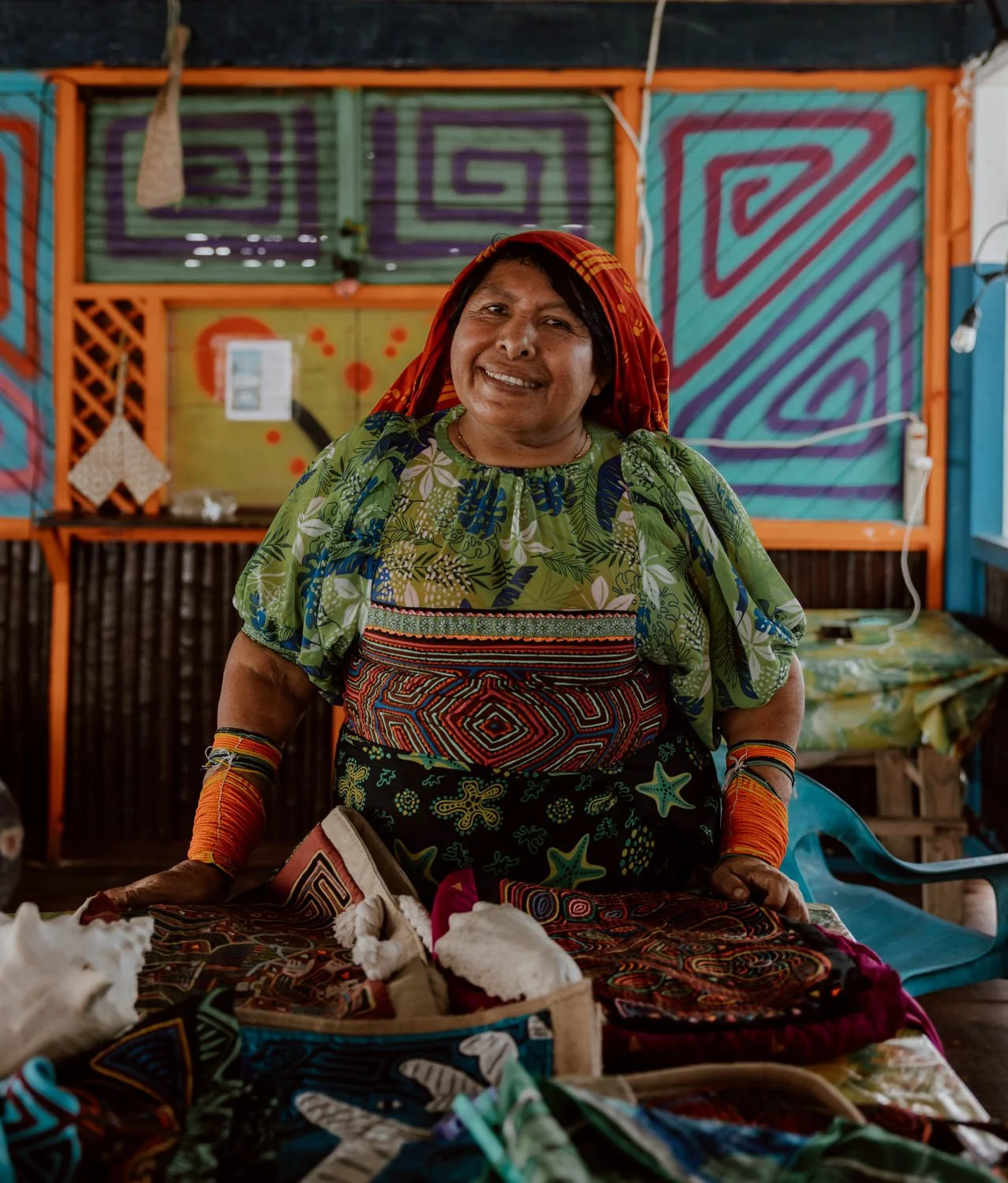
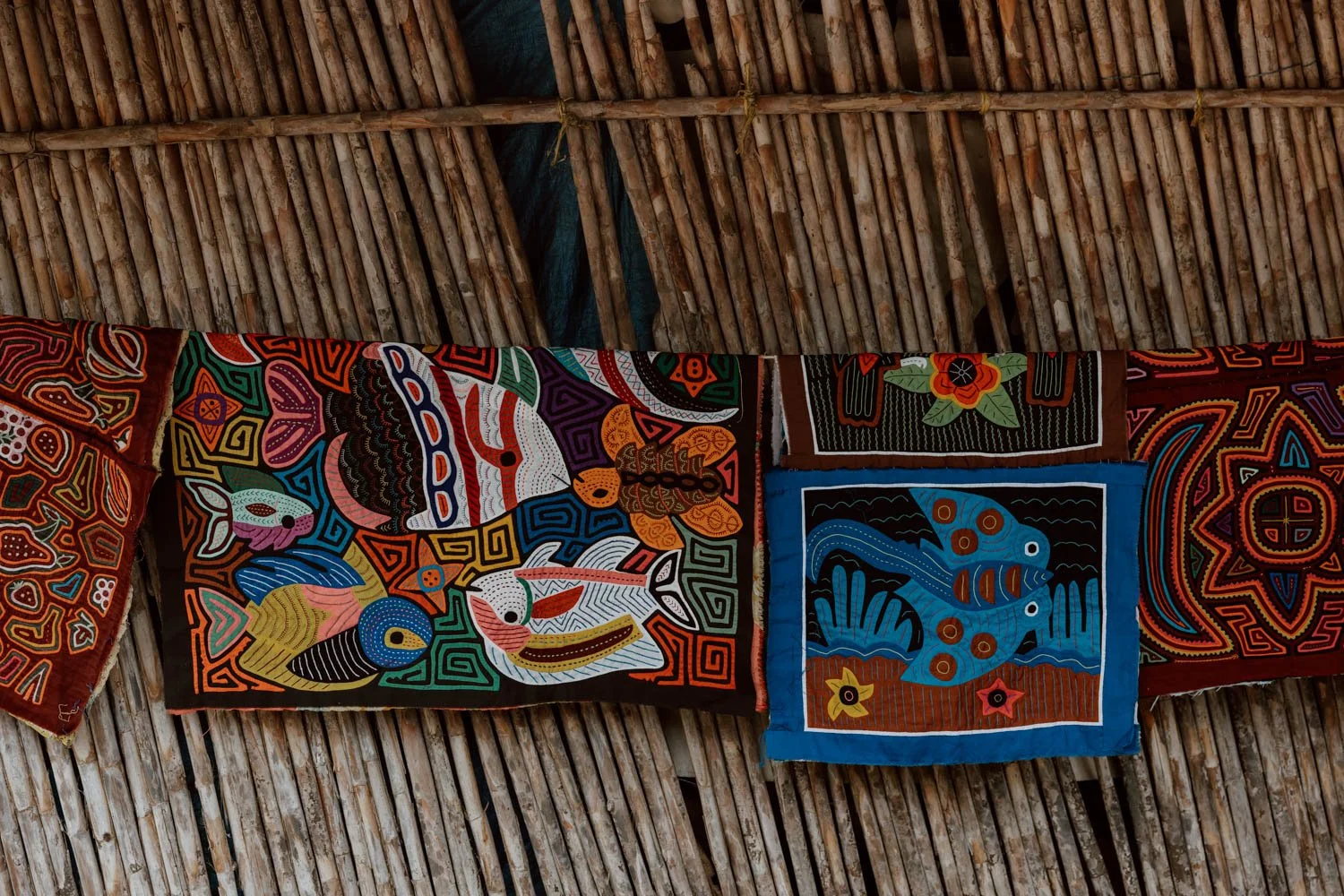
Perhaps the most striking aspect of the Guna Yala to visitors is the women's distinctive dress. Their molas - intricately layered textile panels featuring geometric patterns or figurative designs - form the front and back of blouses worn with wrapped skirts, headscarves, golden nose rings, and strings of colourful beads wrapping forearms and calves. Their hair is uniformly short, cut at marriage as a traditional practice.
You’ll see this everyday attire on the islands, but also amongst the Guna living in Panama City.
Interestingly, Guna society is matrilineal, meaning lineage and land rights pass through women, and largely matrilocal: when a couple marries, they typically live with or near the wife’s family rather than the husband’s.
The first language is Guna, with Spanish limited or absent entirely for some (though many of the younger generation are bi-lingual).
Communities number a few hundred people, living primarily from fishing, small-scale agriculture on the mainland, and increasingly from tourism. Each of the 40 or so inhabited islands maintains its own governance under a saila (chief), and decisions about tourism development, visitor access, and community rules are made locally in the Congress House - which is why experiences and infrastructure can vary. We were fortunate enough to visit Isla Machina with our guide, and this densely clustered, tightly packed home offered a sobering version of daily life in comparison to the ‘tropical paradise’ most groups will see.
Perhaps the second most striking thing for visitors though is the original Guna flag: two horizontal red strips on the top and bottom, a central band of sunshine yellow, and a big black swastika right in the middle. Now, this symbol long predates the Nazis and, for the Guna, it represents four sides of the world. However, you’ll see it a lot and it never ceases to be quite jarring.
We can’t help wonder that some Guna must be constantly confused about why some of the souvenirs emblazoned with it just don’t seem to sell very well….
Know // A lot of travellers talk about the Guna Yala living and working on the tourism-focussed islands as being ‘grumpy’ or 'stand-offish'. This wasn't the impression we had, and it seemed to be more a case of just doing their own thing and having a different, quieter way of interacting - some of the women were also very shy.
The Four Ways To Experience San Blas
There is no public transport or independent way to get to the San Blas, and it’s not a place you can turn up to with no reservation.
Indeed, the Guna Yala control of the comarca and all tourism in/out does mean there are quirks to arranging and planning. For example, all tour companies require Guna ownership or involvement to operate - but some are part foreign-owned - and the transport from Panama City is also mandated. Not all of the islands are open to tourism or accessible to visitors.
As mentioned, there are four main ways to experience the San Blas islands:
Joining a day trip or multi-day island-hopping tour from Panama City - usually spending one or two nights in San Blas
Basing yourself on one island and exploring from there
Travelling by yacht or catamaran on a multi-day sailing trip - the more luxurious option
A stopover as you travel from Panama to Colombia by sail or speedboat (or vice-versa)
For some travellers, your choice will be pre-determined by your route or budget: those with less time may only be able to do an overnight tour, whilst the speedboat is almost a rite of passage for any backpacker travelling from Central to South America.
Generally speaking, all experiences are about the islands, sunbathing and chilling out, rather than cultural immersion - but some tours do offer more of a focus on this than others.
Plan // See our main post for a full breakdown on your transport options for visiting San Blas from Panama City
It's Not A Budget-Friendly Experience
For most backpackers travelling through Panama or tackling a longer Central/South American route, a trip to the San Blas falls firmly in the 'splurge' bracket.
Even those on a shorter trip with more room in the budget will feel the dent: the San Blas islands aren’t a cheap add-on.
Our two night/three day tour cost $304 USD each, which included a private cabin for couples, or $270 USD if you were happy to share.
That figure included our group’s English-speaking Guna guide, as well as all food, transport, and lodgings (alcohol and other drinks separate), but didn’t include additional spending on the $20 Guna entry tax, a $2 port tax, alcohol, souvenirs, and some other random things.
The Panama-Colombia speedboat starts at around $450, whilst San Blas sailboat experiences can be significantly more.
Now, our tour price was right up there with a few of the most expensive experiences we've done in this part of the world (we're looking at you Corcovado). Indeed, the prohibitive cost was one of the reason we had to skip the islands and the Colombia speedboat on our shoestring two-year Latin America trip at the start of Along Dusty Roads - only managing to visit ten years later after our Panama road trip.
But, unlike other experiences in that price range where their ‘unmissability’ is more subjective, we’re also talking about tropical uninhabited islands in the Caribbean Sea here: the San Blas are one of the most incredible places we've been in Latin America and do deserve ‘bucket list’ status.
Every visitor to Panama should include them in their plans and, most importantly, your overall budget planning.
Know // Due to the above, you may be thinking that it makes sense to do it all independently. Whilst you can now book a bunch of cabins directly on Airbnb, you still need to use the Guna-approved transport out there ($100+ per person). You’ll also then be dependent on your accommodation host for meals and any day trips excursions. So, whilst spending a few nights on an island with a day trip or two is absolutely valid and may be the best fit for your travel style - having done an island-hopping tour, we now think that spending a chilled few days with a idyllic base would be fantastic - don’t just go for it because you think it’s going to be much cheaper than the tour.
Panama City is The Gateaway & Endpoint
Regardless of which way you stay or weave between the San Blas islands, the vast majority of journeys* will begin and end in Panama City.
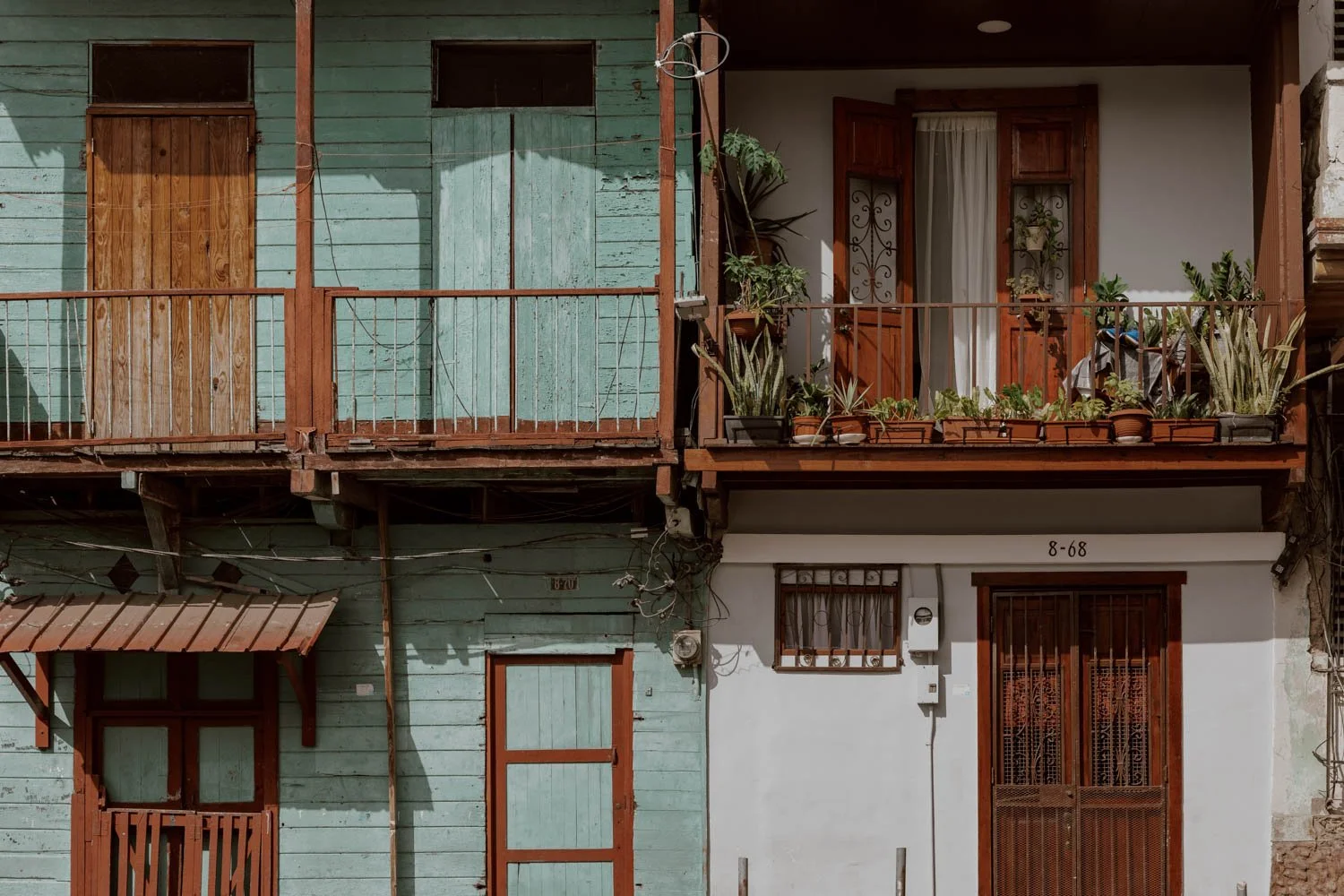
The capital is the start point for all standalone San Blas day trips, multi-day island experiences, and backpackers visiting on their way from Panama to Colombia; after the multi-day tours, logistics mean you’ll also be returning to the city and need to spend another night there.
Although beyond the budget of most, it’s also possible to fly direct to four San Blas islands - but again, only from the capital.
Due to this, we think travellers should plan their Panama City itinerary around their San Blas trip, rather than the other way round.
Four points to consider:
· the islands are 3-4 hours from the capital by jeep and boat, and this usually involves a departure at 5-6am
· if you’re only visiting Panama, then there’s a high chance that you’ll be flying in/out of Panama City - you should decide now whether you want to visit San Blas at the start or end of your trip, and let everything else in your itinerary slot in around that decision.
· if you’re doing a standalone 2 day/1 night or 3D/2N San Blas tour, the logistics mean you’ll almost certainly have to spend a night in Panama City before and after: for some of you, that will be plenty of time to enjoy the capital city!
· the accommodation for that final night in Panama City needs to be sorted out before you leave for the San Blas - and some tours don’t make it back until 6/7pm. For something affordable and convenient in Casco Viejo, we recommend Magnolia Inn - a hostel / hotel, it’s got dorms, privates, good common areas, and also offers luggage storage whilst you’re on the islands. Some backpackers may prefer Viajero or Mammallena though, which also have storage.
Plan // Whatever your budget or travel style, you’ll want to read our guide to the best things to do in Panama City!
*the exception is obviously if you’re starting in Colombia (see our guides to Capurgana or Cartagena)
Day Trips vs. Multi-Days
You’ll see many advertised online and in the city, but we don’t recommend San Blas day trips.
This is due to the distances involved and the likelihood you’ll spend more of your day travelling by boat and pick-up truck from Panama City, rather than enjoying what makes this special. Not all islands are created equal either, and a day trip tour will typically focus on the most crowded.
Instead, we suggest making time in your Panama itinerary for at least an overnight experience - ideally one which brings you back in the late afternoon / evening to Panama City (rather than the morning).
These will give you a slower, more meaningful experience, as well as unhurried hours to swim, explore, rest, and actually enjoy the San Blas rather than just tick them off. The rustic huts, the cold beers under the stars, the volleyball, and the waking up on a tiny island paradise with only a handful of others are what it’s all about.
The islands and the overall travel experience - save for the seasickness and bumpy boat rides - are the favourite part of many a traveller’s whole Central America trip, and it would be a shame to rush.
Book // That said, we do appreciate that not everyone has the luxury of time when travelling, and if you’re on a shorter visit to Panama, a day trip may be your only option. In this case, we’d recommend taking a look at this tour, which has excellent reviews.
San Blas Tours & Companies
When you start looking, you’ll find dozens of companies offering all sorts of experiences, and it can be a little overwhelming.
The main consideration is whether you want to be based on a single island with excursions to others, an island-hopping tour with a different base each night, or you’d prefer to stay on a sailboat with much more flexibility and a different sort of vibe.
Next, it’s about how many nights you want / can afford.
Choosing a company that is locally-owned and led is also an important factor, but sometimes difficult to distinguish between marketing and reality.
We’ve done some of the hard work for you and shared a selection that have solid reviews and ratings (and free cancellation)
Multi-Day Island-Hopping
· We did this 3D / 2N tour with SanBlas Frontera, and can happily recommend them and the tour.
· 3D / 2N San Blas Tour | Isla Pelicano, Natural Pool, Ina Island, Isla Aroma, Isla Nugnudub, and Isla Perro Chico
· 4D / 3N Island Hopping Adventure | Isla Pelicano, Isla Aroma, Isla Misdub, Isla Chichime, Yanidub, Isla Perro Chico.
Single Island Base + Excursions
· 2D / 1N in Remote San Blas | Stay on Miryadup Island, with boat tour to Cambombia Island
· 3D / 2N San Blas Tour | Based on Isla Yansailadup with excursions to the beautiful Cayos Holandeses and Cayos Limones
· 3D / 2N in San Blas | Based on Isla Yansailadup with visits to Isla Misdup and the Natural Pool
San Blas Sailboats
· A private all-inclusive boat for two
· San Blas sail, sleep and wake up on paradise (up to 8 people)
· Sailing with Play to Live San Blas
Day-Tours from Panama City
· Full-day trip with lunch | Nugnudub or Isla Chichime, Isla Diablo, Isla Perro Chico and Natural Pool
· Full-day trip with lunch | Isla Perro, Natural Pool, Isla Chichime, & Isla Diablo
· Full-day trip with lunch | Misdub, Natural Pool, Isla Perro Grande, & Isla Perro Chico
When is Best to Visit The San Blas
Right, this is muy importante.
The San Blas islands are, understandably, promoted a year-round destination by the tour and sailing companies: the onus is therefore on you to know if you’re going to end up booking a trip during the rainy season!
The best time of year to visit is December to April. Coinciding with Panama’s dry season, it will mean more sunny days, consistently warm temperatures, and little chance of rain. However, this is also the busiest period for travel with higher tour prices and tourism numbers.
Wall-to-wall fantastic weather isn’t always guaranteed then: we visited the San Blas at the end of January and had more overcast skies than expected, but plenty hours of proper paradise sunshine too! Winds can also pick up suddenly.
Rainy season kicks off from around May to October/November. Many companies are insistent that it means calmer seas and better snorkelling, but there will also be daily rain showers (usually in the afternoon, with mornings clear).
Now, we’re not saying that every traveller should avoid going to the San Blas islands outwith December to April. The lower prices, fewer tour groups, and cultural impressions outside the main tourist season may actually hold greater appeal for some, and it’s obviously good to spread out the tourism season spend in some way. But we also won’t offer an overly romantic vision of it without having personal experience - some accounts we’ve read make it sound like an utterly miserable time due to incessant rain.
There’s also the reality that, if you can’t be guaranteed the conditions you’d want to swim, sunbathe, and hangout on the white sand, then perhaps the risk isn’t worth it.
If you have a good weather forecast at your fingertips, then it may be worth a punt to book last-minute in the rainy season, but we’d personally skip August to November period.
Know // If you’re skipping the San Blas, there are two alternative way to travel between Panama and Colombia: flights or the boat to Capurgana (which we did in 2015).
Leave Your Luggage Behind
A trip to the San Blas is one of those rare moments where less really is more, and packing light isn’t optional.
The islands have almost no infrastructure, the boats get wet, your hut probably won’t have a lock, and the already cramped 4x4s simply don’t have enough space to carry the full luggage of six to seven people. Bringing an unnecessary amount of heavy, bulky bags will simply slow everyone down, and you won’t need half the stuff anyway!
Therefore, for all San Blas trips everyone needs to pack a small backpack with the essentials and leave everything else behind in Panama City.
Unfortunately, not all tour companies or accommodations offer luggage storage, and some may try to charge you for it. Proper hostels and hotels are your best bet - albeit with varying levels of security - whilst Airbnbs are more on a case-by-case basis (and it can be a pain to try and sort out). A few places may try to charge if you’re not staying with them on your return, so do clarify in advance.
As mentioned, we stayed at Magnolia Inn primarily due to the convenient location and luggage storage, whilst we know Viajero also offers luggage storage for guests. Do let us know in the comments if you find any good alternatives!
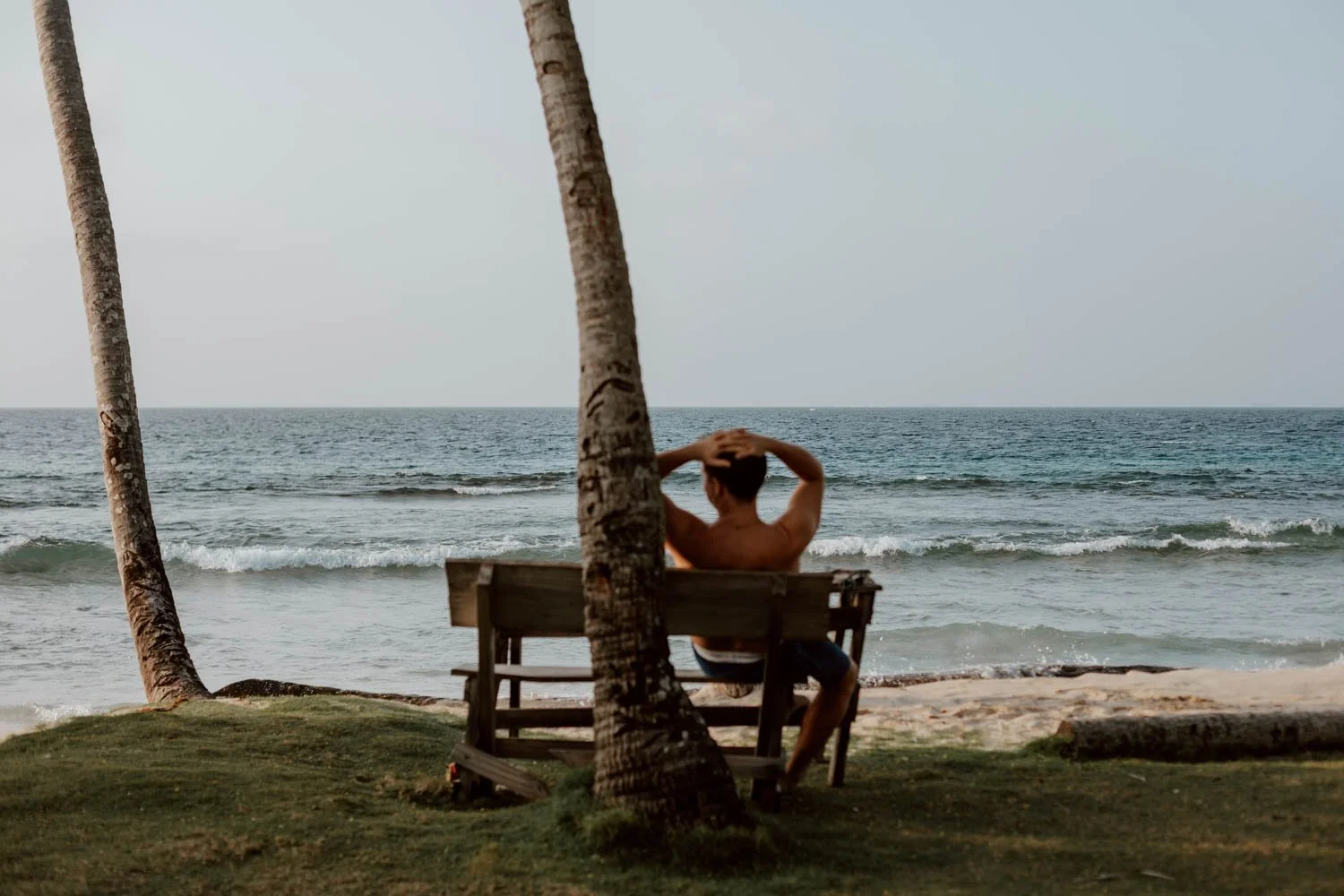
What to Pack for San Blas
So, what should you really bring to the San Blas?
You’ll be sandy, salty, sweaty and in swimwear 90% of the time - so you really don’t need to pack loads and loads to wear.
If you’d find it easier to carry everything in a two-thirds empty backpack rather than your smaller daypack, then that’s totally fine - the main thing is to avoid bringing a fully-packed non-malleable pack that still contains everything for your entire trip and will take up loads of space!
Try your best to avoid bringing a suitcase anywhere near the San Blas!!
Clothes: Keep It Simple
· Plenty of bikinis/swimshorts so you aren’t relying on a wet, sandy set to dry.
· A couple of t-shirts, shorts, underwear, and something dry and comfortable for sleeping in the huts (or just cycle through stuff efficiently!)
· A hat or cap for sun protection.
· A pair of light trousers or light layers for the evenings.
· You’ll be barefoot a lot of the time, but flip-flops or slip-on sandals that deal well with the wet are going to be fantastic for the boat. Andrew’s Birkenstocks really weren’t great (they don’t enjoy saltwater), whilst Emily’s hiking TEVAs were much more practical.
· A rain jacket is going to be both sensible and essential if you’re visiting the San Blas anywhere near May-November.
Gear That Actually Makes A Difference
· A travel towel is essential - and can double up as your sunbathing mat.
· A sarong if you want to have a better sunbathing mat / general purpose cover-up.
· A headtorch as electricity and lighting is limited - we use and recommend these Petzl ones on our travels.
· Sunglasses
· A 10L dry bag is always a good addition to a Central America backpack, and was essential for storing our phones and cameras on and off the boat - we also used it as our main day-bag. Failing that, bring a bin bag to cover your backpack and designate one bag / packing cube as your ‘dry-and-not-sandy-stuff zone’
· Electricity is limited, usually generator-powered and available for a fixed period in the evenings - a powerbank for your mobile is a sensible backup.
· Snorkel gear if your operator doesn’t include it (many don’t but you can rent for ~$5 on some islands).
· Playing cards and a book - you’ll actually use them and they never run out of battery!
· A canvas bag for overflow or extras.
· A travel washing line. Not 100% necessary but we used our each day, as did others in our group.
· Earplugs if you have them…the sound of the sea is soothing at first but can become a little too much if you want a proper sleep.
· Your passport - ideally in a plastic bag for water protection. You need it for the crossing from Panama into the Guna Yala comarca.
· Leave behind anything you’d be annoyed to ruin.
Water & Toiletries
· There’s no drinking water on the San Blas (it’s only saltwater out of the showers and taps), so we left our trusty Water-to-Go filter bottles back in the hostel and bought gallon bottles in a Panama City supermarket.
· Your tour company will advise on how many litres each individual is expected to bring with them. Non-negotiable.
· It’s best to to bring your own refillable water bottle to decant and carry.
· Bottled water is also sold on the islands, but it’s quite expensive (around $6 for a big bottle); fresh coconuts are cheaper and more delicious!
· In terms of snacks, there’s a limited amount available on the small islands, but it’s not a bad idea to bring a few from the mainland. Your transport from Panama City will make a stop at a small mini-market to pick up last-minute supplies, but it can be rushed and stops there aren’t guaranteed.
· First-aid and healthcare access is minimal to non-existent, so bring any medication you rely on and some basic first aid supplies.
· Plenty of reef-safe suncream.
· Other toiletries just need to be a toothbrush, toothpaste, and soap, whilst face wash, shampoo, and make-up are entirely at your own discretion!
· Bug spray - we didn’t experience any biting insects, but this isn’t alway the case.
· If you’re prone to motion sickness, then it’s a good idea to bring medication for the car and boat journeys. We didn’t need these as have pretty hardy stomachs, but a German guy in our group said they made a huge difference for him.
Cash is King & Security Loose
There are no ATMs on the San Blas or once you’ve left Panama City, but everything you’ll buy on the islands requires cash: as far as we’re aware, there are no card payment facilities.
Some tour companies also only accept full payment in cash once they collect you, and this can amount to several hundred dollars!
This all means you need to be a bit organised and make a withdrawal or two in the capital before the transport picks you up around 5am.
If you prefer to easily and securely pay the cost of the tour in advance, then consider booking one of the options on Viator or GetYourGuide.
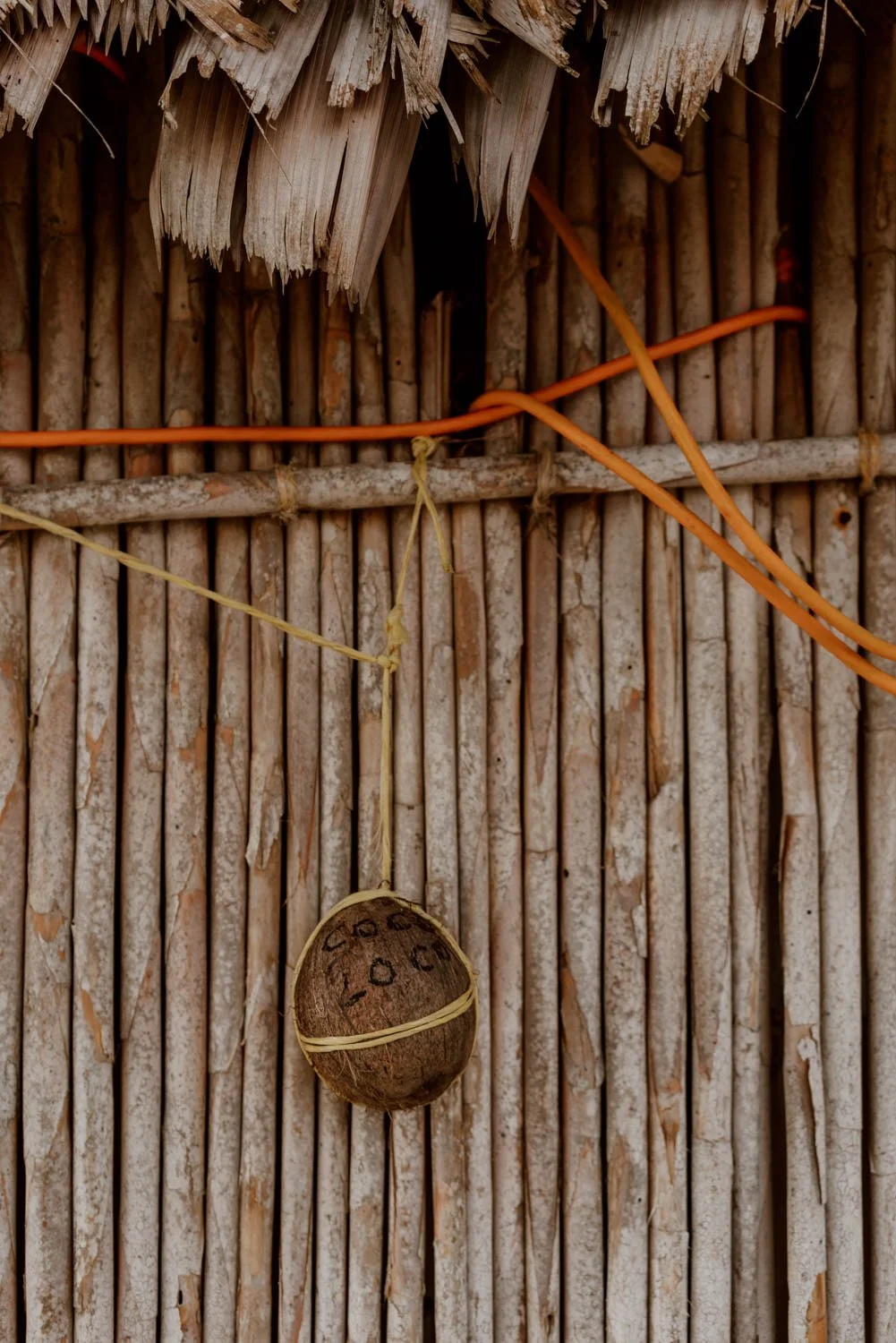
It’s best to have small bills for spending on drinks, the limited snacks available, snorkel rental, and any tips. As we mentioned, the up-front cost of almost every tour doesn’t include these - or the Guna entry fee of $20 - and it can tick up unexpectedly, especially if you have a few coco locos or a decent day on the Balboa beers.
For those staying on the islands rather than takings a tour, then you should clarify typical costs ahead of arrival with your host; some places include meals in the price, others don’t, whilst you’ll have to pay cash for some transport.
If you’re anything like Emily, this means your next thought has instantly gone to security! Due to the rustic set-up, the paranoid will have to take a slightly more open view than usual, as most of the simple huts don’t have a lock or keys, and usually offer very easy entry to anyone looking for it. This won’t be an issue 99% of the time, but it’s worth bearing in mind and consider separating some of your cash stash strategically.
On most islands and most huts, valuables can't be stored anywhere secure either - you could bring your own padlock and see what the situation is but don't assume you’ll be able to use it.
Know // Some of you may be wondering how managed with all our tech when we visited the San Blas. Although we stored our luggage with the hostel in Panama City, this wasn’t secure per se (it was in a locked room, but all staff could access it, as could any guest collecting their bags when given the key), so we were quite cautious with what we left behind.
In the end, it was just a relatively old laptop, a bag of cables and a lens that we barely use - everything else came on the boat to the islands.
This was far from ideal - not least because it meant carrying one extra quite large and heavy bag with us - but also because this made Emily quite concerned about all our tech when actually on the islands (plus saltwater and sand are never good for camera gear). It also wasn’t great for an island-hopping trip, where we essentially had all our luggage with us at all times.
We must admit however, that we actually quite relaxed with our bags on the small islands where were spending the night. It’s usually only your group, and the families that live there. There’s not boats coming and going, and it didn’t feel like a security threat to leave stuff unattended in a cabin.
And we say this as two people that are perpetually paranoid about this sort of thing.
The Rustic Reality
San Blas is the antidote to luxury travel.
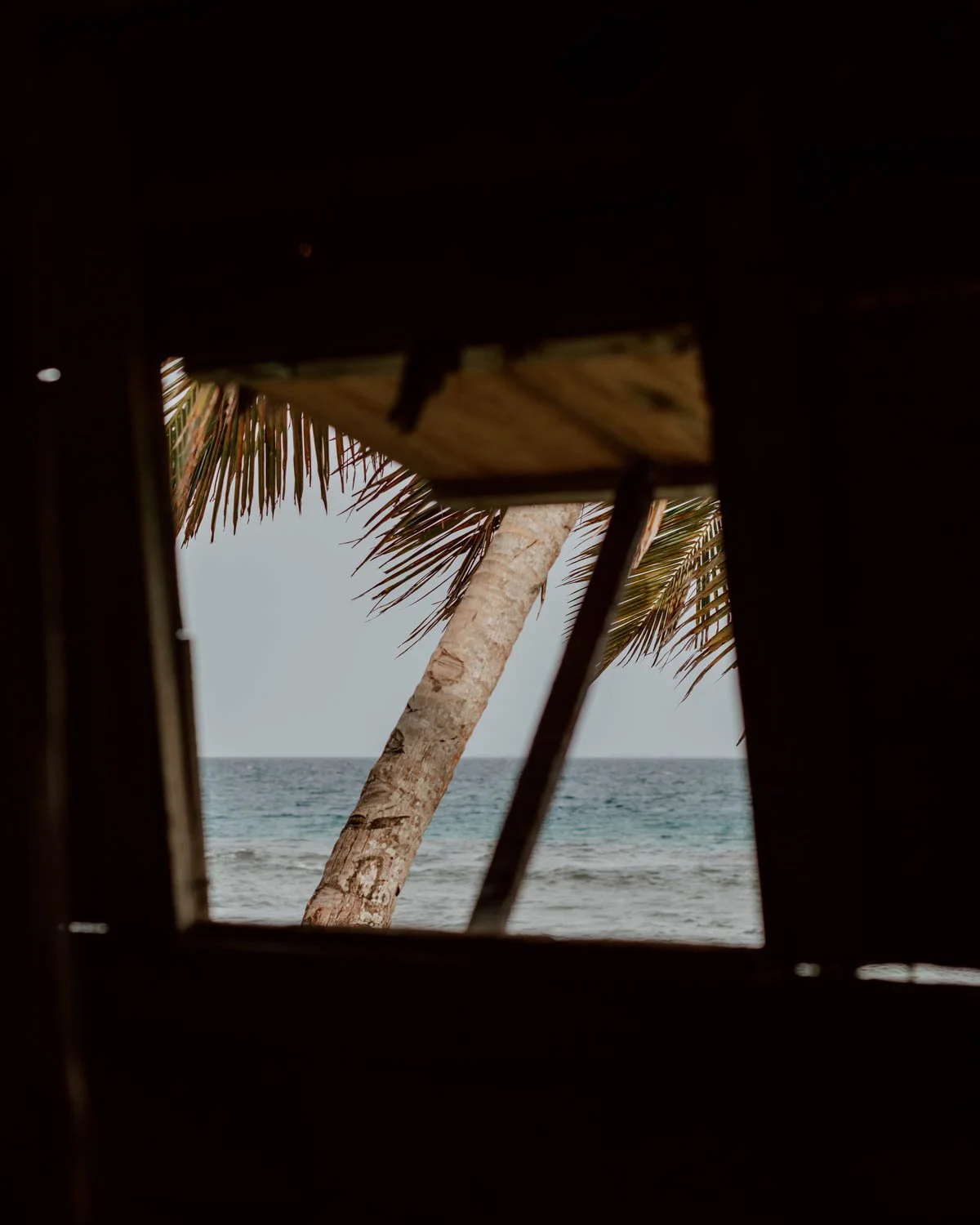
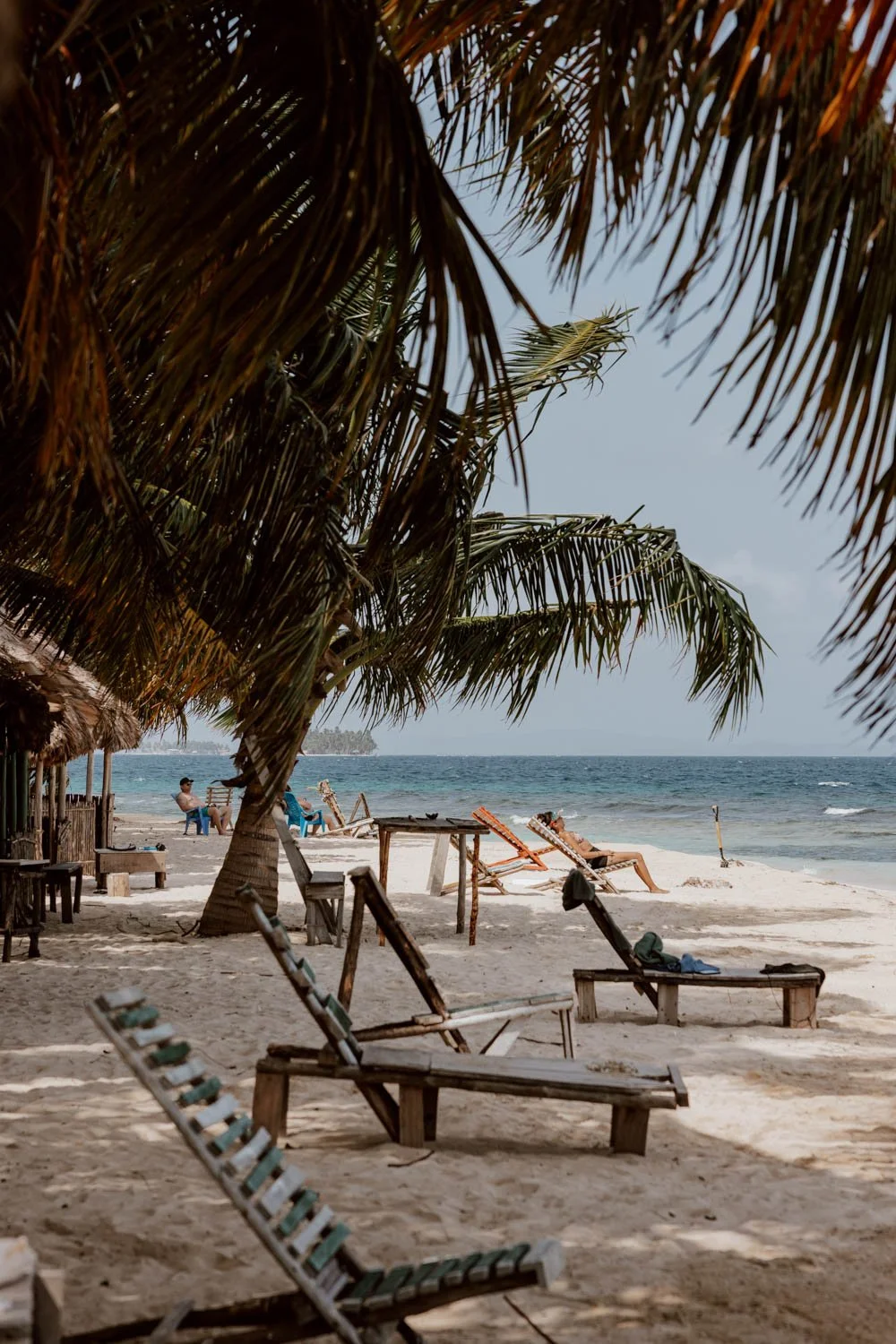
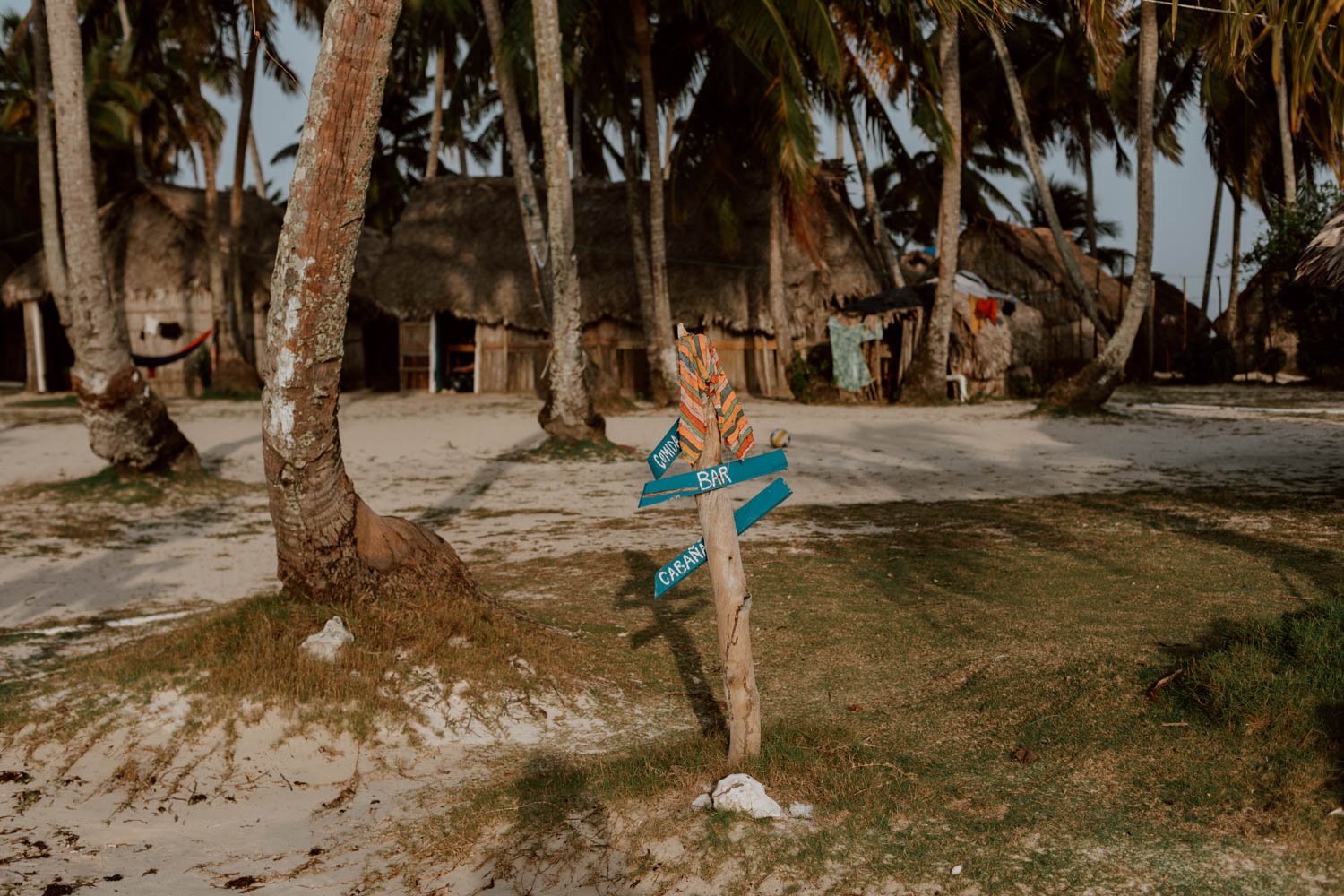
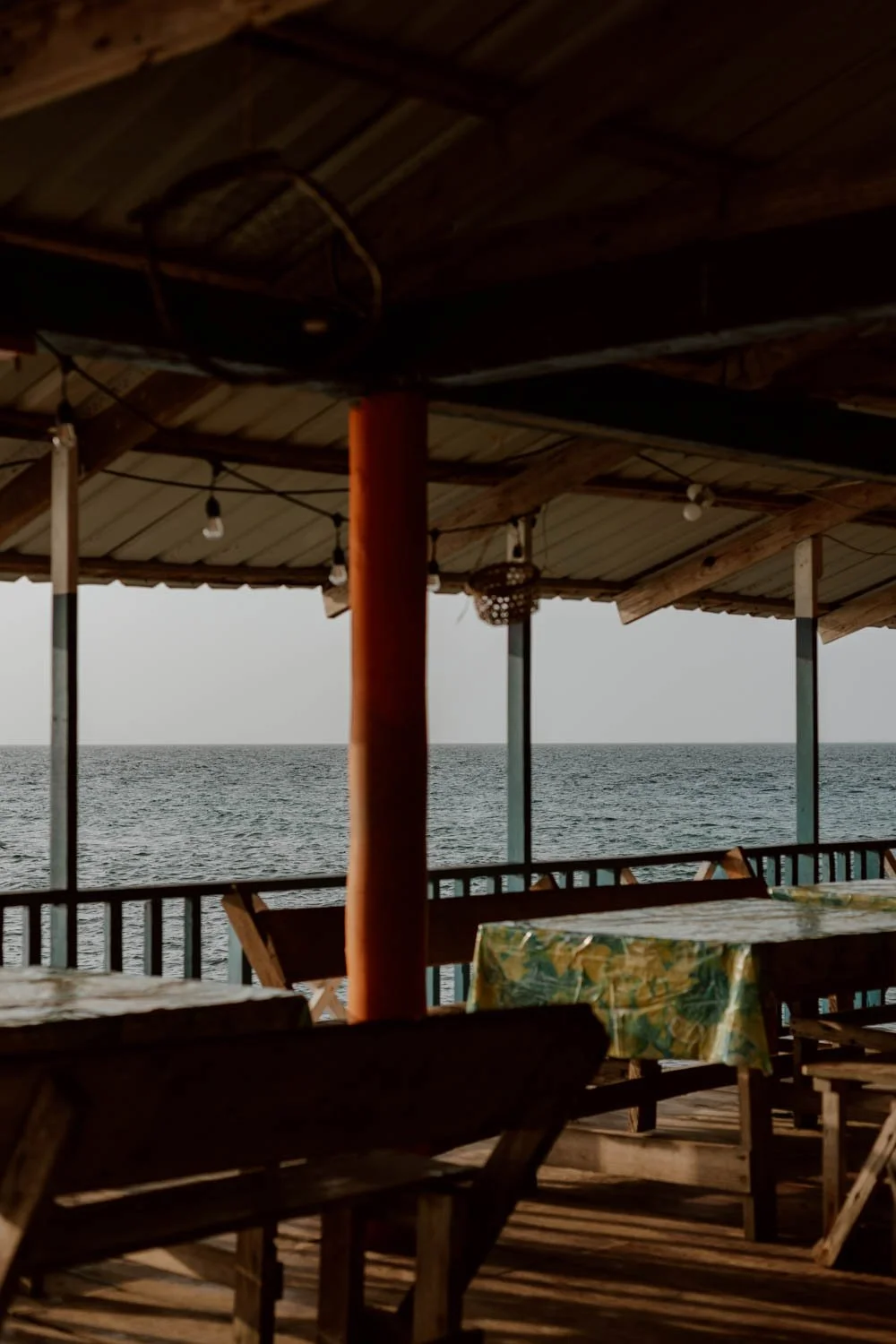
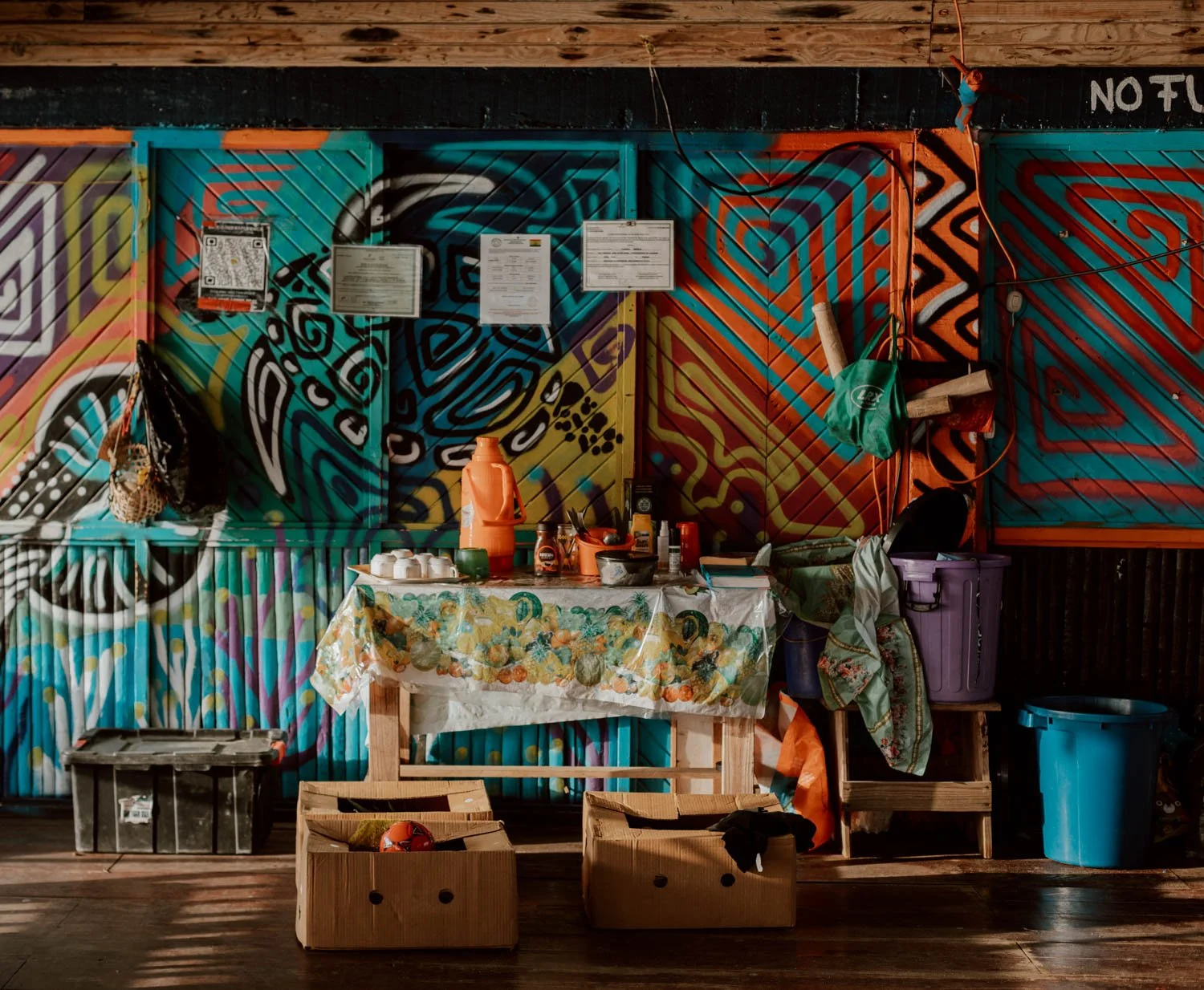
There are no resorts, no boutique boltholes, nor private-island retreats. Instead, you get those see-through cabins without locks, sandy floors, basic beds, paper-thin sheets, limited generator-powered electricity in the evenings, no drinking water, no wi-fi or data signal, and boats that are absolutely not built for comfort.
The White Lotus this will not be.
So we’d fully understand if, having now understood the practicalities and the context, you’re not exactly sure what there is to bloody do out here?
Well, it’s all pretty simple really.
You surrender to the rare luxury of being unreachable and, almost, totally disconnected.
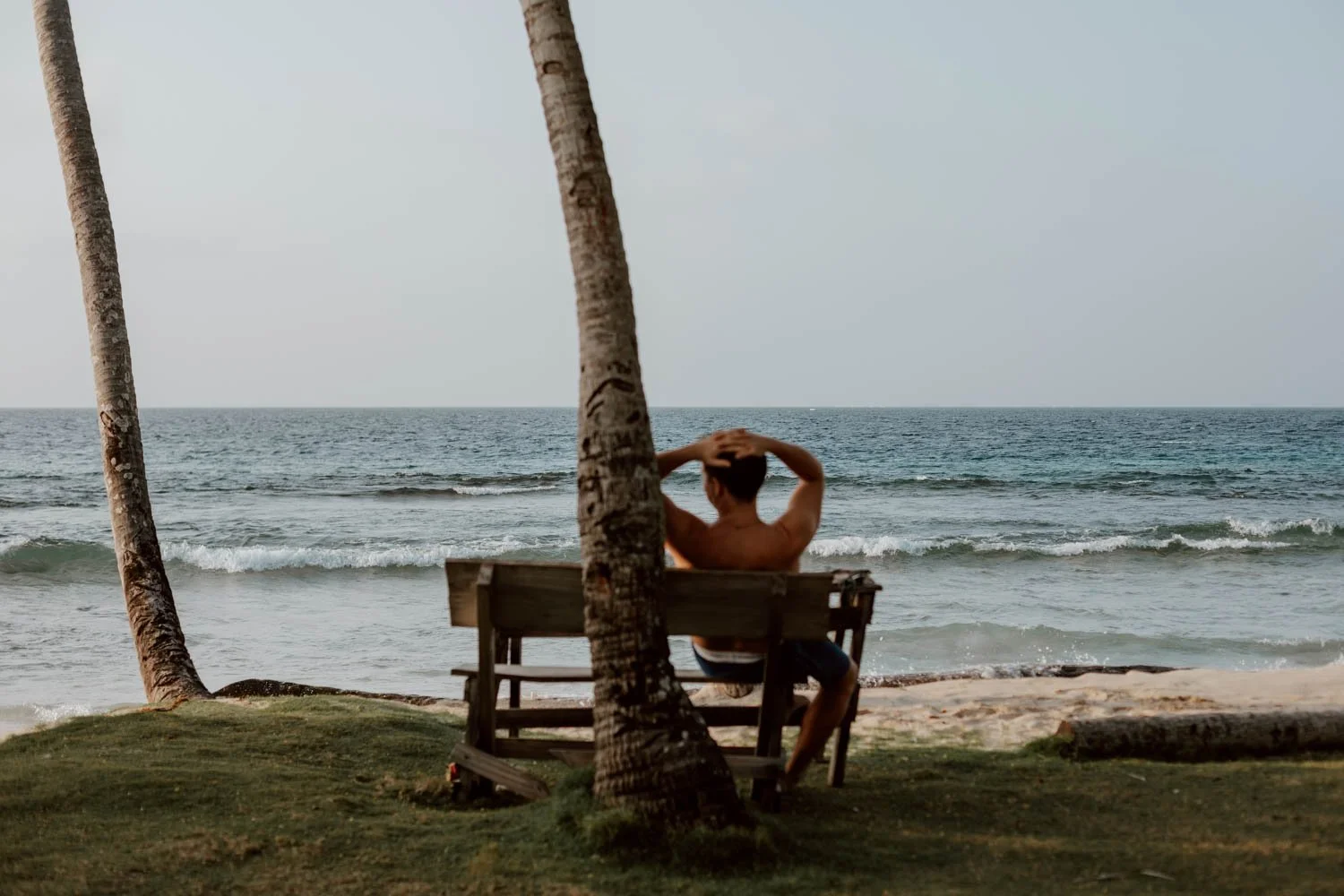
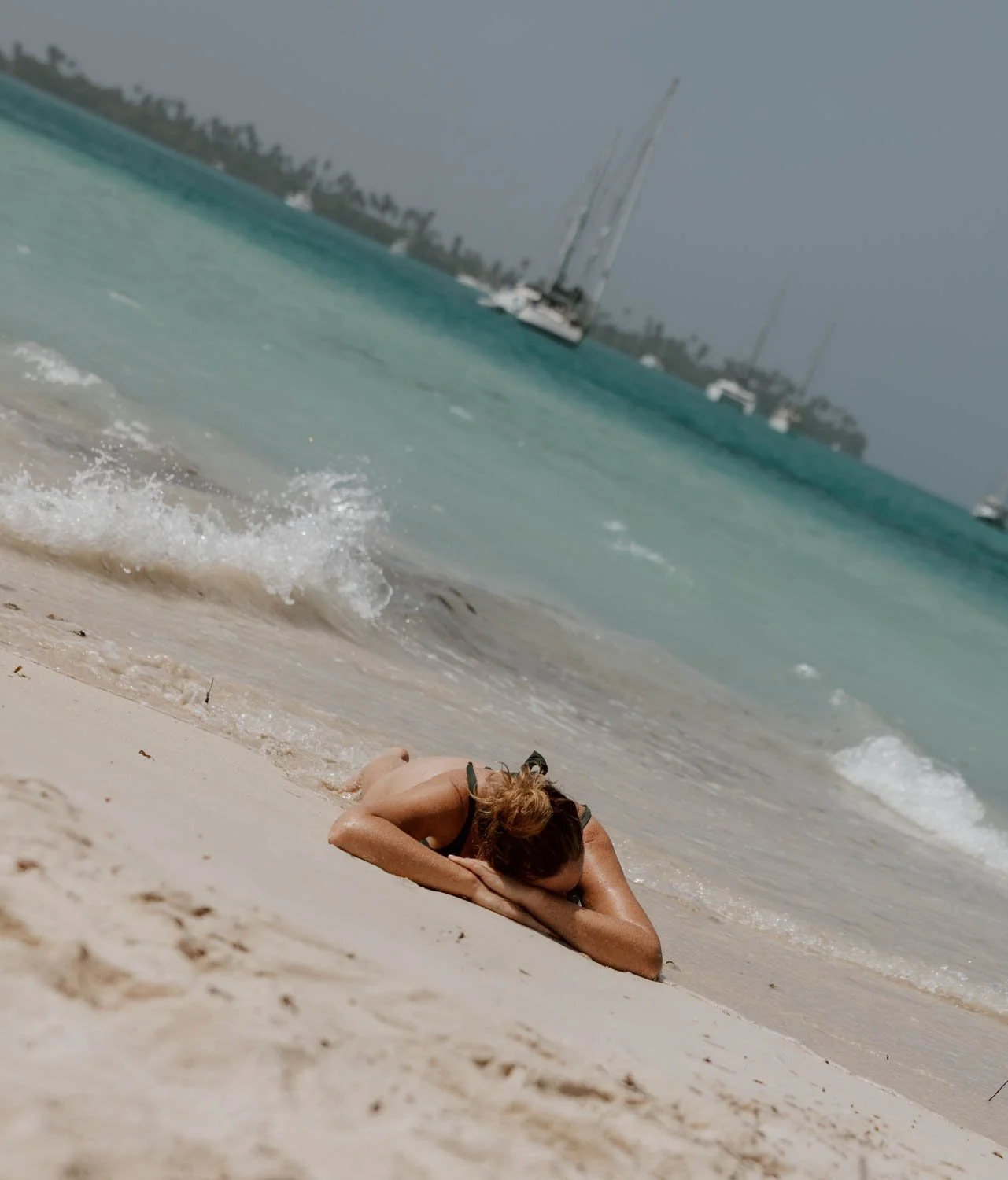
You play beach volleyball, swim, sunbathe, snorkel, and sleep in a hammock strung between two palm trees.
You go to one island for a few hours, then ride to another, then maybe visit another.
You eat fried fish with new friends and drink fresh coconut or bottles of beer.
You feel the sand between your toes.
You forget about your job.
You do nothing at all.
You exist.
How Many Days Do You Really Need? // The rustic nature of the San Blas is both the appeal and the Achilles' heel: there will be a tipping point for some travellers when a back-to-basics paradise ceases to match the ideal, and you’ll actually want it to end. Some people could stay a week; others will hit the “I’m-done” moment somewhere after the second night.
If you suspect you’re in the latter group, then a 2D/1N trip is probably your San Blas sweet spot - long enough to venture outside your comfort zone, short enough to leave before the rustic reality tests your patience.
If staying on the islands and basic accommodation still really doesn’t appeal, then the sailboats available on Airbnb are probably something to seriously consider - or revisit whether to even include San Blas in your Panama itinerary.
Get Ready For A Bumpy Boat Ride
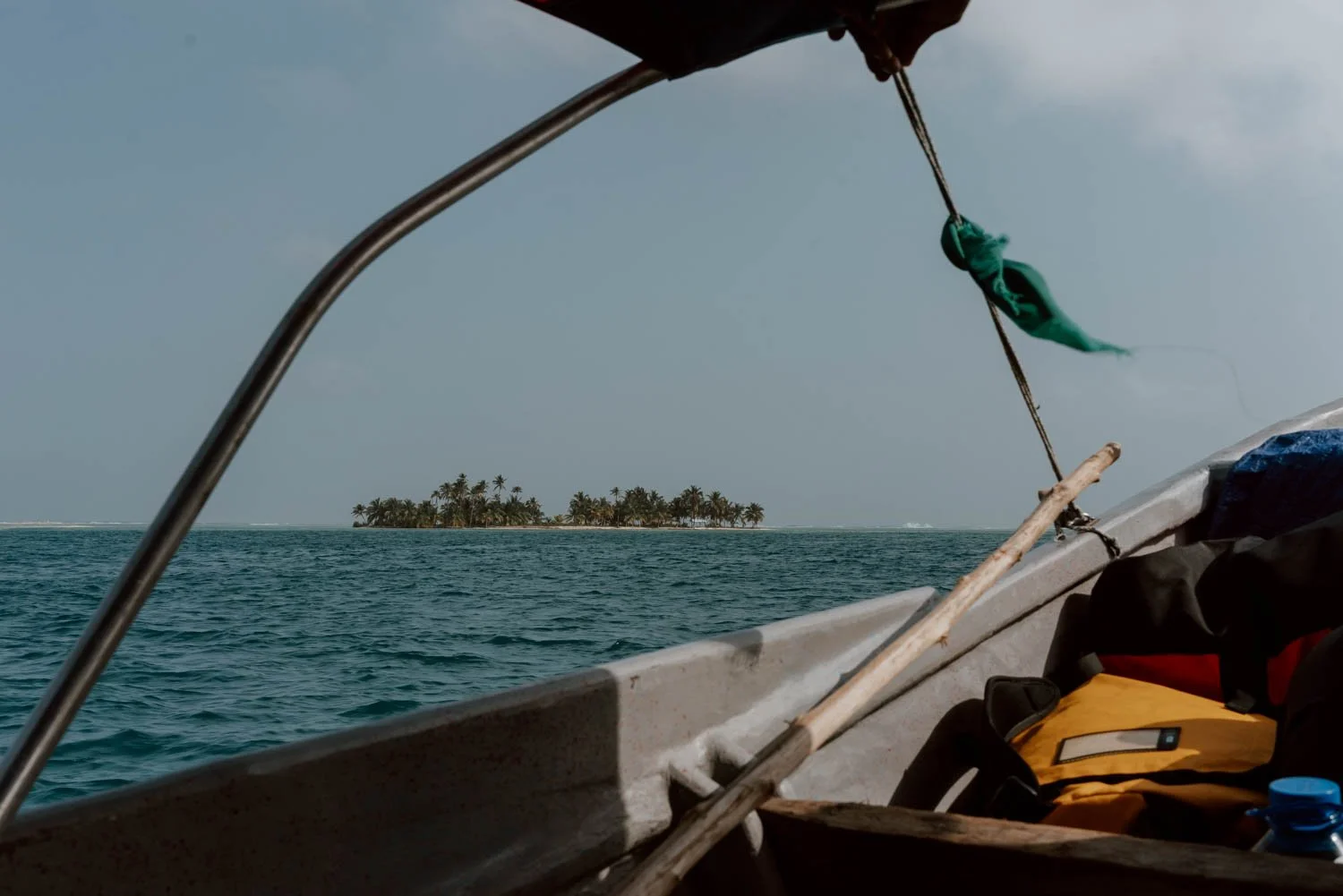
The boat rides in the San Blas are almost always bumpy, unusually uncomfortable, and often very wet.
Sore bums are simply a price of doing business.
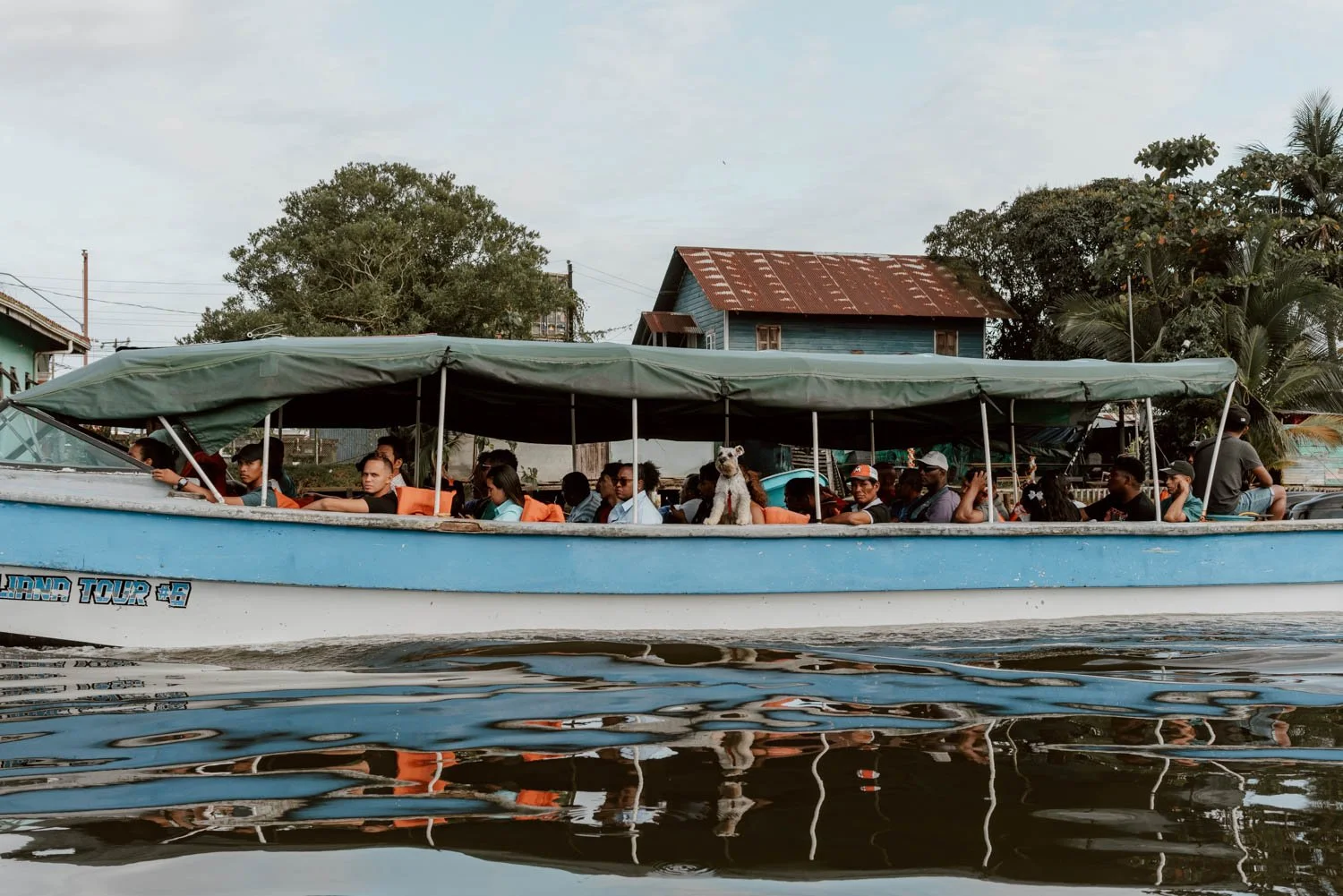
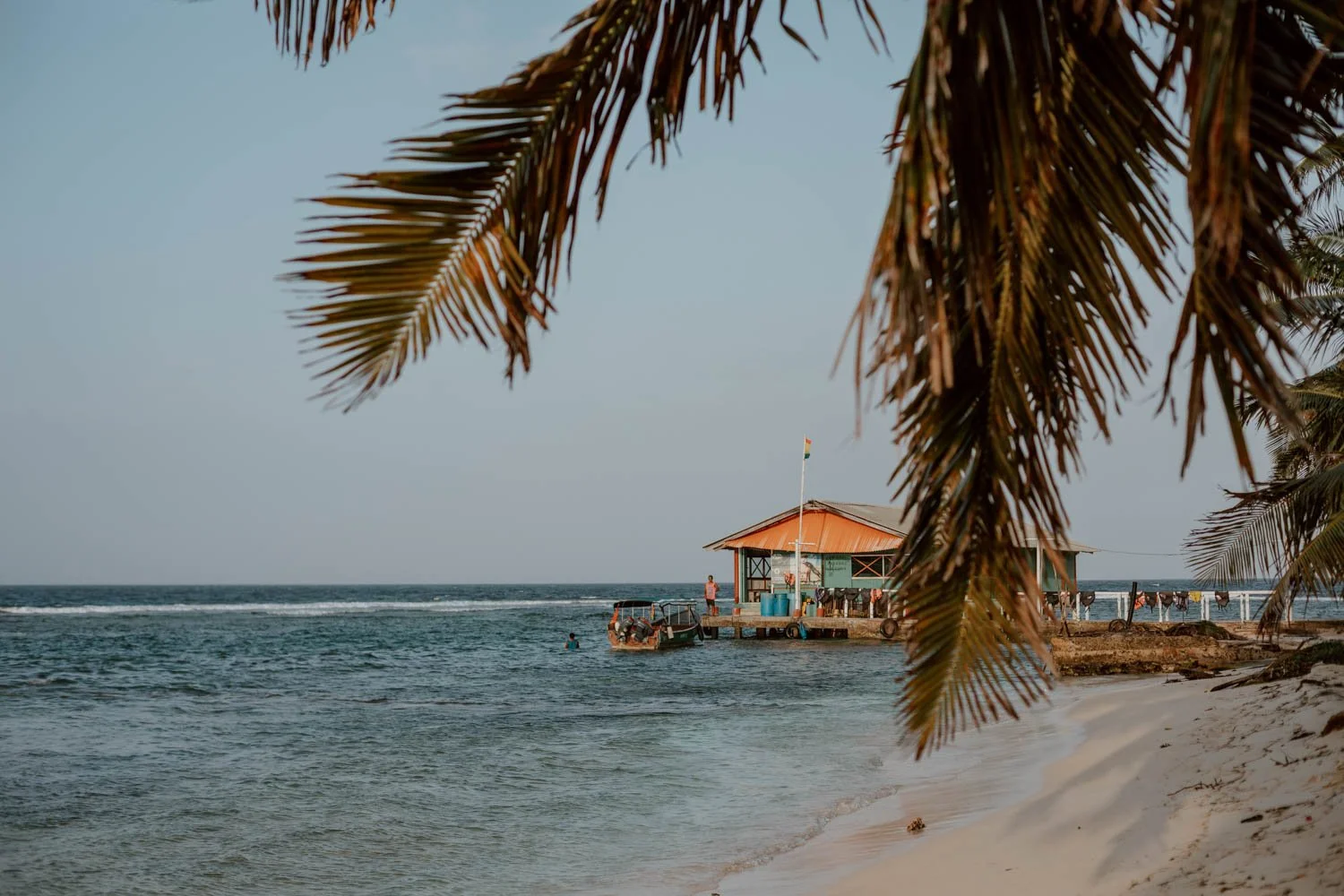
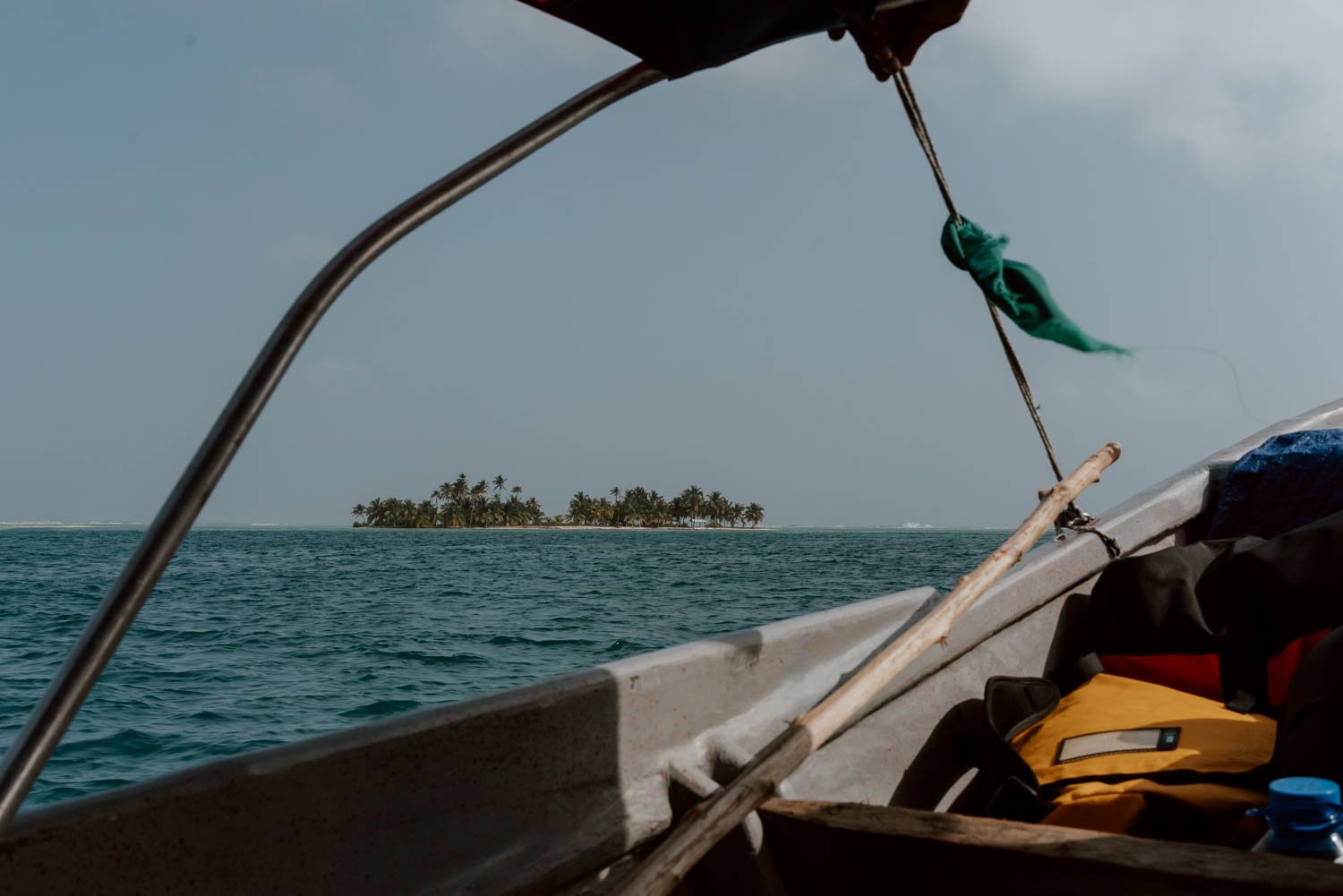
The low-slung speed boats are simple and open-sided, with several rows of unforgiving wooden or fibreglass seats benches and a canopy overhead. There’s usually a pilot in control of the engines and steering at the back and a spotter standing at the front to guide him.
You’ll be provided with lifejackets, and it’s obviously really important that you wear them, but the added incentive is that they provide a welcome cushioning between your spine and the hard seats! Remember to tug it down at the back and, if there’s a spare one, ask if you can put it under your bum.
Where you sit matters, especially in choppier waters, and a good rule of thumb is:
· Front seats = drier but a far rougher ride. When the boat hits a wave, the slam back down will shake your bones
· Back seats = softer on bums and bones, but the back row will get soaked; on rough days, you’ll feel like you’ve sat under a waterfall
· If you’re sat on the sides, assume you’ll get sprayed in the face and anticipate getting drenched
For multi-day tour groups though, it’s a good idea to rotate where everyone sits and spread out the experience!
The bumps and the soaking make it a very good idea to think about protecting your stuff before shit happens. As mentioned, our dry bag was ideal for keeping phones safe and in one place, and a few others in our group put their items in ours during boat rides. Generally speaking though, it’s a good idea to put your phone somewhere safe rather than focus on filming when the waves get big (or at least ensure it’s on the cross-body strap we use so it doesn’t go overboard).
It’s easy to panic a little if you’ve never travelled like this before and you realise your lifejackets have Bible verses written on them but, despite how rough it can seem, the captains know their job very well and - though it may not seem like it - know exactly what they’re doing with the waves and speed. We only had one hairy moment when the boat banked right and the navigator that stands at the front fell over and almost went overboard!
If you’re continuing to Colombia by boat, you really do have to brace yourself mentally for this. After our bumpiest, wettest San Blas crossing, our guide Victor casually told everyone that it was “nothing” compared with what travellers to Colombia face: huge, rolling waves, a thorough soaking - particularly in rainy season, and a gruelling 6-8 hours on the water for the final day of the trip…
Seasickness meds are probably a good idea for some.
On journeys, all the large bags are stored at the front of the boat under a tarpaulin, which keeps them (mostly) dry. However, it’s a sensible idea to use the waterproof protector that most backpacks come with. Alternatively bring a few bin liners to put over that and to protect your hand luggage, particularly if you have expensive tech inside.
Less mobile travellers should note that you will be expected to clamber in and out of the boats: just take it slow, hold on to something, and watch your step.
Travel Tip // Between the boat rides, the dips in the sea, and potentially the rain if visiting outwith Jan-April, you'll pretty much always be a bit damp somewhere. Throw in the ubiquitous sand, and you’ve got yourself a potential nightmare. The dull traveller who prevents all their wet and sandy stuff going anywhere near their nice dry bed sheets is the winner, whilst you should do your level best to let clothes dry properly before the next day.
There’s nothing worse than having to put on yesterday’s soggy swim shorts and the resulting sandpaper crotch chafe.
You Better Like Fish
What else would did you expect to eat on remote islands where a key industry for men is heading out with nets in hollowed-out canoes?
San Blas dining is simple and constrained - with our tour, everyone ate the same meal together and you weren’t given a choice or menu.
Breakfast was eggs with pancakes one day (homemade bread the next), served alongside watermelon, papaya, and pineapple brought over from the mainland in our boat, washed down with that Central American staple of strong Nescafe poured from a flask.
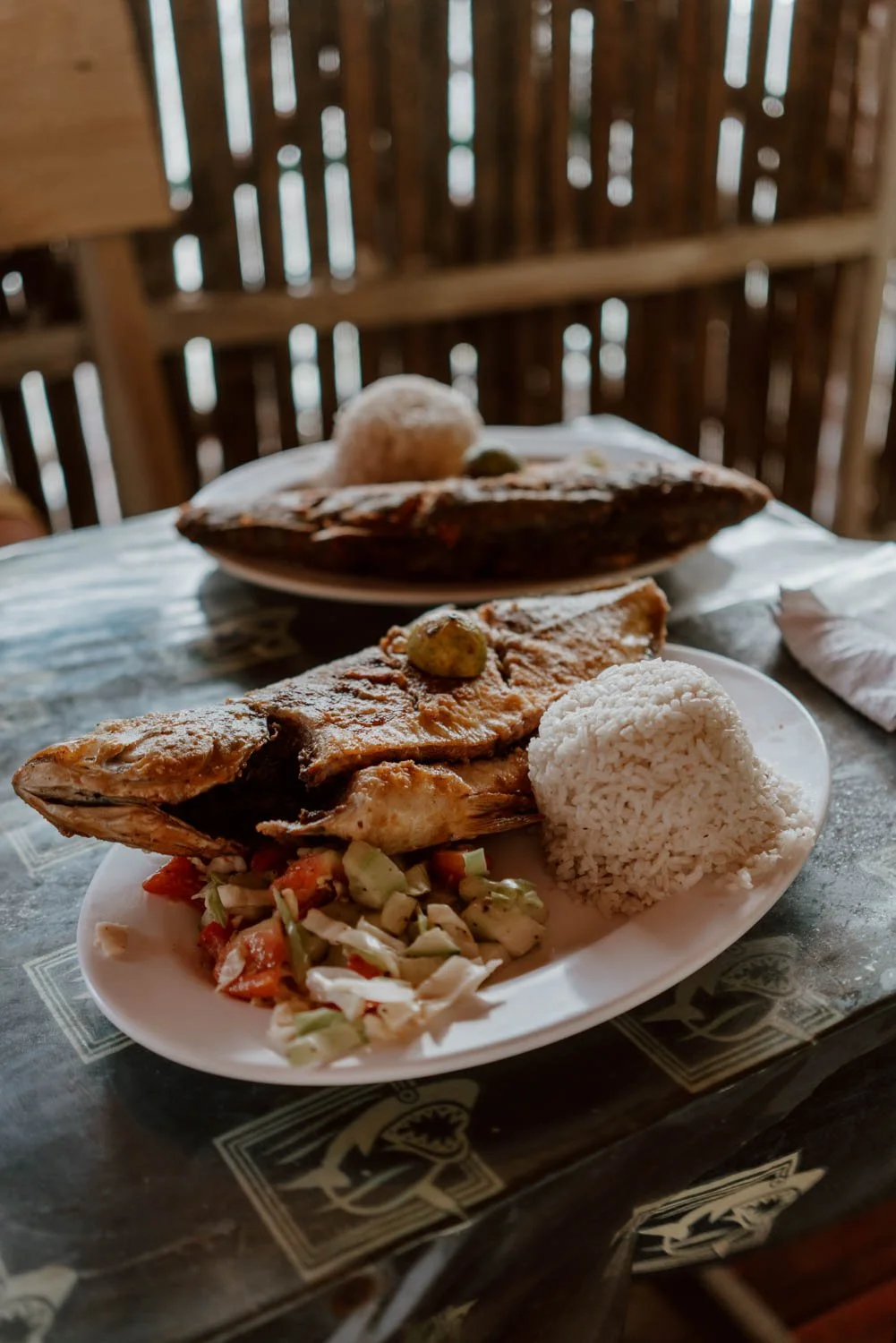
Lunch and dinner was a plate of fried fish, rice, and patacones. Excellent with a few shakes of the hot sauce!
Personally, we found all of it absolutely delicious, but some in our group less accustomed to Central American fare weren’t as impressed and / or found it repetitive. Chicken also appeared to be possible if you were a fussy eater who told the tour in advance, but isn’t guaranteed on every island and isn’t available as a last-minute substitute if you change your mind.
So, just learn to like fish.
Concomitantly, strict vegetarians or vegans will find their options limited to rice, patacones, fruit, and small bits of salad, and portions may be unpredictable. We’re pescatarian so, whilst we’re not telling anyone to make sincere ethical compromises, your enjoyment and appetite may prefer a little leeway if you’re in anyway open to the idea.
If not, then make double sure to bring some extra snacks along with you from Panama City or purchase them at the garage pitstop on the ride to the port.
Fresh lobster may also turn up - but we actually don’t eat lobster.
Portions can also vary quite significantly.
Every island we visited sold Balboa beers ($1.5-2), very basic cocktails or tragos (ron y cola) for $3-5 and Coco Loco (booze in a coconut) for $5-12.
Know // As you can imagine, as a collection of really tiny islands, the infrastructure just doesn't exist in the San Blas to deal with large amounts of rubbish. Whilst the islands we visited were trash-free, there were lots of discarded bottles, cans, packets etc along the mainland coastline. For this reason, you’re advised to pack up and take back any and all rubbish that you create whilst here. The exception to this is cans, which we were reassured by our tour company that they can and do recycle!
As far as we’re concerned, this is now permission to drink a few more beers than you may have initially planned!
Not All Islands Are Created Equal (But Don’t Overthink It)
The San Blas is huge and spread out, with only around 49 of the 300+ islands actually being inhabited.
On a two or three-day trip you’ll only ever see a small selection - a few of the larger islands plus a couple of tiny cays that don’t appear on any map - so there’s no need to tie yourself in knots trying to shortlist the right ones. Your crew will often stop wherever the water is at its clearest or calmest, and some of the best swims happen beside nameless slivers of sand you’ll never find again.
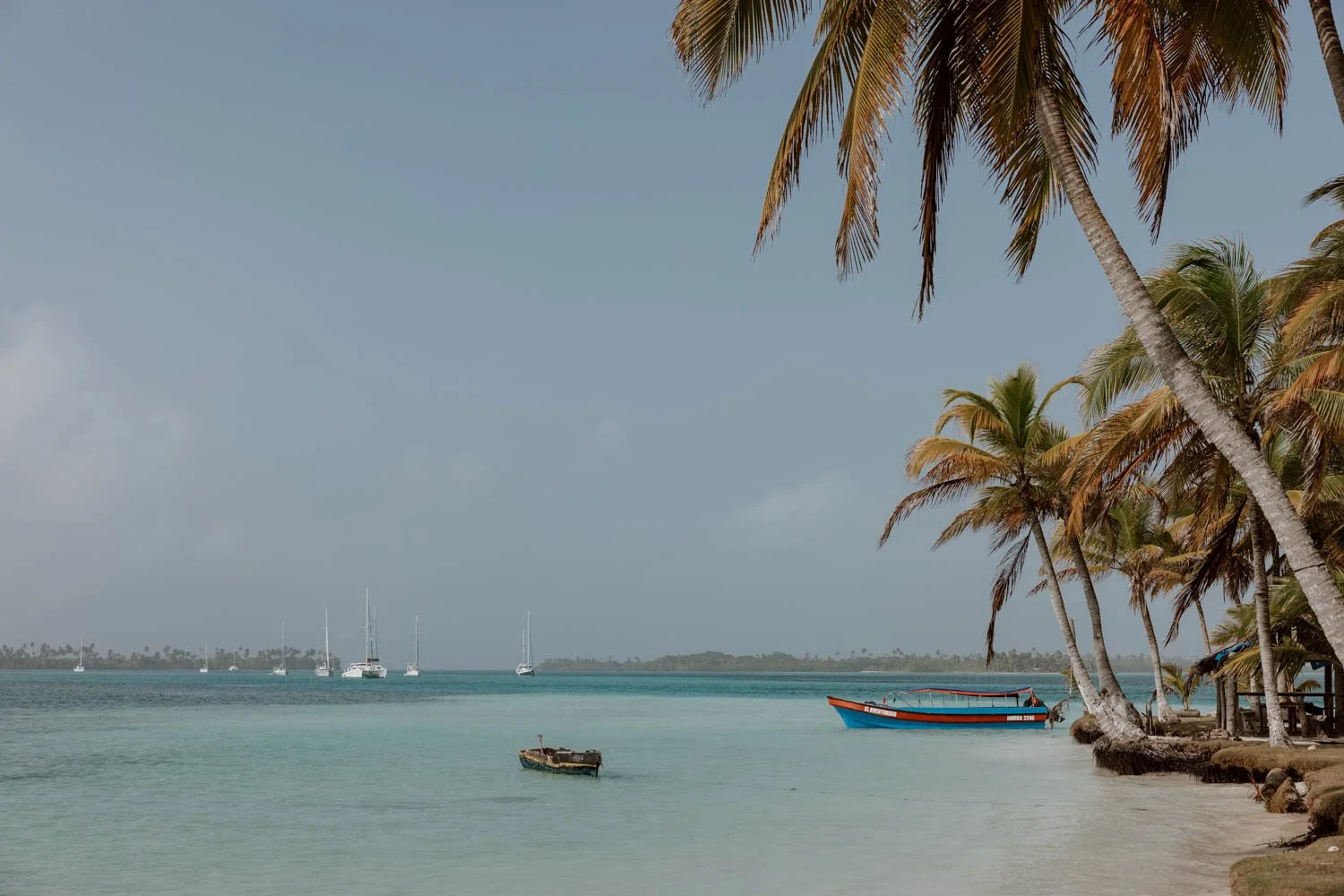
Indeed, most islands visited by travellers are remarkably similar: shallow aquamarine waters, white sand, hammocks strung under palms, a few hours spent drifting between naps and the water. Some are run by a small family with just a simple restaurant and handful of shacks, others are larger with clusters of sturdier cabins, whilst some are even split down the middle due to disputes.
They vary in size and atmosphere, but they’re all part of the same San Blas experience, and that’s far more important than chasing a specific famous island. Routes shift with the weather, tides, and each operator’s relationships, so flexibility is part of the deal.
There are a handful of islands that are busier and more slanted toward drinking, but this tends to revolve around the Colombia-Panama boat tour groups with boozier backpackers - but of course, a handful of rowdy people in any group tour can also transform the atmosphere of any tiny island
Don’t read too much into this though: they’re exceptions rather than the rule.
It’s difficult for us to go into much more detail than this, but all we can say is that the two islands we stayed on with San Blas Frontera were exactly what we had in mind, and all expect one we visited we straight out of that childhood imagination.
If you’re really hoping for the teeny-tiny islands and rustic shacks (or want something as far away from that as possible), then maybe get in touch with your tour operator to confirm.
A Few Final, Quick San Blas Tips
· Buy your mola here - these beautiful, colourful fabric artworks by Guna Yala women are made and sold on several islands (approx $10-30), and buying here is a fantastic, direct tourism contribution. We bought two, but you’ll also find bracelets and a variety of other items (including a lot of hard-to-shift stock with that flag…)
· It’s a no drone zone on most islands, and you’ll see several signs up specifically forbidding this. It’s essential that everyone respects this (we did), but some guides or families may permit on their island if you ask nicely or pay.
· Taking photos of locals generally requires permission, and it’s best to err on the side of caution - this is especially the case on inhabited islands like Isla Machina. We’re street photographers primarily, but decided to keep our camera away for most of it (oh the photos we could have taken), only taking one portrait of a lady we purchased one of the molas from.
· Don’t compare them to Bocas del Toro: they’re totally different archipelagos, communities, and destinations.
· And what, you may wonder, do the tropical San Blas islands have to do with the 1707 Union between Scotland and England?
In the 1690s, an ambitious Scottish venture known as the Darien Scheme attempted to establish a colony called Caledonia on the Isthmus of Panama, just a bit south of the archipelago. The idea was to make Scotland a major player by creating a trading hub linking the Atlantic and Pacific.
The colony was a catastrophe from the start. Poor planning, disease, Spanish hostility, and limited support doomed the venture. More than 2,000 settlers died and the project was abandoned entirely by 1700. Scotland had poured enormous sums into the endeavour - roughly a quarter of its available capital at the time - and the failure crippled the economy and bankrupted many of the nation’s elite.
England took advantage of its neighbour’s collapse, and its financial supported pushed Scotland toward toward closer political union, culminating in the 1707 Acts of Union and creation of Kingdom of Great Britain!
So, for any fellow Scots venturing out into this part of the world, just remember when you’re bobbing around in clear Caribbean waters that one of the most consequential episodes in our nation’s history unfolded not far from here! You may also want to give this podcast episode a listen.
Inspired? Keep planning with our guides below or head straight over to 11 Wonderful Things To Do in Panama