
13 Wonderful Things To Do in Guatemala | Volcanoes, Lakes, And Hikes
Want to know the very best things to do in Guatemala? We’ve got you covered.
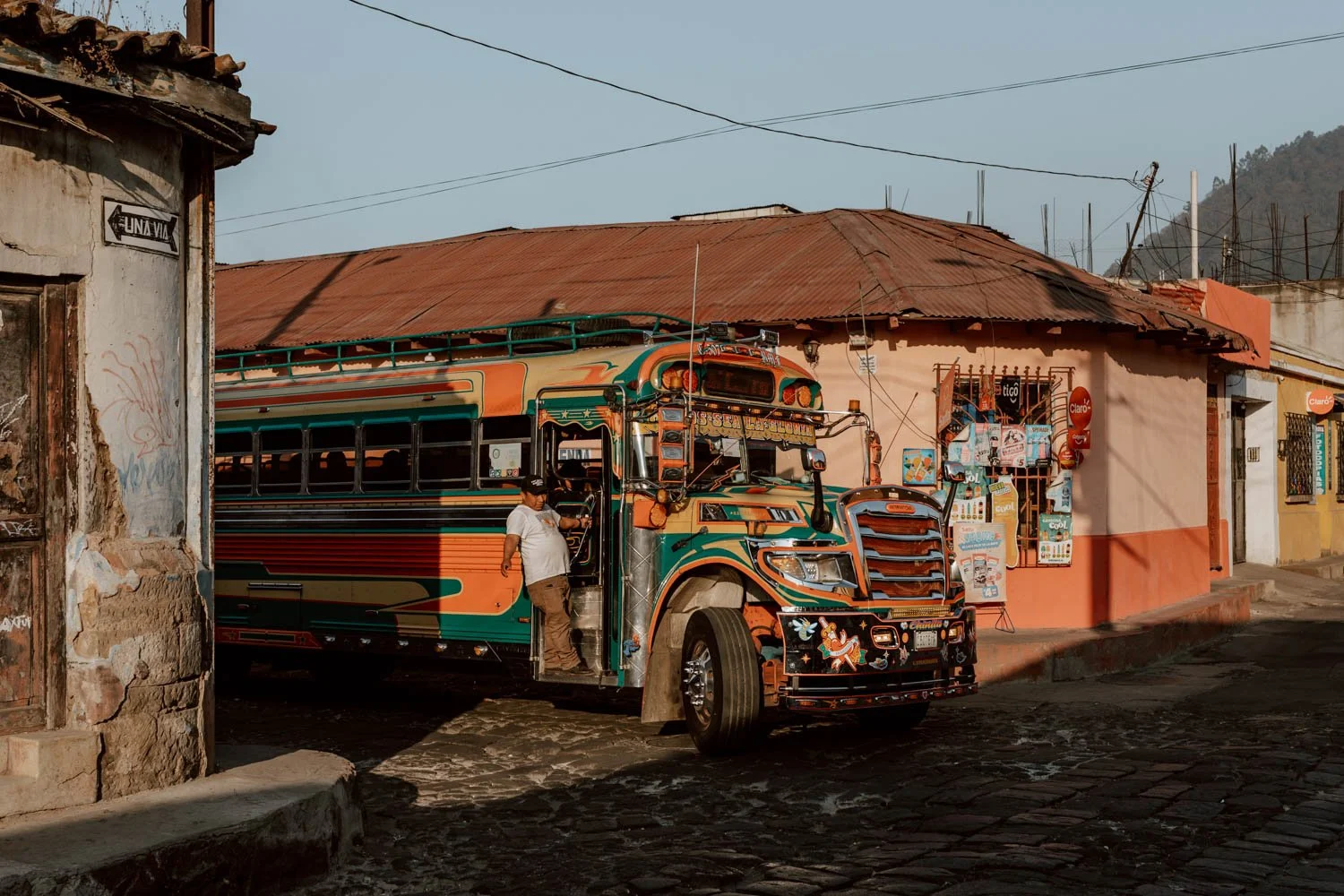
Guatemala is our favourite country to travel in Central America - and it could easily become yours too.
Much safer than the news stories represent, much prettier than pictures do justice, and much more storied and varied than some assume, with landscapes, a thriving indigenous culture, and experiences that reward those willing to look beyond the obvious.
There’s something for every sort of traveller: nature lovers, adventure-seekers, history enthusiasts, spiritual wanderers, slow travel backpackers, surfers, avid hikers, photographers, coffee wankers, language leaners, and cultural seekers who want to connect with the lives behind the landscapes.
If you’re the sort of person that identifies with a few of those travel styles, then Guatemala is probably going to be a wonderful fit.
Between three trips for us (four in Emily’s case), we’ve covered the west and east coasts, walked miles of cobblestone colonial streets, hiked through misty highlands, spent days in cramped chicken buses, got vertigo atop a Mayan jungle ruin, and climbed a myriad of its many, many volcanoes - and in this post we want to share both the unmissables and our personal highlights to help you find your own somewhere in this endlessly surprising country.
This is 13 Wonderful Things To Do in Guatemala.
p.s. remember to pack your hiking boots if you want to do it right.
Best Things to Do in Guatemala
1/ Bask In The Beauty of Antigua
2/ Camp Overnight on Acatenango Volcano
3 / Semuc Champey in the Summertime
4/ Surfing & Beachtime in El Paredón
5/ Coffee & Hiking in Quetzaltenango
6 / The Towns & The Views of Lake Atitlán
7/ Explore the Ruins of Tikal
8/ Join A Spanish School
9/ Ride The Chicken Buses
10/ The East Coast: Río Dulce and Livingston
11/ Volcano Hikes & Epic Sunrise Missions
12/ Celebrate The Maya & Indigenous Culture
13/ Visit the Markets
Bonus / The Three-Day Xela to Lake Atitlan Hike
Find all our Guatemala guides here
The Best Things to Do in Guatemala
1/
Bask In The Beauty of Antigua
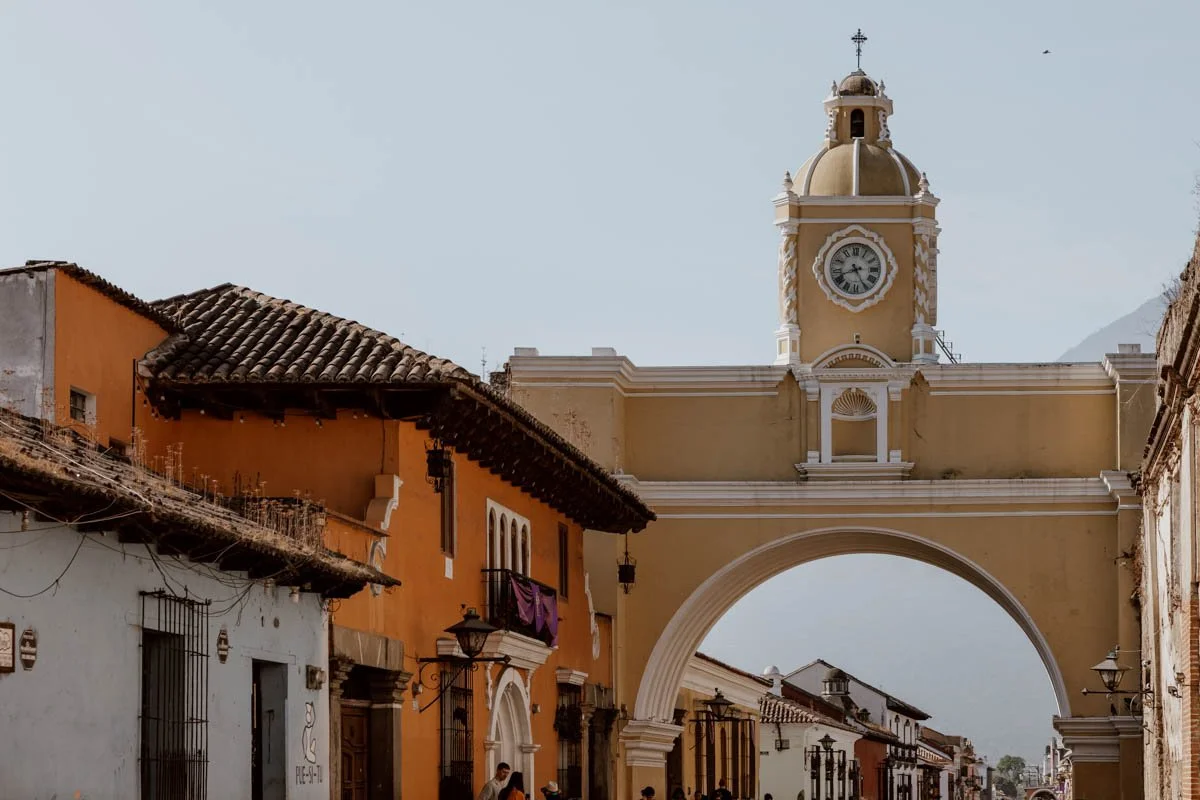
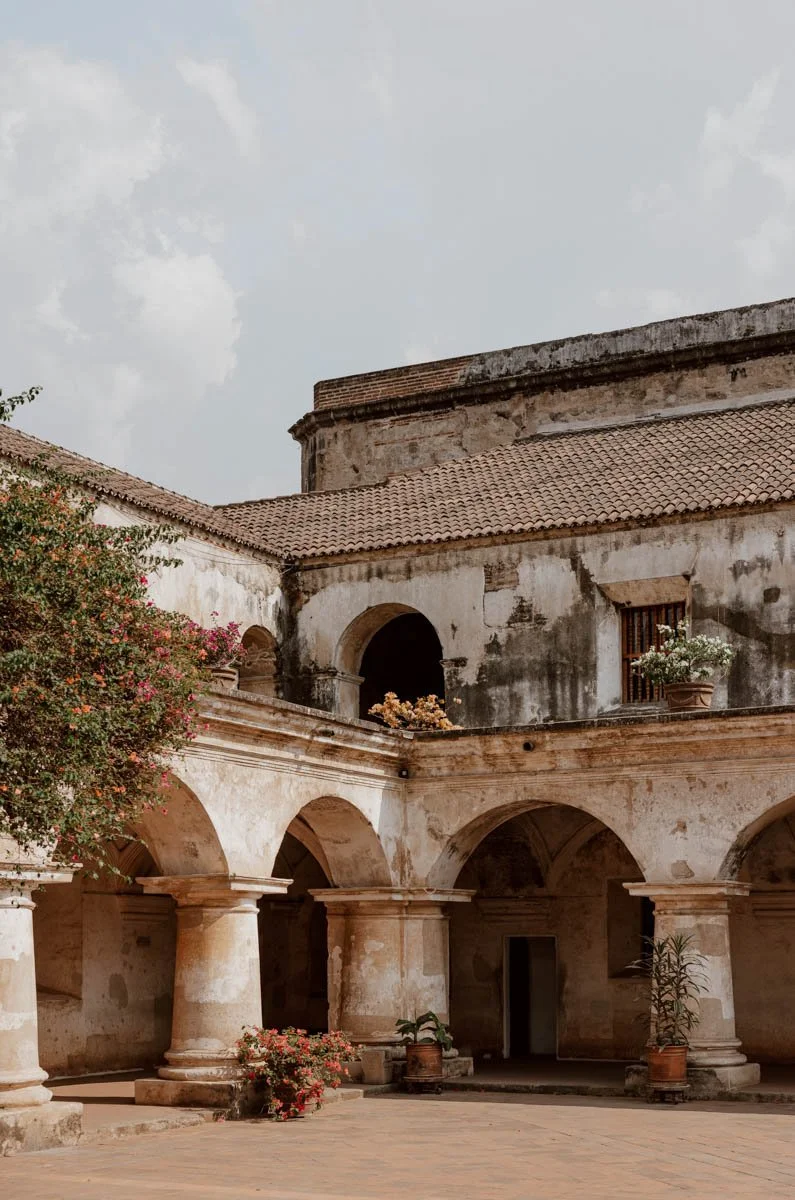
The jewel in Guatemala's crown, there are few places more beautiful in the Americas.
However, Antigua shouldn’t really still exist.
Founded in the dip of a lush valley in 1543, surrounded by hills and a trio of volcanoes, the compact city was the seat of Spanish colonial power in Central America for two centuries, with dozens of grand religious buildings constructed to demonstrate the influence of both the crown and the Catholic Church.
Devastating earthquakes in 1717 and 1773 left much of it in rubble and ruin, with the capital being located to present-day Guatemala City.
The abandonment was a silver lining though, with many hauntingly captivatingly ruins today lining slippery volcanic cobblestone streets of a place that ticks all the boxes of a Central American colonial city: think secret courtyards behind thick mahogany doors, low-slung buildings splashed in shades of custard yellow and burgundy red, markets, museums, rooftop bars, language schools, lots of historical intrigue, and a very lively traveller scene.
It’s no surprise that it’s designated a UNESCO World Heritage site.
Know | On standalone Guatemalan trips, Antigua is likely to be your first proper stop in the country. It’s under an hour from Guatemala City - which is home to the airport - but most don’t hang around in the capital. We’ve shared your transport options in this ‘routes’ post: How To Get From Guatemala City Airport to Antigua
Book | This highly-rated traditional cooking class and market tour is a great activity to plan around, whilst a tour is necessary to scale Pacaya Volcano - we did this one
Budget | Due to a couple of popular day trips from Antigua, we think you should factor in a minimum of three nights to make the most of the city - and slow Central America backpackers should prepare for that fact that it’s incredibly easy to get stuck here for longer than you intend (it’s happened to us twice!).
Tip | The city is world famous for its huge Semana Santa (Easter Holy Week), which dress the buildings in purple and take over the streets for a week. Thousands of people come here specifically for the celebration- which usually falls around late March or early to mid-April - and it's a very religious, sombre affair. It’s important to anticipate this in your itinerary planning - whether to make sure you attend or avoid - as prices spike and availability plummets.
Stay | Our hostel pick is Somos, but Good Hotel is an incredible boutique hotel. Antigua also has some fantastic Airbnbs like Villa Carmen Elisa and Casa-Museo de 1926.


2/
Camp Overnight on Acatenango Volcano
Searching for a moment that reminds you exactly why you're the type of person who takes their vacation allowance to go on adventures, rather than just laze by a pool?
Or simply want to make Brian back at the office super jealous?
Then let us introduce you to Acatenango Volcano.
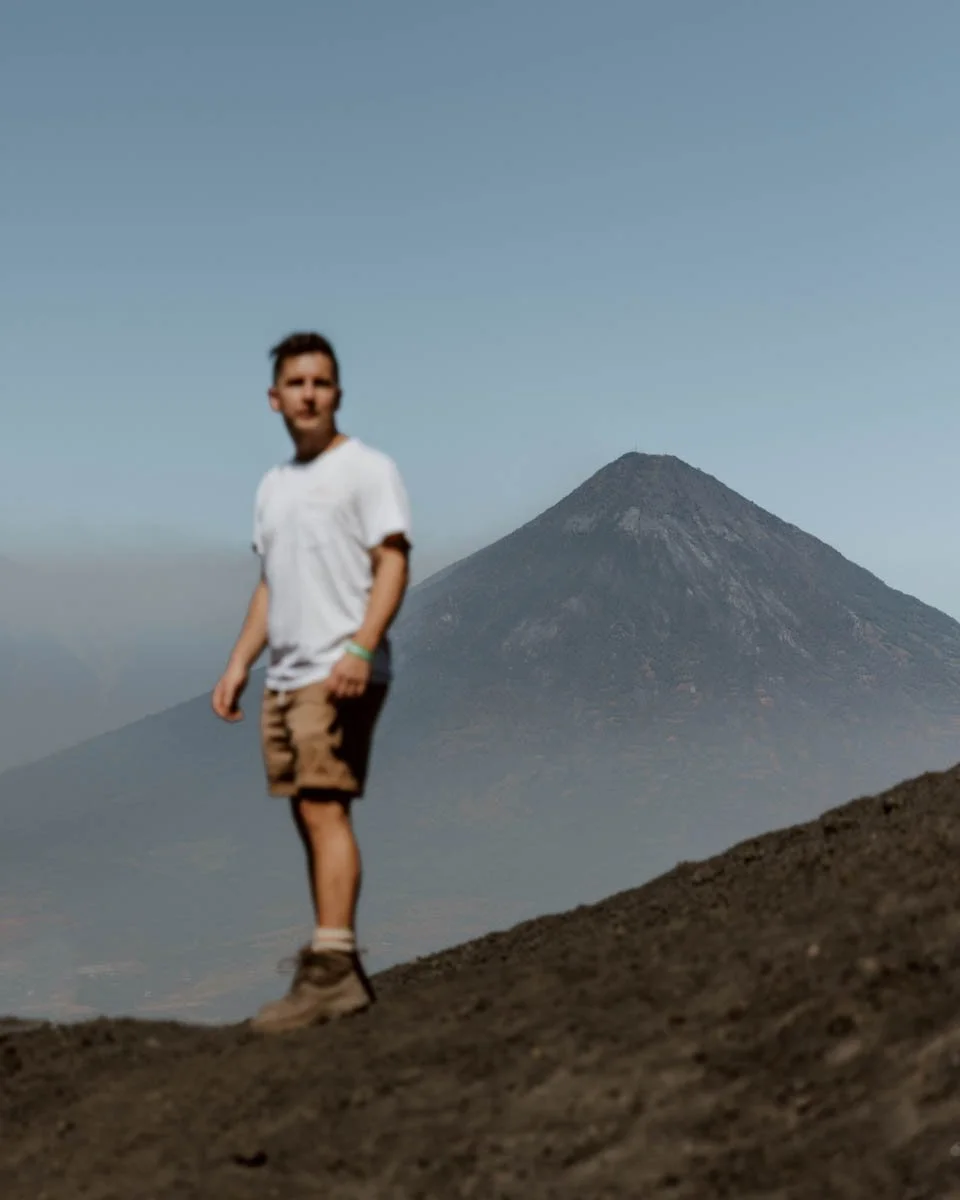
As we’ve mentioned, there are more volcanoes than you can shake a hiking stick at in Guatemala, and they define itineraries as well as landscapes: if you’re going to the country and don’t go up one, then there’s an argument that you haven’t properly experienced the country.
Several feature in this article but Acatenango is without doubt that one that should be in your sights.
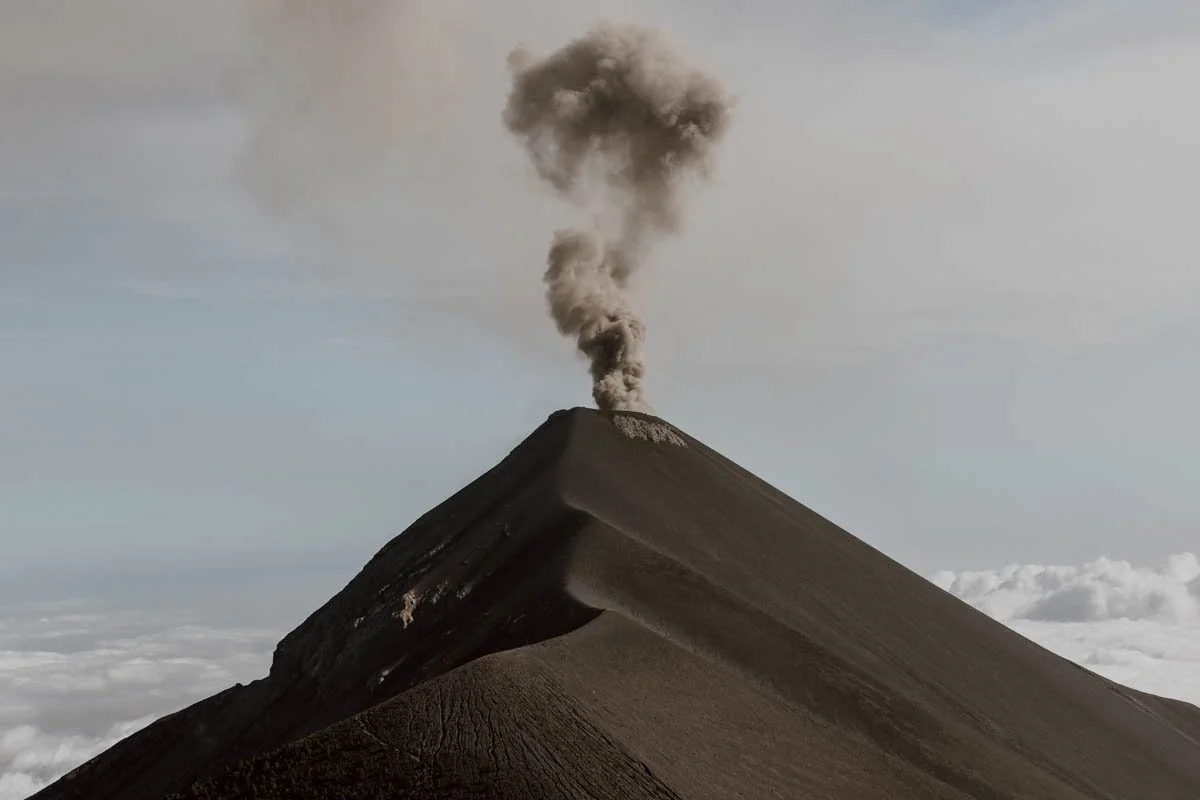
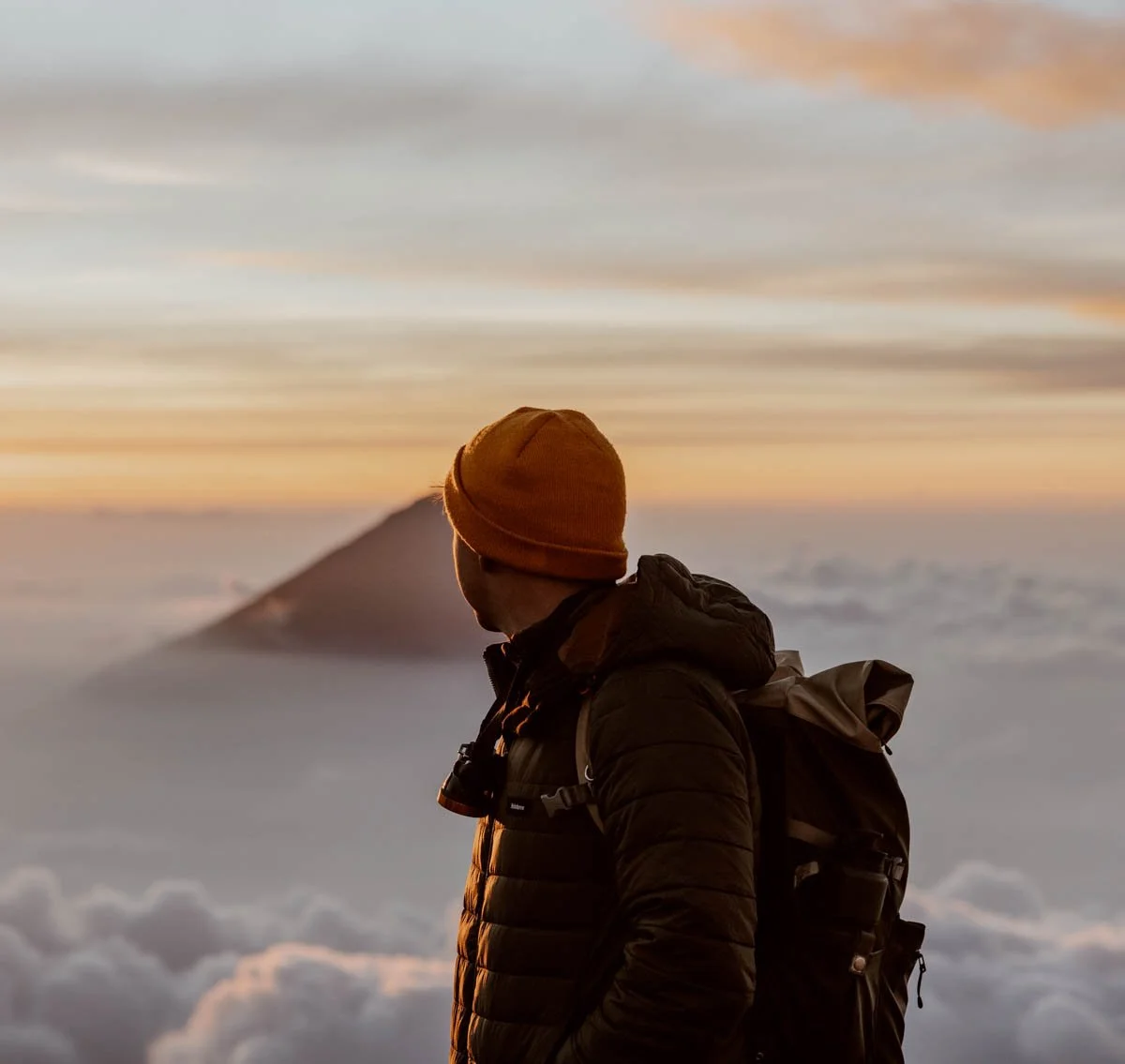
Visible from Antigua on a clear day, and just an hour's drive away from the old capital, the 3,976 metre summit lies next to Central America's most active volcano - the appropriately named Fuego (Fire). Every day hundreds of people hike up Acatenango to stay overnight on the summit, watch constant eruptions of its restless neighbour from the rustic basecamp, and enjoy a spectacular summit sunrise above the clouds.
It is, without a hint of hyperbole, one of the best and most memorable experiences we've had in a decade of travelling along dusty roads together.
So, if you're fit, able, and adventurous, you should absolutely add a hike up Acatenango Volcano to your plans.
Know | The 18km (11 miles) out-and-back trail is quite challenging, especially as you’re at altitude and have to carry a certain amount of supplies up for basecamp, but it’s still a realistic hike for those who have a reasonable level of fitness. Those who don’t hike or are unfit will find it difficult, but many complete it.
For those looking to take it even further, you can pay extra to hike the additional four-hour roundtrip hike from your Acatenango basecamp to Fuego, but it's technically not permitted, comes with pros /cons, and is very very risky.
Book | The overnight from Antigua is now one of the most popular things to do in Guatemala, and can only be done with a licensed tour company. However, slots sell out weeks in advance for the November-March high season and, from personal experience, we know just how difficult and stressful it is to find last-minute slots.
If your heart is set on this experience, it’s essential to get a booking in early - not only to secure your dates, but also to plan your accommodation and onward transport for the day you descend from the summit.
We recommend this tour by OXO Adventures on Viator, which is reliable and highly-rated - it also offers free cancellation. If that’s already full, then you can find more here.
Budget | Tours start + end in Antigua, require 1.5 days for the overnight, and cost on average of $80-120 USD per person.
Tip | If the overnight hike doesn't suit, or you're concerned about fitness, an easier and more affordable volcano to ascend from Antigua is Volcan Pacaya - but just don’t get too excited by the marshmallow stories you’ll hear elsewhere.
Plan // We've shared everything you really need to know on how to prepare, find a last-minute place, understand the logistics, and the kit you need to bring in our Essential Guide To Hiking Acatenango Volcano


3/
Semuc Champey in the Summertime
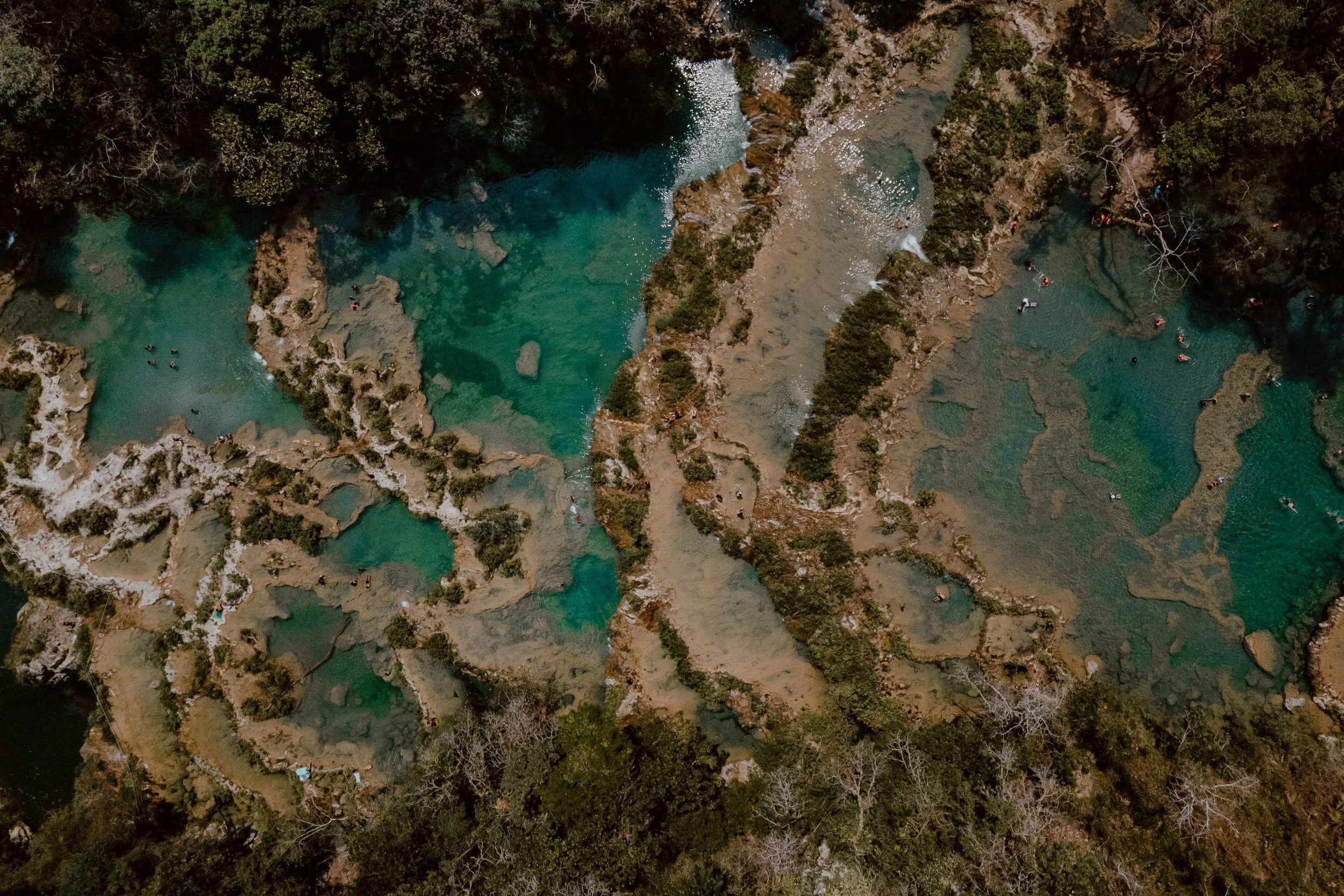
Without doubt, this is best natural swimming pool we’ve ever visited on our travels.
A decade ago though, we had grumpily left Semuc Champey on a dull, overcast rainy season day absolutely convinced that it wasn’t just overrated, but also not worth the effort.
Thankfully, on our most recent trip we had sparkling dry season sunshine and finally felt the magic.
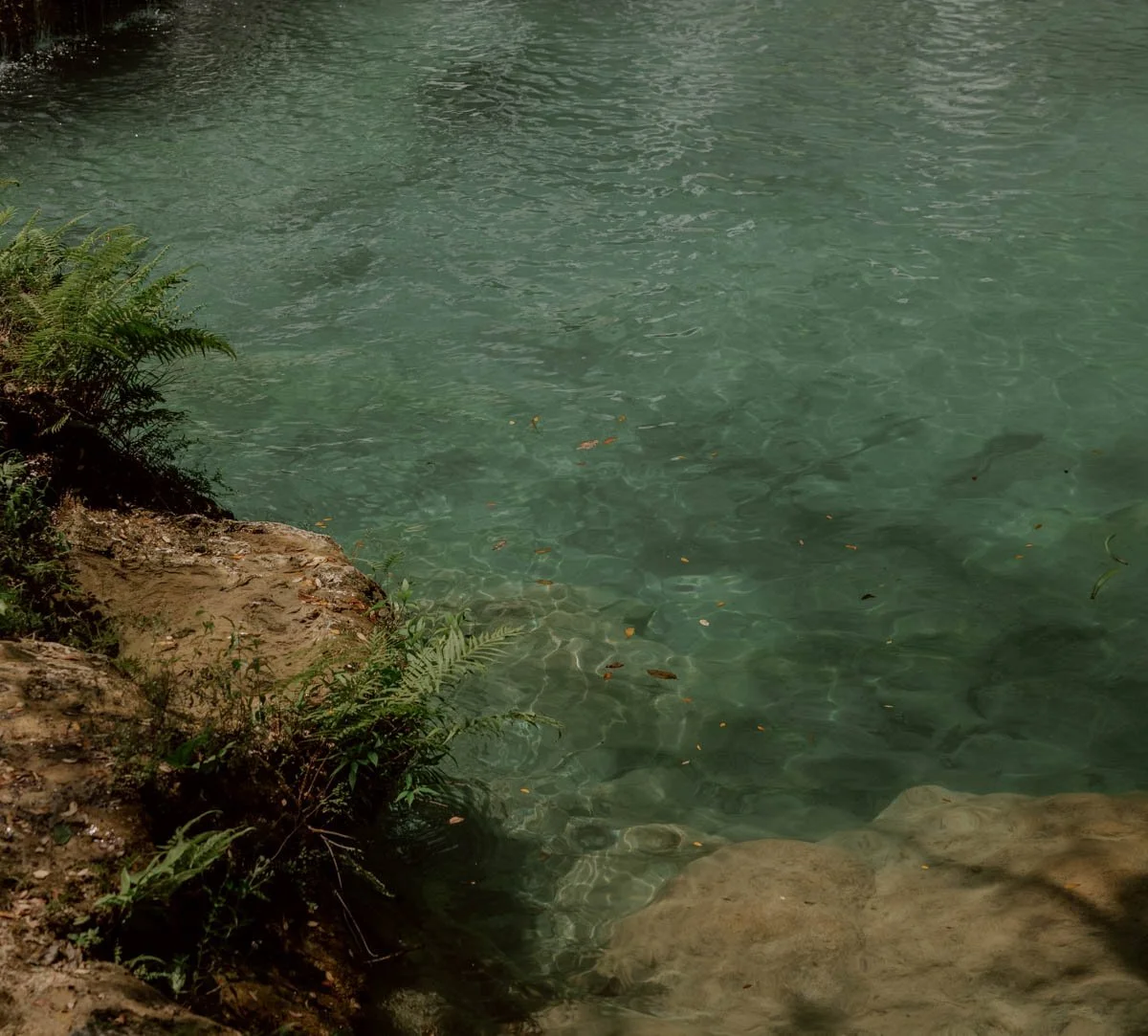
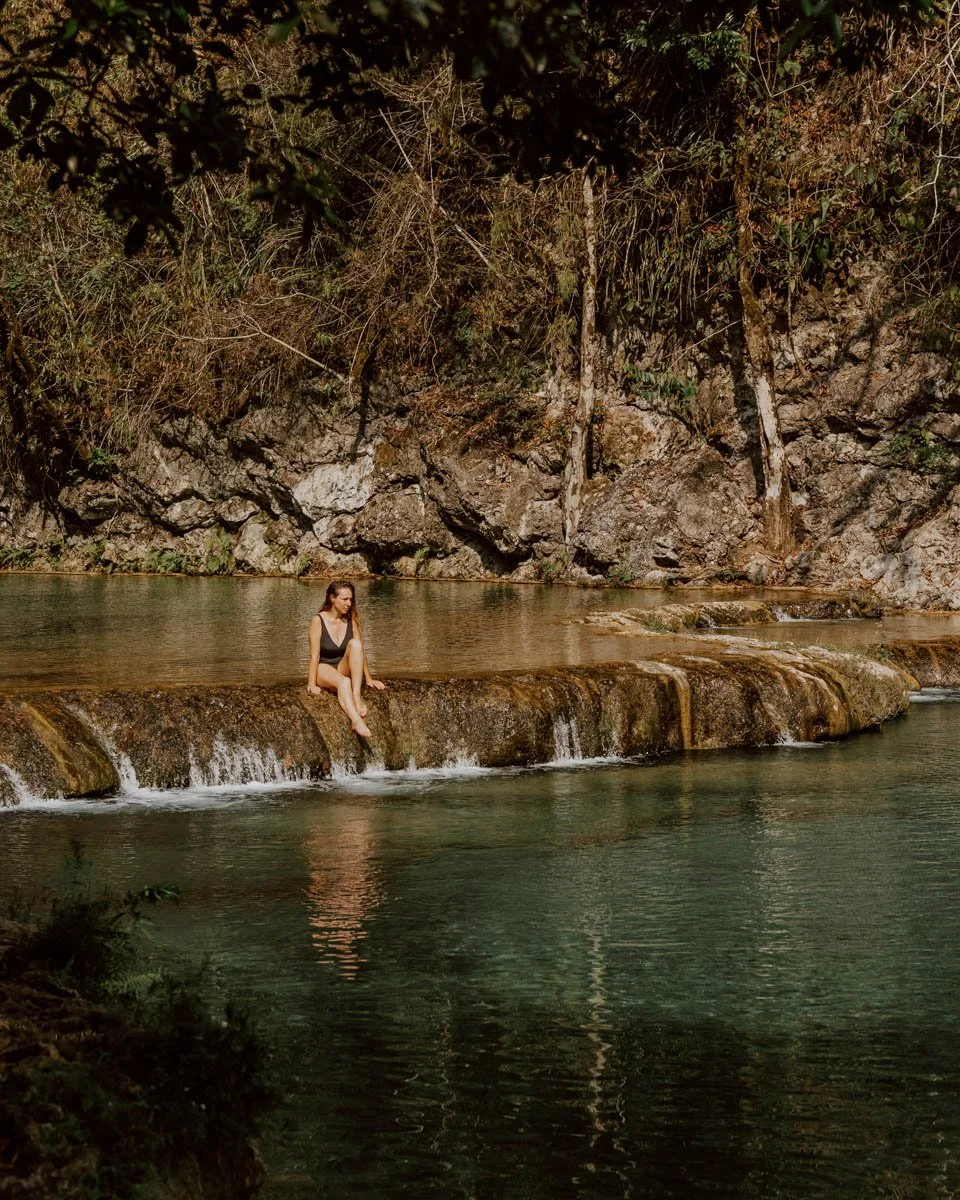
One of Guatemala’s most famous destinations - and somewhere that features on nearly every first-timer’s itinerary - the super-sized fairy pools of Semuc Champey are found in a secluded jungle-covered canyon on the side of a dusty road. Although they require a bit of planning and effort to reach, and are a very long way to travel in order to effectively swim and sunbathe a bit, the setting, the hue of the blues, and the cascading layer cake levels of cool, deep pools and mini waterfalls is absolute perfection when conditions are right.
There are also a bunch of cool destination hostels in the surrounding area so, for anyone going from west to east or east to west across the country, it’s great choice to grab some R&R along the way.
Know | The only way to get there is a 7-9 hour journey from Antigua, Flores, and Lake Atitlan (though the town of Coban serves as a break-up for those with more time), so including Semuc Champey in your itinerary will eat into a chunk of your time.
Book | You can easily arrange a shuttle from Antigua to Semuc through your hostel or one of the many travel agencies in the city, but if you’d like to compare prices get it booked in advance head on over to GuateGo.
Budget | It’s 50Q (£5/$6) per person to enter, with no tour or guide required, although you can join the daily tours that include tubing and caving nearby. You should factor in a minimum of two nights in the area, possibly more if staying at one of the ‘destination hostels’.
Tip | Seriously, there’s really little point heading there if the weather is going to be rotten. If travelling outside the November-April dry season, check forecasts before firming up plans.
Stay | We really loved our stay at Greengo’s Hostel by the entrance, whilst Utopia Eco Hotel is a more peaceful, nature-based option.
Plan // How To Visit Semuc Champey


4/
Surfing & Beachtime in El Paredón
Backpackers in Central America rarely got excited about beaches in Guatemala.
Though the country has two coasts, the standard route of most travellers meant it may as well have been landlocked. With the stunning beaches of Nicaragua, Costa Rica, and Belize in easy reach, plus a few Caribbean island specks a little further afield, there really was no point factoring in time on Guatemala’s shores.
Then something changed.
On our third trip to the country, it seemed like everyone was heading straight to the sea before or after their night atop Volcán Acatenango. Flyers in Antigua hostels and stickers on Semuc Champey shuttles all pointed to a place called ‘El Paredón’.
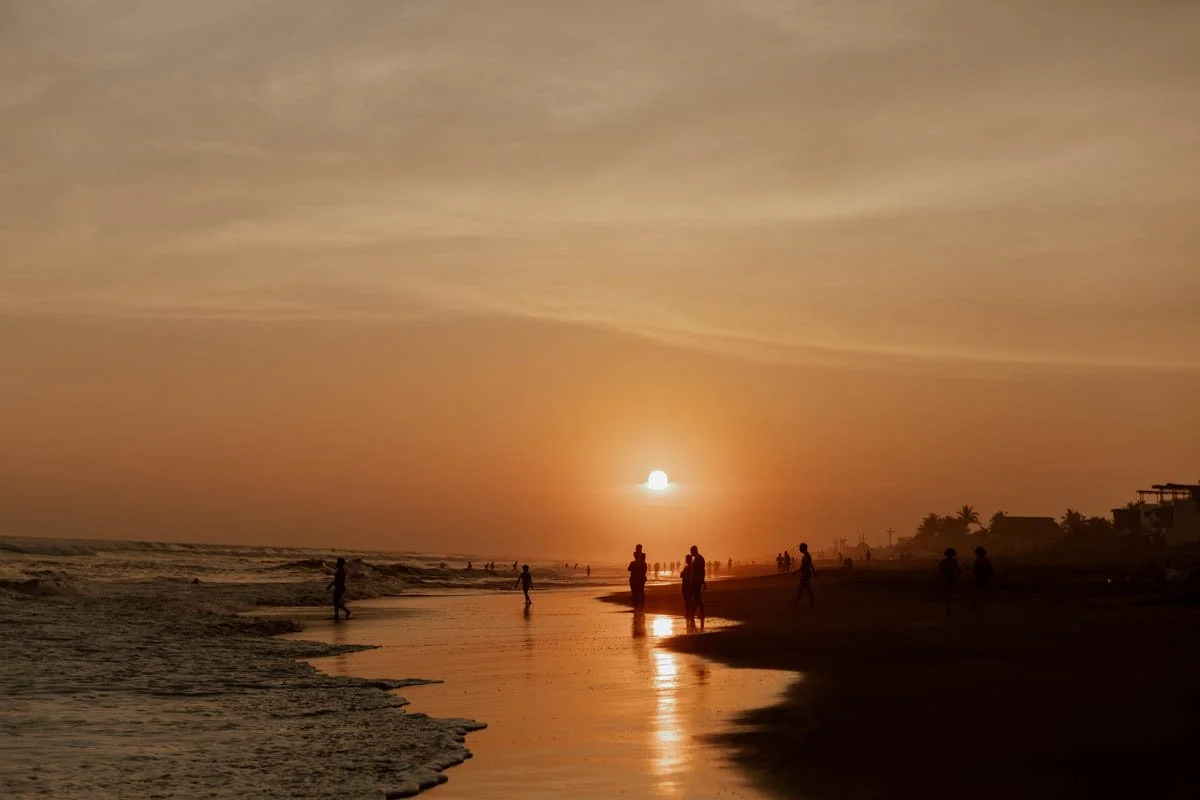
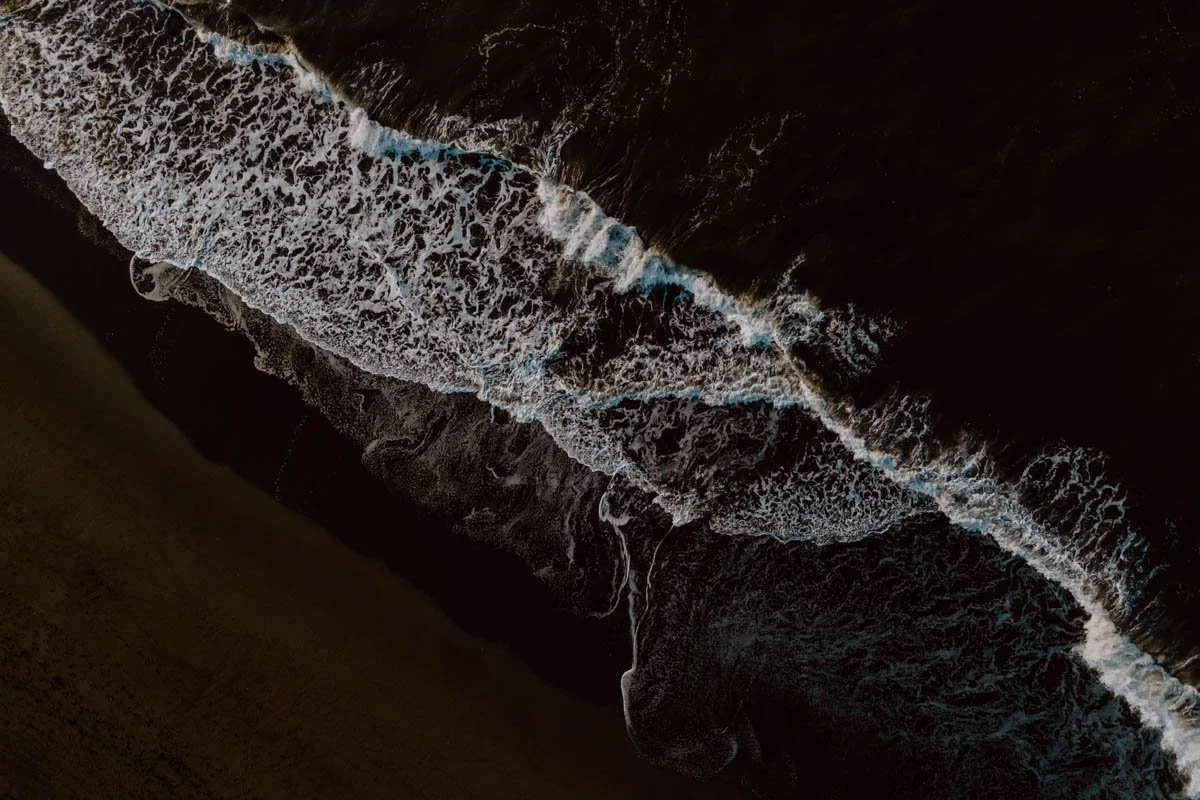
The word-of-mouth favourite in bars wasn’t for a trail or market, but a black sand beach that kills.
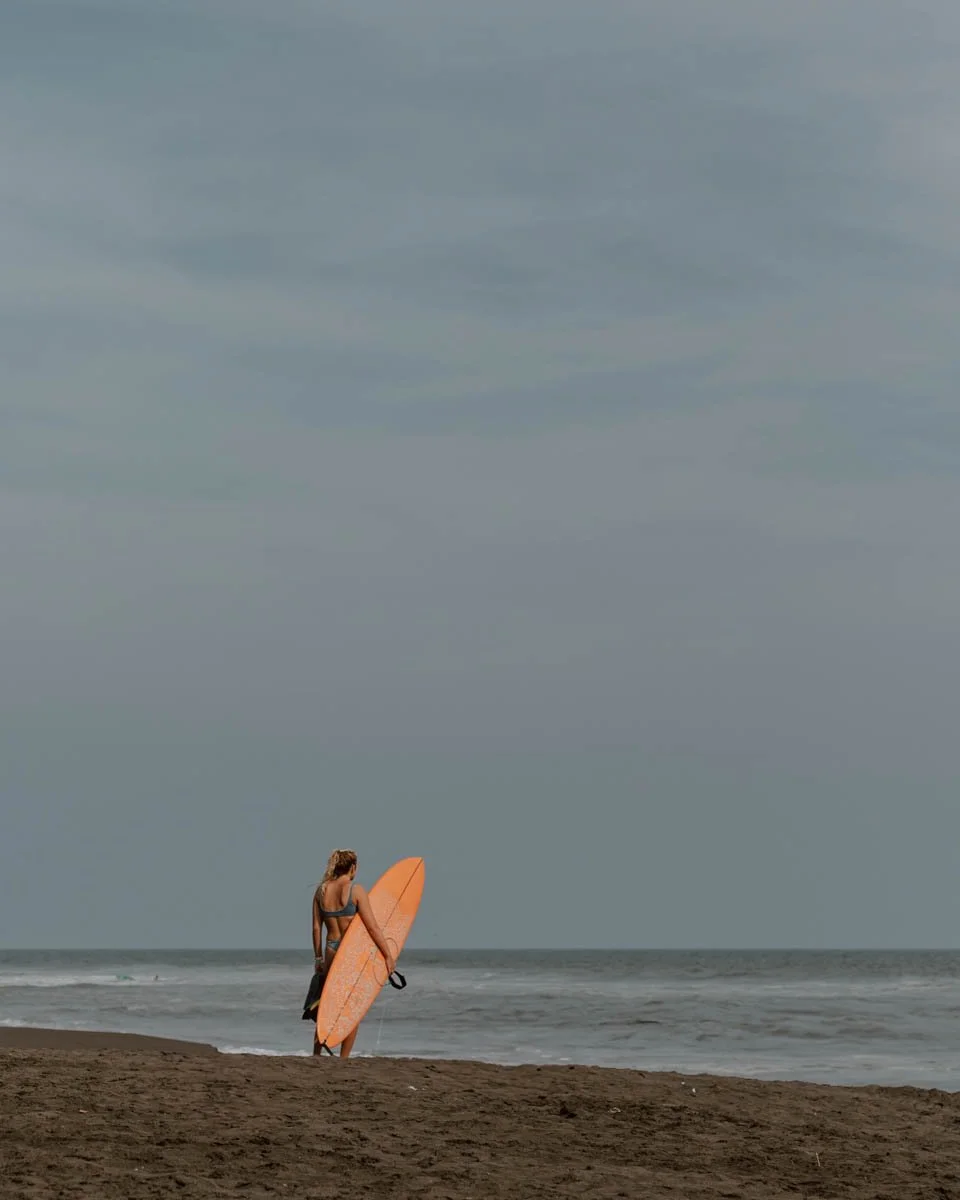
Once a place only for locals, the waves, and those hardcore surfers who travel in search of them, El Paredon has quickly evolved into an incredibly popular beach town for wealthy locals, travellers, and all-night parties. The pace of change is too quick and unsustainable in our view, but for now the roads are dusty, the beach is rugged, and the atmosphere quite chilled.
There are also the most incredible fish tacos served out of a school bus.
If the hiking, the volcanoes, the altitude and the mountains have got to you - or you want to end your trip with some serious sunshine - then El Paredón is the place to go.
Know | The riptide is serious and needs to be taken seriously.
Budget | Surf lessons start at 150Q, whilst a day’s board rental costs about the same.
Tip | This is one place where taking a shuttle bus from Antigua and elsewhere is going to save you several hours over the bus; Guatego is the best place to find timetables and book in advance.
Stay / Backpackers will love Mellow Hostel, surfers flock to Paredon Surf House but bouji-loving souls should check out Casa Zala.
Plan // Our El Paredon Travel Guide


5/
Coffee & Hiking in Quetzaltenango
The gringo trail in Guatemala is pretty well-defined: Antigua, Lake Atitlan, Semuc Champey, Tikal (more on that later), with volcano hikes and days trips sprinkled in. It’s popular because it’s logistically straightforward, rewarding, and well suited to first-time visitors looking to understand and enjoy the country.
One place that has steadfastly remained off the list of most is actually a firm favourite of ours.
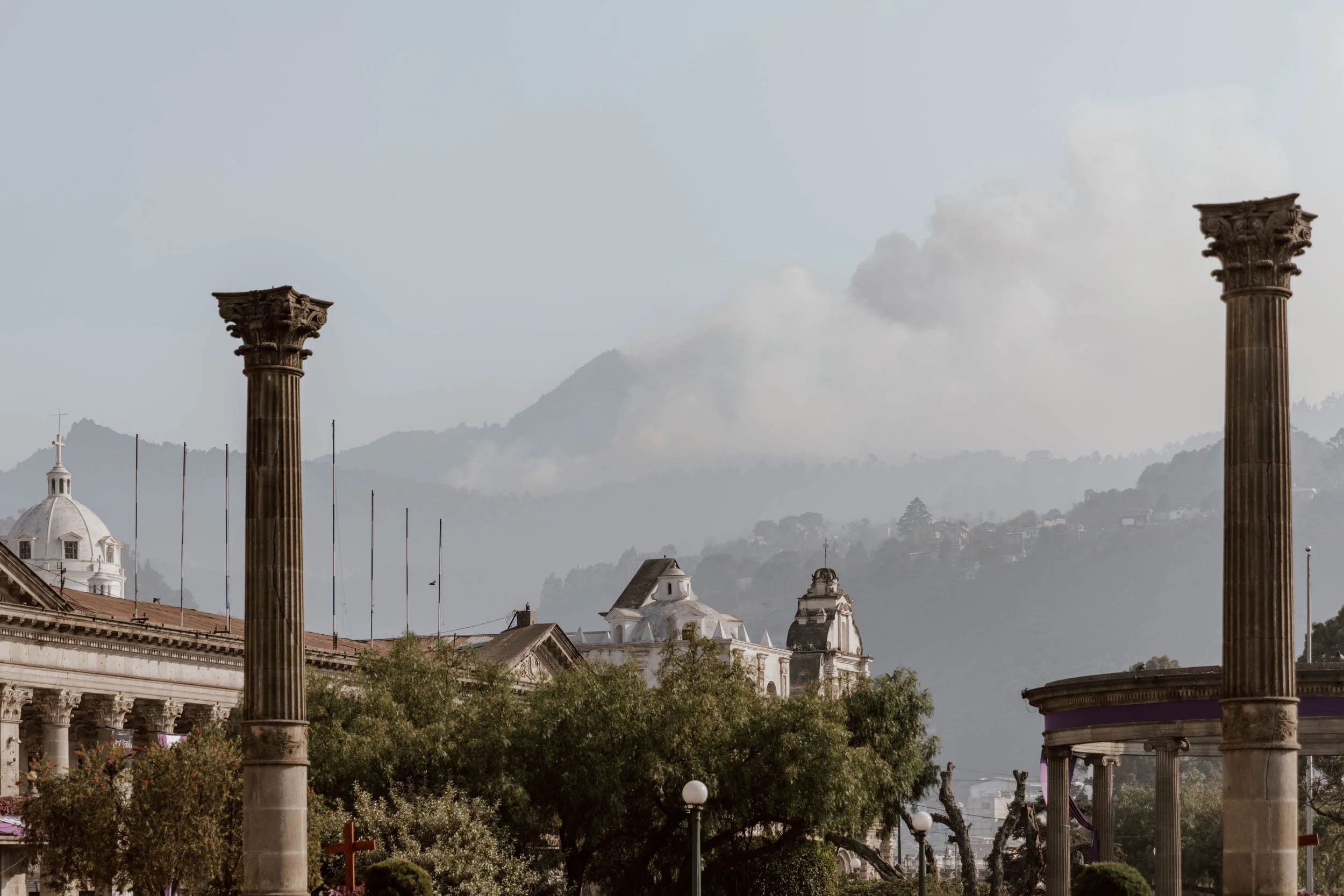
A place of two names, Quetzaltenango can at times feel like it’s from another era.
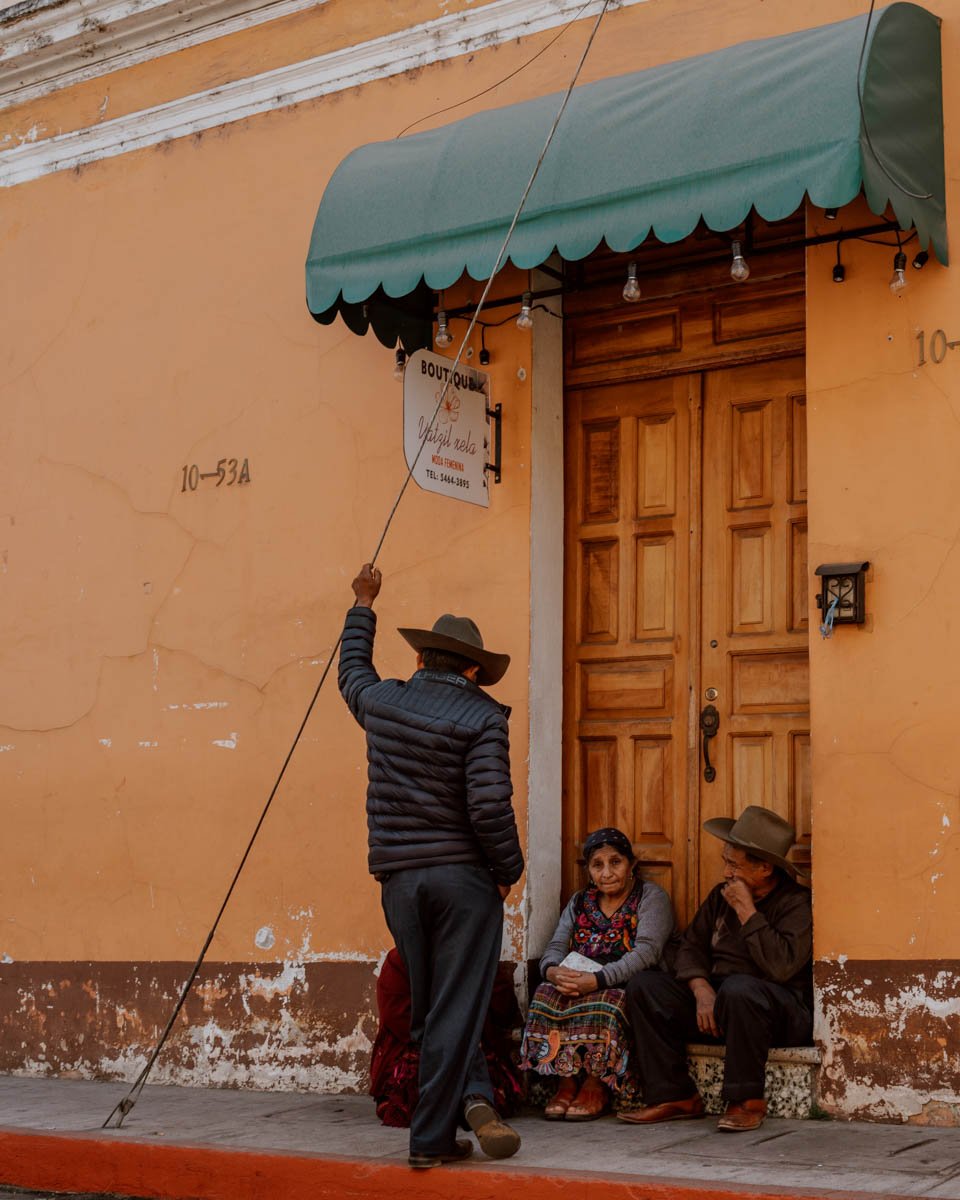
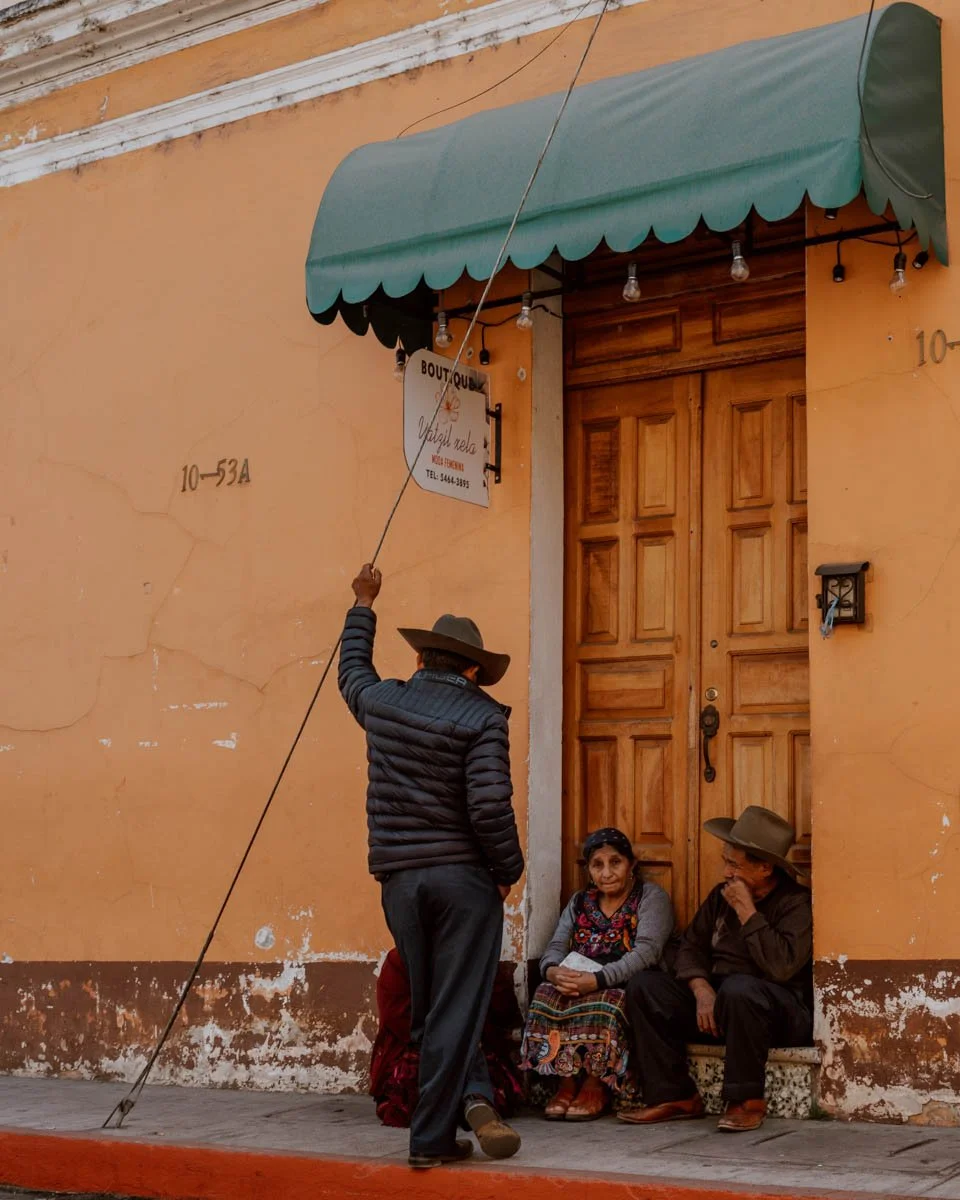
A time when men shined their shoes, starched their collars, and streets were lined by tailors, seamstresses, and shops selling statues of Jesus and Mary. Tucked away in the folds of the western Highlands, the second-largest city in Guatemala is architecturally distinctive and an excellent base for hikers, backpackers, and language learners.
More commonly referred to by its its K’iche’ name of Xela (pronounced shay-la), unlike the old capital and the lake, the city's rhythms don't revolve at all around the wants and whims of tourists. Most businesses are locally-owned and for local needs, with the few exceptions retaining the feeling of a hideaway, rather than a cut-and-paste place for outsiders. There are still no fancy flashpacker hostels or plush boutique hotels, most evenings are incredibly cold, and there isn’t really a major landmark, gallery, or museum of note.
But man does Xela have soul.
Once you throw in the fact that it's also got, in our humble opinion, Guatemala's best coffee scene and you can independently do day trips up several volcanoes, to sacred lakes, to super-local markets and relaxing natural hot springs, there’s a reason it can get so under your skin.
For slow travellers or those looking for a different sort of base or experience of Guatemala, this is likely it.
Know | 5Ms Coffee House, Chinajul Café, Habitual Coffee Brew Bar, and Pigmento need to be on every coffee lover’s radar.
Budget | The upside of Xela being lesser visited by travellers in Guatemala is that many of the activities are either free or very reasonably priced - you can hike everyday, take taxis to the start points, grab an excellent coffee in the afternoon, shop for ingredients in the local market and spend less here in a week than you’d spend in Lake Atitlan or Antigua in a couple of days. It’s an excellent place to make your money go further!
Tip | Xela is a great base for all sorts of outdoor adventures, with Santa Maria, Tajumulco, and Laguna Chicabal the three volcano hikes we did.
Stay | We love the always popular Casa Seibel in a colonial house, but Kasa Kiwi is another good shout for more of a backpacker vibe. Consider Hotel Muchá if you want a little more comfort.

6/
The Towns & Views of Lake Atitlán
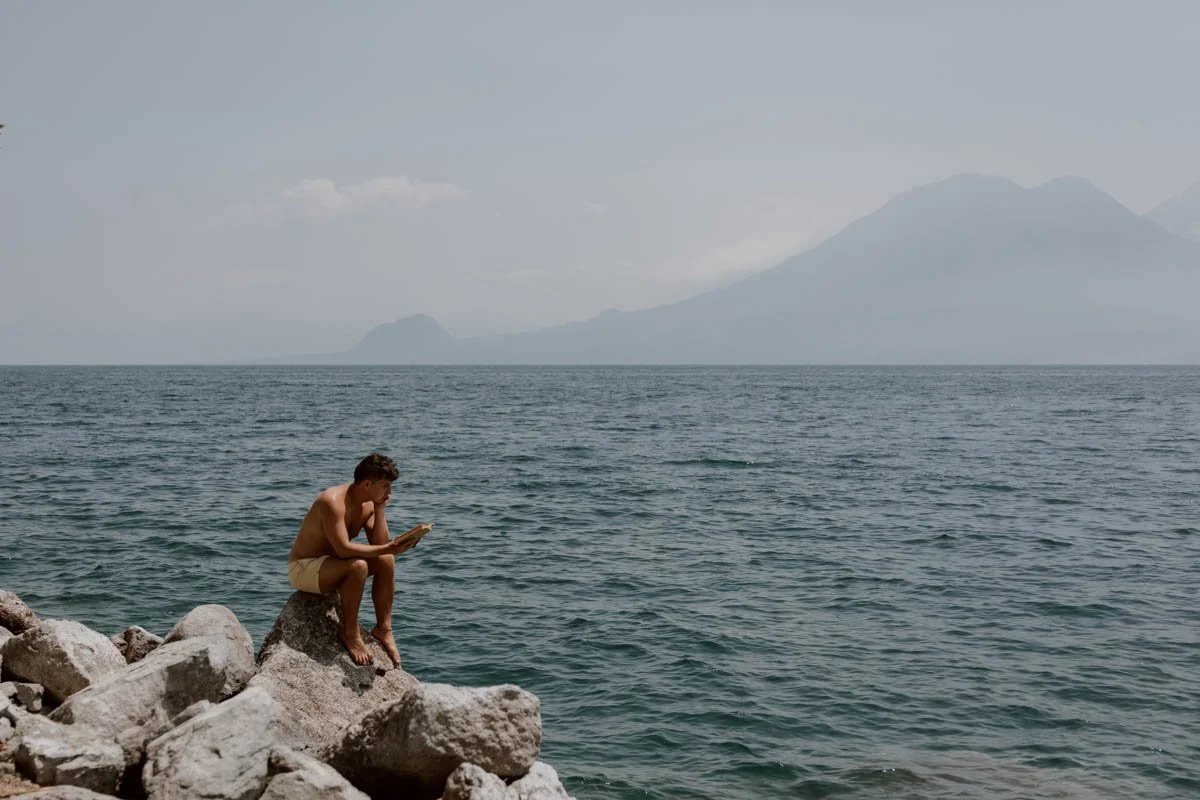
The most storied, famous, and beautiful body of water in Central America, there’s a secret to making the most of Lake Atitlán: forgetting, momentarily, that it's a lake at all.
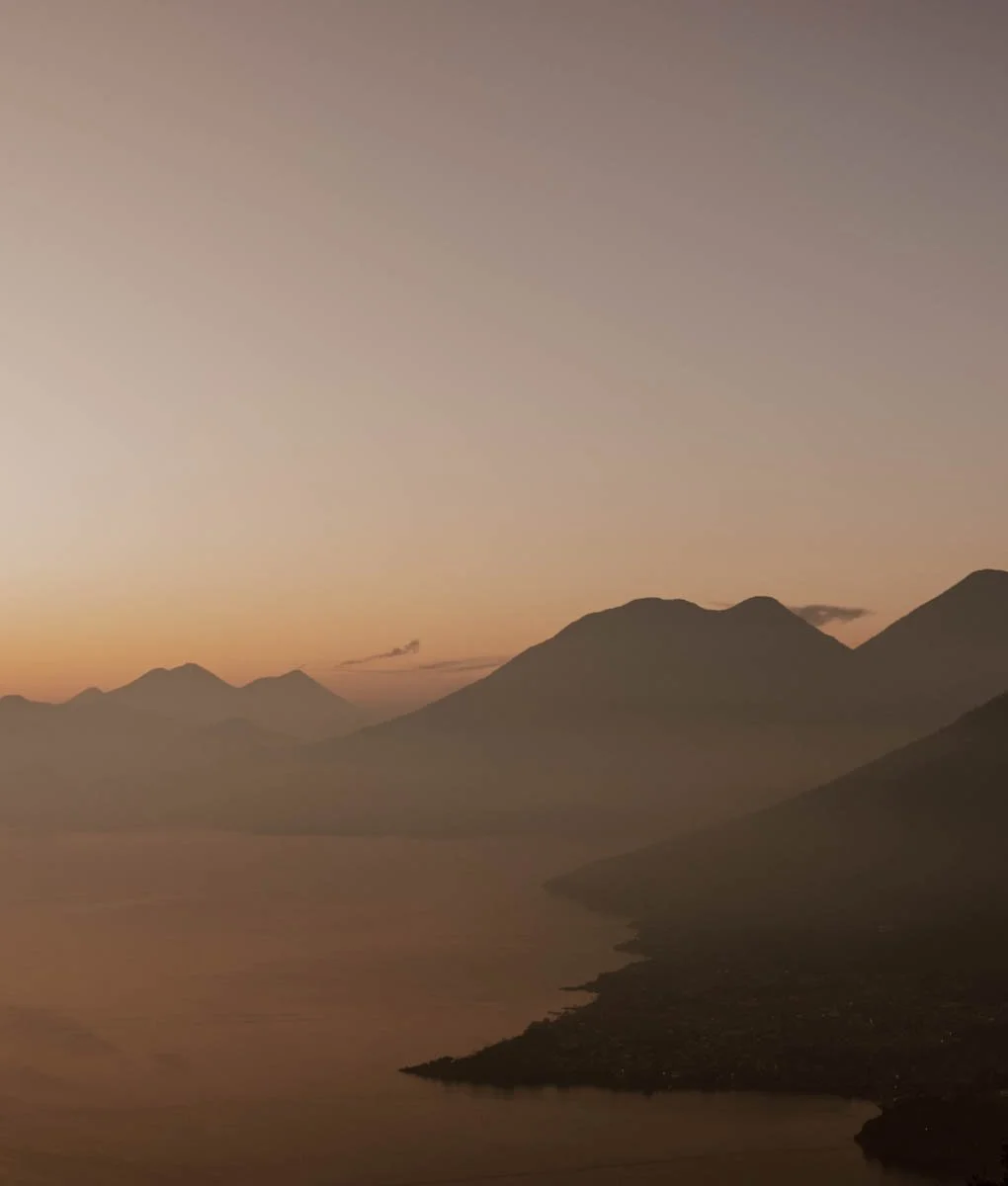
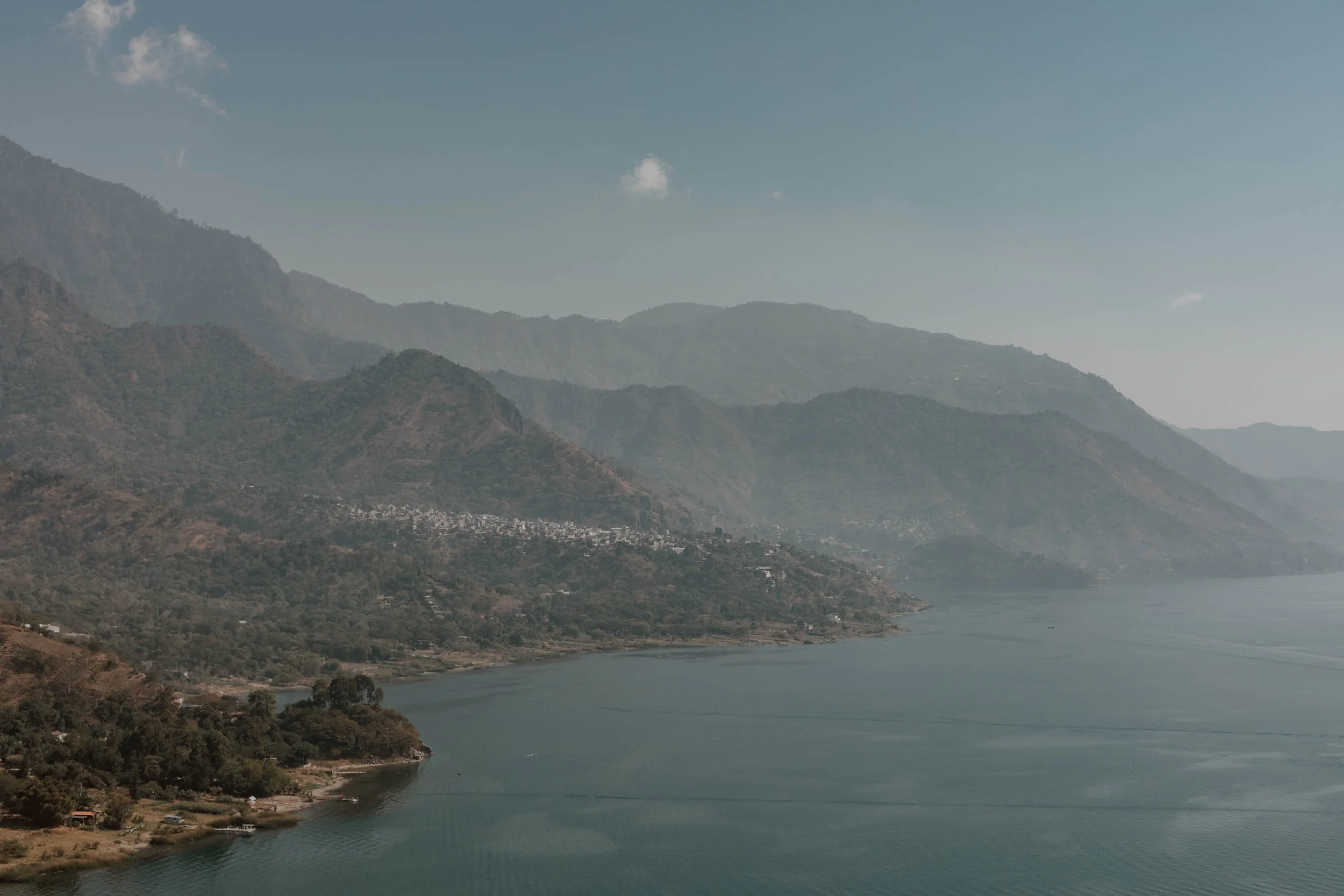
Formed thousands of years ago within the crater of a volcanic eruption, Atitlán is ringed by three stoic volcanic guardians and stark, steep hills and valleys. Its deep high-altitude waters, covering an area bigger than Paris or San Francisco, are imbued with much spiritual significance by the indigenous communities that live on the shoreline.
It is sort of a microcosm of Guatemala, and Aldous Huxley was on to something when he called it “too much of a good thing”.
When planning time there though - which can range from a few days to a few lost weeks - many misunderstand that it isn’t just one destination: it’s a body of water, it’s an impossible cluster of volcanoes, and it’s a collection of distinctive Maya-majority towns named after disciples.
Misunderstand this, rush it, or choose the wrong base, and frustration or disappointment are likely.
Arrive with patience, time and curiosity though, and you may just find your happy place.
From weavers to woo-woo shamans, lake swimming to language schools, coffee farms to chain-smoking saints, and boozey nights to breathwork retreats, the communities spread out along the shores of Lake Atitlán offer every sort of experience to a traveller - all framed with one of the best backdrops for which you could possibly conjure.
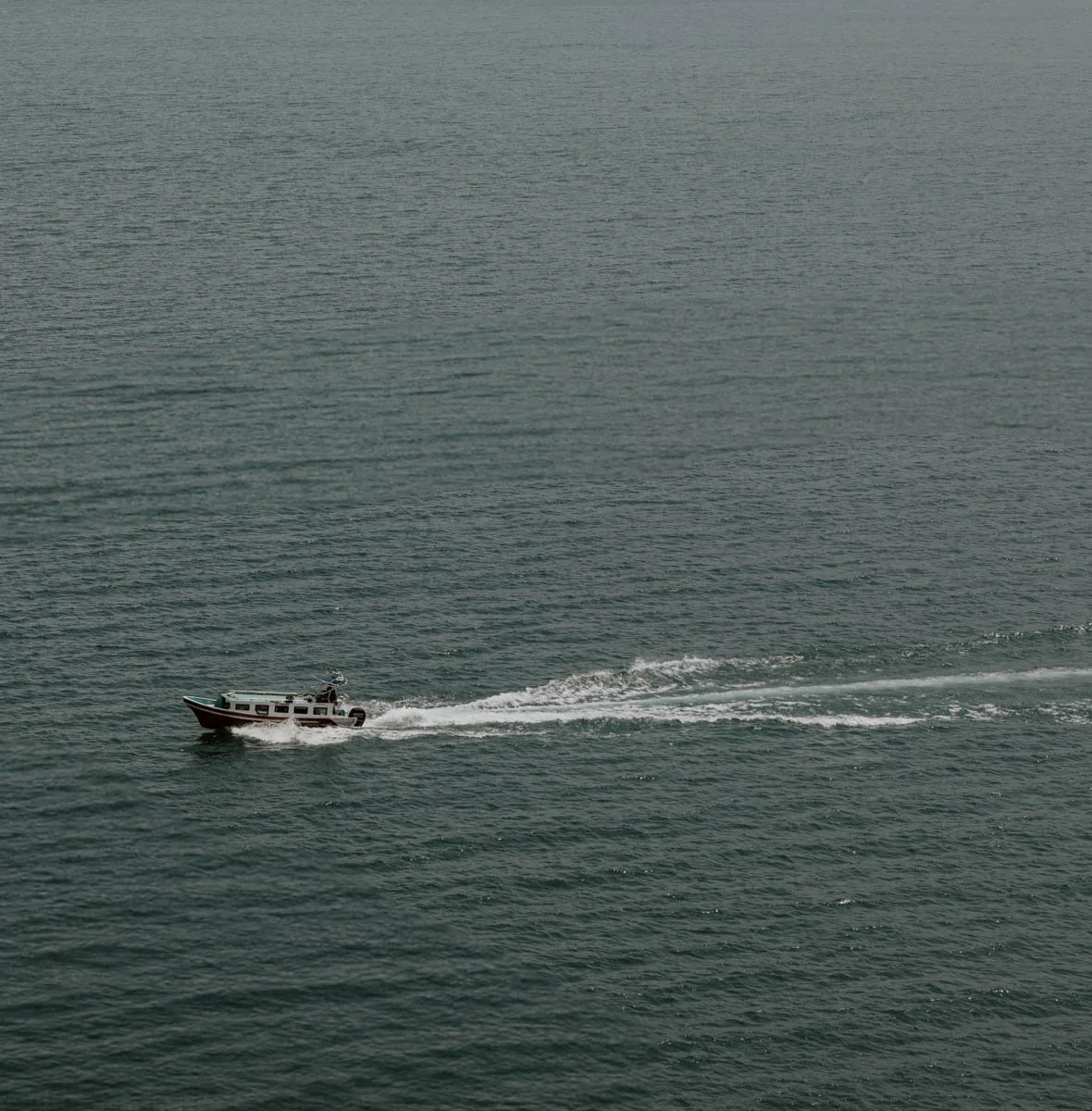
Know | Official and unofficial low-slung fibreglass boats zip along and across the lake ferrying locals and travellers from town to town; these are going to be your main mode of transport, with perhaps the occasional tuk-tuk or trail. We’ve written this short explainer to the Lake Atitlan boats to help you prep on costs and connections.
Book | If it’s got availability, backpackers should try to get a spot at La Iguana Perdida hostel, whilst those with a bigger budget have to reserve early for stays at the social-media favourite of Casa del Mundo
Tip | The Indian Nose - so-called as its profile is said to resemble the face of a reclining Mayan man - offers a truly unforgettable sunrise view. Due to ongoing security issues though, it’s advisable to head up there with a guided tour - this is the guided sunrise hike we recommend.
Stay | Choosing the right town(s) as your base is pivotal to a positive Lake Atitlan experience - we’ve shared everything you need to know and our other recommendations for guesthouses, hostels, and Airbnbs in this post: Where To Stay in Lake Atitlan
Plan // We have written a lot of Lake Atitlan guides, but the best place to start is 13 Wonderful Things To Do in Lake Atitlan.


7/
Explore the Ruins of Tikal
Long before it became Guatemala’s most significant archaeological site, Tikal was one of the great cities of the Maya world.
A political and ceremonial centre that shaped this region for centuries, the city rose to prominence during the Classic Maya period (AD 250–900), when powerful city-states dominated much of what is now northern Guatemala, Belize, and southern Mexico.
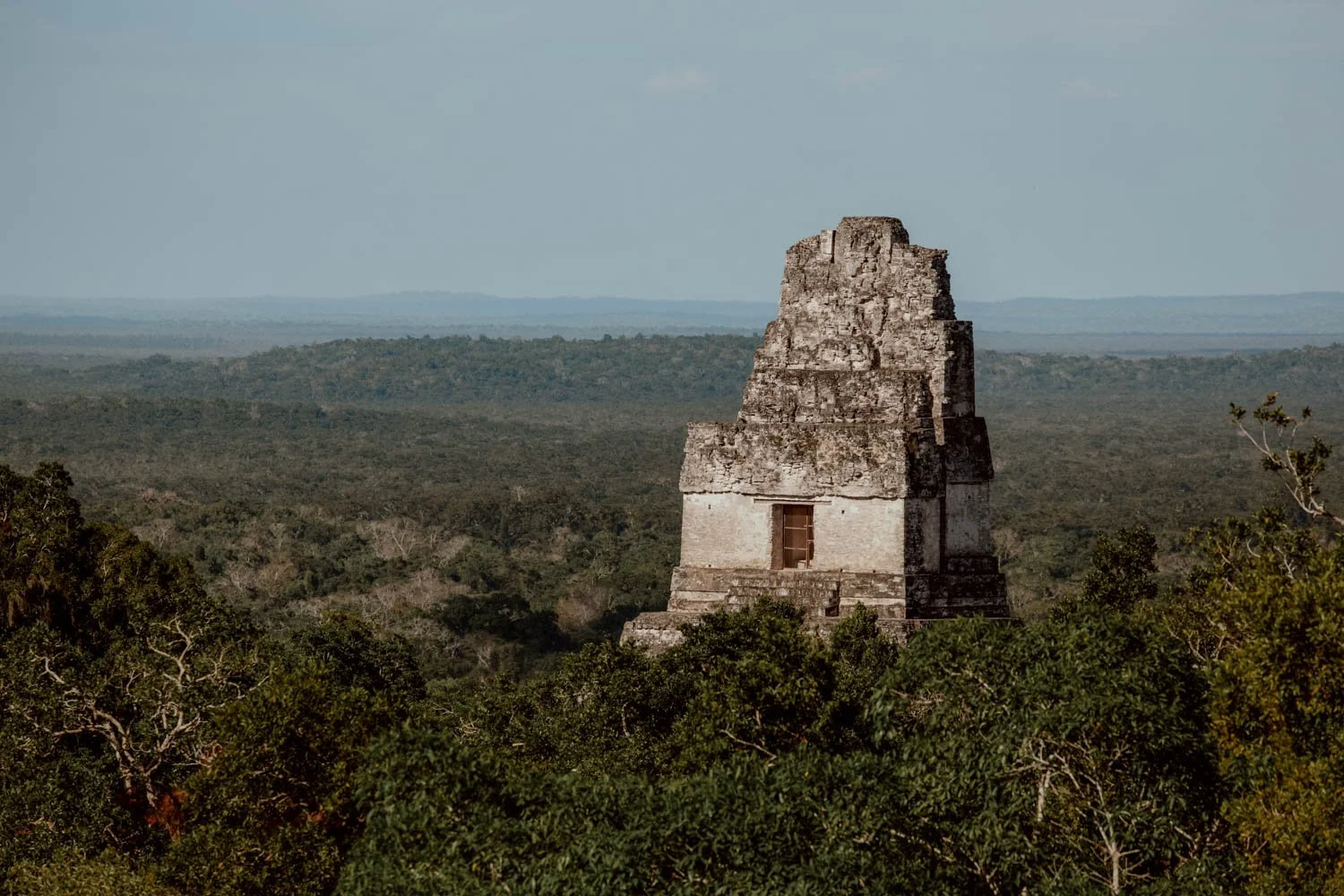
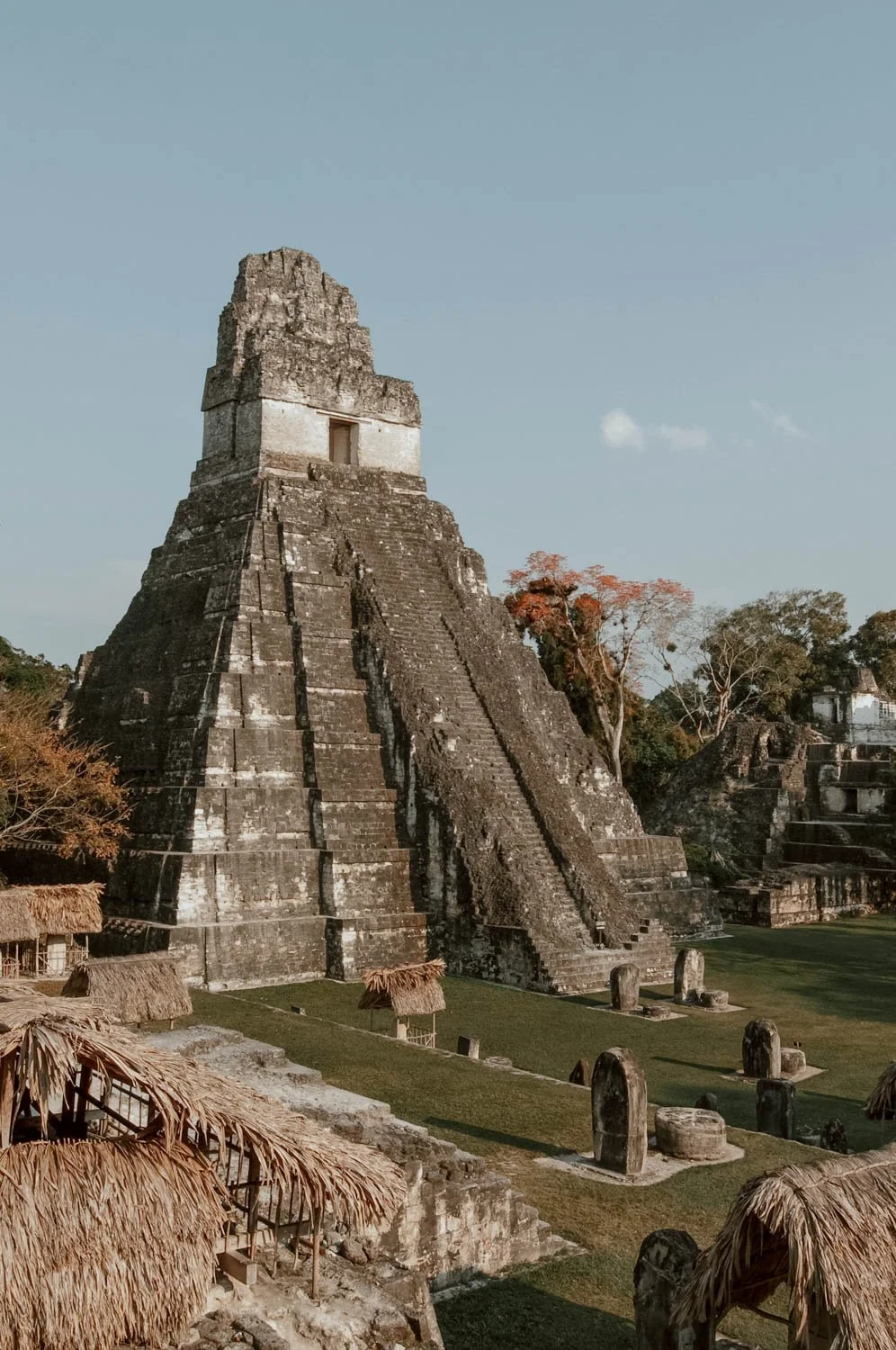
The Maya were not a single empire, but a network of rival powers linked by trade and shared belief systems, and Tikal sat at the heart. Walking through the Great Plaza and climbing the towering temples, built between the 4th and 9th centuries AD, you can feel the ambition of the city in every stone, the scale and alignment of the architecture guiding your gaze across open courtyards and into the jungle beyond.
Unlike many archaeological sites though, Tikal was never truly ‘lost'‘. Local communities always knew of its existence, even as the jungle gradually reclaimed it. The wider world only took notice in the mid-19th century, when explorers documented towering pyramids emerging above the forest canopy - structures so monumental they seemed implausible in such a remote setting.
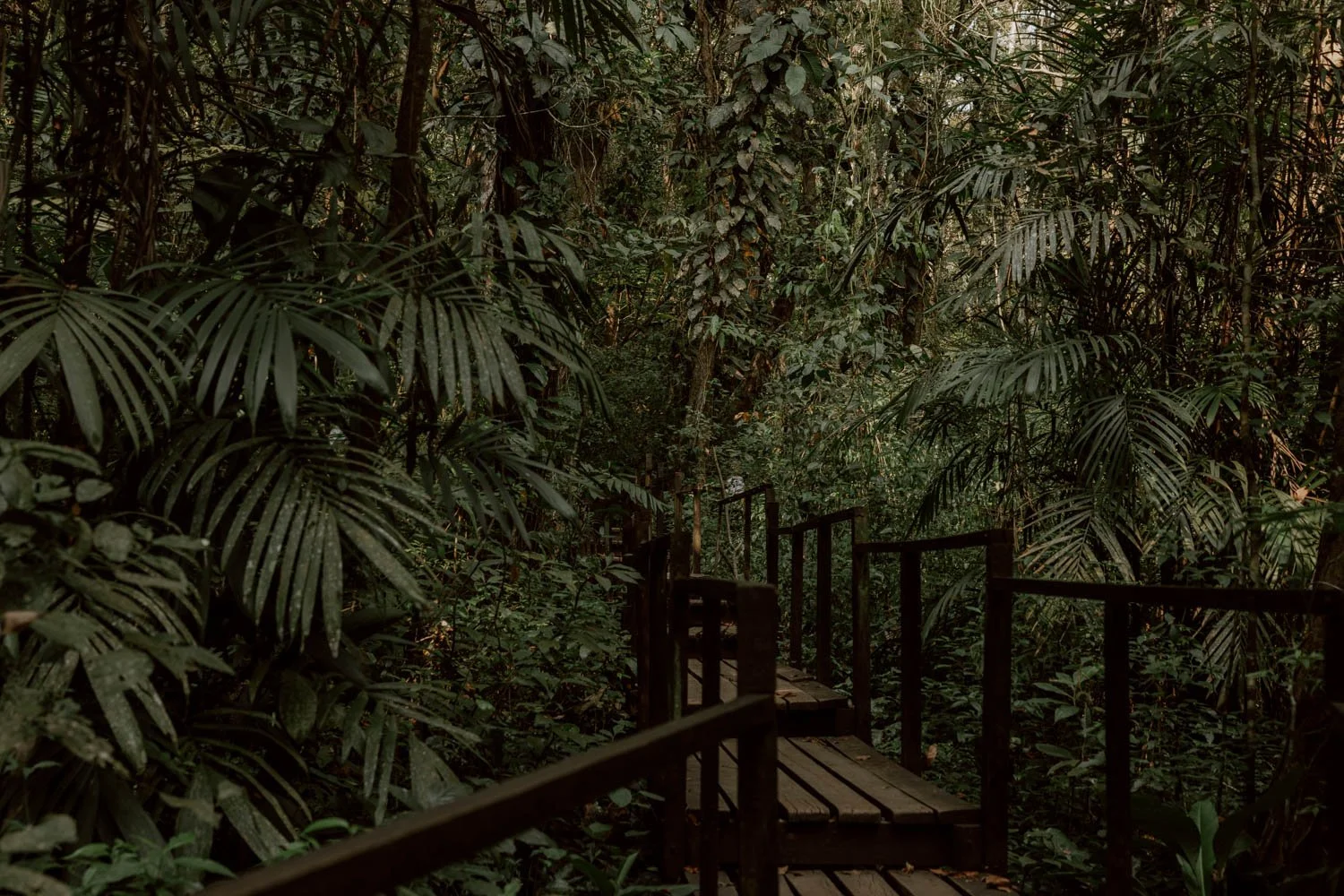
This jungle environment sharpens the experience of visiting the remnants of Tikal, with howler monkey roars across treetops, toucans flying overhead, and temples revealing themselves gradually as paths bend and narrow.
Few places let you walk among temples that have stood for over a thousand years while the jungle presses in around you, and that immediacy is why travellers make the journey to Tikal.
Know | Located near Flores in the far northeast of the country, just across the borders with Belize and Mexico, Tikal fits naturally into the route for travellers moving overland through Central America. For those visiting Guatemala as a standalone destination, it requires a little more intention and planning: you can fly from Guatemala City to Flores for speed, take a 6-8 hour shuttle bus, or do an independent overland route with public transport.
We’ve even met people who - crazily in our view - took flights up there from Guatemala City in the morning, visited the site, then came back the same day!
Budget | Tikal is one of the pricer things to do in Guatemala. The standard entrance ticket for international visitors is Q150 (about $20 USD), but you have to buy an additional Q100 / $13 ticket if you want to be inside for sunrise (4 - 6am) or sunset (6 - 8pm).
Book | For sunrise/sunset access, advance booking is required and fills up in high season. There are various websites pretending to be the official one, but the place to buy tickets in advance online is the government-run Boletos Tikal. Note that in order to visit at sunset or sunrise, you must be accompanied with a guide but you have to source one independently.
Whilst this may be frustrating for those travelling on a budget that want to see the ruins at their most photogenic, following our own personal experience of Tikal (one half of Along Dusty Roads has actually visited twice) we can confirm that a good guide really helps bring the ruins to life, offering context on Mayan dynasties and symbolism, and spotting wildlife you’d otherwise miss.
Whether you choose to join a sunrise tour or visit independently later in the day, this is an incredibly popular and highly-rated group tour - with departures from Flores throughout the day - that includes a guide and round-trip transport. They have a sunrise departure too!
Tip | Arrive as early as possible, even if you’re not doing sunrise: the heat, crowds, and tour groups build quickly, and the first hours of the day are when Tikal feels most atmospheric and manageable.
Stay | Those joining a day tour will be based in Flores (ideally for a few days as it’s a really lovely little town), and its location on the doorstep of one of Central America’s most famous archeological sites means there’s no shortage of accommodation. Backpackers will love Los Amigos, Hotel Casa Amelia and Casa Ramano are wonderful little guest houses (La Posada De Don Jose is a good option if you’re on a budget), and Hotel Casona de La Isla is a long-standing favourite.
Alternatively, do what Emily did first time round and take a shuttle to stay overnight within the park - it’s an incredible experience! She stayed in the popular Jungle Lodge Hostal, but Hotel Jungle Lodge Tikal is a wonderful (and slightly fancier) alternative, and widely considered the best place to stay in Tikal.


8/
Join A Spanish School
Way back in 2014, at the beginning of Along Dusty Roads and our two-year Latin America trip, we spent a couple of life-changing weeks at a language school in Guatemala; two weeks that set us on the course for a deeper understanding of a part of the world that would quickly become one of our very favourites.
If you want to travel better in Latin America, then having a decent level of Spanish is the difference-maker.
We’re still far from fluent, but without a steadily growing embrace of the Spanish language on our Latin American adventures, we never would have been able to chat with Bolivian taxi drivers about an upcoming election, learn the tragic stories of Colombia’s and Chile’s forgotten people, the reasons a poor farmer from Guatemala feels rich beyond words, or translate a Nicaraguan soldier’s tales. Our experiences have been made so much richer by our ability to speak meaningfully with those we meet, and not having to rely on tours, hostels and English-speaking guides has opened up these countries in a way that is impossible for those who never try.
For some, joining a Spanish school is actually their primary reason to visit Guatemala in the first place. It’s got a great reputation for this and is hands-down one of the best destinations for learning Spanish, and not just because it’s more affordable than other countries in the region. There’s an abundance of schools focussed on international students and travellers, one-to-one classes are the norm, short and longer courses offered, and the neutral Guatemalan accent is much easier to understand across the Spanish-speaking world.
The fact it means you can base yourself in one places for a week or longer is just la guinda del pastel.
You’ll find schools in Antigua, Xela, Lake Atitlan, Flores and elsewhere, but the most important thing is to choose a base that’s a good fit for your interests and travel style as well as your learning. Many also offer homestay packages with local families, which would add an entirely new dimension to both your learning and cultural immersion.
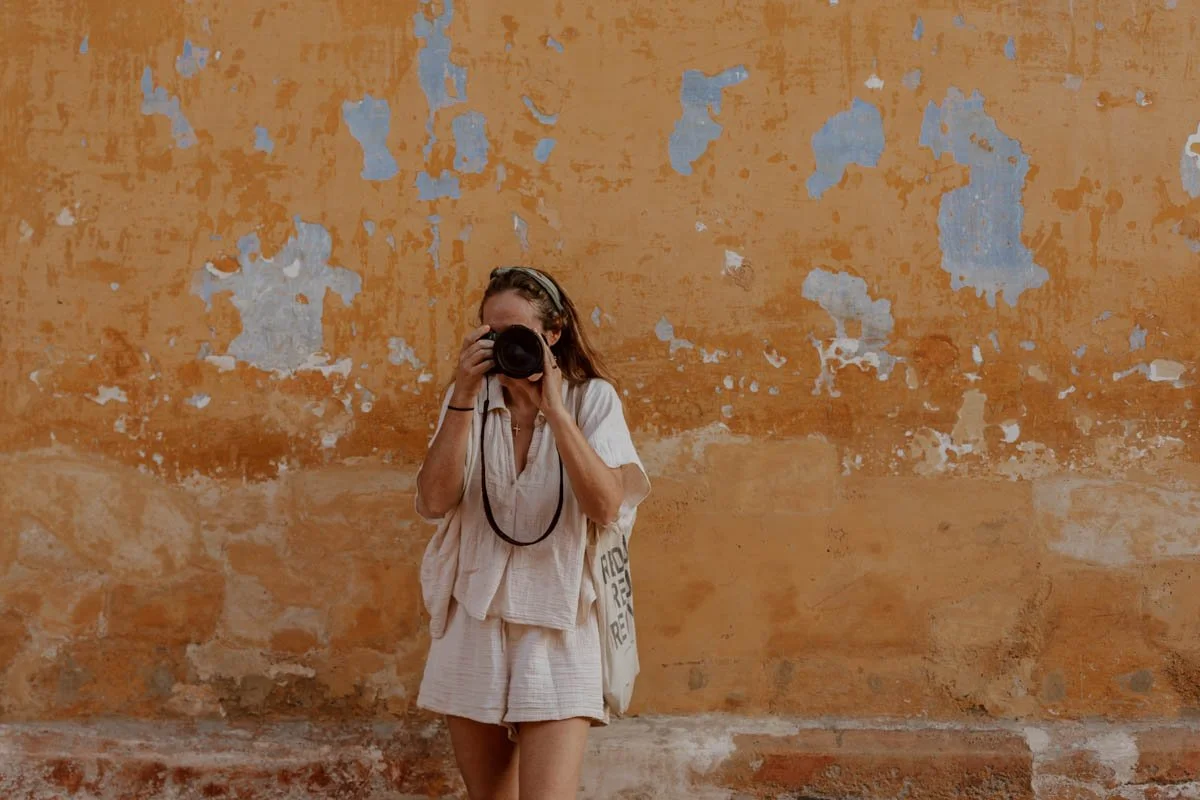
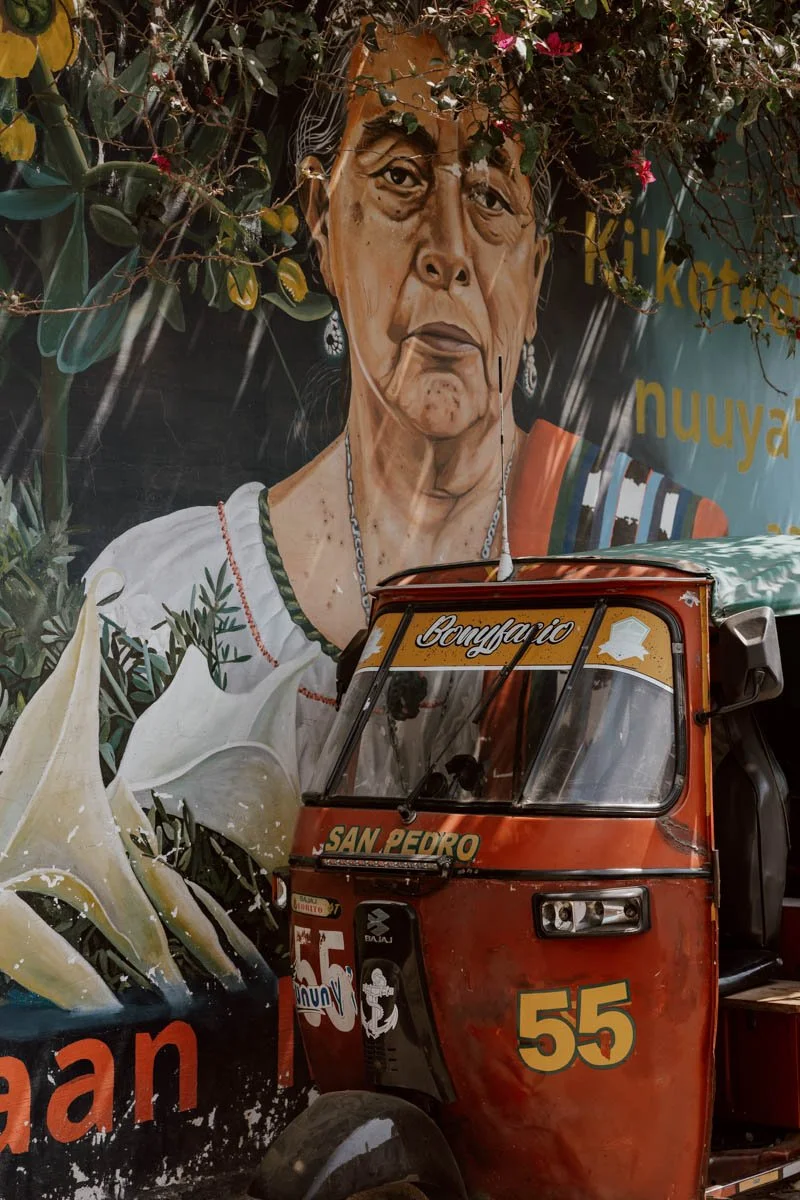
Know | Spanish is the official language, but Guatemala is also home to 21 Mayan languages, plus Xinca and Garífuna, and many communities use their ancestral languages alongside Spanish. Whilst not official in the same legal sense, these indigenous languages are recognised as ‘National Languages’ and protected by law.
Budget | A one-week Spanish course in Guatemala typically includes 15–25 hours of tuition and costs $130–$200 USD, with the price varying by school, course type, and intensity.
Tip | If you don’t have the time or inclination to join a school, then we still recommend spending a little time getting the basics down before you arrive (or whilst you’re on the road). There are so many options these days - podcasts, YouTube teachers, online lessons, music and movies - but we personally use and recommend the little-known Michel Thomas method. It’s audio-only, doesn’t require notes, and is far more effective than Duolingo if your goal is to start speaking - not just play on your phone.
We rate it so munch that we asked them for a discount, and you can get 30% off if you use MTMADR at check-out.


9/
Ride The Chicken Buses
There’s absolutely a place for shuttle buses on shorter visits or to cut down some convoluted journeys, but on our last trip to Guatemala we were really troubled by how few travellers we saw on its ‘chicken buses’ in comparison to previous trips.
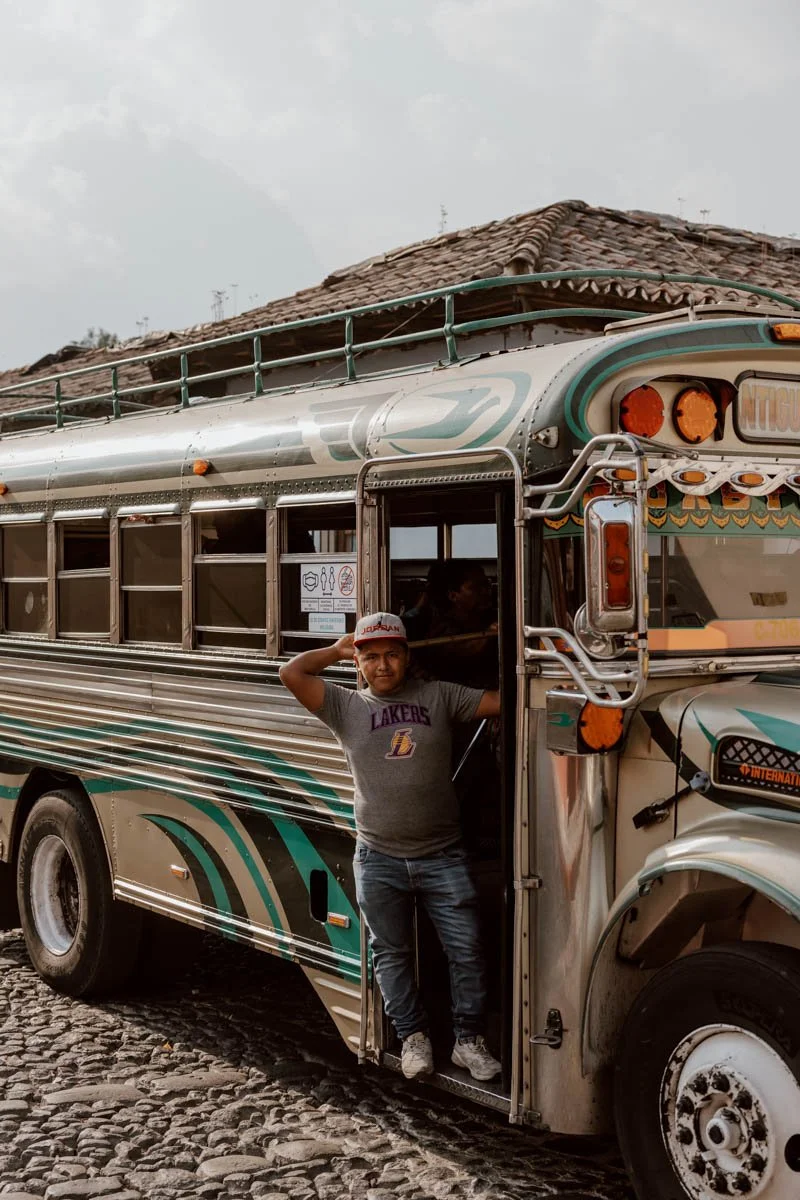
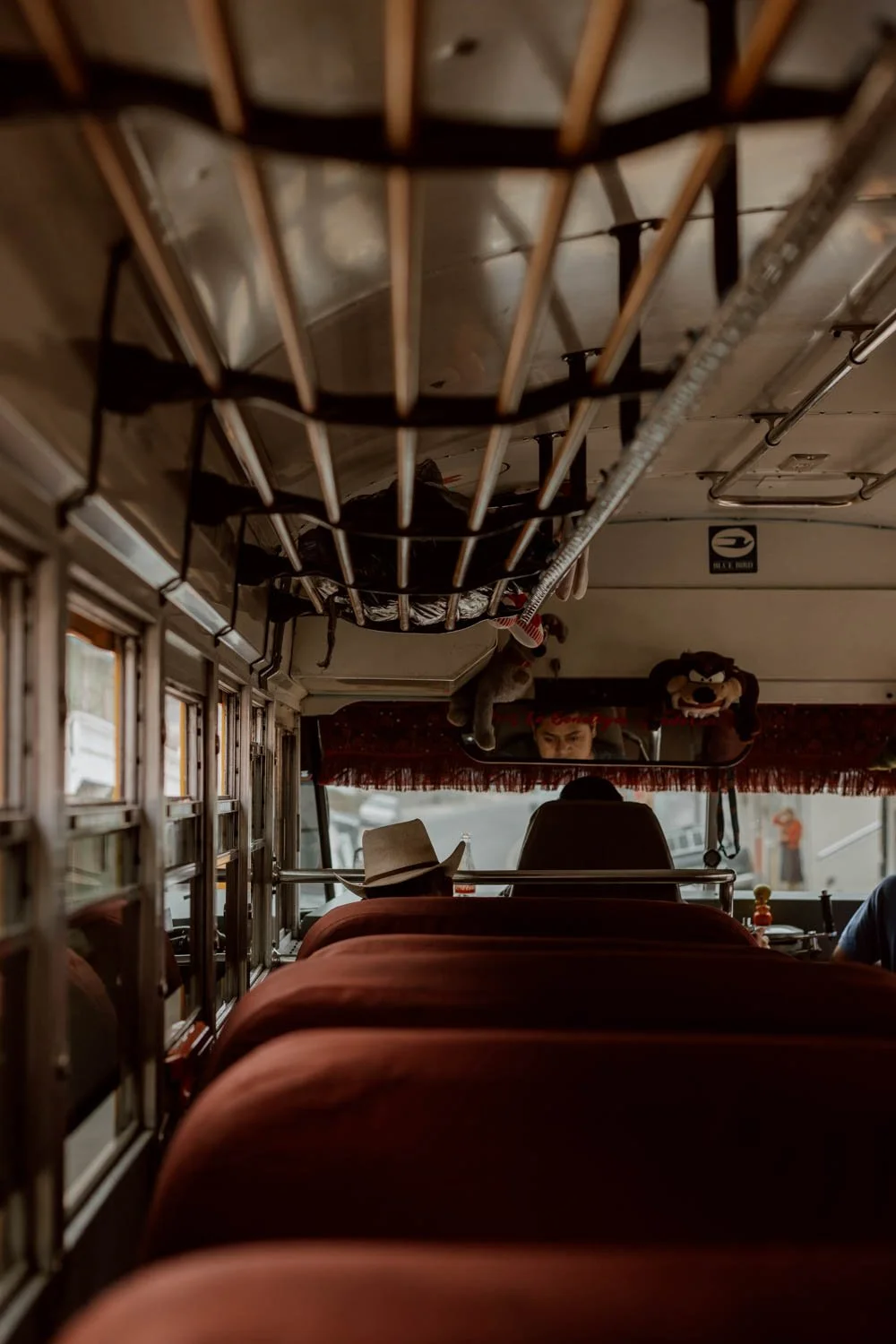
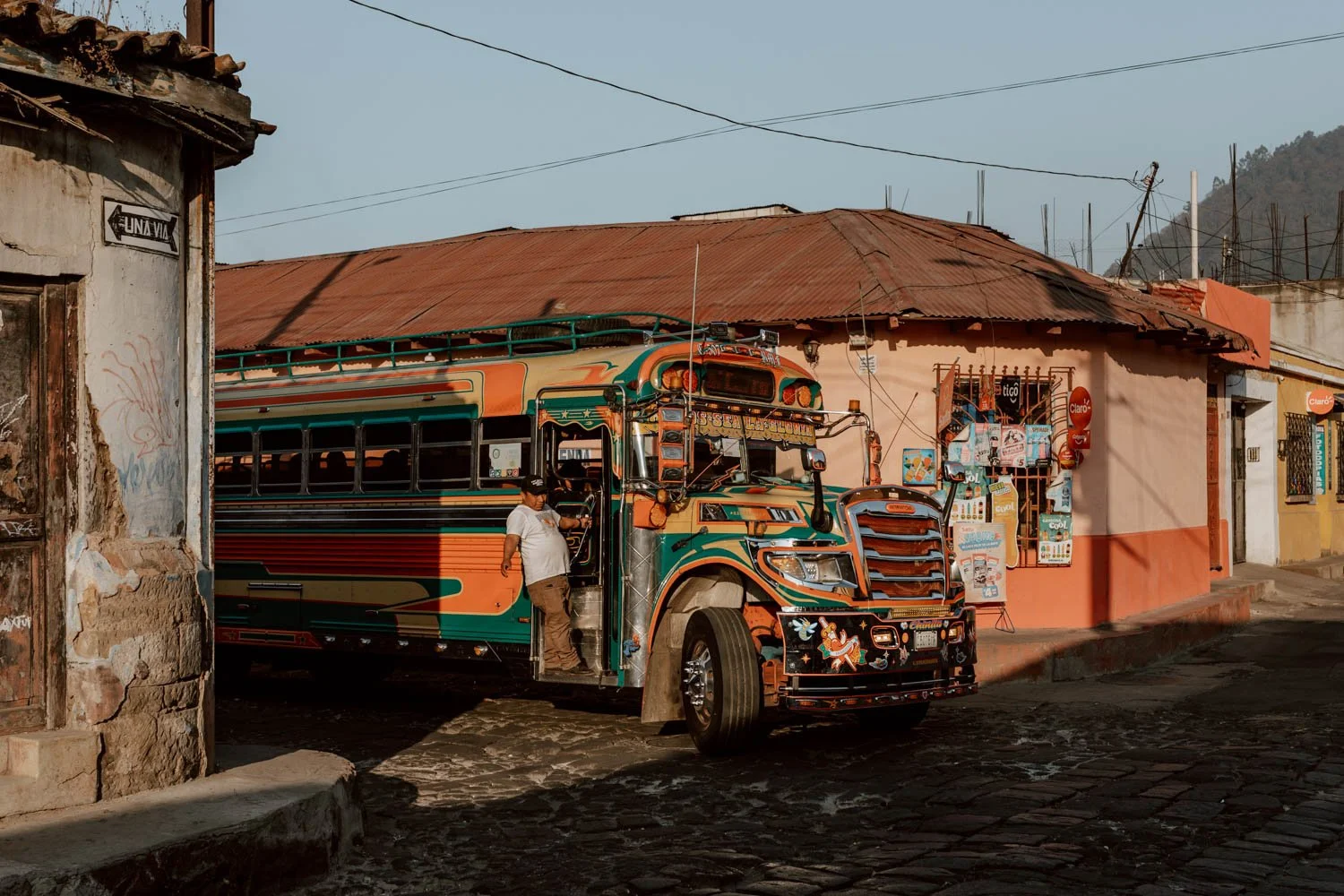
These old American and Canadian school buses are sold at auction once they reach around ten years or 150,000 miles, then driven south for a second life on Guatemalan roads. There, they receive quite the glow-up: overhauled with bigger engines, repainted in vivid colours and personalised inside and out with everything from bible phrases and religious murals to sexy lady stickers and superhero spray-painted jobs, chrome trim and neon lights, and the obligatory booming sound systems that pumps out reggaetón, salsa, norteña, and all manner of ballads from the ‘80s (we have a playlist dedicated solely to songs we’ve Shazaamed on them!)
Why on earth wouldn’t you want ride a bus like that?!
Ok, road safety may not always be at the forefront of drivers' mind, there’s no such thing as full, and you may be paranoid about your backpacks falling off the roof but almost every journey is memorable. The shuttles are way more expensive and just full of other tourists, whist getting around Guatemala with these pimped-out local buses offers so many more interesting insights and a great opportunity to see a different side of this country's vibrant culture.
It also allows you to find out just how many adults can fit on a seat created for two small children.
We travelled exclusively with them for two months on our first trip, and for about 80% of our journeys on the most recent one, with zero issues to report on both!
So, whilst the journey may be cramped, chaotic, and you may be overcharged, it will always be more memorable - give them a go!
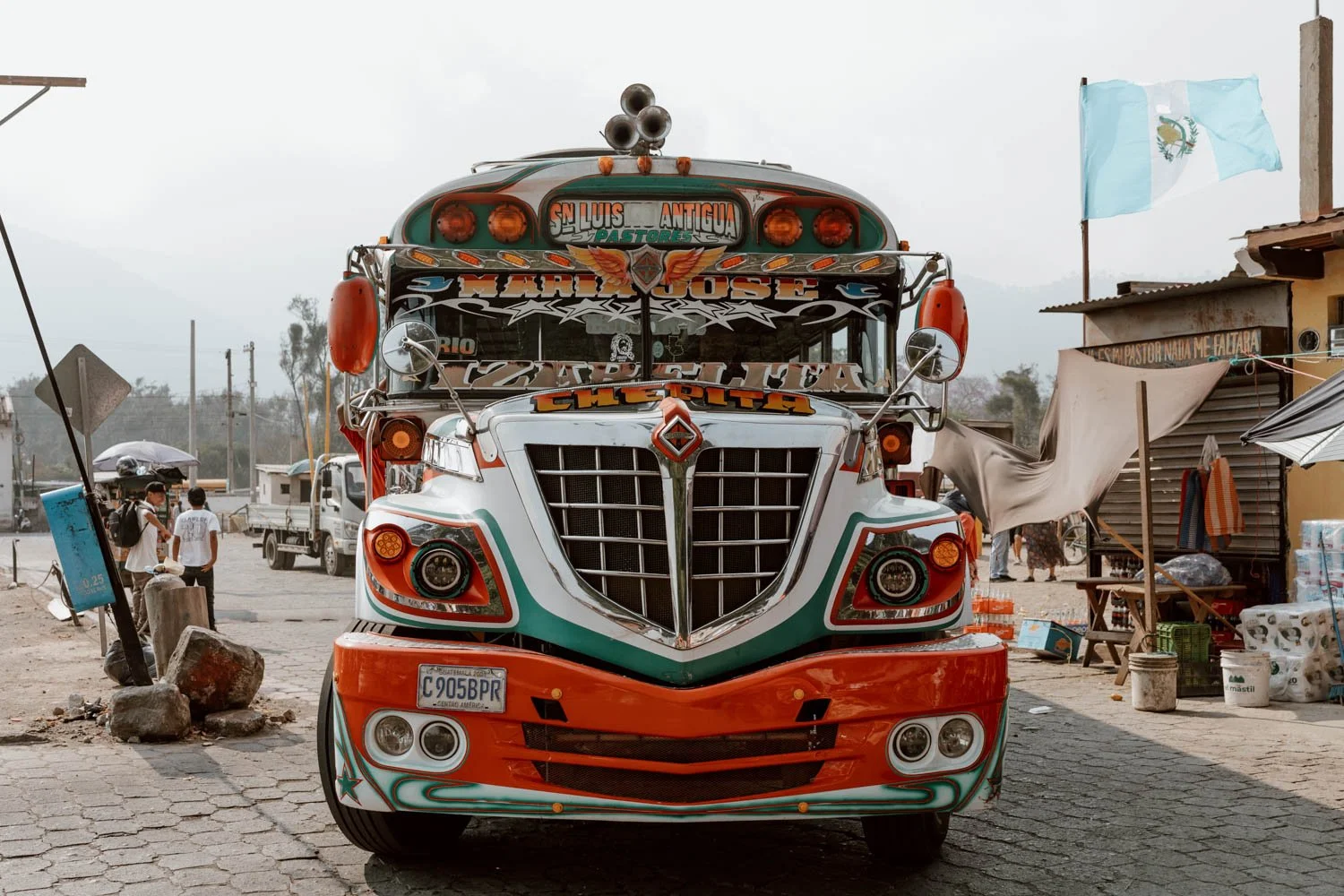
Know | Locals don’t call them ‘chicken buses’ - that’s the tourist moniker - and they’re just regular buses here (or camionetas). Chicken-sightings are also disappointingly rare these days.
Book | You don’t have to book anything; just go to the bus station or wait in the right place on the street and pay during the journey. For those trips with too many connections, or where a shuttle bus will shave hours off, we recommend looking + booking shuttles on Guatego.
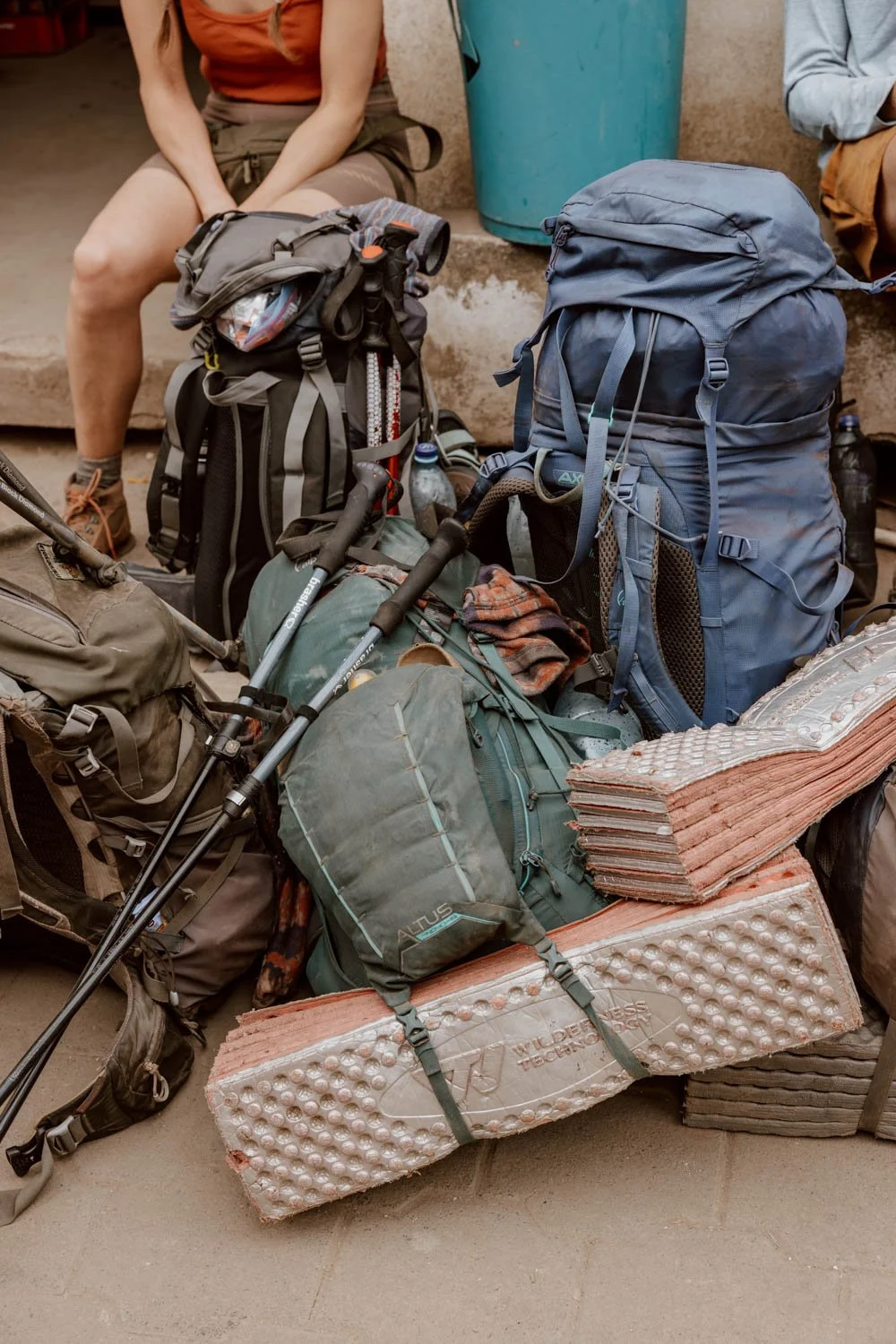
Tip | Your big backpacks (don’t travel Guatemala with a suitcase) will either go up on the roof or wedged in at the back of the bus - it’s a good idea to put your rain cover on them to prevent easy access, stains, or anything falling out.


10/
The East Coast: Río Dulce and Livingston
For most travellers, Guatemala is highlands, volcanoes, and colonial towns, but the east coast offers something very different.
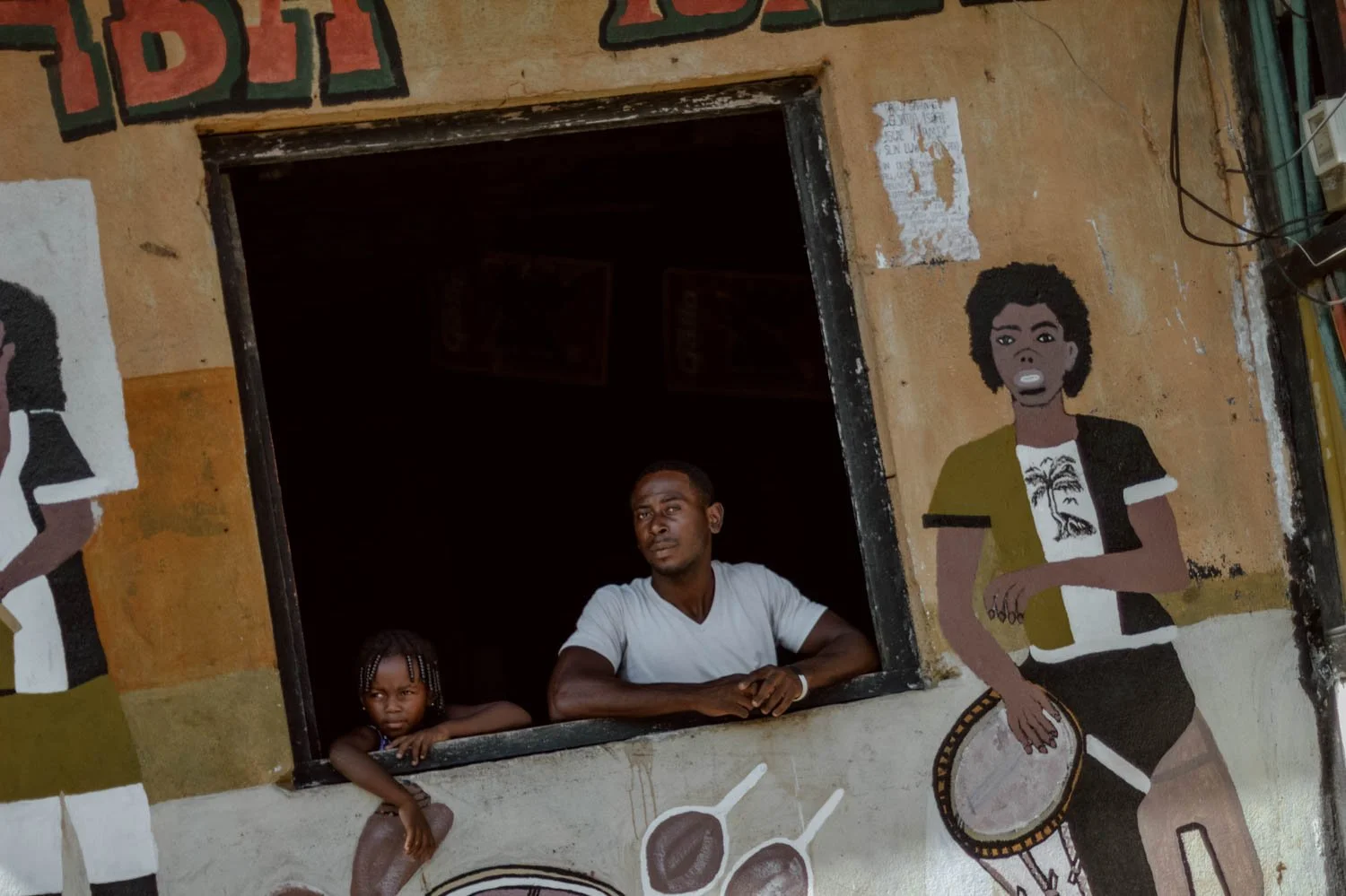
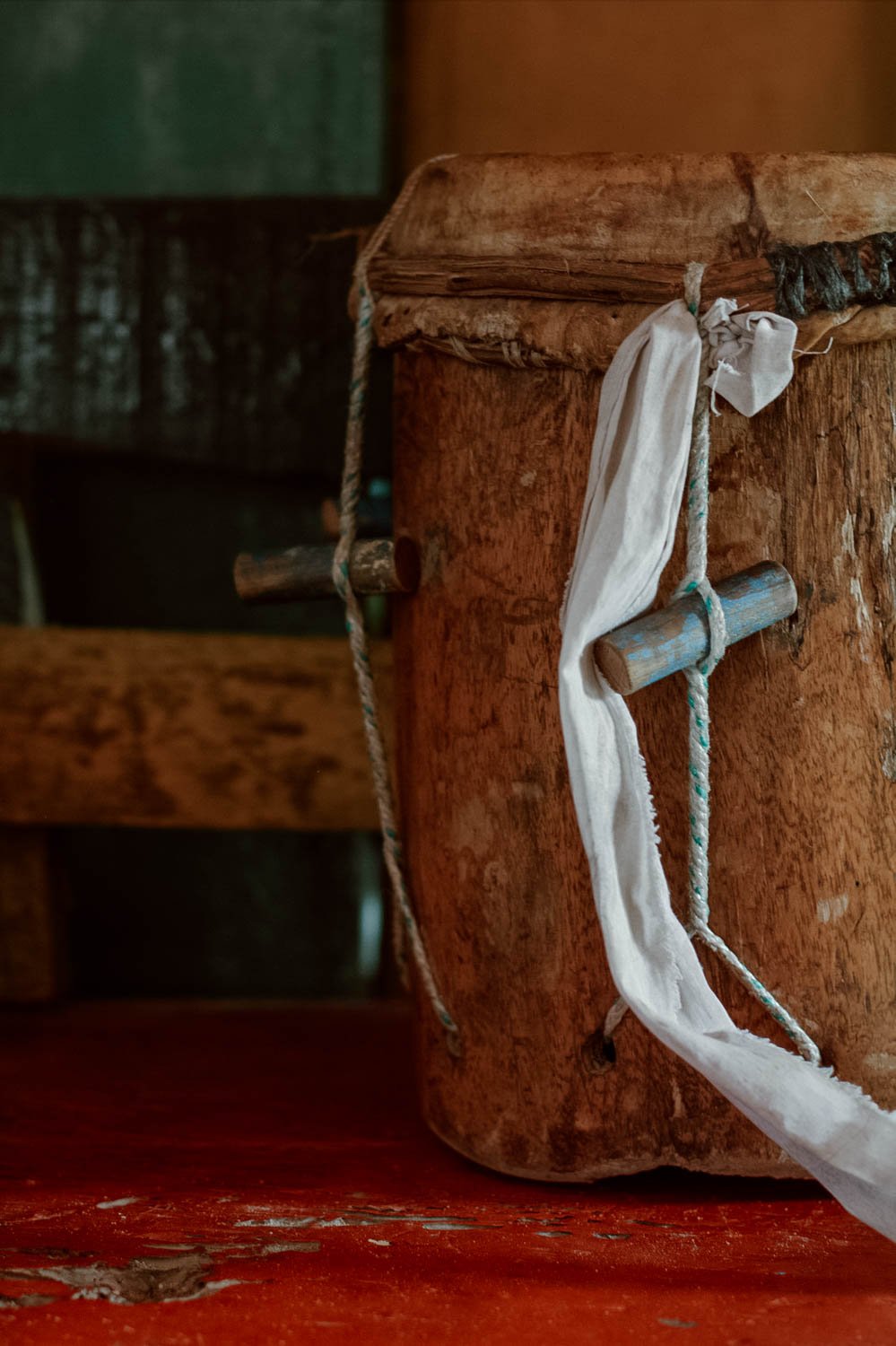
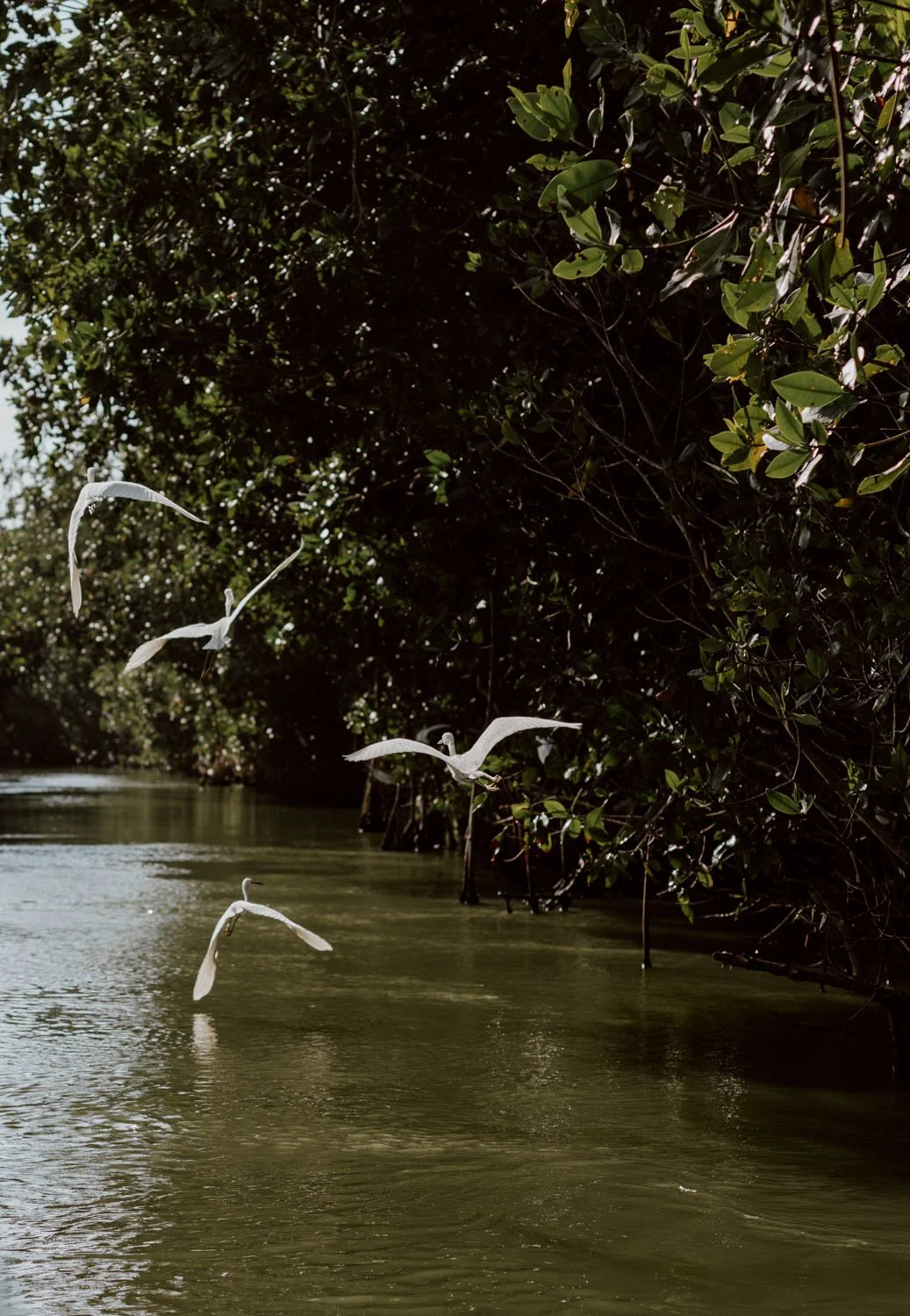
Here, the landscape opens into wide rivers, dense mangroves, and the area is home to the Garífuna people - an enduring set of survivors who escaped the slave trade on countless occasions - whose Afro-indigenous heritage, language, and music contrast with the Maya communities found elsewhere in the country.
Wander around the streets in Livingston, and dreadlocks will be a more common sight than the colourful Maya dresses seen across much of Guatemala’s highlands.
Why go? Río Dulce is a haven for nature lovers and slow travellers alike: small boats thread through jungle-lined waterways, past floating villages and hidden waterfalls, while lodges tucked along the river offer quiet escapes. Livingston itself hums with reggae rhythms, seafood stalls, and brightly painted streets, giving visitors a chance to experience a unique culture, cuisine, and way of life found nowhere else in Guatemala.
Whether you’re navigating the river, sampling the local cuisine, or simply watching the sun set over the mangroves, this corner of the country rewards those willing to step off the usual route.
Know | Getting to Livingston is half the adventure. Most travellers arrive by boat from Río Dulce, winding through lush rivers, mangroves, and tiny riverside villages.
Tip | Don’t leave Livingston without trying topado. The Garífuna seafood stew of with coconut, peppers, and plantain is genuinely delicious!


11/
Volcano Hikes & Epic Sunrise Missions
As we’ve already hinted, Guatemala is stuffed to the brim with volcanoes - 37 to be precise - thanks to its location on the Ring of Fire.
Not the Johnny Cash one.
They shape daily life here as much as they shape the skyline - rising behind market towns, defining horizons around Antigua, and feeding the fertile soils - and are as intimidating as they are beguiling. Your itinerary could feasibly revolve around just how many you can summit or squeeze into a month!
For travellers, their ubiquity translates into unusually direct access to some proper experiences, often within a day or two of arriving in the country: watching eruptions pulse through the night, (possibly) roasting marshmallows over lava, setting off in darkness to reach a summit for sunrise, or witnessing sacred Mayan ceremonies at 3,500 metres above sea level.
This is why we say hiking boots are mandatory, even if you swear you’re ‘not really a hiking person’.
Layers are also a very, very good idea.
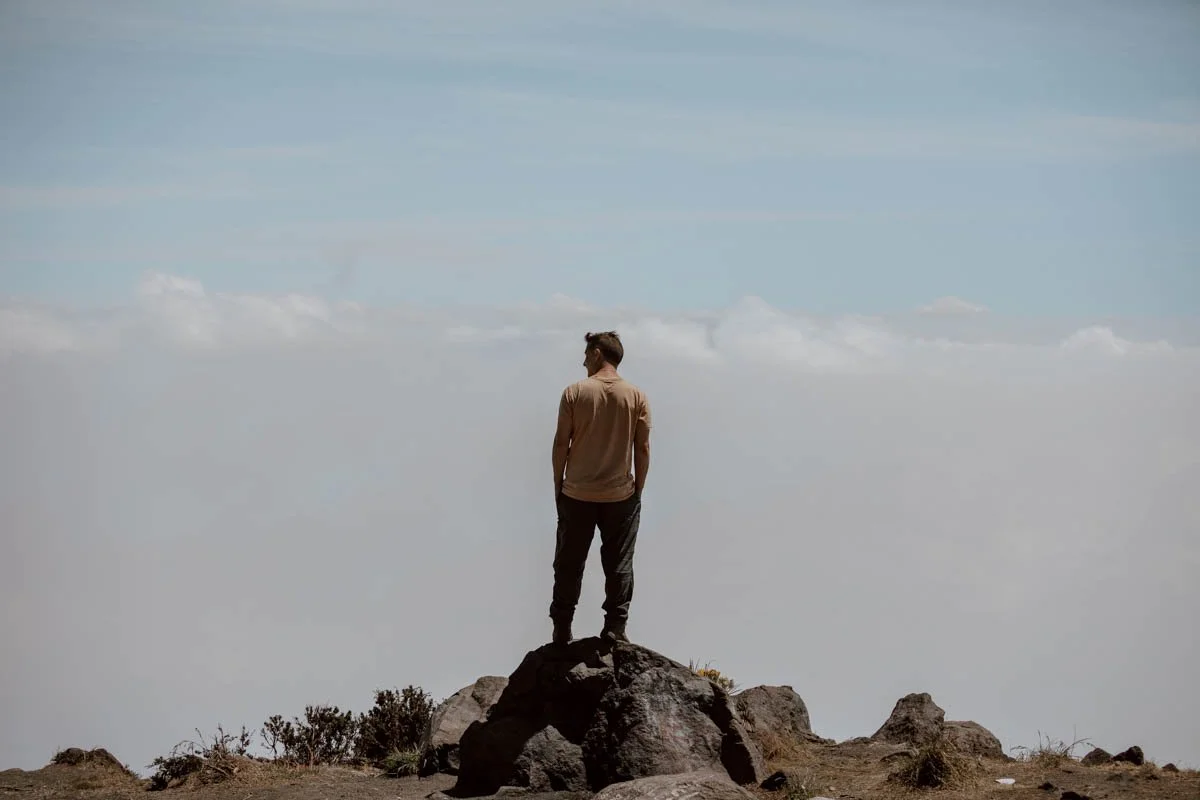
But not all volcano climbs in Guatemala are created equal: some are straightforward half-day outings suitable for first-timers and families, while others demand altitude acclimatisation, guides, permits, camping, experience, and an alarm set deep in the night. A few also persistently remain off limits due to security issues.
The overnight on Acatenango Volcano, as discussed, steals most attention and footfall these days, but there are several others you really should also be considering whilst in the country! These are the volcano hikes we’ve done over the years there, and the links lead to our specific trail guides:
· Pacaya | this active volcano outside Antigua offers a manageable intro and acclimatisation hike
· Tajamulco | it’s 2 days / 1 night enjoy an epic sunrise from the highest peak in Guatemala and all of Central America!
· Santa María | outside Xela, this hike above the cloud kicked our arses
· Chicabal | an easier walk to a very important, spiritual place for the Mam-Maya
Travel Tip // The best piece of kit you can bring for your travels in Guatemala and elsewhere in Central America? A filter bottle. Tap water isn’t safe to drink here and instead of contributing to the endless parade of tourists relying on single-use plastic bottles - most of which won’t be recycled - we brought our trusty Water-to-Go filter bottles. They’ve been an essential piece of our travels for the last seven years and we only have positive experiences.
It’s got a magic built-in filter that removes 99.9999% of contaminants - bacteria, viruses, even microplastics - and it works instantly.
No boiling, no tablets, no waiting around. Just fill it up and drink. Simple.
Beyond the hydration and convenience, these have honestly saved us a fortune on bottled water while travelling, and cut down massively on plastic waste.
We use and recommend the 750ml Active bottle: head to the Water-to-Go website and use the code ‘ADR15’ at checkout for 15% off, or buy one here on Amazon.


12/
Celebrate The Maya & Indigenous Culture
One of the clearest reasons to travel in Guatemala is its thriving Maya culture, visible and vibrant in a way that sets the country apart in Central America.
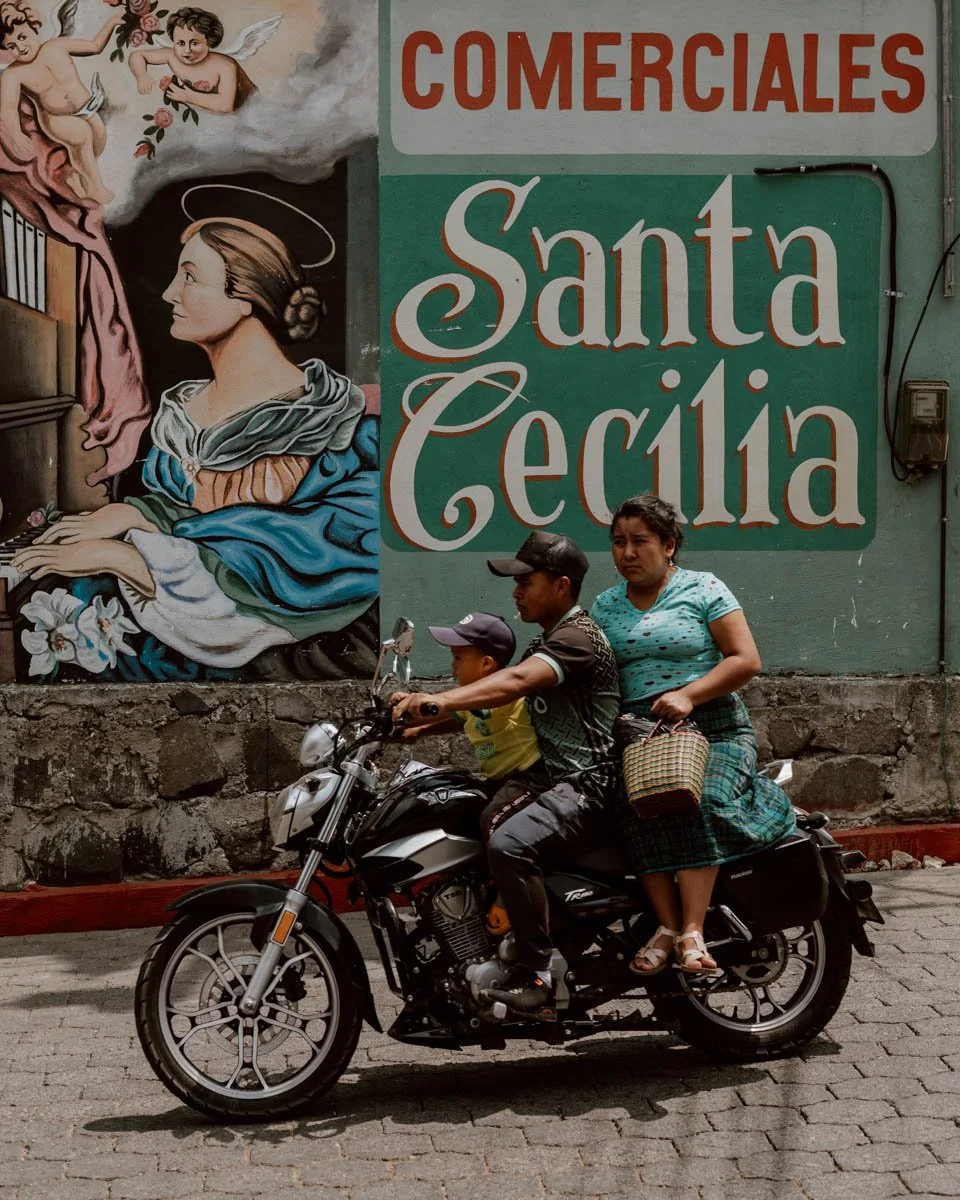
Nearly half the population identifies as Maya, spread across more than 20 distinct groups, each with its own language, traditions, and history, from K’iche’ and Q’eqchi’ in the highlands to Tz’utujil and Mam around the lake regions. For the visitor, the prevalence of traditional dress that signals community, lineage, and identity is the most striking and visible aspect.
The Maya endured the Spanish colonial period, which brought conquest, forced labour, violence, and the imposition of new religious and social structures. During Guatemala’s 36-year civil war (1960–1996), state forces - including the military and government-backed paramilitaries - specifically targeted Maya communities, carrying out massacres, human rights abuses, and forcibly displacing hundreds of thousands, actions later recognised by UN-backed investigations as acts of genocide.
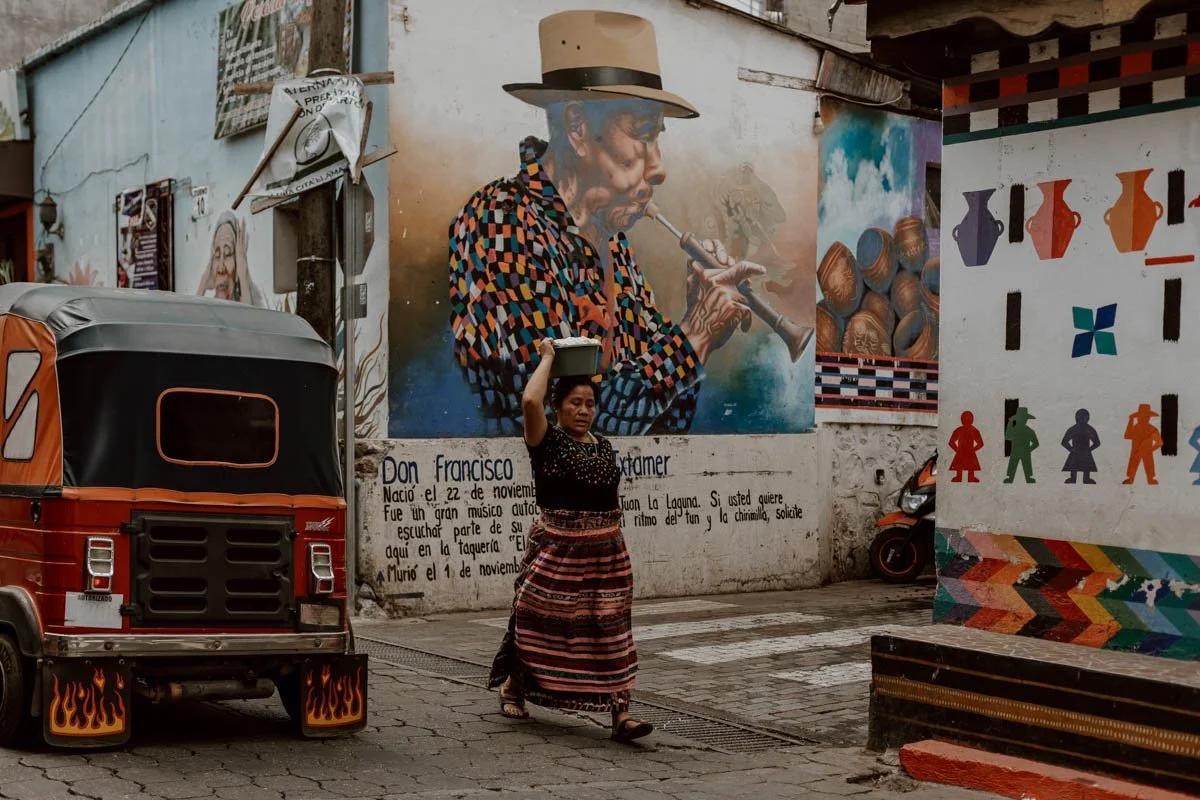
Yet, they have endured, as well as preserved language, customs, and weaving traditions. Their resilience is why Guatemala today has one of the most visible, diverse, and thriving Indigenous cultures in the Americas.
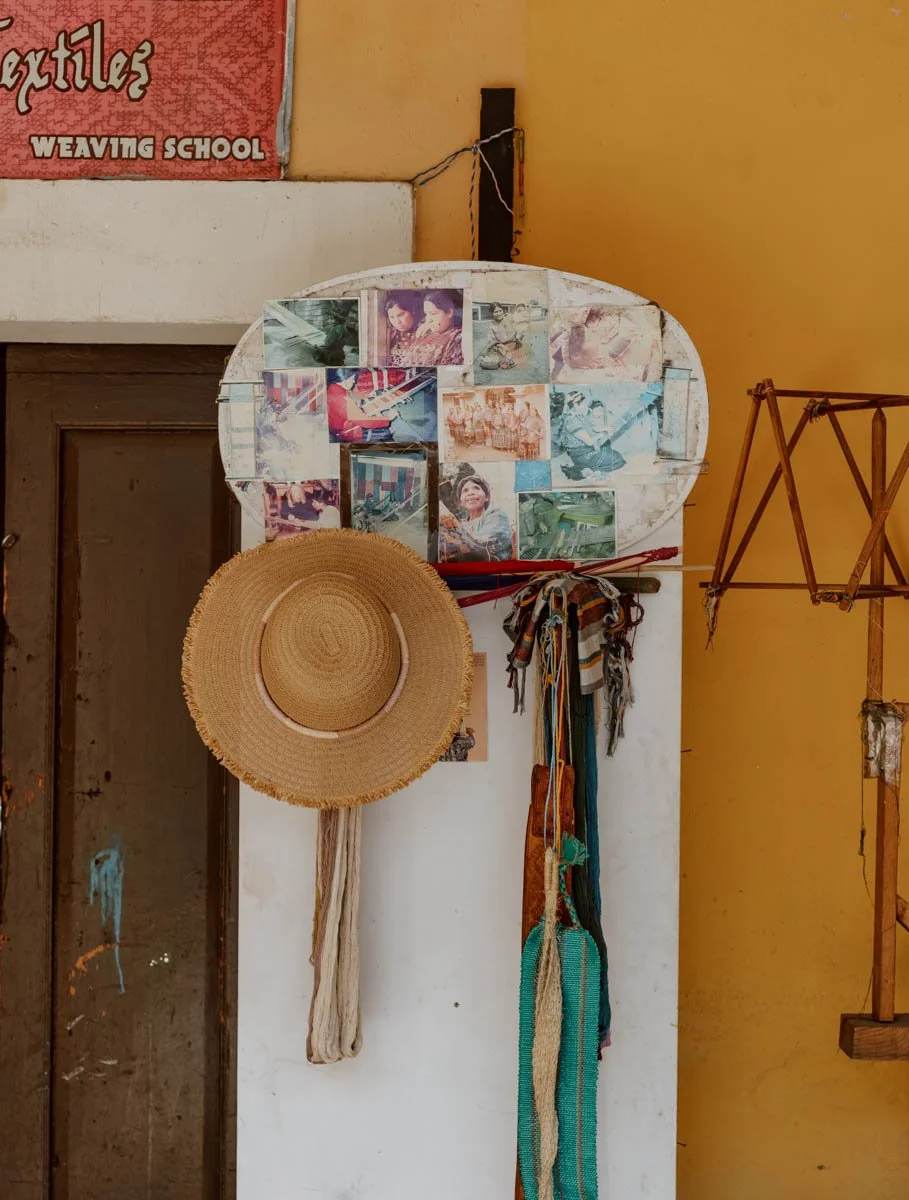
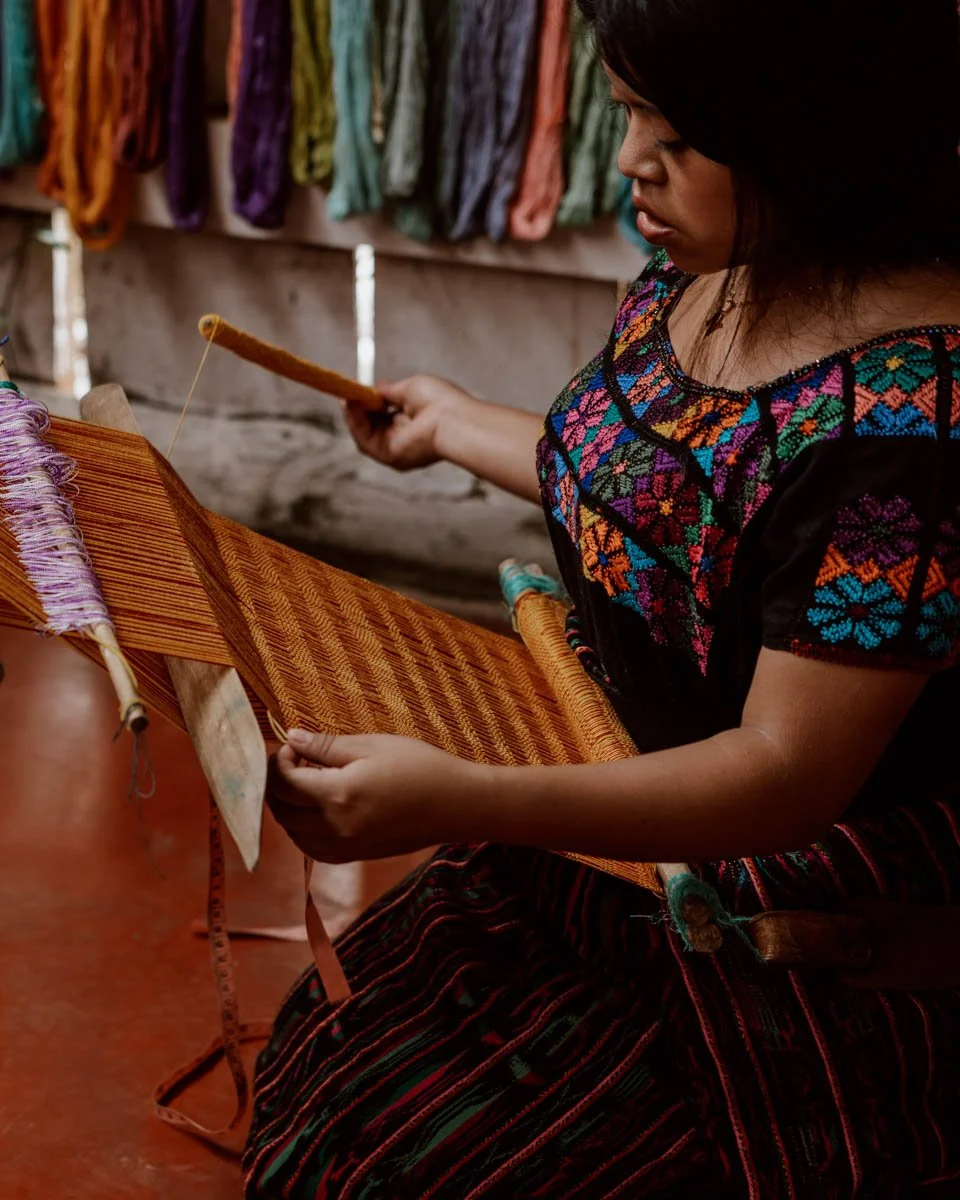
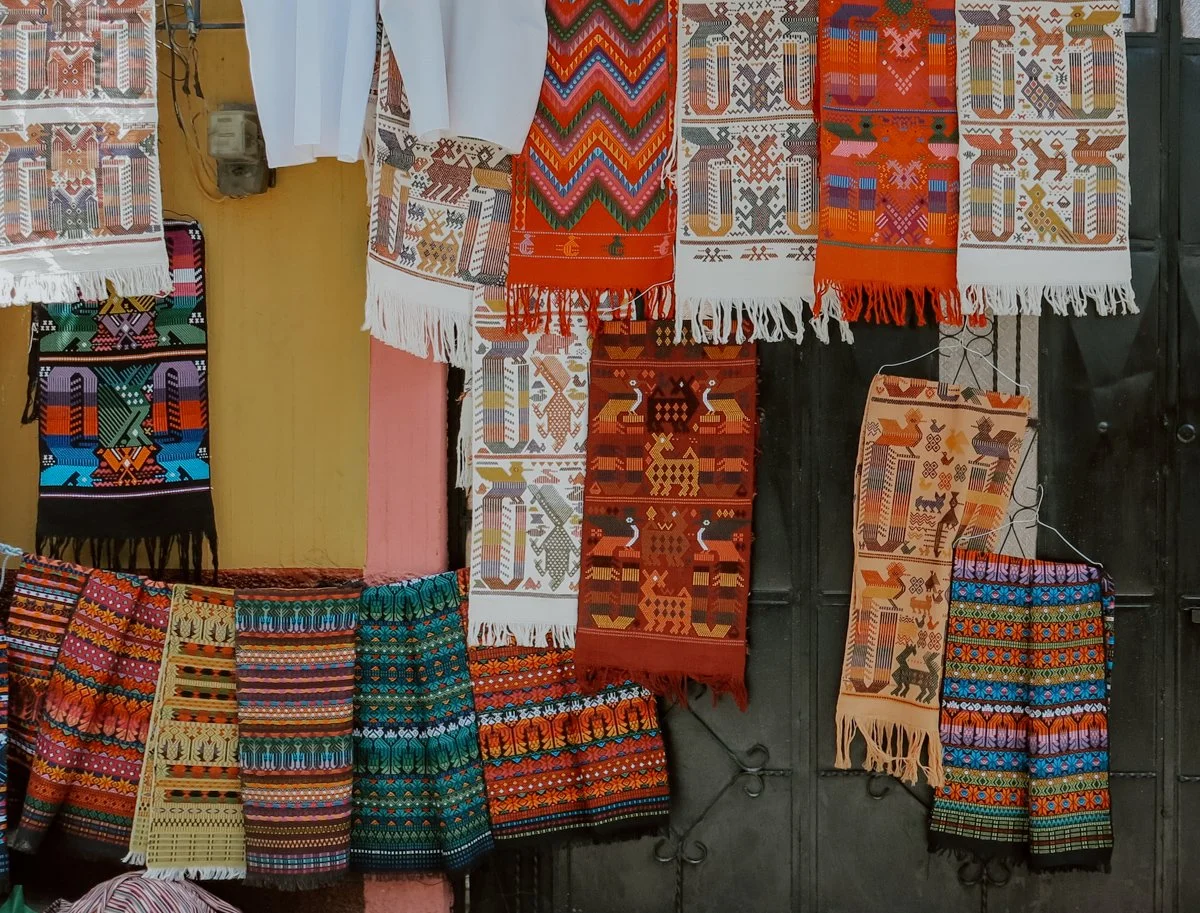
The most immediate way for outsiders to appreciate this cultural aspect is through textiles and weaving. Women’s traje - skirts, blouses, and sashes - vary in colour, pattern, and technique from village to village. Centuries-old methods using backstrap looms and natural dyes remain in use. Visiting markets in Chichicastenango, Sololá, or Huehuetenango, joining a small weaving workshop in San Juan La Laguna, or watching artisans dye threads and weave patterns offers travellers something tangible to see, touch, and learn from, not just admire from afar.


13/
The Markets
Every Thursday and Sunday, vendedores from surrounding villages pack up their goods, load them on a beat-up pick-up truck or the top of a chicken bus, and make their way to Chichicastenango.
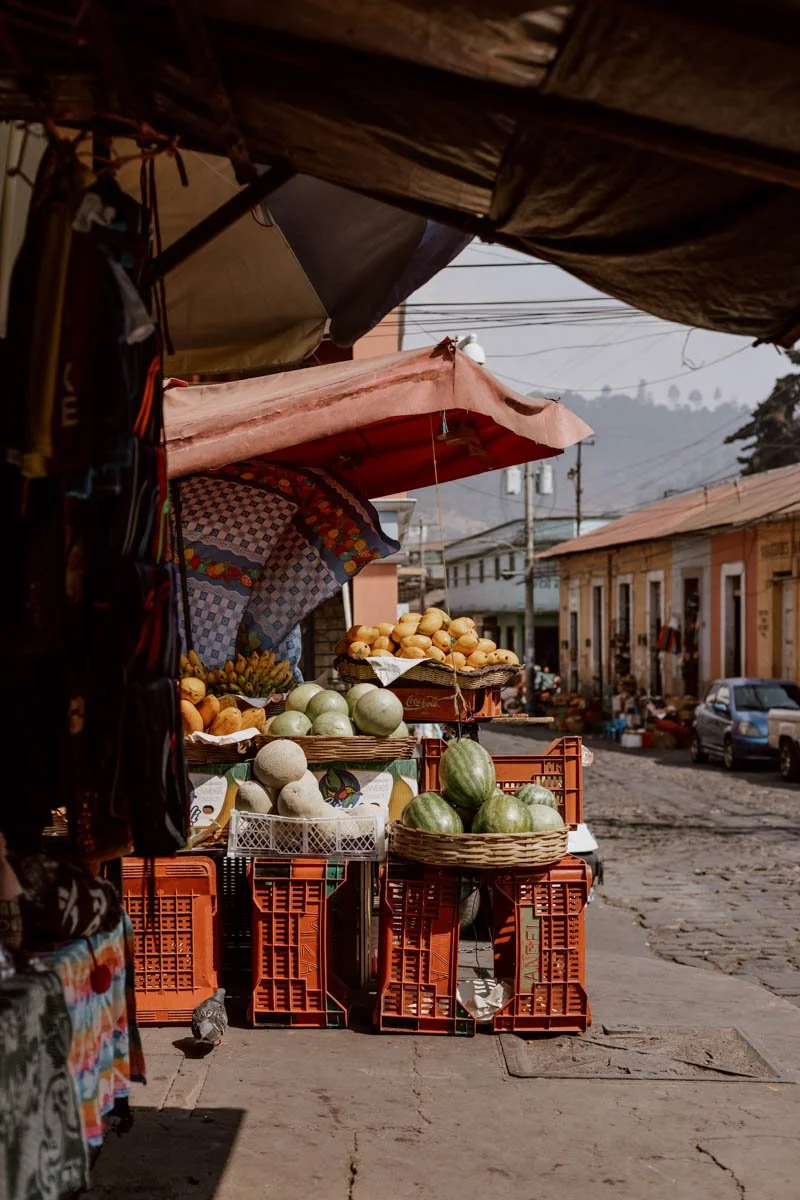
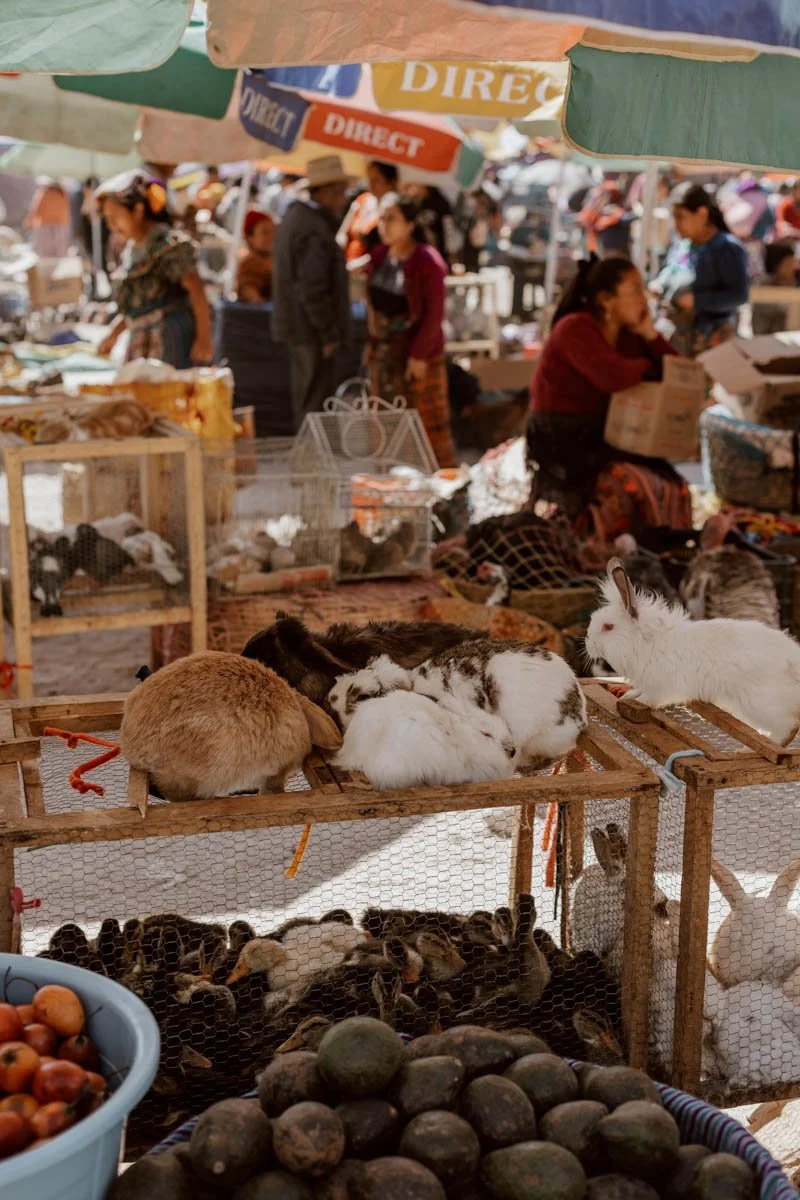
One of the largest and most famous markets in Guatemala, it distils a lot of what is great about visiting Guatemala: the riot of colours in handwoven textiles, bustling crowds navigating narrow streets, surprising scenes and scents, and families enjoying the day together in traditional dress.
These days, the twice-weekly market attracts more than its fair share of day-trippers, and has perhaps tipped over into ‘not what it once was’ territory. Yet, if you’re in the area on market day, Chichi market remains a very worthwhile and photogenic way to spend a morning.
More broadly though, give us time and our cameras, and we’d choose to be dropped in any regular market in Guatemala for a few hours - they’re just so captivating and different to home! You’ll find a version of one in almost every we’ve mentioned in this article, and we encourage you to go out of your way to wander but also to buy some produce or souvenirs.
We also have to give a special mention to the hyper-local market we sought out an hour or so from Quetzaltenango - that was a real eye-opener.
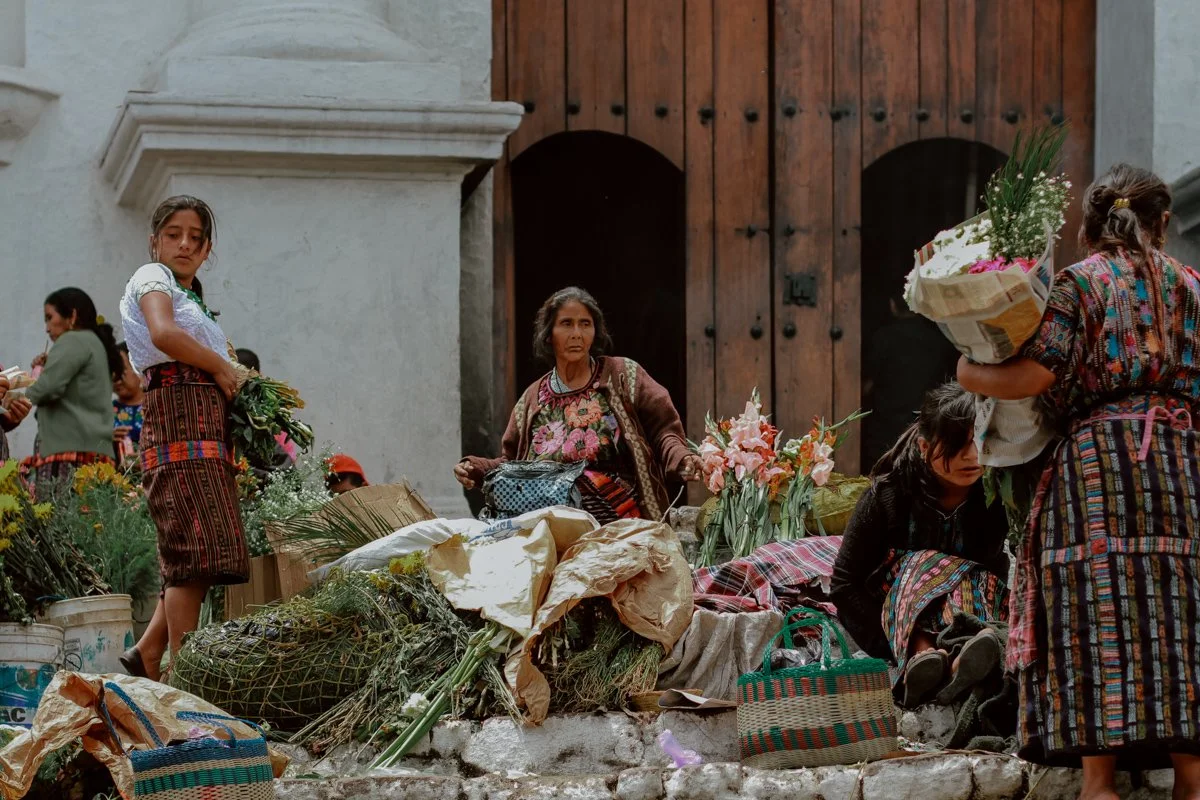
Know | Chichicastenango market takes place Thursdays and Sundays, with the latter drawing the biggest crowds. Most stalls operate from early morning into the early afternoon, so it’s best to arrive before noon.
Most visitors do a day trip to Chichicastenango from Antigua, which is about 2-3 hours away by shuttle or private transport. It’s a bit quicker to visit from Lake Atitlán though, so do what’s best for you. We did it independently with public transport, staying overnight in Chichi.
Book | You’ll find and book several highly-rated daytrip tours for Chichi here
Tip | Whilst haggling is part of the fun, don’t be a dick and make sure it’s a fair deal for everyone. Also, there is a big difference in price and quality between machine and handmade textiles.


Bonus Wildcard/ The Xela to Lake Atitlan Hike
If you’re looking for a deeper perspective on Guatemala, or a travel experience that gets you right out of your comfort zone, this may just be it.
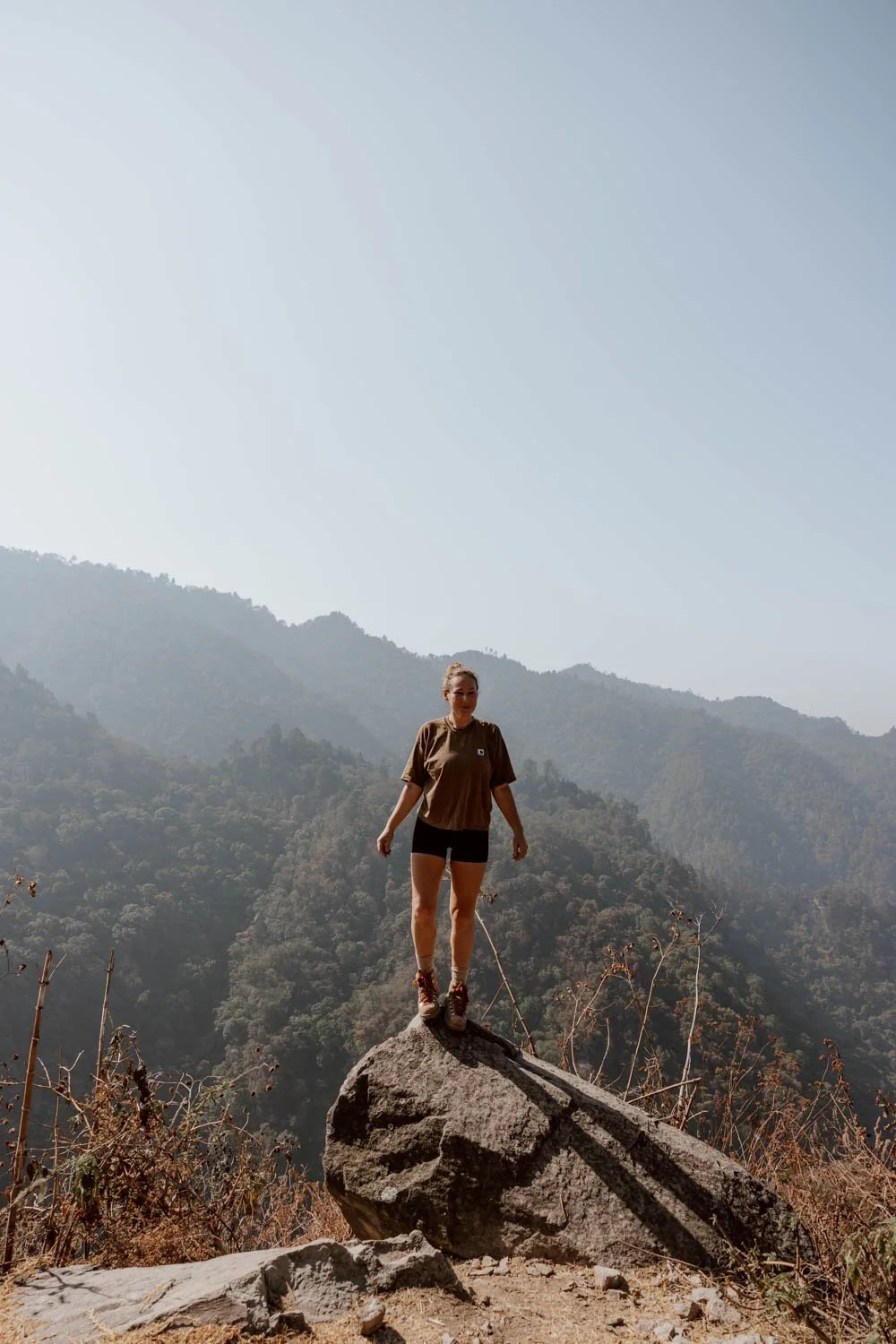
The three-day hike from Quetzaltenango to Lake Atitlán was our wildcard pick on the last trip and, whilst challenging in parts, was really special. Beyond the fact it ended with the most magical sunrise over Lake Atitlan with an armed police escort(!), the 46 km/28.5 miles of dusty roads, volcanic slopes, cloud forests, villages and rivers through the western highlands also revealed people and parts of the country that few visit whilst bringing together a lovely bunch of travellers.
As for the blisters on day two? Well, that was simply the cost of doing business.
It’s all run by a fantastic non-profit organisation called Quetzaltrekkers, who arrange unique, off-the-beaten-path single and multi-day treks in Guatemala. 100% of their profits directly fund education, safe housing, and social support for vulnerable indigenous children in Xela, and we’ve now had two excellent experiences with them ten years apart. We actually recommend them to everyone who asks us about Guatemala.
Hike and help out? What’s not to like.
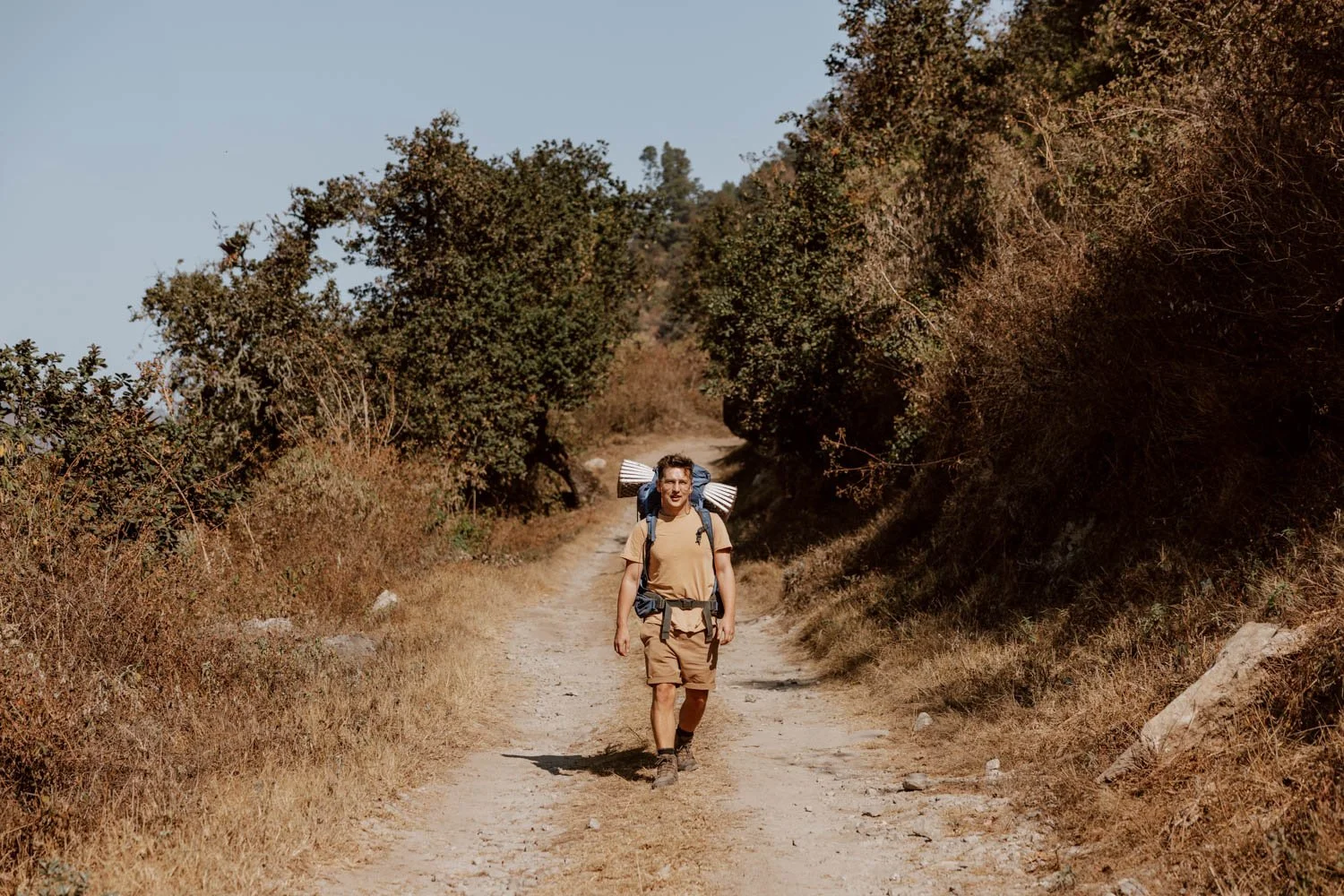
Know | You have to carry your kit for the three days and some shared supplies, so a good level of physical fitness is necessary. However, the daily distances are actually manageable and the group dynamic is about catering to all levels, so don’t be intimidated. Your main bags will also be dropped off in Lake Atitlan, so you don’t have to carry all your stuff.
If you haven’t got any multi-day hiking experience, this would be a perfect step up if you’re ready to move beyond day hikes and tackle something more immersive and rewarding!
Book | You can find out more details and book the Xela to Lake Atitlan hike here on the Quetzaltrekkers website
Tip | Whilst we’re big proponents of bringing your own decent hiking boots and socks to Guatemala, you can borrow/rent all the other stuff from Quetzaltrekkers if joining one their treks.


Travel More in Guatemala



Find all our Guatemala guides here