How to Get from Naples to Ischia | A Simple Guide
Reaching the island of Ischia from Naples is straightforward once you understand how the ferry system works, but there are enough small variables - multiple ports, different boat types, and several arrival points on the island - that it’s worth getting your bearings before booking anything.
A little planning here saves time, stress, and the very real possibility of arriving at the wrong port with a suitcase and no obvious way forward!
Throughout the year, three ferry companies - SNAV, Medmar, and Alilauro - run regular services between Naples and Ischia, using a mix of fast hydrofoils and slower car ferries. Choosing the right combination depends less on price and more on where you’re staying on the island, how much luggage you have, and how much time you want to spend on the water.
In this short routes guide, we’ll cover everything you need to know before booking the boat from Naples to Ischia, plus a few tips to make the trip smoother.

How to Get to Ischia | The Essentials
· Ferries and hydrofoils run year-round between Naples and Ischia
· Fast hydrofoils depart from Molo Beverello, take 50-60 minutes & accept foot passengers only
· Slower ferries leave Porta di Massa, take 90-100 minutes, & accept vehicles
· Ischia has three ports to choose from - know your base before confirming!
· Tickets cost around €22 - €25 one way on hydrofoils
· Booking ahead advisable in high season
· Compare timetables & prices on FerryHopper and Direct Ferries
· Ischia ideally needs several days, but it’s also a popular day trip from Naples
Choosing the Right Departure Port in Naples
As well as being one of our very favourite cities in the world, Naples is also the main gateway to Ischia.
Ferries to the island don’t all leave from the same place though: Naples has three separate ferry ports that connect to the island, and confusing them is one of the most common (and avoidable) mistakes travellers make.
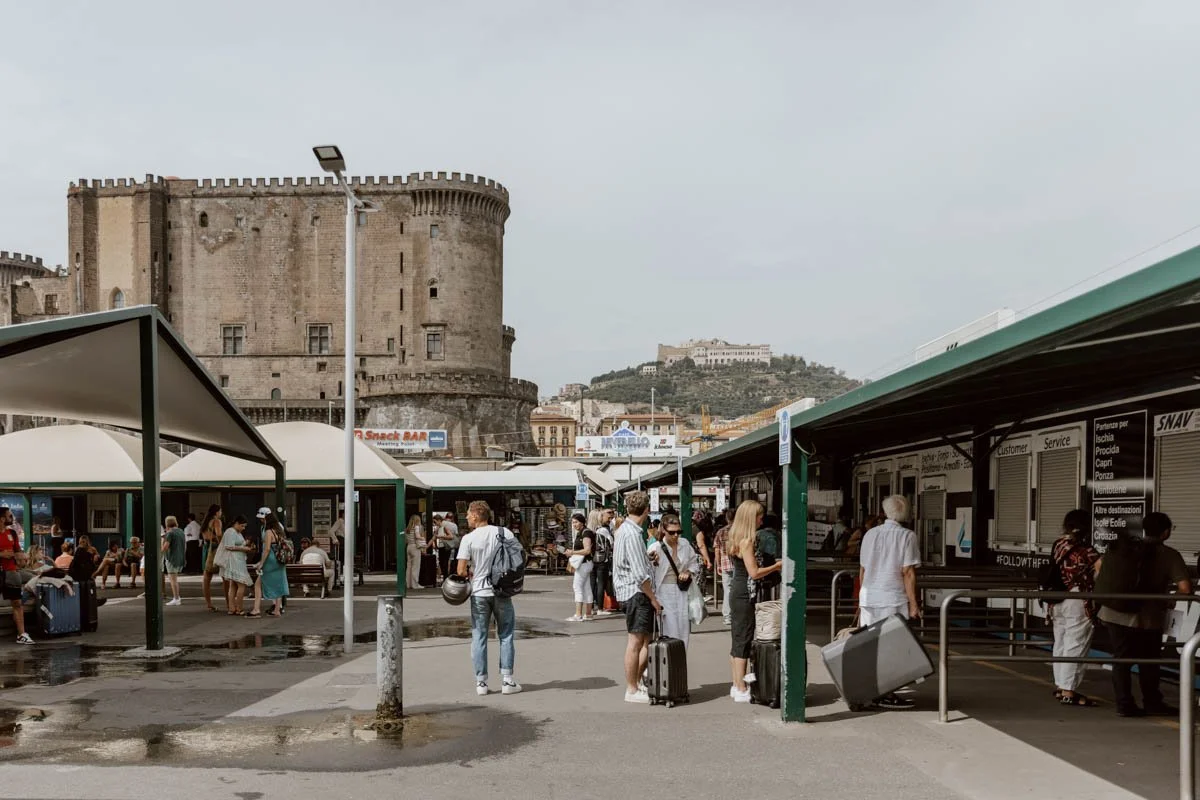
For most visitors, Molo Beverello is the best option. Located just outside the historic centre - find it here on Google Maps - this is where the fast hydrofoils depart. These boats are designed for foot passengers, are relatively comfortable, and take around 50 – 75 minutes to reach Ischia Porto and slightly longer if they continue on to other ports. Services run frequently throughout the day, making it the most flexible choice if you’re working around train arrivals or flight schedules.
The slower ferries depart from Calata Porta di Massa, a larger port that handles vehicles as well as foot passengers. These crossings take closer to 90–100 minutes and are less appealing for short stays or day trips, but they’re cheaper, calmer in rough seas, and essential if you’re travelling with a car or scooter. This port is located here.
Do be aware that whilst Molo Beverello and Porta di Massa are technically close to each other, walking between the two with luggage wouldn’t be easy, so double-check which one your ferry leaves from before arriving at the port - signage isn’t always obvious, and the last thing you want to do is drag a suitcase across a busy multi-lane road in 35°C heat!
The third option is Pozzuoli (maps), which sits further west of the city. While Ischia ferries do run from here, it’s usually only convenient if you’re staying nearby; for most visitors based in central Naples, it just adds unnecessary travel time.
Read Next // 13 Wonderful Things to Do in Ischia
Hydrofoil or Ferry?
Once you’ve chosen your departure port in Naples, the next decision is the type of boat.
Hydrofoils are by far the most popular choice and are ideal if you’re travelling light. They’re quick, frequent, and get you onto the island with minimal fuss. The trade-off is stricter luggage rules; anything larger than a small backpack usually attracts a small surcharge, payable at check-in, but this isn’t a major issue.
The slower ferries from Porta di Massa are less polished but more forgiving. They accept cars, scooters, and bulky luggage, and they tend to offer a smoother ride in choppy conditions. If you’re prone to seasickness or travelling with oversized bags, they’re often the more comfortable option, even if they do take longer.
Know // You can book directly with the operators, or use an aggregator such as FerryHopper or Direct Ferries, which makes it easier to compare times and departure points across all companies.

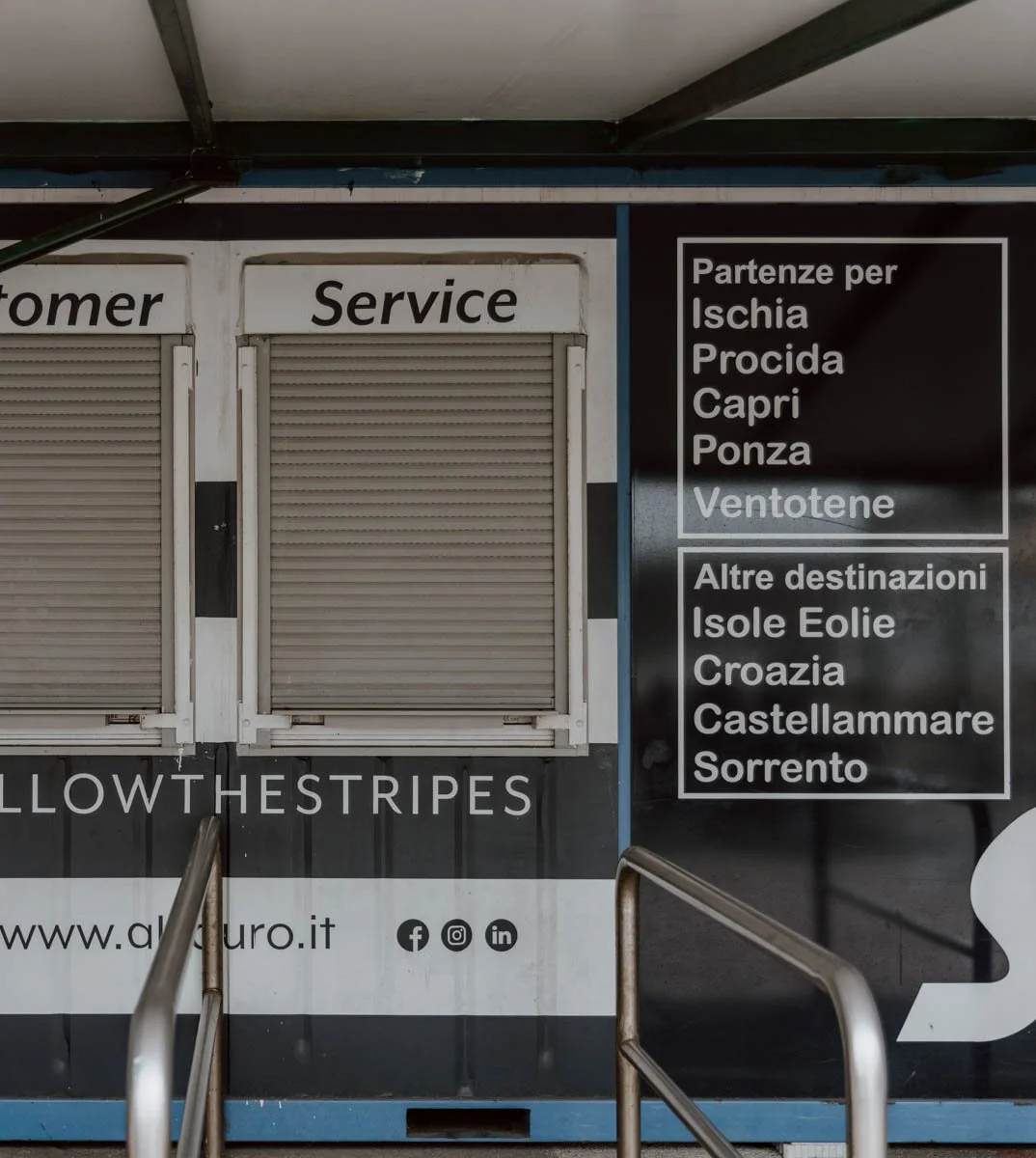


Understanding Ischia’s Three Ports
Just as important as knowing where you leave from is knowing where you need to arrive.
Ischia has three ferry ports, and they’re spread across the island rather than clustered together. When booking your ticket, you need to ensure you’ve chosen the right one for your needs and a service that actually arrives there!
Ischia Porto (maps) is the main hub and the arrival point for most hydrofoils. Located on the east coast, it’s the busiest port and also the most practical, with excellent onward bus connections and easy access to taxis. If you’re not renting a vehicle on the island, or if this is your first visit, arriving here keeps things simple.
Casamicciola Terme (maps) is smaller and quieter, and closer to some of the island’s thermal spa parks. It works well if your accommodation is nearby on the north coast, but ferry services are less frequent and onward transport options more limited.
On the west coast, Forio (maps) is very convenient if you’re staying in that town or part of the island (like we did), but not all ferry services stop here. In fact, Forio has few fewer services than Ischia Porto, particularly later in the day. This is also important to note for your ferry back to the mainland!
Knowing which port you need - and paying attention during intermediate stops - is super important. It’s surprisingly common for travellers to step off at the wrong port in Ischia and only realise once the ferry pulls away!
In a similar vein, the spread out nature of the three ports means booking your accommodation before you book your ferry is the best idea.
Read Next // Where to Stay in Ischia
Tickets, Prices, and Booking Advice
Hydrofoil tickets typically cost around €22 - €25 per person for a one-way journey. Slower ferries are usually a little cheaper. Tickets can be purchased in person at the ports, but during summer, weekends, and school holidays, booking ahead is strongly recommended.
This is even more important if you want a seat on a specific service or are taking a boat to Forio.
You can book directly with the operators, or use an aggregator such as FerryHopper or Direct Ferries, which makes it easier to compare times and departure points across all companies.
Printed tickets aren’t necessary, but it’s wise to have a digital copy saved offline. Delays and last-minute changes are not uncommon, particularly if sea conditions deteriorate, so building a little flexibility into your plans is sensible.

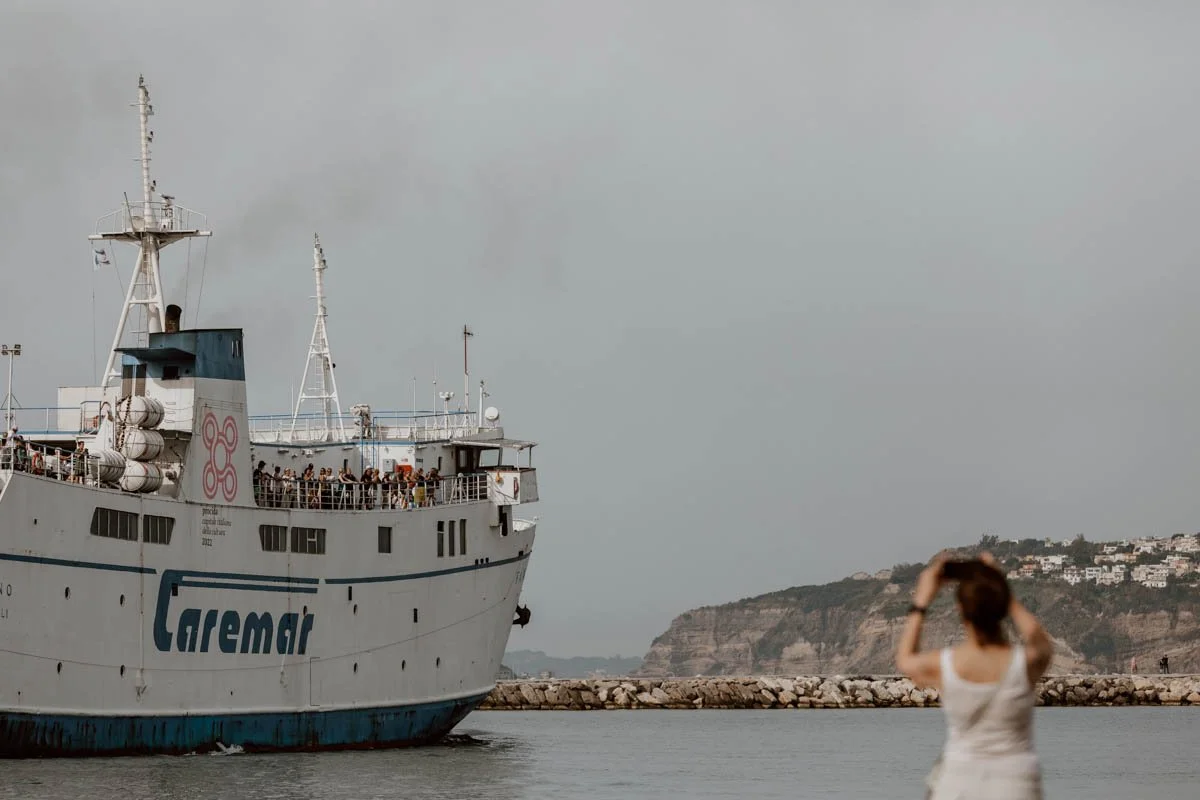

Day Trips and Other Routes
Ischia can be visited as a day trip from Naples, but the island is bigger than most expect and travel between towns takes time. This is why we recommend a minimum of two or three nights.
If you’re limited to a single day though, arriving and departing from Ischia Porto offers the most flexibility - or better still, take an organised tour like this one so you can avoid having to worry about logistics, and instead focus on enjoying Ischia.
There are also ferry connections from nearby islands such as Procida and Capri which are useful if you’re island-hopping, though Naples remains the most straightforward gateway.