The (Almost) Perfect Panama Itinerary
How we explored Panama for a month by car, bus, boat, and plane - and how to adapt it for a two-week trip!
There’s a misconception that Panama is a place to rush through, rather than linger.
Some people may also think you’d be crazy to consider it for a standalone adventure, instead of its better-known neighbours to the north and south.
We’ve explained why those assumptions are plain wrong in 11 Wonderful Things To Do in Panama, but the nutshell is this: this skinny, stretched out Central American country flies relatively under the travel radar, yet offers pretty much everything we love about travel in this part of the world.
Untouched beaches. Stunning hikes. Wildlife. Great coffee. Volcanoes. Paradise islands. Colonial architecture. Different cultures. Impeccable diving. Unexpected stories new and old. Surfing. A sense of adventure.
It does let the side down on the corn tortilla count though - but for some, that may even be a bonus!
On our second visit - which was mostly about giving Panama a second chance - we were fortunate enough to have a month to play with across the dry, sunny January and February. Frankly, that’s an insane, decadent amount of time and we’re not expecting you to have four weeks out there.
Here at Along Dusty Roads though, we're all about slow travel and spending a little longer in places so we can share exactly what needs to be top of your list - and that’s what this Panama itinerary is designed to do.
We’ll tell you where you really need to go, what you really need to do there, how to travel between each place, and how many days it’s best to spend in each.
It covers the classic experiences - Panama City and the Canal, San Blas, Bocas del Toro - alongside several lesser-known stops that don’t make it onto every Panama itinerary. Whilst we rented a car for the first two weeks for a bit of a Panama road trip, then switched to buses, boats, and a single short flight, everywhere we visited on this route can also be reached with public transport, taxis, tours, or walking.
There are specific reasons why the road trip / public transport mix works well here - which we’ll unpack later - but renting a car isn’t essential for our itinerary.
Lastly, we know it takes time, re-writes, and the occasional argument, to craft the perfect itinerary for your own travel style and preferences; our goal is to make it easier for you, rather than add to the stress! So, after the day-by-day overviews, you’ll find the the essential pointers, the changes we’d make in hindsight, plus the key questions you need to ask yourself when it comes down to prioritising places or trimming days off.
At the end, we’ve also laid out exactly how to adapt our month into a nifty curated two-weeks - and important caveats for anyone arriving via Costa Rica or Colombia.
This is our (almost) perfect Panama itinerary for travellers.
The Panama Itinerary Map
Places | Panama City > El Valle de Anton > Azuero Peninsula > Santa Catalina > Boquete > Bocas del Toro > Panama City > San Blas Islands (Guna Yala)
Races | Rental car, public buses and shuttles, variety of boats, 4x4 tour, and one short flight - can also be done without a rental car
Paces | Fully adaptable to two weeks, but shorter trips will have to trim 2-3 destinations
Our (Almost) Perfect Panama Itinerary
Day 1 | Arrive in Panama
For most standalone Panama trips, Panama City is both the entry and exit point.
Tocumen International Airport is the main gateway, though some may arrive via a boat + drive from Colombia. A city quite unlike any other in Central America, the capital is a place many pass through more than once due to the country’s logistics and geography.
How you approach Panama City depends on your trip style:
Road-trippers may leave the airport immediately, heading west to El Valle or the Pacific coast.
Other road-trippers may prefer to go car-free in Panama City first, then pick up their car to head west.
Everyone else will likely spend their first few days in the capital, combining it with the San Blas islands
As our flight from the UK arrived in the late evening, we decided to just spend our first night at an airport hotel before picking up our rental car the next morning. This was partly because we’d already visited the Panama City on a previous Central America backpacking trip, but primarily because it made more sense for our route to save Panama City and the San Blas islands for the end of the trip.
There are several good reasons to do the same as us for standalone Panama road trips, but we totally understand if you’d rather settle yourself in with a couple of days in the capital first: the sequence may change, but the destinations remain the exact same!
If you want to go deeper, our full Panama City guide covers where to stay, what not to miss, and how to slot in the famous canal.
The Essentials
Where we stayed · The Crowne Plaza by Tocumen was fine for airport stays and a quick rental car turnaround
Alternatives · When we returned to Panama City at the end of our trip, we first stayed in Casa Magnolia then this Airbnb in Casco Viejo - but you can find all our picks on the best places and neighbourhoods in Where To Stay in Panama City.
Transport · It’s just 30-60 minutes from Tocumen airport to downtown - find out options and costs in the How To Get From Tocumen Airport to Panama City explainer
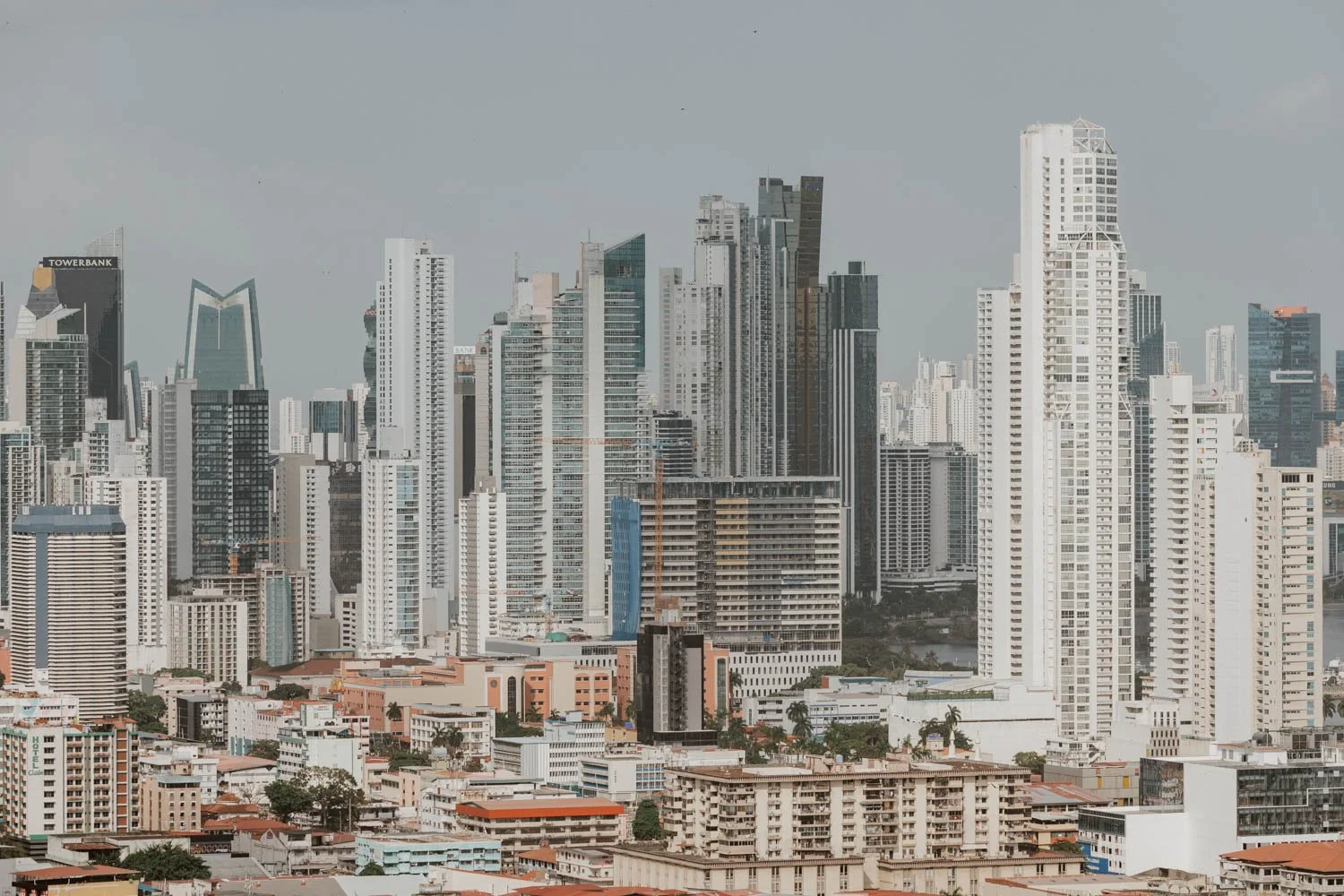
One thing to know · Don’t try to visit the Panama Canal on your first day; instead, ease yourself in with the historic streets of Casco Viejo and a rooftop sundowner

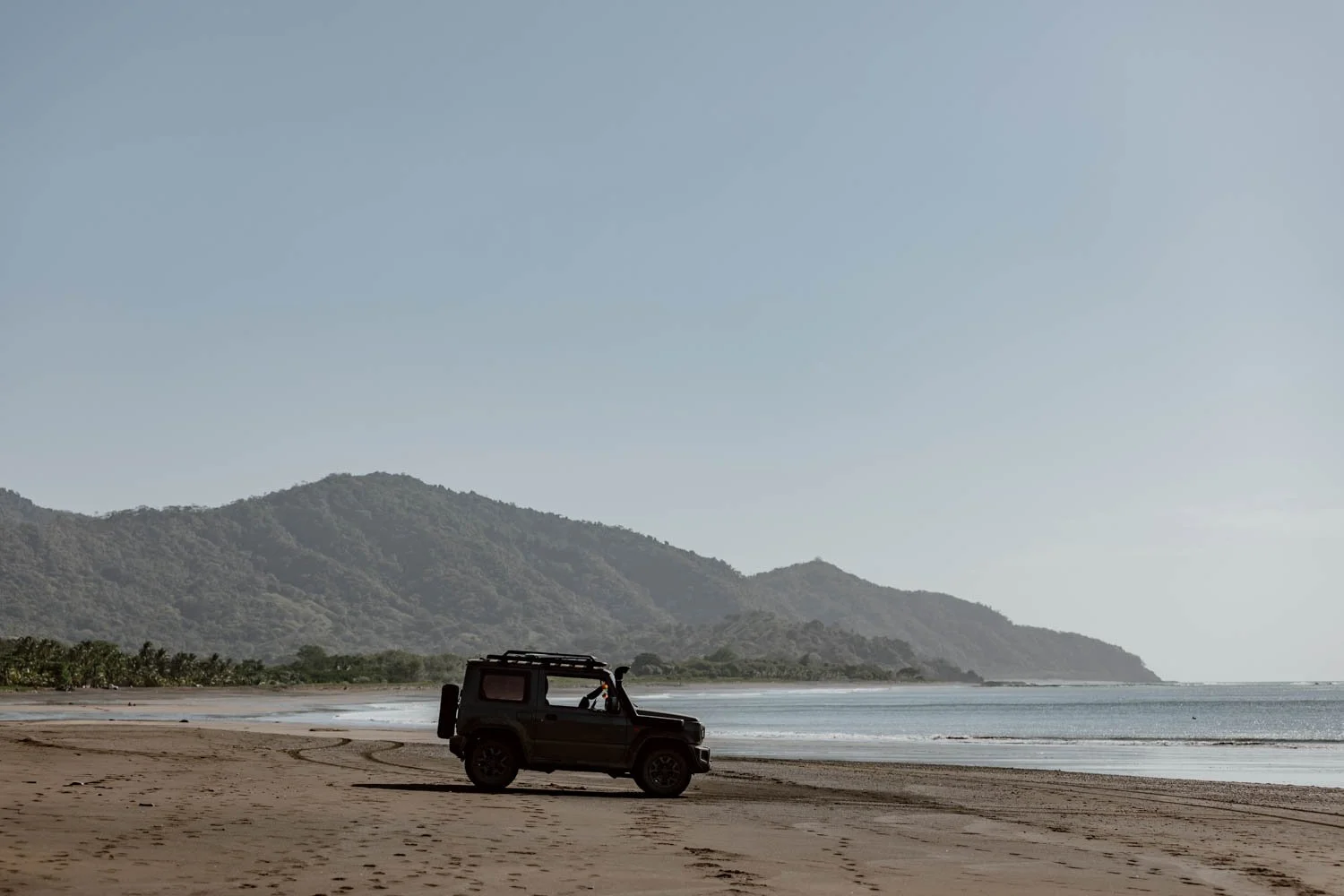

Day 2 | Panama City > El Valle del Antón
El Valle de Antón offers a calm, refreshing contrast to the intensity of Panama City.
Nestled inside a volcanic crater, the town offers cooler temperatures, lush greenery, and easy access to waterfalls and trails. It’s a wonderful ntroduction to Panama’s landscapes and a chance to ease into the rhythm of the trip before hitting the coast and islands.
El Valle also doesn’t actually feature on most Panama itineraries though - it’s more of a favourite of wealthy weekenders from the capital - but for hikers and nature-lovers, we think it should be considered unmissable.
It’s a straightforward 3-hour drive or bus journey there from Panama City, and an early-ish departure from the capital means you can easily fit in a few hours exploring and a sunset hike to La India Dormida or La Cara Iguana.
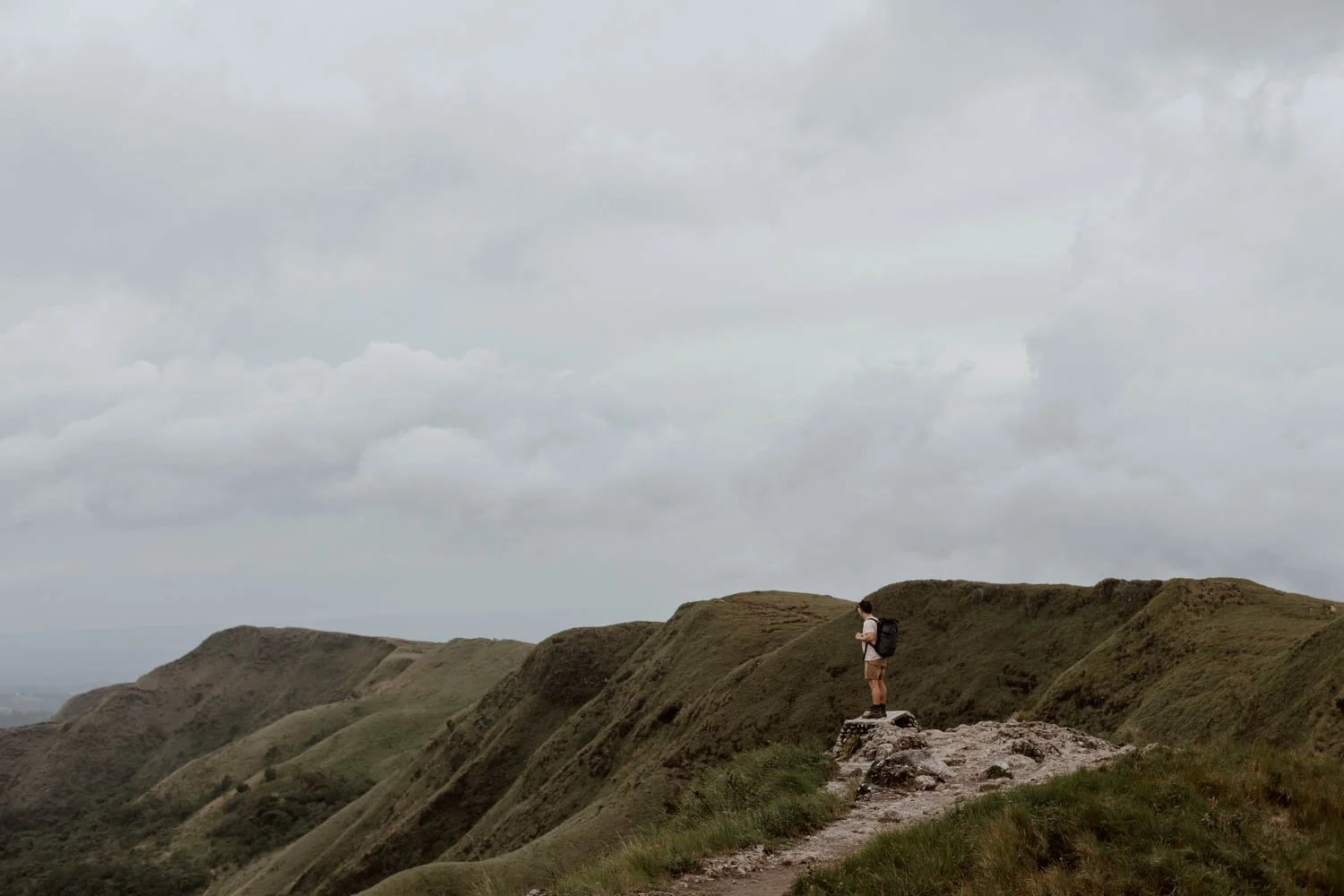
The Essentials
Where we stayed · The Blasina Hostel in El Valle was ideal, with a good kitchen plus parking for guests
Drive · It’s a manageable 2.5 hours (118km) from Panama City for road-trippers, mostly along the Pan-American Highway until you arrive in the countryside proper
Transport · You can reach El Valle easily by bus from Albrook Bus Terminal, with services running every 30 minutes between 6:30am - 6:30pm ($4.25USD, 3 hours)
Signature experience · The volcano crater views from the La India Dormida hike
One thing to know · If travelling on a Friday, leave as early as possible to avoid the congestion

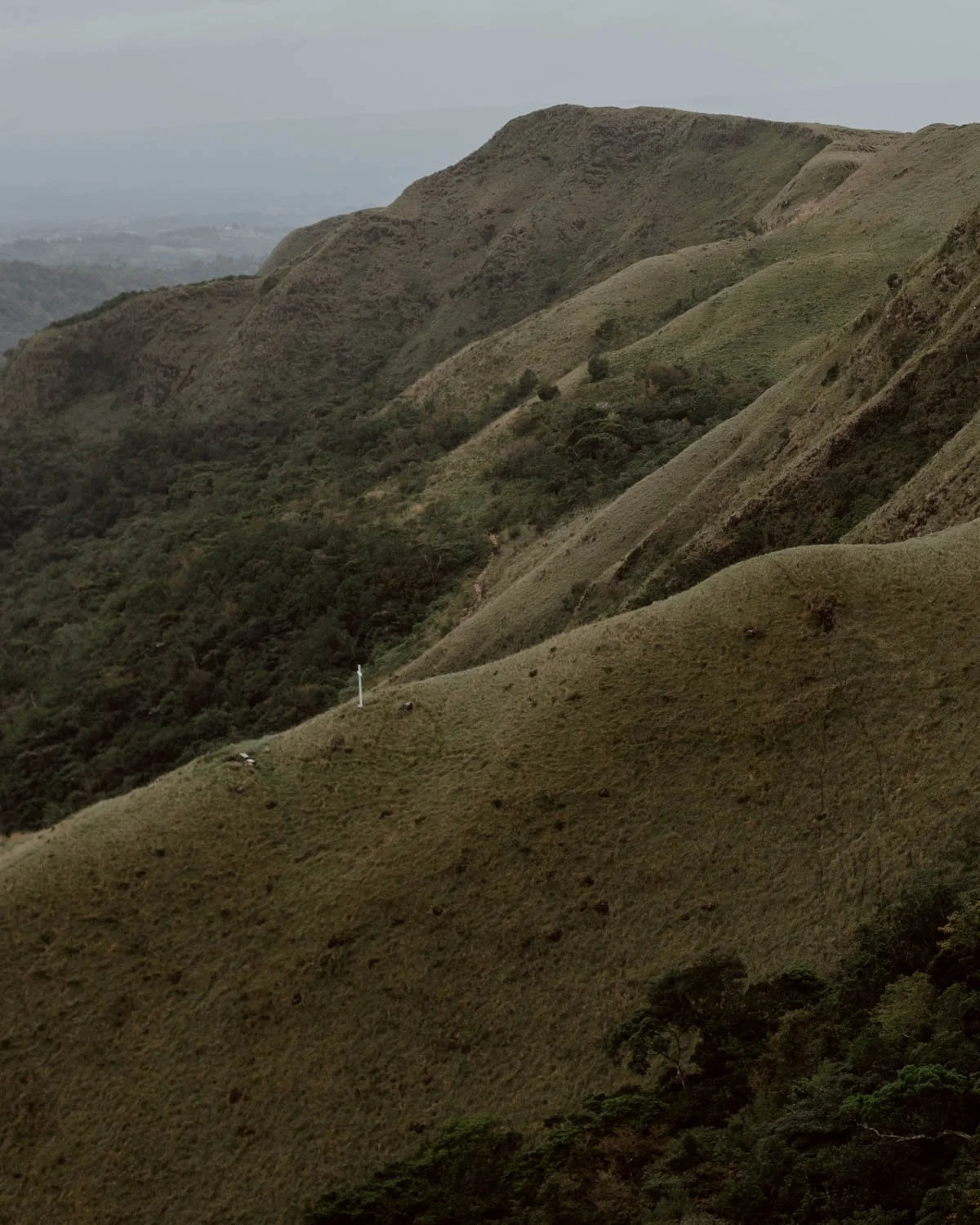

Day 3 - 4 | Hiking & Exploring El Valle
Having our own wheels made all the difference for exploring El Valle at our own pace.
Over two days, we ventured into the crater’s hills and trails, enjoyed sweeping views, and gorged on Panamanian food.
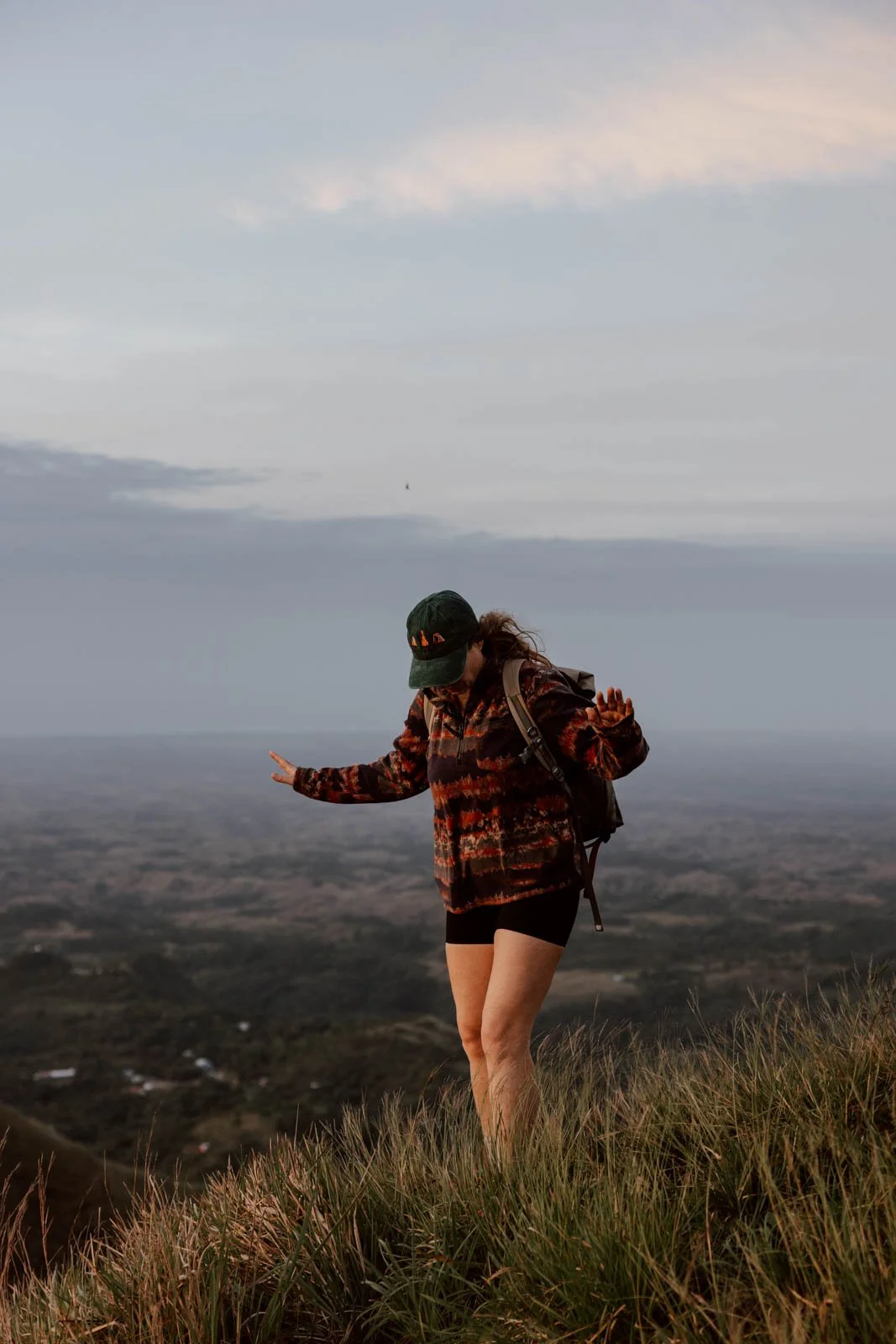
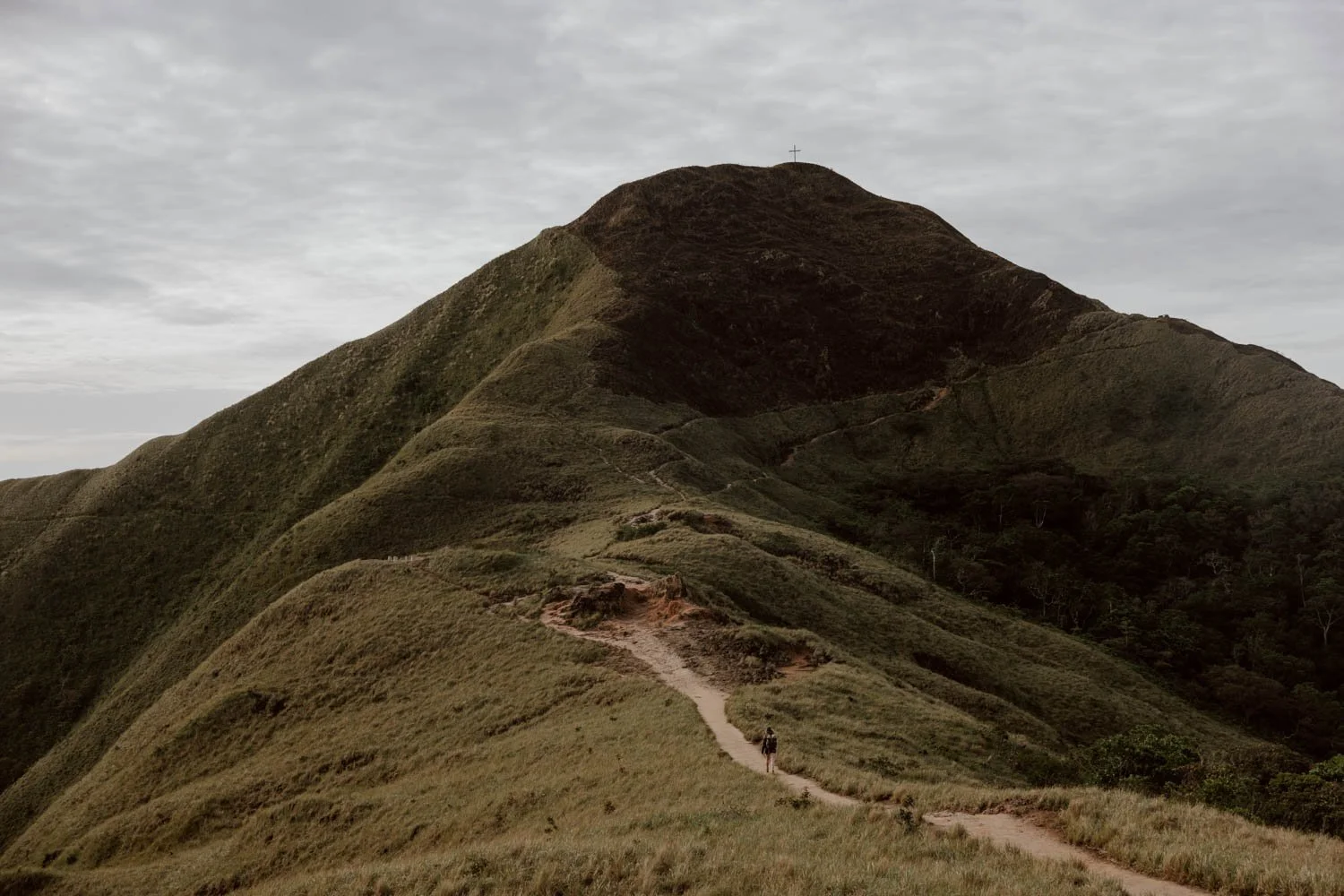
We started our first full day with Sendero Cerro Gaital, a short lesser-visited cloud forest hike. After a lunch with plenty of patacones, we tackled Cerro Cara Iguana, a more challenging 4-hour route that quickly became our favourite. Rugged, rewarding, and full of surprises, it perfectly showcases why El Valle is such a standout.
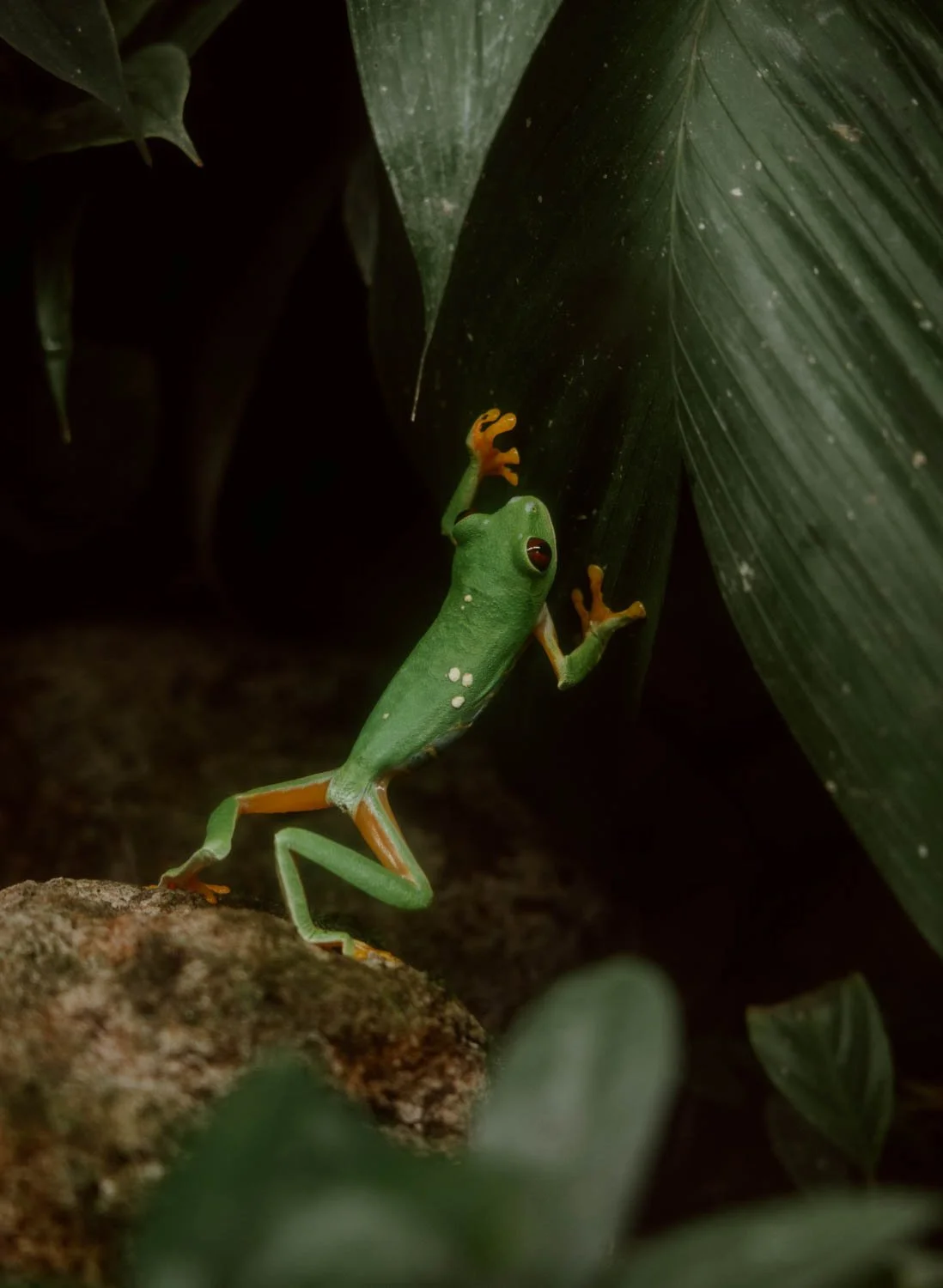
Early the next morning, we left under cover of darkness to catch the epic sunrise from Cerro La Silla - which can also be done without a rental car. Once back in town, we checked out the market, some cafes, and visited the El Valle Amphibian Conservation Center, home to the rare Rana Dorada (Golden Frog).
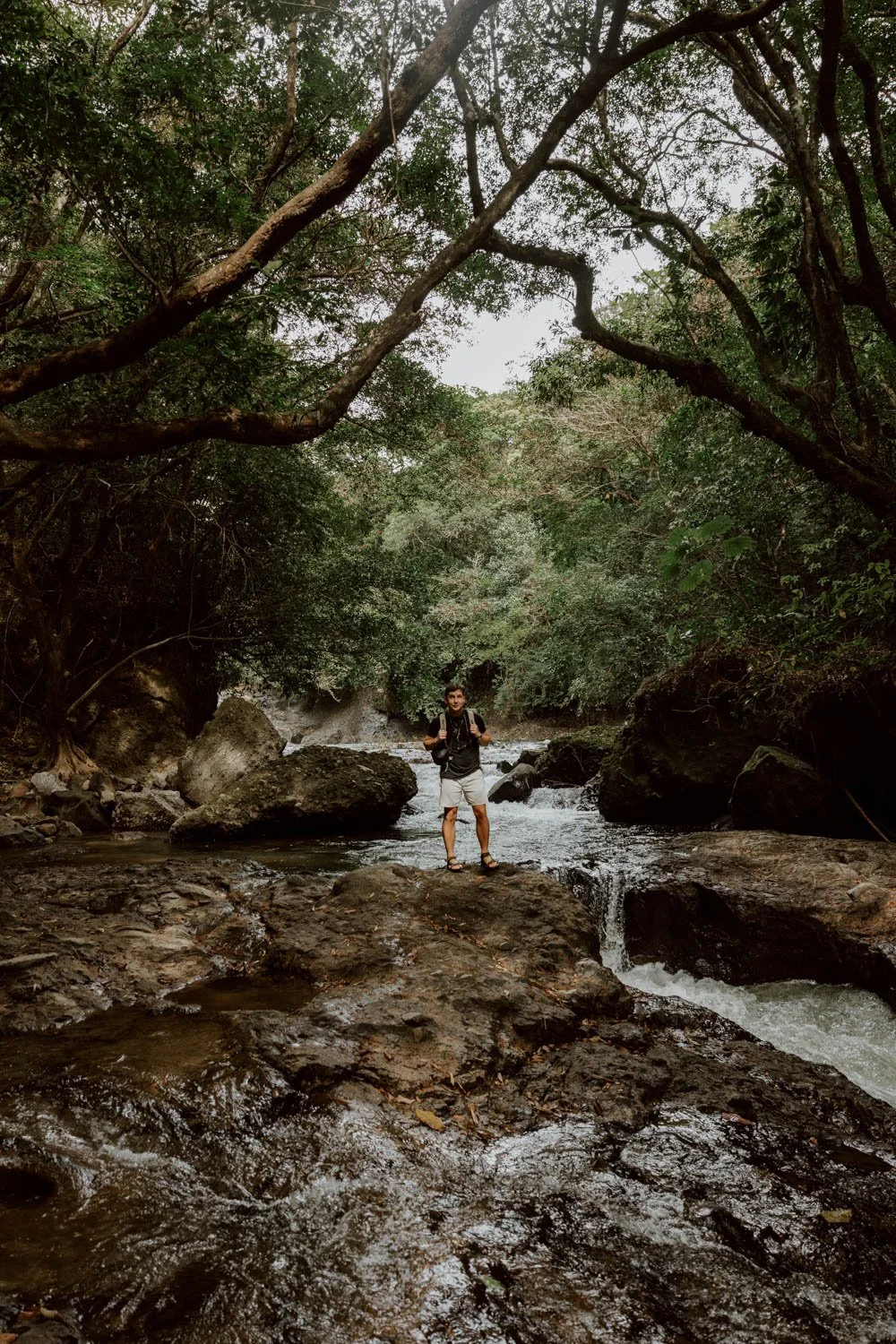
The afternoon was reserved for slowing things right down with a restorative trip to Las Mozas pools and waterfalls: cool water, lush surroundings, and a chance to rest tired legs after a few active days. It’s an easy, very Central America way to round off your time in El Valle, and may just be your favourite way to spend immersed in nature here.
For more detail, our full El Valle guide covers what to see, what to miss, timings, and which trails are most rewarding.
The Essentials
Where we stayed · Blasina Hostel
Alternatives · Bodhi Hostel is the big backpacker favourite. The Golden Frog is a super popular guest house or, if you’d prefer an Airbnb, The Retreat is a great shout.
Drive · A car is helpful for reaching the trailheads and carving out a few extra hours each day - just watch for the potholes on the way to La Silla!
Transport · You can reach all the trailheads on foot, with a taxi from the town centre or via the local bus. Rental bicycles and e-bikes also popular for getting around.
Signature experience · The sunrise from Cerro La Silla - get prepped with our hike guide
How many days · We think you need a minimum of two full days to enjoy El Valle
One thing to know · At least one very early morning rise is worthwhile - and it’s a good idea to pack proper hiking boots and layers for El Valle


Day 5 | Travel to Playa Venao & The Azuero Peninsula
Today sees a notable shift from the cool, lush highlands to the hot, wild Pacific side of Panama.
Leaving El Valle, the road south unwinds through the Azuero Peninsula in the southeast, one of Panama’s most characterful regions, where small towns, fishing ports, and long stretches of coastline define the journey.
Rather than rushing straight to the beach in Playa Venao - the most popular beach town on the peninsula - we instead treated this as a slow and spontaneous travel day. We stopped at a lively fish market, lingered over a beach lunch where the day’s catch was still being unloaded, and watched local life unfold along the coast.
It was the kind of drive where the random stops and scenes mattered as much as the final destination.
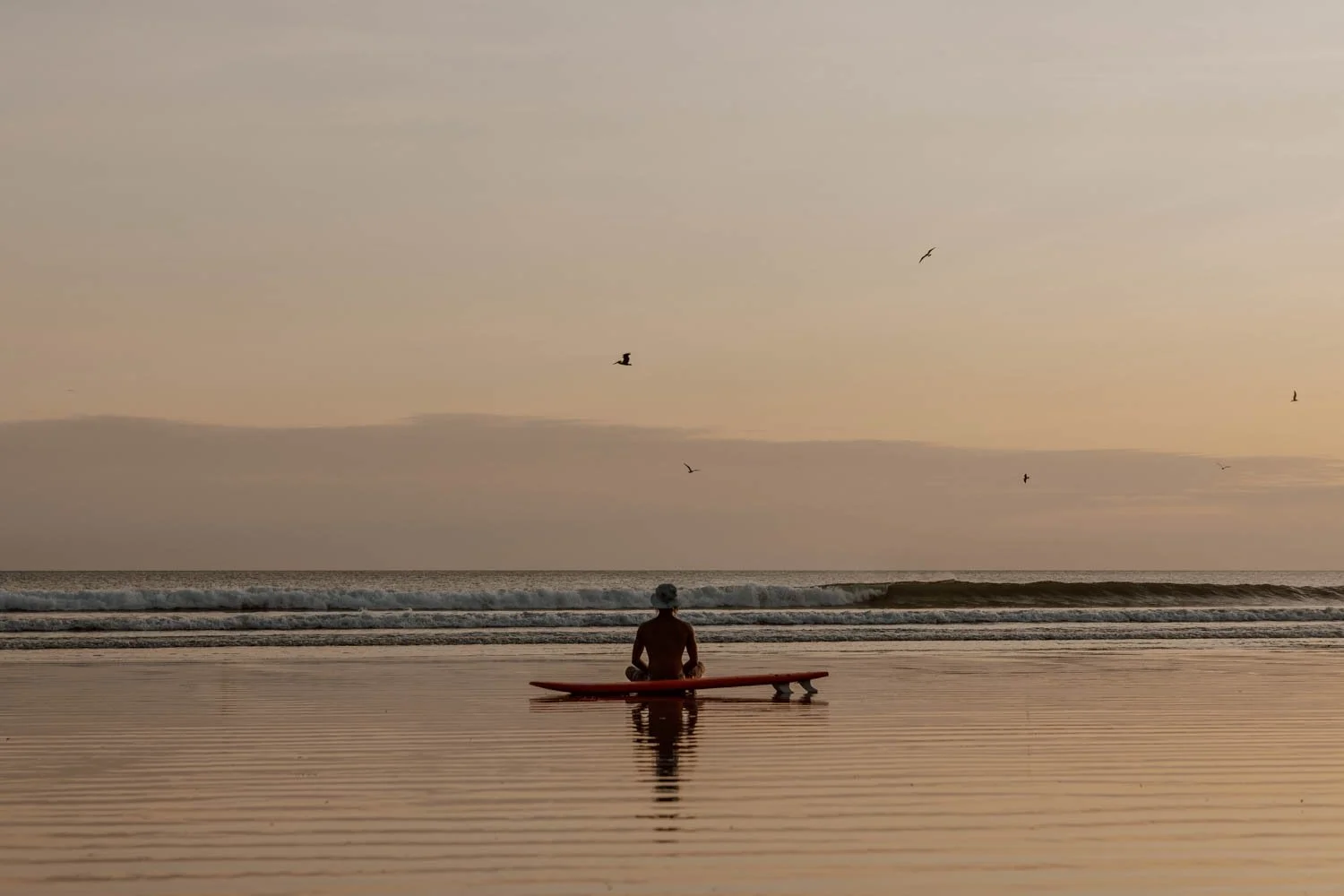
By the time we reached Playa Venao, the Pacific felt fully present and we were itching to dive headfirst into the blue. Surfers lined the bay, the swell rolled in with real force, and the heat was heavier, saltier - a change we were ready to embrace.
The Essentials
Where we stayed · Nao Hostel. The contemporary shipping container set-up is okay for a night or two, but the rooms were too cramped for a longer stay, and it’s a little far from the beach.
Driving time · One of the longest driving days of the trip - 243km/150 miles - but not a chore; you can cover it in 4 hours without stops.
Transport · There’s currently no direct public or shuttle bus from El Valle to Venao, but it’s possible with a few bus connections.
Signature experience · Beach lunches, seeing different sides of rural Panama, and first swims in the Pacific


Day 6 | Playa Venao
In all our research, it was very challenging to find a clear recommendation between the two Pacific beach towns that came up again and again in Panama itineraries: Playa Venao and Santa Catalina.
So, we decided to visit both to make your choice easier.
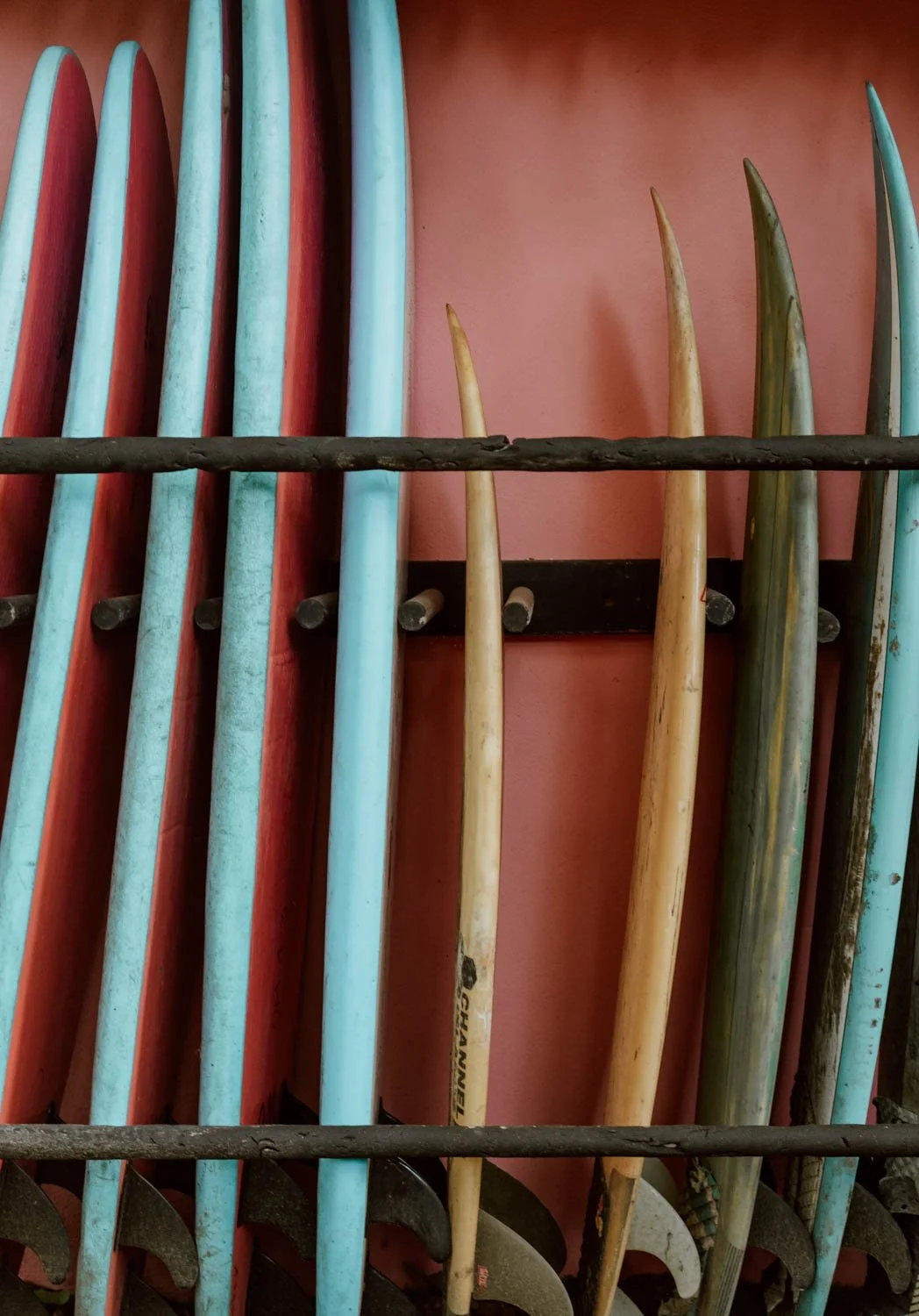
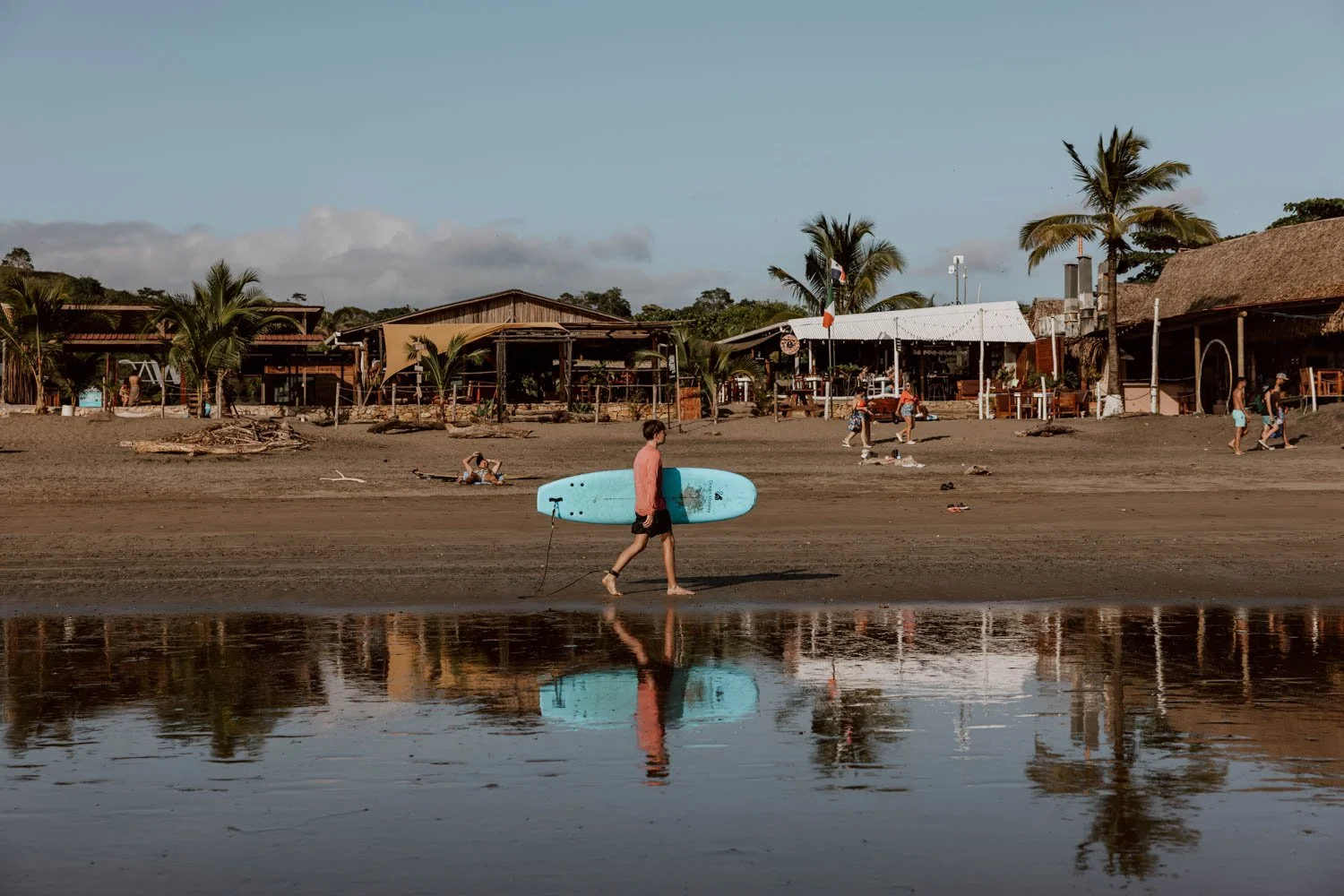
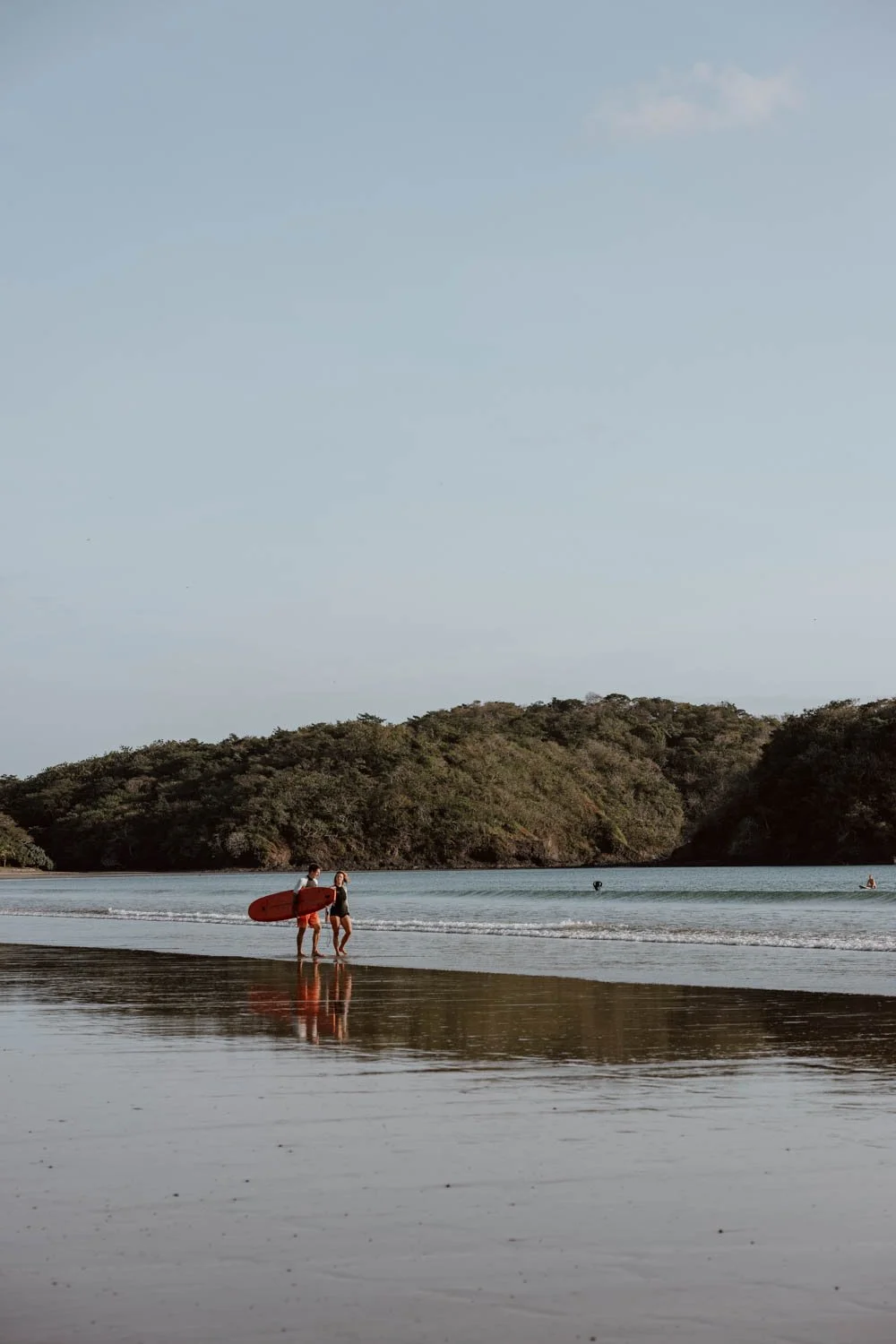
The half-moon beach that composes the majority of Playa Venao is perfectly nice - and nearby La Playita is downright gorgeous - the surf good (especially for beginners) and there are some fantastic restaurants.
But the reality is that Playa Venao is a town split down the middle: one side is all modern, Americanised, TV screens, real estate, car parks, and concrete under the hot sun, whilst the other half is dusty roads, tree-filled, rustic, and way more our vibe. A visitor can straddle the two of them, but the contrast is really quite jarring.
If you’re after straight-up, easy holiday vibes, modern amenities, beachfront accommodation, and a thriving party scene, then Venao is probably the best choice for you. For anyone only focussed on the capital and the beach, it logistically also makes sense.
However, if that isn’t your vibe at all, you’ll need to be very selective about your accommodation and know which half of town to frequent - or skip it entirely.
Make your decision easier with our Playa Venao travel guide.
The Essentials
Where we stayed · Nao Hostel - but it’s not a full-throated recommendation
Alternatives · We ummed and ahhed about staying at the popular Beach Break Surf Camp, El Sitio de Playa Venao is lovely (and has a fantastic restaurant and bar), whereas Eco Venao Lodge is a great option is you want something completely hidden away and nature focussed.
Drive · We used the car a little bit in and around Venao, but it’s not wholly necessary to get around
Transport · It’s a small place so you can walk everywhere, but you’ll sometimes find yourself alongside the highway
Signature experience · Spend the day at the gorgeous La Playita and have sundowner cocktails at La Barca
How many days · If it’s your sort of destination, you could easily spend 3+ days here
One thing to know · Overall, Venao tends to skew more expensive
Plan // The Playa Venao Travel Guide


Day 7-8 | Playa Cambutal & The Azuero Peninsula
This hidden away village was the wildcard pick for our trip, and it delivered beyond expectations.
There’s a long, dusty road to reach it, only a handful of accommodation options, a beautifully undeveloped beach, and where you eat each night depends on who decides to stay open. Whilst you can go as rustic and barefoot as you wish, there’s also a smattering of high-end options and retreats for those whose travel style contains multitudes.
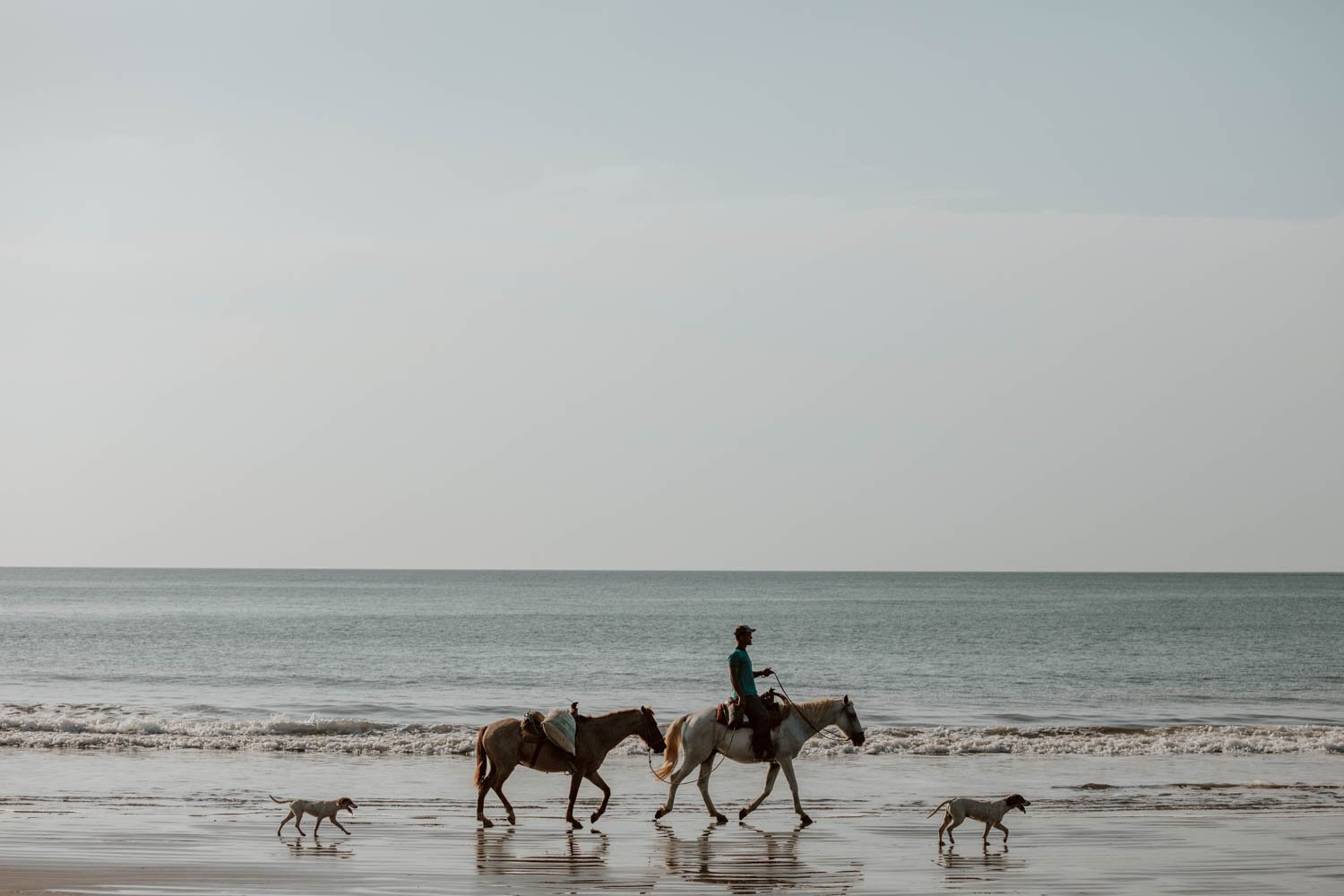
Oh, it’s also in cowboy country.
A total contrast to our frustrations with Playa Venao, Cambutal is the very definition of ‘off-the-beaten-track’ in Panama and a brilliant place to disconnect.
We could have happily secreted ourselves there for days.
Inspired? Get ahead of the game with our short guide to Cambutal.
The Essentials
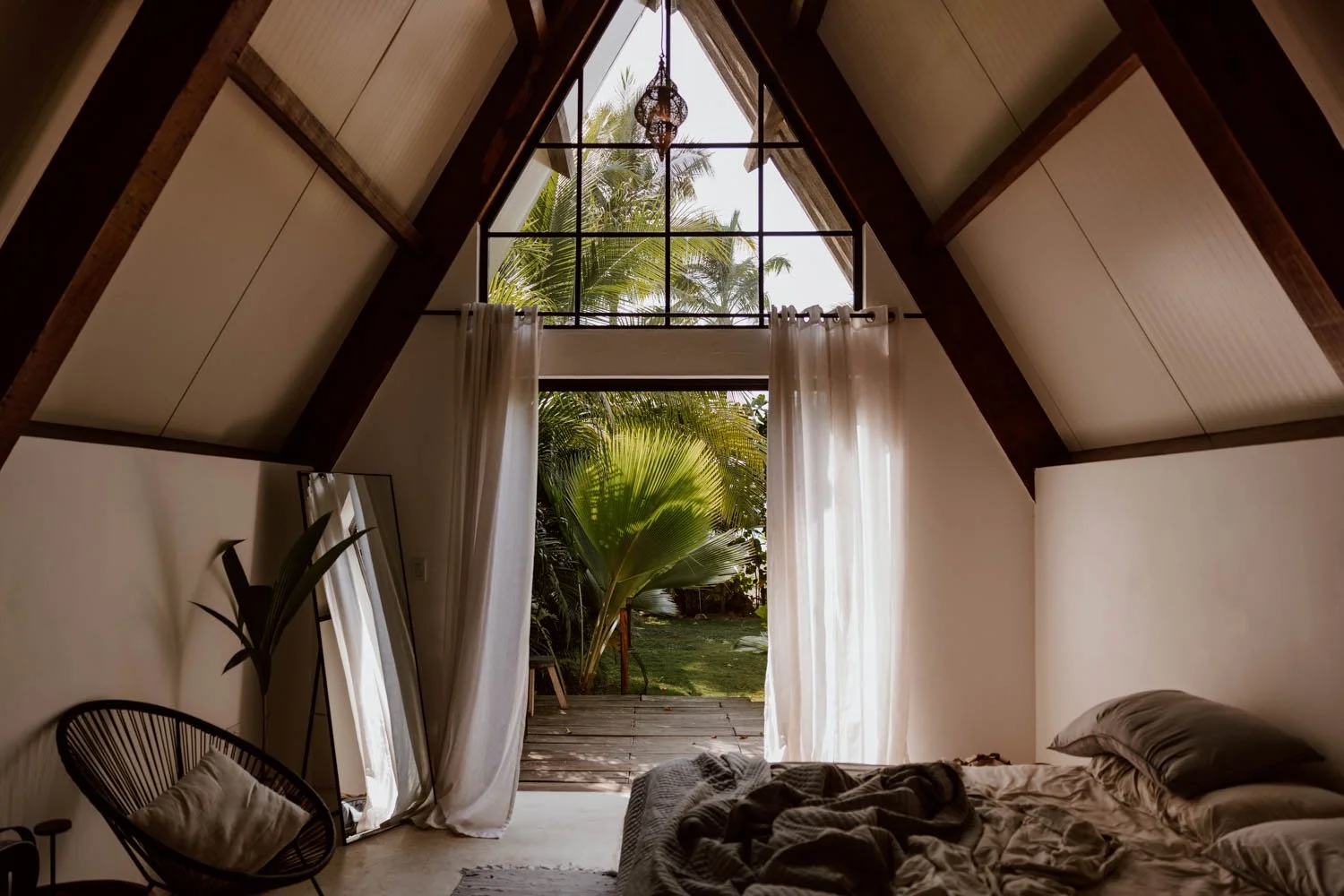
Where we stayed · This A-Frame Airbnb on the beach was an absolute gem of a find - and part of the reason we actually stayed in Cambutal
Alternatives · For barefoot luxury - and surf & yoga retreats - consider Sansara Surf & Yoga Resort.
Drive · It’s about 90-minutes from Venao - just go slow on the dusty, potholed approach road from Tonosi. A 4x4 isn’t necessary though (at least not in the dry season).
Transport · From Venao, hop on the minibuses to Tonosi and then take a taxi to Cambutal for around $18 USD
Signature experience · Early morning walks and sunset swims at the pristine, empty beach
How many days · You’ll want two nights to make the most of the journey in, but we could have stayed a week
One thing to know · There’s a fantastic shop in Cambutal, but you should stock up on cash and some supplies in Tonosi
Plan // A Short Guide to Cambutal · Panama’s Pacific Coast Secret


Day 9 | Travel to Santa Catalina
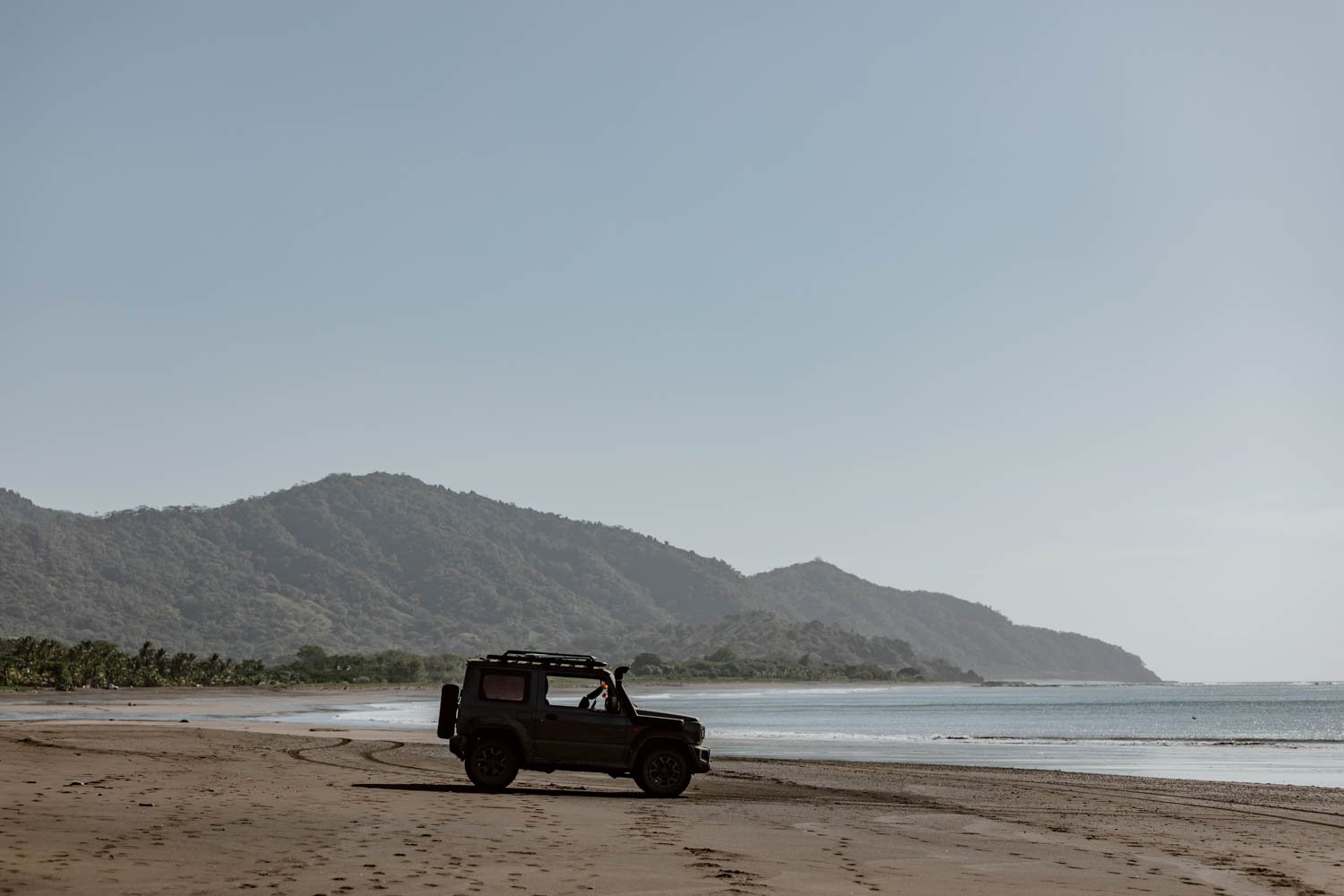
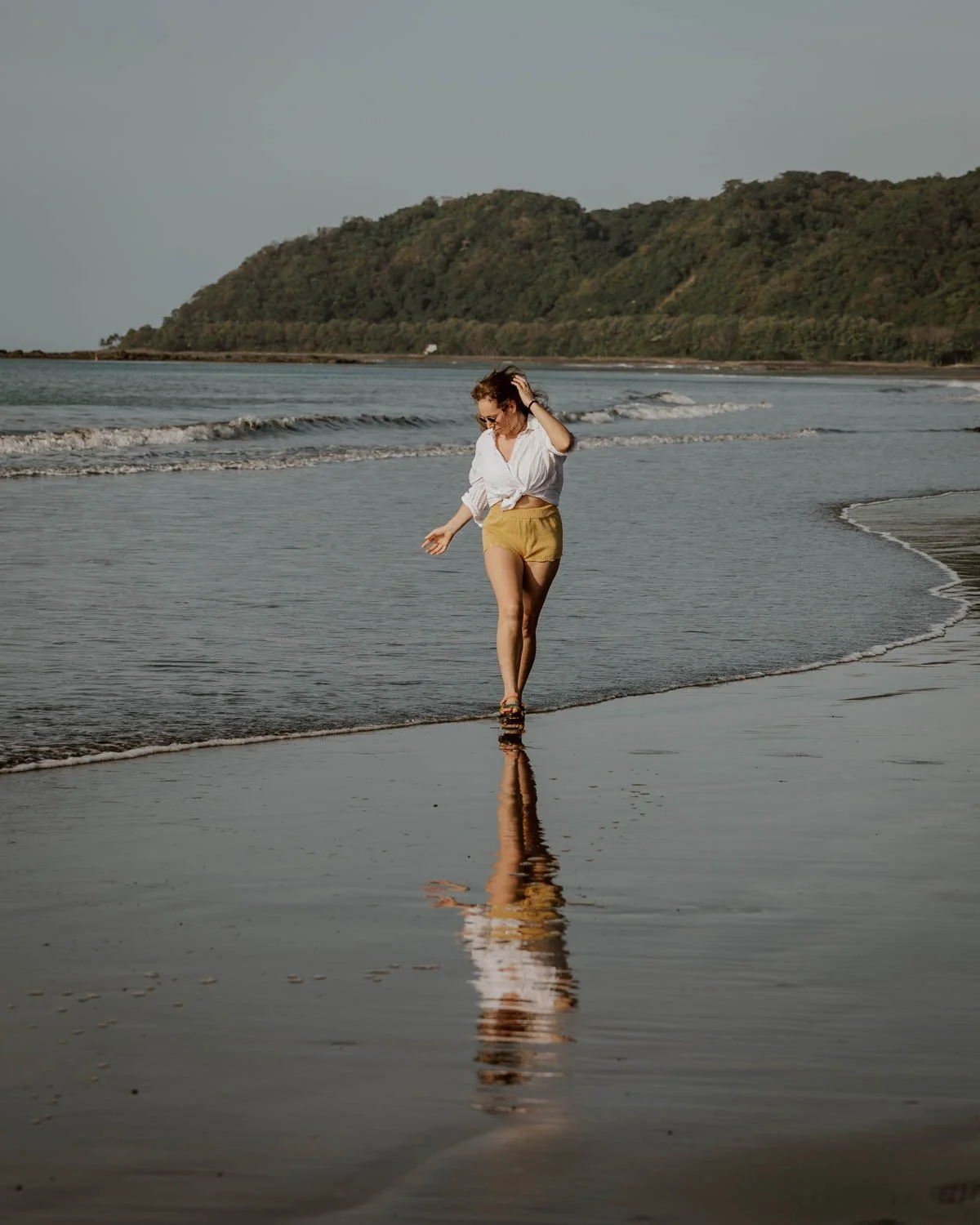
This was a twisting, gloriously scenic drive up and through the hills - with several sightings of cows on the roads and farmers on horseback - to rejoin the highway. The pitstop for Criolla food at random roadside fonda (restaurant) offered up one of the most satisfying meals of the trip, and the final stretch along a very dusty road to Santa Catalina augured well for the experiences to come.
It was just the sort of day that makes us love road trips.
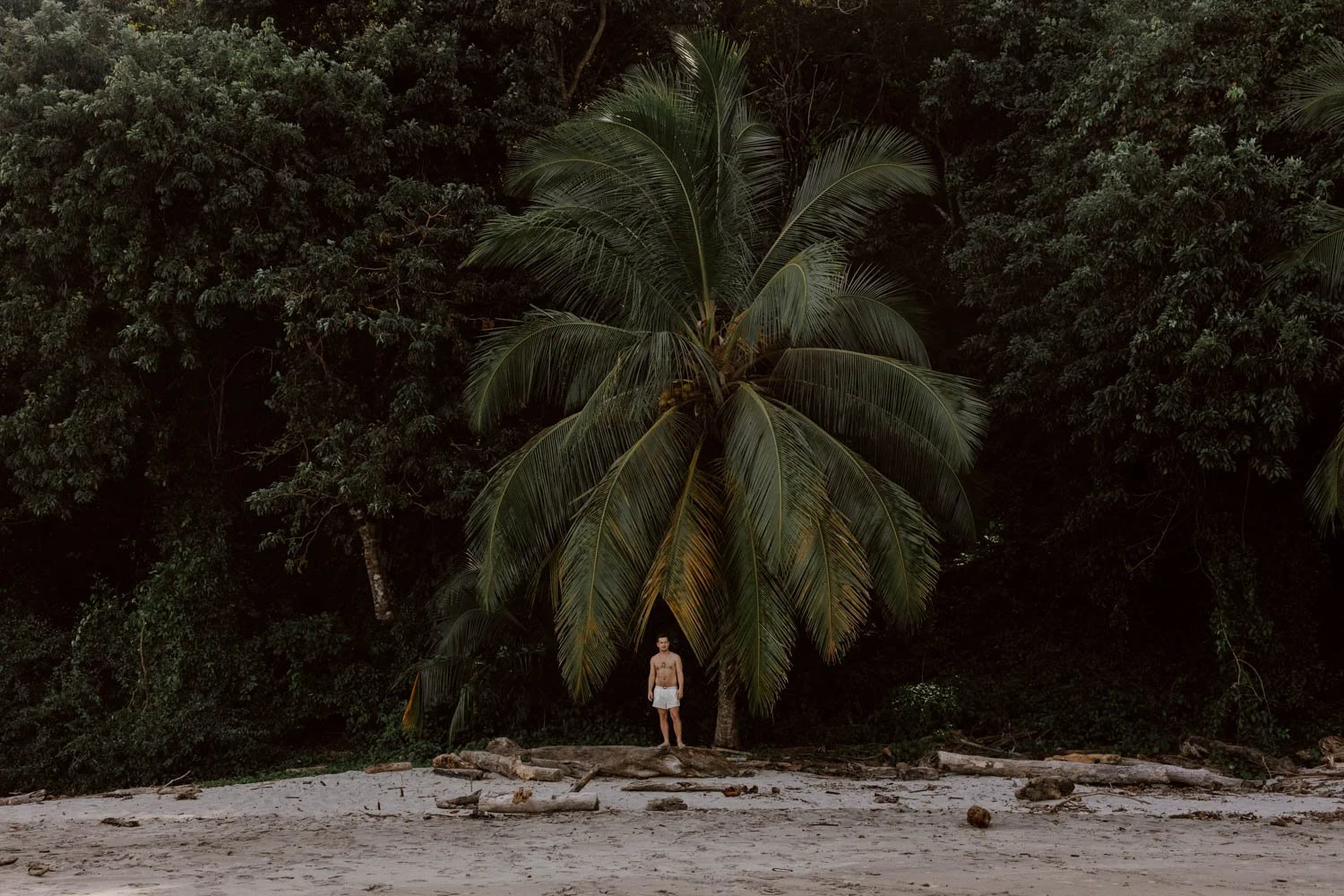
The remote coastal ‘town’ of Santa Catalina is now a first-draft pick on every good Panama itinerary, and its appeal is wide-ranging: surfers, divers, beach bums, and backpackers just looking for a chilled out beach town all flock here to find their somewhere.
We certainly did.
The Essentials
Where we stayed · The new Bambuda in Santa Catalina is the fanciest hostel we’ve ever stayed in, but actually worth the flashpacker splurge
Drive · It’s a very manageable six hours - you just need to go slow and sensible on the approach road from Soná to the sea. If that’s too long a journey, consider breaking up the journey with a night in Santiago.
Transport · Make your way by bus to the town of Soná, where you can connect to the Santa Catalina bus or share a taxi - you can also find plenty of shuttles to Santa Catalina from elsewhere in Panama.
One thing to know · Whether you’re driving or going with public transport, we highly recommend queuing up the three-part podcast - The Narco Dictator - which is all about Manuel Noriega, the geo-politics of the canal, and Panama’s complex history with the United States (iTunes - Spotify)
Plan // Concerned about the cost of rental or the reality of the roads out here? Read our Essential Tips for Driving in Panama for the inside track.


Day 10 - 12|Surfing & Diving in Santa Catalina
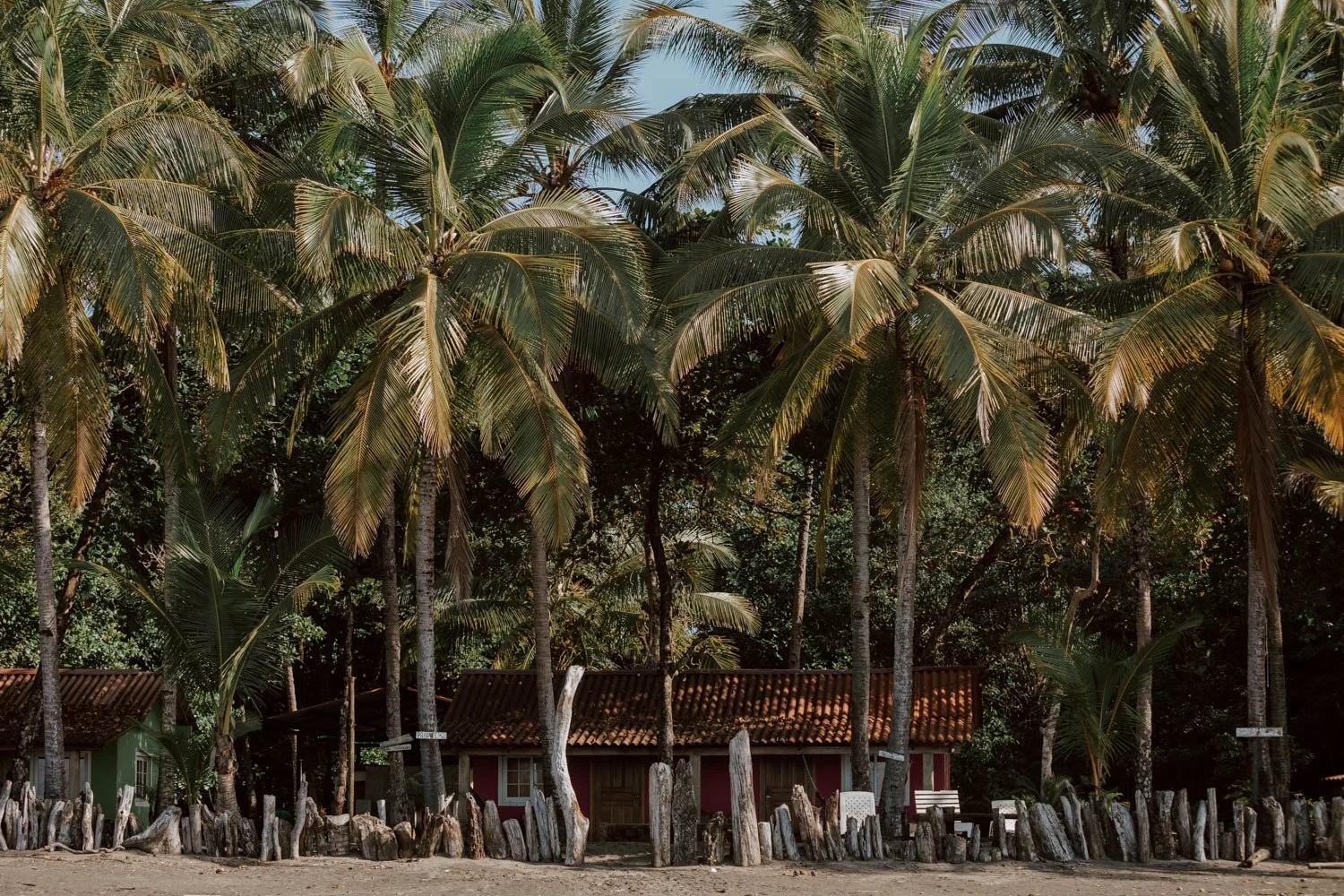
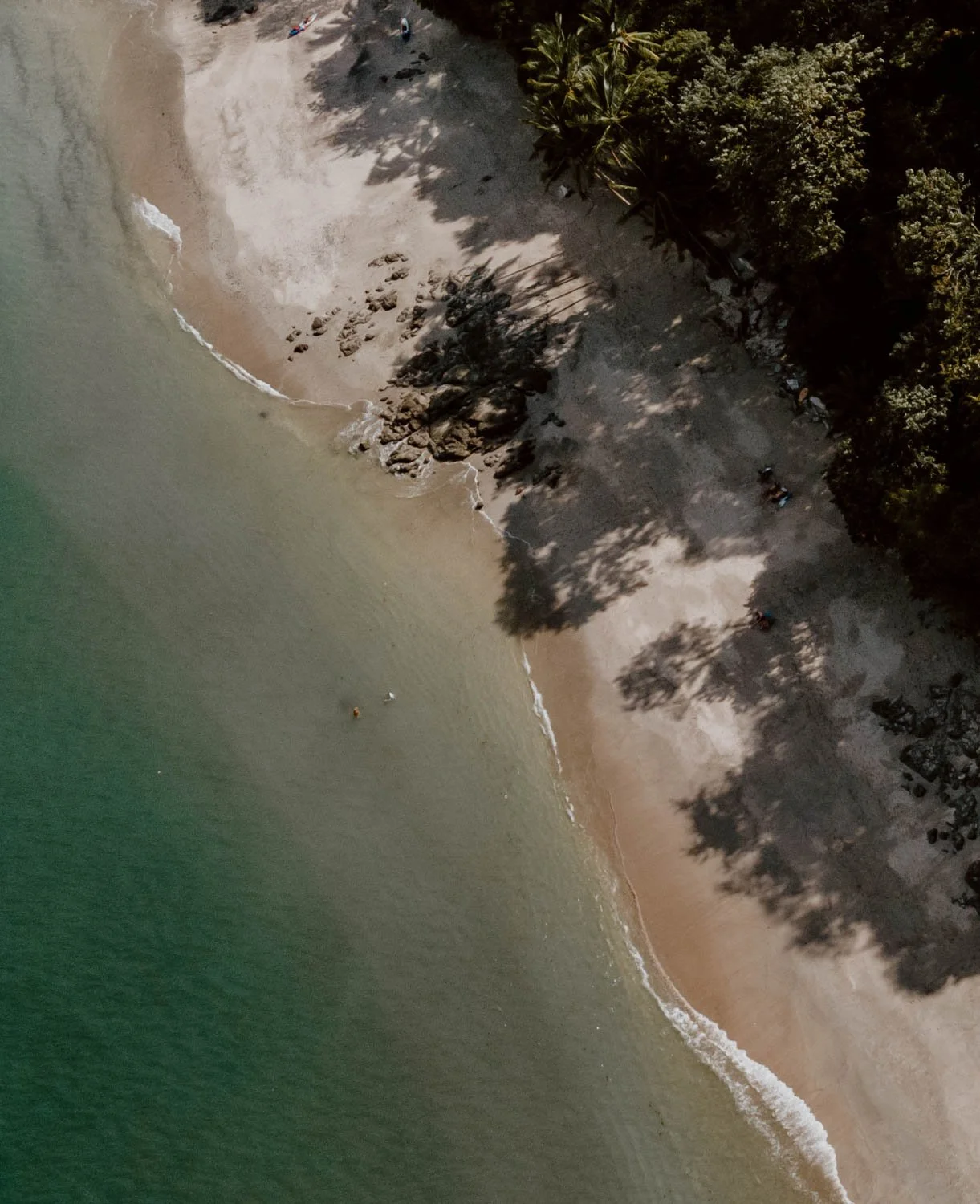
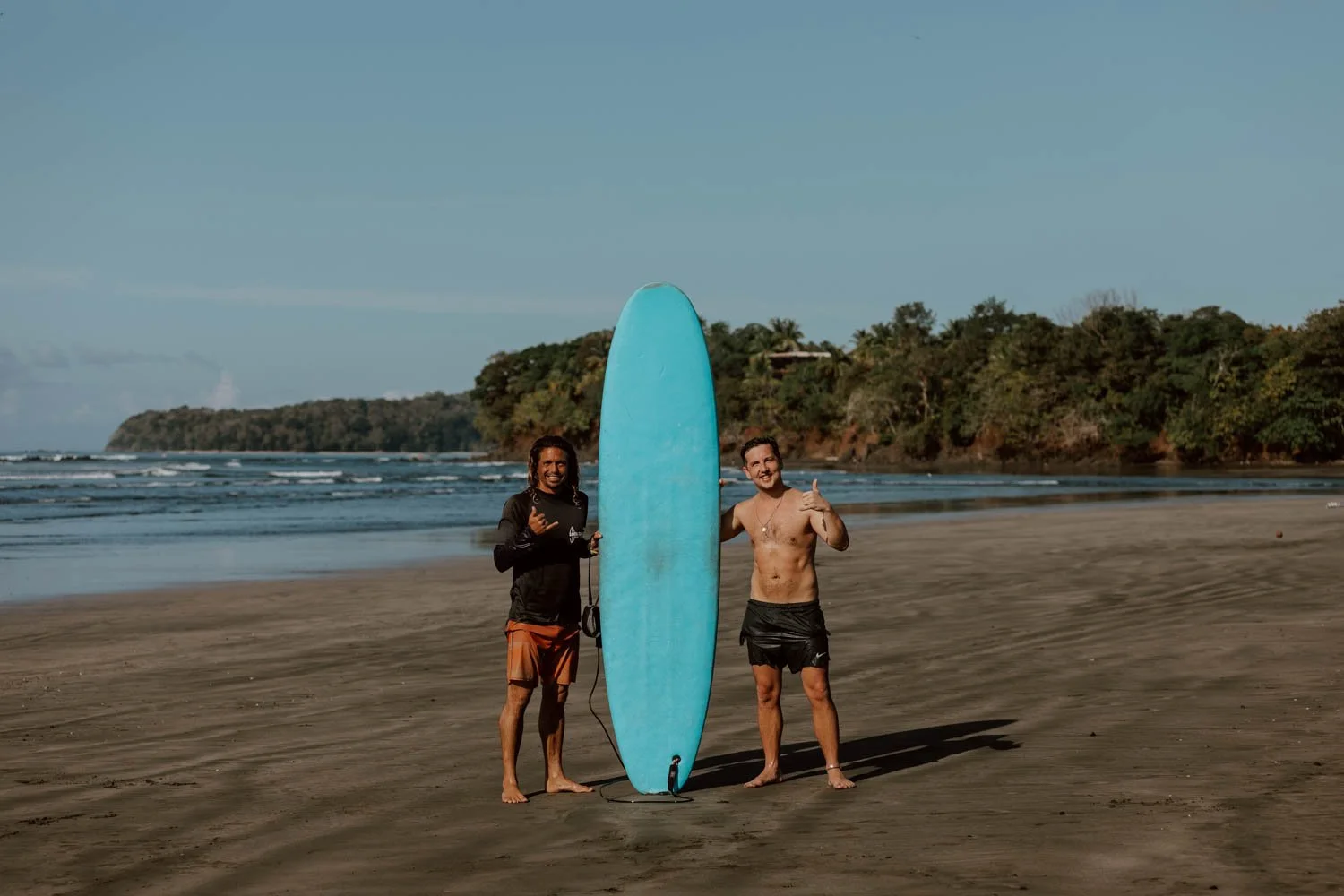
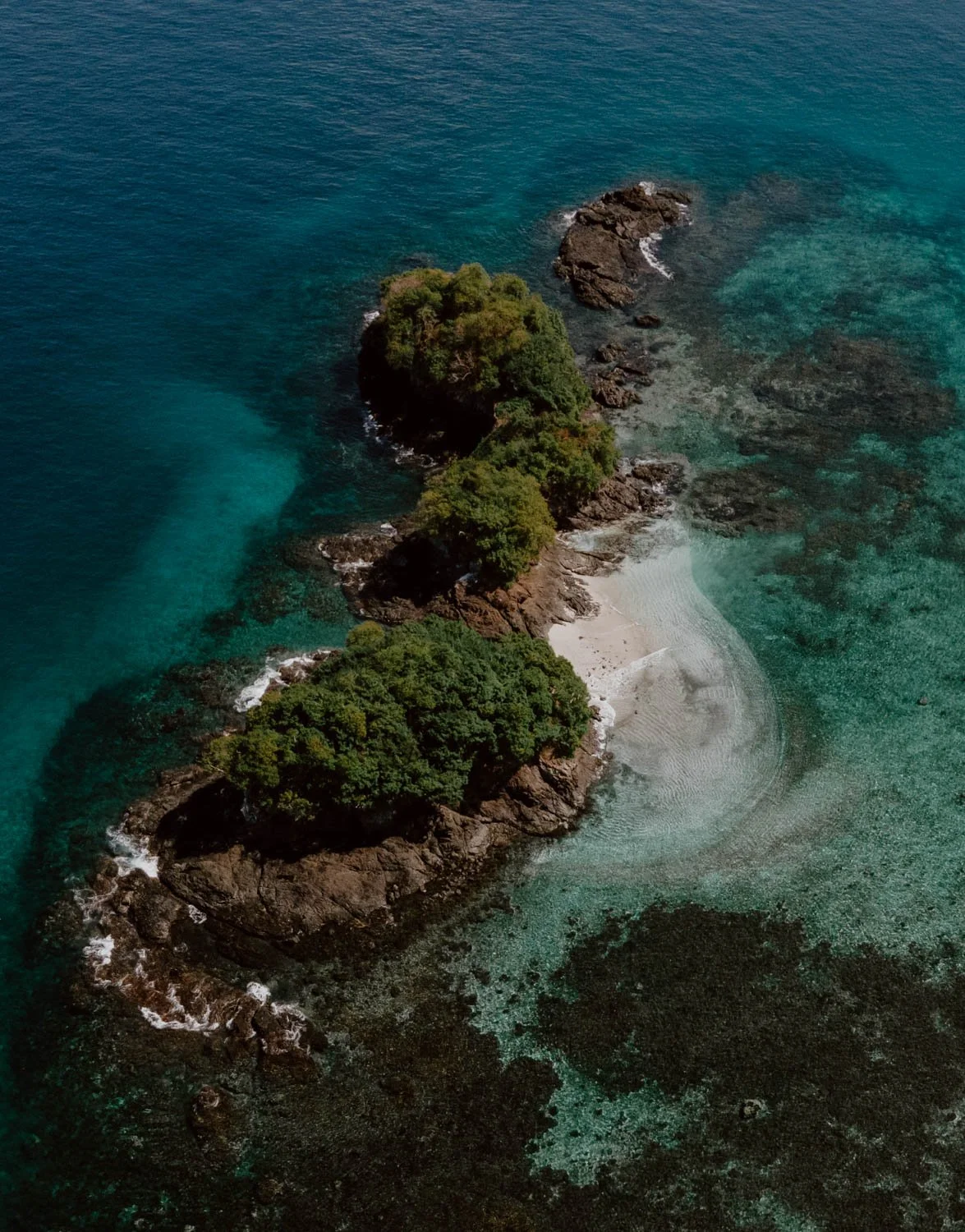
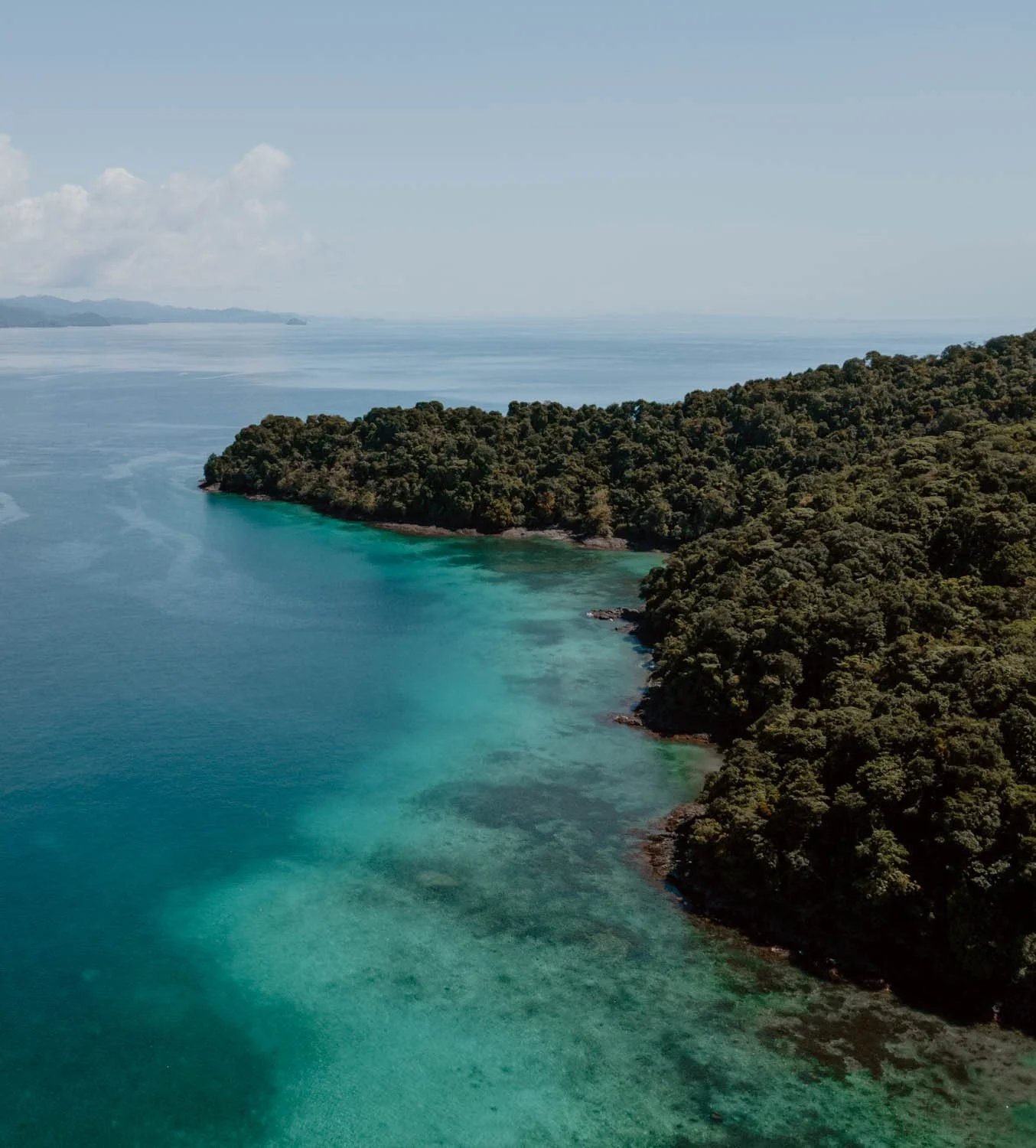
Daily life in Santa Catalina is unhurried, and still largely revolves around the tides: travellers learning to surf or testing themselves on the powerful La Punta right-hand break; boat trips out to explore the one-time prison islands of the incredible Coiba National Park; groups of snorkellers and scuba divers going deep into the blue.
In the moments in between, all you have to do is eat, drink, and perhaps nurse off a hangover on the beach or by the pool.
As scuba divers, the chance to blow bubbles in one of Central America’s most pristine marine environments was the priority for us for a full-day trip, but there was also plenty of time to do a surf lesson, dance the night away at Oasis, and take in the epic Santa Catalina sunset each night with stiff happy-hour cocktails.
Whether you’re looking to learn something new, dive, or just top up your tan in a laid-back beach town, this place ticks every box without having sold its soul.
Our full Santa Catalina guide has all the details on the surf, Coiba, and travel better tips to make the most of it.
The Essentials
Where we stayed · Bambuda Santa Catalina
Alternatives · Villa Coco and La Chamba Surf House
Transport · You can walk everywhere in Santa Catalina, including across the narrow river to Playa Estero, but need a boat to the Coiba
Signature experience · The virgin beaches, untouched islands, and diving conditions in Coiba National Park - a gem of a place
How many days · We’d suggest three days as a minimum, but those with looser plans or who just want to chill could easily stay longer
One thing to know · Surf lessons start at around $30 USD per hour, and the conditions are brilliant for first-timers
Plan // Our Santa Catalina Travel Guide · Slow Roads, Big Waves & Incredible Diving


Day 13 |Travel to Boquete
The next half of our Panama itinerary now follows the well-trodden path of the gringo trail in the west of the country and, for those without a rental car, it means all your journeys become very straight forward due to decent public transport links and a glut of quicker direct shuttle buses.
We decided to skip David - Panama’s second-largest city - because we’d visited before and feel it’s more of a transit hub rather than a must-see destination.
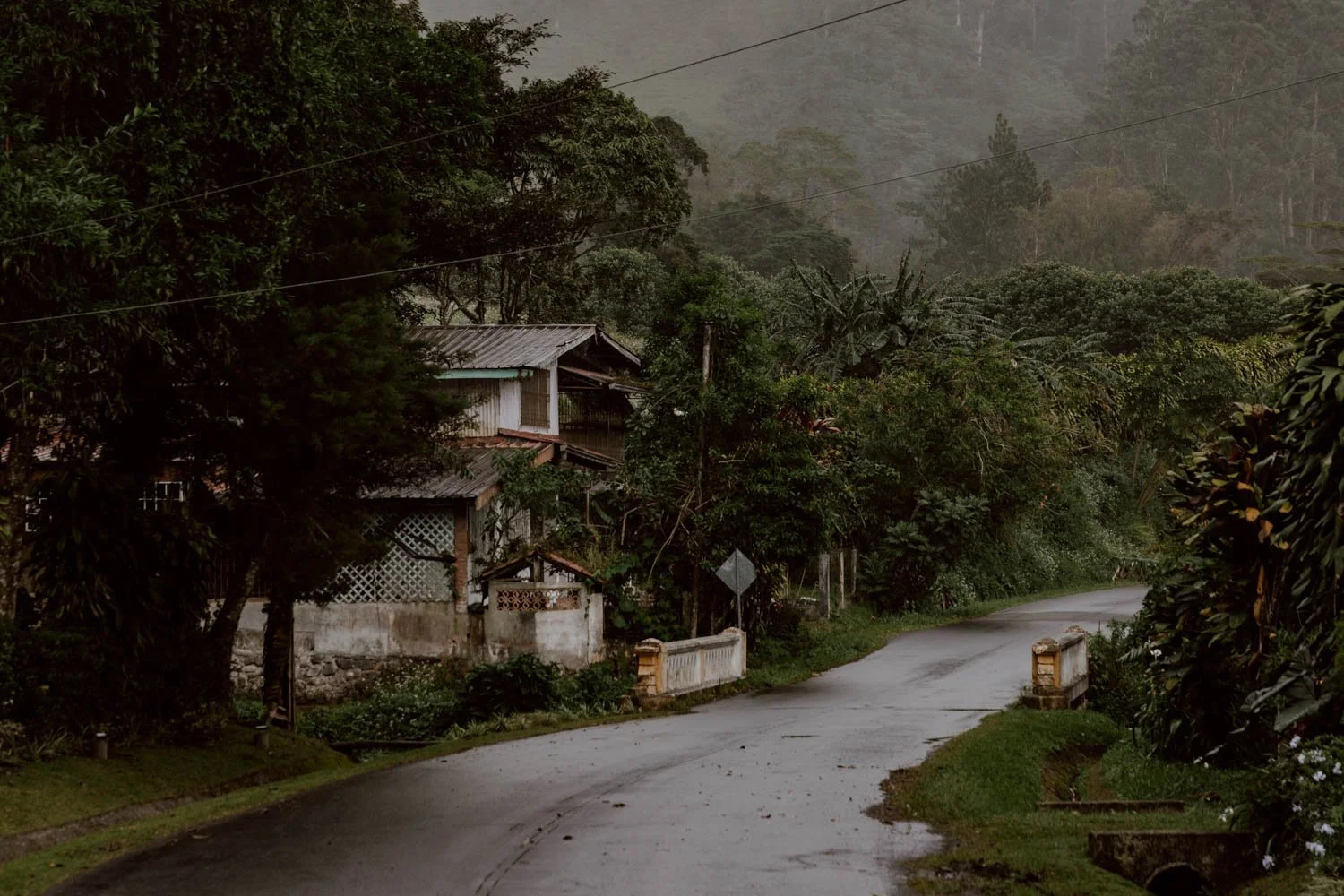
After a slow morning, final surf, and heavy-hearted adios to the Pacific, today’s drive just about getting up to Boquete before dark.
The Essentials
Where we stayed · Baia Guesthouse in Boquete
Drive · A straightforward drive, we covered the 272km/196 miles in five hours.
Transport · Lots of travellers head from Santa Catalina to Boquete, with a bus connection in David. However, you’ll save several hours by taking one of the direct daily shuttles instead - you can book them here.
Tip · If you need a coffee pitstop before the final stretch, we recommend Maple Coffee & Rock just north of David - find it here on Google Maps.



Day 14 - 16 | Coffee & Hiking in Boquete
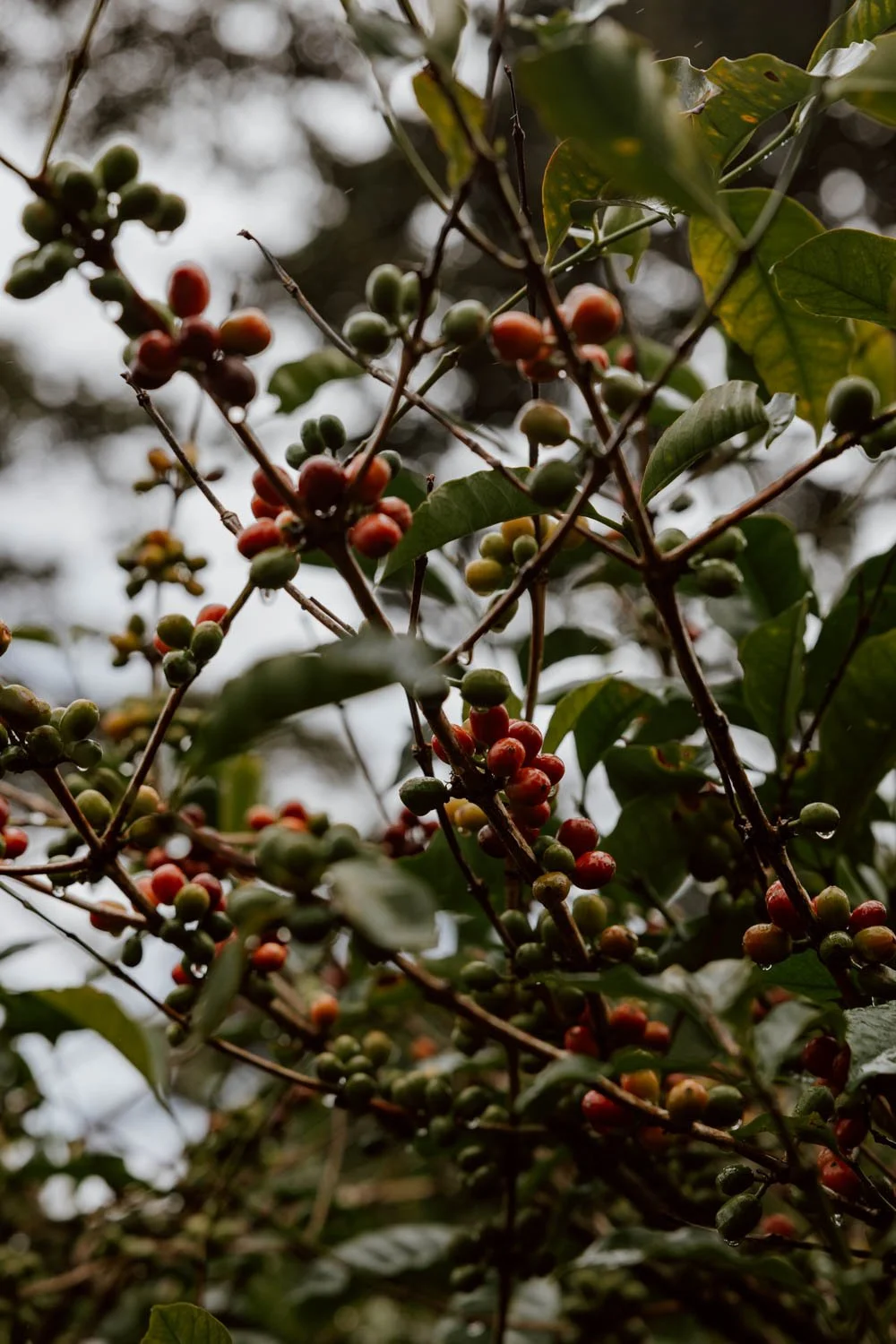
The hill town Boquete sits in the heart of the Panamanian highlands, and is the birthplace of the most expensive coffee in the world.
It’s also an excellent hiking and outdoor adventures base.
The climate is a world away from the Pacific coast though, marking a return to hiking boots, extra layers, and the always-with-you rain jacket (sorry)!
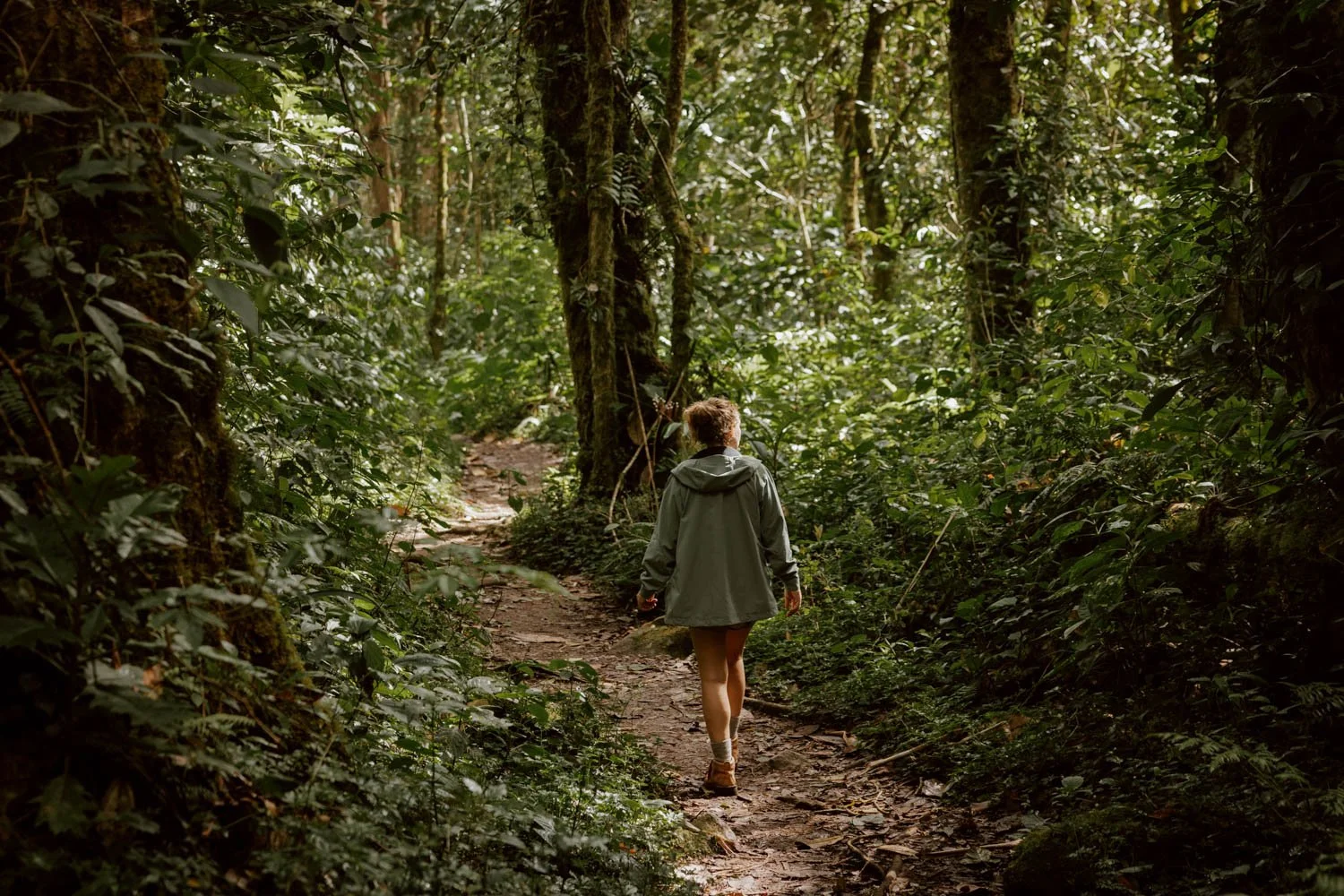
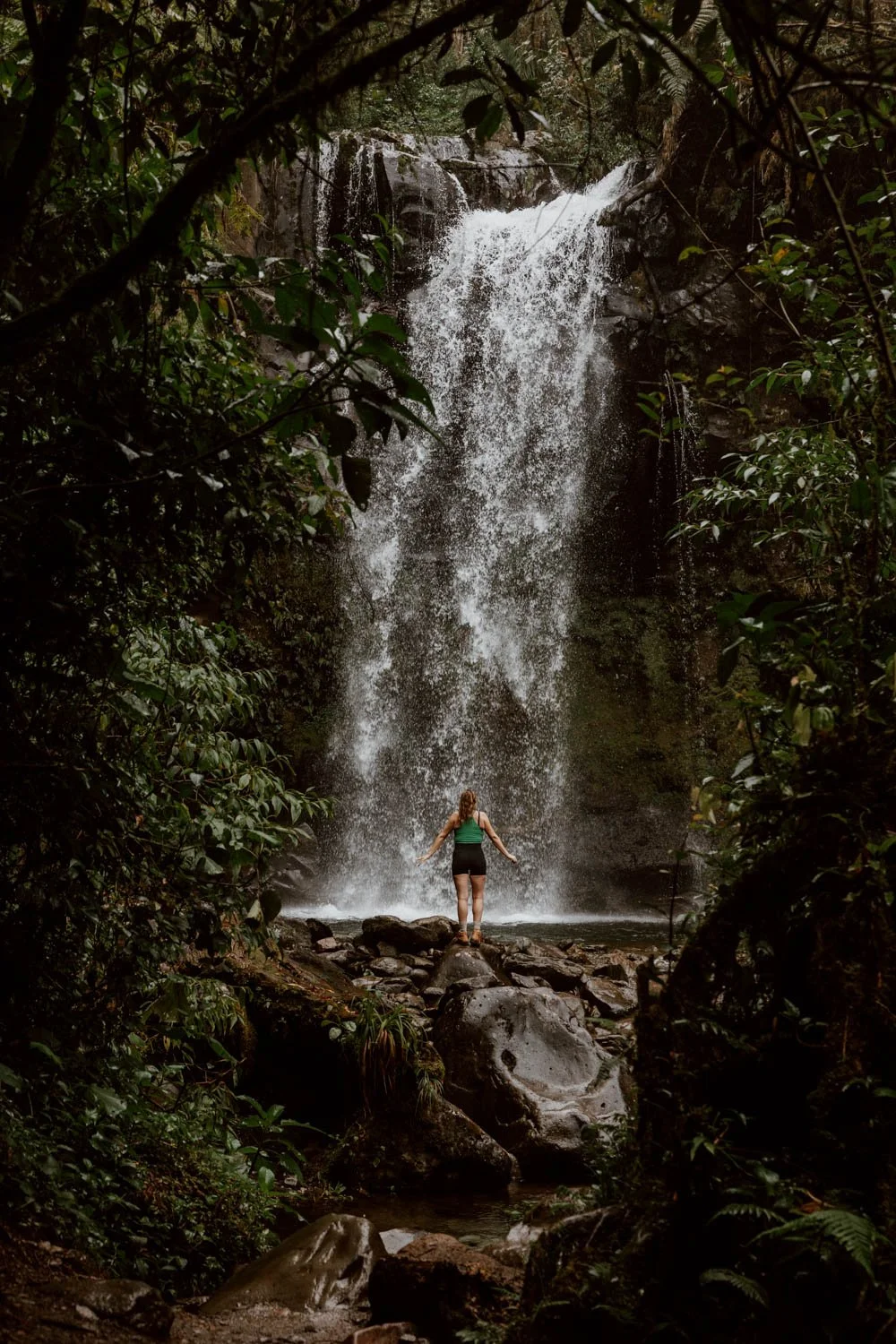
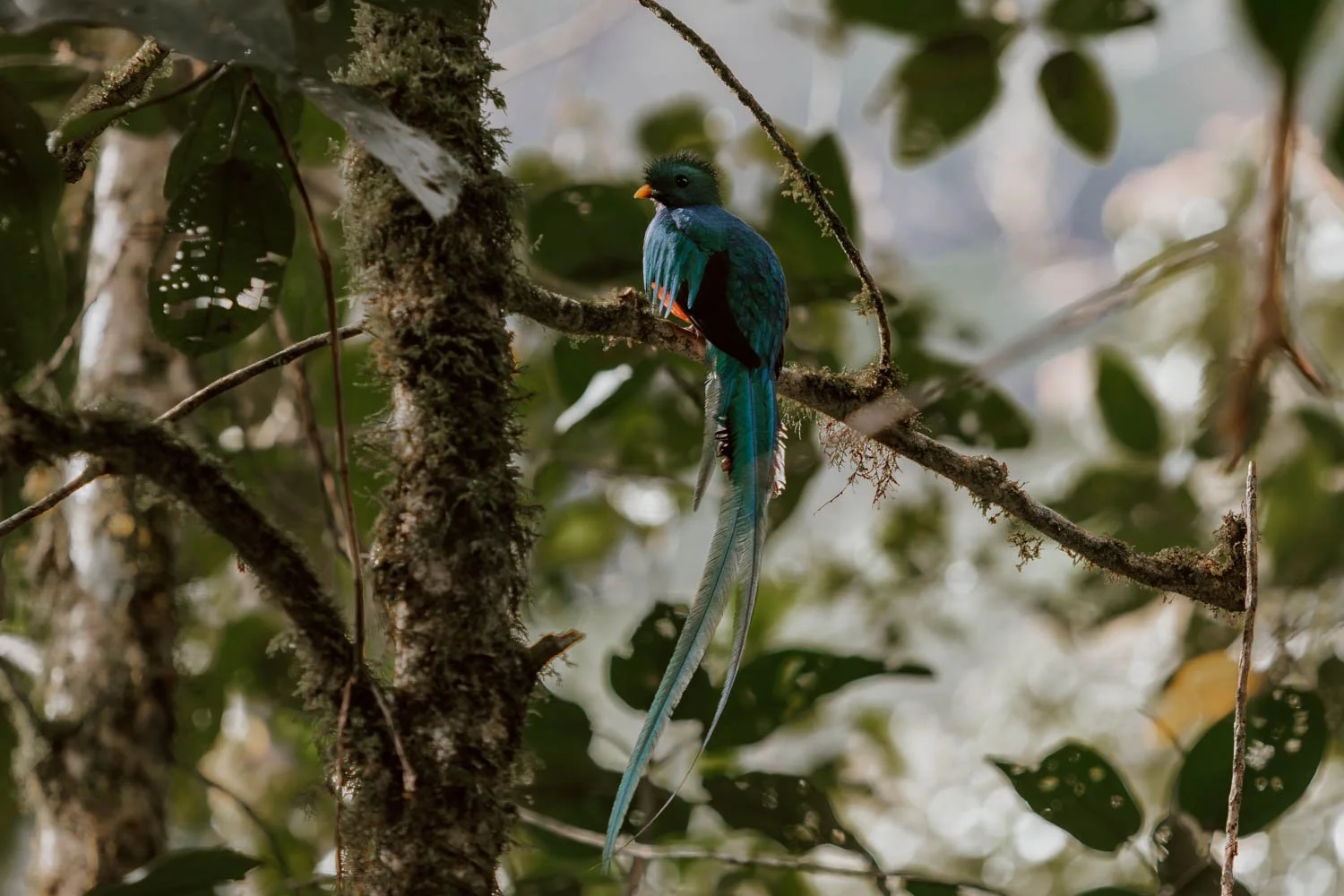
As avid hikers and self-confessed coffee wankers, we filled our three full days easily: starting with an easy morning hike to The Lost Waterfalls before driving to several fincas (coffee farms) for tastings and tours, whilst day two saw us take on the notorious El Pianista. We finished up with a morning on the mystical but straightforward Pipeline Trail where we accidentally spotted a resplendent quetzal in the cloud forest - an experience that is much sought after in Central America, and we had zero expectations of ticking it off in Panama.
In between, there were wanderings around the town, drinks out, carb-loading meals back at the hostel, and more stops for locally-sourced coffee than anyone should reasonably imbibe in a single day. One of us also fell deep into a true crime rabbit hole, where Boquete is one of the main characters.
Our full Boquete guide covers the best hikes, coffee farms, and the reason the town is infamous on YouTube - plus what we’d skip if time is tight.
The Essentials
Where we stayed · The no-frills but homely Baia Guesthouse was perfect for our travel style and budget
Alternatives · The Bambuda Castle (it’s an actual castle) is very popular amongst solo backpackers. Downtown Suites is excellent for your own space but for real luxury in the highlands, take a look at Valle Escondido Wellness Resort
Drive · Having your own car really opens up the myriad trails and fincas that encircle Boquete - some travellers even hire one for a few days whilst here
Transport · The town itself is easily walkable, but to reach the trailheads and fincas you’ll depend on shared taxis and colectivos. This is very common so won’t cause any issues - ask around at your hostel for anyone doing the hikes to split costs
Signature experience · The Lost Waterfalls trail is a favourite of many, but the experience of a geisha V60 at Lastima will stay with us for a long time
How many days · If you only want to do one or two hikes and visit a finca, two full days will be enough. Lovers of the outdoors (and those that don’t mind the weather), can easily fill three or four full days without going at a ridiculous pace
One thing to know · The weather pattern in dry season (Nov-March) can make afternoons a bit miserable in Boquete, meaning that it’s essential to start your hikes in the morning for the best conditions and visibility. Boquete becomes a premier whitewater rafting destination from May to November, as seasonal rains swell the rivers and turn the Chiriquí Viejo into a fast, technical run.


Day 17 | Travel to Bocas del Toro
For reasons too convoluted to fully unpack here, after wrapping up in Boquete - with a brief detour to Los Cangilones de Gualaca - our road trip came to an end in David. From there, we continued the adventure with a combination of buses, boats, and a flight.
This was a deliberate call rather than a compromise, and while you could absolutely make a different decision depending on budget, timing, or onward plans, it worked best for this itinerary and optimising our days visiting Panama’s two famous archipelagos.
We break down the logic, costs, and alternatives to our decision in our Driving in Panama Essentials guide.
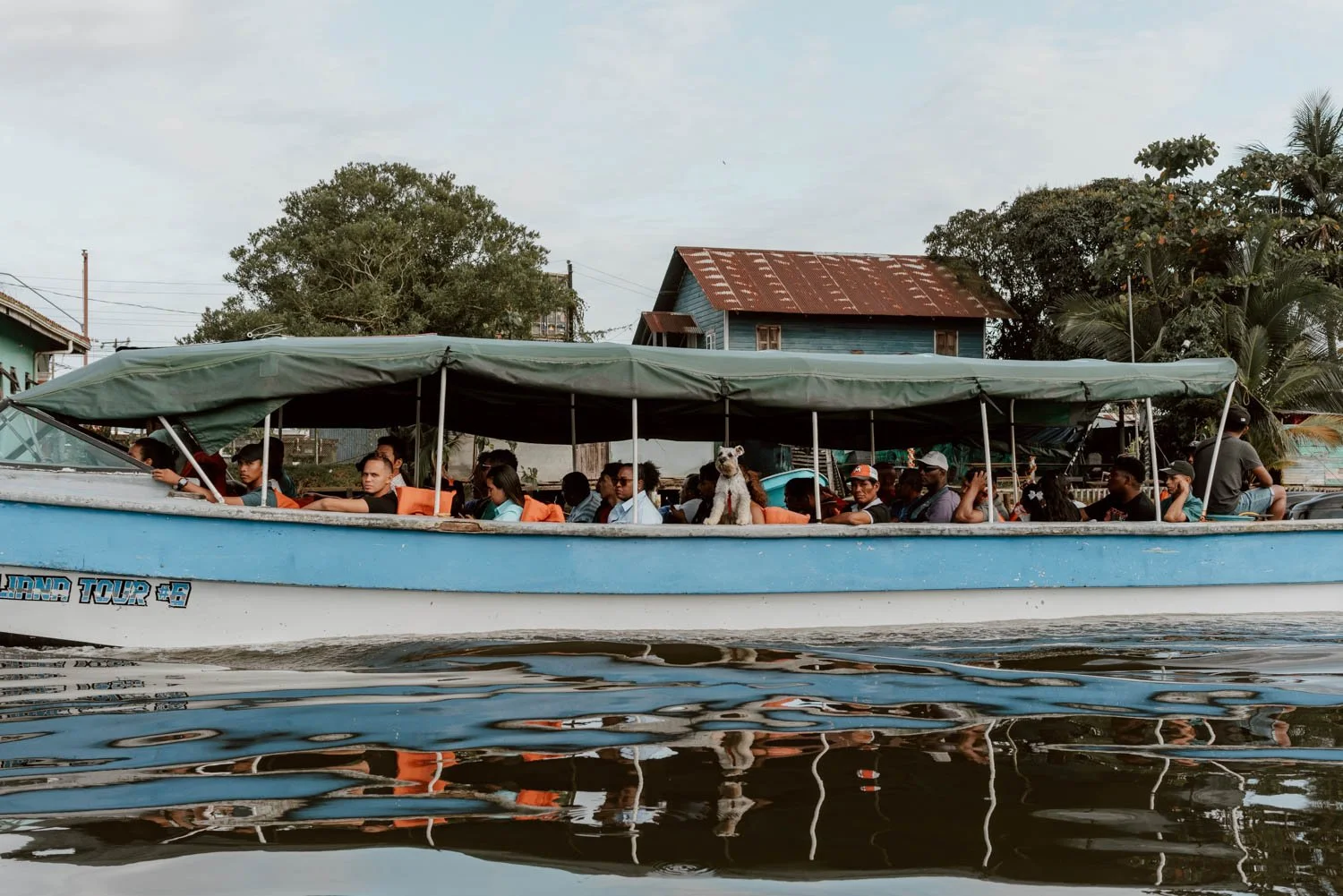
Either way, there’s no avoiding David: every road out of Boquete funnels south to this transport hub, which serves as the launch point for the journey north to the islands of Bocas del Toro. These are on the Caribbean side of the isthmus, and only accessible by flight from Panama City or boat from Almirante.
On arrival in Isla Colón - the largest island in the archipelago - many will need to take one more local boat to reach your accommodation/base island.
We’ve shared the essentials below, but all the details on the transport options to reach Bocas are in this explainer post.
The Essentials
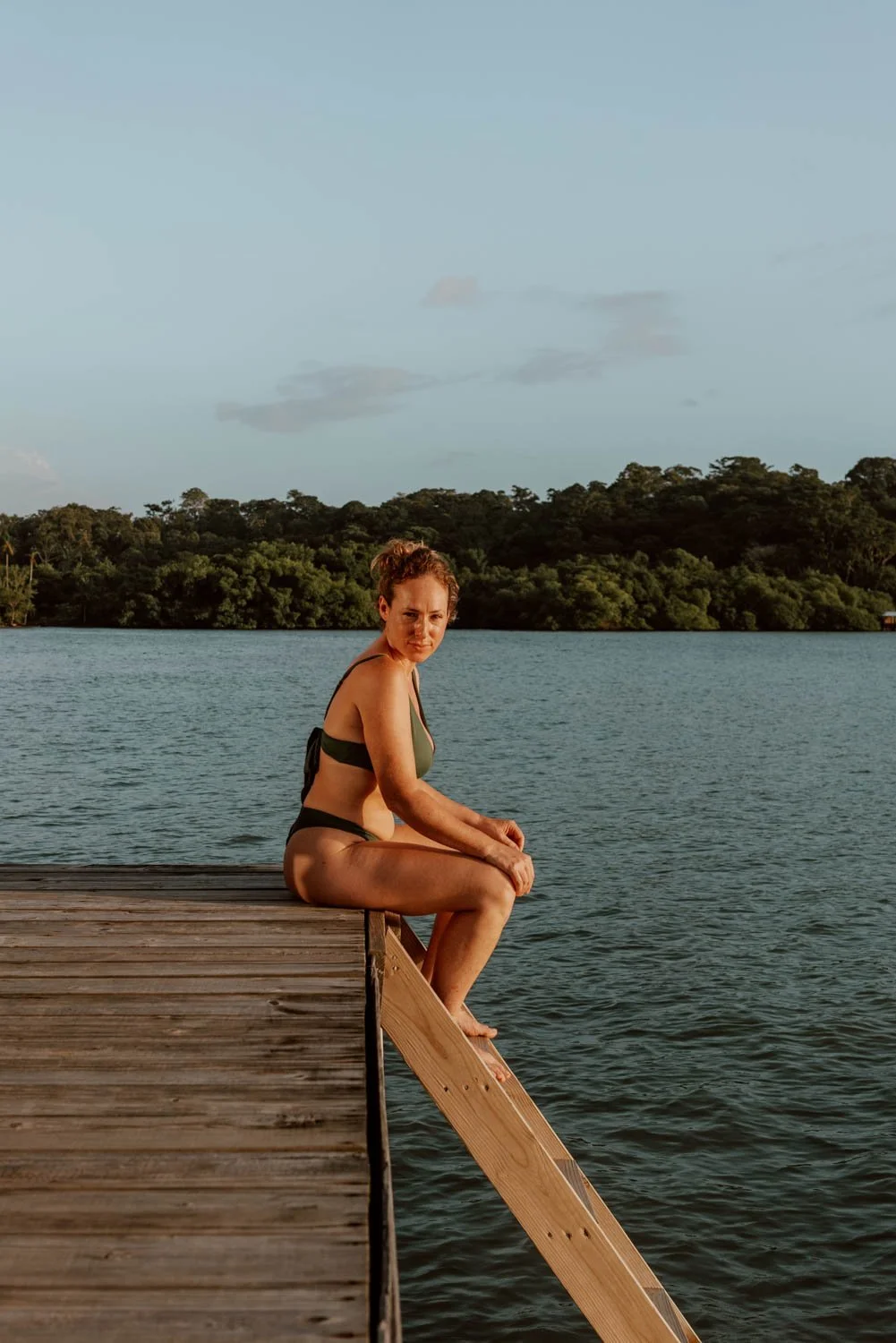
Where we stayed · The amazing Airbnb on stilts on the lesser-visited Isla Bastimentos
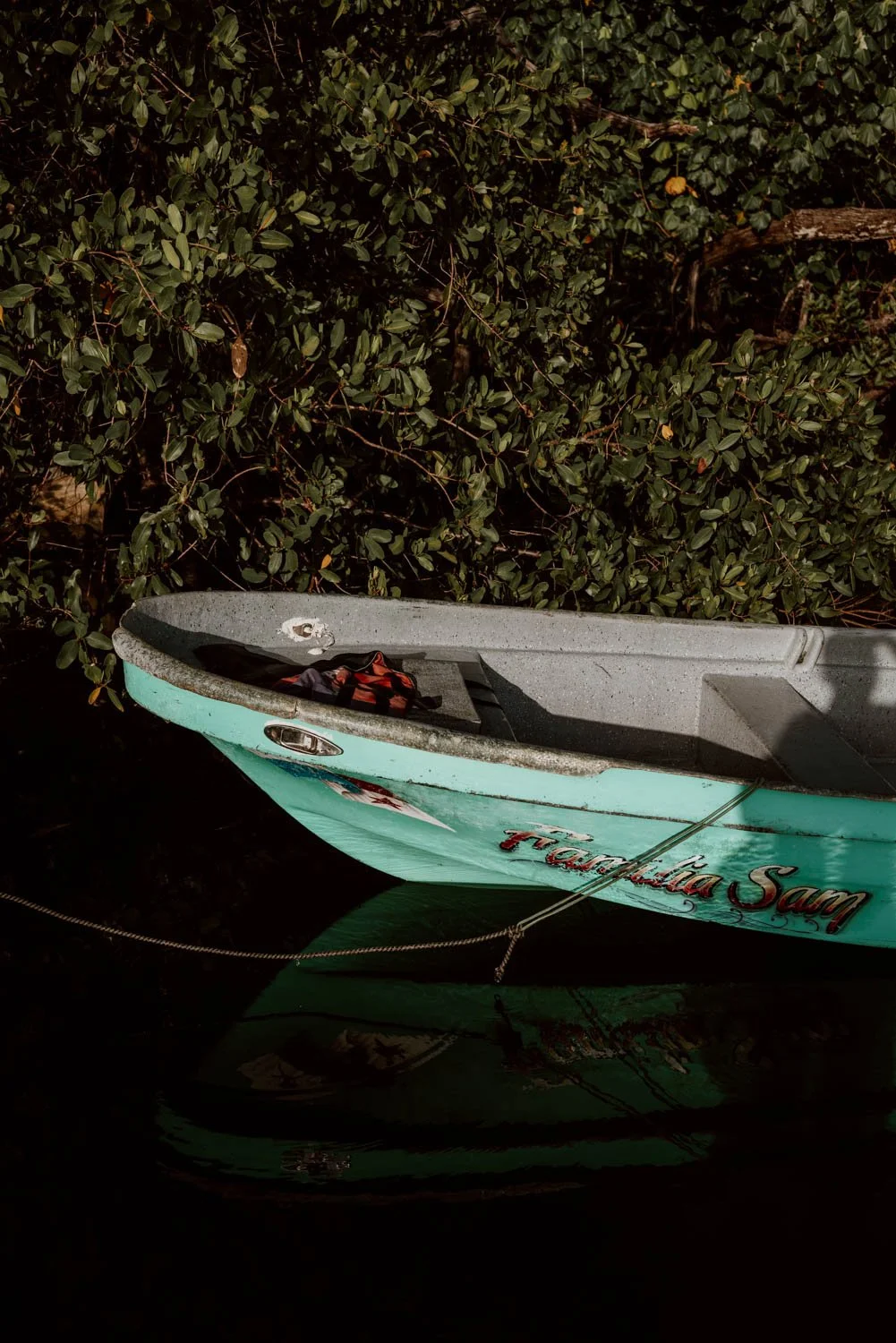
Drive · If you keep your car, it’s a scenic 5-hour drive from Boquete to Almirante, via David. You can then choose to leave your car there before taking the lancha over or try to secure a space for it on the ferry. We explain everything over in the Driving in Panama Essentials guide.
Transport · It’s just an hour by bus from Boquete to David, then you take one of the regular minivans to Almirante (4 hours, $8 each). It’s then a 30-minute boat crossing to Isla Colón ($6 one-way). We did exactly this journey, and it went without a hitch. If you want to get there quicker or more comfortably though, you should take the shuttle + boat combo from Boquete to Bocas.
Signature experience · Whilst the boat ride is memorable, the drive up to Almirante is incredibly scenic and definitely one to look out the window rather than at your phone. It also passes through the indigenous Ngäbe-Buglé comarca, and their stilt houses and colourful dresses are a common sight.
One thing to know · There are hustlers and hasslers at the Almirante docks - pay attention and don’t let them lead you astray
Plan // How To Get To Bocas del Toro - and Onward Island Connections Explained


The Wildcard Alternative
We regret not spending at least a night at The Lost and Found Hostel
Situated on the way from David to Almirante, it’s a remote backpacker hostel hidden high up in the cloud forest of Chiriquí. You have to hike in, and the views it offers are stunning, whilst there’s jungle trails, hammocks, communal dinners, cold beers, and a proper off-the-beaten-track vibe.
It came highly recommended from a few of our Instagram followers, but we decided to prioritise extra days in Bocas.
If you’re looking to break up the journey to Bocas, or simply looking to include a beautiful lesser-visited area of Panama in your plans, then it may be the perfect choice - check prices and availability here.
Day 18 - 21 | Bocas del Toro
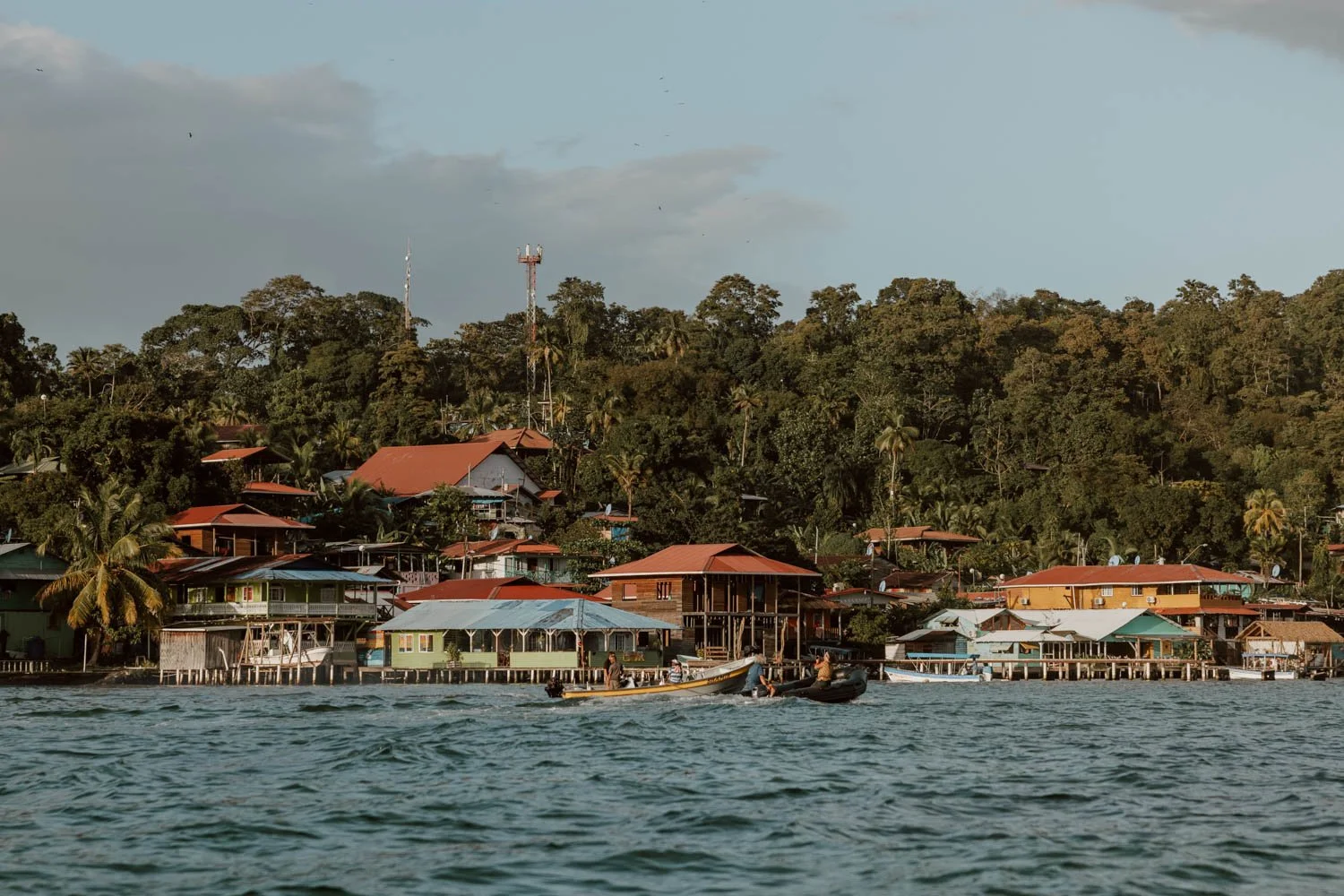
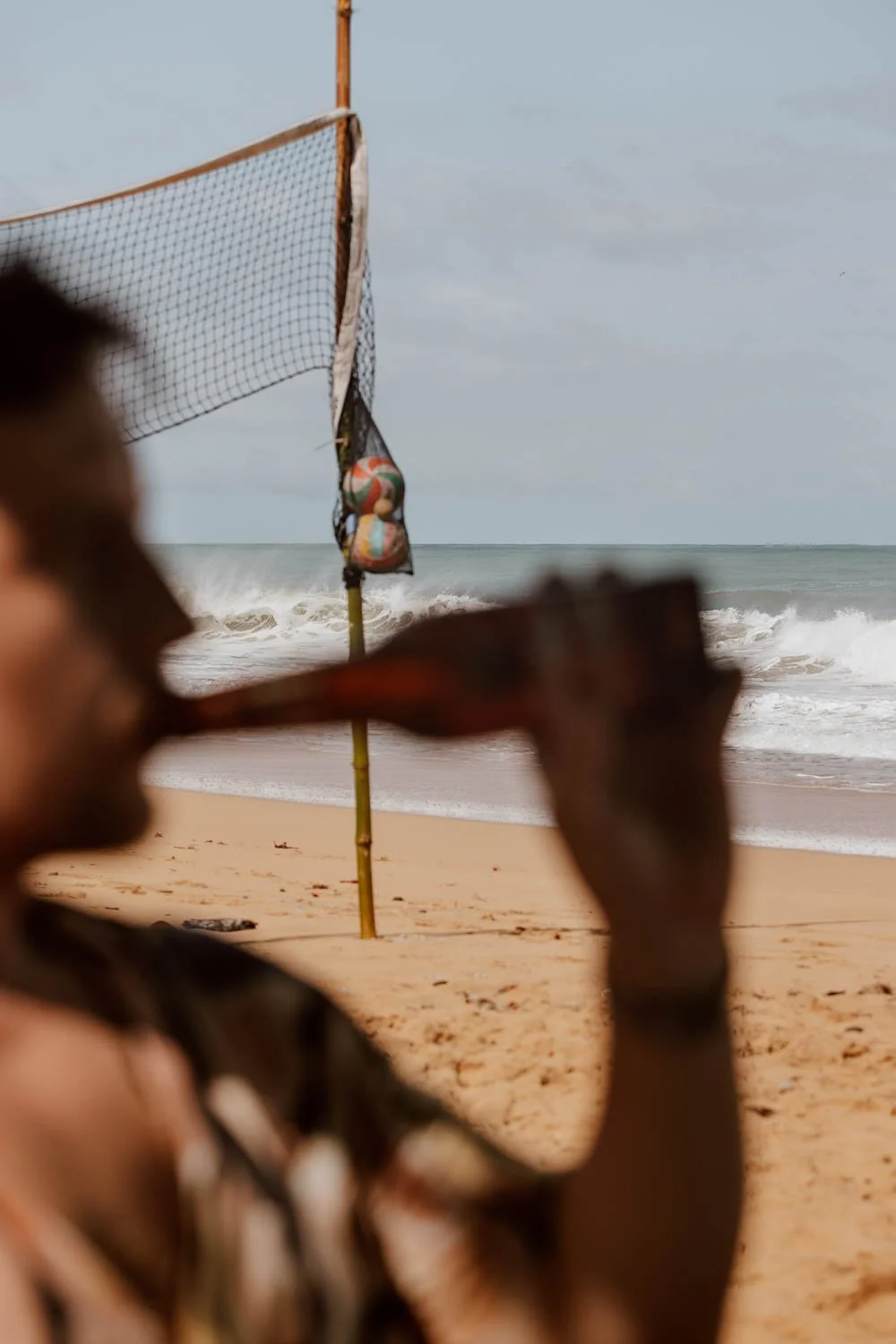
Bocas del Toro is noticeably different from almost anywhere else you’ll visit in Panama.
Its roots lie not just in Indigenous Ngäbe communities, but in a long Afro-Caribbean history shaped by migration, banana plantations and decades of movement through the archipelago. English creole is commonly heard, reggae and soca spill out from boats and porchfront speakers, and the daily life and vibe feels closer to the West Indies than to Panama City or the highlands.
Set among mangroves, shallow reefs and low-lying rainforest islands, the Bocas archipelago is culturally and environmentally its own thing.
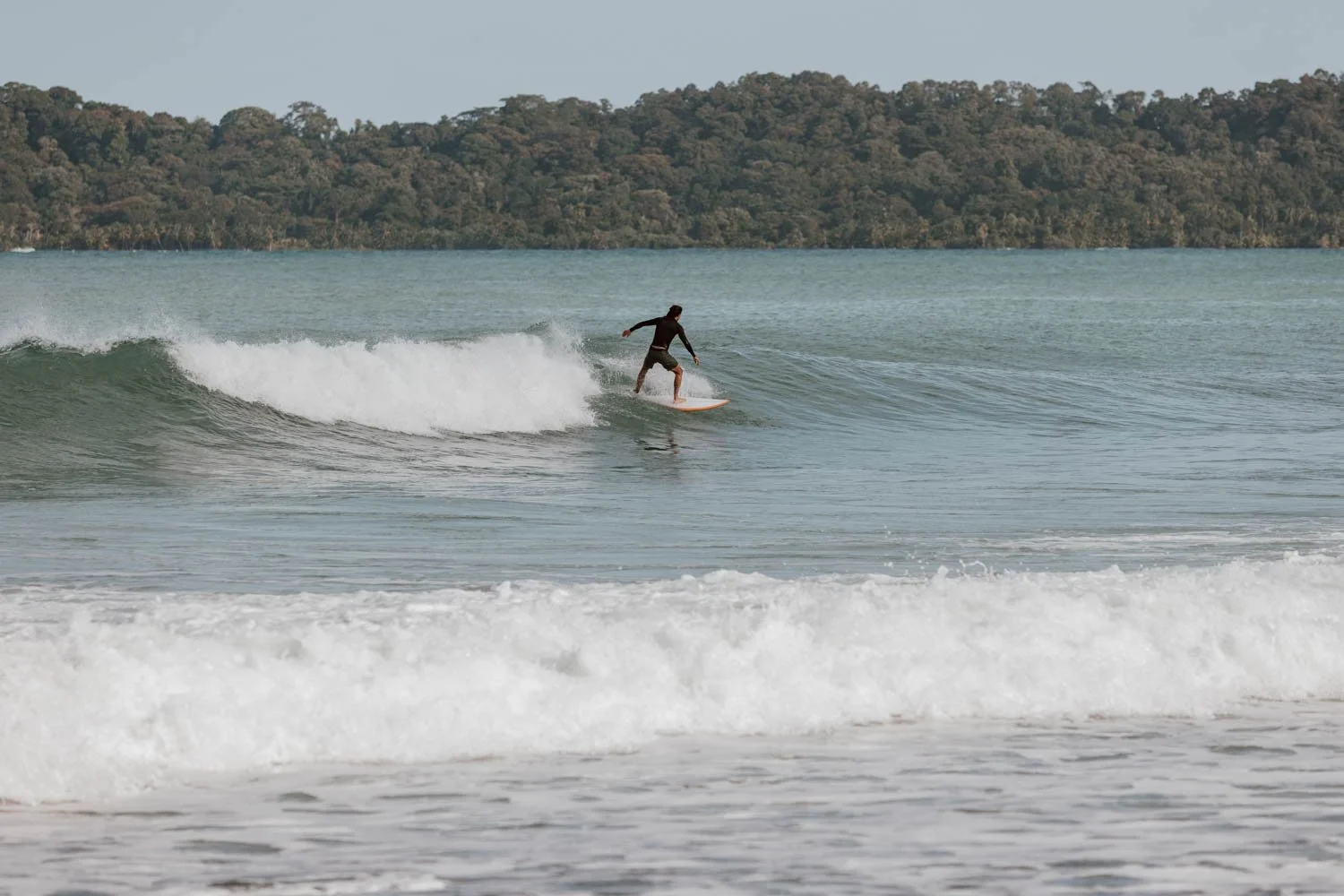
For visitors, Bocas revolves around a small cluster of islands - with Isla Colón, Bastimentos, Carenero and Solarte forming the practical core - and most days end up centred on the water. Getting around means boat taxis and half-day trips rather than roads, with snorkelling, swimming and beach-hopping easy to slot together. There’s also surprisingly good surf on the Caribbean side, alongside tropical rainforest, short jungle walks and a patchwork of fragile coastal ecosystems that give the archipelago its character as much as its beaches.
It’s worth calibrating expectations though: Bocas del Toro is often imagined as a glossy, all-inclusive sort of vacation destination, but the reality is something quite different - this is part of the charm for some, but not for all.


The Essentials
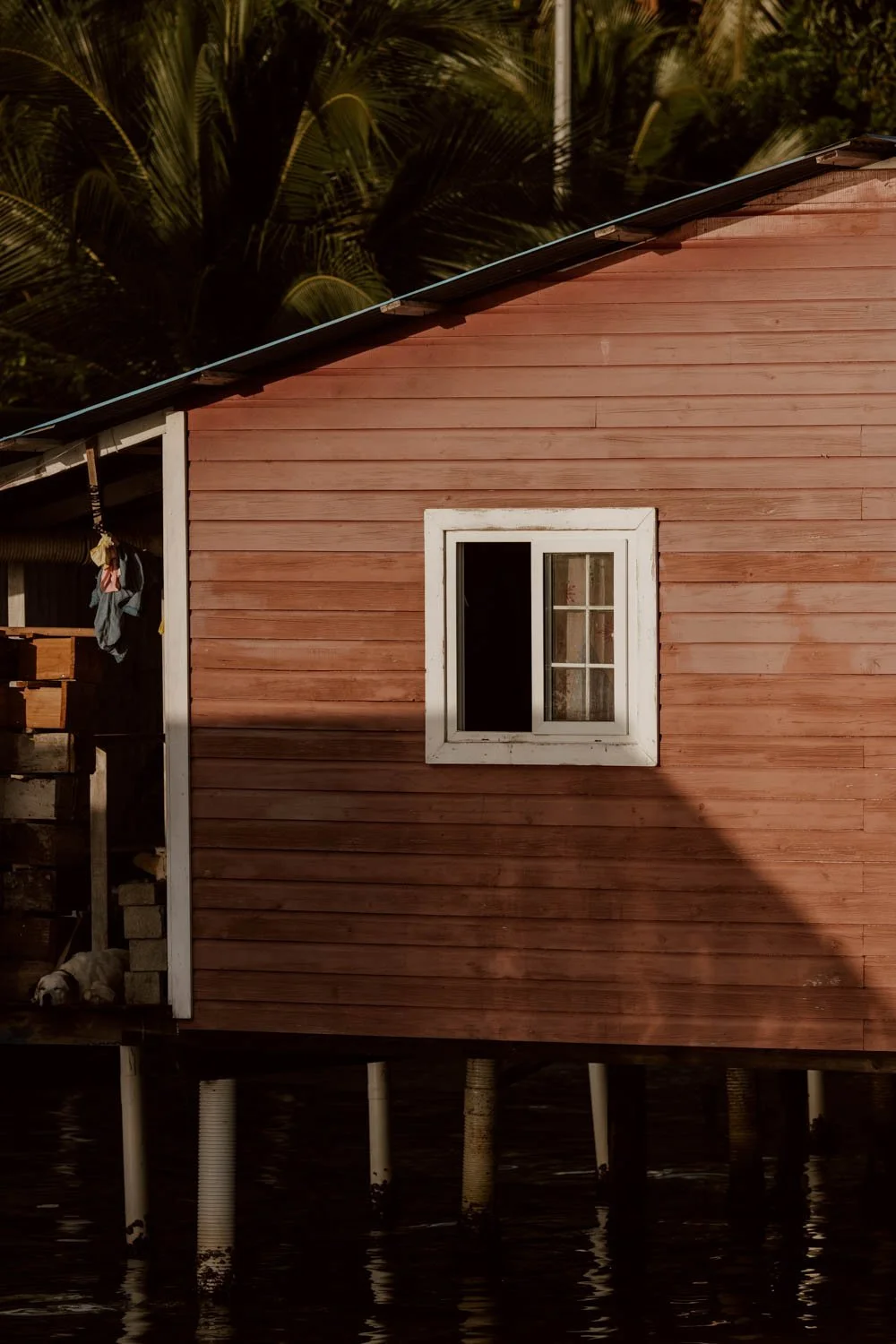
Where we stayed · This amazing Airbnb over the water on Isla Bastimentos was 100% worth the splurge
Alternatives · Oasis at Bluff Beach and Bambuda Isla Solarte
Transport · You take water taxis (shared and private) between the islands and it’s a fixed fare of $5 per person - this can mount up quickly
Signature experience · For us, cycling in the rain and spotting a sloth hanging out at the roadside after his weekly ablutions
How many days · Three days will be good for most itineraries, if you get good weather. We spent longer but the rain scuppered a couple of our days’ plans
One thing to know · This area has a different climate to the other side of Panama, with frequent showers during the mainland dry season (Nov-March). We knew this before arriving in January, but it still affected our stay a lot and is a key reason why Bocas sometimes doesn’t get the plaudits it should. We were told that September to October are the very best months for sunshine weather here!
Plan // Things To Know Before You Visit Bocas del Toro (published soon)
Day 22 | Fly back to Panama City
Whilst we try to avoid domestic flights, this one solved a logistics issue and gave us an extra couple of days to play with in Bocas and San Blas.
There are multiple direct daily flights from the tiny airport on Isla Colón to Panama City, taking just an hour to to touch down in the capital. The cheapest ticket we’ve seen is the $80 USD basic fare, but the average price comes in at around $120-180 USD.
The only alternative way back to the mainland is with the boat to Almirante, followed by a bus or a shuttle south to David.
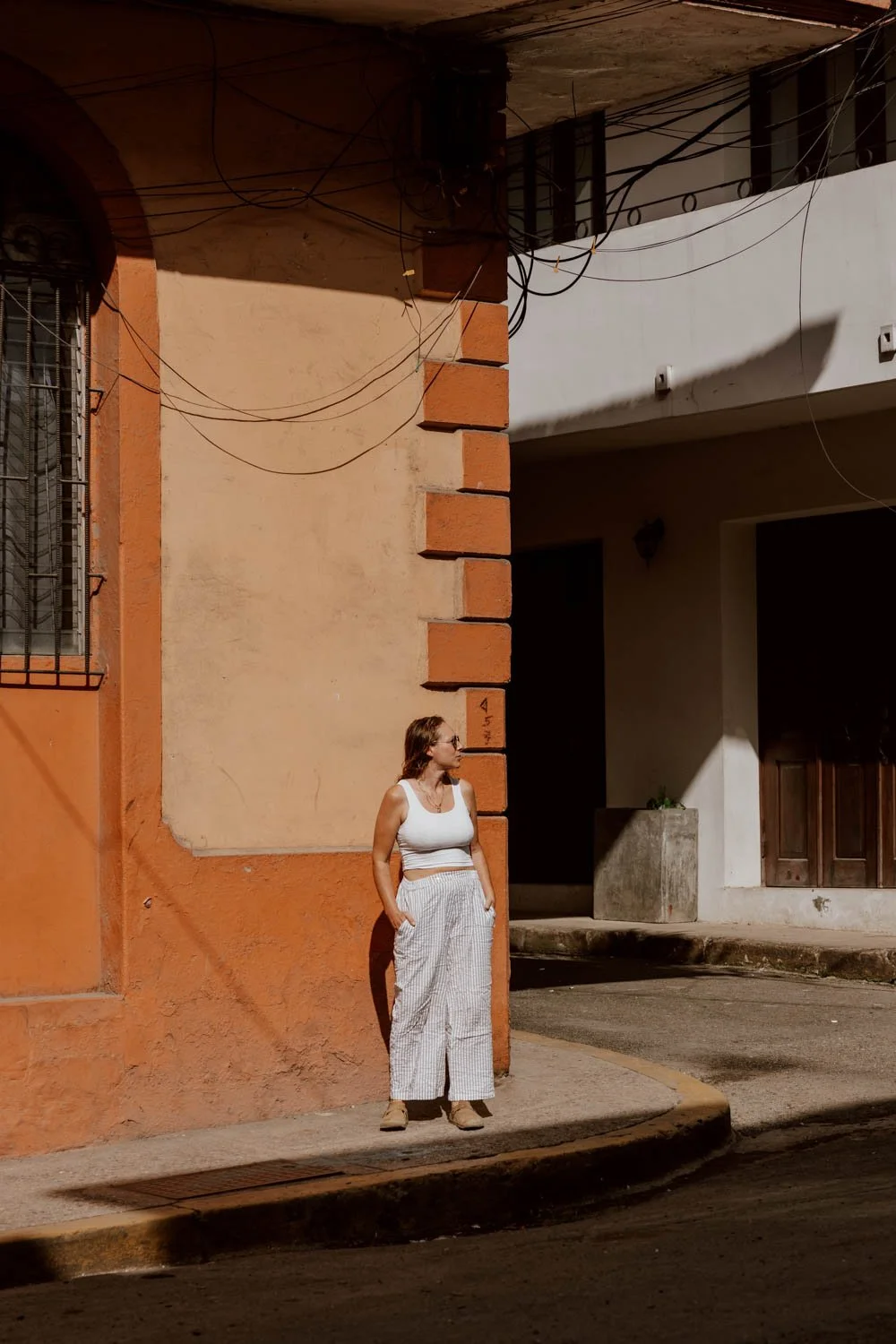
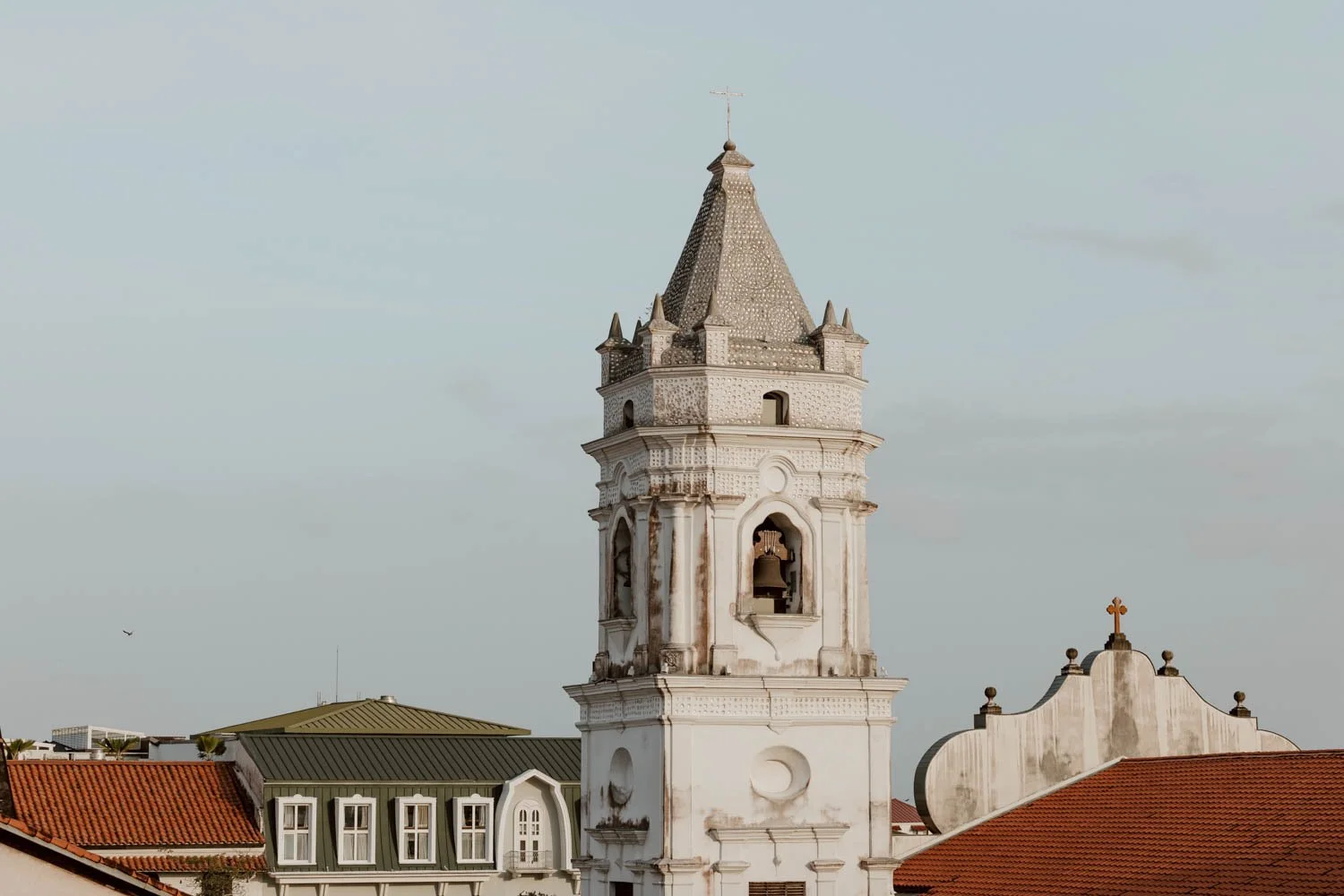
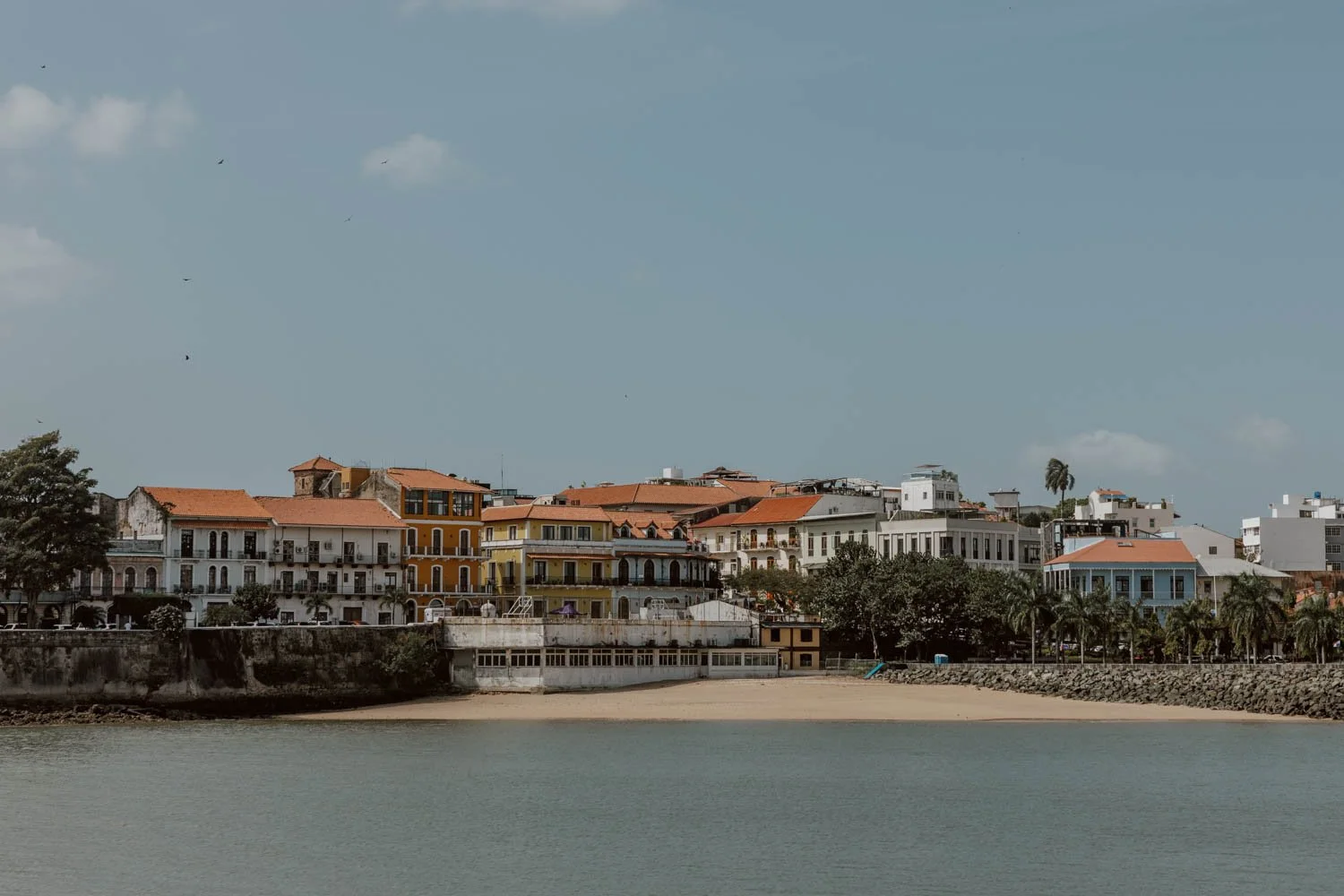
If you started in Panama City and followed our itinerary west - and you flight home is also from Panama City - then taking the plane from Bocas is going to be the quickest and easiest way to close the loop. Catching a morning or early afternoon flight also gives you a whole afternoon and evening to wander around Casco Viejo, chill out with some cocktails, have dinner at the fish market, or get everything sorted for a quick San Blas turnaround.


The Essentials
Where we stayed · In Panama City, Casa Magnolia is in a fantastic location, with affordable dorms and privates. It’s also got free luggage storage for guests, which super important for the San Blas islands.
Transport · Fly or take the boat/ferry back to Almirante, followed by a bus or shuttle.
One thing to know · Flights from Bocas del Toro touchdown at the small, central Albrook airport in Panama City, rather than Tocumen International Airport.
Tip · If you’re on a longer Latin America backpacking trip, after Bocas del Toro your next stop will likely be Puerto Viejo in Costa Rica - see this border crossing guide. If this is the case, it will be best to frontload your time in Panama City and San Blas.
Day 23 | Explore / Hang Out in Panama City
After three weeks on the road, and with a couple of nights in Panama City still to come before flying home, this day was about enjoying the big city at our own pace.
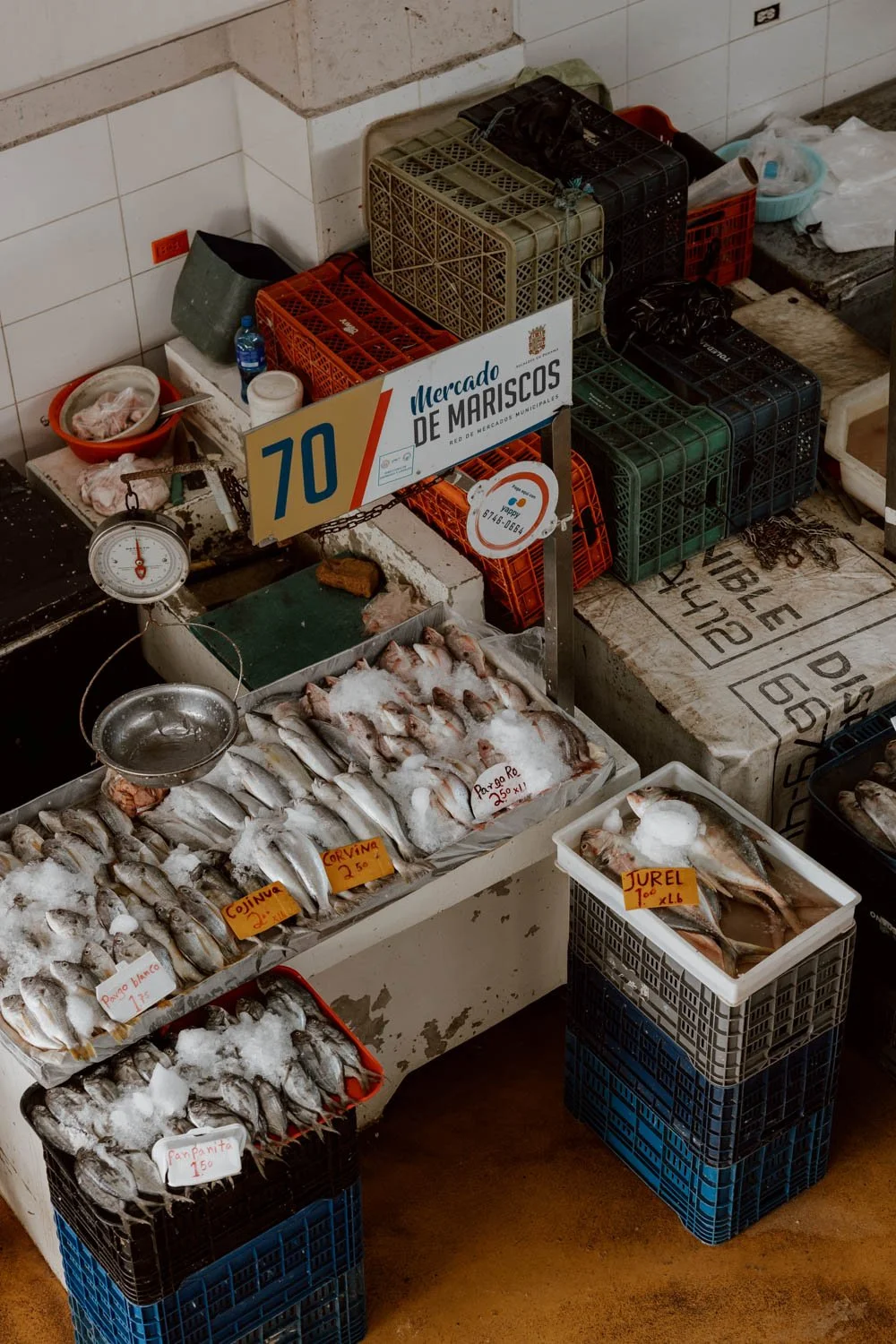
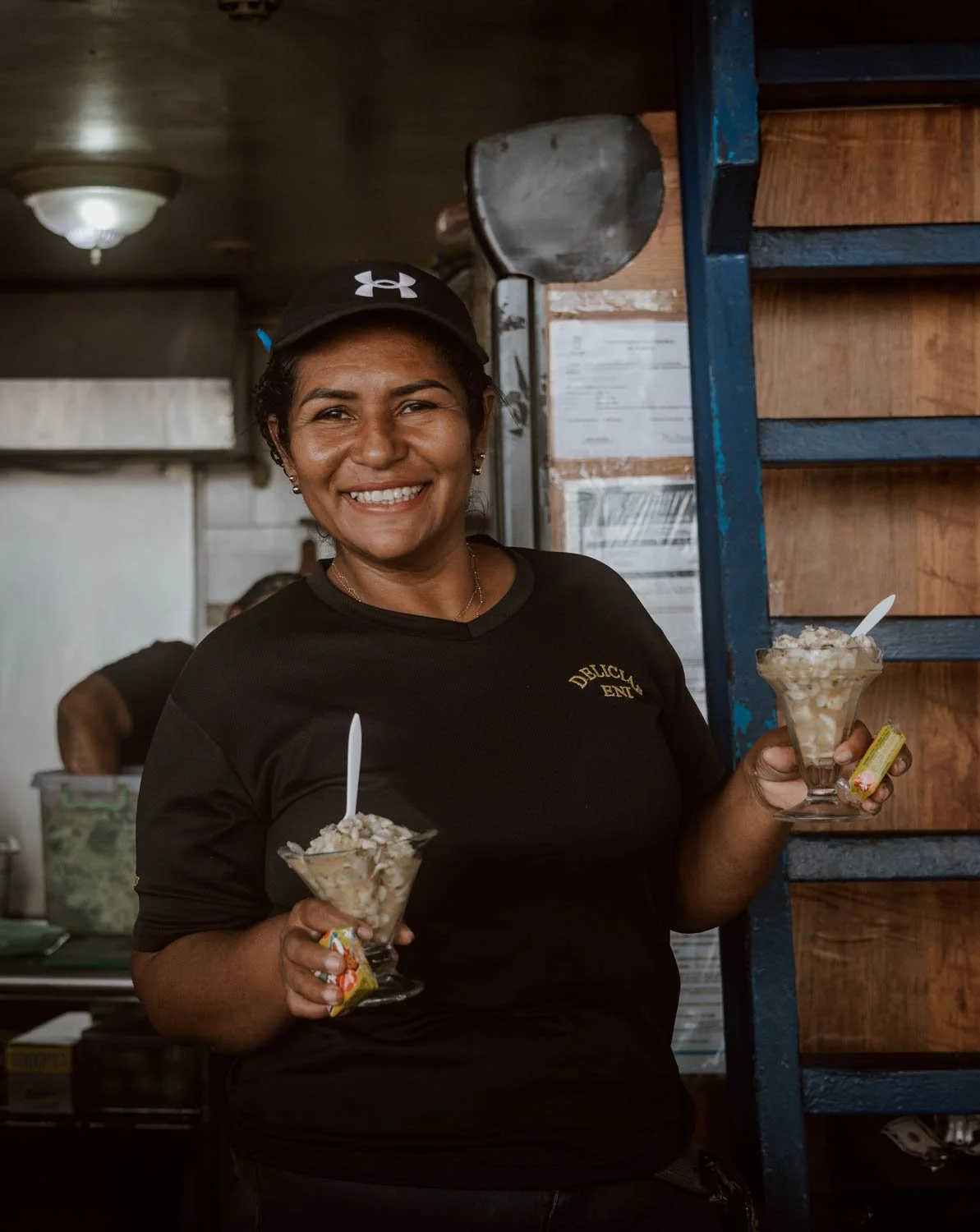
Taking lots of photos, demolishing huge portions of ceviche at the Mercado de Marisco, visiting a couple of museums, and hanging out in hipster coffee shops to catch up on notes.
With Panama City also serving as the launchpad for the San Blas islands, the evening was spent paring our backpacks down to the bare essentials, withdrawing wads of US dollars, arranging luggage storage, and calling it early ahead of a 5am start.
For your own Panama itinerary though, we’d totally understand if you shaved off this extra day and pulled the San Blas forward.


The Essentials
Where we stayed · Casa Magnolia
Alternatives · Find all our picks in Casco Viejo and other neighbourhoods in Where To Stay in Panama City guide
Transport · On foot all day
Signature experience · The Mercado de Marisco (Fish Market)
One thing to know · Tap water in Panama City is treated, safe to drink, and generally reliable; we drank it exclusively throughout our stay and were absolutely fine. For the rest of our trip though, we depended on our trusty Water-to-Go filter bottles - which are just a great piece of travel kit.
We use and recommend the 750ml Active bottle: head to the Water-to-Go website and use ‘ADR15’ at checkout for 15% off, or buy one here on Amazon.
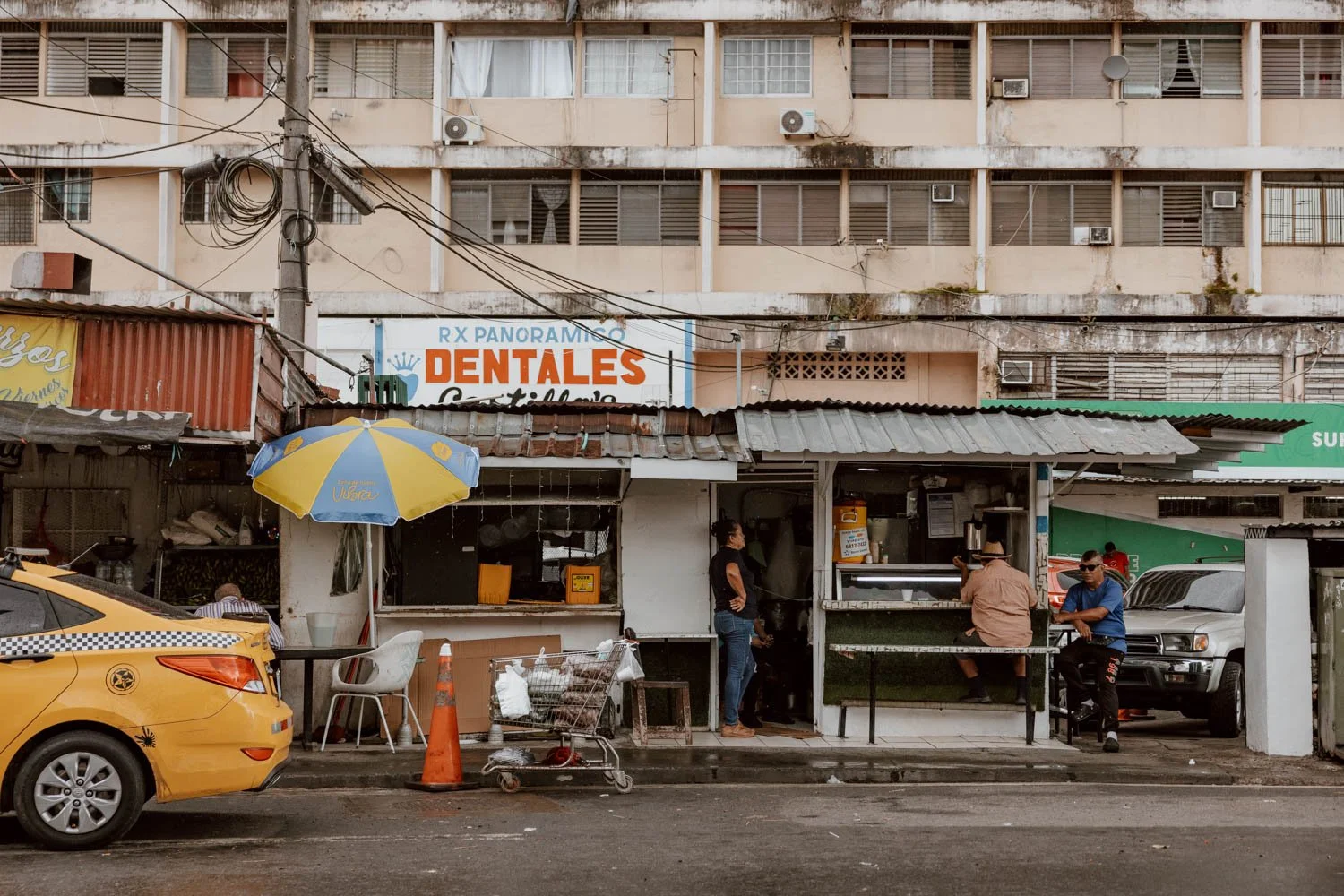
Day 24-25| Island-Hopping in San Blas (Guna Yala)
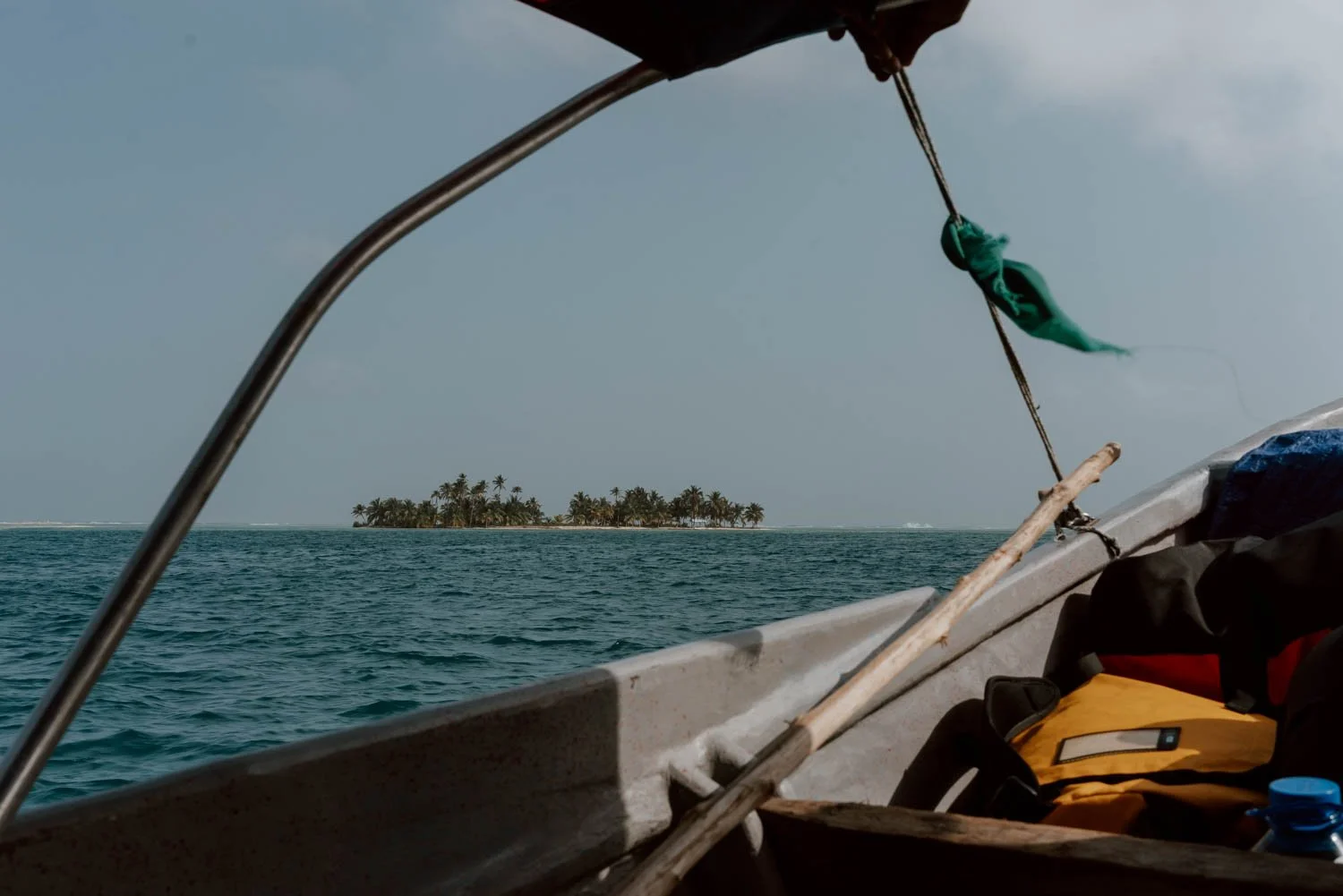
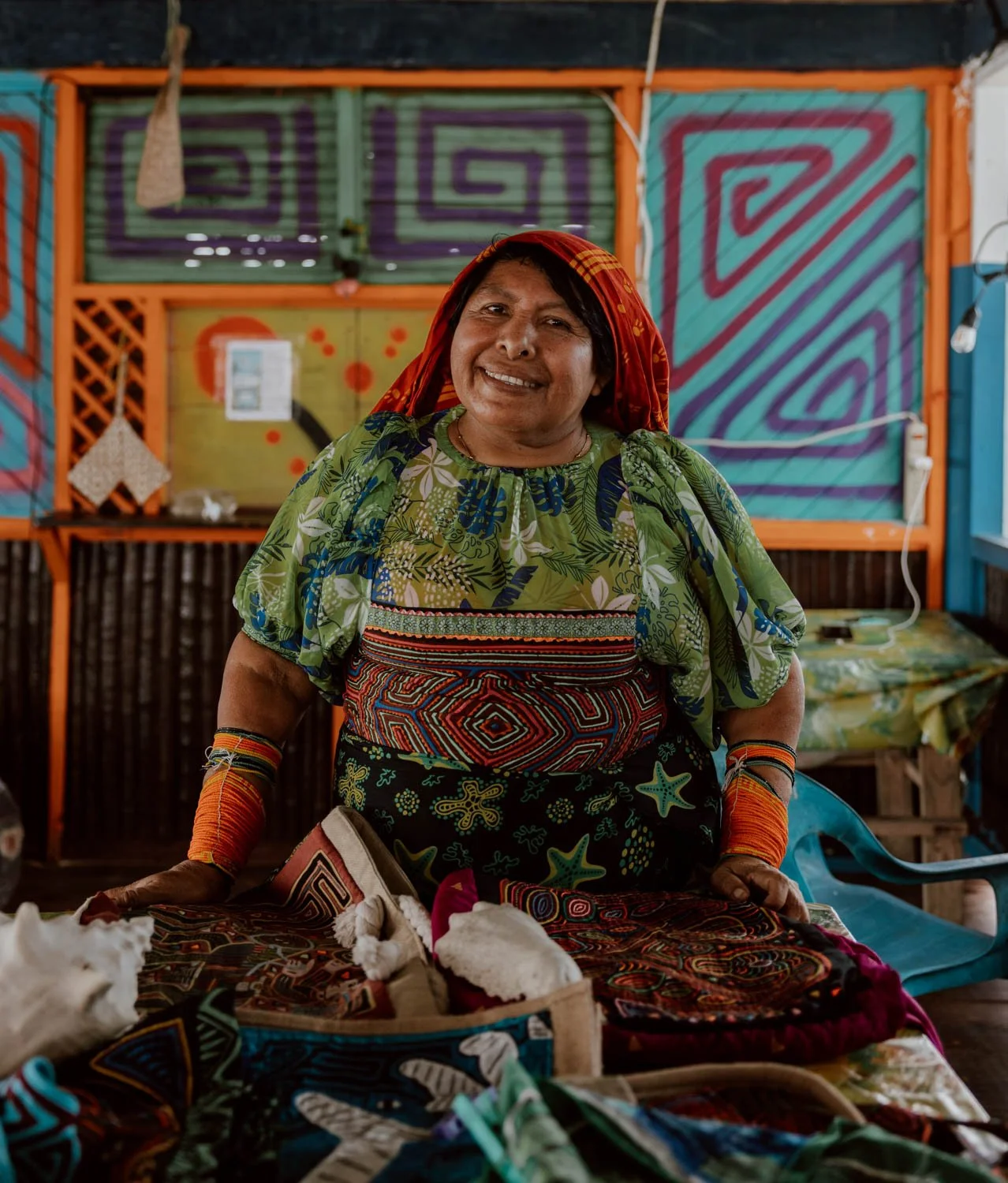
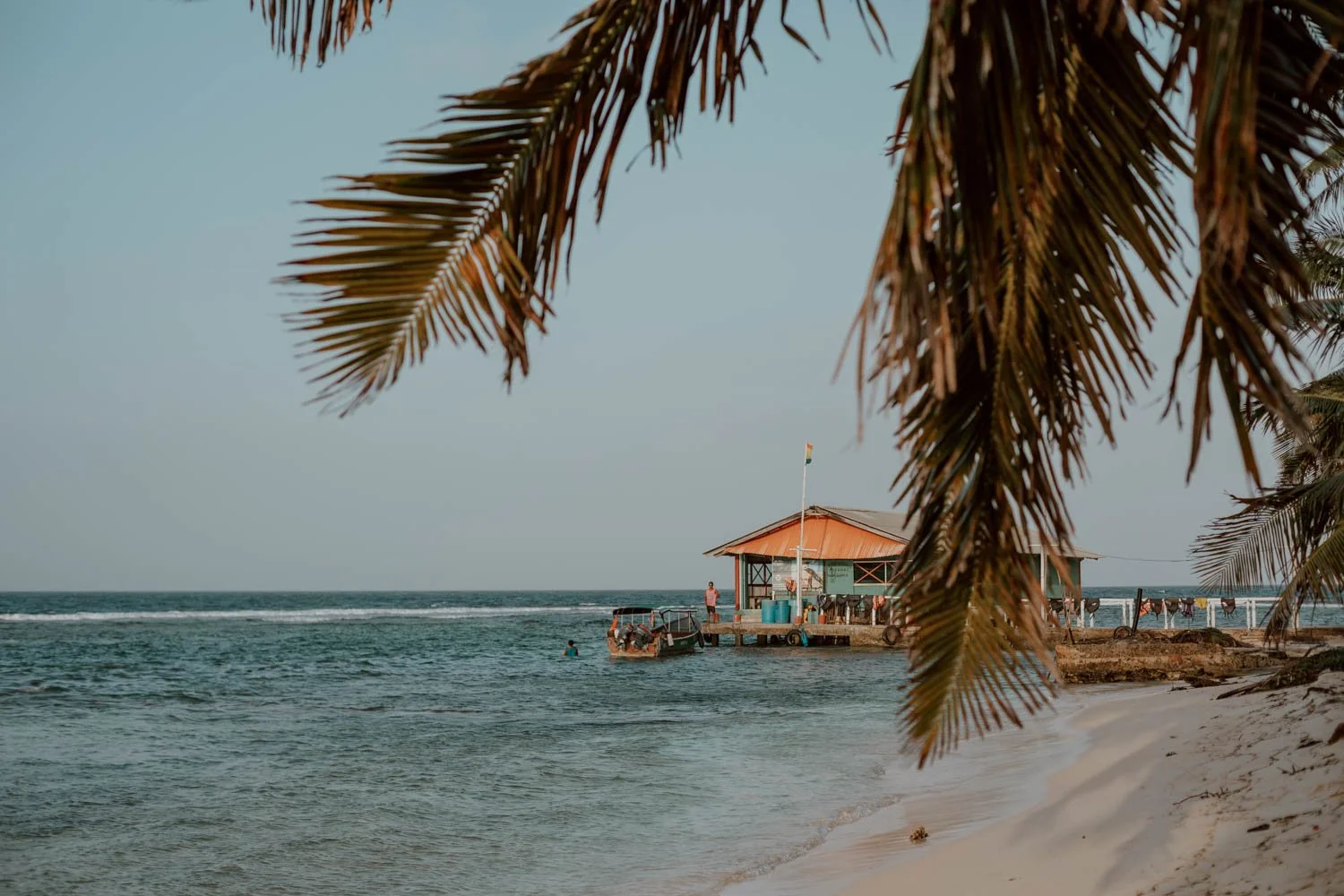
The San Blas islands (Guna Yala) are really special, and you won’t find anywhere else like them in Central America.
A series of 300+ protected, autonomous islands off Panama’s Caribbean coast, they’re governed by the indigenous Guna Yala commnity and largely uninhabited.
For many travellers, if done right, hopping around this rustic paradise is the highlight of their entire Panama trip.
Logistically though, they reward pre-planning rather than spontaneity - and you also need to set aside budget for them.
We’ve gone into all the details of this in our main guide to visiting the San Blas , but the short story for your itinerary planning is as follows:
Panama City is the start + end point, and the islands are 3-4 hours from the capital by 4x4 and boat
This usually involves a departure at 5-6am - and you can only bring a small amount of luggage
Day trips are popular but not worth it - you should instead go overnight or do a multi-day island-hopping tour
The majority of travellers join tours operated by the Guna Yala, which takes care of all transport, accommodation, and food
Independent visits are possible - especially now the Guna Yala have several Airbnb listings - but there are caveats
You will get wet
After lots of research, we decided to do a 3D/2N island-hopping tour.
We highly recommend reading our main San Blas guide to get ahead of the game and avoid common mistakes with islands and tours.

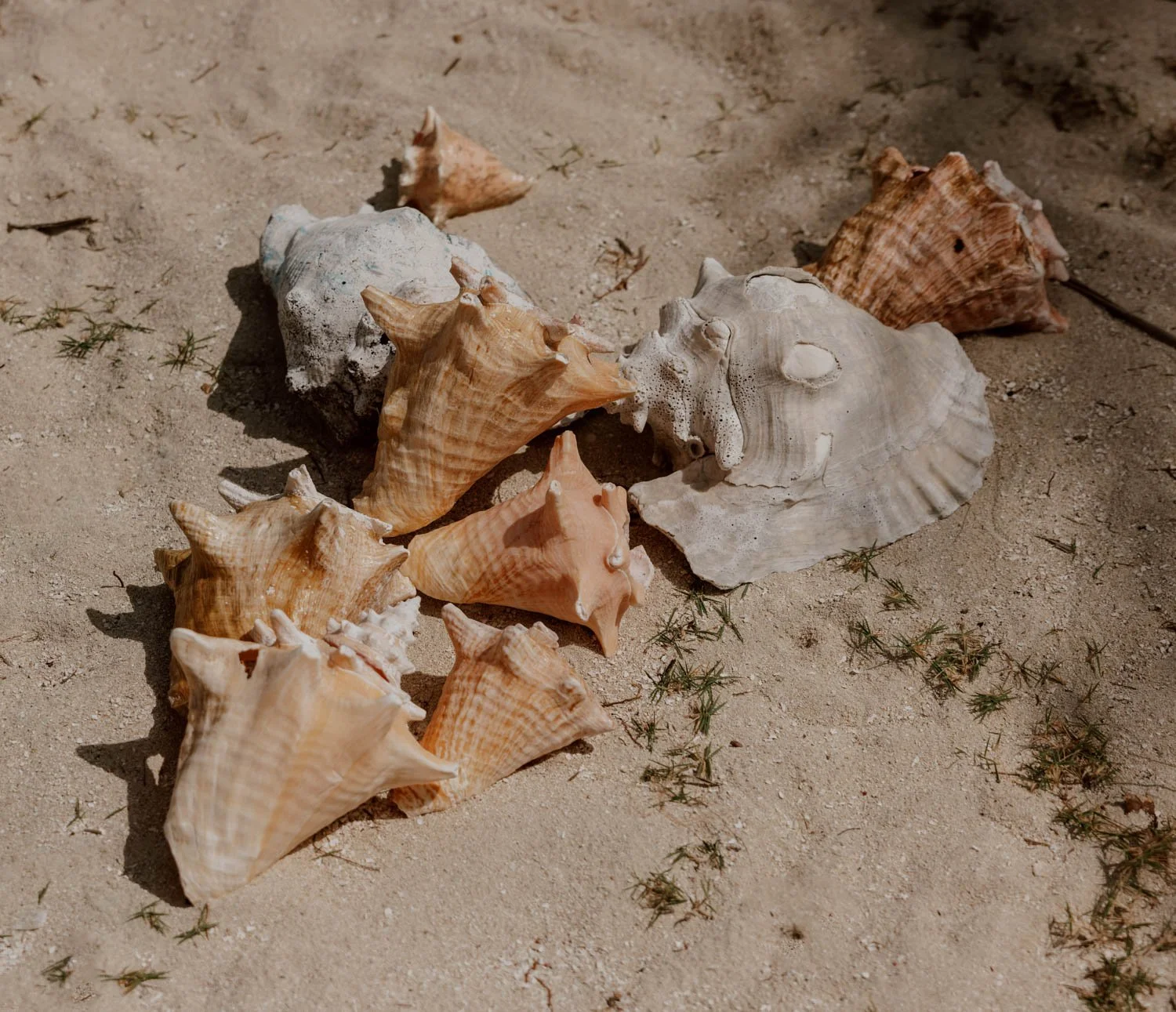

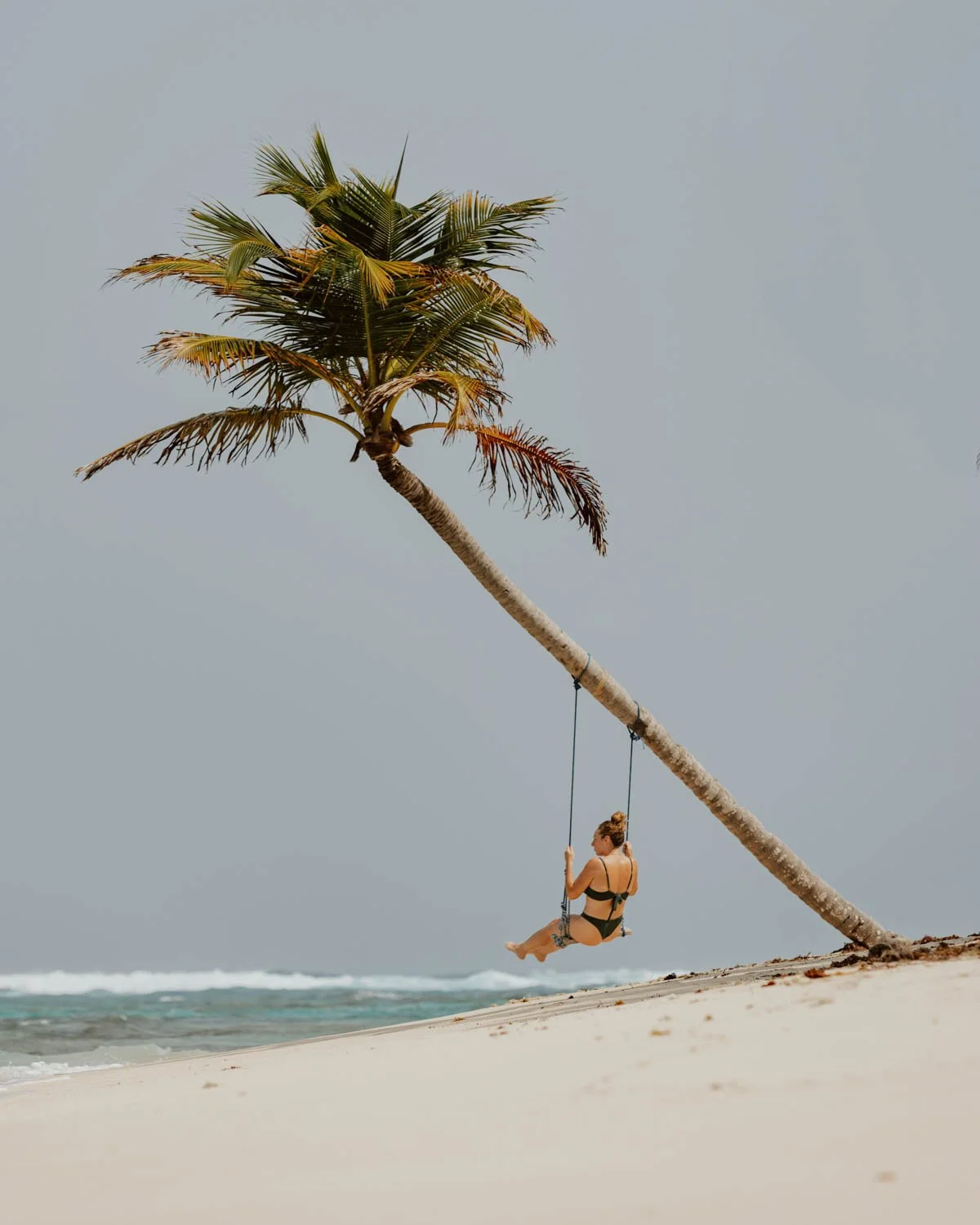
The Essentials
Transport · The only way to reach the San Blas is with the Guna Yala operated fleet of 4x4s from Panama City and the boats from Carti. This is included in the cost of tours, but you’ll have to pay for it in addition to your accommodation if travelling independently
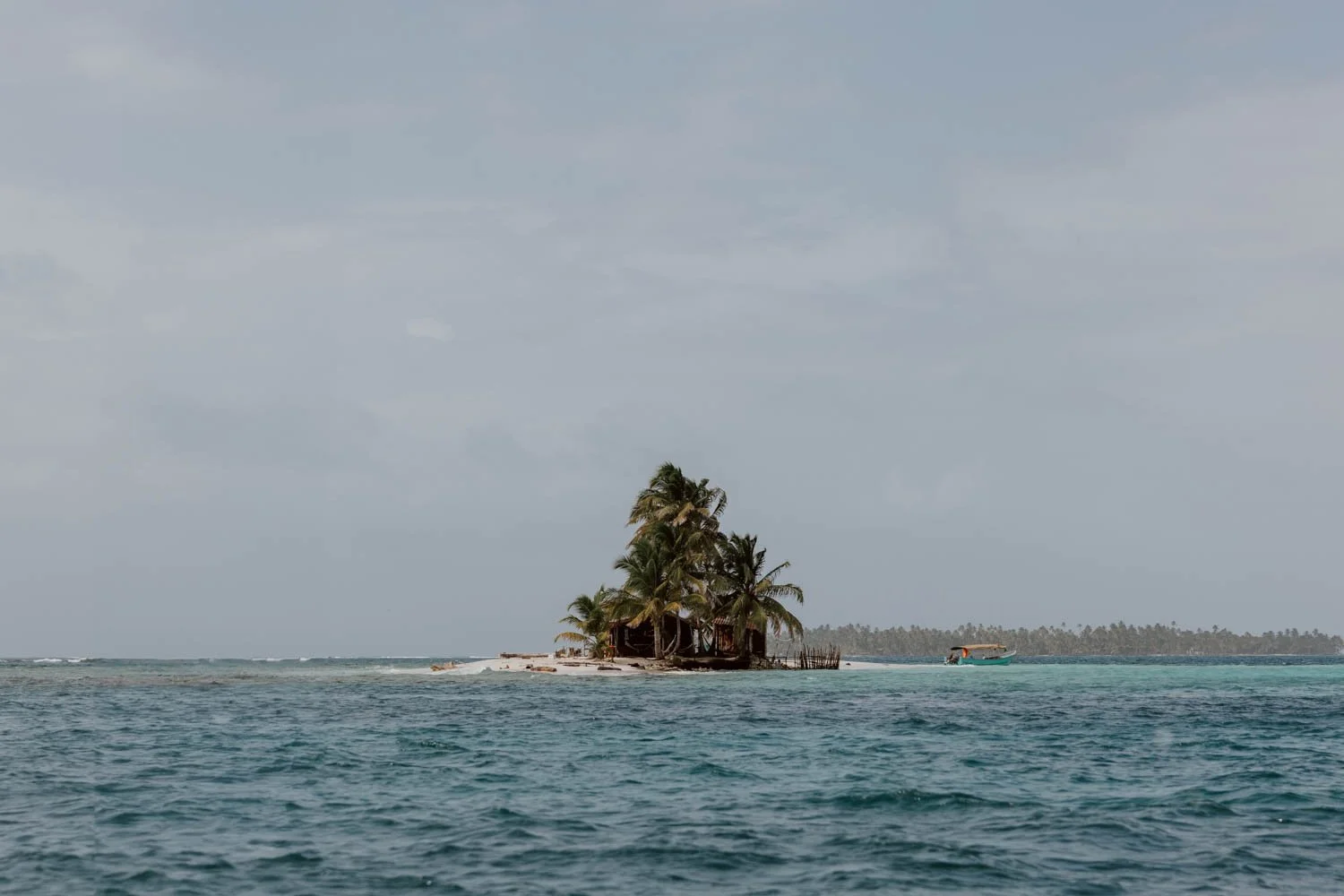
Signature experience · Ever stayed in a thatch hut on a tiny uninhabited tropical island? Yeah, that’s the whole vibe
How many days · We strongly recommend against day trips, and you should try to spend at least one night out there - we spent two nights which was kind of perfect
One thing to know · If you’re continuing down to Colmbia, then you’ll likely take the infamous boat or catamaran. This also departs from Panama City, visits the San Blas for a few days, then continues in the open sea to arrive in either Capurgana or Cartegena on the country’s northern coast
Plan // How To Get To The San Blas Islands from Panama City + Our Guide To Visiting The San Blas
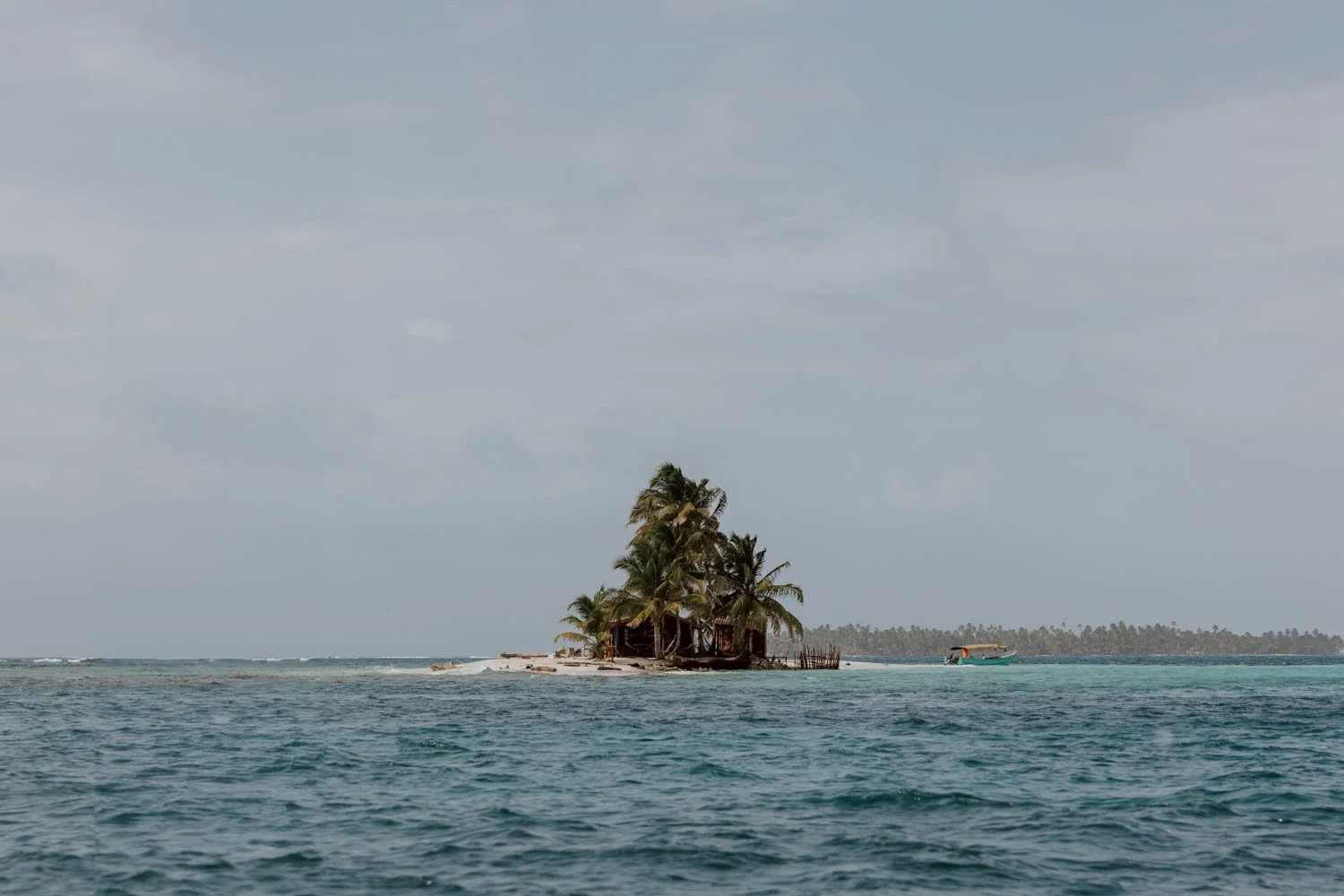
Day 26 | San Blas > Panama City
The morning was spent swimming in the blue and visiting a few more islands, and our group left the San Blas in the afternoon.
We arrived back in Panama City at about 7pm, had a stiff drink, picked up our bags from Casa Magnolia, then checked into the fancy Airbnb apartment we’d booked for our final few days.
That evening’s plans only revolved around proper showers, pasta, and crap telly.


Day 27 - 28 | The Panama City Highlights & The Canal
If you’ve read all of this itinerary in one-sitting, then we salute you (go pop the kettle on though as there’s still some juicy stuff to come).
You may also be questioning why we dipped in and out of Panama City so much.
Well, the important takeaway is that we really really wanted to go beyond the obvious of the capital and give our readers a manual to enjoy Panama City, rather than to view it as just an arrival point and place to pass through before or after the San Blas.
We’re confident that we were successful in that mission.
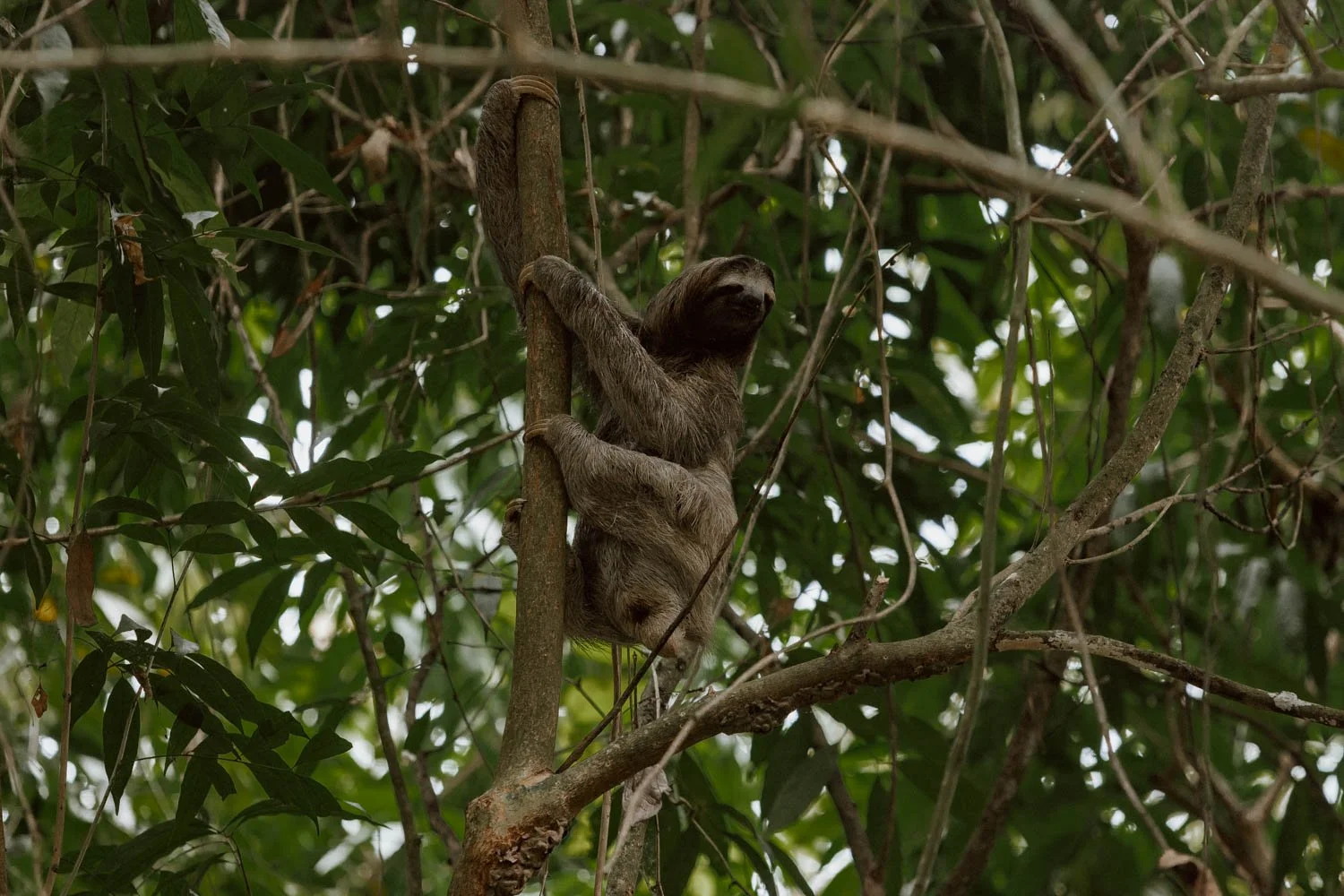
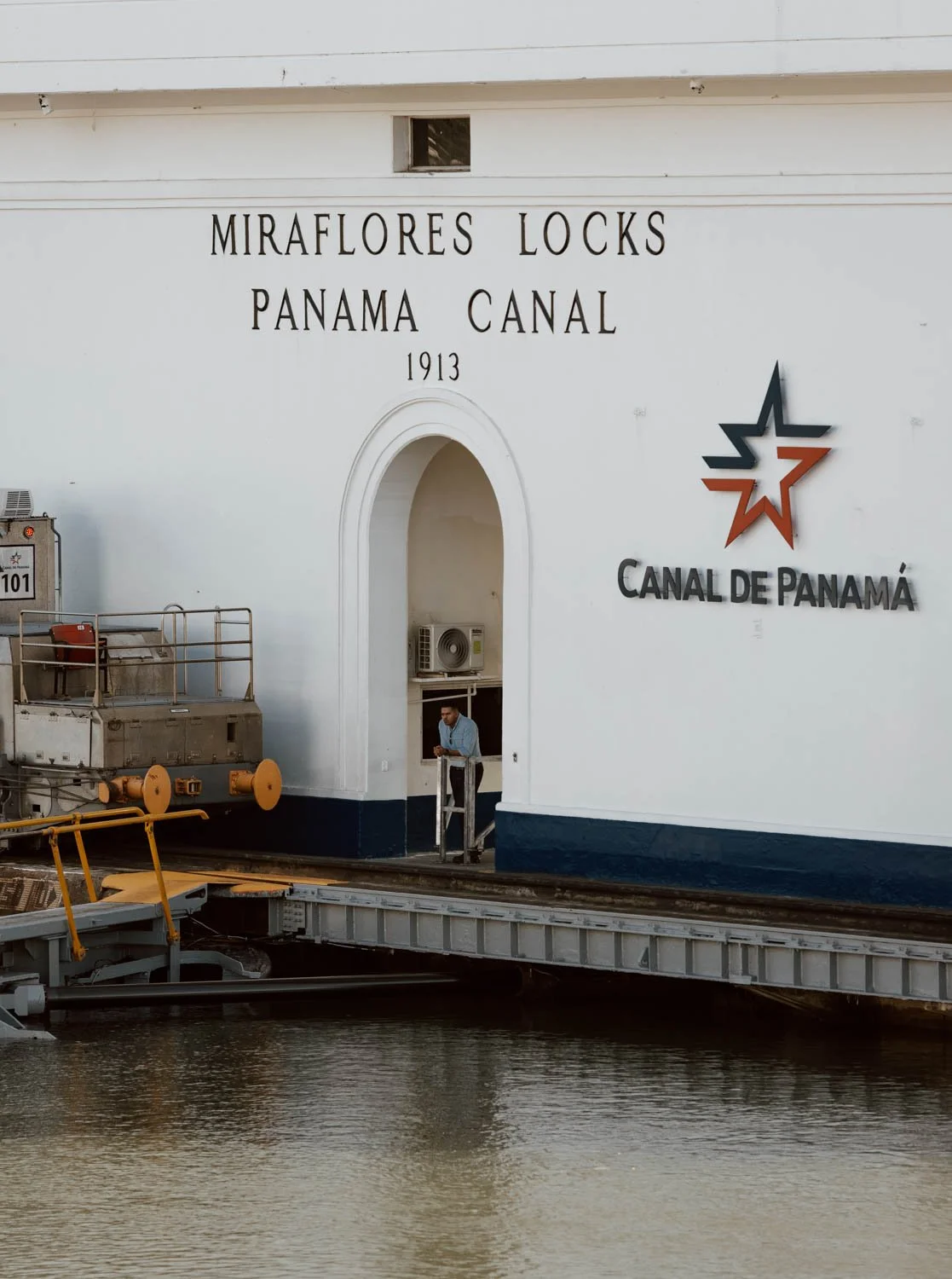
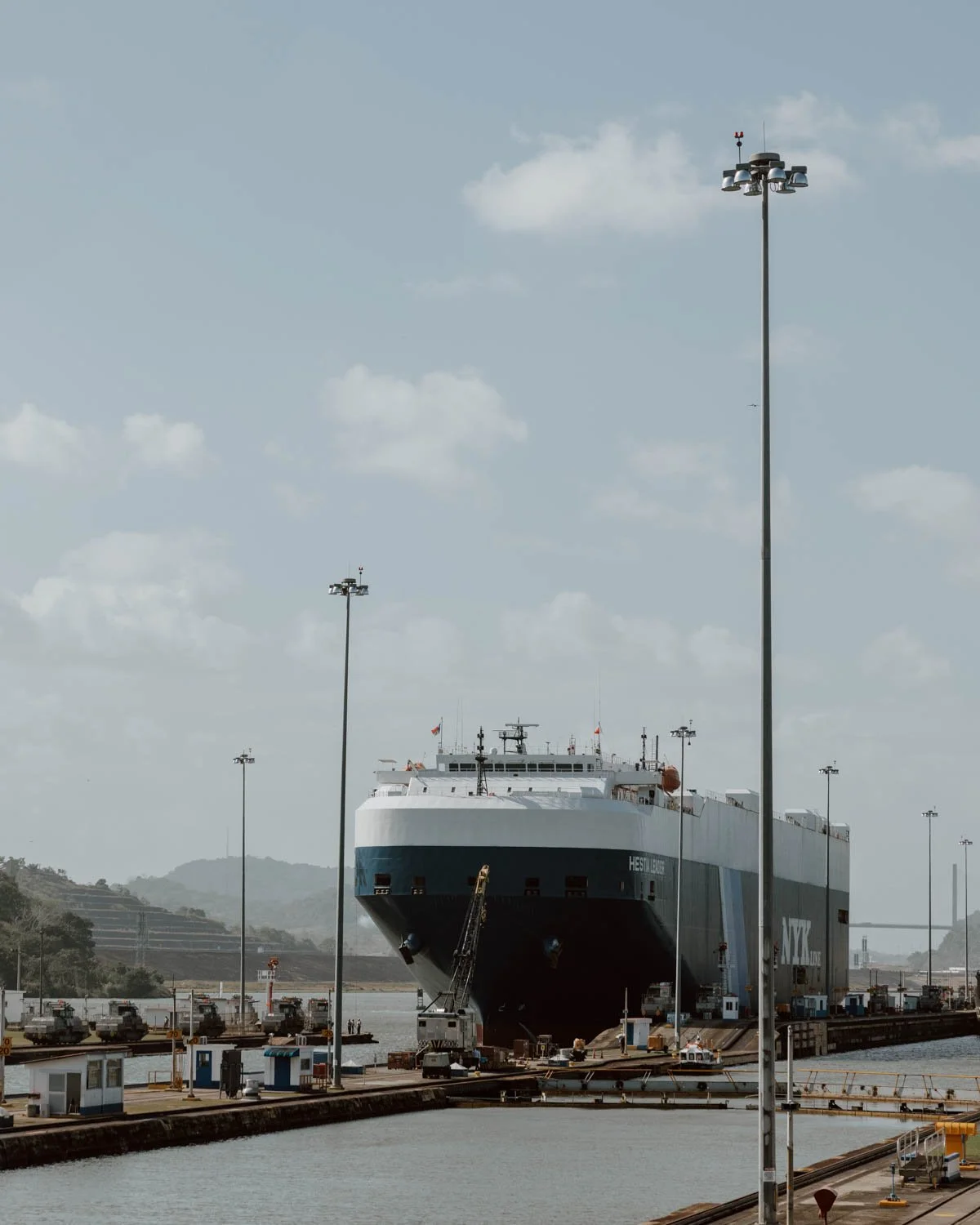
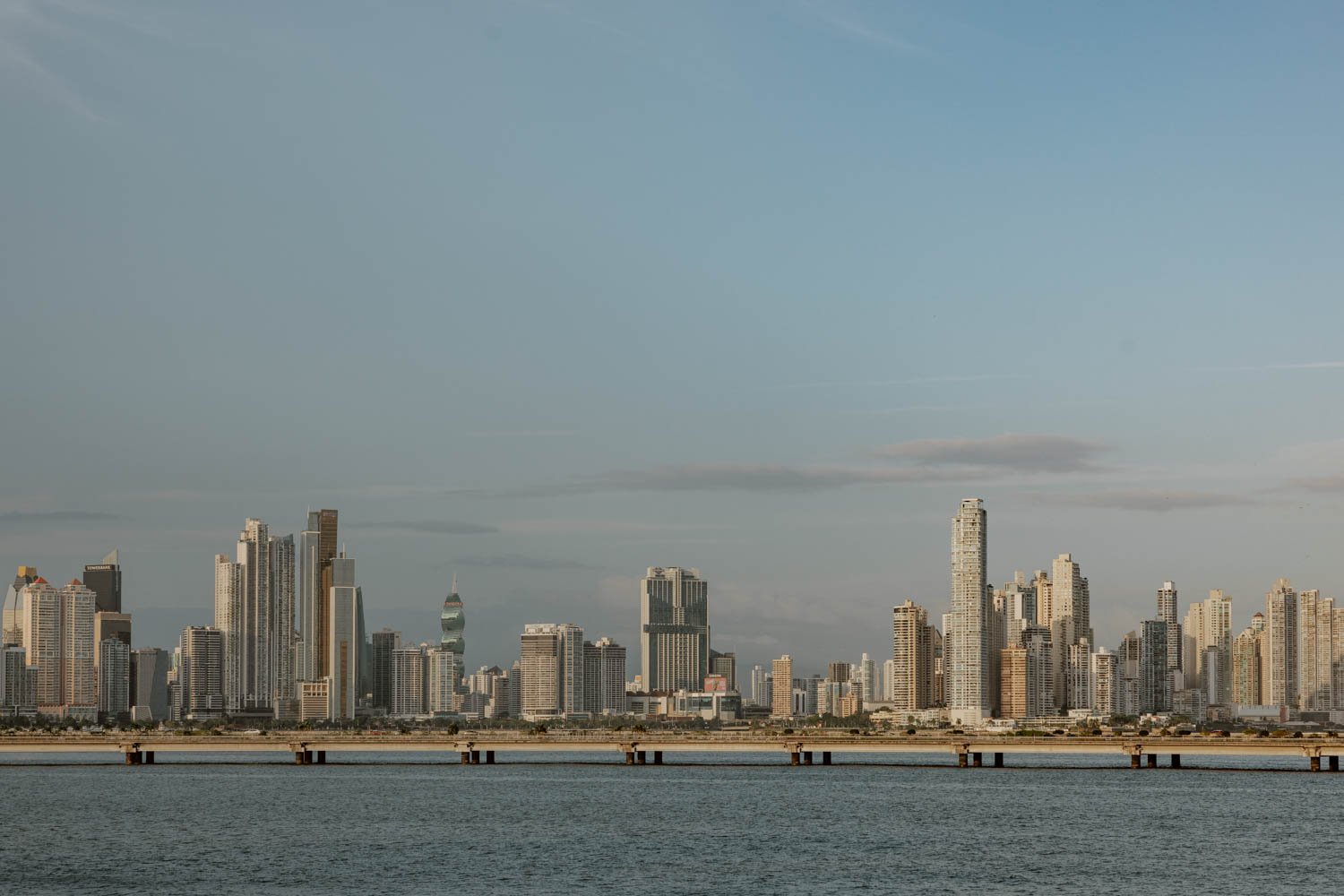
Our final two days saw us cycle the length of the Cinta Costera & Amador Causeway, take in the foundation story of Panama Viejo, peruse modern art at MAC Panamá, see more sloths than we’ve ever seen anywhere else in a single day, get our fill of ceviche again, finally make it out to the Panama Canal, and toast the end of the trip with rooftop tacos and beers looking out at the skyscrapers twinkling.
Find out where to find the sloths and everything else in our full guide to Panama City.
The Essentials
Where we stayed · The Airbnb apartment in Casco Viejo
Alternatives · Find them all in Where To Stay in Panama City
Transport · A few Ubers are essential in the city if you want to cover everything in a couple of days
Signature experience · Cycling along the causeway totally changed our perspective on Panama City, but those sloth sightings were something else
How many days · We think you need two full days in Panama City - you just need to work out how to spread these across your trip and with the San Blas logistics
One thing to know · Despite being an engineering miracle and the most famous attraction in the country, the experience of visiting the Panama Canal is a bit of a bizarre one. It’s possibly to do it independently without a tour (like we did), but any enthusiasts should consider this popular full-day ocean to ocean boat trip or pairing it with a wildlife-spotting boat on Gatun Lake
Plan // 13 Wonderful Things To Do in Panama City + How To Visit The Panama Canal


Day Twenty Nine| Fly Home
Yep, that was a long trip - absolutely fantastic though, and it complete changed our view on Panama as a travel destination.
Here at Along Dusty Roads, we’d pick it over Costa Rica.
Keep scrolling for final bits of advice and the curated two-week version of this Panama itinerary.
Adapting This Panama Itinerary for Shorter Trips
So, how can you condense our month down to a meaningful two weeks in Panama?
Whilst you won’t be able to explore all that Panama has to offer on a two-week trip, the shape and size of the country makes it amenable to covering quite a bit at a reasonable pace.
Based solely on our experiences and subjective perspective, we’d suggest the following as a rough start point:
2 days | El Valle
2 days | Santa Catalina
2 days | Boquete
3 days | Bocas del Toro
1 day | Panama City
2 days | San Blas
1 day | Panama City
The above comes to thirteen full days, and you can apportion the extra day wherever you want to stay longer! The Azuero Peninsula is cut solely because of the time available and the logistics of getting to / from there.
Note, some of you may prefer to put the Panama City and San Blas portion at the start - whatever works best for you!
Key Planning Questions & Context
Before you plan your own Panama itinerary, there are a few key questions you need to ask yourself:
· As most standalone trips will begin and end in Panama City, you need to work out if you want to visit it at the beginning or the end.
· This decision also factors into when you can visit the San Blas islands and how many days you have on them.
· How you pair up Panama City and San Blas is critical to your itinerary and route.
· A key timesaver is the flight between Panama City and Bocas del Toro - but don't leave booking it until last minute.
· How much hiking do you want to do vs. beach time. If hiking is important, then El Valle and Boquete need to be on your list, but not both if you want more time on the islands and beaches.
· Do you want to visit both Bocas del Toro and San Blas? Most will (and should), and you’ll end up with FOMO if you do one over the other. These Panamanian archipelagos are very distinct in terms of culture and travel experience, so it's actually unfair to just view them as direct competitors (though many understandably do). Rule of thumb: the San Blas is most people's highlight in Panama, whilst Bocas del Toro can disappoint.
· As mentioned, we needed a definitive answer between Santa Catalina and Playa Venao. Today, we can quite comfortably put Santa Catalina forward as the place that was most wedded to our travel style. For certain trips - vacations, those wanting more modern amenities and facilities, less rustic, more of a party vibe - then Venao will be your preference.
Arriving from Costa Rica or Colombia?
If you’re on a backpacking trip in Latin America, then you’re more likely to arrive in Panama from Costa Rica or Colombia.
· For Central America backpackers working their way down, your most likely start point is going be crossing land border with Costa Rica. Journeys for this start in Puerto Viejo, and your first stop is likely going to be Bocas del Toro. However, if you don’t want to visit the archipelago, you’ll like continue south to Lost + Found Hostel, David, or Boquete.
Your overland Panama itinerary will then likely be Bocas del Toro > Boquete > Santa Catalina > El Valle > Panama City > San Blas.
However, those short on time or skipping through may just fly straight from Bocas del Toro to Panama City.
·Backpackers coming north from Colombia have to avoid the Darien Gap, and can choose to fly up to Panama, take the quick boat from Capurgana, or arrive via the adventurous, multi-day island-hopping boats from either Cartagena or Capurgana. Those boat rides are a rite of passage for most, as well as a logistical problem-solver, and they also allow you to tick-off the San Blas en-route.
Importantly, those boats from Colombia always mean your first proper stop will be in Panama City. From there, you can either follow our itinerary west, fly to Bocas del Toro, or do whatever else takes your fancy.
Going To Colombia After Panama?
Lastly, your Panama itinerary may ultimately be shaped by whether you’re pairing the country with Colombia - or your Latin American backpacking adventure is continuing south after Panama.
In that case, most of you will opt to take the boats to Cartagena or Capuragana. Tours are necessary for these and include the San Blas on the way, but journeys begin in Panama City.
An alternative option involves basically skipping all the best things to do in Panama by flying straight from Bocas del Toro to the capital, then taking the boat.
Lastly, if you don’t fancy those boats, then you can also fly down to Colombia from David or Panama City. Alternatively, do what we did back in 2015, when we skipped the San Blas and independently took the boat from Turbo over to Capurgana.