Driving in Panama (and Car Rental Tips)| The Essentials
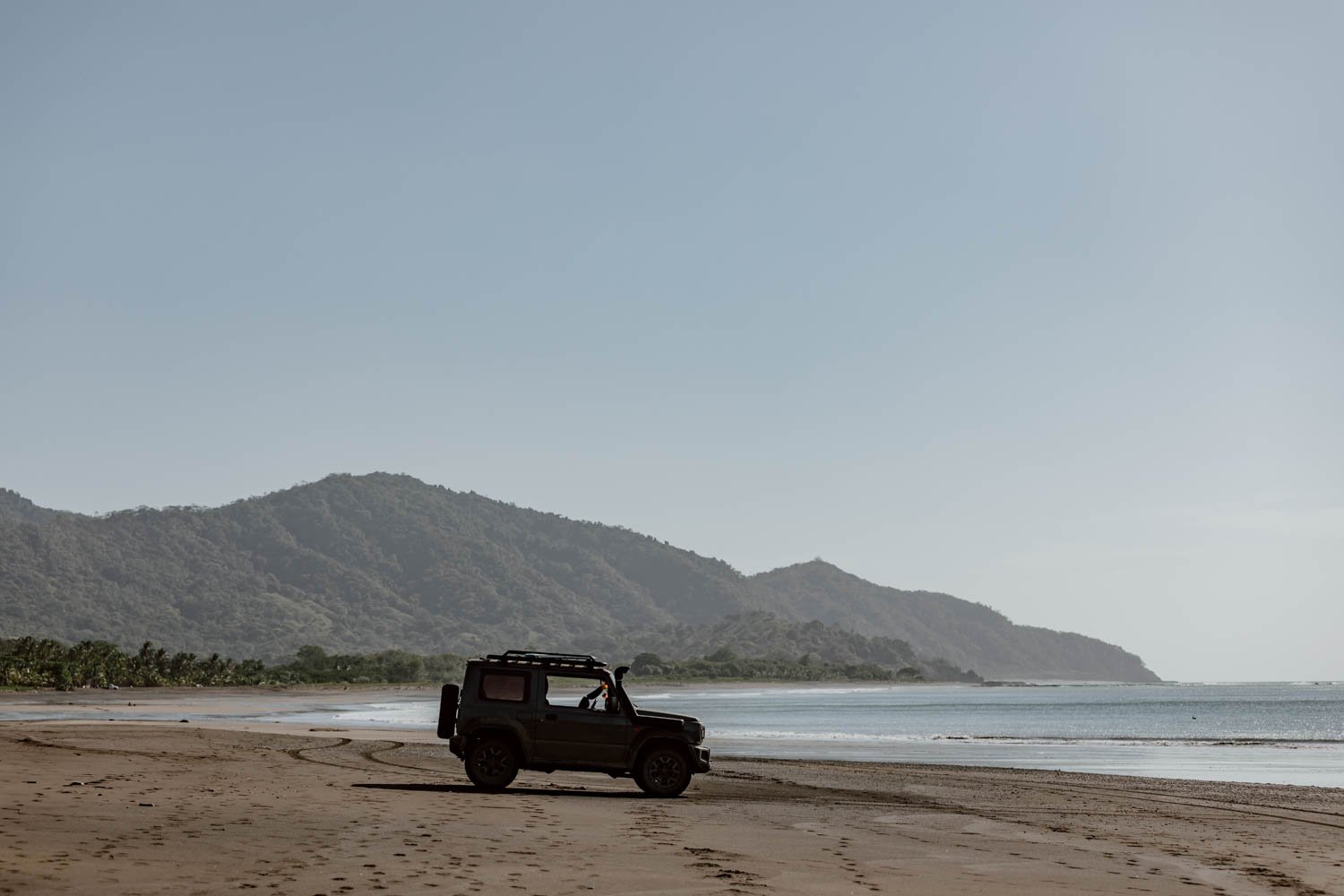
For years, we’ve criss-crossed Central America by bus, boat, and by our own two feet.
Despite travelling extensively across the region, we’d somehow never seriously considered renting a car there - partly because we always assumed it would be tricky or too expensive, partly because it didn’t fit backpacker routes, and partly because slowly getting around with its unique blend of public transport is a significant element of the travel experience.
But here at Along Dusty Roads, we really do love a road trip - and it quickly became clear that Panama was (mostly) built for it.
The roads are solid, distances manageable, and the canal country’s skinny, stretched shape lends itself well to plotting a route from capital to coast and countryside. Having your own car also buys extra flexibility, letting you gain a couple of extra days and experiences that the limitations of public transport simply can’t offer.
However, this post isn’t about the many reasons why a Panama road trip is a good idea (that’s covered here), but rather about the practicalities of driving over there, along with clear, experienced-led advice on renting a car and planning your route.
Think of it as your essential driving manual for Panama.
We’ll share everything we learned from our two-week road trip to save you time, stress, and money. From what to expect on the roads, where to pick up a car, surprising obstacles, unexpected logistical quirks, security tips, how (and if) you should include Bocas del Toro, and a definitive answer on whether a 4×4 is actually necessary, this guide will give you the insights to make your own decision and head out confidently behind the wheel.
There’s also one hard-earned insider tip that’s guaranteed to help you avoid an unwanted police stop.
This is everything to know before driving in Panama.
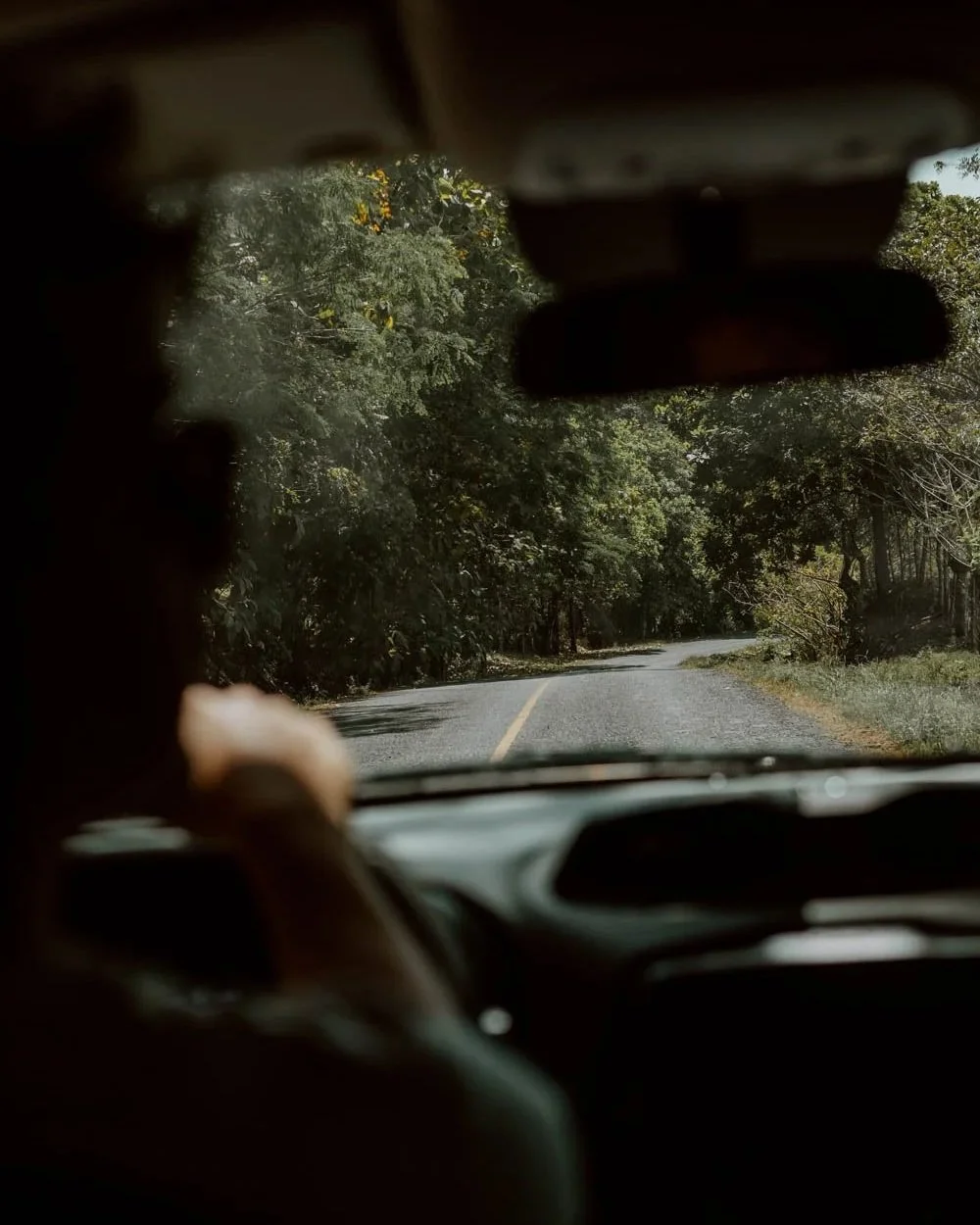
Driving in Panama | The Essentials
Drive on the right-hand side
Pick-up in Panama City or David
Beware of one-way fees
Avoid Bocas del Toro issues
Most won’t need a 4x4
Factor in San Blas trips
Watch for police speed guns!
Download Waze
Potholes are prolific
Get horny
Avoid the pincer on highways
Watch out for dogs!
How Much Is Car Rental & Do You Really Need One?
Is renting a car realistic, necessary, or affordable for your own Panama adventure?
The honest truth is that it won’t suit every traveller’s budget and, for some Panama itineraries, it won’t be worthwhile.
You can get almost everywhere with buses, shuttles, boats, tours, and if you’re on a shorter itinerary, one or two brief internal flights.
But, for certain travel styles and itineraries, having your own wheels will open up parts of Panama and give you a different sort of experience. For us, it made all the difference exploring the Azuero Peninsula, packing in early-morning hikes in El Valle, and getting around Boquete. Relying on public or private transport schedules can seriously limit flexibility and how much you can cover in a day, especially if you have remote beaches or surf spots in your sights.
We left booking late and paid £541/ $660 for 15 days (£36 / $44 per day). Cheaper deals were still available, but our route required picking up and dropping off in different cities, which narrowed our options on hire companies significantly. On top of that, we had to pay a chunky one-way drop-off fee (more on that later).
At time of writing though, you can actually get a 15-day rental from Panama City’s main airport for the insanely low price of £99 / $122 - though the average is closer to £150-300 / $130-370.
Shuttle buses in Panama are actually more expensive than you might expect from travels in other Central American countries. If you want to compare costs or run the numbers, check out Bookaway and HelloTravelPanama.
Know // Most Panama rental companies allow drivers 23 years and above, though anyone under 25 usually pays a young driver surchage. A few companies will rent to younger drivers though. You don’t usually need an International Driving Permit (IDP) if your licence is in English or Spanish, but it’s recommended for non-Spanish licenses and can help avoid headaches if stopped by police. This is especially true if your licence uses a different alphabet or script.
Pick-Up in Panama City or David
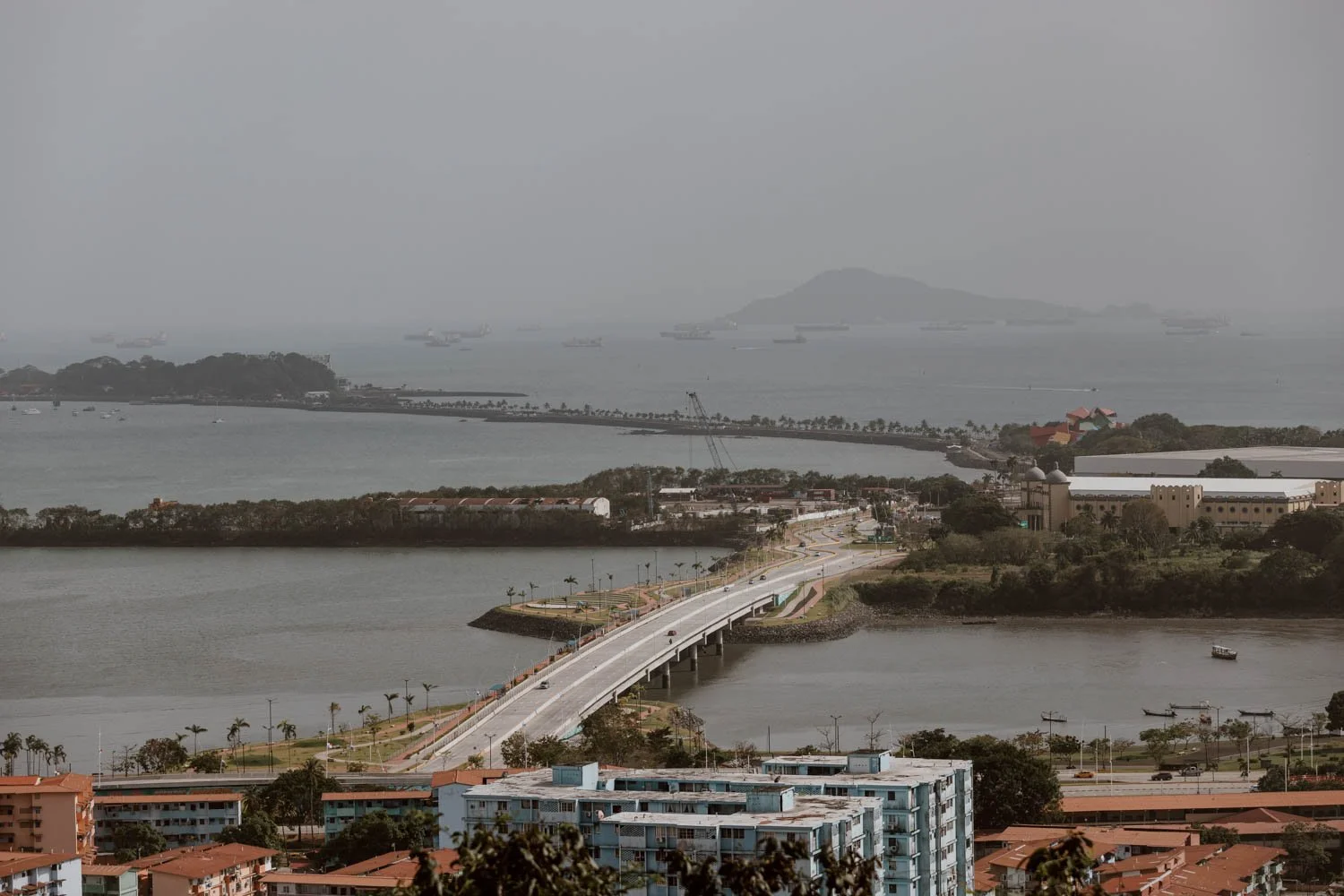
In Panama, there are really only two main rental hubs - Panama City and David - and outside of these, options are quite limited.
Where you pick up your car can therefore have a bigger impact than you might expect on price, convenience, and how smooth the first few days of your road trip feel
Tocumen International Airport, 23km outside Panama City, hosts the widest range of local and international car hire companies and usually offers the cheapest deals and best vehicle range. If you are planning to fly in and hit the road immediately, that’s where you should be looking.
However - and this is important - you don’t want to saddle yourself with a rental car while staying in Panama City.
Thankfully, there are several downtown car rental offices within Panama City, meaning it will be better for some travellers to spend a few days in the capital first, then just pick up a rental car before they leave. Unless renting in Tocumen Airport gives a much cheaper overall deal, going back there is going to be a waste of time and money as almost every road trip heads west from the airport anyway, which means driving through the heart of Panama City toward the coast or coffee country.
The main exception is for travellers planning to visit the San Blas Islands independently, which involves driving to Puerto de Cartí. However, road conditions and logistics mean this isn’t impractical for most people (we cover why in more detail here).
The small city of David is Panama’s other major rental hub, and worth considering if you’re crossing overland from Costa Rica or flying in from elsewhere in Latin America. There are around six rental companies here, though choice is limited and costs usually higher compared to Panama City.
Finally, there are a few local rental offices in places like Playa Venao and Boquete. These can make sense if you only want a car for a specific region - particularly in Boquete, where having your own wheels is genuinely useful - but prices may be higher and availability more limited.
Travel Tip // We use Rentalcars and AutoEurope for all our car rentals, and they make it easier to weigh up fees, pick-up locations, and availability at a glance. They somehow also regularly turn up rates that are cheaper than going direct. If you want more general stress-reducing tips and money-saving advice, then make sure to read our 9 Essential Car Rental Tips for Travellers


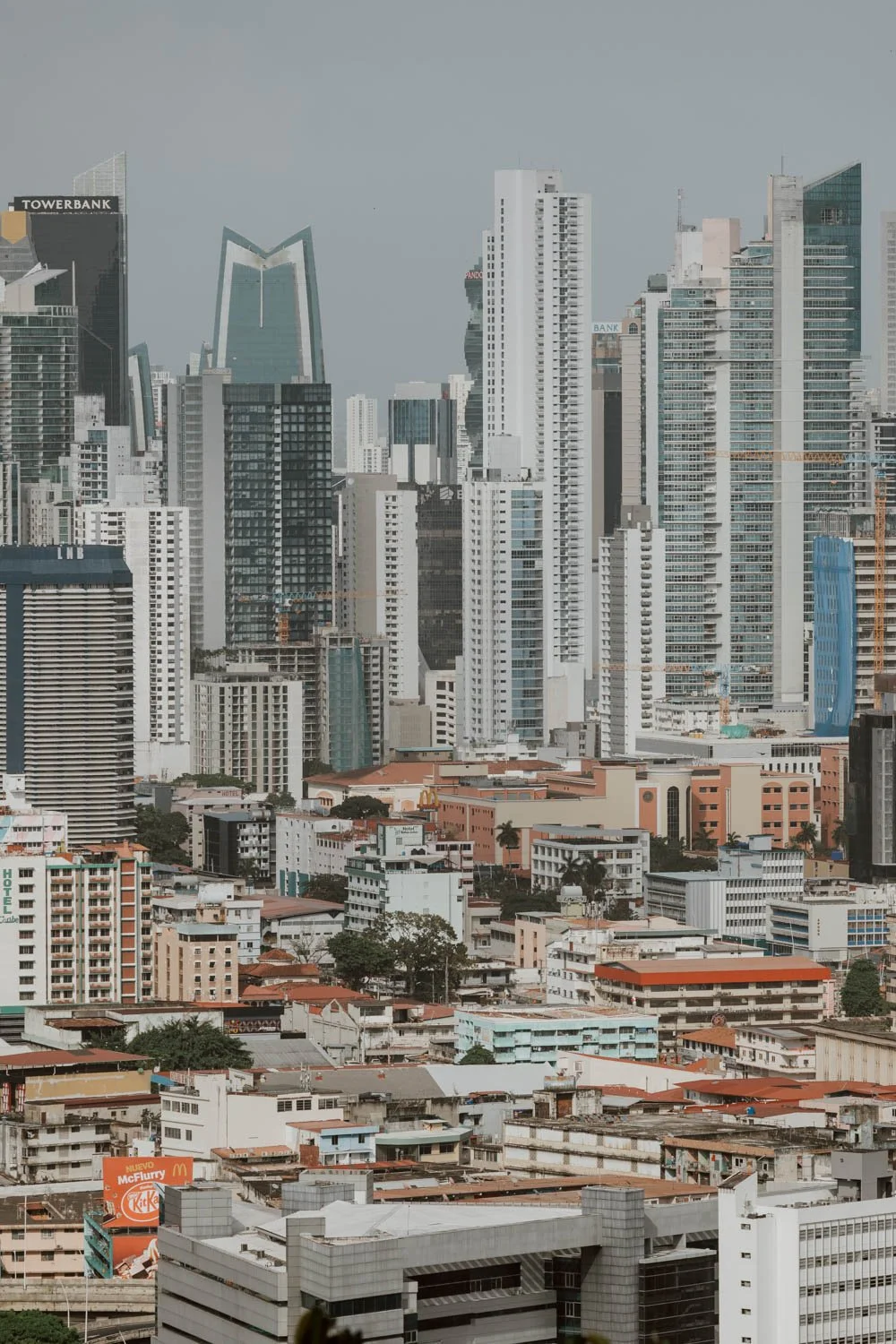
You Don’t Need A Car in Panama City
If you plan on hiring a car, this will have a direct effect on your Panama itinerary.
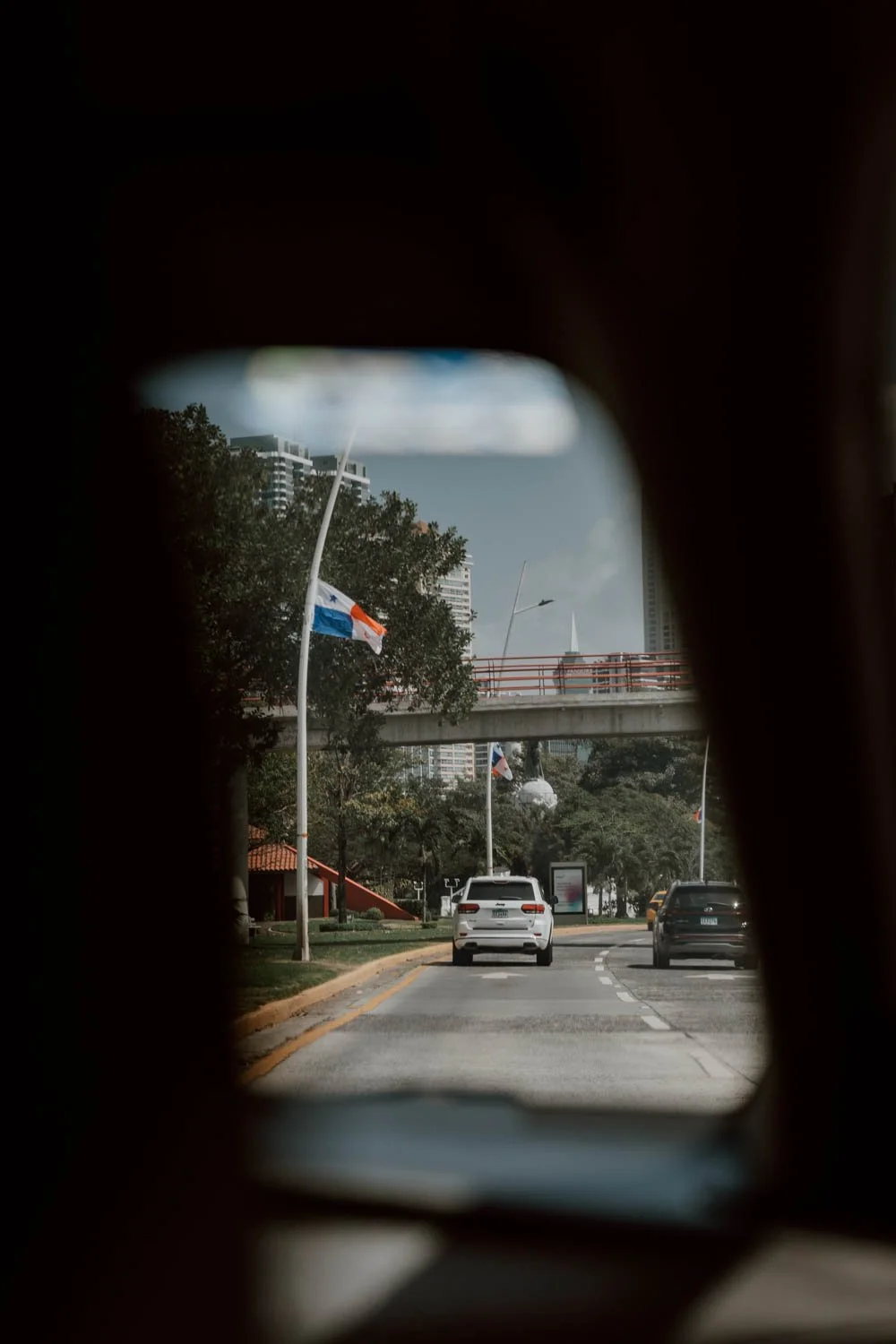
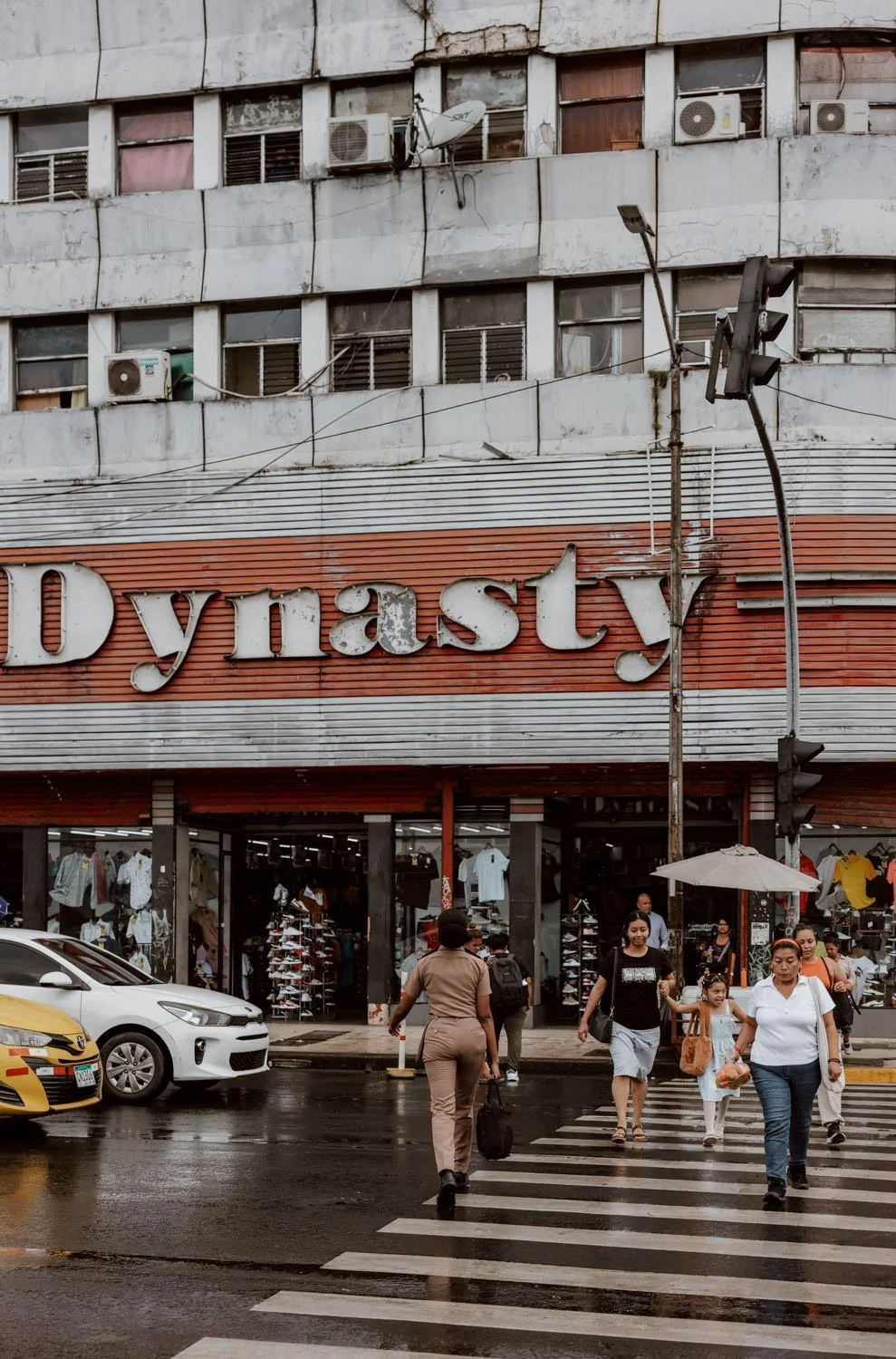
Essentially, your time in Panama City will have to come at the beginning or end of the trip. You simply don’t need (or want) the hassle of a car in the gridlocked and congested capital, especially if you’re staying in Casco Viejo. Further, as nearly everyone pairs Panama City with the San Blas islands, you run the risk of paying for a rental car that you just won’t need for several days.
This is one reason why, after several itinerary re-writes, we decided to fly into Panama City, pick up our rental at the airport, and head straight to El Valle de Anton, thus saving the capital and San Blas for the end, once we’d dropped the car off elsewhere.
Of course, you could flip this and decide to spend your first days car-free in the capital and over in San Blas, then pick up your rental car!
And if you insist on having a car in the capital? Then just make sure your accommodation has parking, and don’t plan on driving it through Casco Viejo..
The One-Way Fee Fandango
The best-value car rentals in Panama almost always involve picking up and dropping off in the same location, and if you’re flying in and out of Panama City, it’s entirely possible to design a loop itinerary to suit this.
The complication is that two of Panama’s most popular destinations - San Blas and Bocas del Toro - are archipelagos only accessible by boat or plane. Trying to include both on a single road trip quickly throws a logistical spanner in the works.
There are a few ways to approach this dilemma, and despite our trip starting and ending at Tocumen Airport, we decided that for the road trip portion we’d pick up our car in Panama City and drop it off in David. Logistically, it made sense: we could get rid of the car after two weeks, head over to Bocas del Toro for a few days, fly back to Panama City, then finish with the San Blas Islands before returning home to Britain.
Financially, though, it hurt.
The main culprit was the hideous one-way drop-off fee in David - $281 / £227 - combined with the fact that needing to drop the car there drastically reduced our rental options. Many of the cheaper car hire companies in Panama don’t have offices in David at all, which immediately ruled them out and pushed prices up.
Ultimately, it removed all the ‘wow, that’s a good deal’ prices from consideration, and deciding to pay that one-way fee wasn’t a fun decision to make. However, doing it this way bought us two extra full days in Bocas and San Blas, instead of spending that time driving back purely to catch flights, so there was a method to the madness.
And, in the end, most of the extra cost of the Bocas - Panama City flights was offset by avoiding the parking fees, return boat trip, extra fuel and rental days necessary if we had done the round-trip route.
(it’s worth noting that we’ve since seen the one-way fee at $150-200, which won’t sting as much)
Would getting a round-trip rental and using the Boas ferry or Almirante parking have worked out cheaper over overall though? Absolutely.
The takeaway here is simple: only pay a one-way fee if it meaningfully improves your itinerary. If it doesn’t save you days - or meaningfully add experiences - it’s probably not worth it over a loop.


The Bocas Del Toro Conundrum
If you're already set on renting a car in Panama, then your biggest logistical issue is working out what to do for Bocas Del Toro.
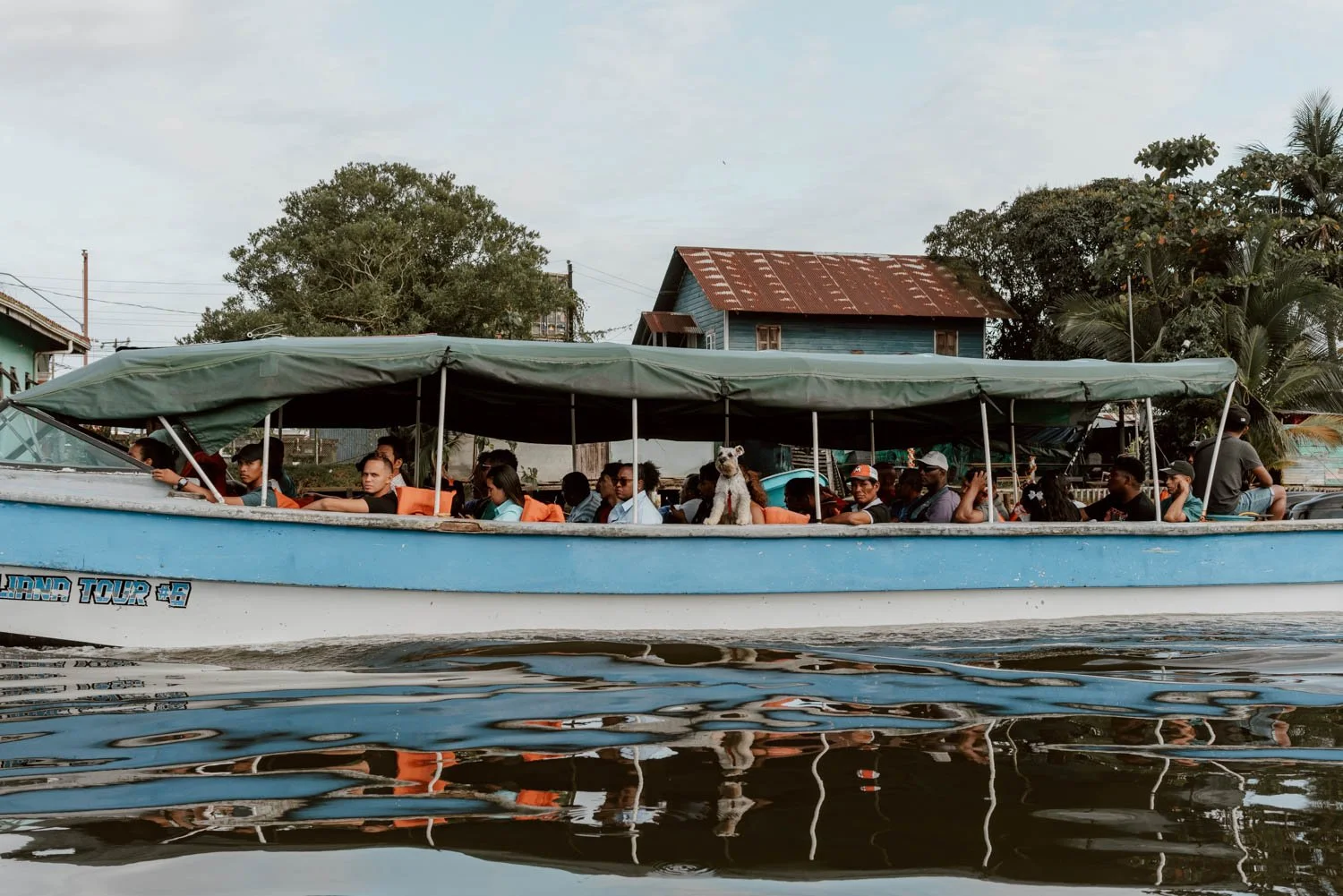
The famous archipelago off the northwest of the country is only accessible by passenger boat, a small ferry, or plane, and you can’t get or use a car on most of the islands.
This was the biggest conundrum we faced when planning our Panama road trip route and working out our budget, resulting in several re-writes of our itinerary.
If money isn’t an issue, the easiest solution is just keep the car and leave it at one of several parking lots in Almirante (where the Bocas del Toro boats depart and return). We really weren’t certain about the set-up or reliability of these lots when planning, and it seemed like a waste to pay for both the rental and parking whilst the car was just sat over on the mainland for five days!
That’s ultimately why we decided to do the one-way car rental between Panama City and David. After dropping it off, we took the bus up to Almirante and boat over to Bocas del Toro. As mentioned, we then flew from Bocas del Toro back to Panama City, spending our final days across the capital and the San Blas islands.
In order to clarify things for our readers though, we personally visited two of the car parks by the docks in Almirante. The situation became a lot clearer and, whilst nothing fancy, they specialise in tourists and locals leaving their cars whilst over on the islands. Although we could never give a 100% guarantee on security, they were legit and have great reviews on Google Maps (here and here). One owner we spoke to said you usually don’t have to leave your keys, but if they are super super full, they may ask for them (we’d never suggest leaving them though as it probably voids your rental agreement and insurance).
Another option is to get a spot for your car on the small passenger ferry from Almirante to Isla Colón, but there are pros and cons.
The takeaway? Whether you leave it in Almirante or follow a version of our route, figure out how and when Bocas del Toro fits into your Panama trip before booking your rental car.
Plan // Find out more about the ferry, the car parks, and the other transport options in our short explainer: How To Get To Bocas del Toro, Panama
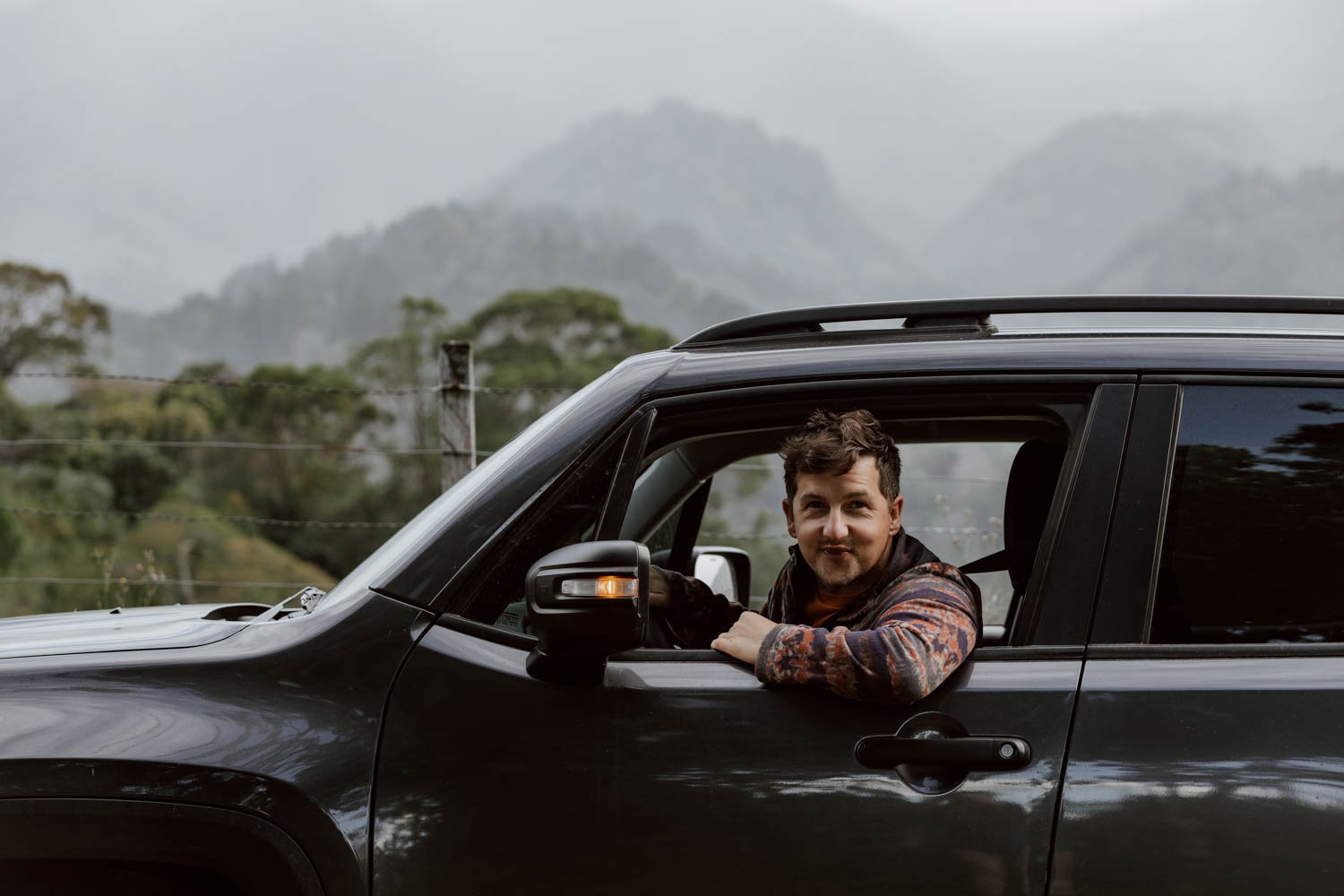
You Probably Don't Need a 4x4...
On European road trips, we usually plump for the shittest, cheapest, smallest car, because driving a Fiat Panda with 10,00 miles on the clock that's stuck to a single radio station is all you really need, and it sort of adds to the vibe.
For our Panama road trip though, we were more concerned about road conditions, access to remote coastal towns like Cambutal, and navigating the hills of Boquete. Research gave us a mixed bag of advice though: some said that a 4x4 was absolutely essential, whilst others said you’d easily get by without one.
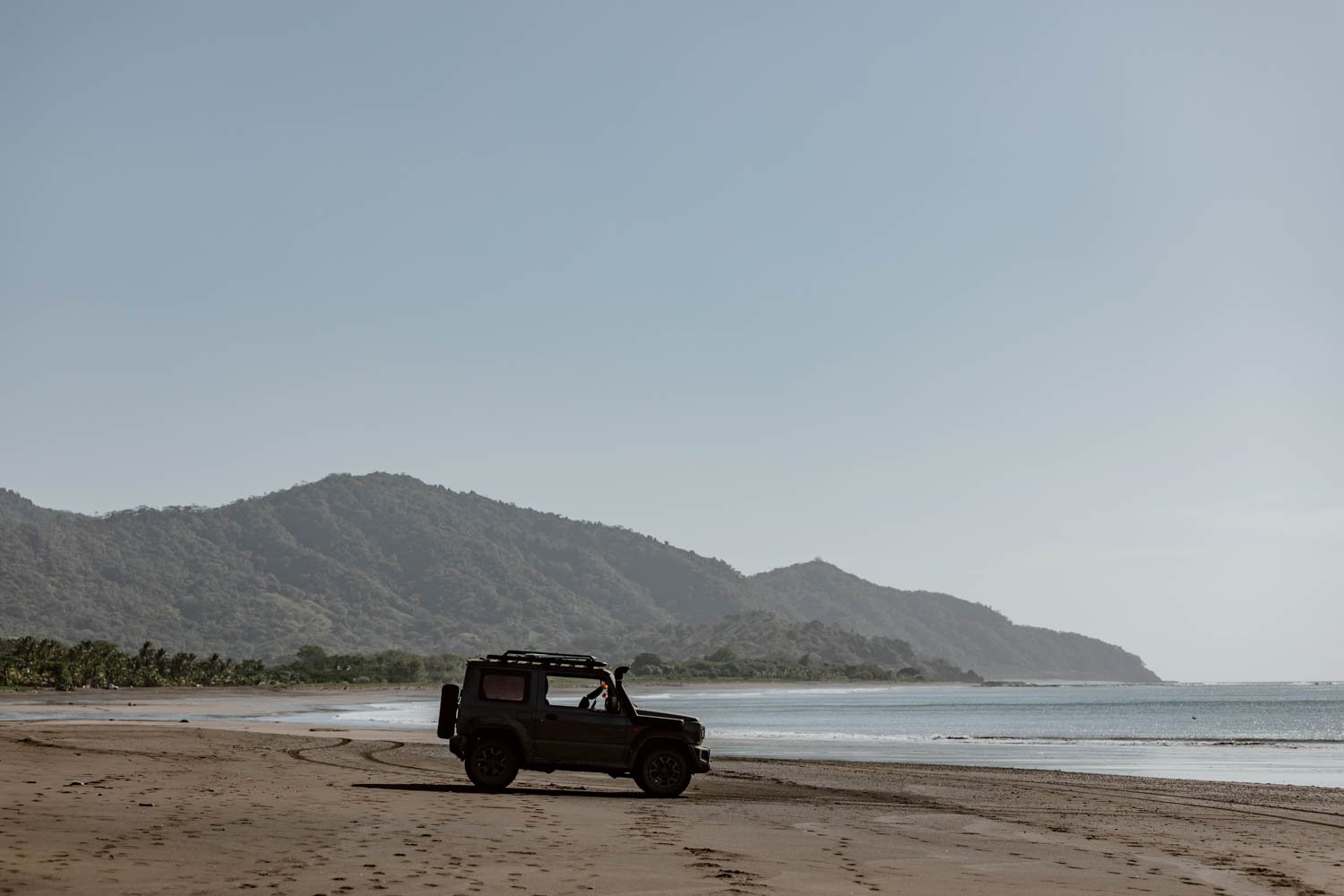
To cover all bases - and, not gonna lie, for the aesthetic - we wanted a Suzuki Jimny 4x4, but it was out of our price range. Instead, we went for a Jeep T270 Sport: not a 4x4, but sturdier with higher clearance for several of the destinations on our route.
That choice was another reason our hire costs ran above average.
So, what was the reality on the ground? For our route in dry season (November-April), the car was absolutely fine and there was no need for a 4x4. A regular vehicle would also have done the job, and there were plenty locals driving the rougher roads in standard cars with no issues.
This means you can save quite of money on car hire overall.
That said, we definitely appreciated the clearance, power, and better suspension on several dusty roads that led to remote hikes and beaches. Some of those would have been more challenging, or even impassable, during the rainy season however, especially if churned up.
If you’re travelling during that season, or planning on visiting a bunch of off-the-beaten-track locations, opting for something with higher clearance and power will be a great help. However, if you’re a proper surfer planning on hitting up more remote breaks and beaches on the Azuero Peninsula, then a 4x4 is a much better bet.
Travel Tip / The model of car you book in advance on the websites is never a given, but you should be given a very similar type at the rental desk. Also, remember that not all SUVs are 4x4s.

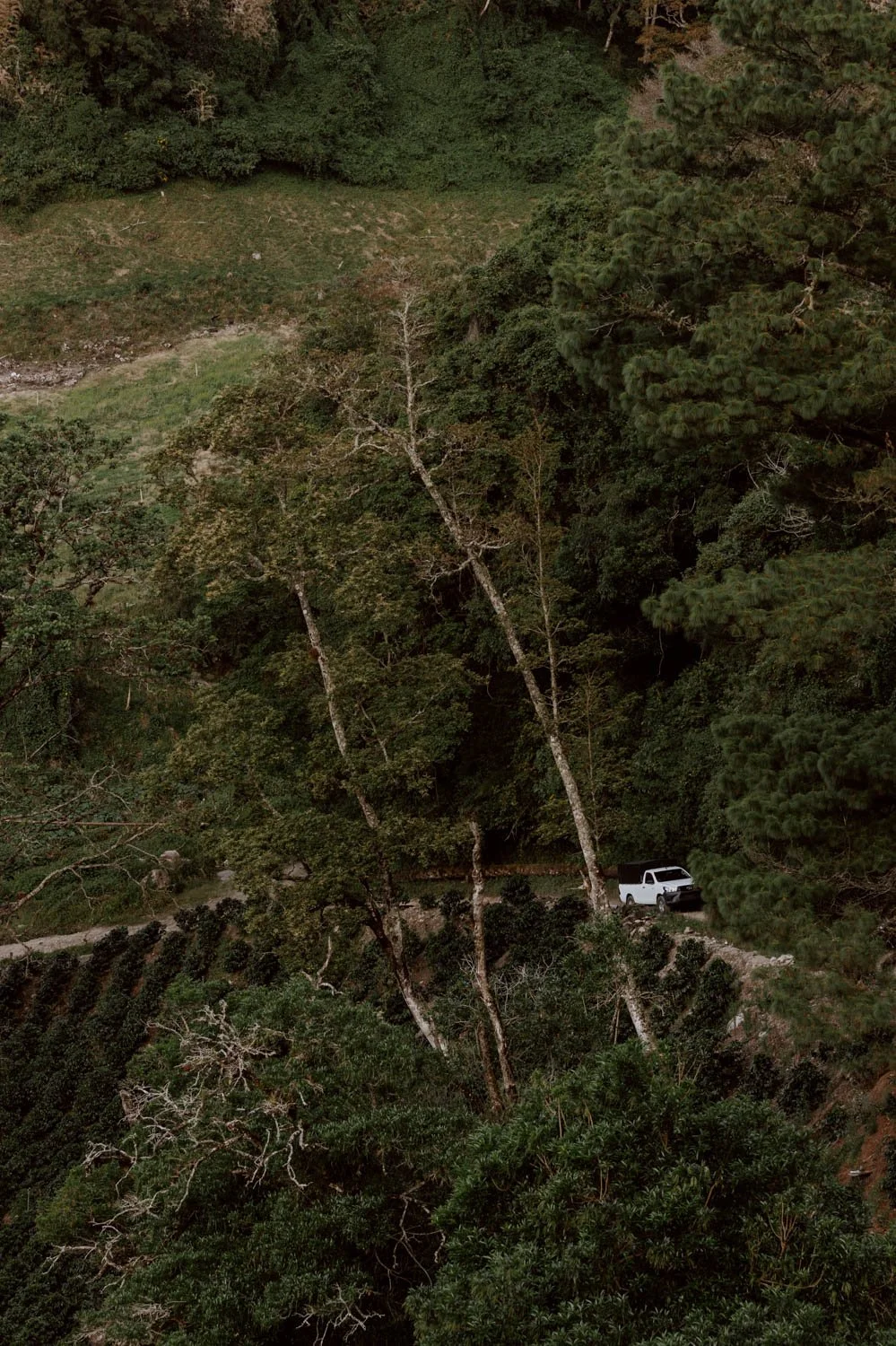

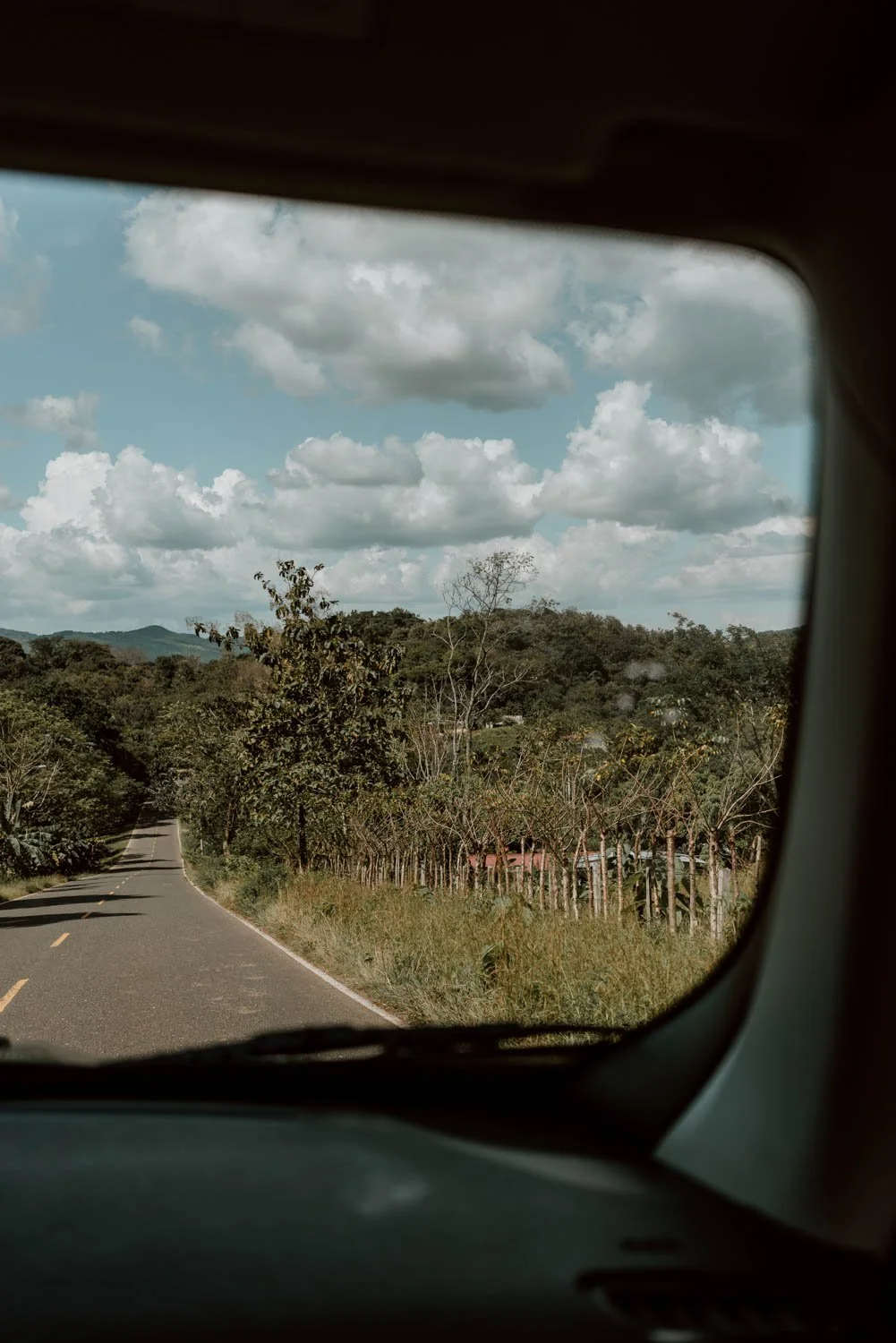
Those Police Speed Gun Traps
This is almost certainly the most important thing to know about driving in Panama.
As far as we could tell, the country has no fixed speed cameras; instead, it has an awful lot of police hanging out at the side of the road with handheld speed guns.
Of course, we’re assuming you’re not heading to Panama planning to break the speed limit. But the reality is that driving in a foreign country, juggling unfamiliar roads, and trying not to crash or bash your hire car, can make it easy to miss a sign or realise you've changed road type. Sometimes, in trying to keep up with the flow of local drivers, you can also have a heavy foot.
In Panama though, these roadside speed check units are such a standout feature of the day-to-day driving experience that you really do have to be aware of them at all times.
The speed limits themselves are pretty straightforward once you know them: up to 100 km/h on stretches near Tocumen Airport and parts of the Pan-American, but mostly 60–80 km/h on highways, and dropping to 40 km/h around countryside towns and villages. Sign coverage is also pretty good.
The problem comes from the fact that the ‘transition’ points from one speed limit down to another aren’t always clear - and the cops definitely position themselves at points where they’re most likely to catch someone.
Thankfully, there’s a way to help you avoid being pulled off at the side of the road and fined…
Waze > Google Maps
It really is a very good idea to have an app called Waze downloaded on your phone
Whilst Google Maps is our go-to navigation app for road trips, all the locals and taxi drivers in Panama use and depend on Waze. This is primarily because the latter pings with updates of when and where other drivers have logged police checks on an upcoming on a stretch of road: they’re very accurate.
These alerts are particularly useful for those moments when you may innocently miss a sign saying the speed limit has dropped from 80 to 60 for a short stretch.
Google Maps also has some functionality on this, but it’s simply not as commonly-used or reliable.
An important point however is that the alerts require real-time notifications from live/recent driver feedback, so you can't rely on your downloaded offline version of Waze or Google Maps. Instead, you need to ensure your mobile data is switched on, which means having a local SIM is essential for at least one person on your road trip.
For this Panama trip though, we actually just opted for the convenience of an Airalo e-sim.
Note that on rural stretches, the ‘speed camera police’ are less common, but that doesn’t mean you can ignore them: the roads have plenty of other hazards, from potholes to livestock and pedestrians!
These speed checks are also why you can’t depend on the car’s in-built satnav to get around, and that app really will help keep you safely below the speed limit, avoid nasty surprises, and get you from A to B too.
Speeding Tickets in Panama
We often say at Along Dusty Roads that we make the mistakes so you don't have to, but there are limits to that! Thankfully, we didn't get any fines, but it means we aren't 100% certain how the process goes if you are flagged down.
Asking a few locals and taxi drivers later in the trip, there wasn’t a definitive answer. The car rental guy in David said it was $65 + IVA (7%) for Panama police speed fines - you don't have to pay on the day but are given a link to an online form - whilst a taxi driver said $75 total.
Of course, the process and prices may operate quite differently for foreigners…
If you have the misfortune of finding out, then do let us know what the actual fines are and how the process works!




There Are A Lot Of Potholes
Want to know when we switch off a political conversation at the pub? Whenever potholes - the dullest subject known to man - are brought up.
However, there's British potholes and then there are Panamanian potholes.
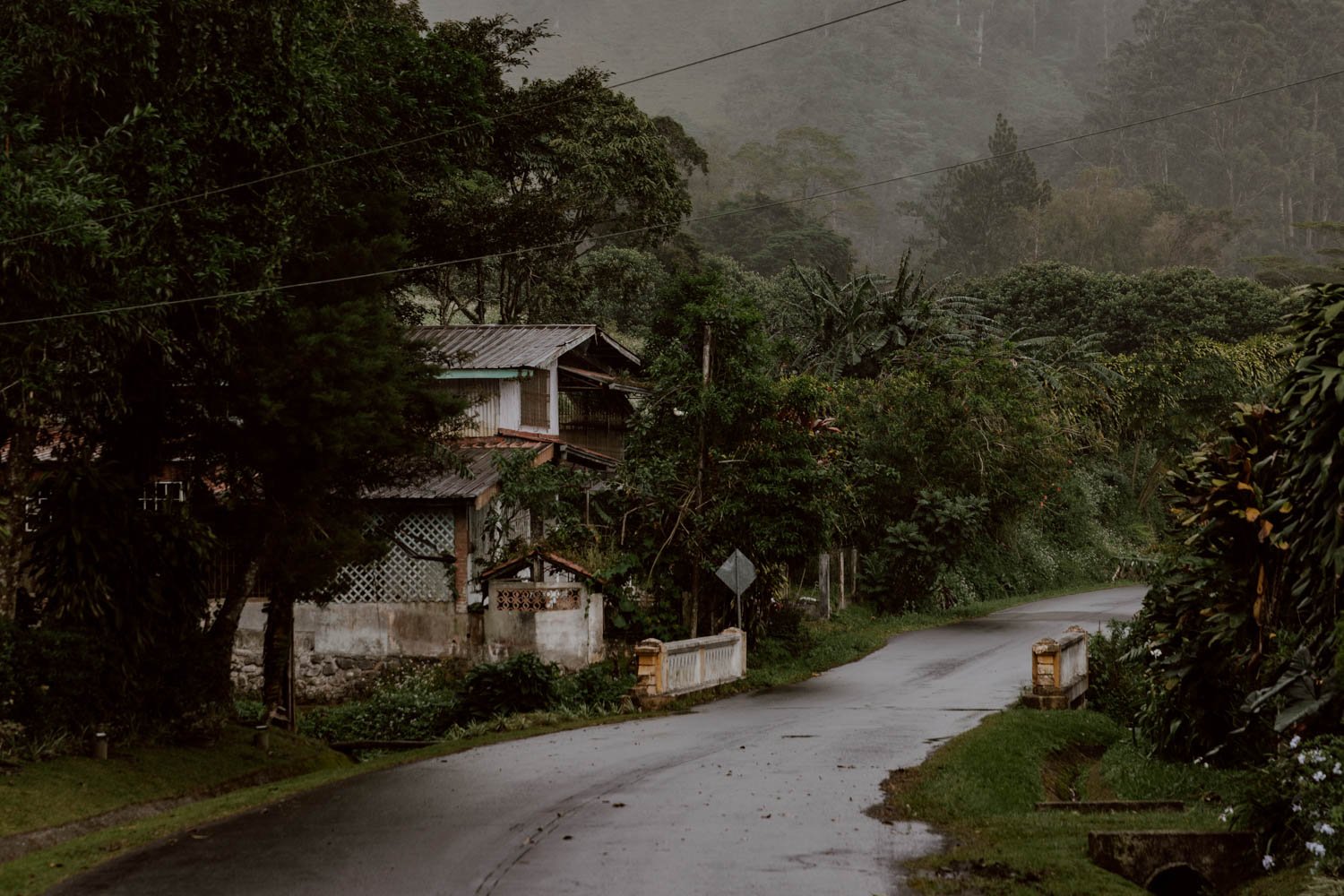
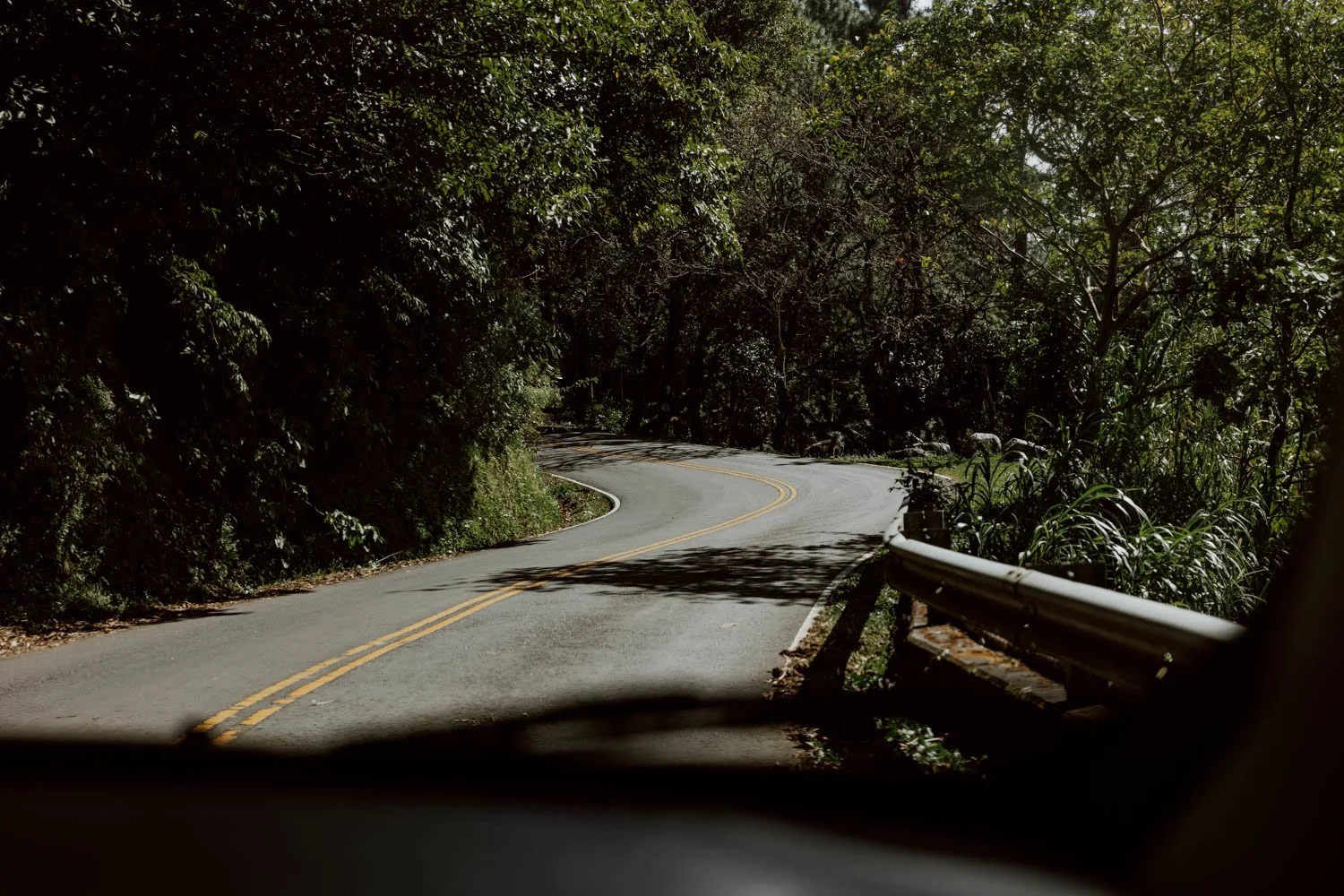
On pockmarked remote roads, some of these are crater-like in their size and depth, and really could damage a wheel. Some potholes even had their own pothole, and you’ll even find huge ones on the Pan-American highway. Anticipating and avoiding these is super important, with slowing and swerving being your best strategy.
However, this can cause issues when there’s an oncoming vehicle or one behind you that’s itching to overtake, so you’ve got to be aware at all times of your surroundings as well as what’s ahead.
Speedbumps are also quite common as a safety measure, particularly outside schools and when entering / exiting a small village. These don’t cause any issues - and thankfully nowhere as common as driving in Jordan - but can pop up unexpectedly.
Travel Tip / Want a less stressful road trip? Always get the car hire insurance - just not at the rental desk. It’ll cost you way more. We buy ours in advance on Insurance4CarHire to save money, whilst RentalCover is another provide to check out. For more on insurance, video checks, credit card deposits, and all the common mistakes to avoid, check out our 9 Essential Car Rental Tips for Travellers.
The Honky Tonk Men
A quick flash of headlights or a short tap on the horn is common.
It might be a thank you. It might be a warning. It might be someone politely telling you they’re about to do something whether you’re ready or not. The problem is that the same tiny beep can mean all of those things.
Is it a salutation? A request? A pre-emptive “I’m coming through”? A taxi announcing its presence or admonishing you? Sometimes you’ll never know. The short practical honk is the universal language here amongst local drivers, and you’ll hear it constantly.
It can be difficult to discern though.
Also, whilst the British-style hand wave acknowledgement is rarely spotted, locals usually returned the gesture.
Travel Tip // We took over our little travel dashboard mobile phone holder to stay hands-free in the car


The Pan-American Highway & The PanaPass
The Pan-American Highway runs almost the entire length of Panama, forming the backbone of the country’s road network from the Costa Rican border to Panama City and beyond.
You’ll inevitably spend quite a bit of time driving on it, but the key to a good road trip here is not to spend all your time on it: make sure you take routes that lead through the countryside for scenery, insight, and the occasional random restaurant stop.
The main tip is that the right-hand lane is for slower vehicles, and that should be your default while you ease yourself into the road trip and local driving etiquette. On some parts, the speed limit is at 100km/h, but it’s more often at 80km/h. The section that involves driving through Panama City is the least enjoyable, with cars getting a bit too close and cramped for comfort at times.
The PanaPass is Panama’s electronic toll system - a windscreen-mounted tag that lets you drive through toll roads without stopping, with fees added to your rental bill. It should already be installed in your hire car and automatically scanned whenever you pass through tolls on the Pan-American Highway. Do clarify before setting off though. Tolls are an additional cost, calculated at the end of your rental; we knowingly passed through three or four and were charged $12.23, paid at drop-off in David.
How and when these PanaPass charges appear varies by rental company though, so it’s worth confirming the exact setup at the desk when you collect and drop-off. When dropping off, you should also confirm the amount to avoid a nasty surprise - let us know your experience in the comments!
Know // Despite being the January dry season, we had several tropical downpours and the windscreen wipers simply couldn’t keep up! You need to drop your speed right down until the weather passes.
Animal Obstacles
Panama’s roads come with a few unexpected traffic hazards - and not all of them have engines.
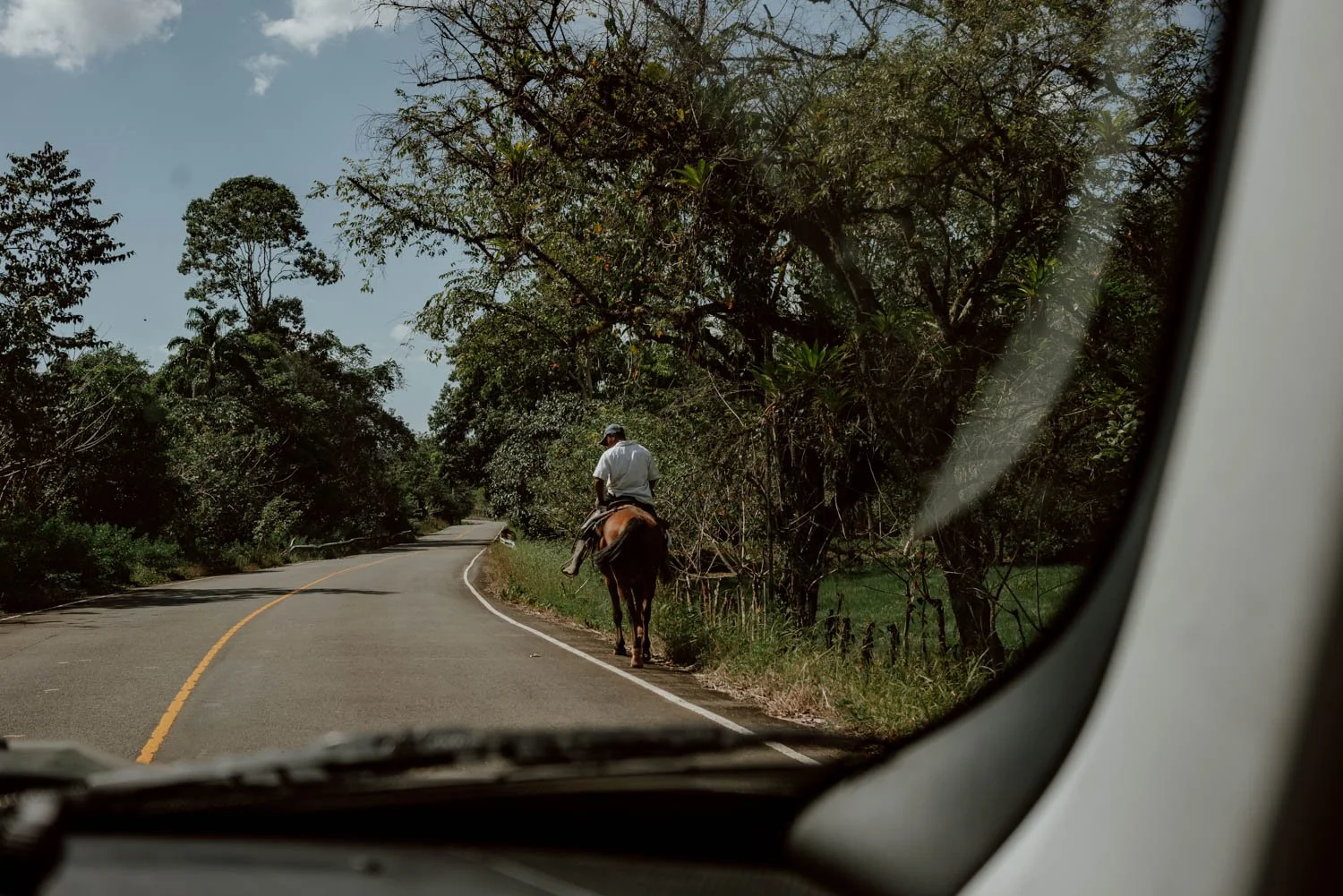
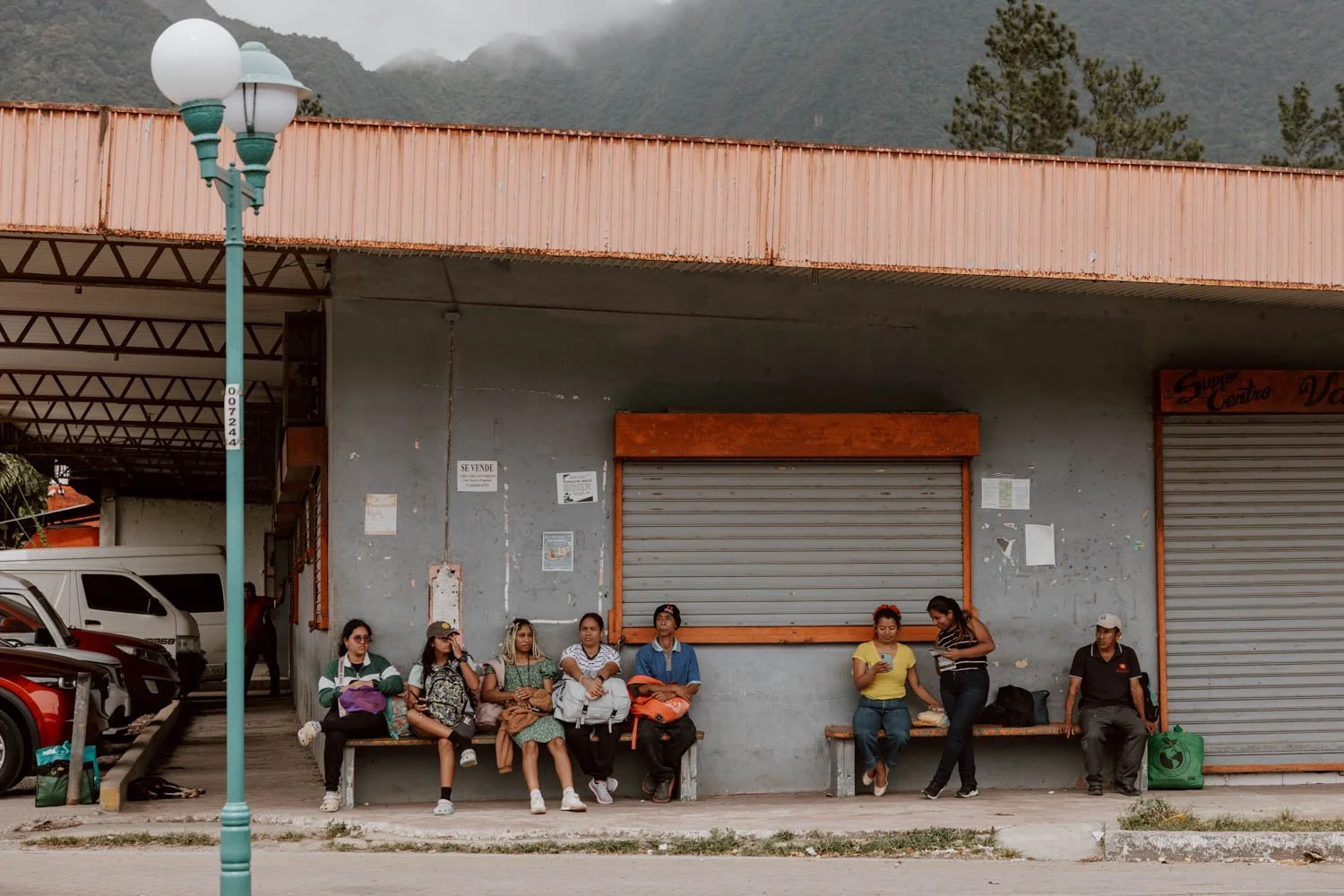
Dogs are a common sight, sometimes lounging at the roadside, and occasionally sleeping or mooching in the middle of the road (especially around El Valle de Anton). Slow down for them; they’ll eventually get up and move out of the way. Horses are also a wonderfully common sight, particularly in the hills and cowboy country of the Azuero Peninsula, often with riders casually guiding them along the side of the road.
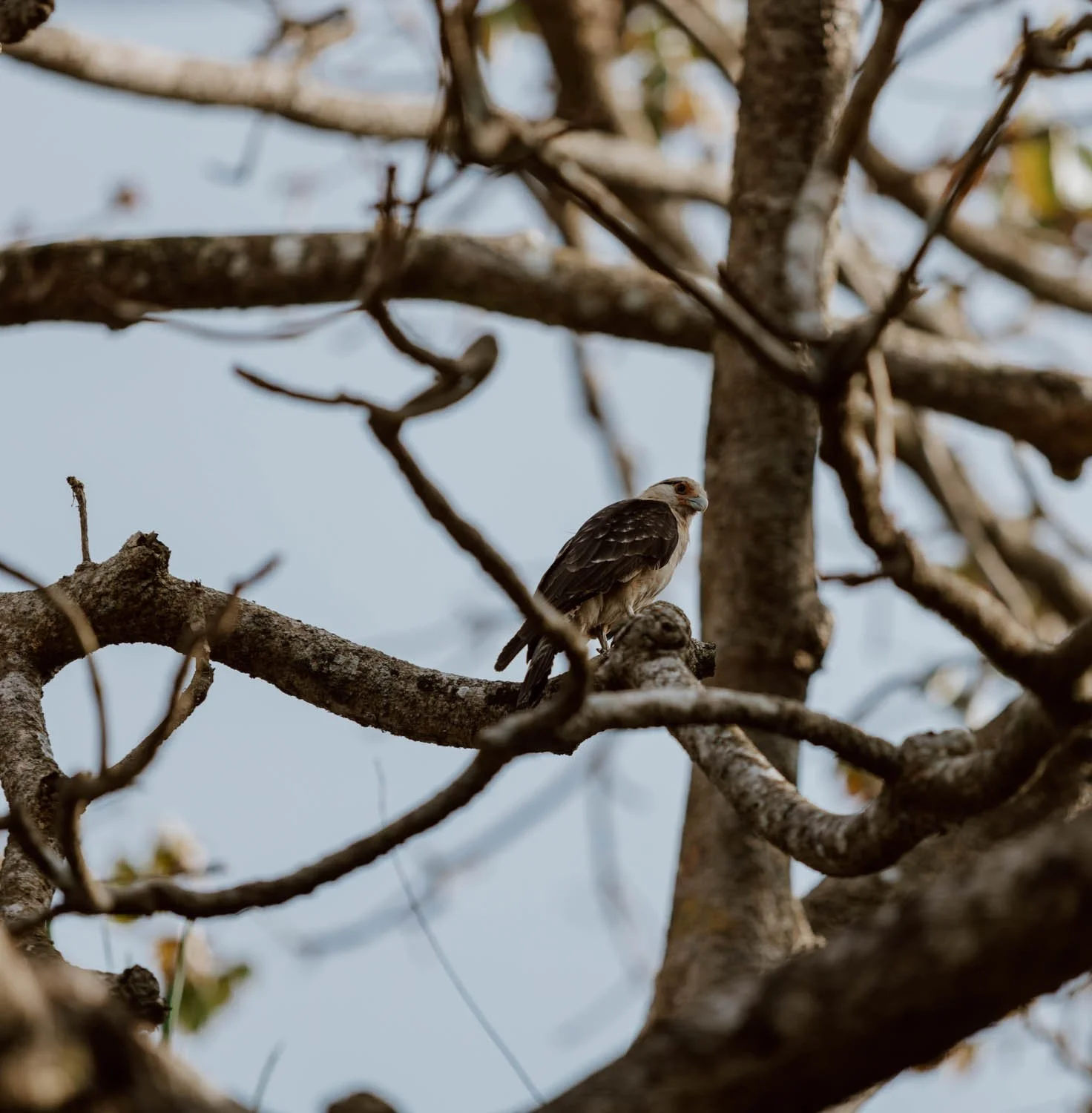
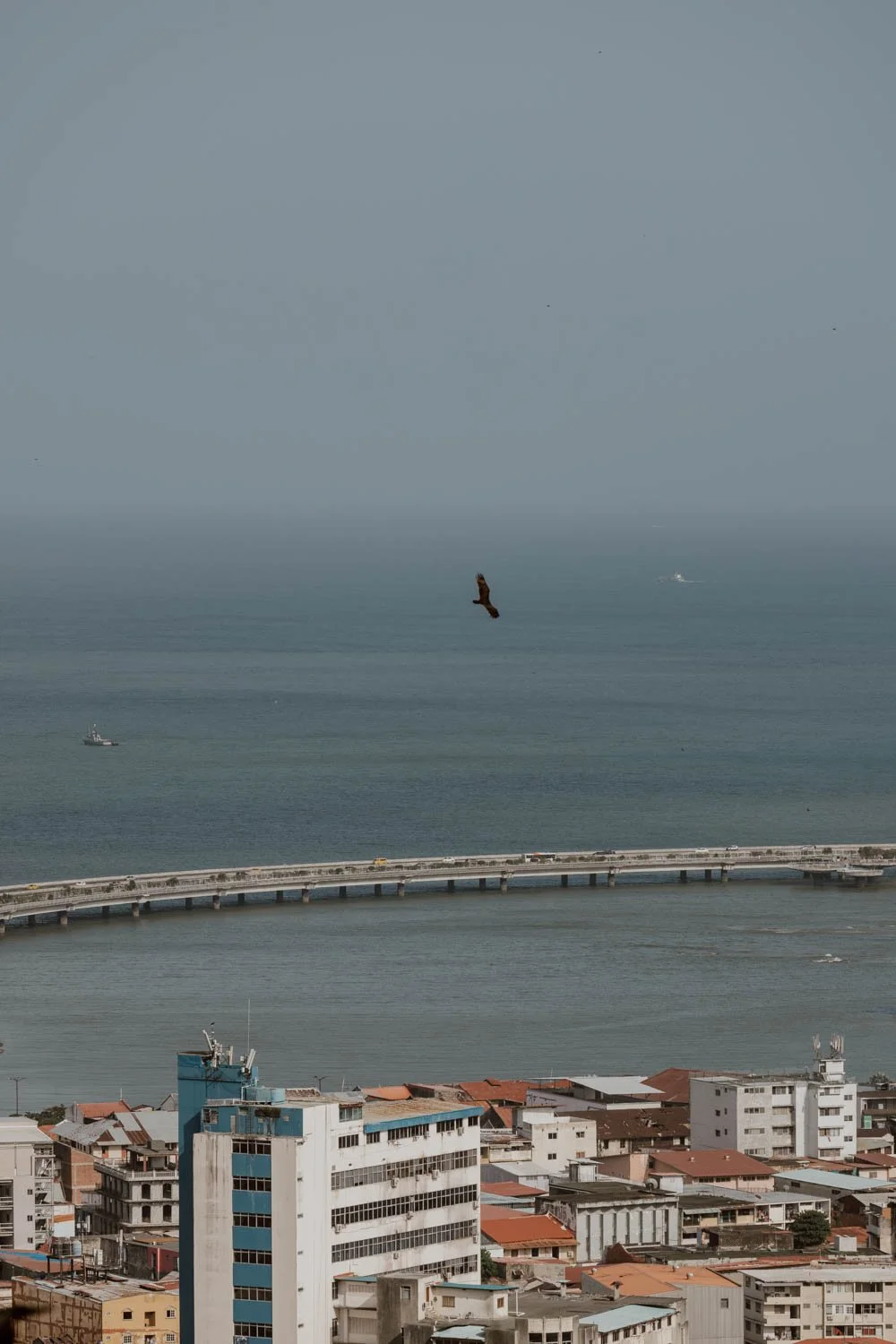
And then there’s the little bird of prey that constantly plays chicken with you. Falcon-sized, it sits in the middle of the road before swooping up to a nearby tree at the last minute. Initially cute, we found ourselves slowing becoming more and more irrationally irritated by them! Locals told us it’s an eagle, but Google says it’s a yellow-headed Caracara. Any ornithologists able to tell us definitively?
Know // The road to the beach, surf, and diving village of Santa Catalina remains long, dusty, and remote. In addition to doggies and horses, there are a fair few locals on bicycles and on foot, so you really do have to go slow out of consideration and concern for them. If you’re heading there, do go slow and try to keep a distance from other vehicles too, as stones and dust clouds are common.



Some Useful Spanish Road Signs To Know
Reduzca la velocidad | Ubiquitous yellow-and-black diamond sign meaning reduce your speed
Resumen su velocidad| Small yellow-and-black signs indicating you can resume normal speed after a slow zone
No estacionar / No estacionarse | Extremely common. Both mean no parking
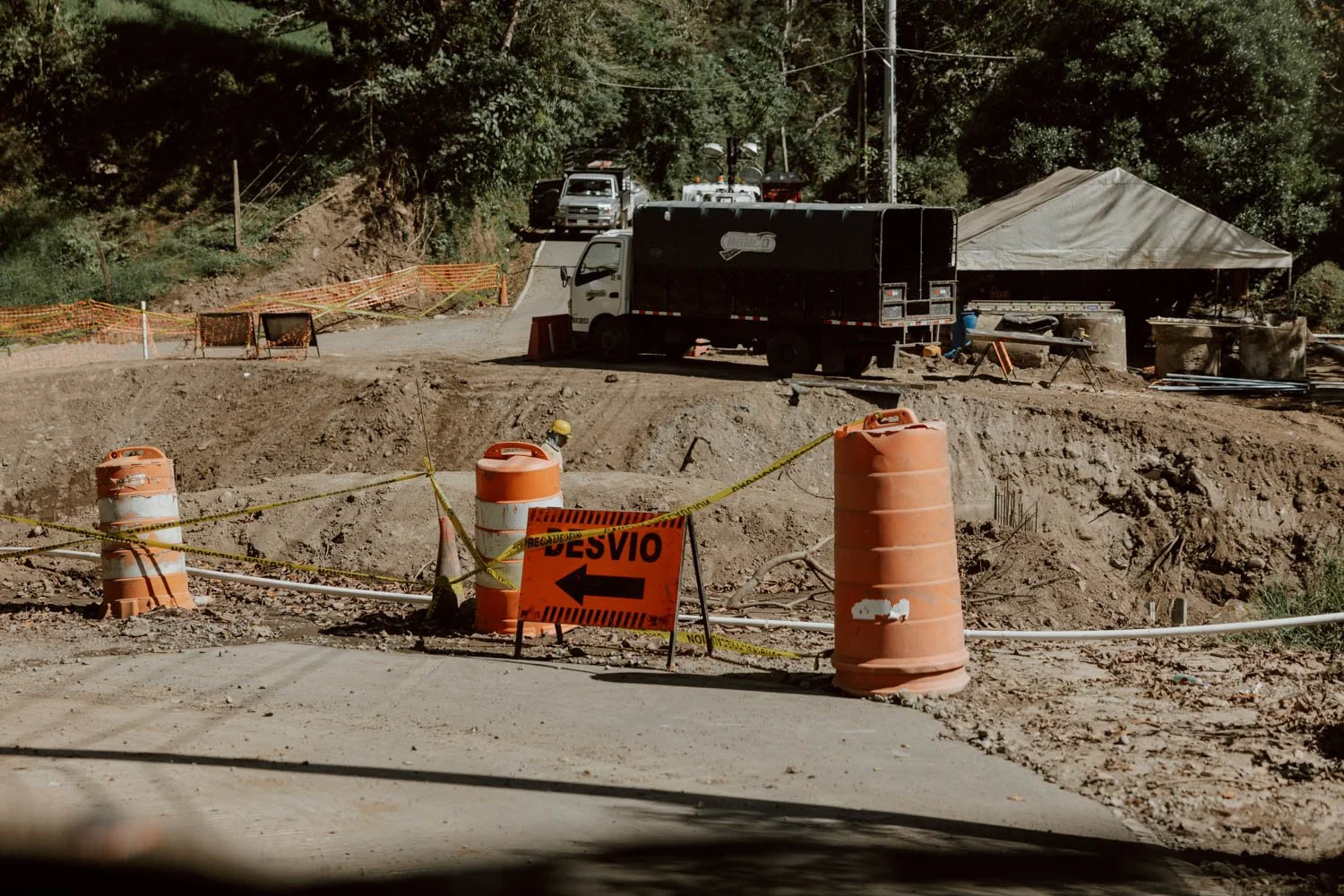
Desvío | Detour
Alto | Stop
Ceda el paso | Give way - shown on the same inverted triangle sign used in many other countries
Cruce el ganado | Cattle crossing. Particularly common in ranching areas - we saw a lot of these driving along the southern coast between Cambutal, Santa Catalina and Boquete.
Esta Carretera no es un autopista | Big yellow and black sign on the dual-carriageways that looked highways, but actually weren’t, so different speed limits apply
There’s also a sign on four-lane highways that counts down to the only place where you can make a very conservative U-turn to switch over to the other side
Overtaking & Other Drivers
We did a road trip in Montenegro the same year, and the little Balkan country took home our award for the worst driving we’ve ever witnessed!
A lot of this came down to their bewildering approach to overtaking.
Thankfully, Panama’s drivers aren’t anywhere near that level, but there are still a few quirks and hazards to steel yourself for:
· some drivers have a proclivity to straddle the yellow line or go half-way over it - mostly on the wrong side of the road - leading to unnecessarily hairy moments / close calls when they're coming toward you around a corner. This seemed to be more prevalent amongst the 4x4s and pick-up truck crowd!
· on dual-lane highways, there are several signs stating that the left lane is for overtaking only, with drivers expected to promptly return to the right lane. Remember, for the first couple of days of your trip, the right lane will be your best friend until you get used to local speeds and styles.
· on those dual-lane roads, there’s a bit more weaving in/out and cutting in/off by some drivers - but it’s thankfully the minority. Some can also get a bit close for comfort when there’s zero need for it, and we witnessed several instances of someone overtaking between two vehicles on the highway.
· you might see or get undertaken on the highway.
· if you need to pull into a lane or there's a junction with various vehicles unclear on who has right of way, you do have to be quite aggressive rather than expecting someone to let you go.
· if you’re on a remote or bad road and there’s a faster local behind you, do try to let them past when safe to do so - this makes life easier for everyone, but also lets your follow their line of travel if it’s a particularly potholed track.
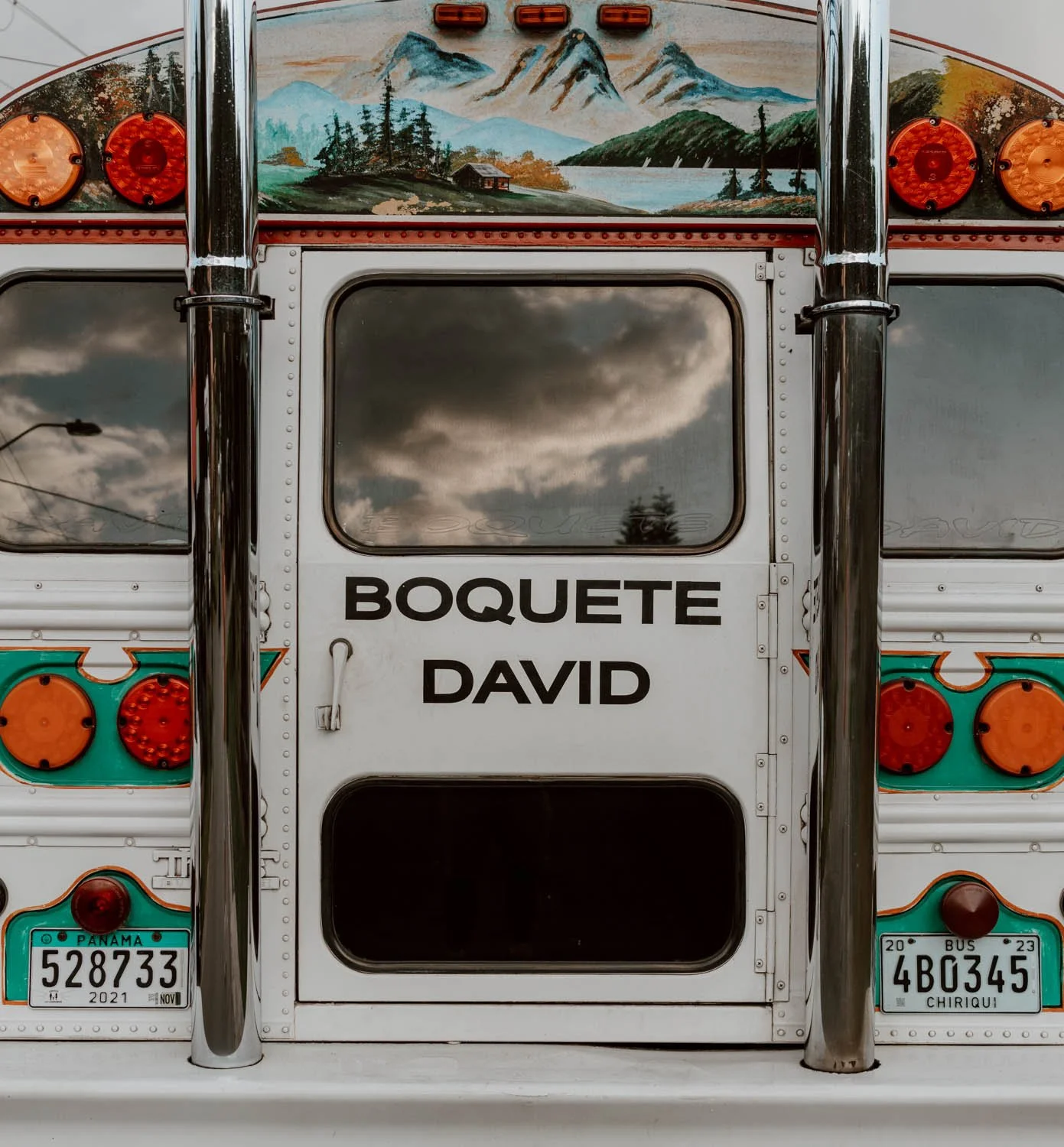
· when trying to overtake or give space to a vehicle on the right, we occasionally got caught in the middle of a pincer movement due to a vehicle quickly coming up on our left side that didn’t see or anticipate us. This is something likely to occur on your road trip due to buses frequently slowing or emerging from their frequent and unannounced stops at the road side - often with half the bus still occupying the slow lane - and your best bet is to anticipate the pincer movement and drive accordingly, rather than get trapped between two vehicles.
· indicators often aren’t used.
Our best approach? Drive defensively, stay aware of surroundings, and always anticipate and expect others to do something a bit unexpected.


Roadworks & Filling Up
Roadworks and diversions seemed to be all over the country, and we encountered a form of them every driving day. This isn’t a big issue or a moan, but rather an observation on just how prevalent they were: some just fixing potholes, others replacing a major chunk of road that had slipped away.
Look out for bright orange signs and traffic cones, and be prepared to wait for oncoming traffic to pass first on single-lane sections. Sometimes there are men on both sides waving flags to manage traffic flow, so a little patience goes a long way.
Thankfully, these roadworks and diversions didn’t add significant delays to our anticipated travel times.
Travel Tip // A few petrol stations are self-service (auto-servicio) but most pumps are staffed by an attendant. Unlike in some countries, there’s no price difference whether you request service or not, and tipping isn’t expected (we didn’t).
In a rental car and unsure which side to fill up on? Check the little arrow on the fuel gauge - it points to the side of the car with the fuel cap!
Also, if you need a toilet stop along the way, keep an eye out for the modern coffee drive-thrus.
The Parking & Security Situation
We never had to pay for parking as there was almost always space on the roadside or even on the pavement. Some car parks are reserved for business or restaurant clients, but if there isn’t a ‘No Parking’ sign, you’ll usually be fine with a bit of common sense and awareness of your surroundings.
With regards to accommodations, most are usually quite upfront about disclosing whether they have private parking or at least an area nearby where you can leave your car but it is important to confirm this before making a reservation. This is especially true with apartments or hostels who may only have a limited amount of space for vehicles.
It’s definitely worth sending the host/owner a message before arriving at night, as some may need to open a gate for you.
The exception on parking will be for those planning on staying in Panama City for a few days whilst they’ve got a rental car. As mentioned, we don’t recommend being in the capital with a car, but if you will be it’s a good idea to choose an accommodation that offers guaranteed guest parking - absolutely do not assume that you’ll find on-street parking.
Disabled parking is clearly marked in towns and cities with blue paint, and there are actually more spots than you might expect.
In terms of security, all we can say is that we had no issues and weren’t overly concerned at any point. Obviously, don’t leave your valuables in the car or anything important on display when you’re away for a hike.
Know // if you’re planning a sunrise mission, make sure your hotel or hostel doesn’t keep the gates locked until the staff arrive at 7 am; we learned that the hard way in El Valle de Anton.


Driving in Panama: The Key Takeaways
Panama is genuinely well suited to a road trip. Roads are in good condition, distances are manageable, and having a car gives you far more flexibility than public transport.
You don’t need a car everywhere. Skip having one in Panama City and plan carefully around Bocas del Toro and the San Blas Islands.
The cheapest rentals involve the same pick-up and drop-off location, usually Tocumen Airport. One-way rentals can work, but only if they meaningfully improve your itinerary.
A 4×4 is not essential for most routes, particularly in the dry season. Higher clearance helps, but many travellers will be fine without one.
Car hire insurance makes for a much less stressful trip, just don’t buy it at the rental desk where prices are significantly higher.
→ We compare prices and book using Auto Europe and Rentalcars
→ We buy standalone insurance through Insurance4CarHire or RentalCover
→ For deposits, video checks, insurance pitfalls, and common mistakes, read 9 Essential Car Rental Tips for Travellers