11 Wonderful Things to Do in Panama
It’s probably the canal’s fault.
When people think of adventurous destinations in Central America, Panama rarely features. The skyscrapers of its finance-fuelled capital and the prominence of the canal make many assume there’s not enough nature or culture in comparison to Costa Rica and Guatemala, or not enough surf and sumptuous coastline to rival Nicaragua or Belize.
Even El Salvador, during the years when it was widely regarded as one of the world’s most dangerous countries, was given more benefit of the doubt.
For some travellers - especially those backpacking slowly though Central and South America - Panama is also dismissed as too expensive to linger; merely a conduit between continents, perhaps with a brief stop in the capital and one of several archipelagos on their way to/from Colombia.
My god, they are missing out.
Beyond the canal, Panama is one hell of a place.
A country of more than a thousand tropical islands, consistent surf, extraordinary wildlife, and genuine historical intrigue; of self-governing Indigenous regions, exceptional coffee, long stretches of untouched coastline, an imposing volcano, world-class diving, cowboys, and lush hiking landscapes that plunge deep into dense rainforest at the narrowest point of the Americas.
Far from being an outlier to the Central American experience travellers often crave, Panama quietly delivers almost all of it.
And the best part? Thanks to its reputation as a place to transit rather than linger, large swathes of the country remain refreshingly underexplored - reserved for those willing to look beyond assumptions.
After a month-long road trip, we’re delighted to share the places and experiences that changed our own view of the country.
This is 13 Wonderful Things to Do in Panama: The Crossroads of the Americas.
The Best Things to Do in Panama
1. Island-Hopping in San Blas
2. Hiking in El Valle de Anton
3. Surf & Sunshine in Santa Catalina
4. Geisha Coffee & Hiking in Boquete
5. Casco Viejo & Cycling in Panama City
6. A Panama Road Trip
7. Bocas del Toro
8. Dive into Coiba National Park
9. Perspectives on The Panama Canal
10. Search For Quetzals & Sloths
11. The Golfo Azuero (Venao & Cambutal)
> Steal our (almost) perfect Panama itinerary
The Best Things To Do in Panama
Island-Hopping in San Blas (Guna Yala)
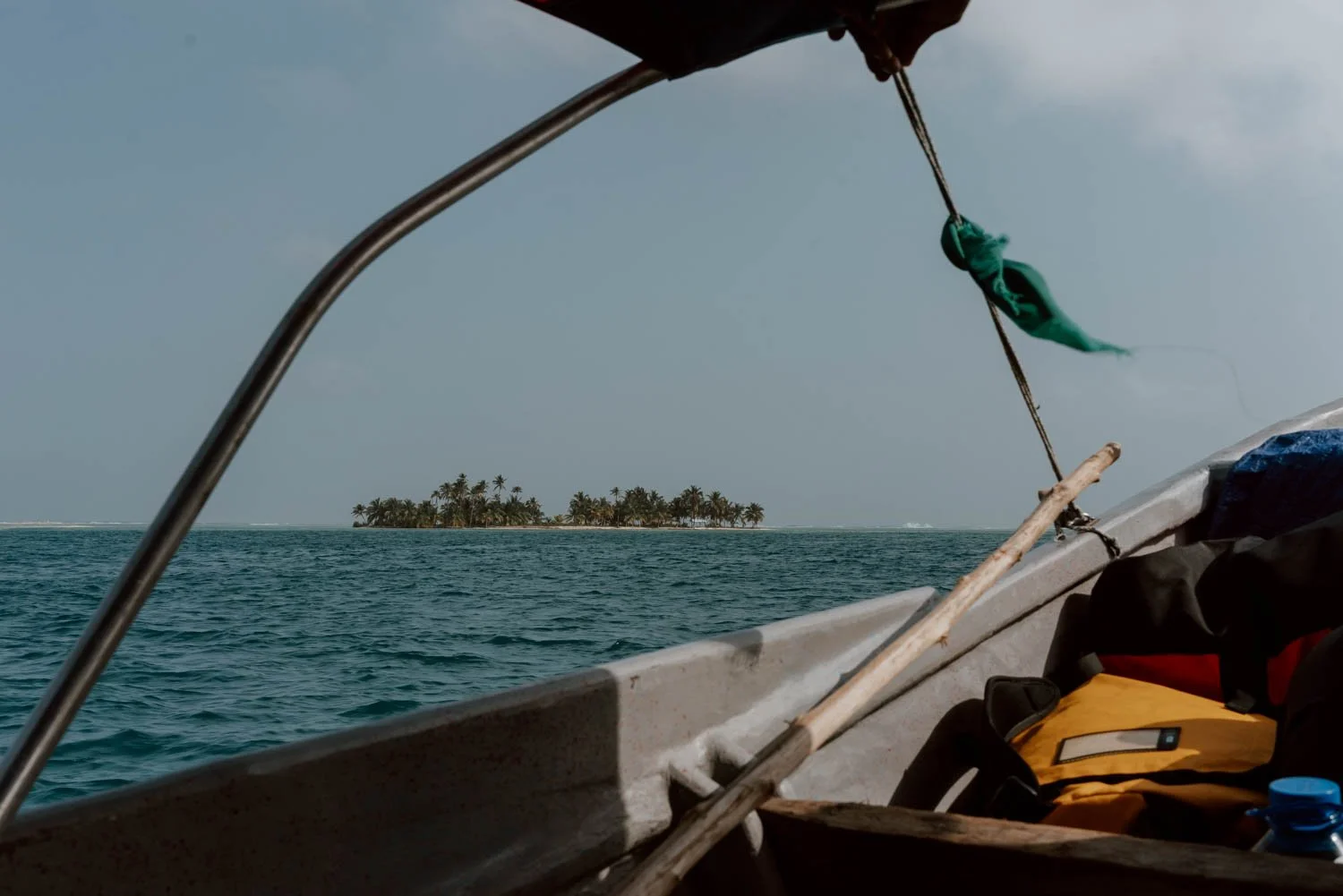
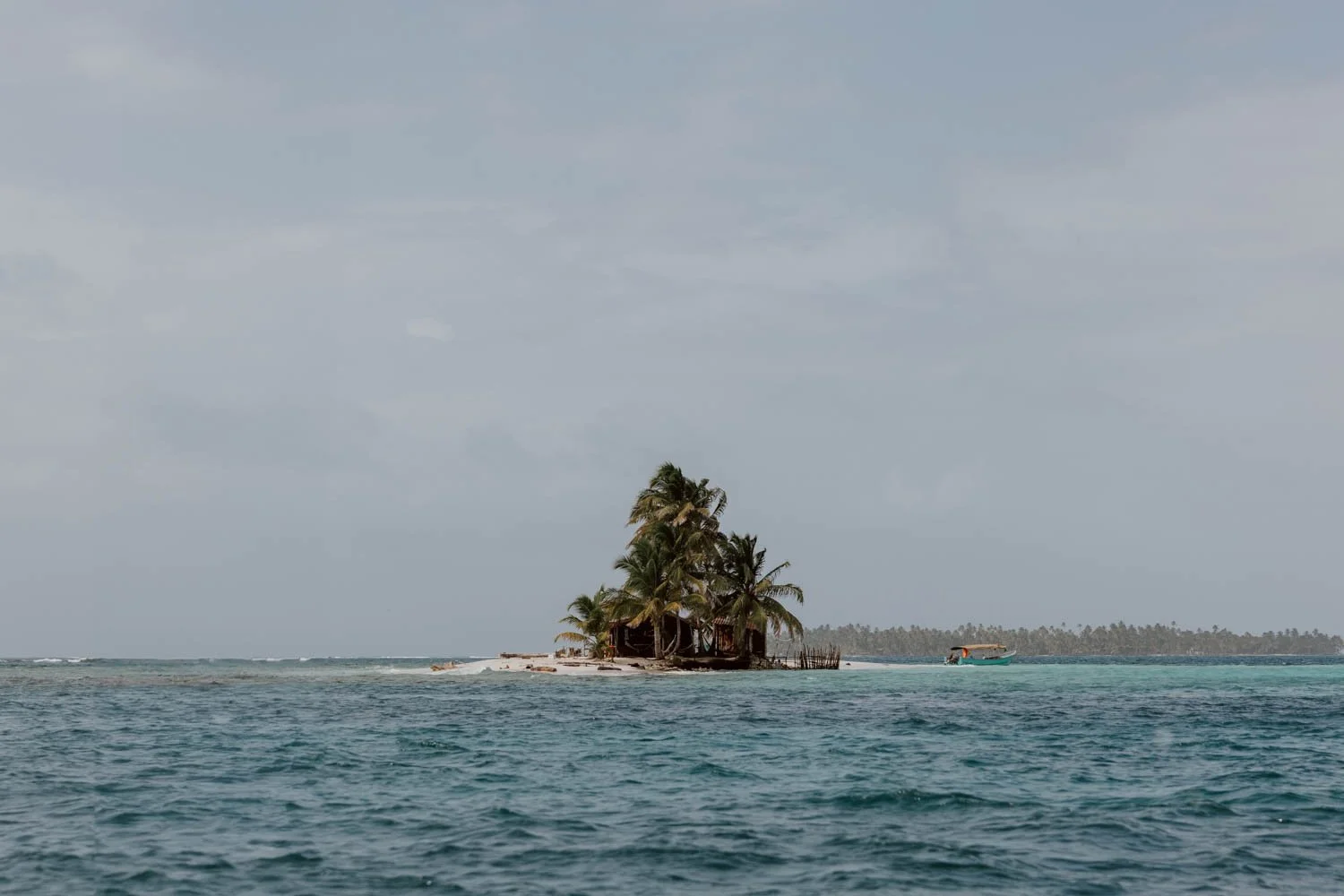
Ask a child to draw a desert island, and they’ll conjure the San Blas.
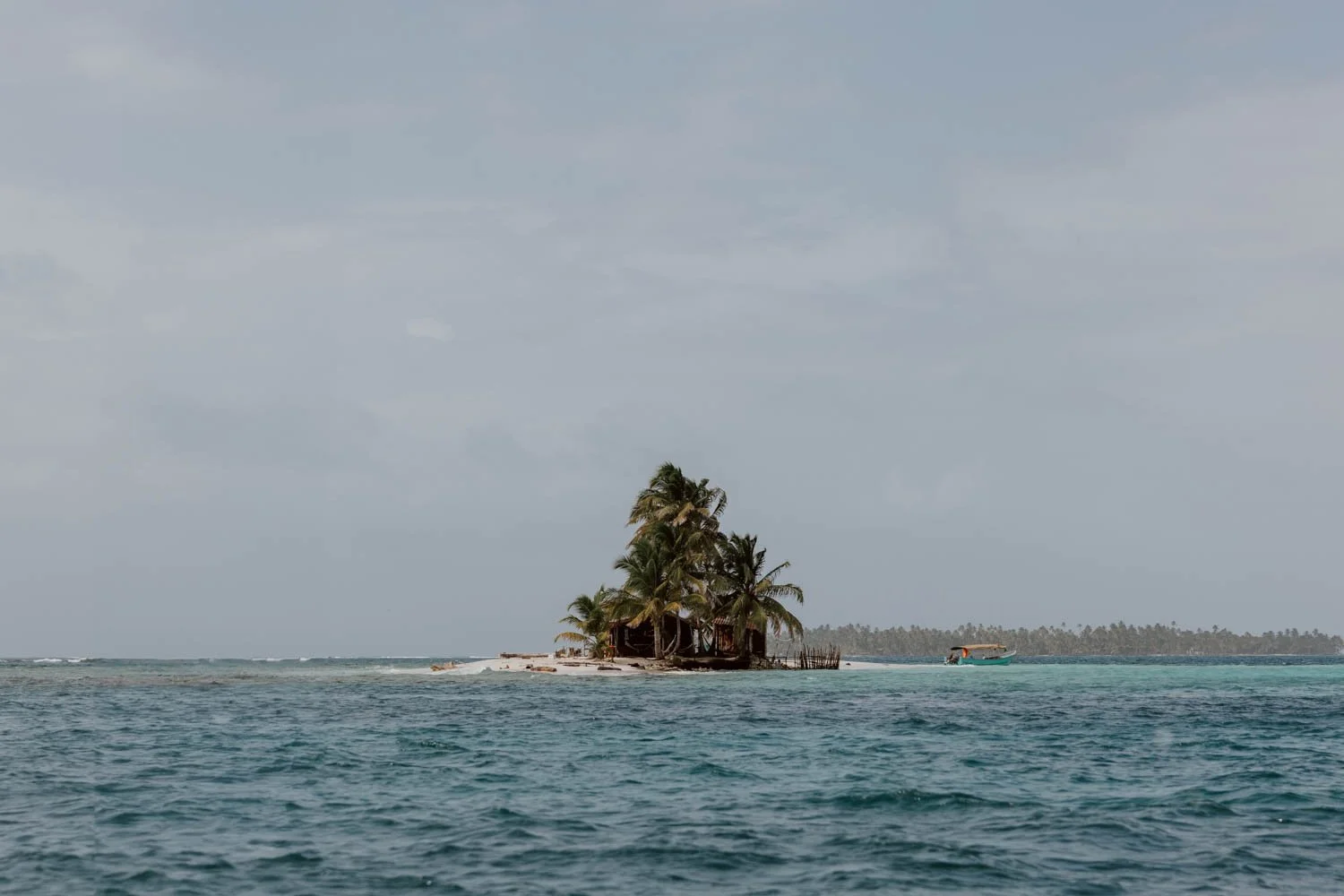
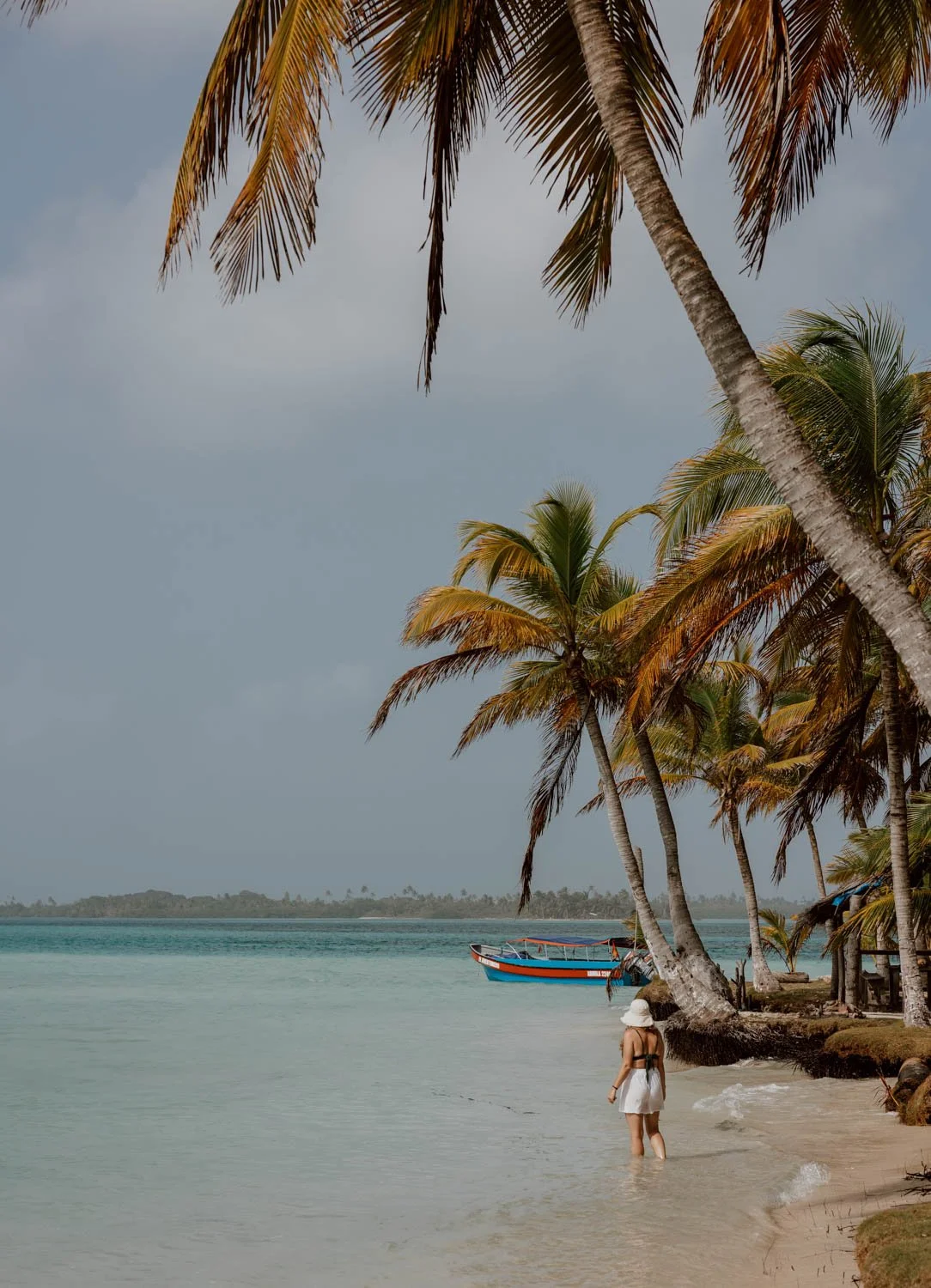
A series of islands scattered off Panama’s north coast, many are just a dot of white sand with palms, while others, set up for travellers seeking a slice of paradise, have a few sandy shacks of driftwood and dried-leaf thatch, with the Caribbean Sea only a few barefoot steps from the door.
Days are slow, boat-rides bumpy, accommodation rustic, and lunch is sometimes announced with a conch.
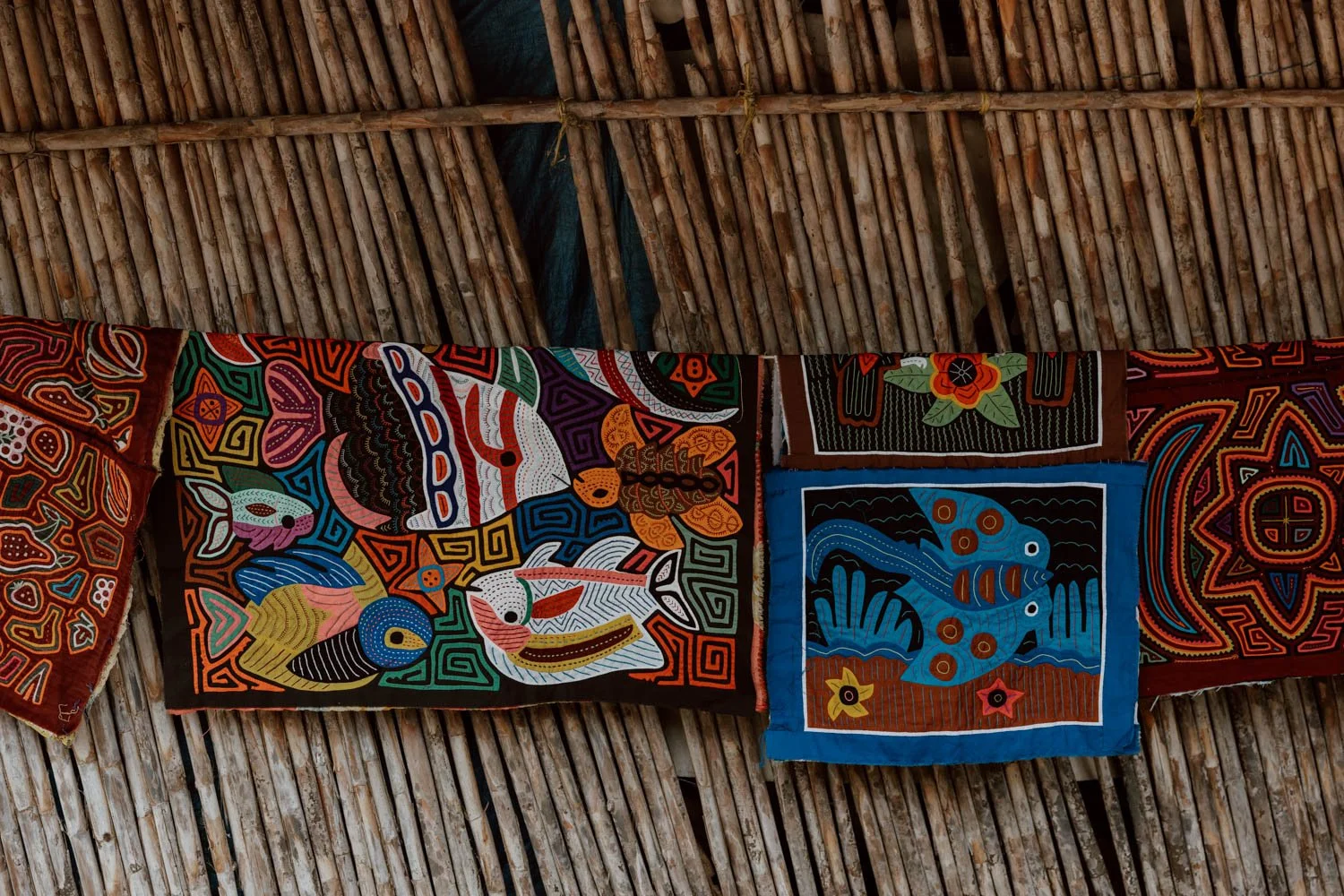
This castaway fantasy is only part of the appeal. The 300+ islands and nearby coastal sliver form Comarca de Guna Yala, a self-governing indigenous region, owned, run, and protected by the Guna Yala community. Tourism is on their terms, which is why the islands remain largely untouched by modern development and there’s no billionaire boltholes or luxury private resorts.
By preserving their culture, they’ve also preserved a way of travel: one that asks visitors to embrace difference, discomfort, and dishevelment to truly earn time in paradise.
Visitors can explore via multi-day San Blas tours, basing themselves on a single island, sailing trips, or with the notorious boats taking backpackers between Panama and Colombia: all require light packing, sea legs, measured expectations, and a sense of adventure.
Whether you’re seeking postcard-perfect solitude or a glimpse into Guna life, the San Blas are unlike anywhere else in the world.
Stay / Some huts now available on Airbnb
Book / Full-day trip or multi-day tour
Plan // Our San Blas Travel Guide & How to Get to the San Blas Islands


Hiking in El Valle de Anton
Whilst Panama lies just north of the country of magical realism, El Valle feels like it could have been conjured by Gabriel García Márquez.
A million or so years ago in this quiet town of millionaires, a stratovolcano imploded, creating a deep void in the earth. Such a geological predicament is common in Central America - see Lake Atitlán - and water flowed in to fill the basin, creating a great crater lake in the place that would become known as Panama.
Then, someone left the plug out.
Through a fissure or a fault line, the waters vanished and the lake slipped away.
From origins of fire and water, the land left behind in the void is thick with minerals, fostering life in a way few places can. It gave rise to dense forests, tangled vines, and delicate wild orchids, painting the valley in a thousand shades of green: in the gaps, the town of El Valle de Anton took root on the caldera floor.
Yet, when one is atop of the old volcano walls, it almost ceases to exist, hidden beneath the lush canopy camouflage.
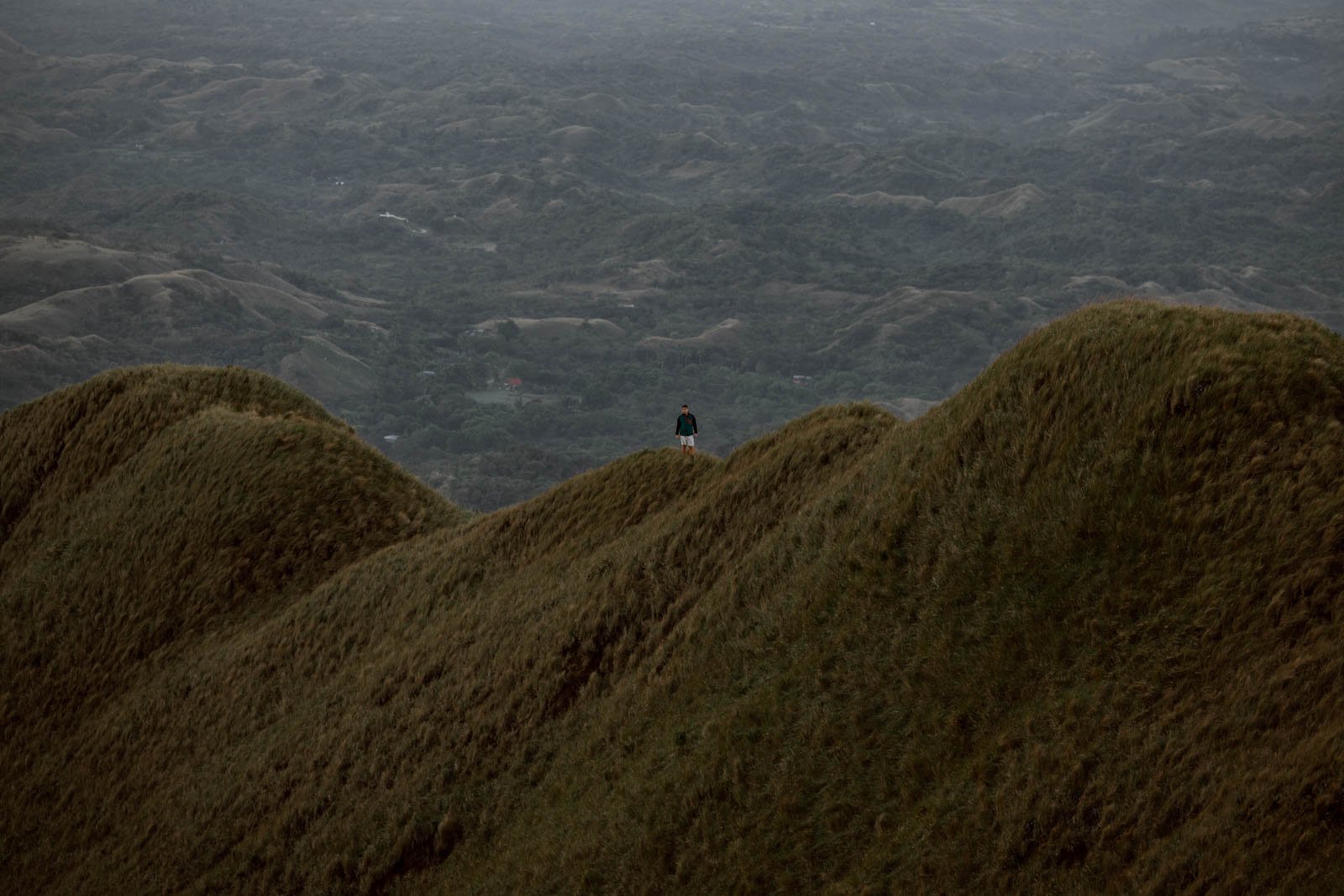
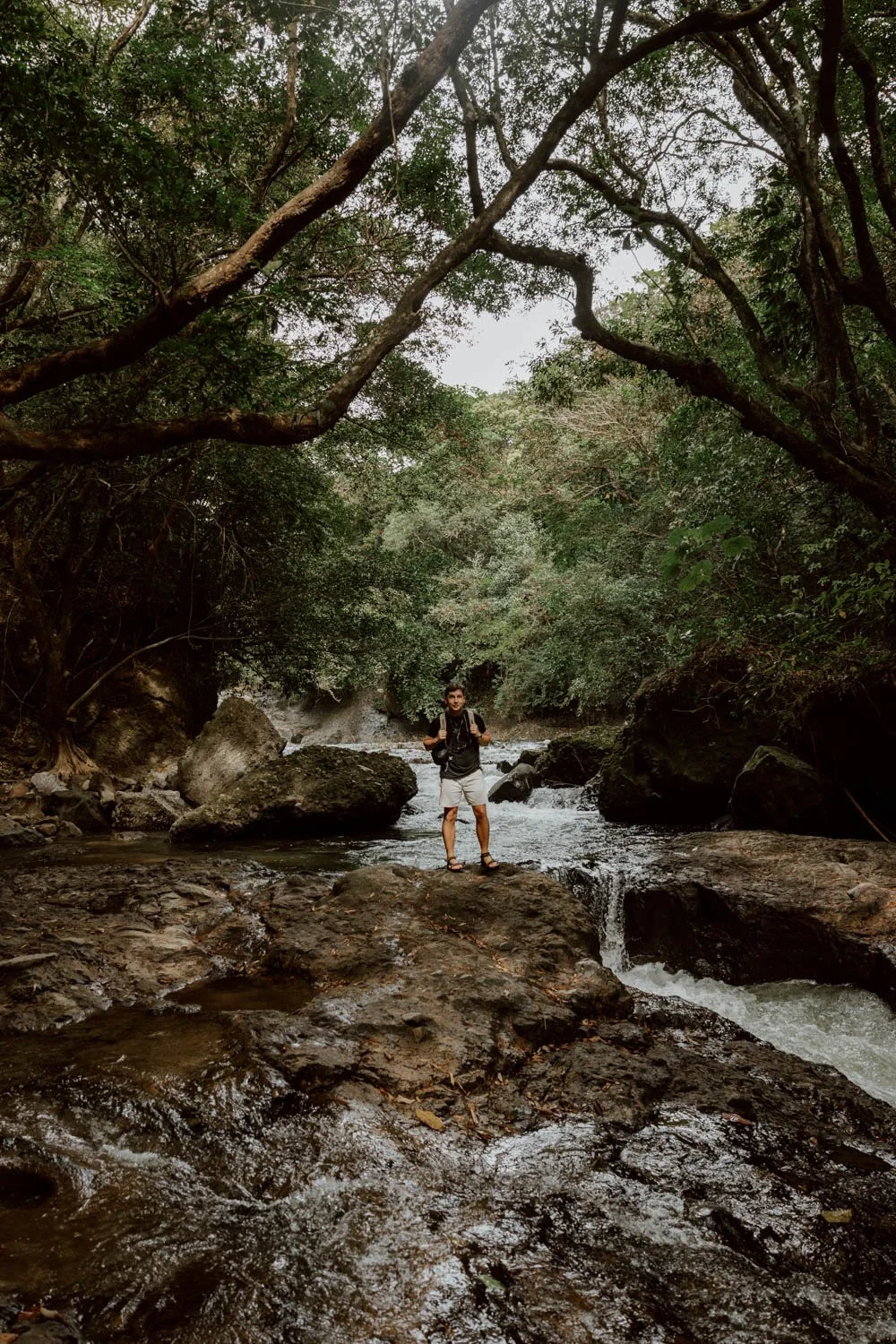
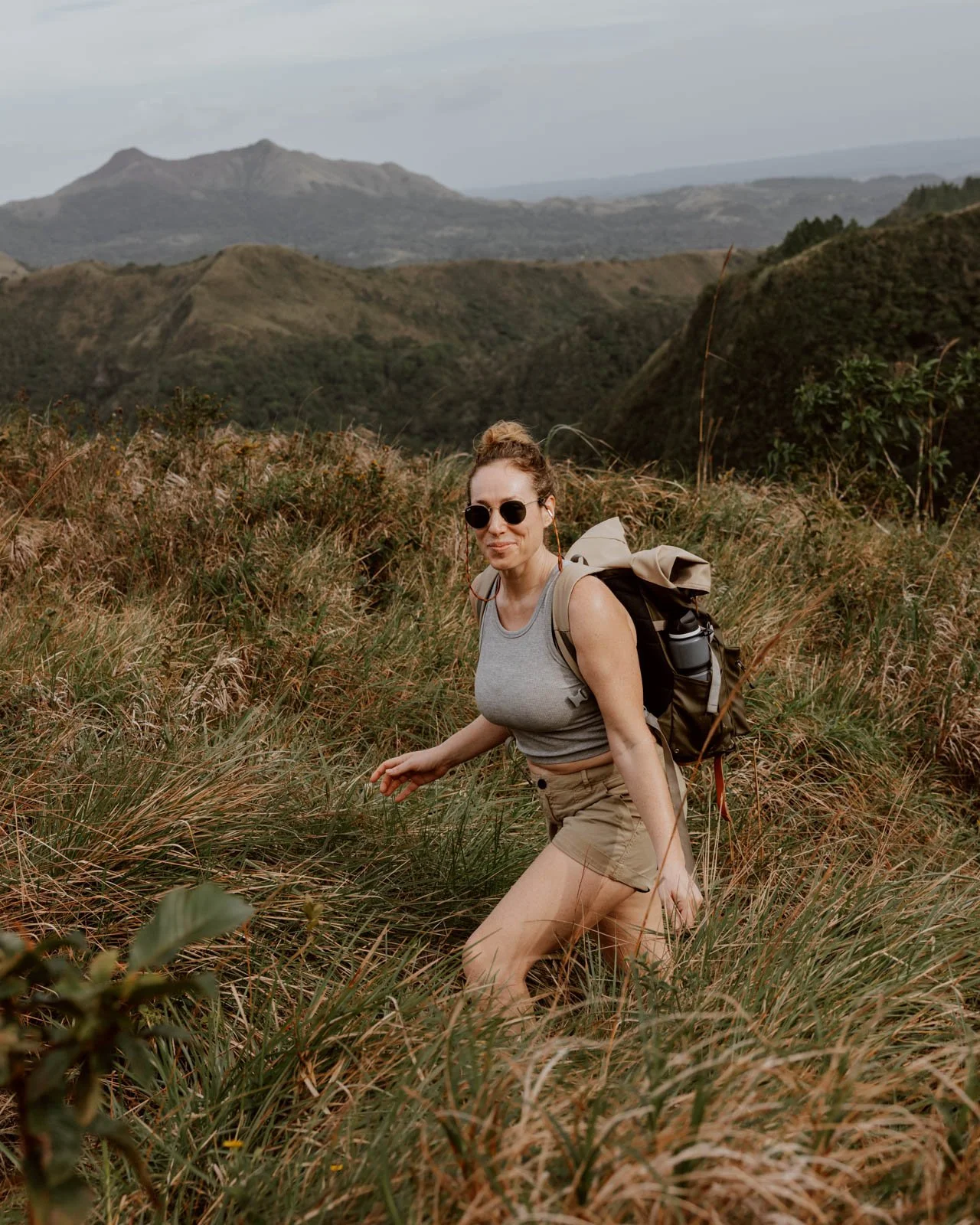
Only a couple of hours from Panama City, but overshadowed by islands and some other places we’ll share, El Valle doesn’t actually feature on most Panama itineraries. For hikers and those with a green-tinged soul though, it may become a surprise favourite - a place that shifts your impression of Panama entirely. A long-time retreat of Panama’s elite, much of your time here is spent hiking up, around, and back down the steep caldera walls, exploring natural pools, waterfalls, and abundant birdlife, or cycling through serene tropical landscapes.
We loved it.
Stay | Blasina and Bodhi for backpackers, The Golden Frog is an excellent guest house or The Retreat is our Airbnb pick
Book | If you have limited time in Panama, it’s possible to visit El Valle on a day trip from the capital - this tour is super popular


Surf & Sunshine in Santa Catalina
When we first started planning for our Panama road trip, we’d assumed a lot about Santa Catalina.
A destination firmly planted on the backpacker trail, we pictured the usual evolution: laptop-friendly coffee shops, boho brunch menus, boutique surf camps, and a bit of digital nomad gloss. A beach town that would already have burned through its charm, reinvented itself for Instagram, and probably peaked five years ago.
What we found instead, at the end of a very dusty road, was a relaxed, unhurried destination that has yet to fully give itself over to that usual coastal makeover.
Of course, set on a wildly beautiful stretch of Pacific Coast, Santa Catalina has still come a long way in the last couple of decades. There’s now 24-hour electricity, nicer places to stay, several well-established restaurants, poured concrete upstarts, and the sense that outside investors have been circling for a while.
Once that road is paved, things will probably change dramatically.
For now though, this spread-out little town’s rhythm continues to turn around two simple reasons to visit: the waves and the wild islands offshore.
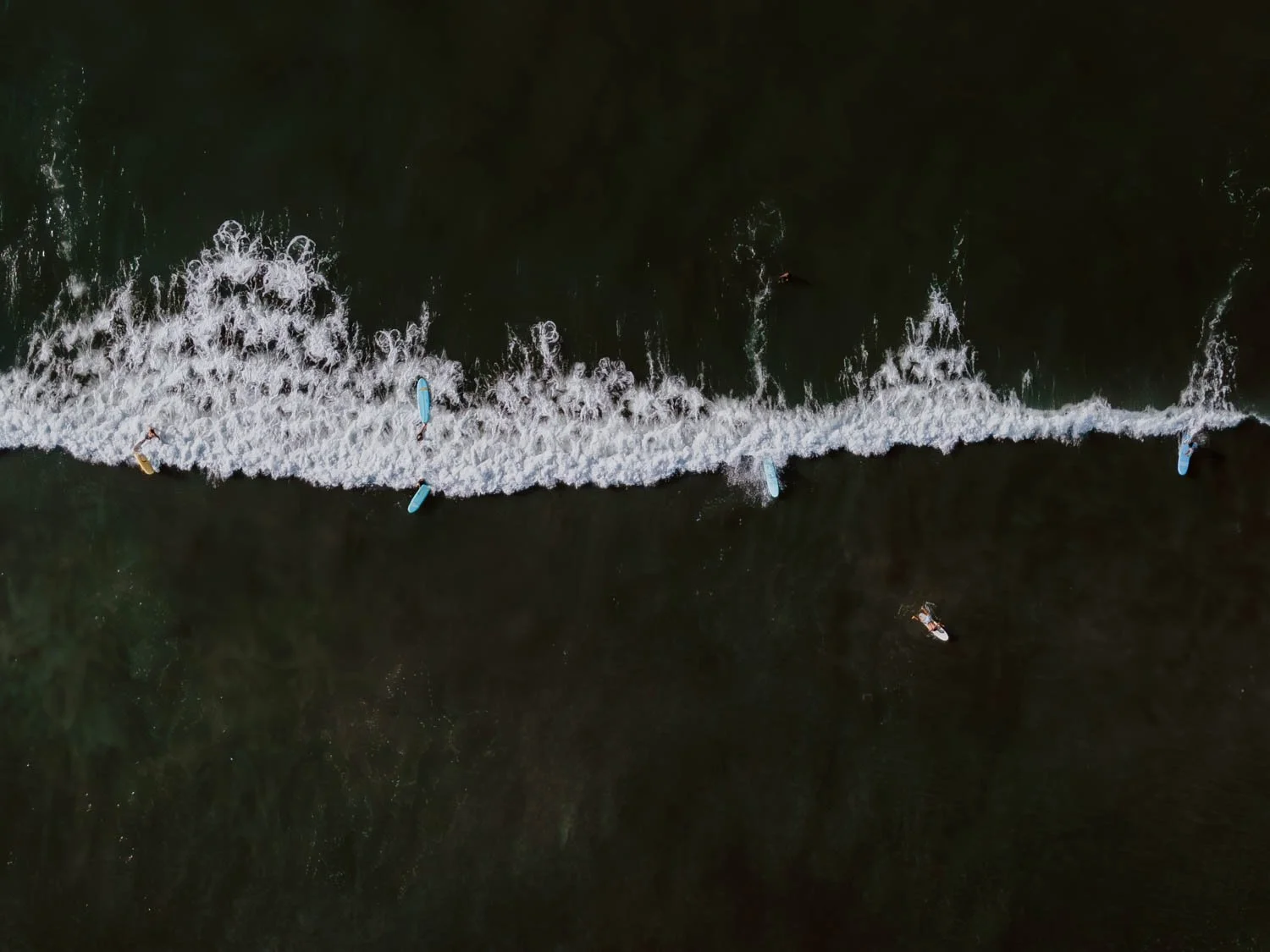
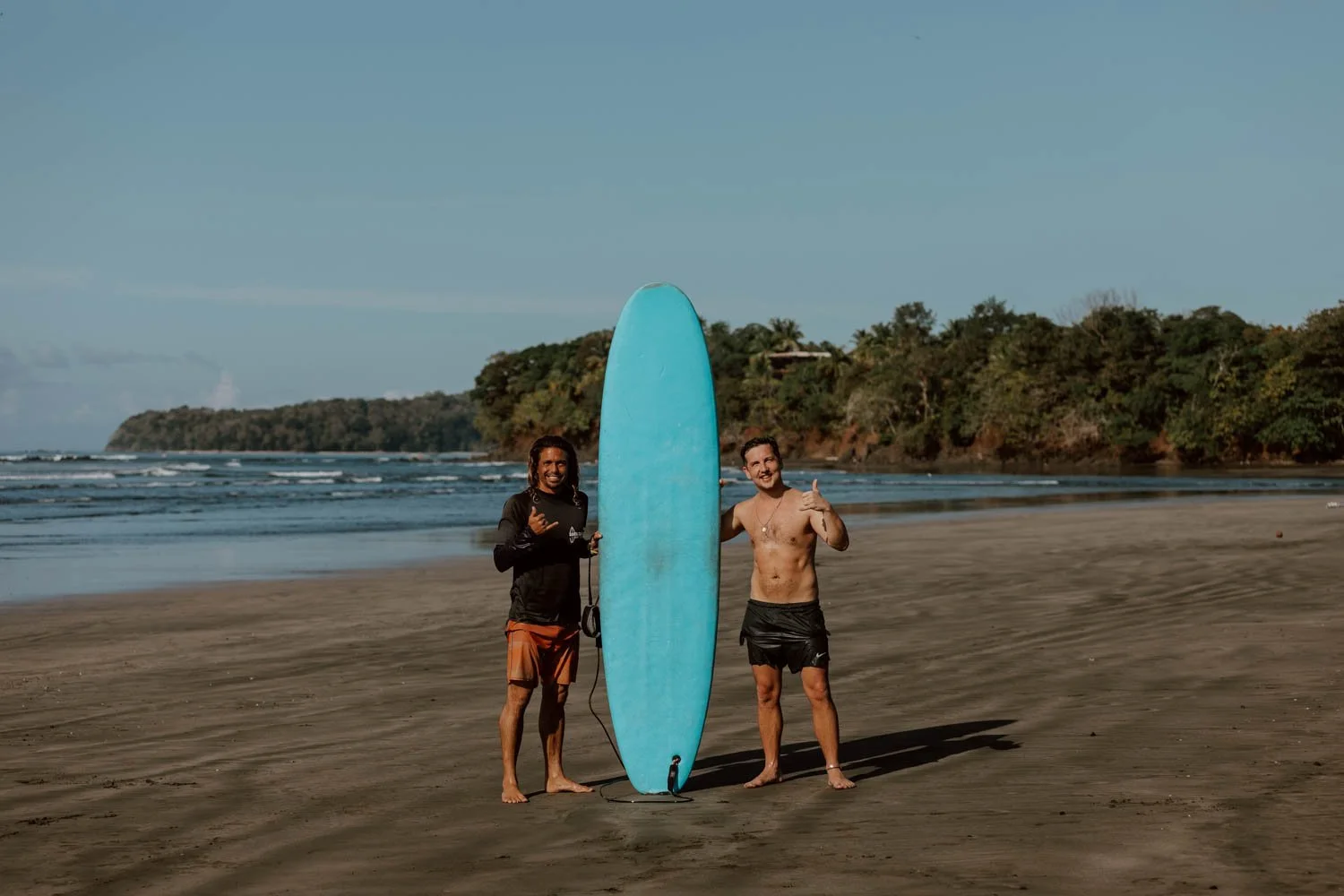
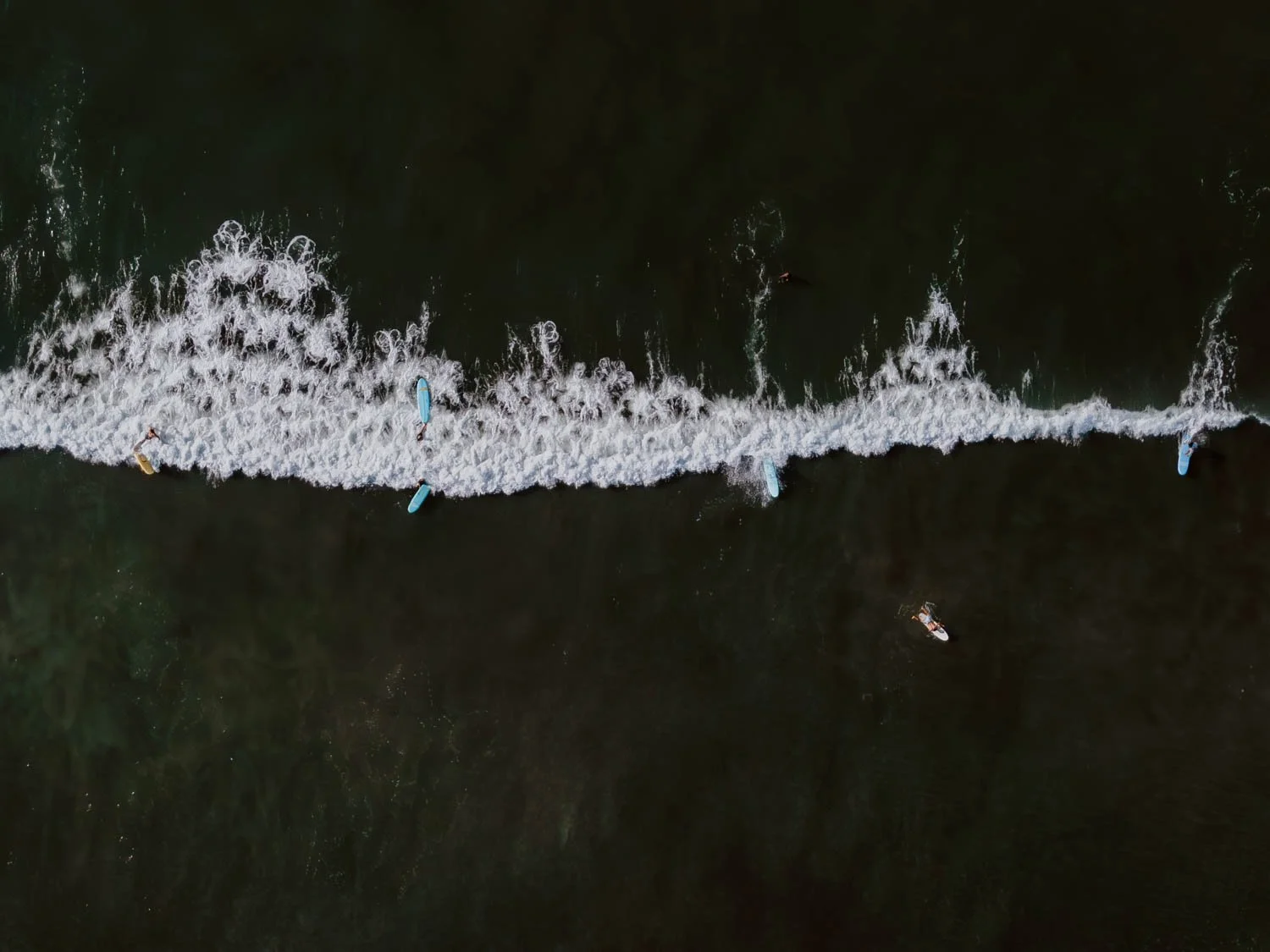
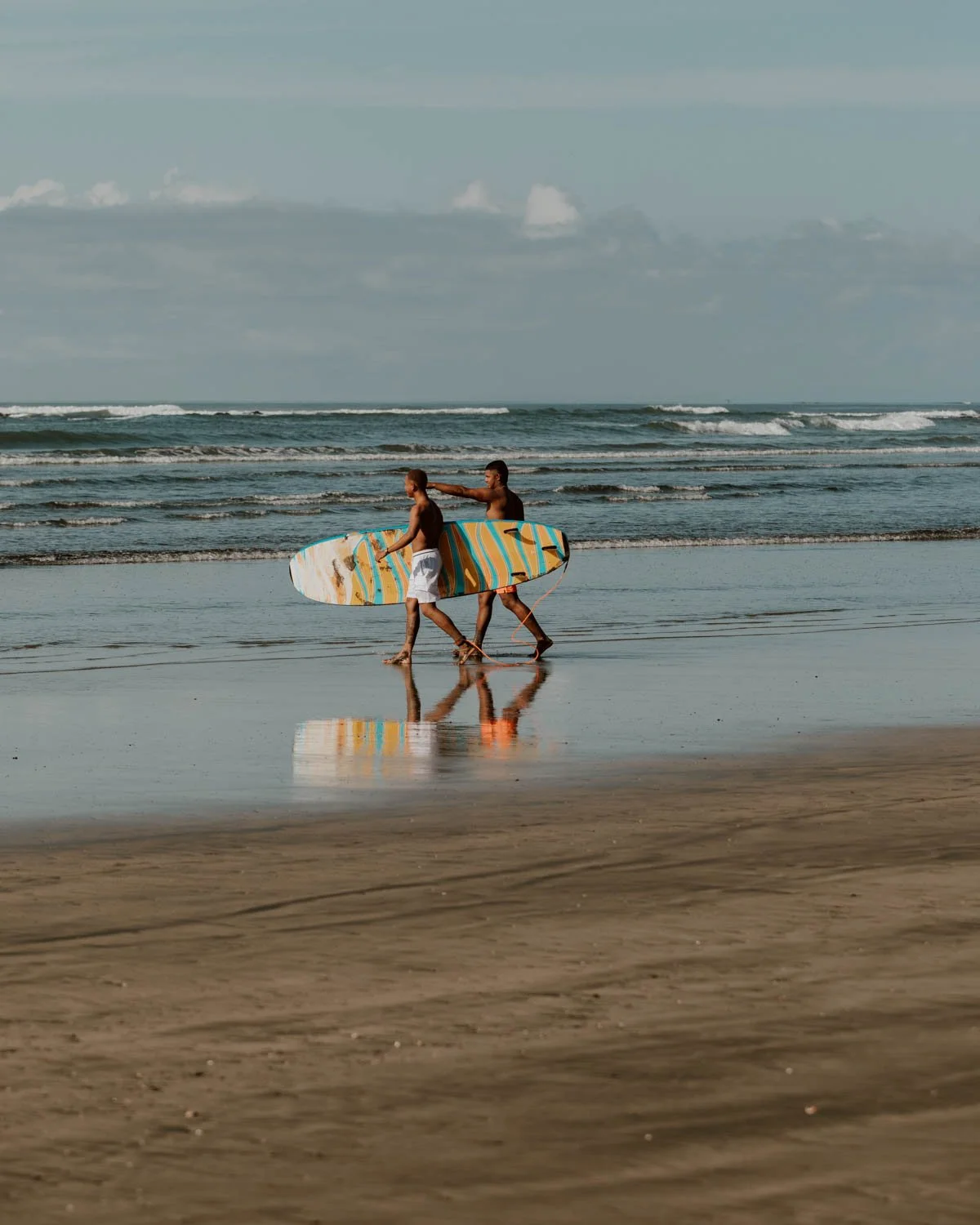
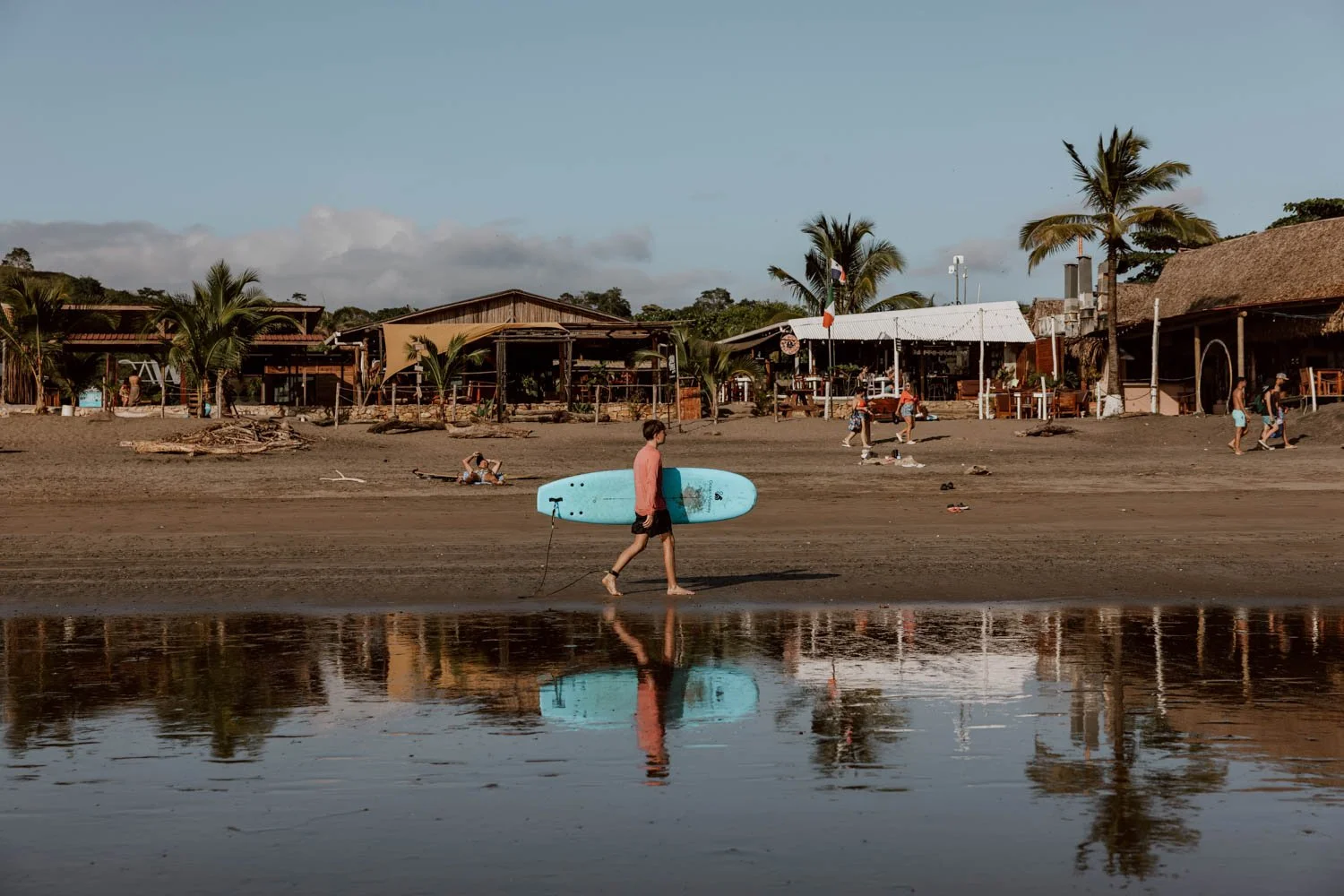
La Punta - a long right-hand point break that rewards patience and punishes ego - draws proper surfers like moths to a flame, but this is also a wonderful place to learn and improve, with an abundance of resident instructors. Coiba National Park, a UNESCO World Heritage archipelago that once hosted Panama’s harshest prison, is one of Central America’s most impressive marine environments and every boat over there leaves from Santa Catalina (more on this later).
You’ll find an assortment of travellers here, but one thing remains true: if you’re a surfer, beach-bum, or just want a place to chill out by the ocean for a few days, then Santa Catalina deserves a prominent spot on your Panama plans.
Stay | Flash-packers will love Bambuda, Villa Coco is perfect for a boutique stay, or La Chamba if you want a base whilst you surf
Book | Transport to/from Santa Catalina from anywhere in Panama
Plan // Our Santa Catalina Travel Guide


Geisha Coffee & Hiking in Boquete
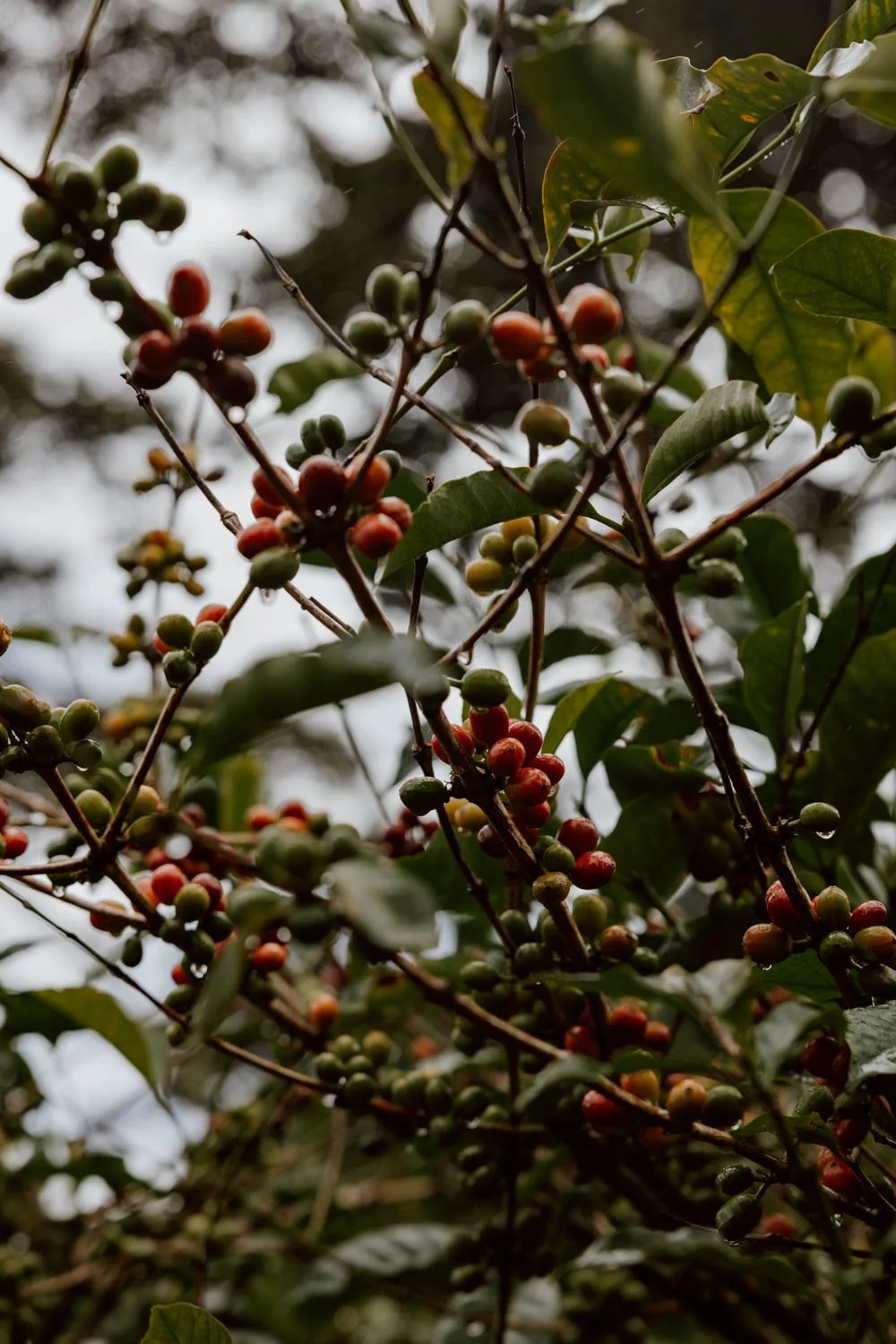
In this tiny town in the highlands of Panama, one of the most coveted coffees in the world grows between the morning sunshine and rolling afternoon mists.
A delicate little cherry called Geisha - nothing to do with Japan, by the way - flourishes only where the high-altitude climate and soil are just right. Not too hot, not too cold: the Goldilocks of specialty coffee varietals. The price isn’t far off gold either, and Boquete-grown Geisha consistently breaks records. Last year, one estate fetched $13,518 per kilogram at auction (yes, really), while a really good bag of specialty coffee normally sets you back $30–50 USD per kilo.
This isn’t just a regular brew we’re talking about here: it’s one of the most expensive agricultural products on earth and the reason Panama is so revered amongst coffee hipsters and nerds.
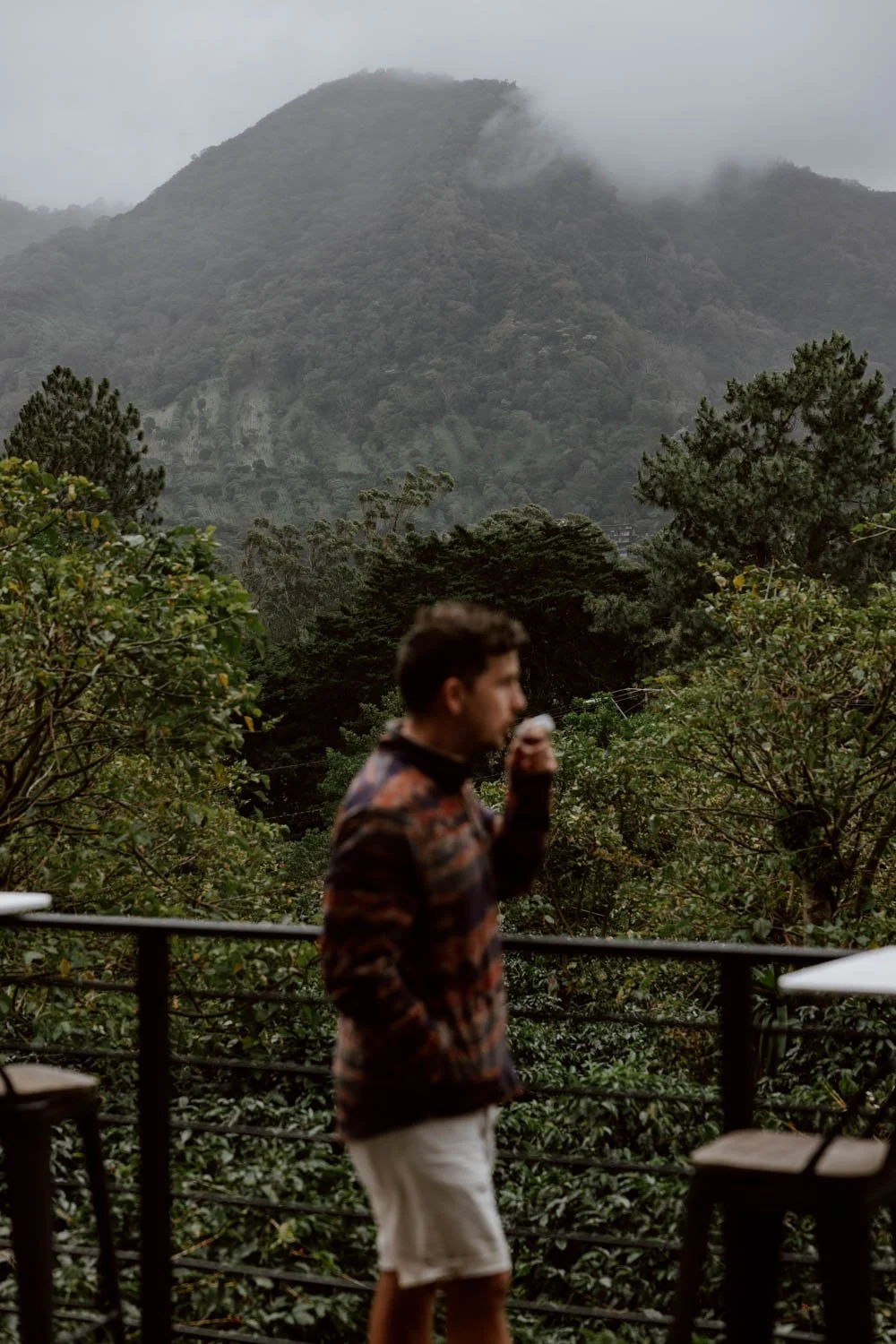
Yet amongst cloud forest canopies, a dormant volcano, and the afternoon drizzle that creates the perfect conditions, it’s easy to forget the price tag and remember that Boquete is a quiet, agricultural town at heart, shaped by seasons and those who have been here long before the first coffee seed touched the Chiriquí soil.
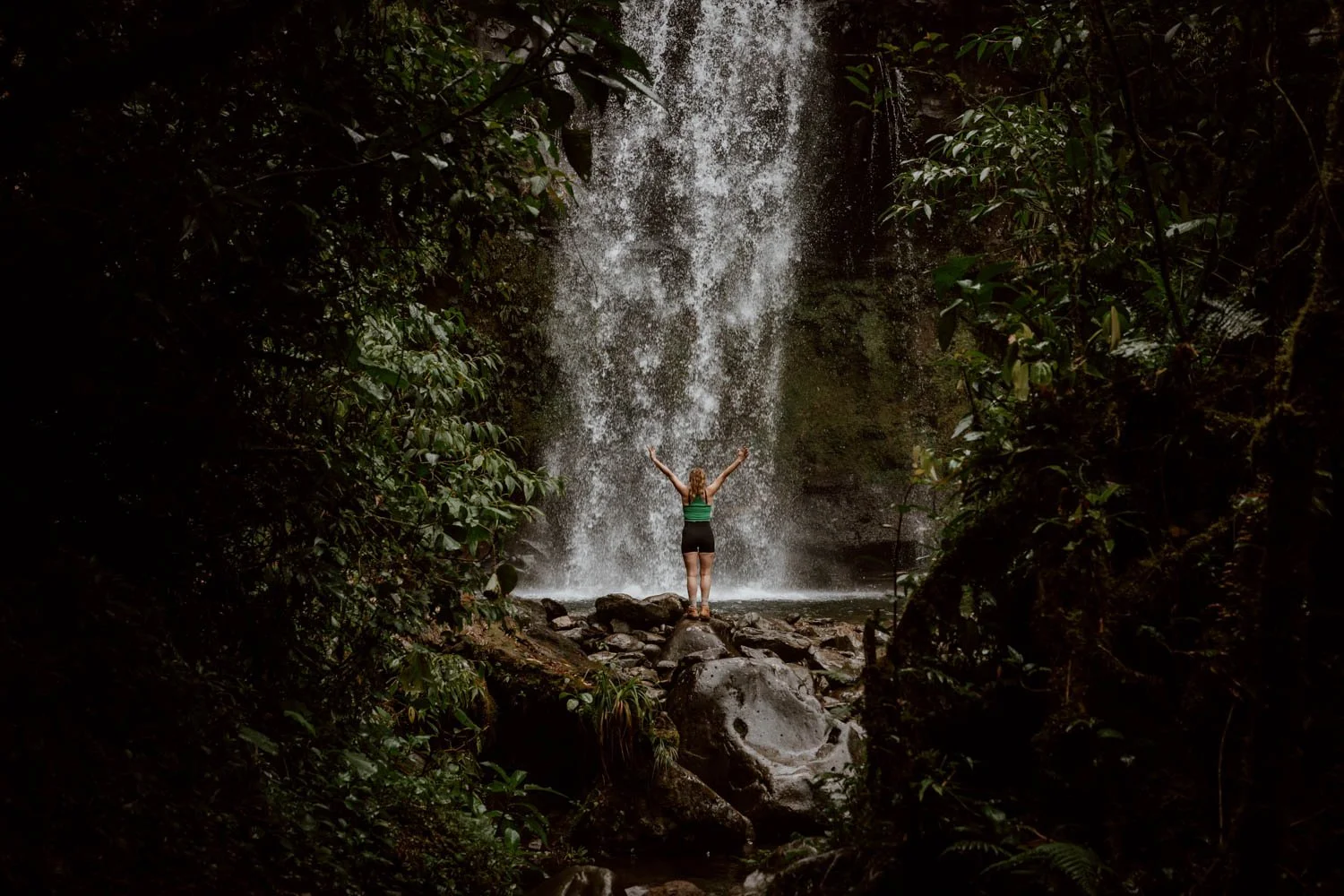
Beyond the fincas and coffee tastings, the popular town offers muddy trails to waterfalls, miradors, strawberry fields, birdlife, high-octane rafting rivers, and - for the brave or foolhardy - a thigh-wrecking slog (or cheeky jeep ride) to the highest point in Panama.
Just don’t google it in public on a Brazilian IP address.
Stay | We loved Gaia guesthouse, but Bambuda Castle is popular amongst solo backpackers. Downtown Suites is excellent for your own space but for real luxury take a look at Valle Escondido Wellness Resort
Book | This excellent small group, hands-on coffee tour
Plan // The Best Things To Do in Boquete


Casco Viejo & Cycling in Panama City
As we hinted at, most people know two things about Panama City: that it’s home to the famous canal, and that it’s a place where dirty money has long been made clean among the skyscrapers.
Its role as a secretive hub for international finance, combined with modern clusters of towering glass and steel, has given the capital a reputation as a place where ‘Miami meets Dubai’.
In other words, somewhere to rush through or perhaps just use as a stopover before heading to beaches or islands.
There are also cruise ship crowds.
But, if you take a little time to consider your options, the city offers a little more than you might expect.
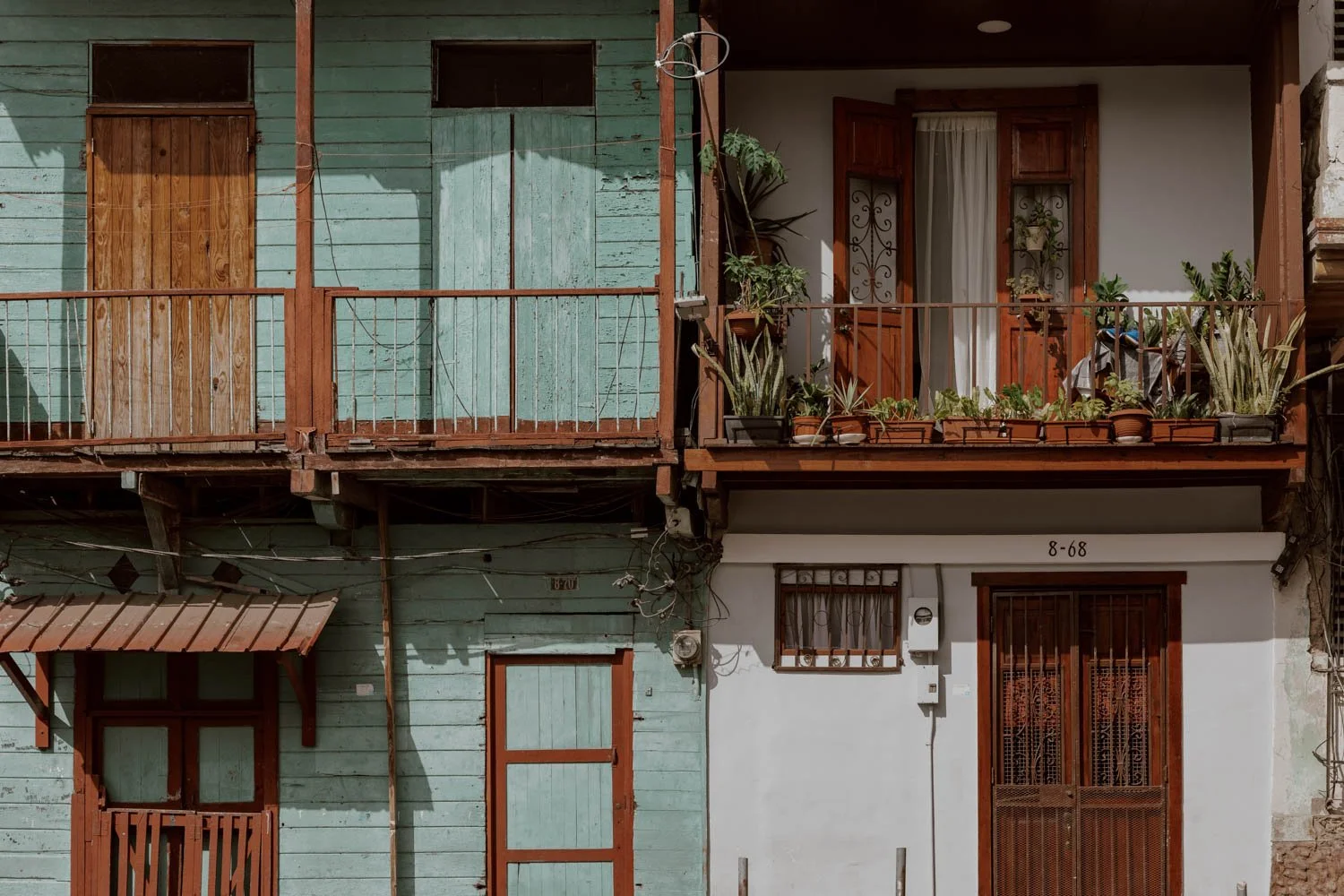
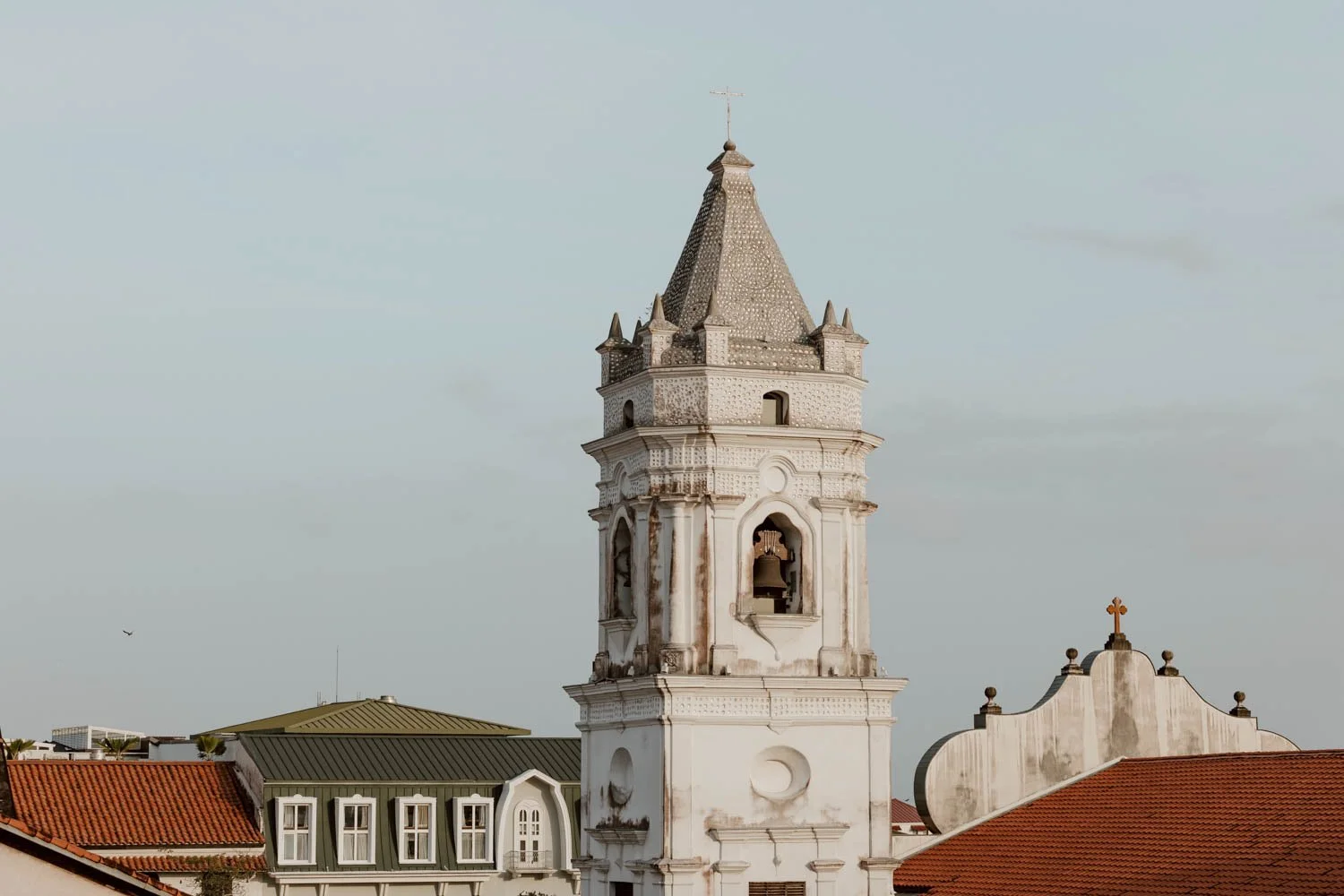
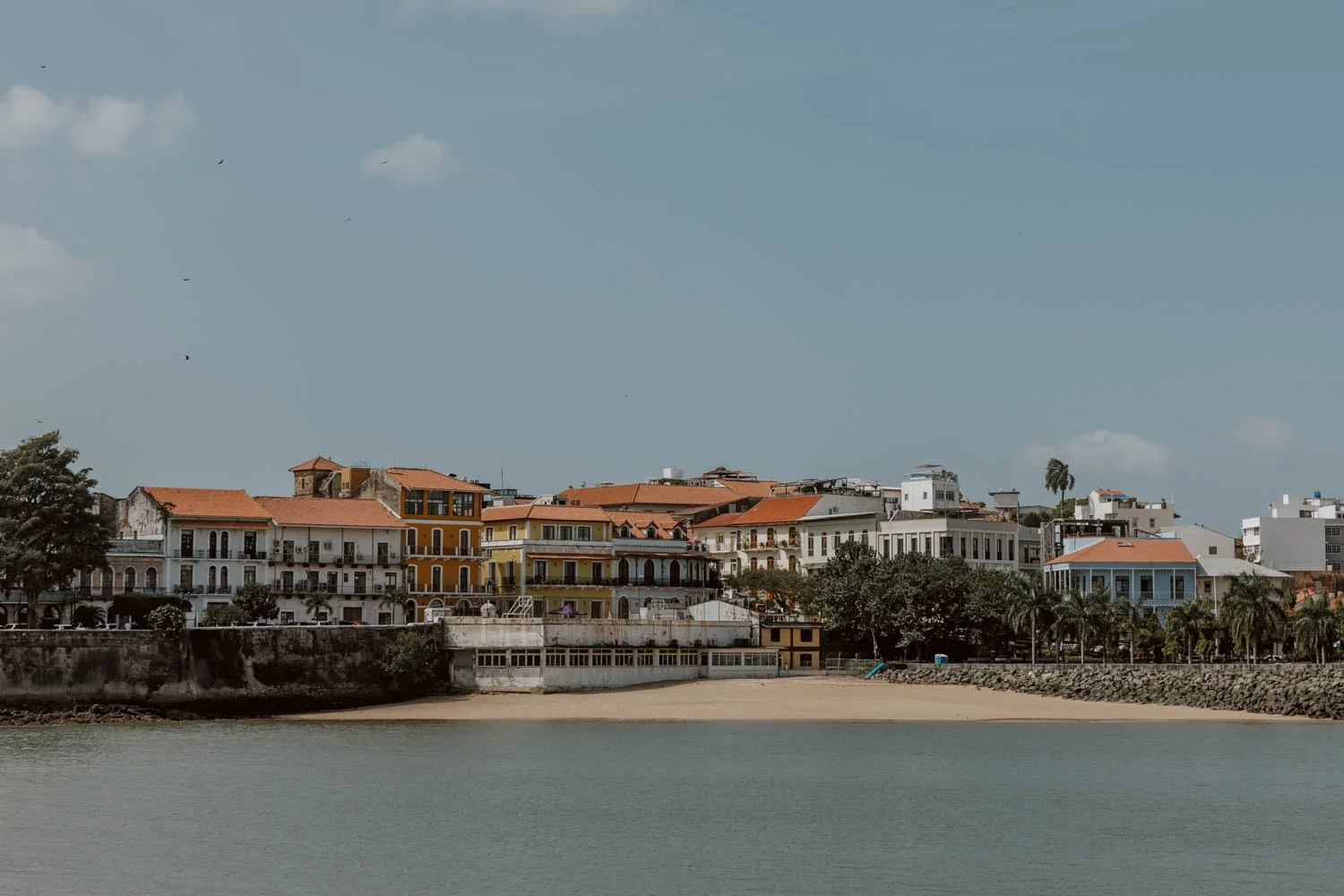
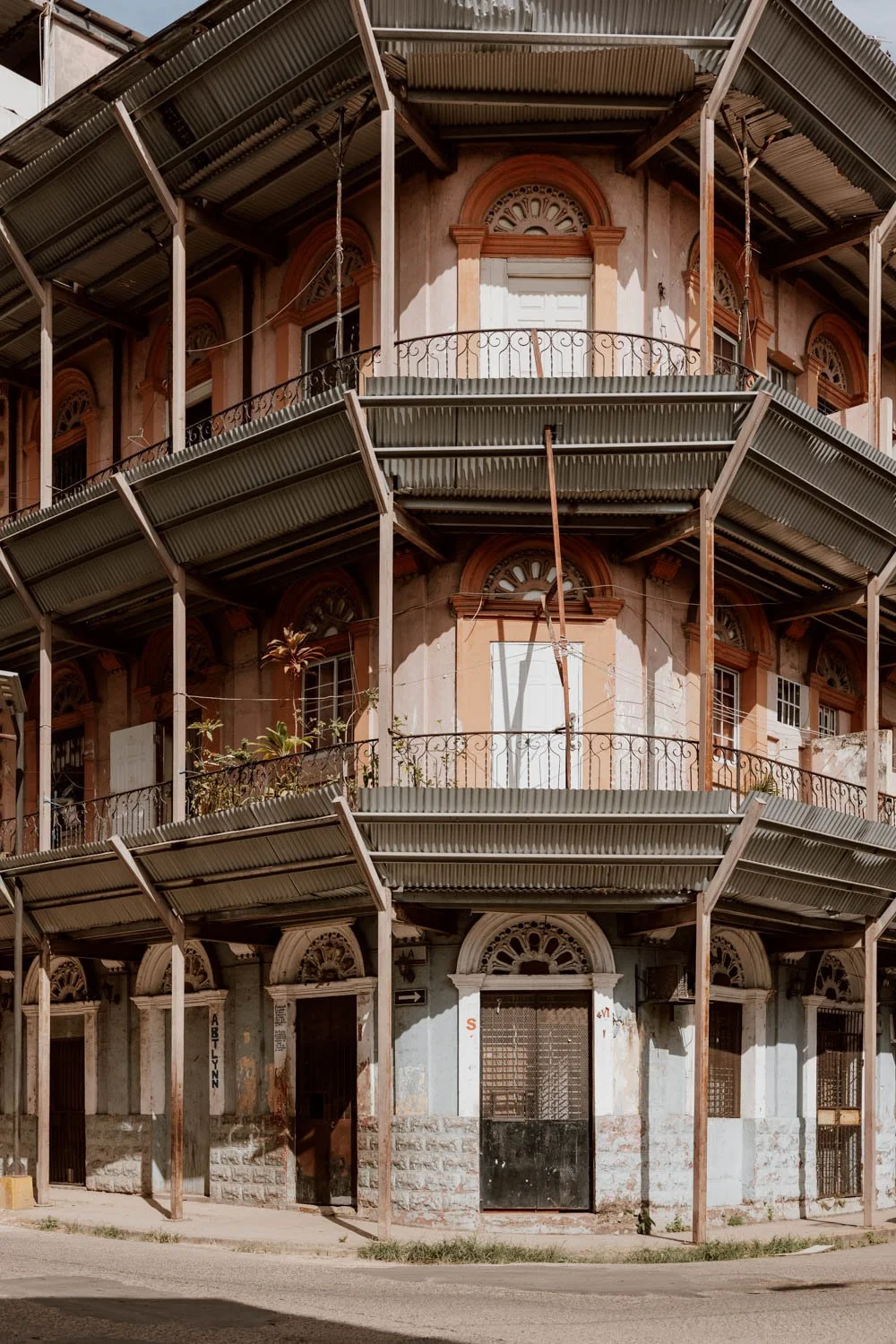
Beyond the skyscrapers, Casco Viejo sits quietly at the water’s edge. A UNESCO World Heritage Site, it’s a compact maze of pastel façades, plazas, and stone churches. Wander its streets and you’ll find cafés, rooftop bars, and small museums tucked into old buildings. Sunset along Paseo Las Bovedas reveals the skyline beyond, while the colonial streets themselves hint at a layered history that’s often overlooked.
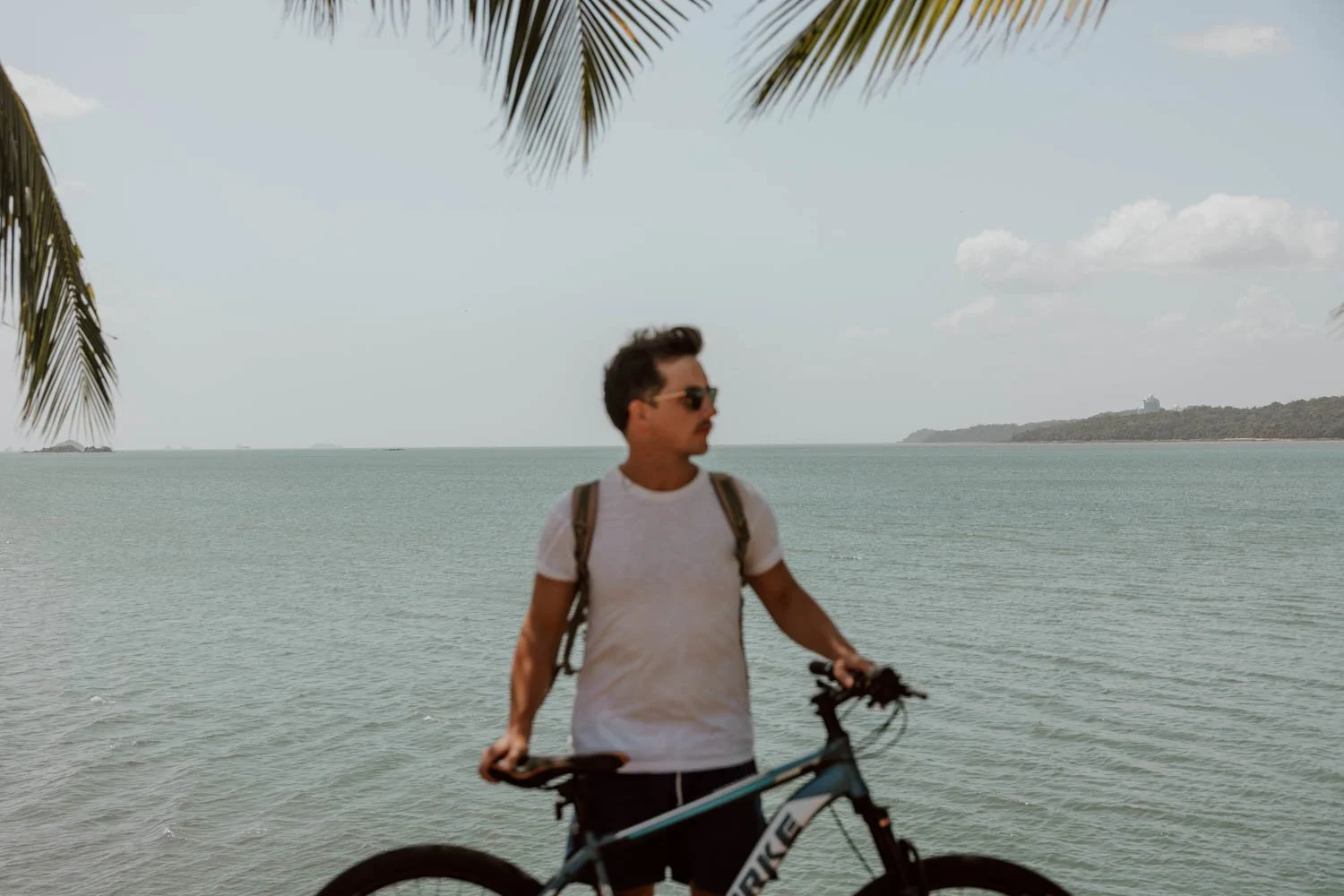
Rent a bike and set out along the Amador Causeway and Cinta Costera, and the city opens up in an entirely unexpected way. Flat, scenic, and framed by turquoise bays, the dedicated cycle lanes make it easy to explore safely, while locals fish beside the shore and families stroll the promenade. Frank Gehry’s BioMuseo sits along the route, but mostly it’s about the sense of movement, space, and perspectives that reveal Panama City isn’t just towers, finance, and a canal.
Although, we’ll absolutely tell you all about visiting (or sailing) the canal later in this post…


Do a Panama Road Trip
Long-time readers will know that, here at Along Dusty Roads, we adore road trips and travelling in Central America.
Until Panama though, we’d never actually combined the two!
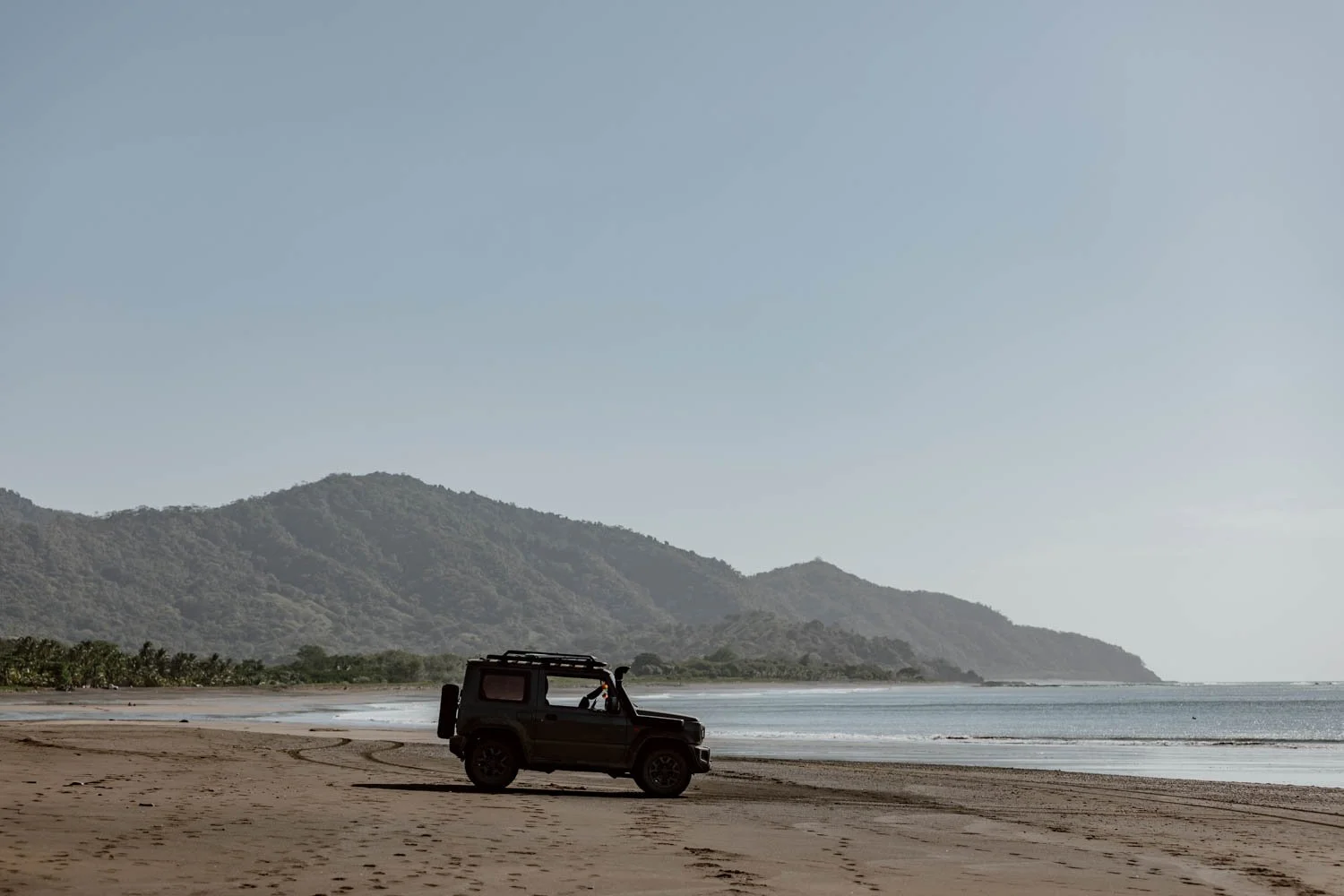
Like the rest of the region, renting your own wheels here absolutely isn’t necessary for a good travel experience. However, it can be the difference between creating the itinerary you actually want, rather than the one constrained by bus timetables, shared shuttles, and awkward connections.
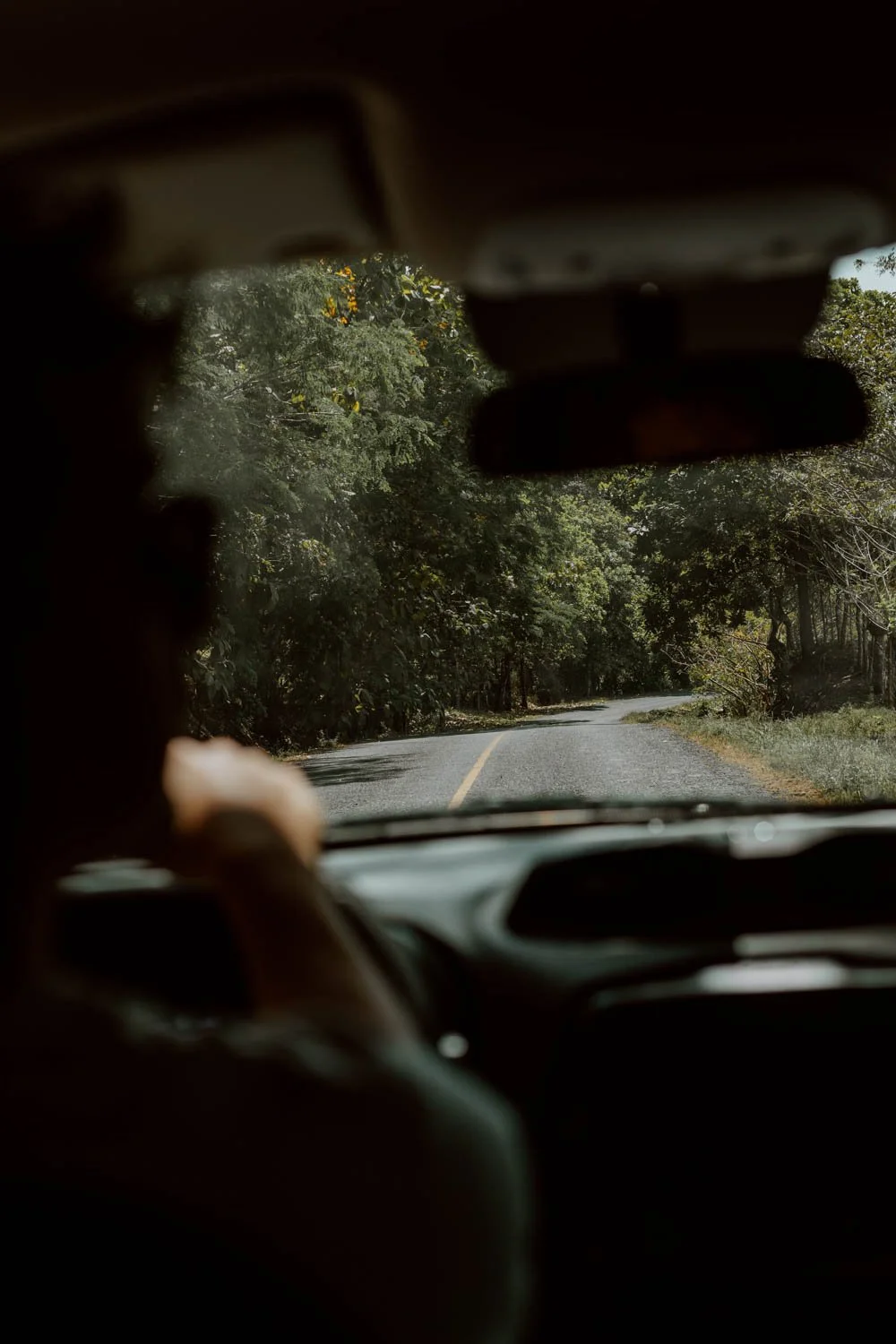
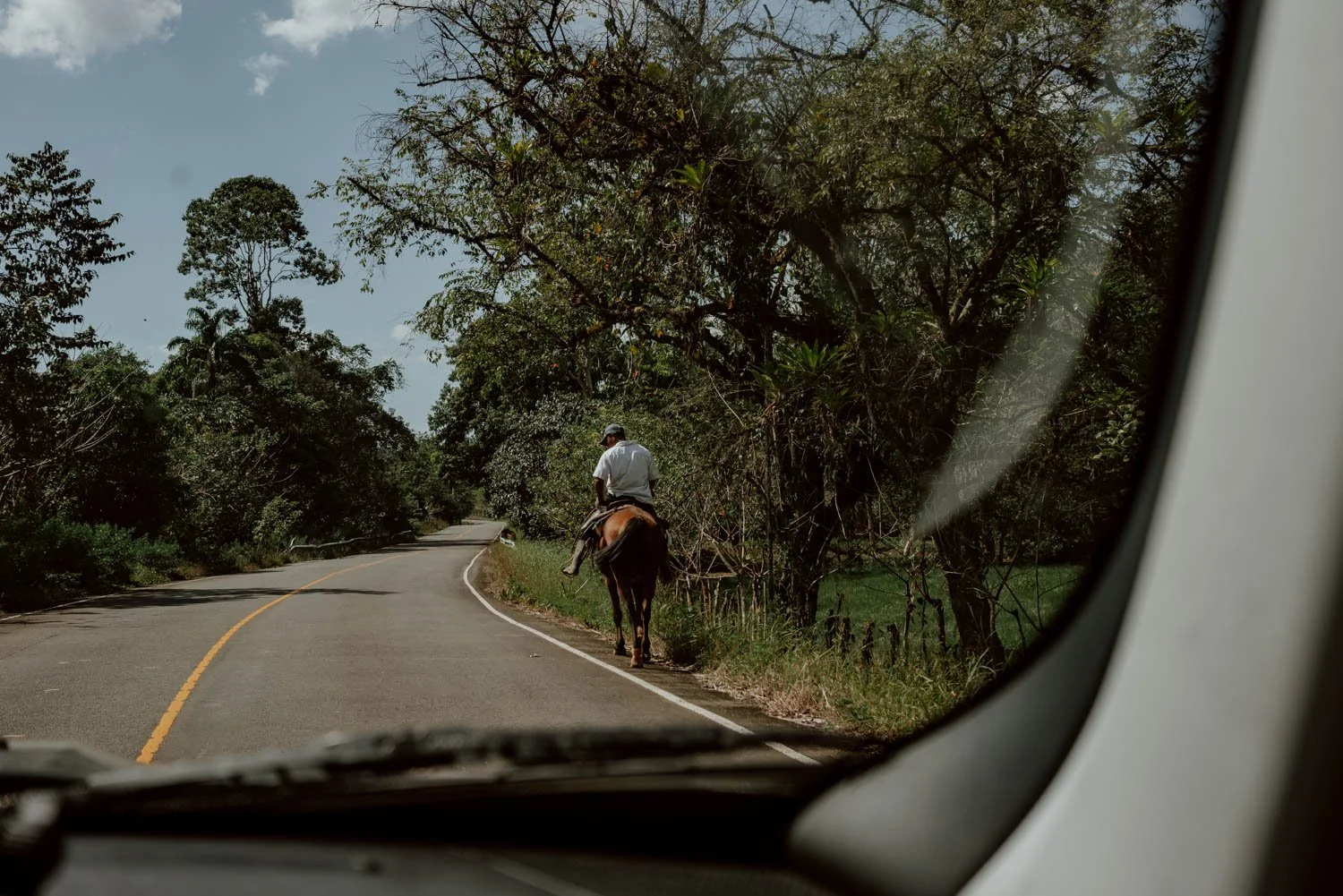
Panama is also well-suited to a self-drive adventure. Roads are generally in good condition, signage is clear, distances are manageable, and - crucially - local drivers aren’t lunatics.
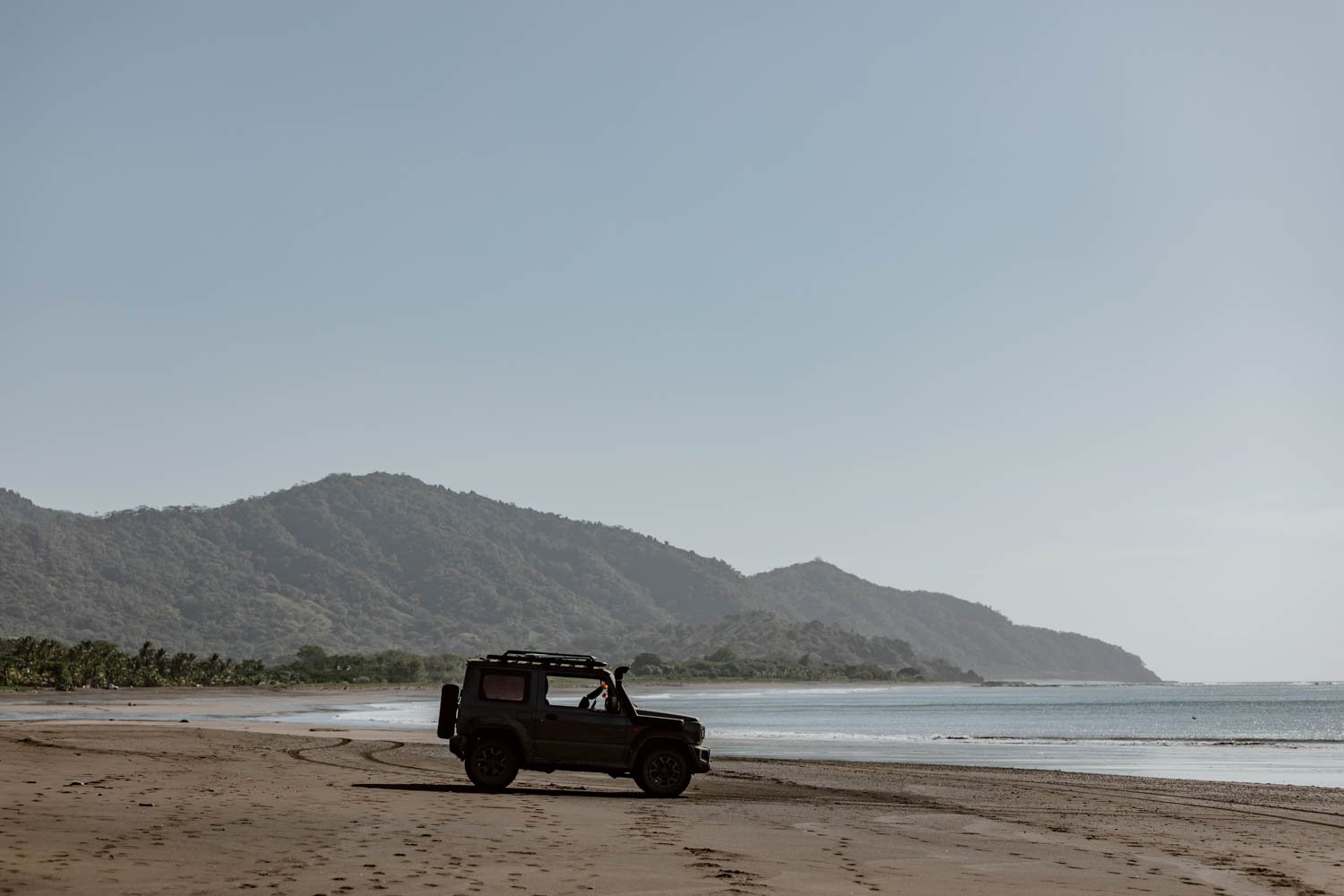
For us, a Panama road trip unlocked parts of the country that would have been difficult or time-consuming to reach otherwise, but it also gave us flexibility: slow mornings when the light was good, spontaneous swims, coffee stops that turned into conversations, and the freedom to shape each day as it unfolded rather than working backwards from the last bus.
There are still budget and logsitical considerations - and anticipation of the omnipresent speed traps - but the good news is that don’t need a 4×4 or lots of experience to do your road trip right.


Book | We rented via RentalCars
Plan / Our Essential Panama Driving Tips & Our One Month Panama Itinerary
Visit Bocas del Toro
For many travellers moving south over the border from Costa Rica, Bocas del Toro is the natural first stop in Panama.
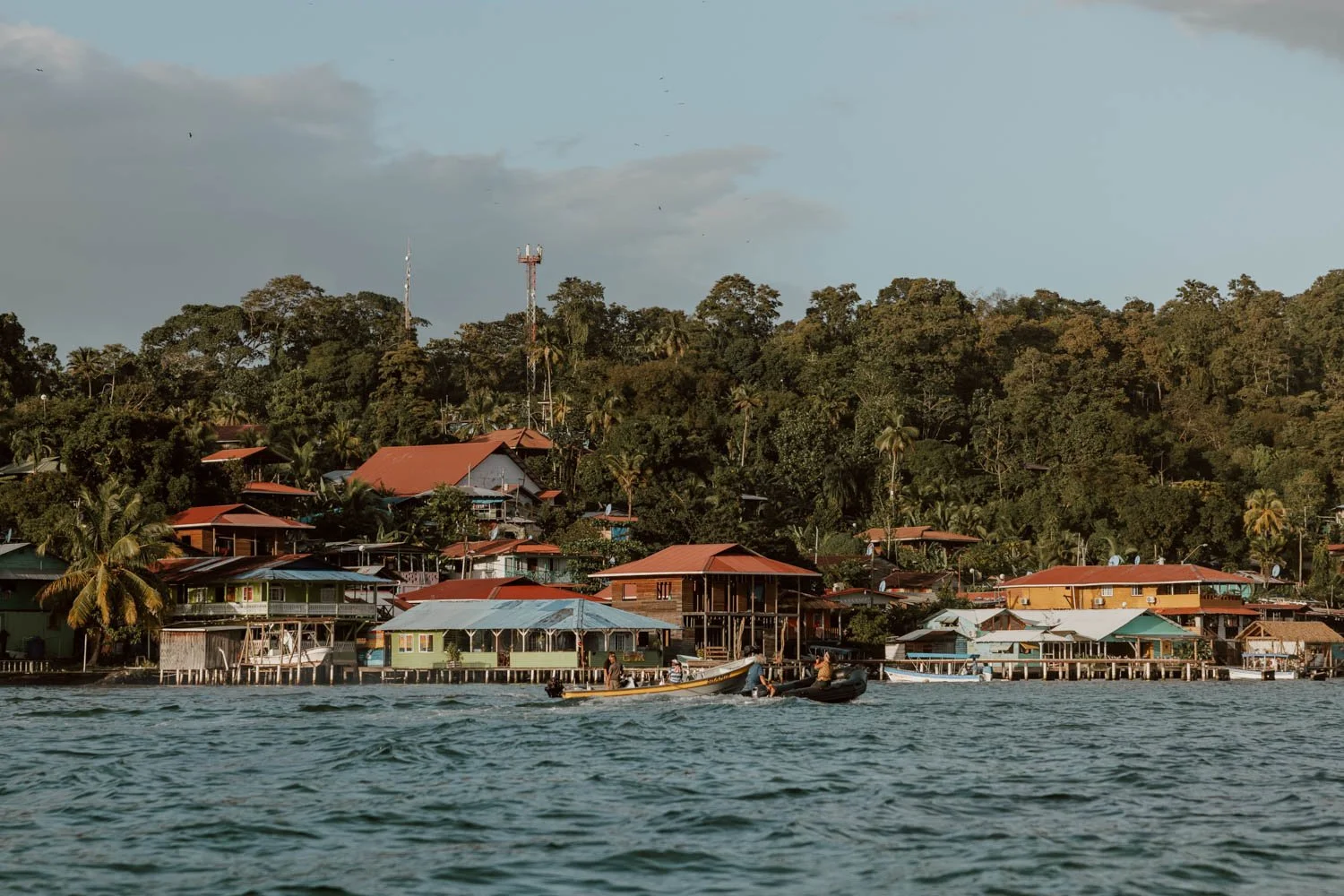
The archipelago is made up of a cluster of islands, each with its own character and approach to tourism: Isla Colón hosts the main town, whilst smaller islands like Bastimentos and Carenero offer beaches, jungle trails, and a pace that hints at the kind of tropical escape most people imagine when they think of Panama.
Whilst often compared, Bocas del Toro is totally different to San Blas.
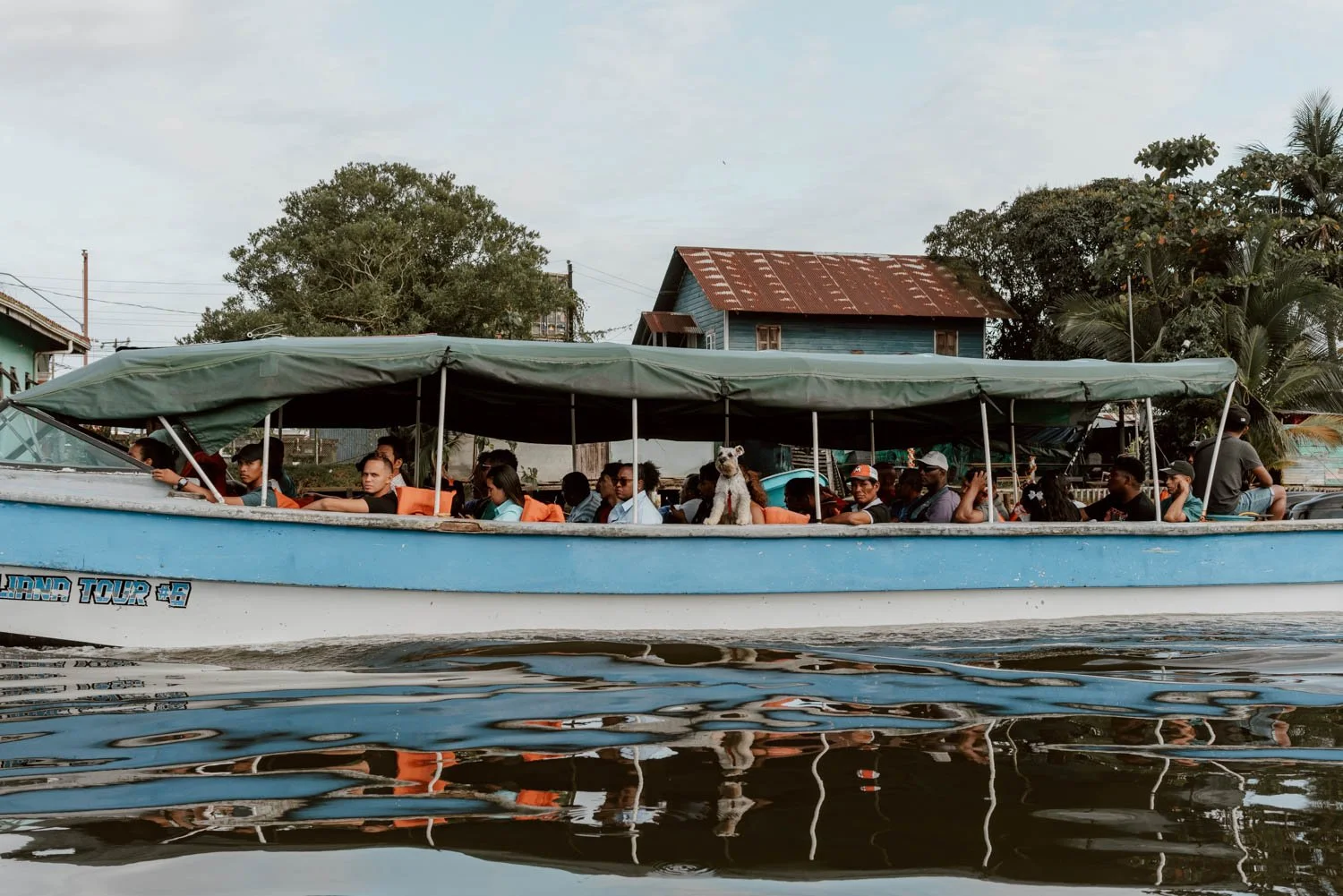
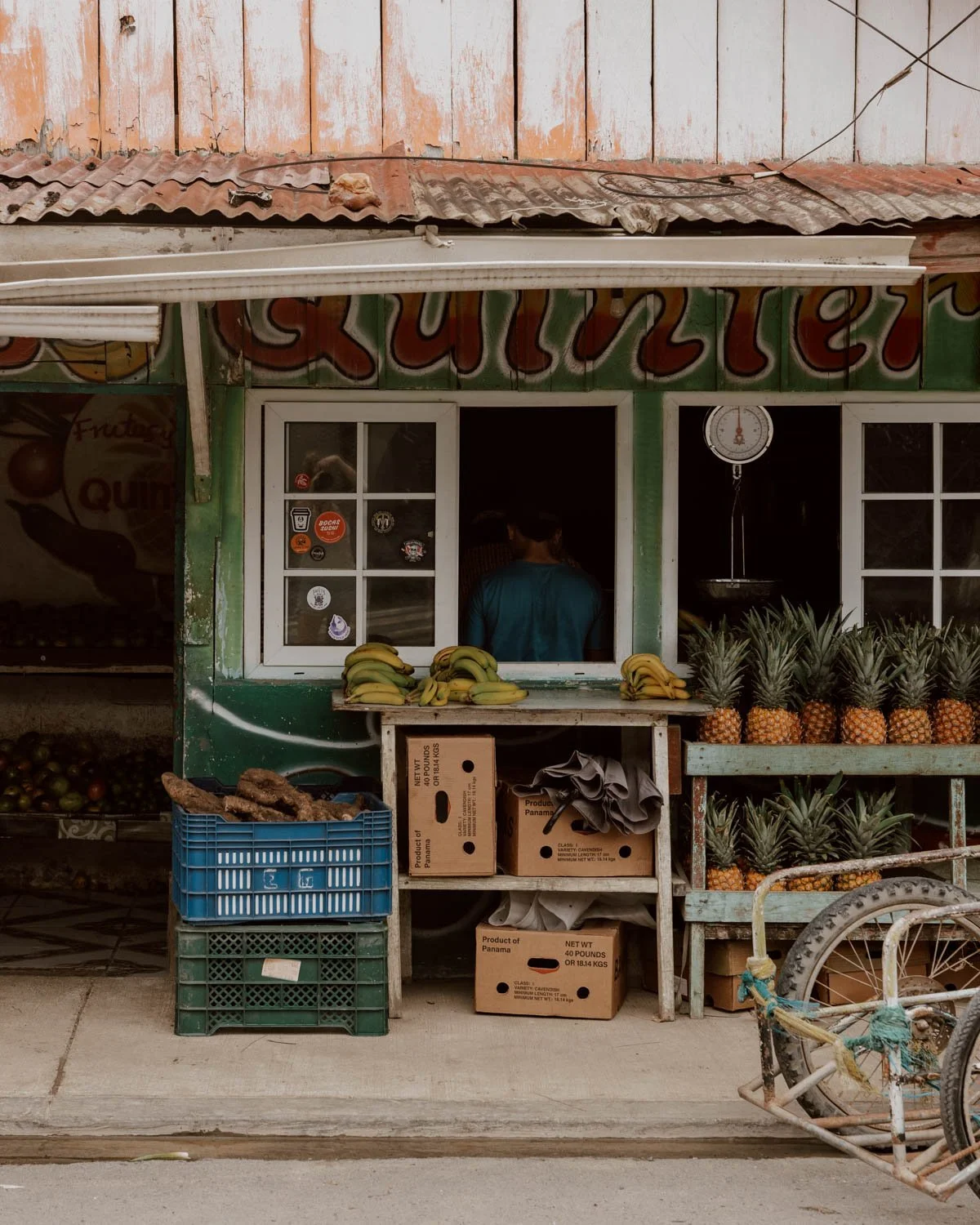
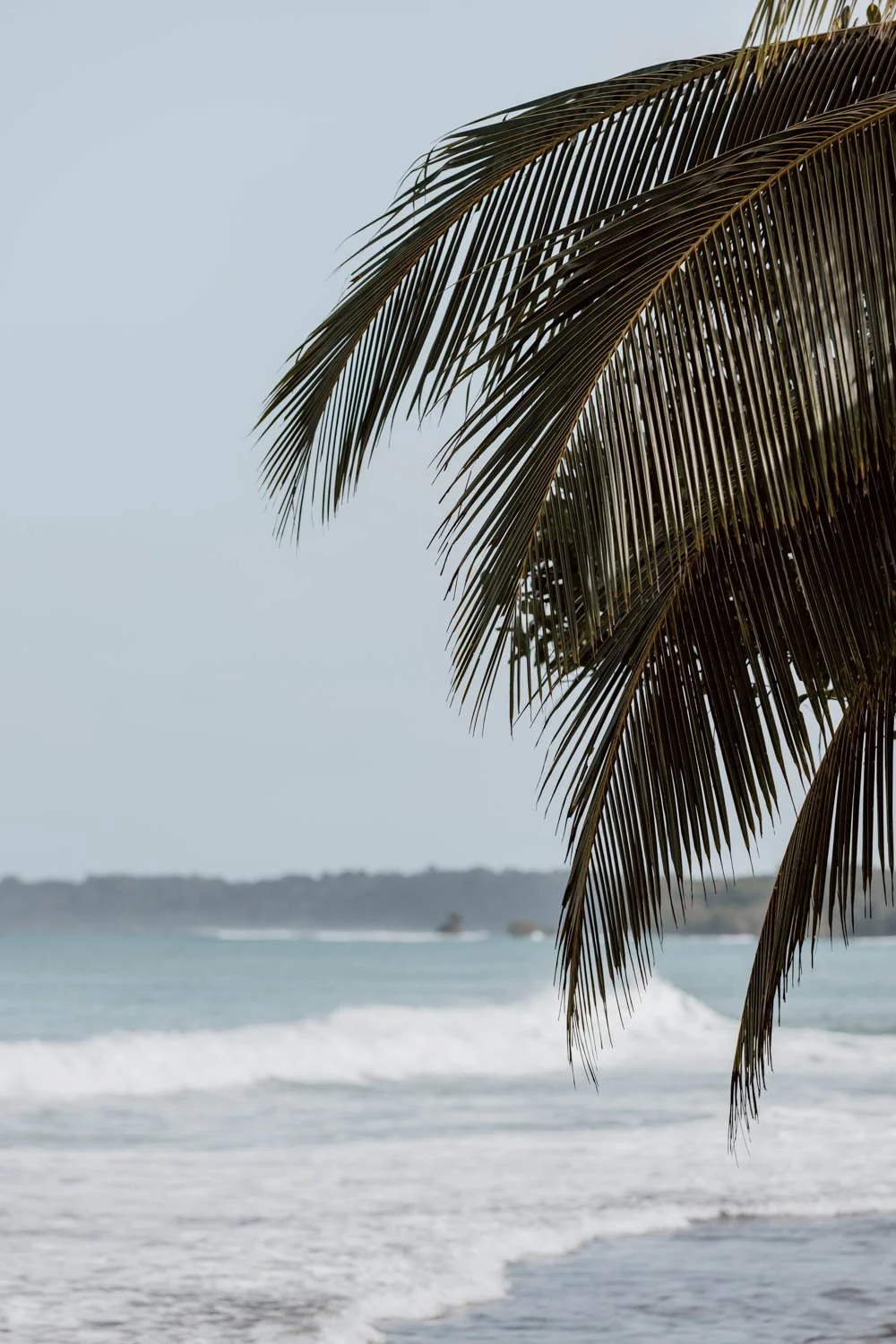
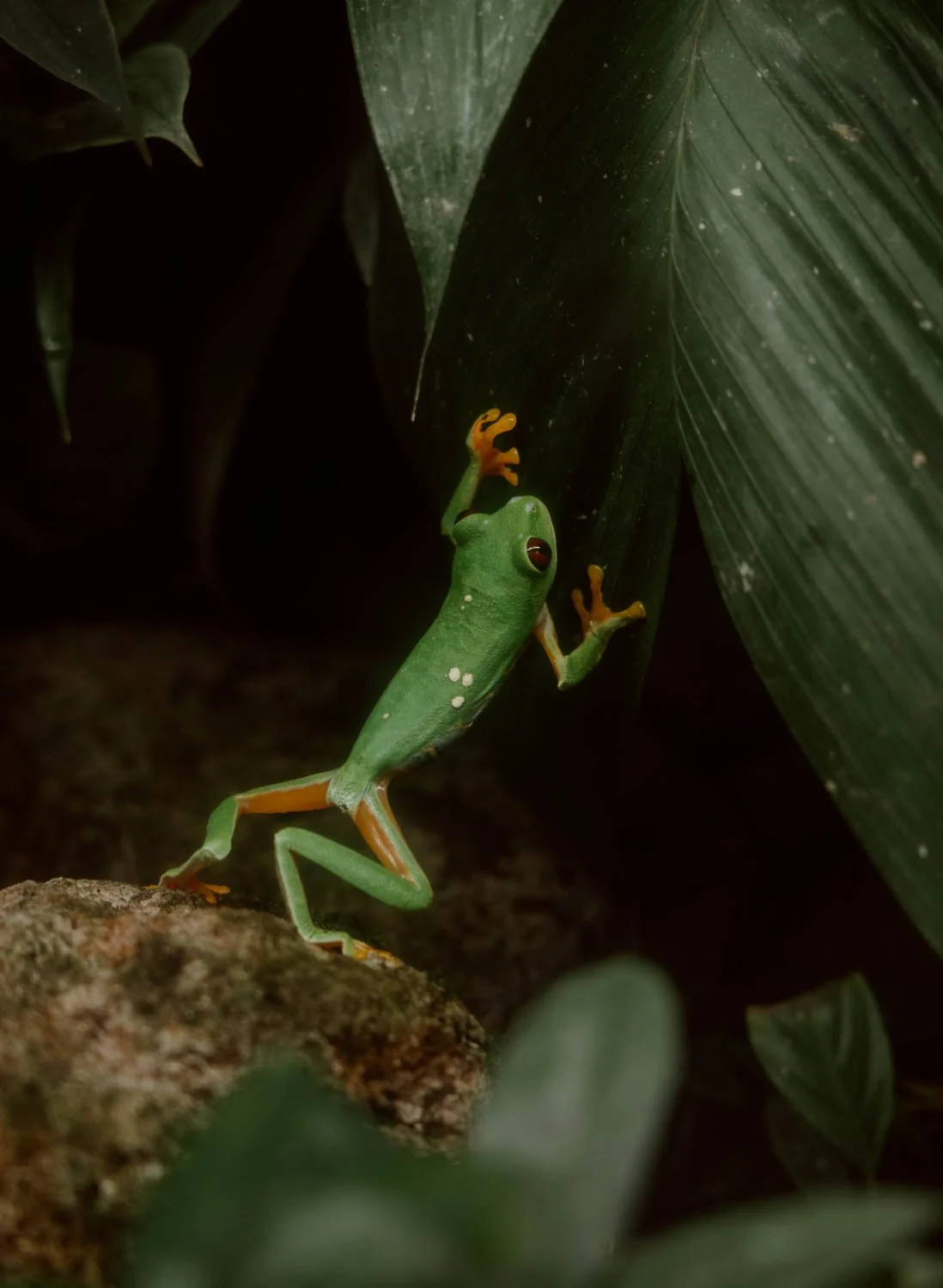
Life here revolves around water: boats shuttle between islands and docks, waves break around the points, and colourful stilt houses line the bay, where locals go about their day just a few steps from the tide. Surf schools coexist with serious riders testing the Pacific swells, and snorkelers or day-trippers can explore coral gardens and secluded beaches. Beyond the obvious, there’s a patchwork of mangroves, rainforest pockets, and quiet corners where wildlife - from red frogs to howler monkeys - can be glimpsed between tides and treetops.
It’s not all Caribbean paradise perfection though: the town hums with ferry schedules, there are a few tourist traps, unexpected expenses, local tensions, and the occasional backpacker festival, but that’s part of the rhythm. It’s also probably the most marmite destination in Panama, often due to mismatched expectations, the wrong choice of island base, and a tropical climate that’s often out of sync with high season.
Bocas del Toro is also accessible by air, with small flights connecting the islands to Panama City, offering a convenient option for those short on time or looking to avoid the long overland journey.


Plan / A Beginner’s Guide to Bocas del Toro (published soon)
Dive into Coiba National Park
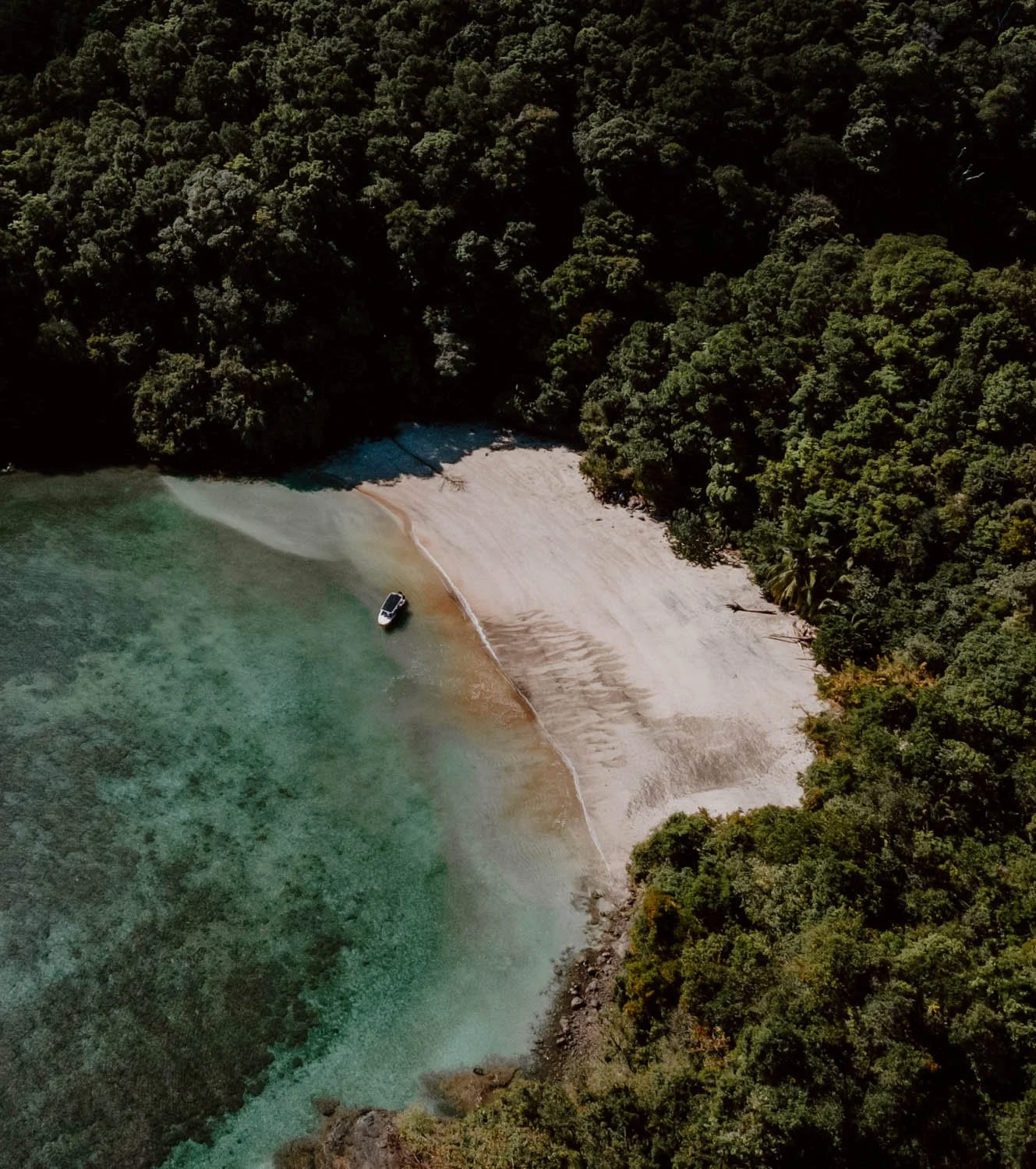
A trip to Panama isn’t complete without experiencing Coiba National Park, one of the world’s most biodiverse marine environments and the country’s premier diving destination. It’s the sort of hidden paradise that few travellers expect when they think of Panama!
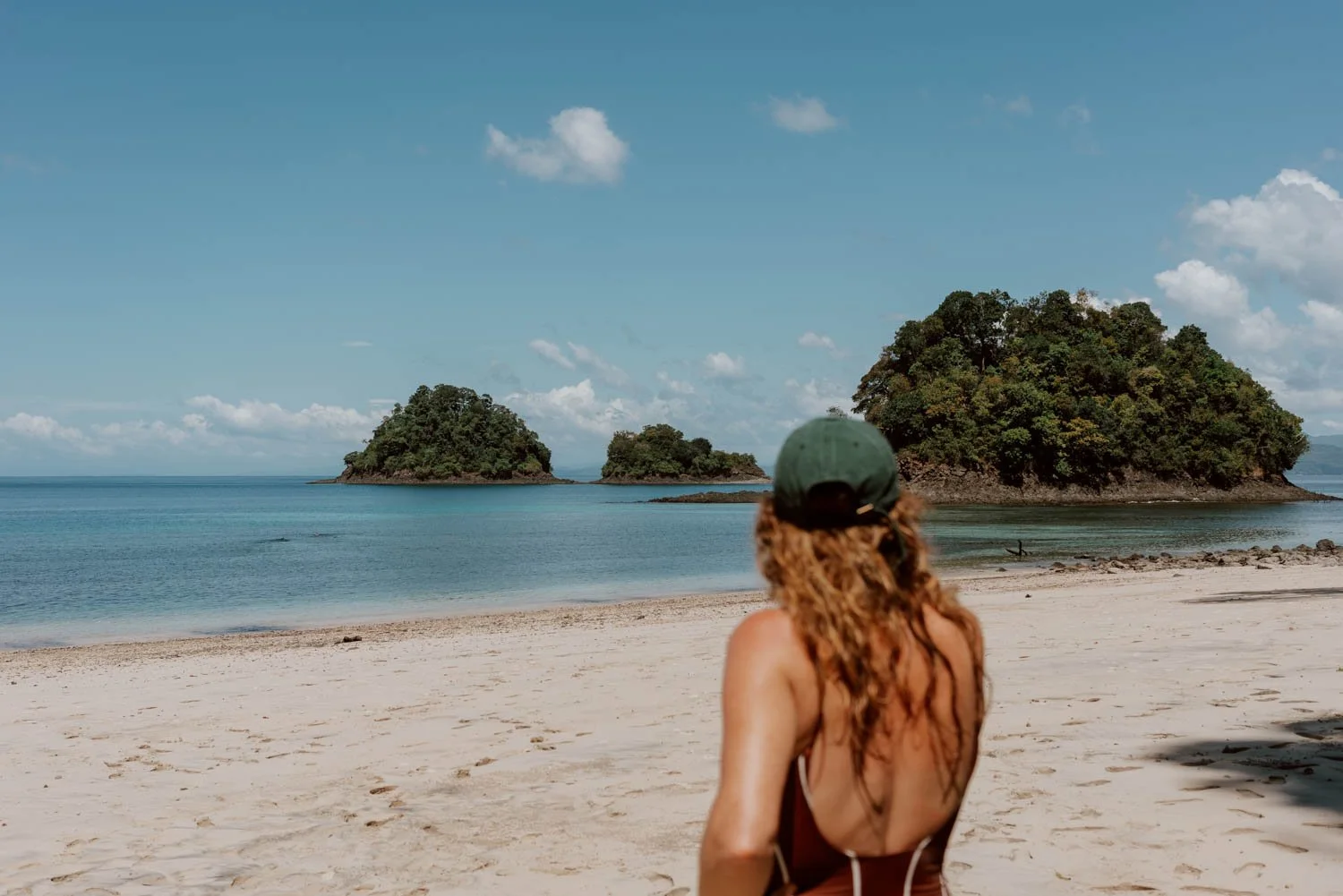
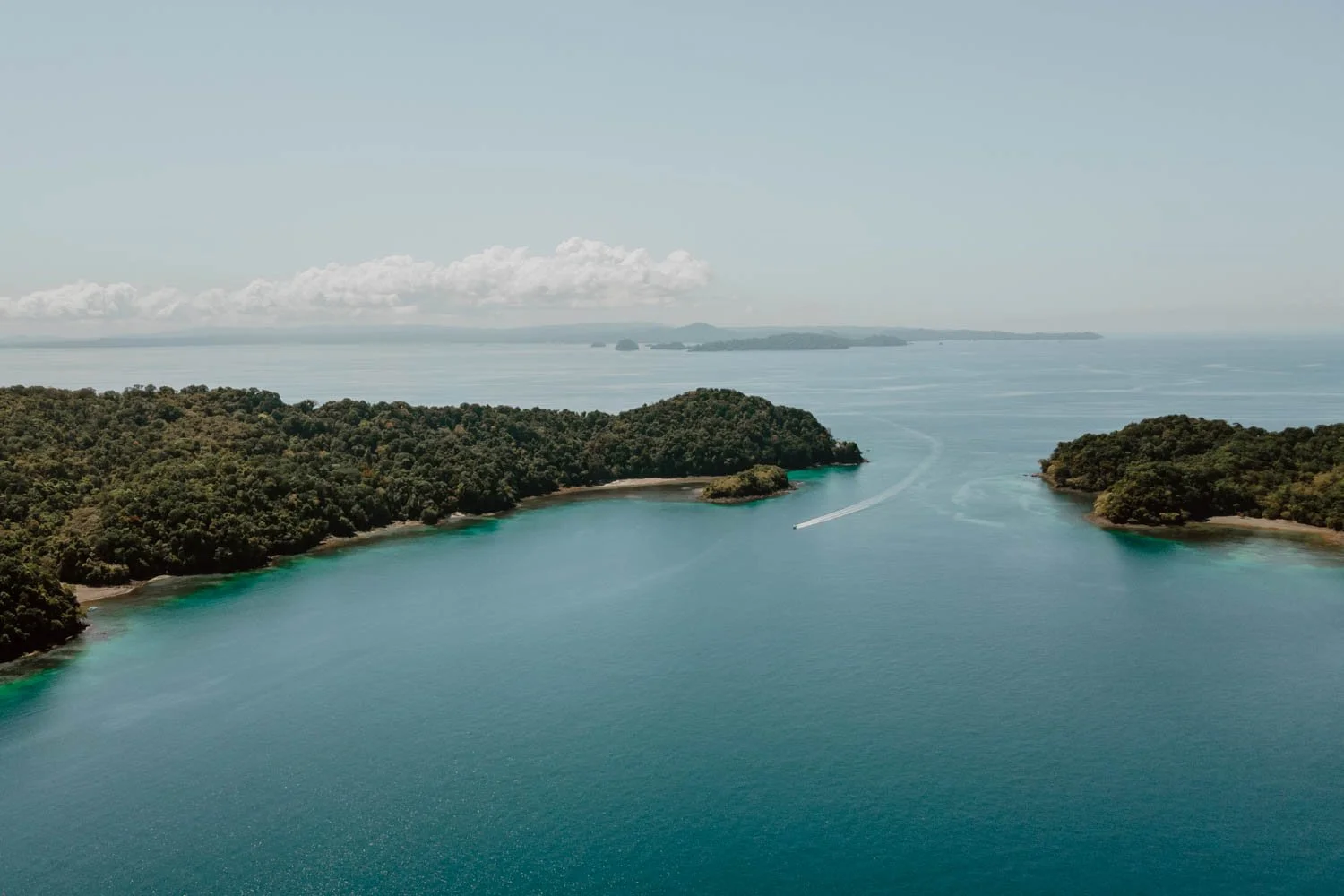
A vast archipelago of islands and islets - yep, Panama really does have a lot of those to choose from - Coiba was largely off-limits for decades: from 1919 until 2004, the main island housed one of Panama’s harshest prisons. Surrounded by deep Pacific waters, escape was virtually impossible and it gained an Alcatraz-like reputation.
Cut off from outside influence, both the land and surrounding waters were left largely untouched, allowing ecosystems to thrive. When the prison closed and the park was declared a UNESCO World Heritage Site in 2005, Coiba opened to the world and the marine life below the surface remains spectacularly pristine.
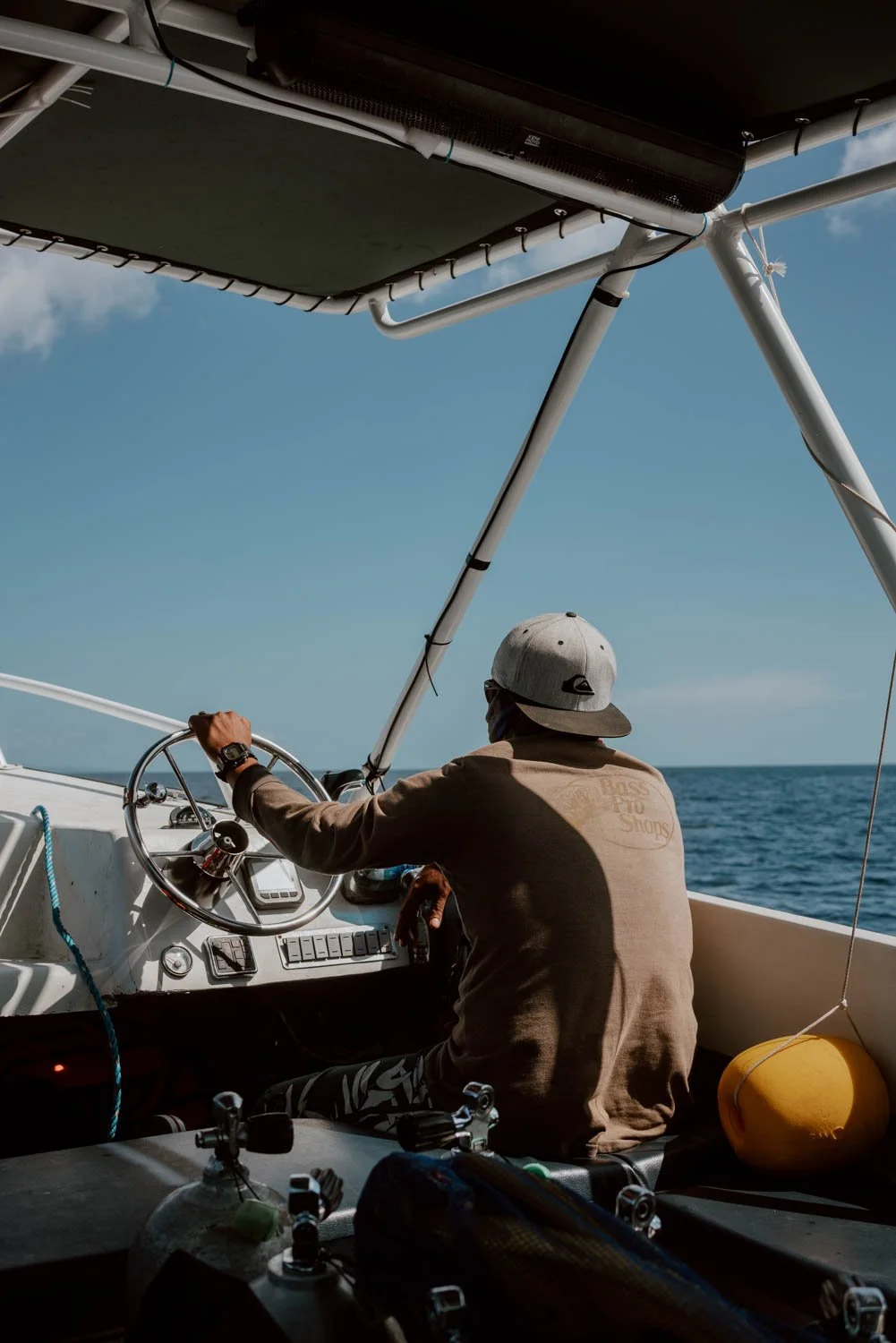
Diving is the main attraction and, as we got our PADI a few years ago in Honduras, it was one of the first entries on our own list of things to do in Panama: it surpassed expectations!
White-tipped reef sharks, olive ridley turtles, huge schools of jacks, and rays abound, whilst seasonal highlights include hammerheads and whale sharks.
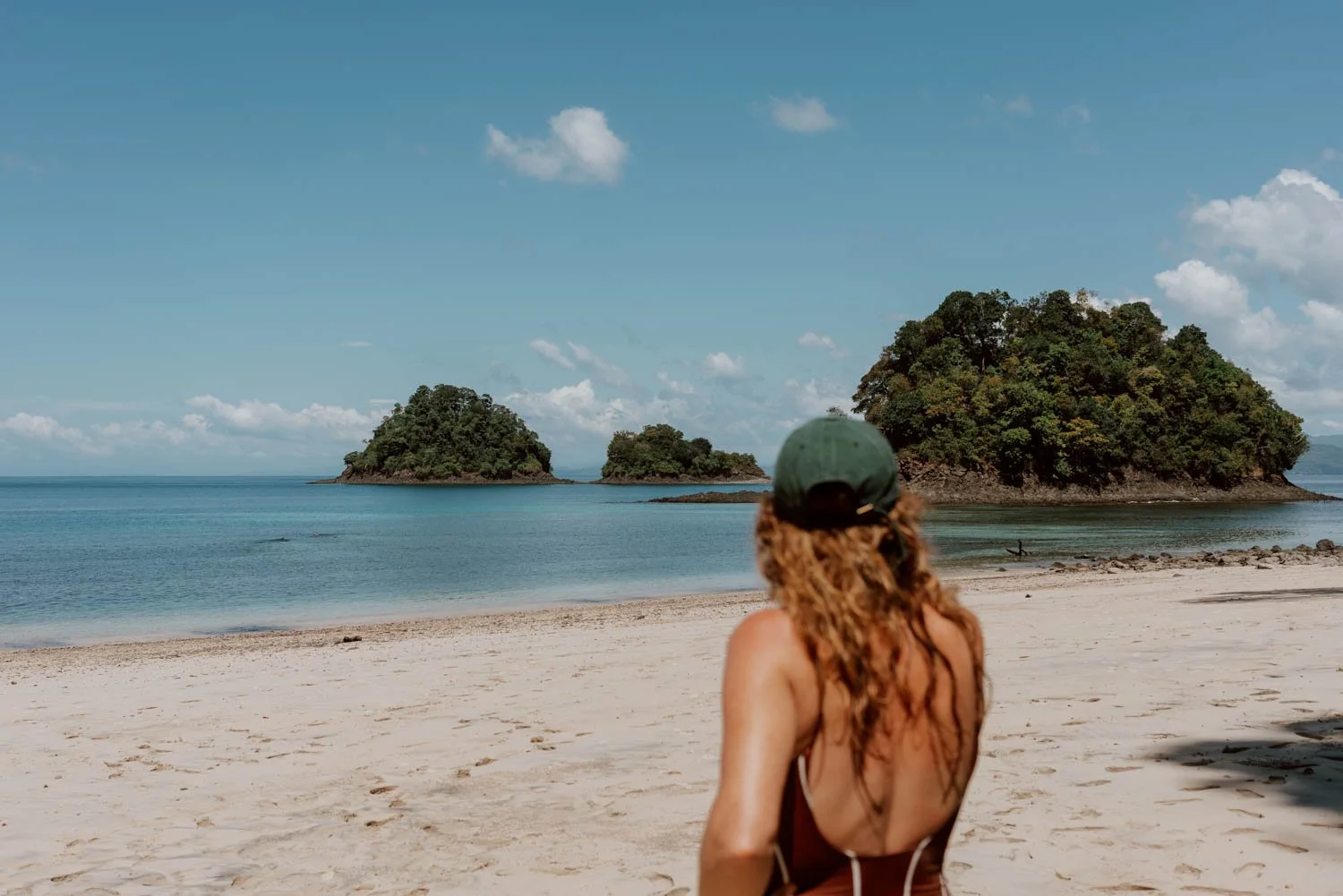
Not a diver? Then it should absolutely still feature in your Panama plans. Snorkelling tours offer access to the same crystal-clear waters and pristine beaches, with stops at multiple uninhabited islands - and that’s almost as much of a highlight as what you can find in the blue. You can also find a bunch of introductory fun dives and courses if you want to go deeper (sorry).
The final bit of good news? All the boats depart from Santa Catalina, where there are a handful of dive shops!


Stay | Flash-packers will love Bambuda, Villa Coco is perfect for a boutique stay, or La Chamba if you want a base whilst you surf
Book | Transport to/from Santa Catalina from anywhere in Panama
Plan // Our Santa Catalina Travel Guide
Perspectives on The Panama Canal
You’ll often see Panama referred to as ‘the isthmus’, and this geographical term is crucial to understanding its destiny.
This slender strip of land connects North and South America, and has long been the bridge between oceans and continents. Long before the famous canal, indigenous peoples and later Europeans used overland routes across this narrow corridor, carrying gold, silver, and other goods, making the isthmus a crossroads of trade and ambition.
Its strategic importance was clear to many, and the dream of a canal existed long before the first locks were dug.
The French were the first to attempt it in the late 19th century, but ambition ran ahead of engineering know-how, and tropical disease, unstable soil, and mismanagement led to failure. Sensing an opportunity, the United States backed Panama’s declaration of independence from Colombia in 1903, largely so that it could gain control of the canal project.
Taking over in 1904, US engineers and a legion of international workers completed the canal a decade later. It was a monumental feat of engineering, cutting through mountains, diverting rivers, creating lakes, and ultimately uniting the Atlantic and Pacific.
Its completion revolutionised global trade and shaped Panama’s history in every sense, even though the US controlled the Canal Zone until 1999.
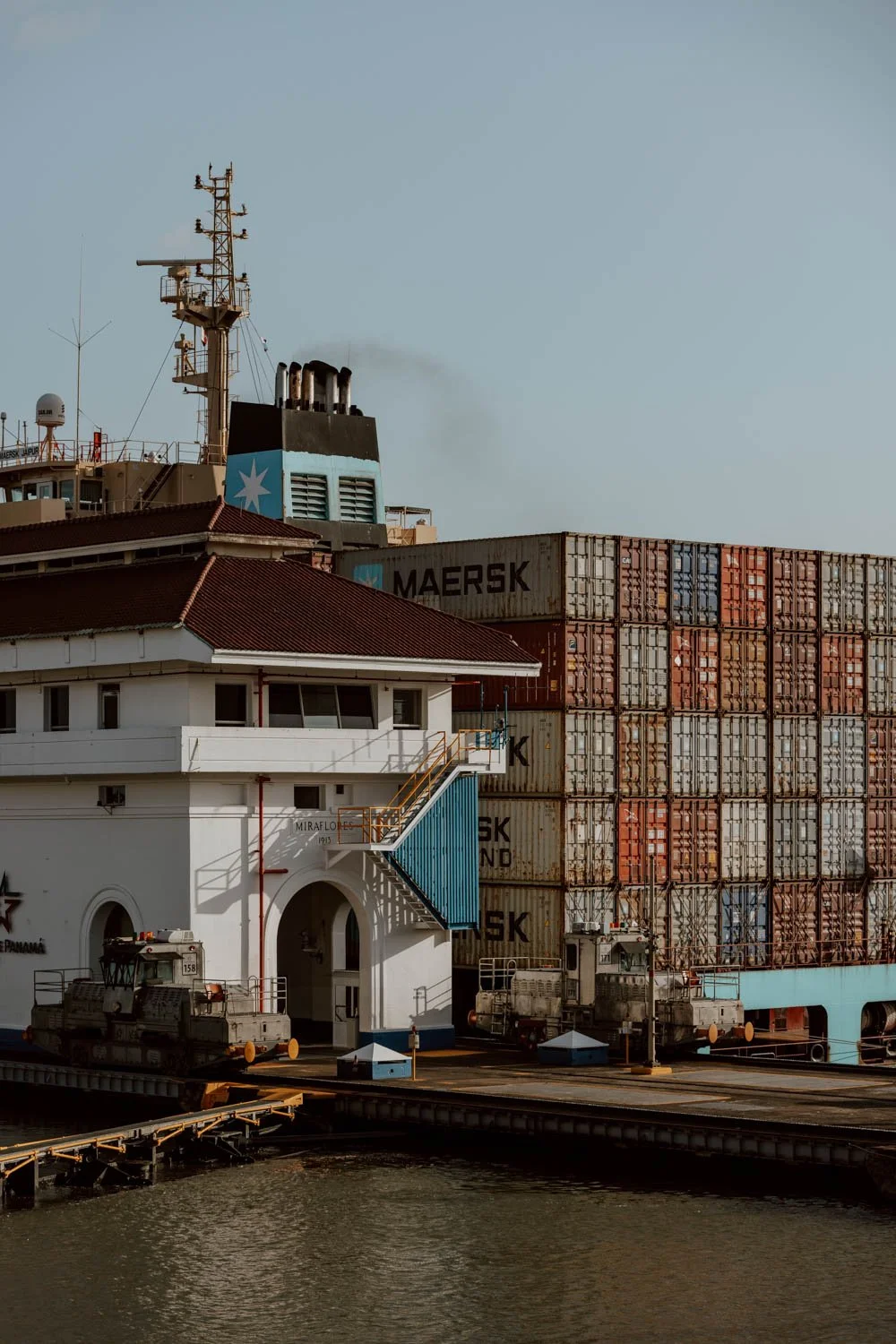
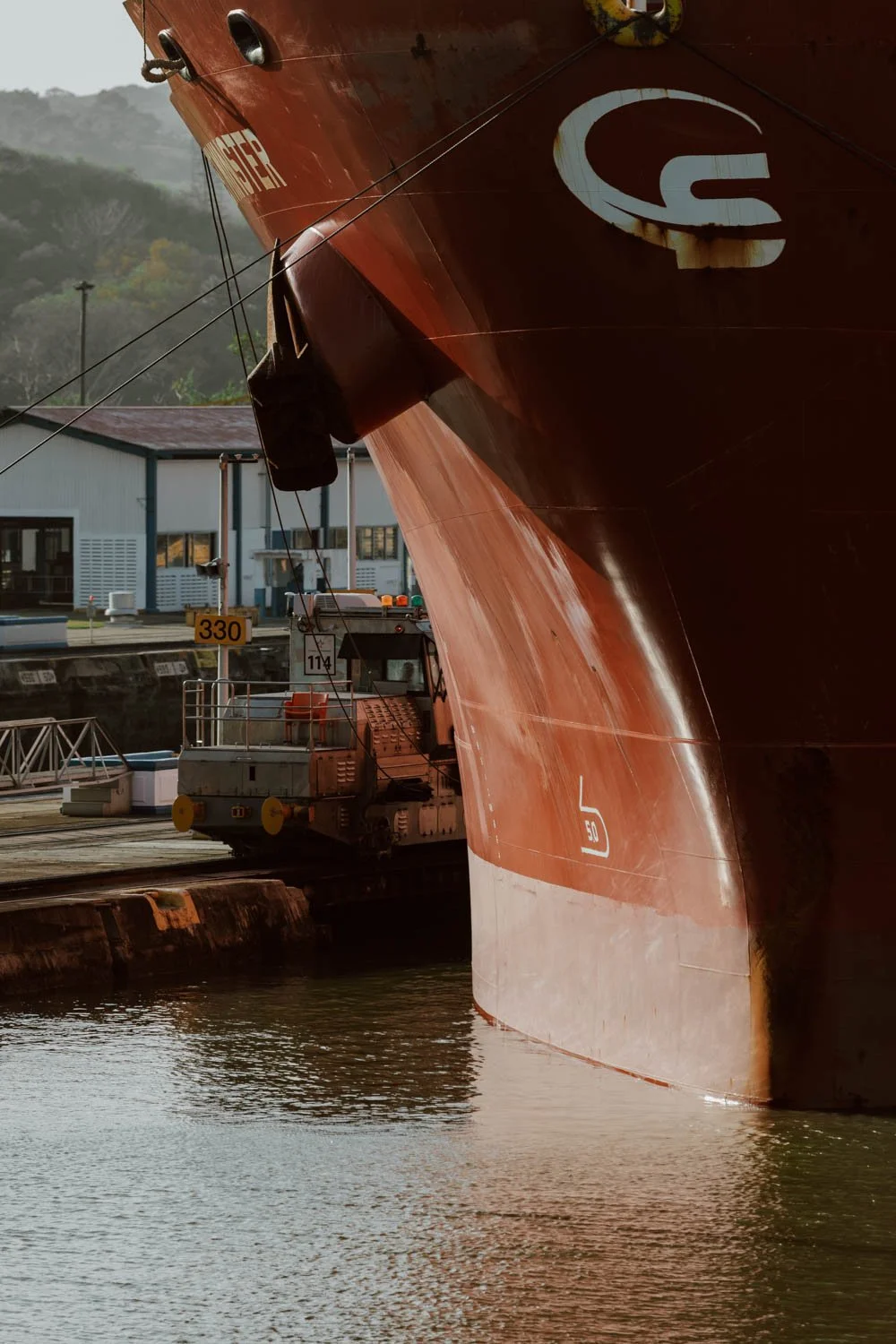
But, despite everyone knowing about Panama’s canal, we can fully appreciate why some of you may be a bit uninspired to visit it. Sure, it’s an incredible feat of engineering, but watching gargantuan container ships navigate the tiny channels of the Miraflores Locks at a glacial pace isn’t exactly the pyramids in Egypt.
Even for enthusiasts, the standard visitor experience may not deliver the perspective on the scale and engineering for which you’re hoping - which is why you may want to consider the limited number of experiences that let you actually sail it from ocean to ocean.


Know | The Canal is just 20-minutes from Panama City, but also accessible in lesser-visited Colon
Book | This popular full-day ocean to ocean boat trip or do a half-day transit through the canal
Plan // How To Visit The Panama Canal

Search For Quetzals & Sloths
The Costa Rica PR machine is a powerhouse, and its reputation for nature and biodiversity is a big reason why the northern neighbour often tops bucket lists.
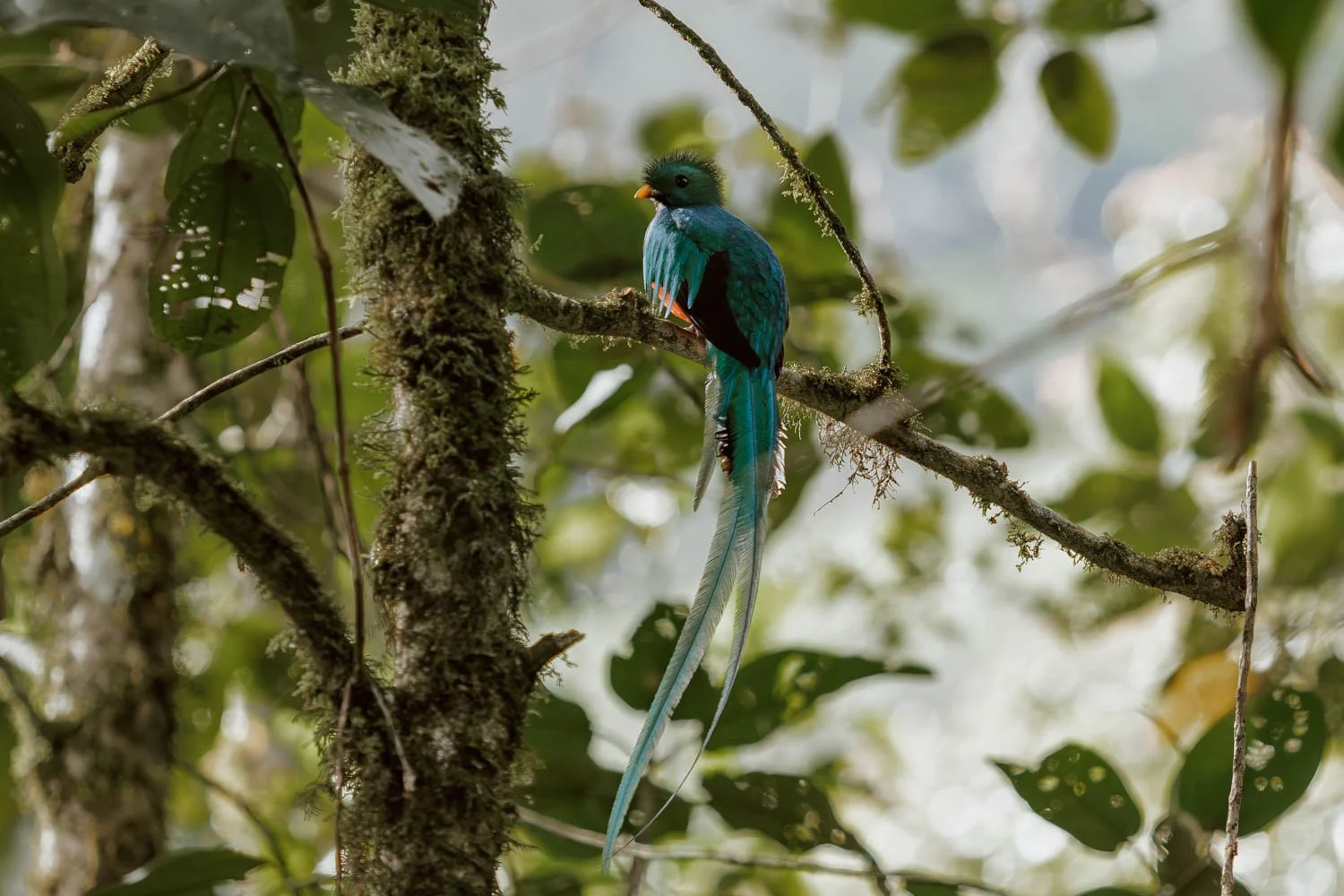
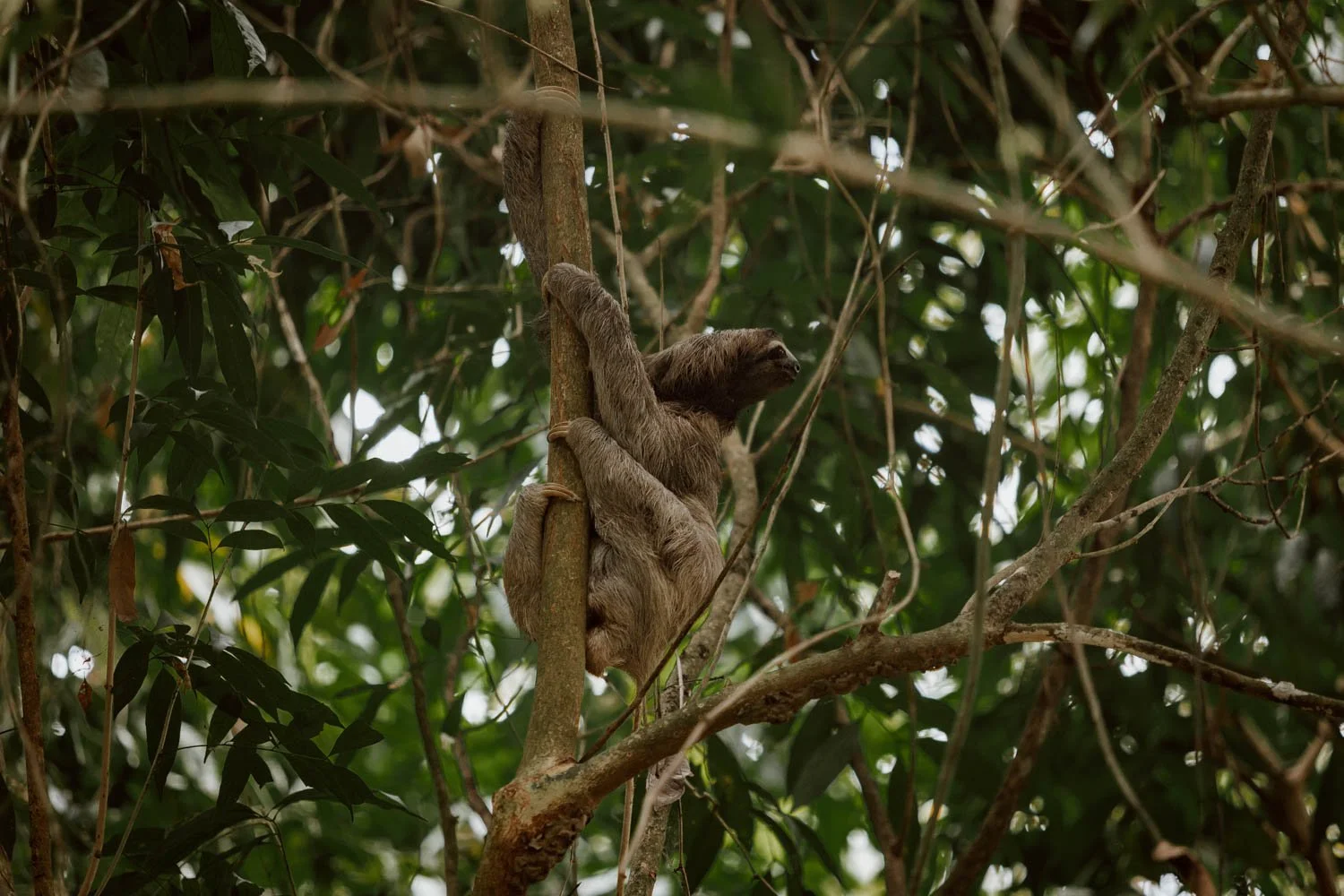
Yet, despite all our trips there and elsewhere in Central America over the last decade, it was Panama where we spotted more sloths in the wild and finally glimpsed the elusive resplendent quetzal.
This wasn’t why we chose to return to the country but, in hindsight, it shouldn’t have been such a surprise.
Some facts: Panamá has more bird species than Europe and North America combined, and more plant diversity than the United States and Canada. Its position as the land bridge between North and South America allows species from both continents to coexist and evolve side by side, creating a richness few other countries can match. With 63% forest coverage, the highest in Central America, its tropical rainforests are among the most studied on the planet, including the largest rainforest in the Western Hemisphere outside the Amazon Basin.
From the outskirts of Panama City to the forests flanking Gatun Lake, from the waters around Coiba National Park and the Azuero Peninsula to birdwatching in the foothills of Boquete, and even in unexpected corners just a few steps from the road, wildlife is abundant.
Monkeys, toucans, sloths, quetzals, turtles, whale sharks and more - Panama reminds you constantly that nature here isn’t an add-on; it’s central to the country’s identity.
Don’t underestimate it.


Book | Monkey & Sloth Jungle Habitat Tour
Stay | Lost & Found Hostel for a real ‘into the wild’ sort of experience
Plan // 23 Things To Know Before You Visit Panama (published soon)
The Azuero Peninsula & Pacific Coast
This was our wildcard pick in Panama.
Many travellers only consider Bocas del Toro and San Blas, yet this quieter, more rugged part of southern Panama has its own compelling pull: virgin beaches, turtle‑nesting, secret breaks, yoga retreats, and towns rooted in tradition that flirt with surf culture without becoming defined by it.
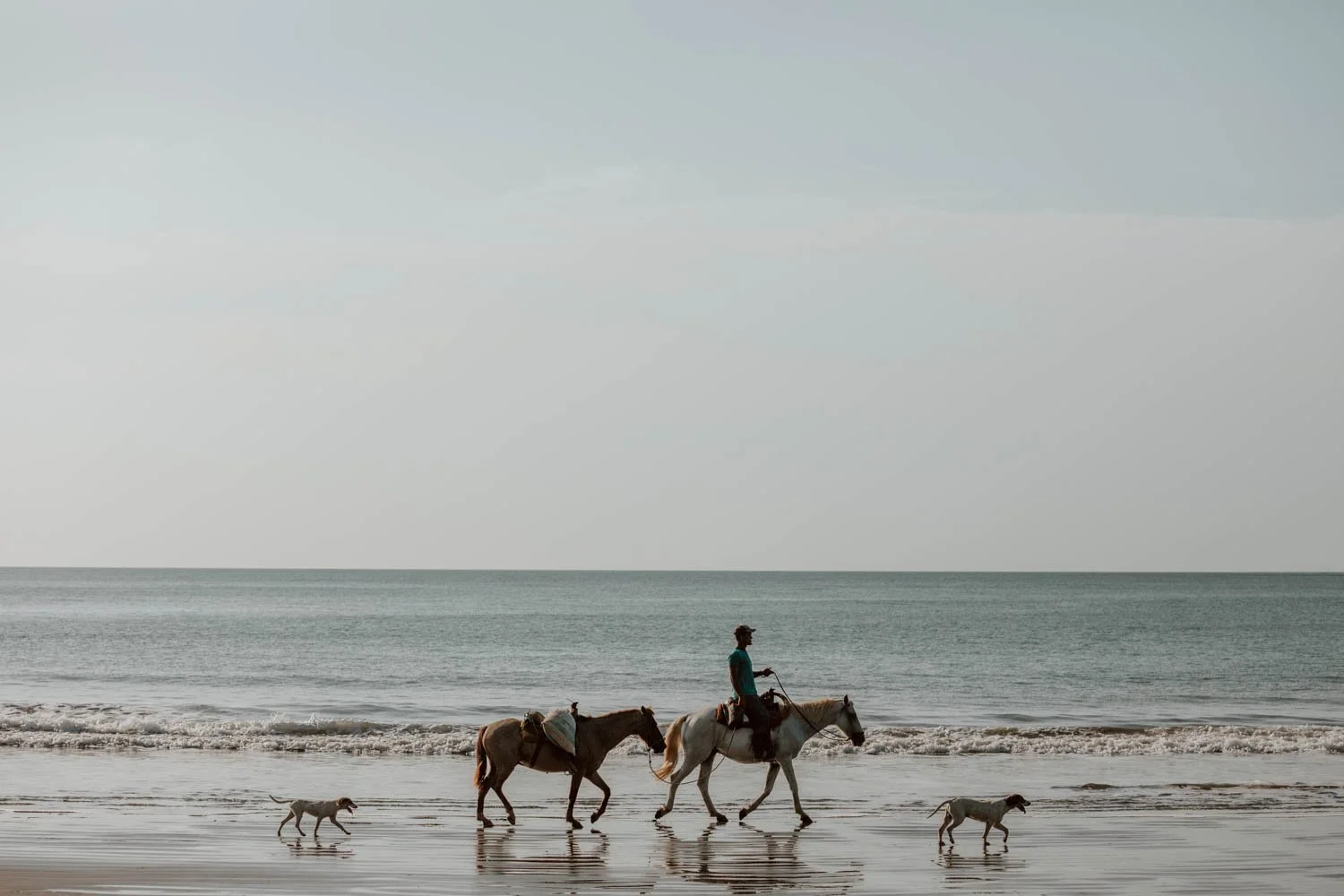
The Azuero Peninsula itself is drier than Panama’s lush interior, with rolling hills, scrubby forests, and long sandy beaches. Small towns and fishing villages dot the landscape, with ranching and farmers on horseback so prominent that you undeniably feel like you’ve stepped into cowboy country.
Playa Venao, a built-from-scratch surf hub and weekend escape, is the standard-bearer, but has grown into such a schizophrenic destination that it isn’t the ‘must-do’ that we anticipated. Yet it’s just one small pocket in a stretch of coastline that otherwise rewards curiosity, quiet exploration, and encounters with nature that feel authentic and largely undiscovered.
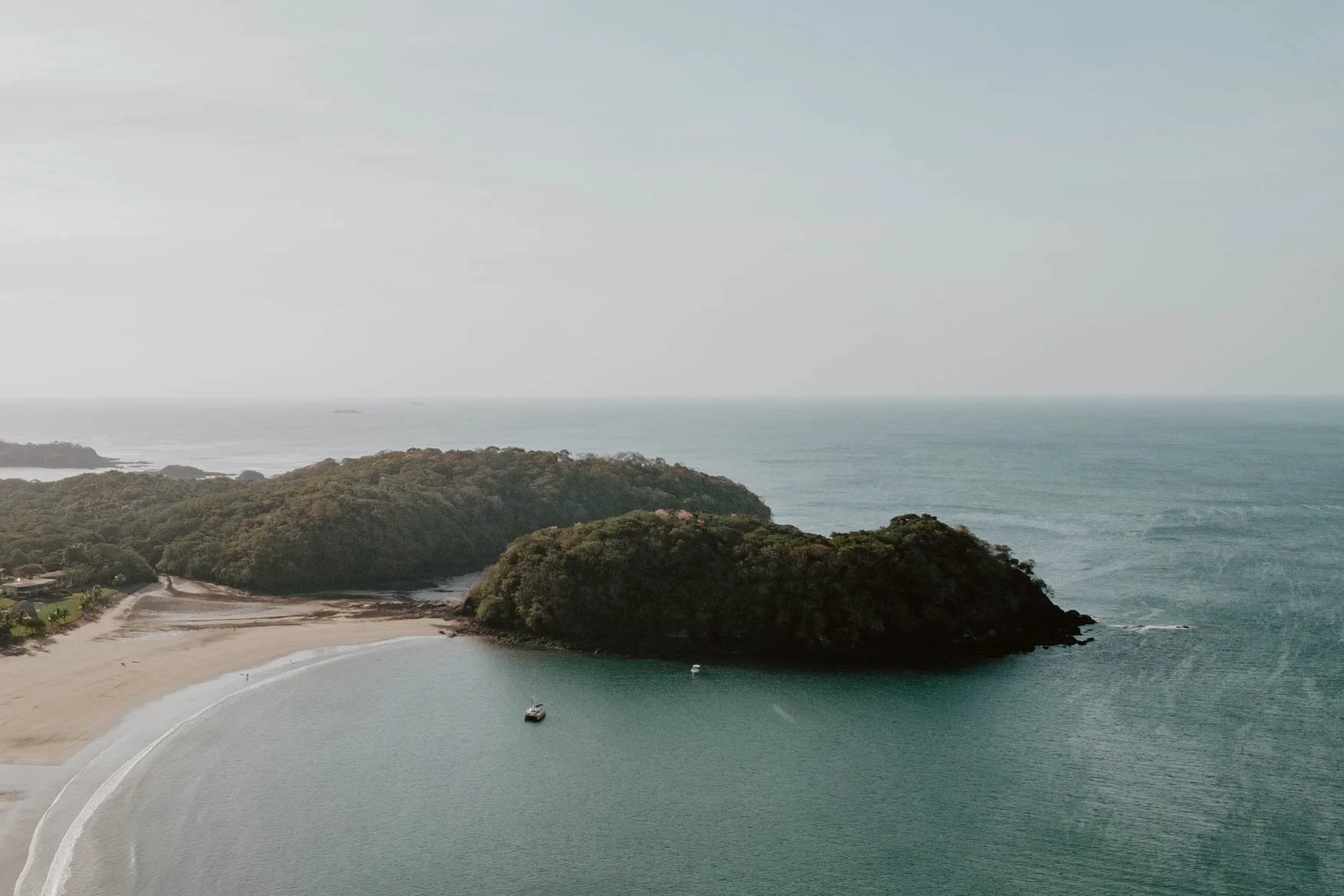
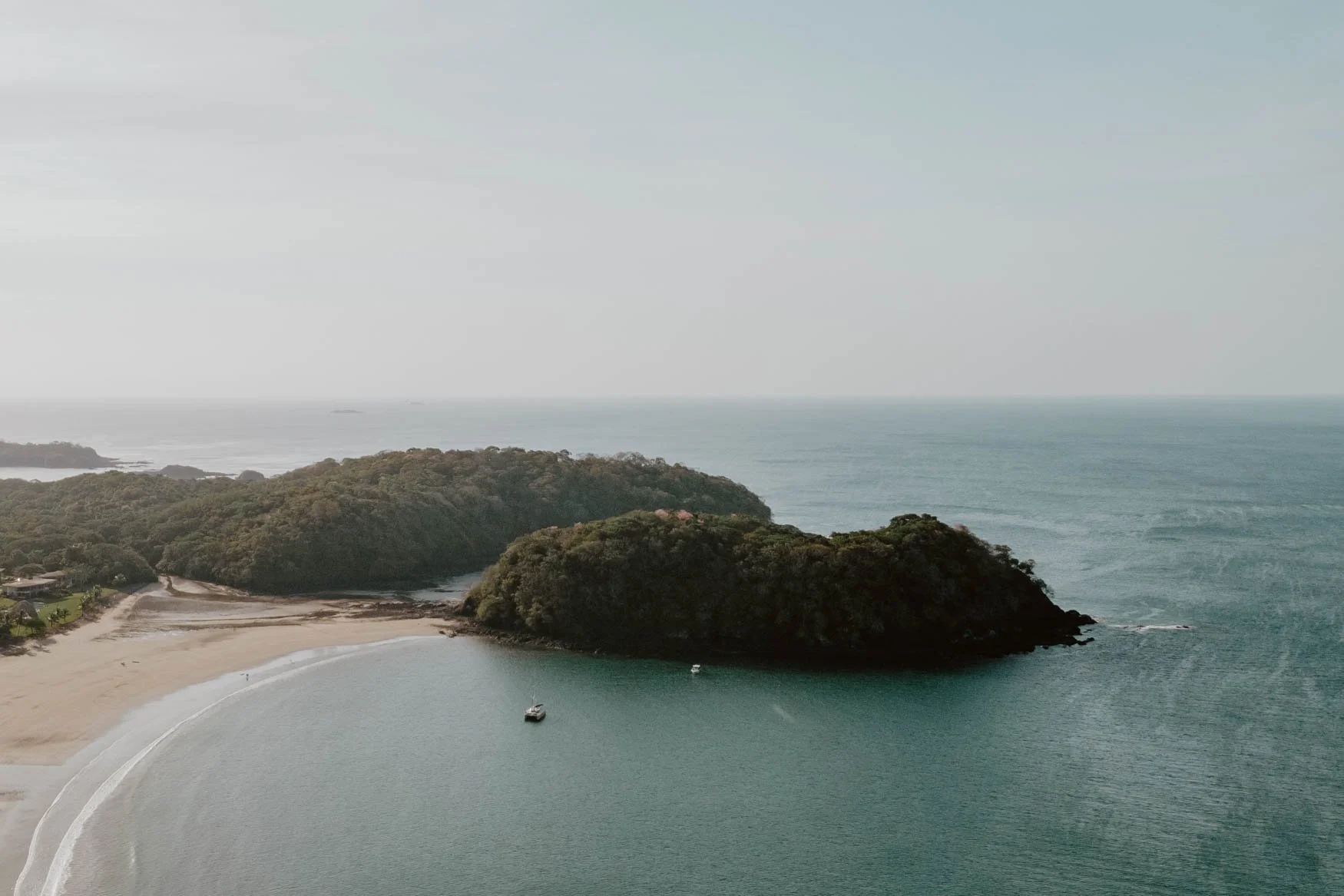
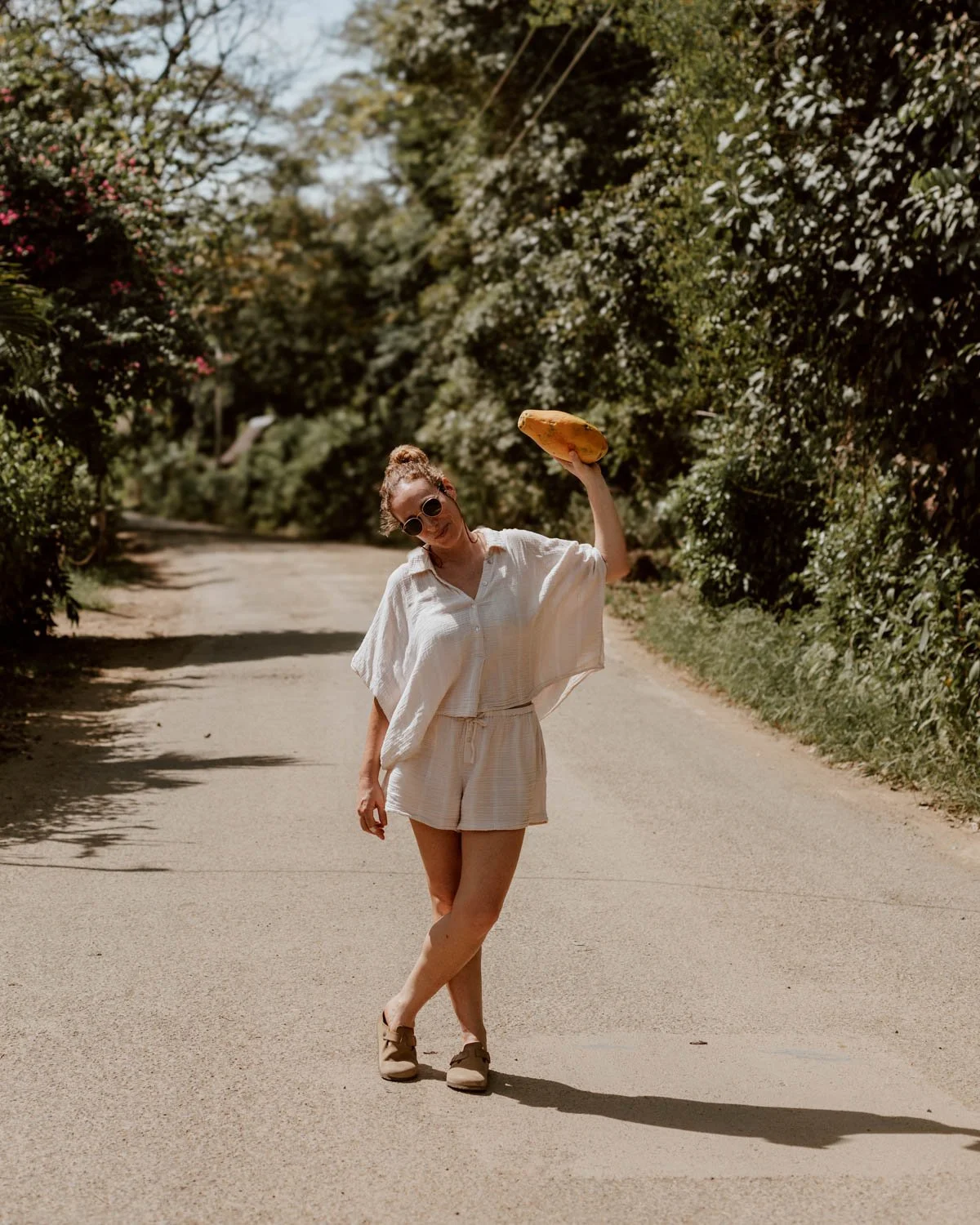
The gorgeous enclave of Playa Cambutal, found at the end of a dusty pockmarked road, was somewhere we could happily have hidden away for weeks.
This corner of Panama is still under the radar, but it won’t stay that way for long — for surfers and travellers seeking solitude, it remains the quintessential ‘in the know’ destination.
Infrastructure and accessibility isn’t great in parts though, so those who come here with a rental car or 4x4 will get much more out of their explorations than those relying on public transportation.


Stay | This gorgeous A-Frame on the beach in Cambutal
Book | A snorkelling tour at Isla Iguana
Plan | A Short Guide To Cambutal & A Traveller’s Guide to Playa Venao (published soon)